Foxface
A 24cm rabbitfish with venomous dorsal spines that grazes nuisance algae relentlessly. Reef safe until it decides otherwise about your soft corals.
Foxface
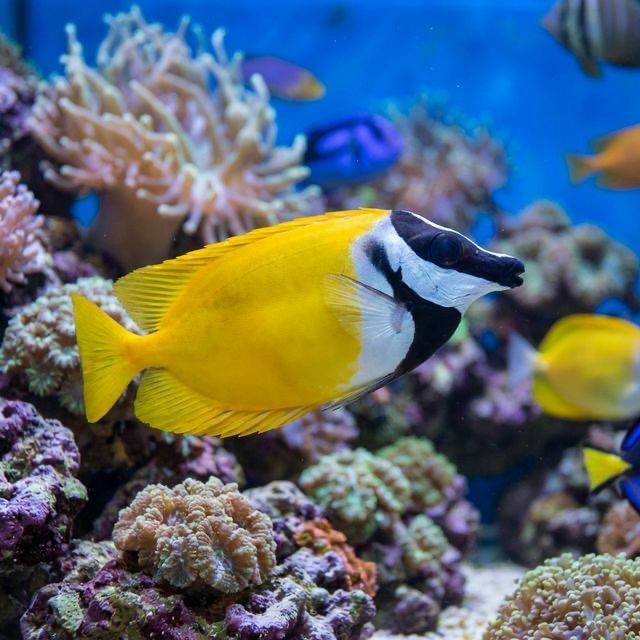
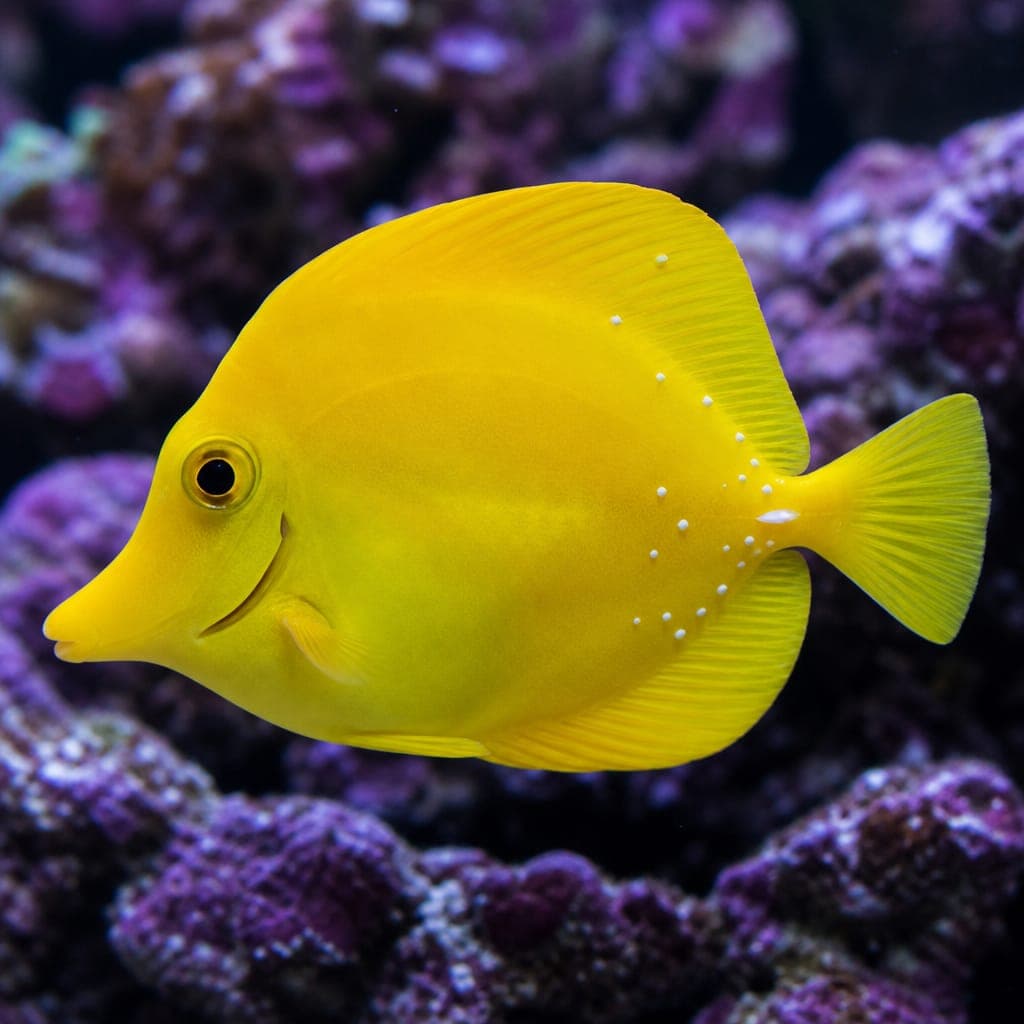
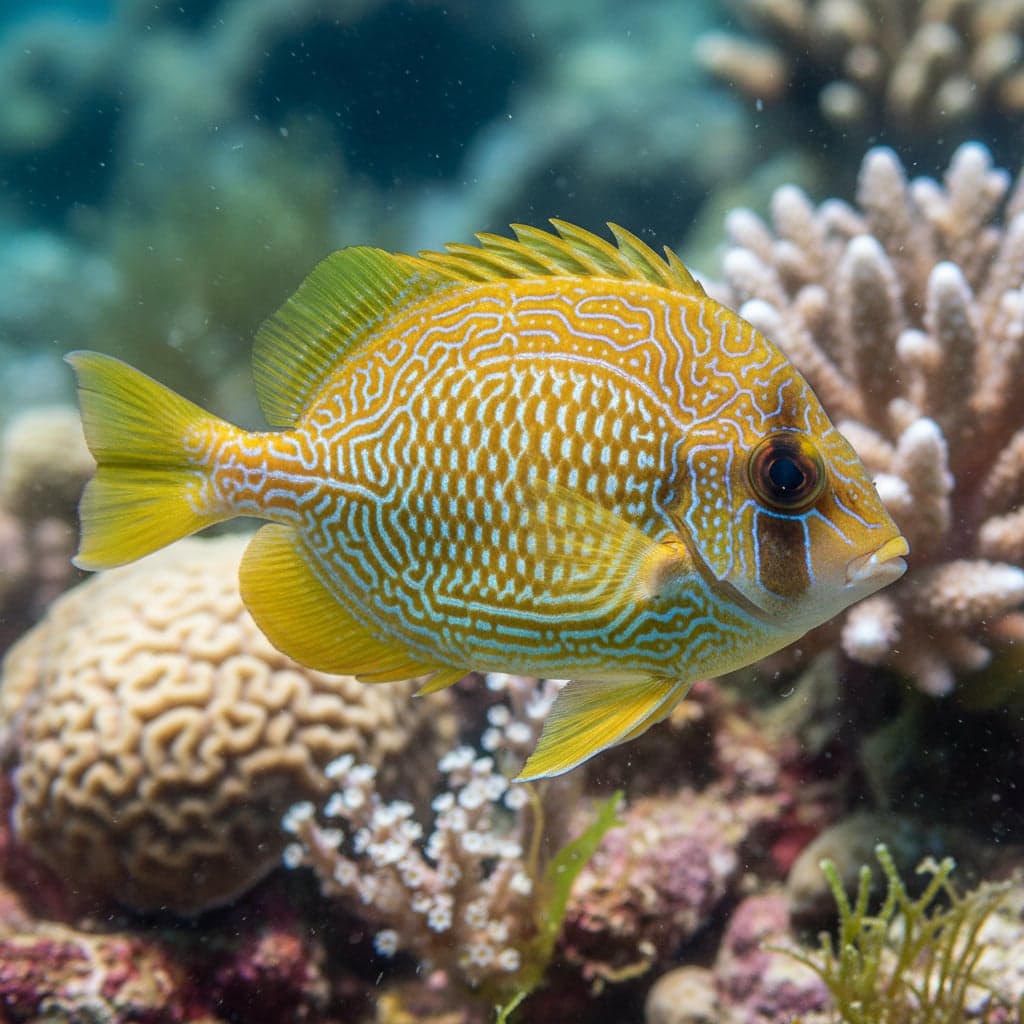
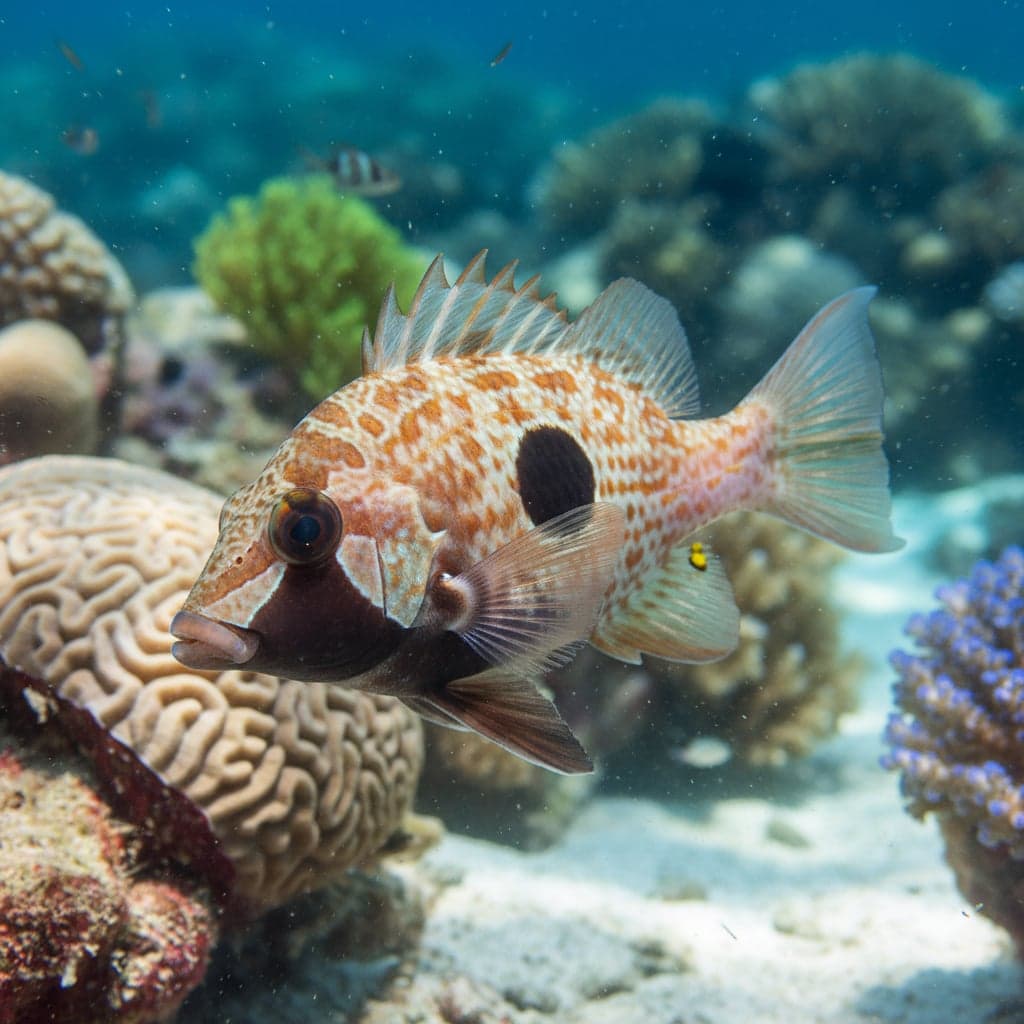
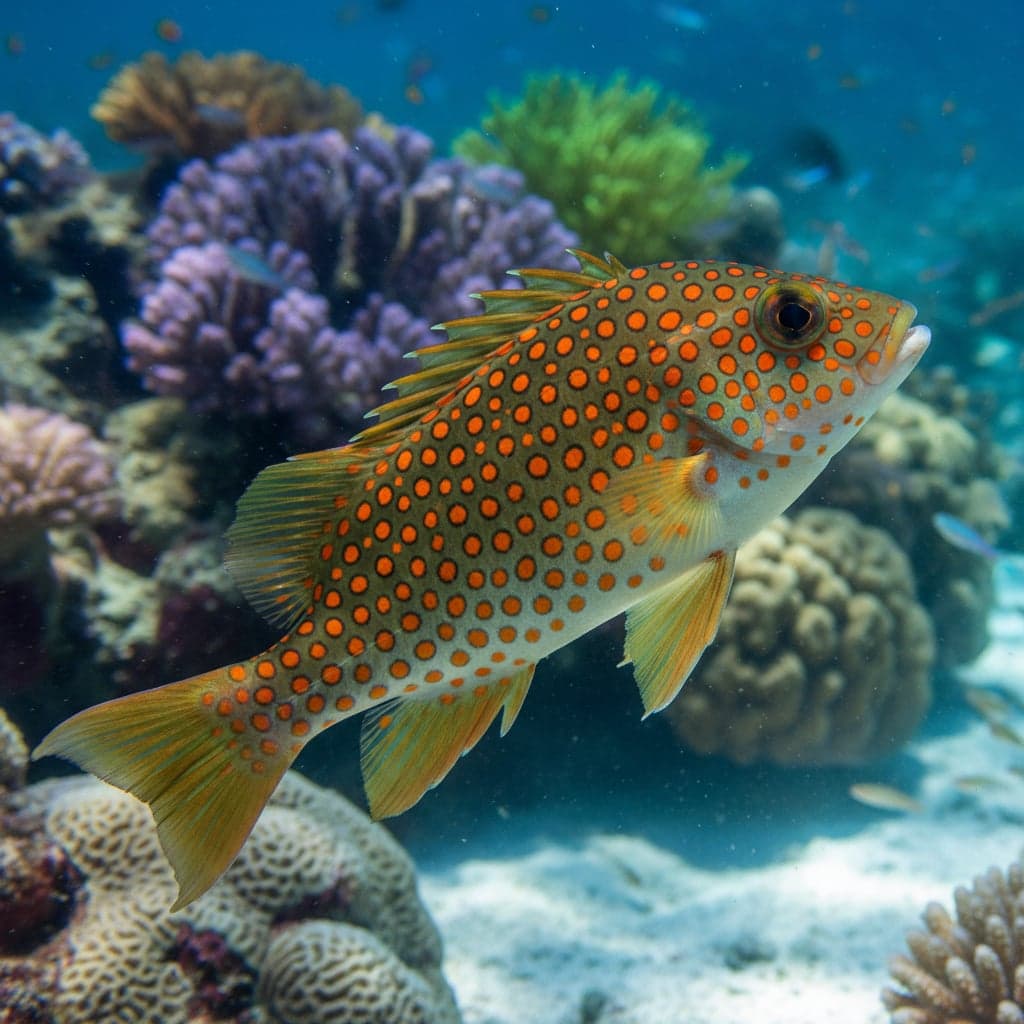
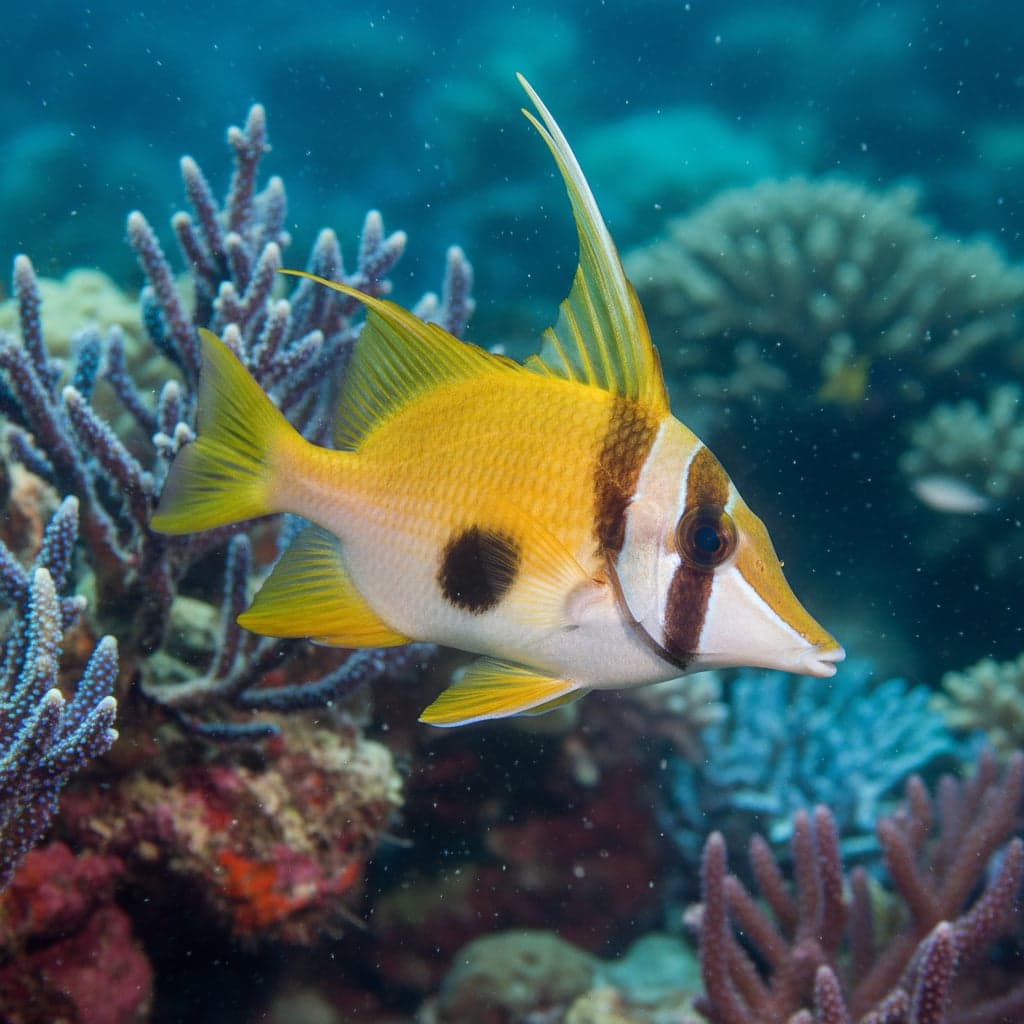
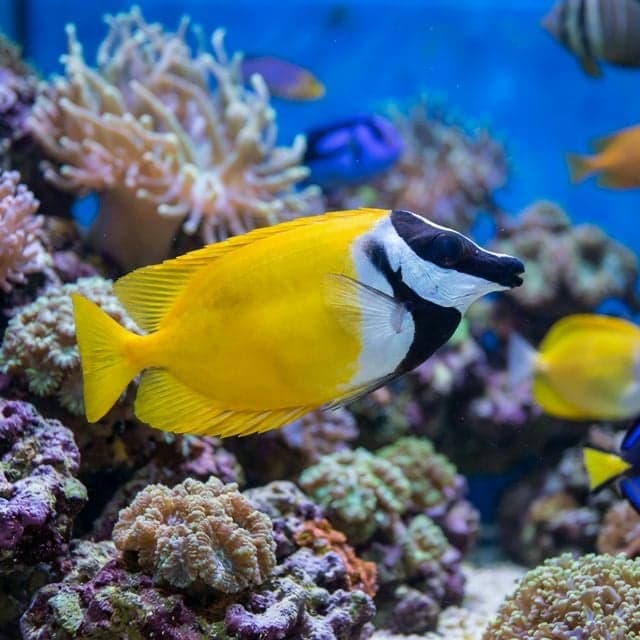
The Foxface, scientifically known as Siganus vulpinus, is a striking reef fish renowned for its unique aesthetics and hardy nature, making it a remarkable choice for both novice and experienced aquarists. Characterized by its elongated body and vibrant coloration, the Foxface showcases a stunning palette that includes bright yellows and a distinct black stripe running diagonally across its face—reminiscent of a fox, hence the name. Its fins are expansive and often appear electric under aquarium lights, adding dynamic movement to the tank. Beyond its beauty, the Foxface plays an important role in the aquarium hobby as a natural algae eater, contributing to a healthier aquatic ecosystem while captivating onlookers with its active and engaging behavior.
In the world of marine aquariums, the Foxface is celebrated for its adaptability and resilience. These fish are particularly noted for their ability to blend into a variety of tank environments, which can be both a visual delight and a practical benefit for maintaining coral reefs. They are also known for their unique defense mechanism; while relatively peaceful, they possess venomous spines which can deliver a mild sting when threatened, deterring would-be predators. This combination of visual appeal, ecological value, and intriguing behavior makes the Foxface a prized addition to the aquarium hobby.
Natural Habitat & Origin
The Foxface hails from the coral reefs of the Indo-Pacific region, particularly found in locations such as the Philippines, Indonesia, and the Great Barrier Reef of Australia. This fish primarily inhabits shallow waters, preferring depths between 1 to 30 meters where it can seek refuge among rocks and coral formations. The natural environment of the Foxface includes both clear and turbid waters, often characterized by ample algae growth that serves as a primary food source. These conditions contribute to the Foxface’s adaptation to varied water parameters, making it a resilient choice for aquarium life.
In its natural habitat, the Foxface thrives in warm, tropical waters with stable salinity and moderate water movement. The presence of live rock and coral not only offers shelter but also serves as a crucial source of food, prompting an omnivorous diet. Understanding the specific environmental context of the Foxface helps hobbyists replicate similar aquatic conditions and promote a thriving aquarium ecosystem.
Care Requirements
To ensure the well-being of the Foxface, it is essential to replicate its natural habitat within the aquarium. The ideal water parameters include a pH range of 8.1 to 8.4, a temperature range between 74°F to 82°F (23°C to 28°C), and a salinity level of 1.020 to 1.025 specific gravity. The water should also have moderate hardness, typically between 8 to 12 dKH, to maintain overall health.
Tank setup for the Foxface requires a minimum aquarium size of 300 litres (80 gallons) — a 24cm rabbitfish grazer needs tank length for a continuous grazing swim, not just footprint. A sandy substrate is preferred as it mimics their natural habitat, allowing them to forage for food effectively. For lighting, moderate illumination is encouraged to simulate natural light conditions, fostering algae growth which serves as part of their diet. Including rock formations and live plants can offer hiding places and enrichment, further enhancing the well-being of the Foxface.
Diet & Feeding
The Foxface is classified as an omnivore, thriving on a varied diet that includes both plant and animal matter. In the aquarium, it can be fed high-quality sinking pellets, flakes designed for herbivores, as well as frozen and live foods such as mysis shrimp and brine shrimp. Algae sheets should be provided regularly to satisfy their appetite for greens and encourage natural grazing behaviors. A balanced diet is crucial for maintaining vibrant coloration and overall health; therefore, offering a mix of foods will promote optimal growth and vitality in the Foxface.
To optimize feeding strategies, it's beneficial to replicate the foraging behavior of the Foxface. Feeding multiple small meals throughout the day rather than a single large meal can help mimic their natural feeding patterns, promoting a sense of security and minimizing stress. This practice enhances their feeding response and encourages a healthy, active lifestyle.
Behavior & Temperament
The Foxface exhibits an overall peaceful temperament, making it a suitable candidate for most community tanks. While it can be slightly territorial, especially during feeding times, its aggressiveness is generally low. It is best kept as a single specimen or in groups of its species—a practice that can help decrease any potential aggression. The Foxface is known to be an active swimmer, often darting playfully around the tank while maintaining its position in the mid to upper water column.
Social behavior can be quite engaging as the Foxface often interacts with other fish species in the aquarium. However, it is essential to monitor interactions with more aggressive species to ensure a harmonious environment. The vertical placement of the Foxface in the tank is vital; they appreciate ample swimming space both horizontally and vertically, giving them the freedom to explore their surroundings.
Tank Mates
The compatibility of the Foxface with other fish species can add diversity and beauty to an aquarium setup. Ideal tank mates include peaceful species such as clownfish, gobies, and other minor wrasses. Additionally, the Foxface tends to coexist well with other herbivorous fish like tangs and parrotfish, as they share similar dietary needs and behaviors. Pairing them with species that have compatible temperaments and environmental needs can create a balanced community.
Conversely, there are certain fish species that should be avoided in the same tank as the Foxface. Aggressive fish such as large cichlids, triggerfish, and lionfish should not be housed together, as their territorial nature can lead to stress or conflict. Additionally, it is crucial to avoid pairing the Foxface with smaller fish that may be seen as prey. Selecting appropriate tank mates enhances the visibility and vitality of the Foxface while ensuring a peaceful community tank.
Breeding
Breeding the Foxface in captivity presents challenges, as it is not commonly achieved among home aquarists. Foxfaces are known to spawn in open water, laying eggs that are typically adhesive and can adhere to substrate or decorations. To encourage spawning behavior, creating a suitable breeding environment is essential; this includes maintaining optimal water conditions, providing ample hiding spots, and ensuring a healthy, varied diet for the breeding pair.
Considerations for breeding include establishing a well-maintained, species-only tank to reduce stress. The water temperature should be maintained at the higher end of the species' range, around 78°F to promote spawning activity. While successful breeding in captivity is rare, understanding the processes and environmental needs can increase the likelihood and presents an exciting challenge for dedicated aquarists.
Common Health Issues
Although the Foxface is generally a hardy fish, it can still be susceptible to various health issues typically affecting marine fish. Common ailments include ich (marine ich) and velvet disease, both of which can arise from poor water quality or stress. Preventative measures should include maintaining stable water parameters, regular water changes, and ensuring a clean and healthy tank environment.
Other proactive strategies include quarantine for new arrivals before adding them to the main tank and providing a well-balanced diet to bolster their immune systems. Regular monitoring for signs of distress or sickness—such as changes in behavior, appetite, or physical appearance—can facilitate early detection and treatment of any potential issues. Proper care, attentive husbandry, and a thorough understanding of marine disease signs will help keep the Foxface thriving. Address problems early with treatments suited to reef or fish-only systems, and never overlook its venomous spines when handling or netting this species.