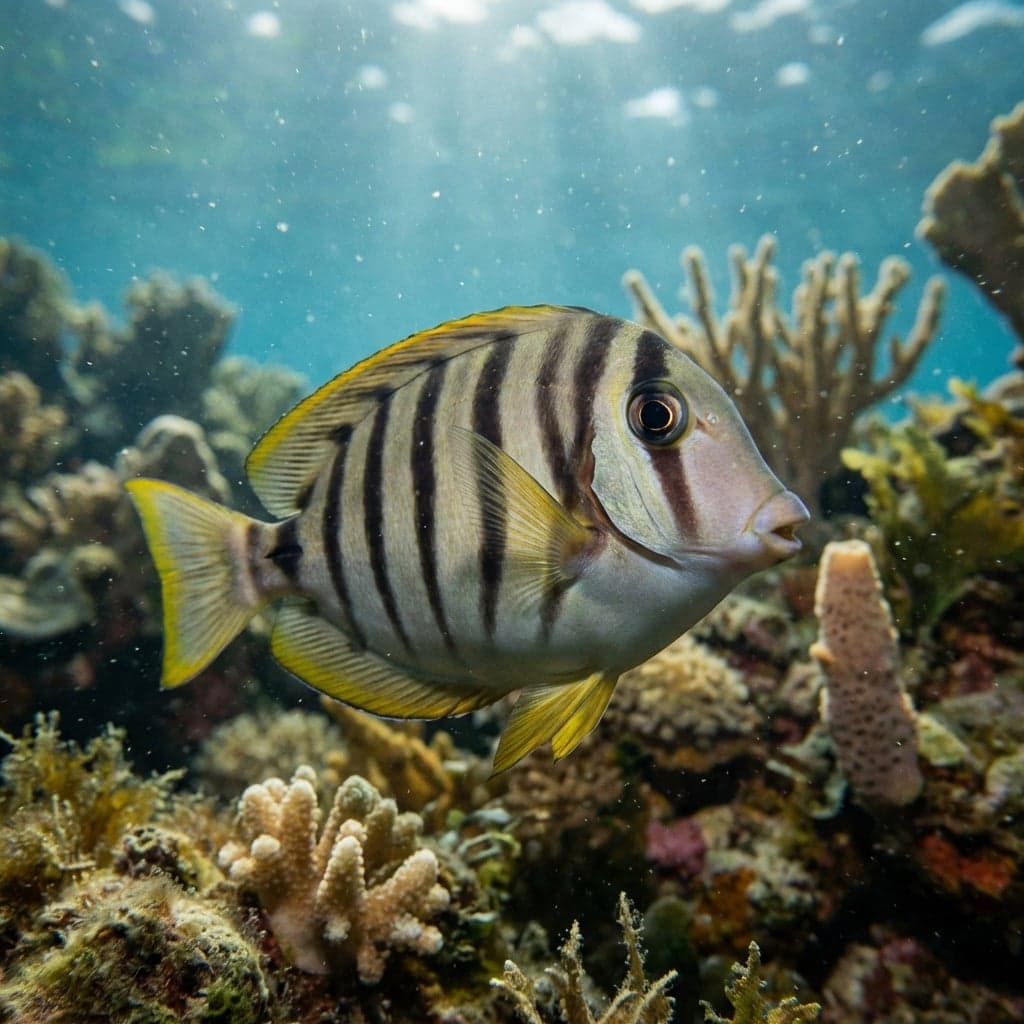
Freckle Faced Tang
A 25cm tang with fine speckling on the face. Needs 700L+, constant algae grazing and strong flow, and it spars with other tangs.

Freckle Faced Tang
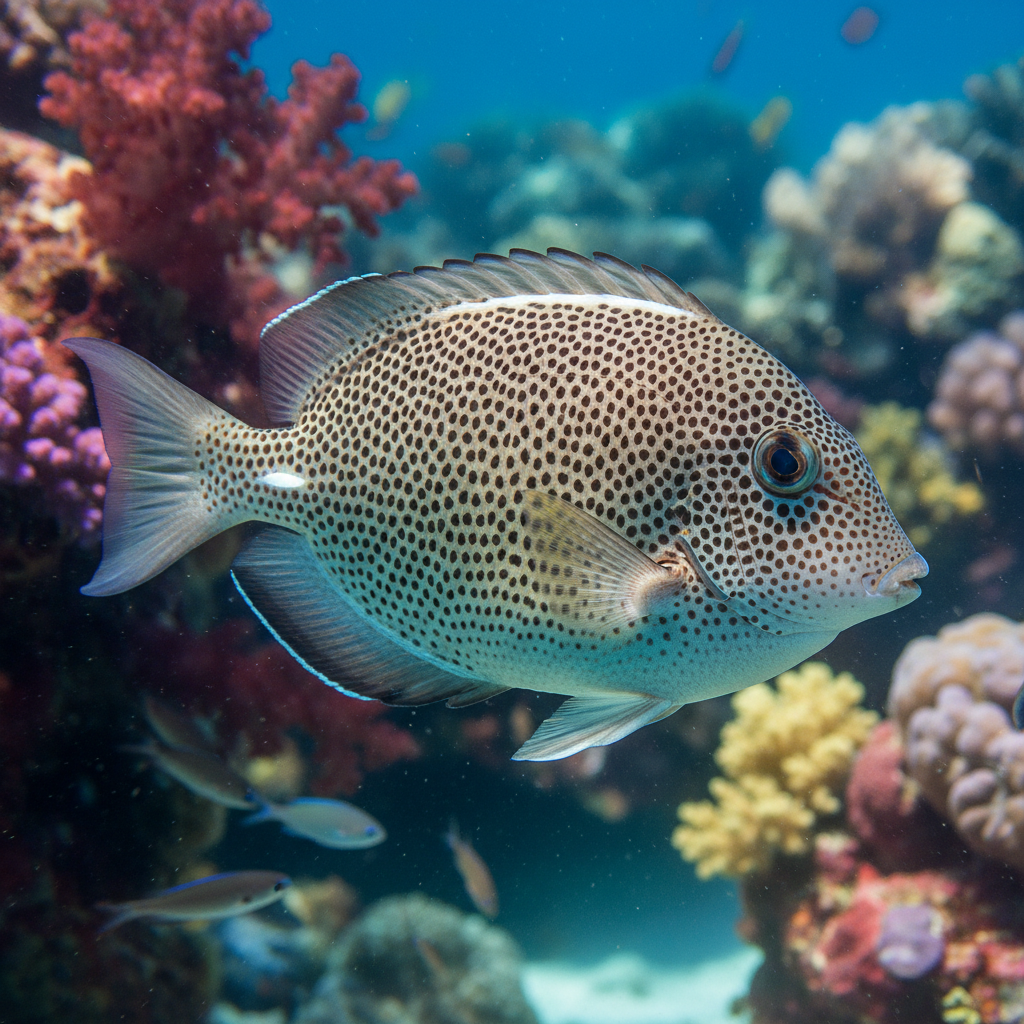
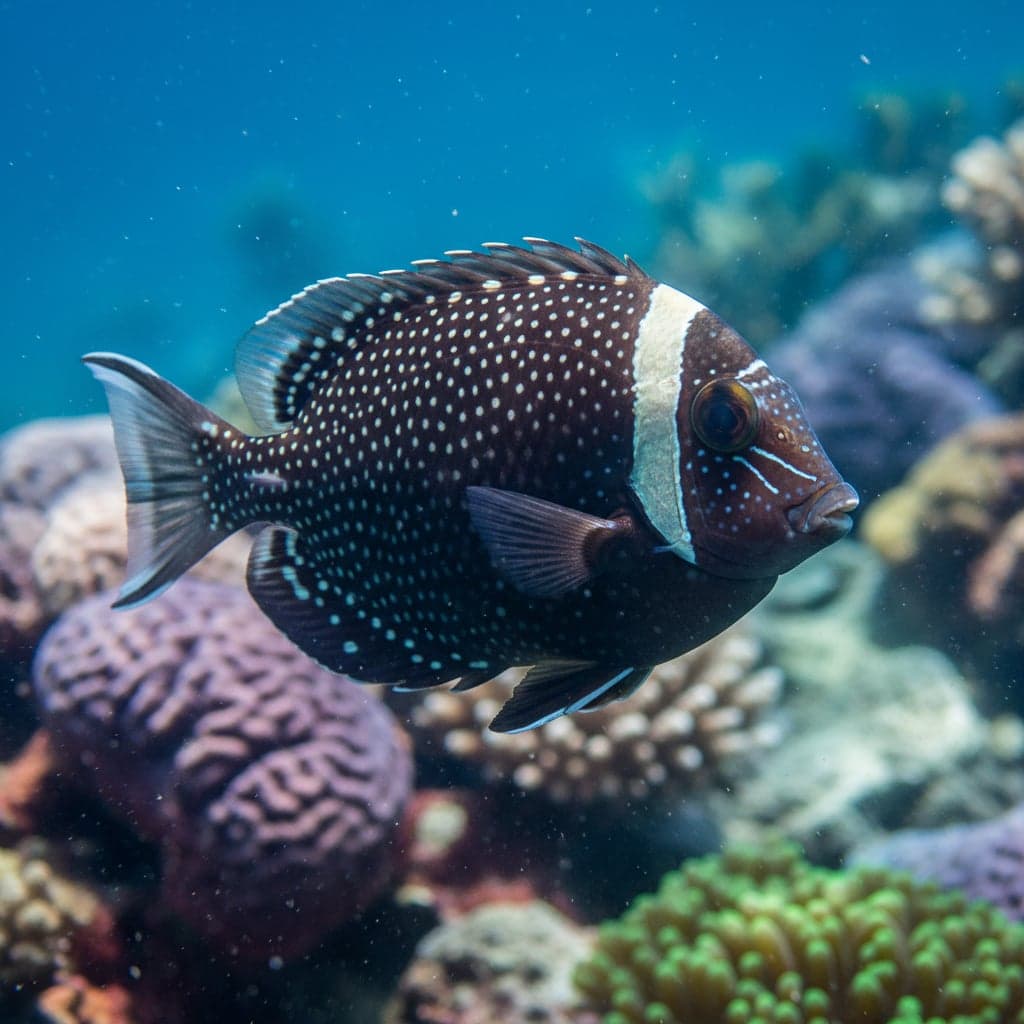
The Freckle-faced Tang (Acanthurus maculiceps), also known as the White-freckled Surgeonfish, is an eye-catching species that adds majestic presence and dynamic movement to large marine aquariums. This stunning fish features a dark brown to charcoal body adorned with a myriad of fine white speckles across its face and head, which lend it its common name. Its shape is characteristic of Acanthurus tangs, with a streamlined, oval body and a prominent caudal spine. The sophisticated contrast of its dark body and bright white "freckles" makes it a prized specimen for experienced aquarists.
In terms of significance in the aquarium hobby, the Freckle Faced Tang is not only prized for its aesthetic appeal but also for its role in maintaining the health of reef ecosystems. As herbivores, they graze on algae, helping to control its growth in captive environments. Their captivating behavior and swimming patterns make them fascinating additions to reef setups, attracting attention from hobbyists and casual observers alike. Caring for the Freckle Faced Tang requires an understanding of its specific needs, making it a rewarding challenge for aquarists seeking to create thriving marine environments.
Natural Habitat & Origin
The Freckle Faced Tang is native to the warm waters of the Indian Ocean, particularly around Mauritius, Reunion Island, and the Seychelles. This species thrives in coral reef environments where it can find ample foraging opportunities. The natural habitat of the Freckle Faced Tang is typically characterized by clear, warm water with moderate to strong currents, which facilitate grazing on algae growing on rocks and corals. These fish are often found in areas of the reef that provide hiding spots, such as crevices and overhangs, contributing to their survival in the wild.
The water conditions in their natural habitat are critical for their health and well-being. Freckle Faced Tangs are accustomed to stable environments with a salinity of about 1.022-1.026, pH levels ranging from 8.1 to 8.4, and temperatures between 75°F and 82°F (24°C to 28°C). Understanding this natural setting is essential for aquarists aiming to replicate conditions that promote optimal growth and behavior in captivity.
Care Requirements
To successfully care for a Freckle Faced Tang, specific water parameters and tank setups must be maintained. To maintain a Freckle-faced Tang successfully, an aquarium should have a minimum size of 700 litres (185 gallons) for this 25cm Acanthurus maculiceps — an active swimmer that needs constant algae grazing, strong flow, and room away from other tangs. The ideal pH should be within the range of 8.1 to 8.4, with a temperature between 75°F and 82°F (24°C to 28°C). Salinity should be maintained between 1.020 and 1.025. Regular water changes and a high-performance protein skimmer are essential for managing waste and maintaining high oxygen levels. The substrate can consist of sandy or fine gravel to mimic their natural sandy bottom habitats. Adequate rock work is essential, providing hiding places and foraging opportunities. Lighting should be moderate to high, ideally with a full-spectrum LED system to support any live corals or anemones in the tank. Including live rock and some hardy marine plants can also enhance the tank's aesthetic and provide a more enriching environment for this species.
Diet & Feeding
The Freckle Faced Tang is primarily herbivorous but will also accept a varied diet. In their natural environment, they primarily graze on algae and detritus. In captivity, it is essential to provide them with a balanced diet that includes high-quality flakes, pellets, and frozen foods that are algae-based. Seaweed sheets (nori) are especially beneficial and should be offered regularly to meet their grazing needs. Additionally, incorporating occasional high-quality protein sources, such as brine shrimp or mysis shrimp, can round out their diet. Care must be taken to ensure any foods offered are appropriate in size and easily consumed given their beak-like teeth.
Regular feeding intervals should be maintained, with smaller portions offered multiple times a day to replicate their natural feeding habits. A careful diet helps prevent common dietary-related health issues, especially the potential for malnutrition, common among herbivorous marine species.
Behavior & Temperament
Freckle Faced Tangs are known for their lively and curious nature. They possess a somewhat territorial demeanor, especially as they mature, which can lead to aggressive interactions with other tangs or similar-looking fish. It is advisable to keep only one Freckle Faced Tang per tank unless a very large aquarium allows for multiple individuals with ample territory.
In terms of schooling habits, these fish do not require or naturally form schools; instead, they are more inclined to explore their environment and establish their territory. In the aquarium, they will typically inhabit the mid to upper water column but often swim vertically as they search for algae on rocks and tank decorations, showcasing their playful and inquisitive behavior.
Tank Mates
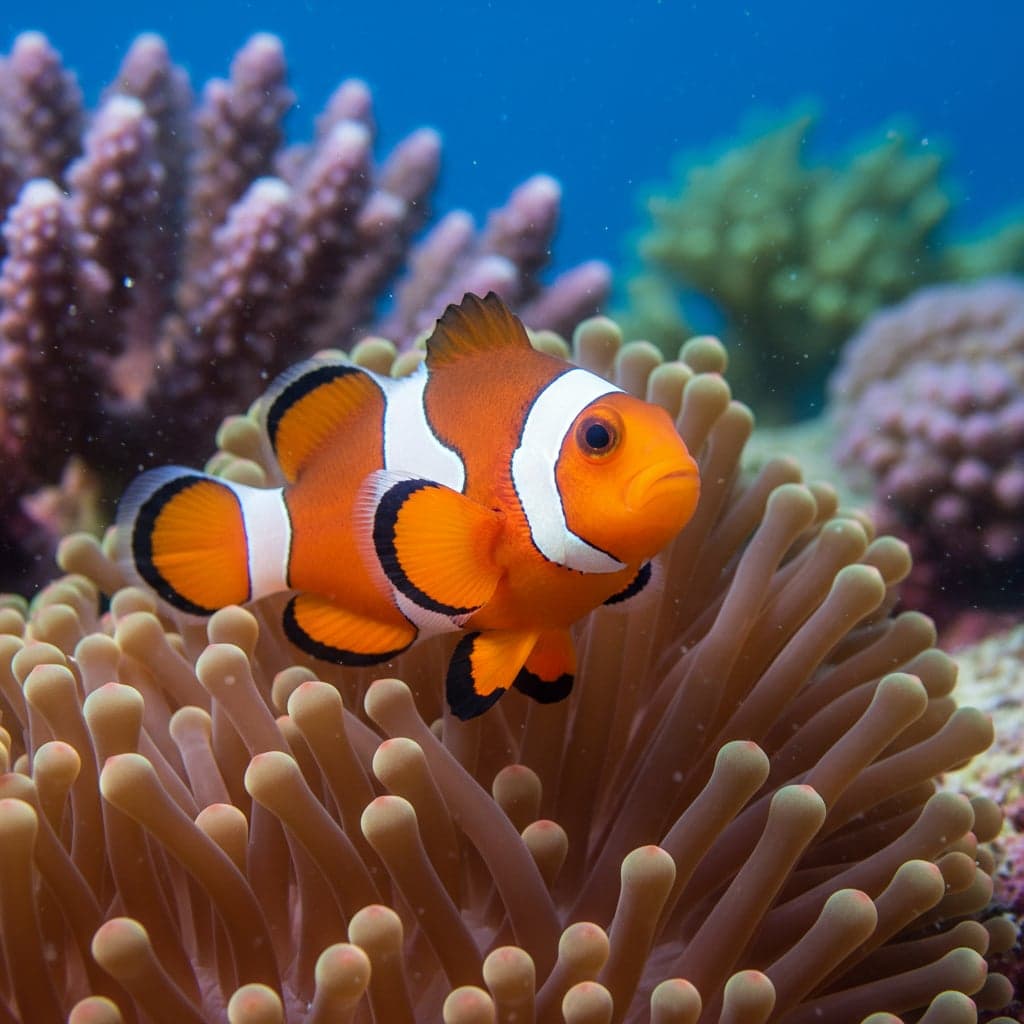
When selecting tank mates for Freckle Faced Tangs, compatibility is key due to their territorial nature. Suitable tank mates include other peaceful species such as clownfish, wrasses, and gobies. Larger tanks can accommodate other tangs, but care should be taken to select species with different body shapes and colors to reduce aggressive interactions. Avoid keeping Freckle Faced Tangs with overly aggressive species, like large angelfish or triggers, as well as other tangs of similar appearance, as this can lead to hostility and stress.
It's crucial to establish proper introductions and accommodate ample hiding spaces to alleviate territorial aggression. Additionally, community tanks with various peaceful reef fishes tend to provide a dynamic and harmonious environment for the Freckle Faced Tang.
Breeding
Breeding Freckle Faced Tangs in captivity is a challenging yet rewarding endeavor. Known to be a free-spawners, they typically require large volumes of water to facilitate successful breeding. In natural settings, these fish will lay eggs during dusk to dawn when water conditions are optimal. For successful breeding in captivity, a dedicated breeding tank of at least 200-300 gallons should be used, replicating their natural habitat as closely as possible.
Conditions for breeding should include stable water temperature and salinity parameters, along with excellent water quality. Providing ample swimming space and numerous hiding spots can promote comfort among breeding pairs. It should be noted that successful breeding often requires a mated pair of Freckle Faced Tangs, which may need to be carefully selected and introduced to encourage bonding.
Common Health Issues
Despite their robust nature, Freckle Faced Tangs can be prone to specific health issues such as Marine Ich (Cryptocaryon irritans) and Lateral Line Disease. Regular observation and monitoring of water quality are crucial in preventing stress-related diseases. Providing a balanced diet and maintaining proper water conditions can significantly reduce susceptibility to these ailments.
Proper acclimatization when introducing new fish can also minimize stress and health risks. Quarantine tanks for new arrivals, along with routine water changes and maintenance, are essential practices in ensuring the overall health and longevity of Freckle Faced Tangs in a home aquarium.