Gold Rush Tang
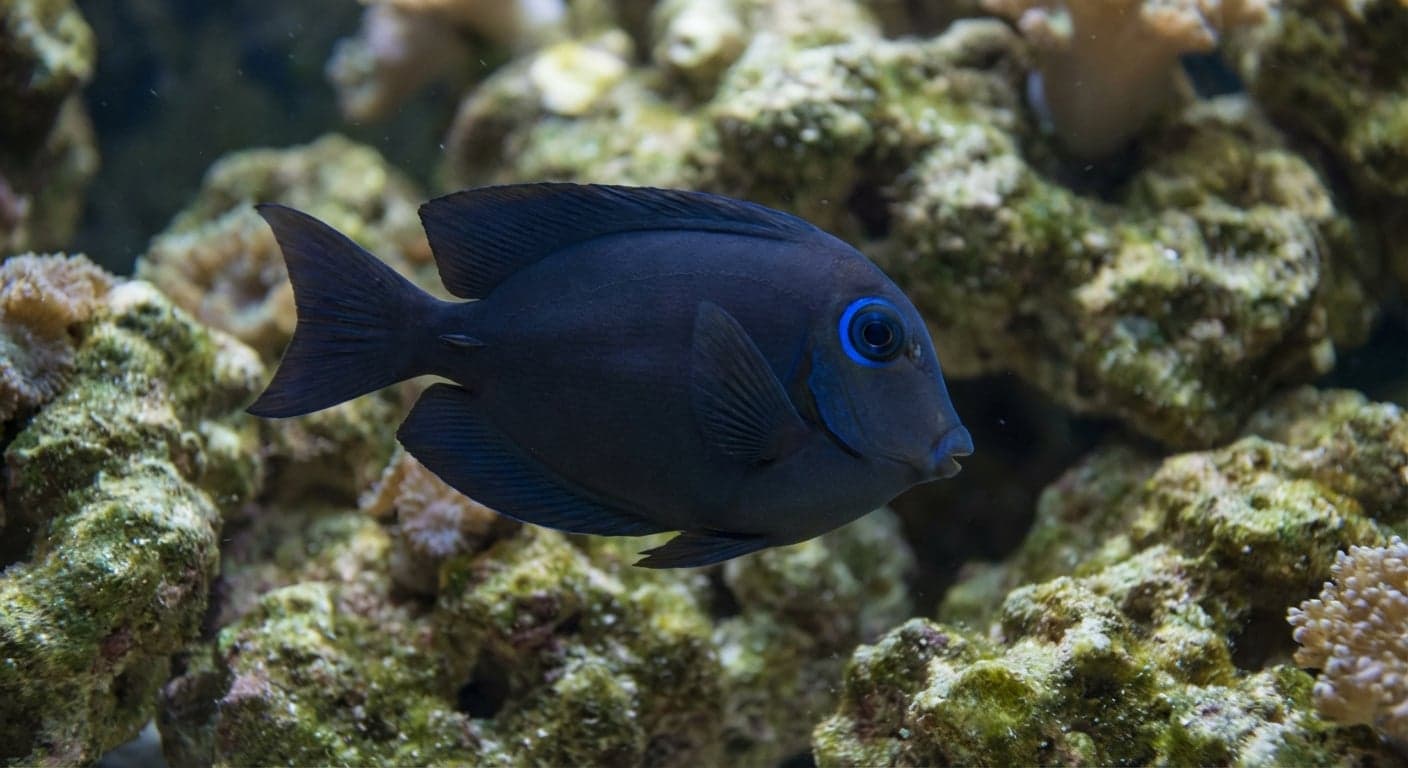
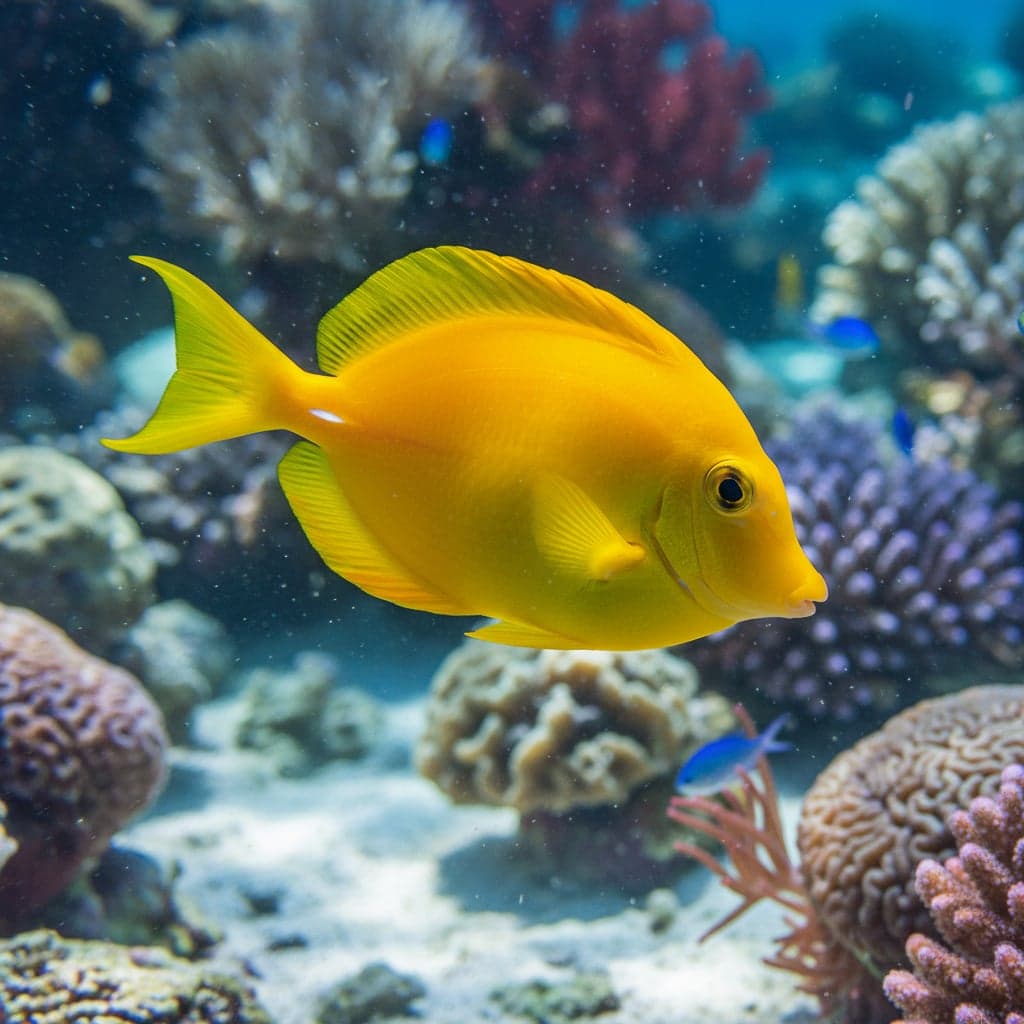
The Gold Rush Tang (Ctenochaetus tominiensis), also known as the Tomini Tang, is a peaceful and hardy surgeonfish prized for its algae-grazing and striking fin highlights.
Gold Rush Tang
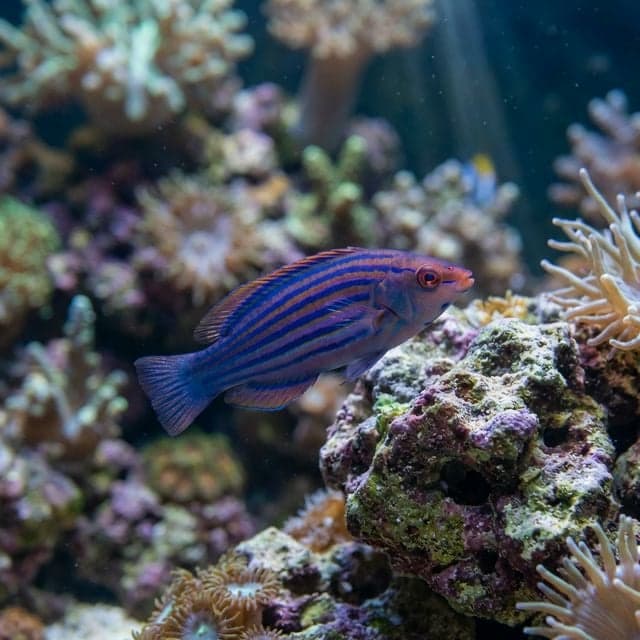
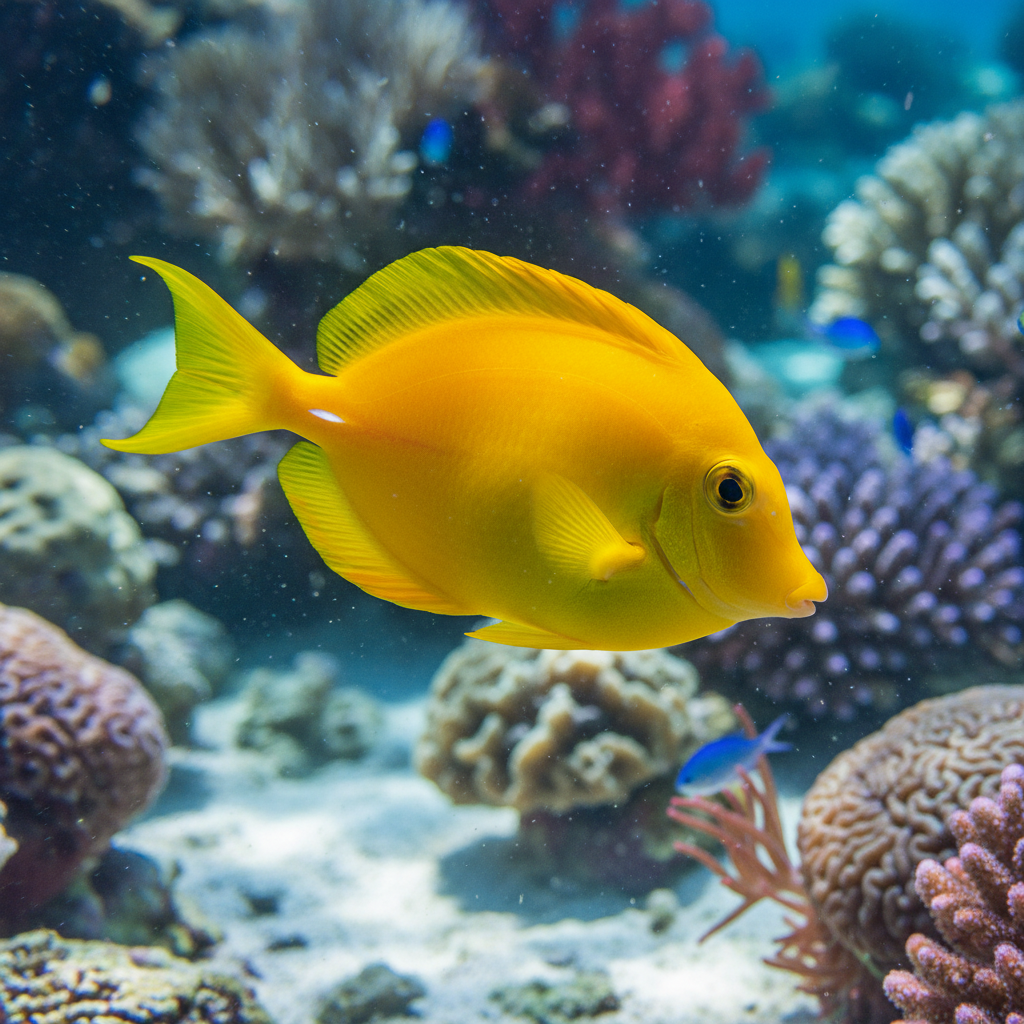
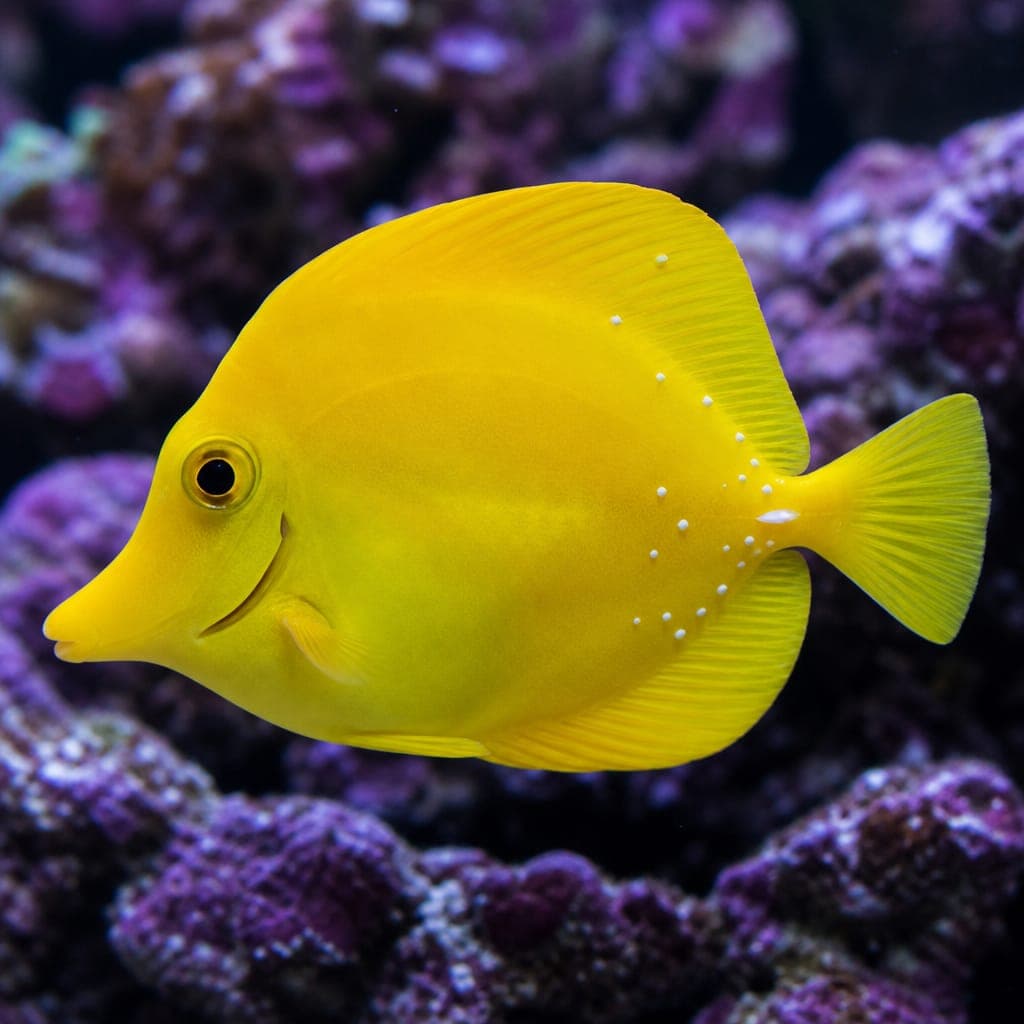
The Gold Rush Tang (Ctenochaetus tominiensis), also widely known as the Tomini Tang, is a highly regarded species in the marine aquarium hobby for its efficient algae-grazing habits and subtle, detailed beauty. Unlike the solid yellow of some of its cousins, the Tomini Tang features a sophisticated grey-to-brown body highlighted by striking golden-yellow or orange tips on its dorsal and anal fins.
Reaching a modest size of about 6 inches (15 cm), it is one of the smaller members of the Acanthuridae family, making it an excellent candidate for mid-sized reef aquariums. Its tireless work in controlling nuisance film algae and detritus contributes significantly to the overall health and aesthetics of the reef ecosystem.
Natural Habitat & Origin
The Gold Rush Tang is native to the Indo-Pacific region, with a range that includes the waters of Indonesia, the Philippines, and the Great Barrier Reef. It is primarily found on sheltered reef slopes and in lagoons, where it spends its day grazing on detritus and film algae from the surfaces of rocks and corals. They are often found in areas with moderate to high water flow, which helps keep the reef surfaces clean and oxygen-rich.
Care Requirements
When setting up an aquarium for the Gold Rush Tang, attention to water parameters is paramount. Ideal water conditions include a pH level of 8.1 to 8.4, a temperature between 75°F and 82°F (24°C - 28°C), and a salinity of 1.020 to 1.025. The Gold Rush Tang thrives in well-filtered environments with plenty of oxygen; a high-quality protein skimmer and efficient powerheads are recommended to maintain pristine conditions and simulate reef currents.
In terms of tank setup, a minimum aquarium size of 280 litres (75 gallons) is recommended for this active 15cm Tomini tang — it needs swimming length for constant algae grazing, not just footprint. The environment should feature extensive live rock work, which not only provides hiding spots and territories but also serves as a substrate for the natural algae growth they depend on.
Diet & Feeding
Gold Rush Tangs are specialized herbivores, specifically detritivores in the Ctenochaetus genus, meaning they use their comb-like teeth to "vacuum" film algae and detritus from surfaces. In captivity, it is essential to provide a diet rich in vegetable matter. This should include high-quality dried seaweed (Nori) attached to a clip, spirulina-based flakes or pellets, and specialized herbivore preparations.
While they may accept meaty foods like mysis shrimp, these should only be a small supplement to their plant-based diet to prevent nutritional issues. Regular feedings, ideally small portions several times a day, will help support their high metabolism and active lifestyle.
Behavior & Temperament
The Gold Rush Tang is generally one of the most peaceful tangs, making it a great addition to a community reef. It is active and inquisitive, spending much of its time methodically grazing across the rocks. Unlike many of its larger relatives, it rarely shows aggression toward other species.
However, caution should be used when keeping it with other Ctenochaetus species or similarly shaped tangs, as territorial disputes can occur. It is best kept as the only tang in smaller setups or introduced simultaneously with other tangs in larger systems to minimize friction.
Tank Mates
Selecting compatible tank mates for the Gold Rush Tang is relatively straightforward due to its peaceful nature. Suitable companions include:
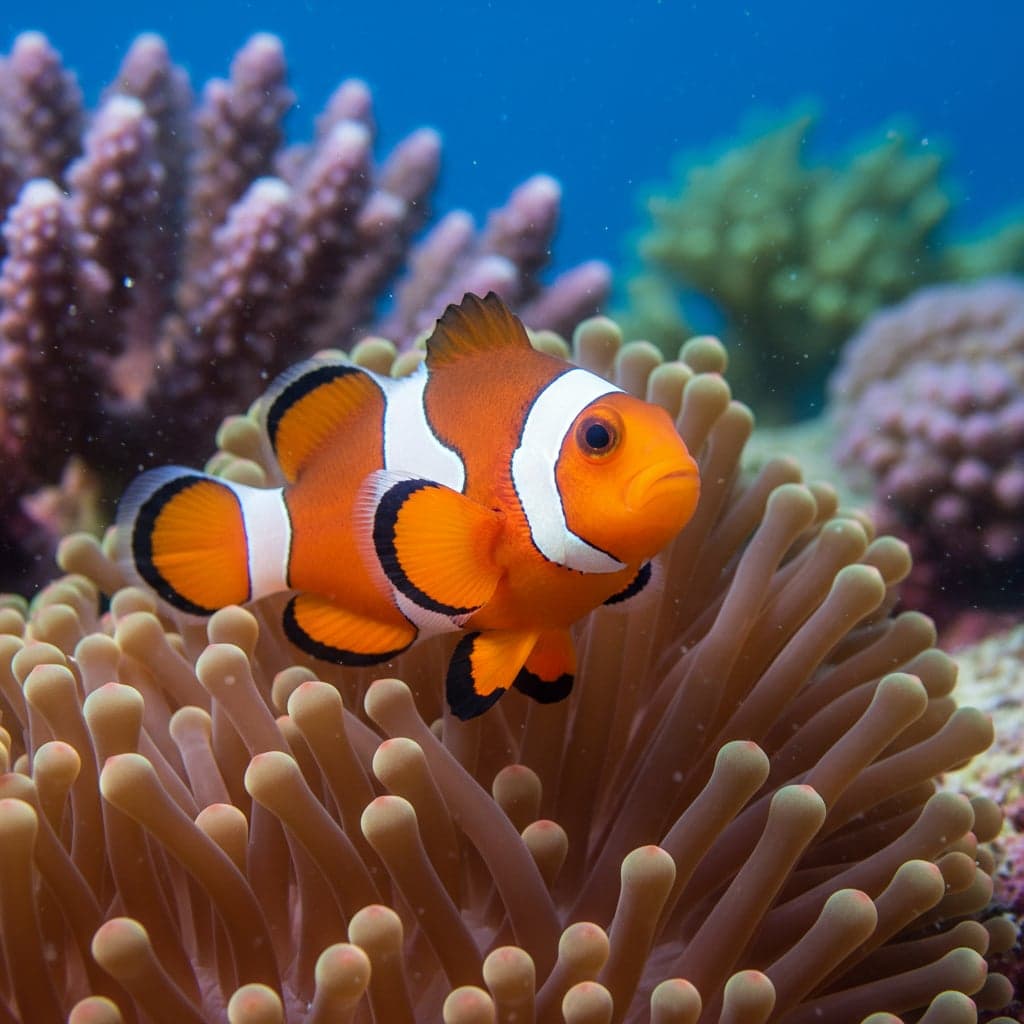
- Clownfish
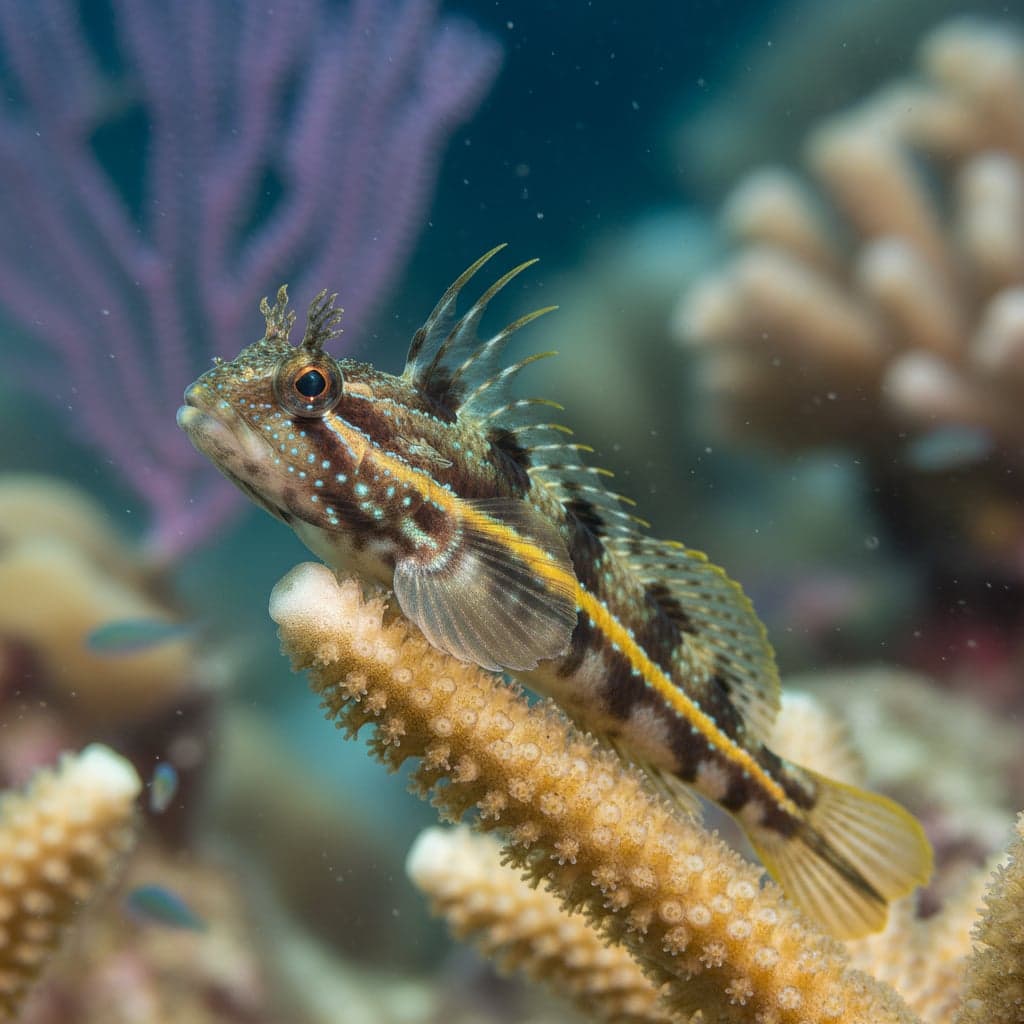
- Blennies and Gobies
- Wrasses
- Cardinalfish
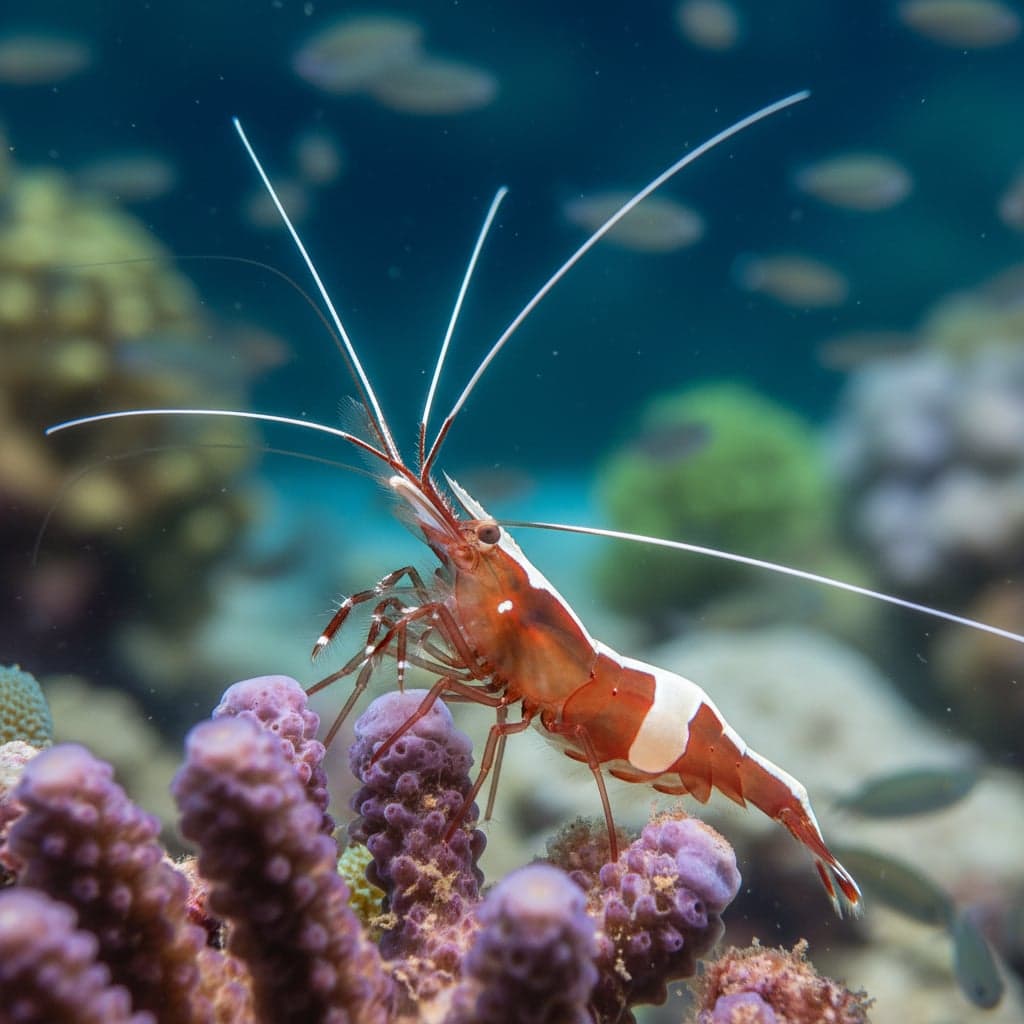
- Reef-safe invertebrates (Snails, Hermit Crabs, Shrimp)
Avoid housing them with highly aggressive fish that might bully them, or with extremely timid species that might be startled by the tang's active swimming behavior.
Breeding
Breeding Gold Rush Tangs in captivity is exceptionally rare and has not been reliably achieved on a commercial scale. In the wild, they are group spawners that release their eggs into the open water column, where the larvae drift as plankton for several weeks before settling onto the reef. This complex lifecycle makes it extremely difficult to replicate their breeding requirements in a home aquarium.
Common Health Issues
Gold Rush Tangs, like all surgeonfish, are particularly susceptible to skin parasites such as Marine Ich (Cryptocaryon irritans) and Velvet. They have a "thin" slime coat compared to other fish, making them more vulnerable to these issues. Maintaining high water quality, utilizing a UV sterilizer, and ensuring a stress-free environment are key preventative measures.
Lateral Line and Head Erosion (HLLE) can also occur if their diet lacks sufficient vegetable matter or if activated carbon is used excessively without proper maintenance. Providing a vitamin-enriched herbivore diet is the best defense against this condition.