Goldfish
Goldfish (Carassius auratus) care hub: tank size, filtration, diet and commons vs fancy varieties — with links to specialised pages like the Lionhead.

Goldfish
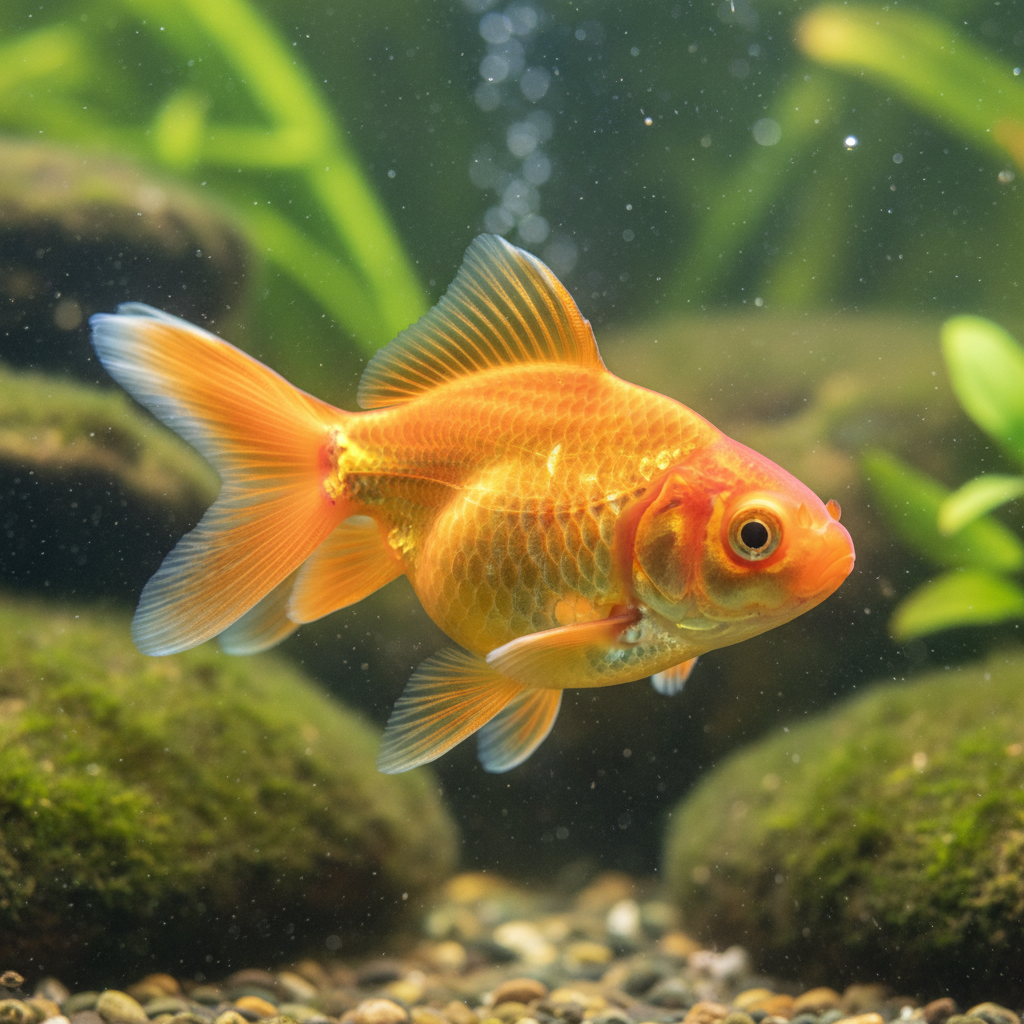
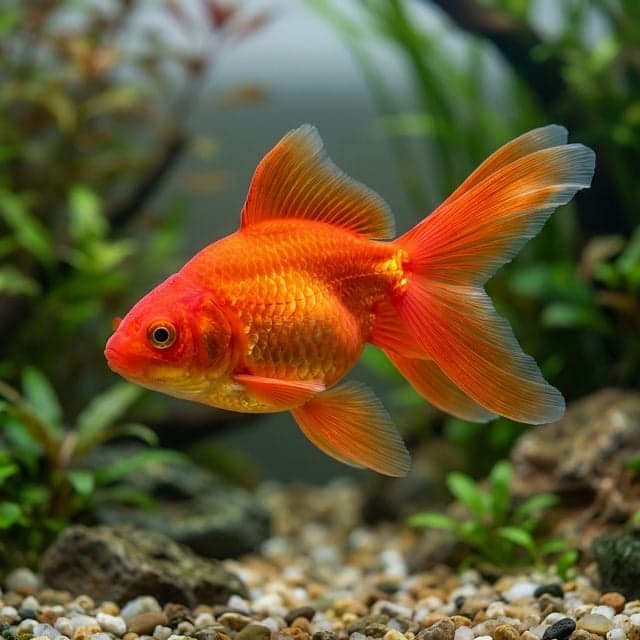
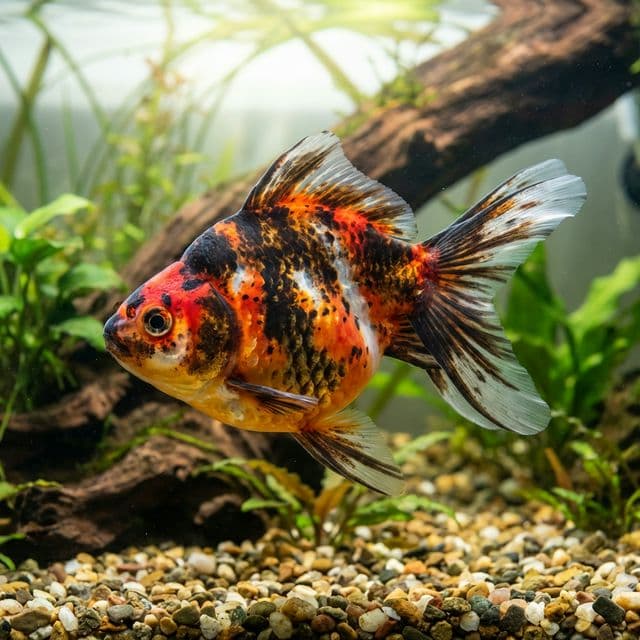
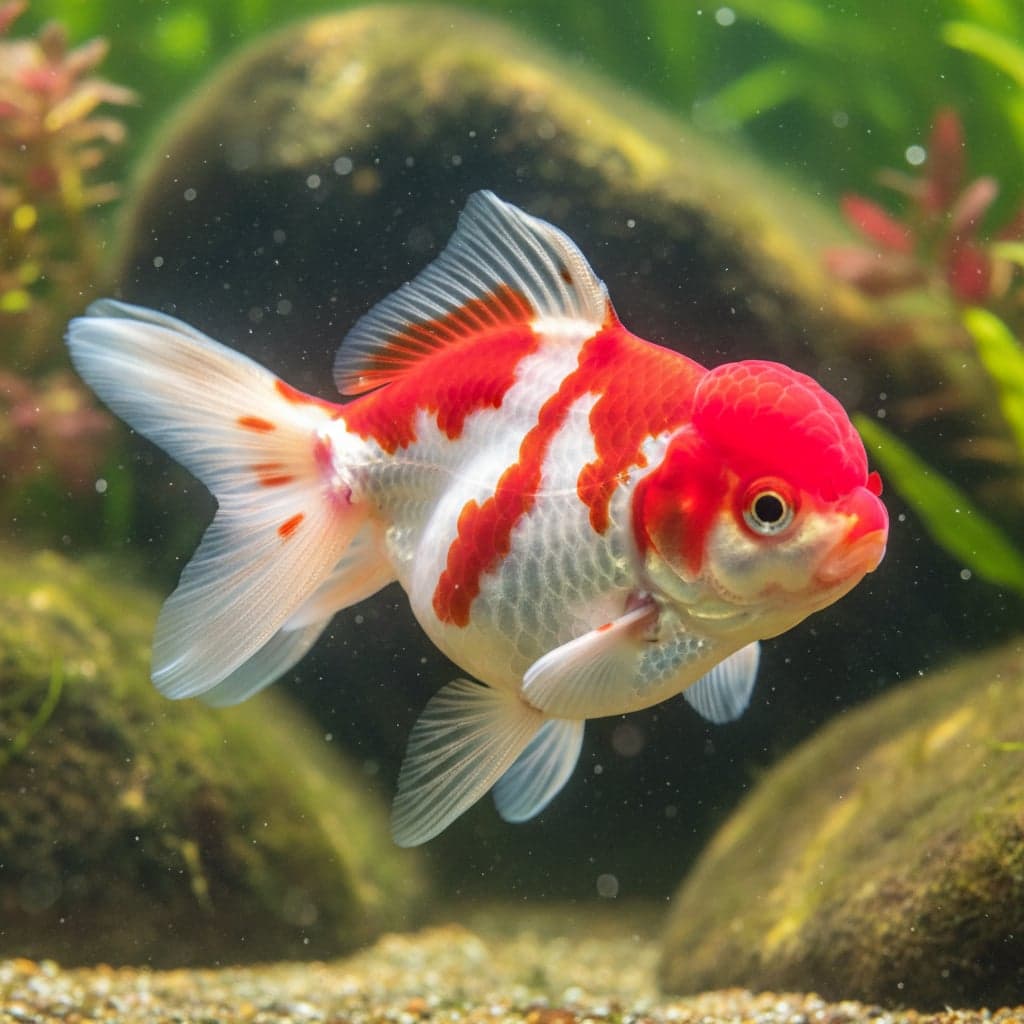
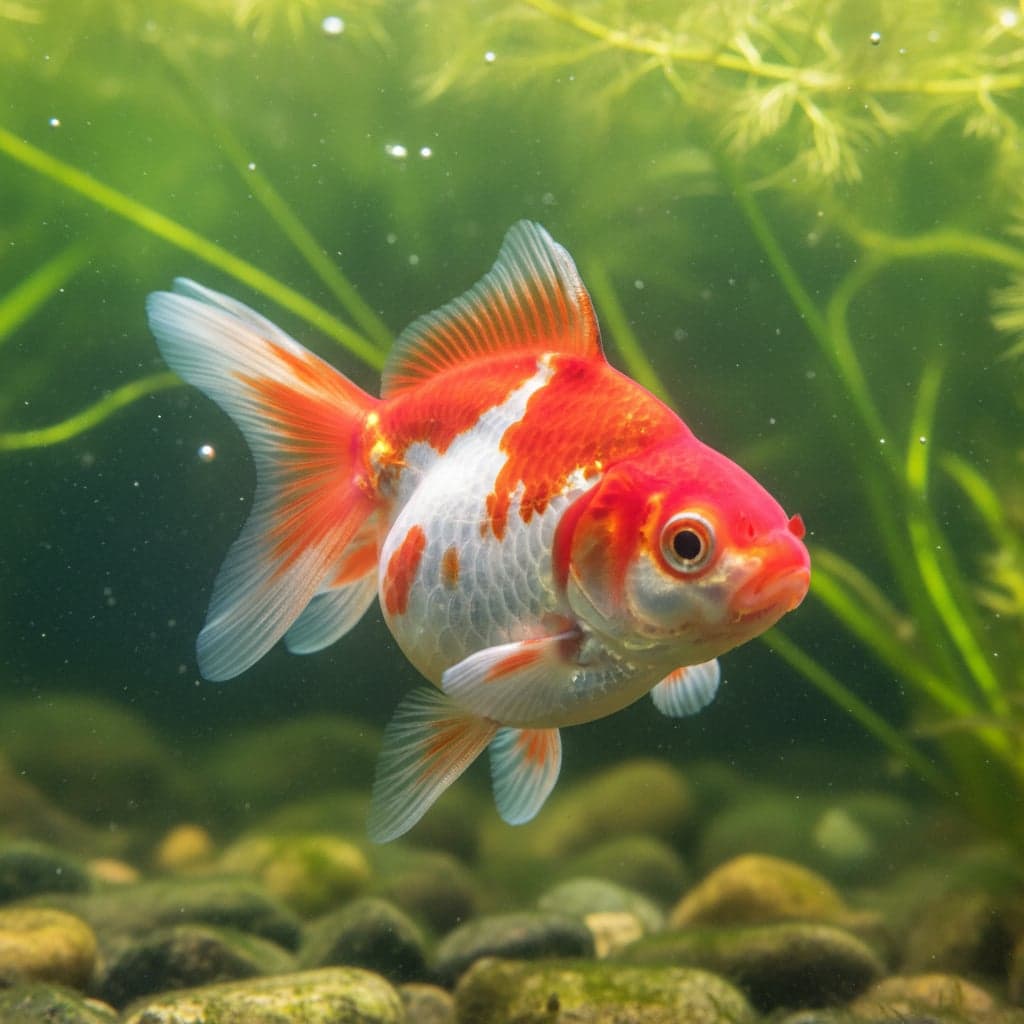
The Goldfish (Carassius auratus) is the species hub for this domesticated carp: shared cold-water chemistry, bio-load, filtration and diet that apply across varieties. Originally domesticated in East Asia over a thousand years ago, selective breeding produced sleek Commons and Comets as well as elaborate fancies — Orandas, Ranchus, Ryukins and the dorsal-less Lionhead. Use this page for species-level care; open a variety page when morphology changes the job (wen care, telescope eyes, or swim-bladder risk in egg-shaped fancies).
Far from the "three-second memory" myth, goldfish are highly intelligent. They can recognise their owners, learn simple tasks, and form social hierarchies. They are also long-lived — often 15–20 years, and sometimes longer — when given real volume and clean, cool water rather than a bowl.
Natural Habitat & Origin
Goldfish do not exist in the wild; they are a completely domesticated species. Their ancestor, the Prussian Carp or Silver Crucian Carp, is native to East Asia. Domestic Goldfish were first developed in China during the Jin Dynasty (265–420 AD) and were later introduced to Japan and eventually the West. They thrive in slow-moving, temperate fresh waters with abundant vegetation.
Care Requirements
The most common mistake in fishkeeping is keeping Goldfish in bowls. Goldfish are large, high-waste-producing animals that require robust filtration and significant water volume.
A single Common or Comet Goldfish can grow to 12 inches (30 cm) and should ideally be kept in a pond or a massive tank (75+ gallons / 300L+). Fancy Goldfish are smaller but still require at least 20-30 gallons (80-120L) for the first fish and 10 gallons for each additional fish. They prefer cooler water (60°F-75°F / 15°C-24°C) and a pH between 7.0 and 8.0. High-quality filtration is non-negotiable as they produce a large amount of ammonia through their gills and waste.
Diet & Feeding
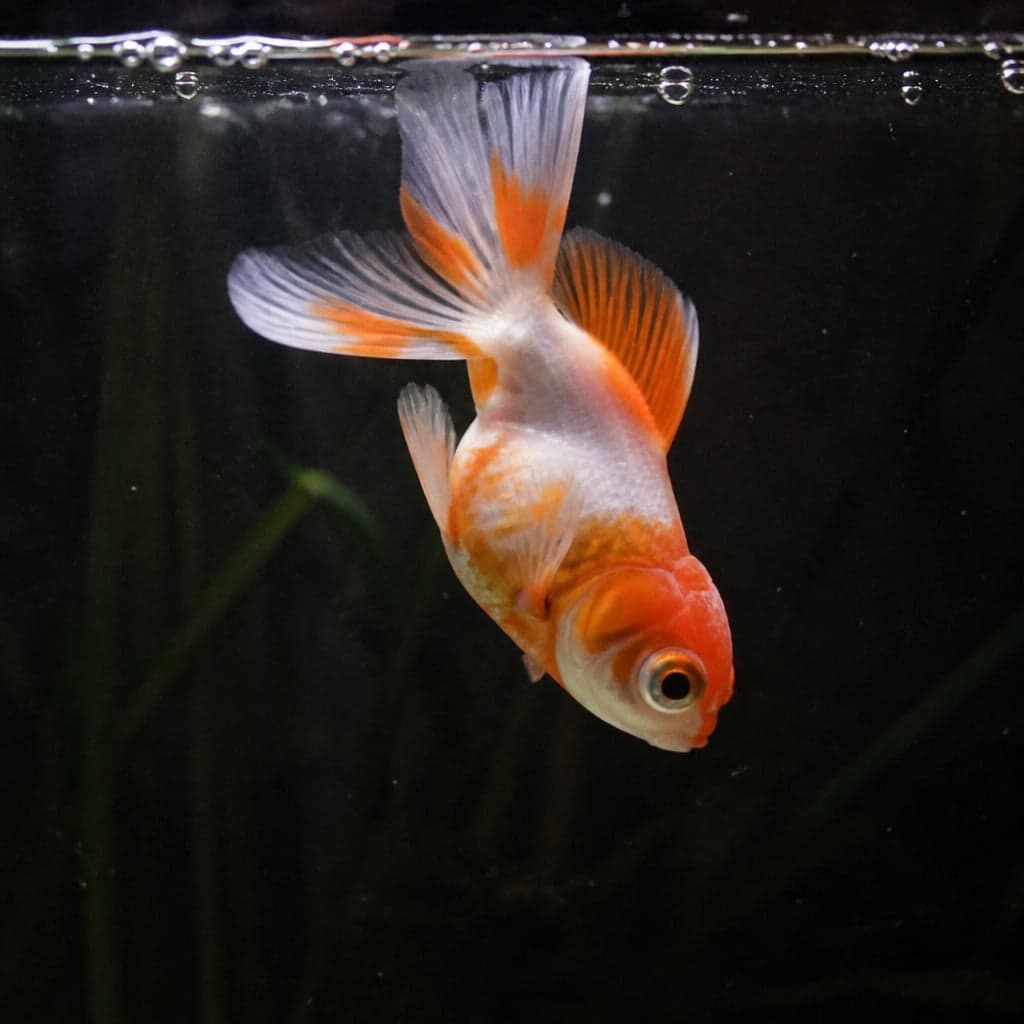
Goldfish are opportunistic omnivores. In a pond, they forage for algae, insect larvae, and plant matter. In an aquarium, they should be fed a high-quality staple food. For Fancy Goldfish, sinking pellets are highly recommended over flakes to prevent them from gulping air at the surface, which can lead to swim bladder issues.
Their diet should be supplemented with blanched vegetables (peas, spinach, zucchini) to provide necessary fiber. Live or frozen treats like bloodworms and daphnia are also excellent. They have no stomach and are "constant foragers," so feeding smaller amounts multiple times a day is better than one large meal.
Behavior & Temperament
Goldfish are peaceful, social, and inquisitive. They spend most of their time "rooting" through the substrate in search of food. They should never be kept alone; they thrive in the company of their own kind.
While they are peaceful, they should not be housed with very small fish or shrimp, as they will accidentally (or intentionally) swallow anything that fits in their mouths. They are also famous "aquascapers" and will often uproot delicate plants; hardy species like Anubias or Java Fern are required.
Tank Mates
The best tank mates for Goldfish are other Goldfish. However, you should not mix "Common" (fast-swimming) types with "Fancy" (slow-swimming) types, as the faster fish will outcompete the fancies for food.
Other suitable cold-water mates include:
- White Cloud Mountain Minnows
- Rosy Barb
- Zebra Danios (in larger groups)
- Weather Loaches (in very large tanks)
Avoid tropical fish that require much higher temperatures or aggressive species that might nip the long fins of fancy goldfish.
Breeding
Goldfish are prolific breeders in the right conditions. Spawning is usually triggered by a change in temperature or a significant water change. The male will chase the female, nudging her abdomen until she releases adhesive eggs onto plants or spawning mops. A single spawning can result in thousands of eggs. The parents will eat the eggs if not removed. The fry hatch in 4-7 days and require microscopic food (infusoria) followed by newly hatched brine shrimp.
Common Health Issues
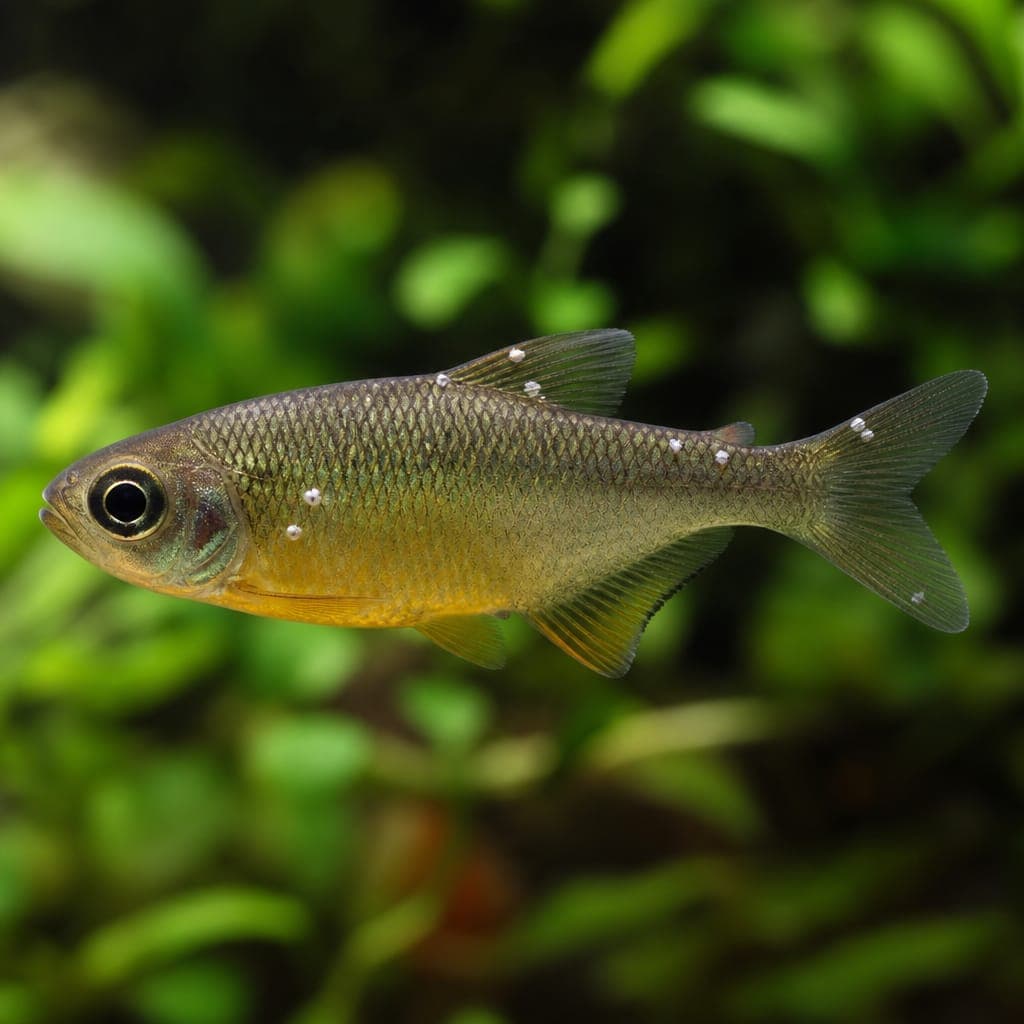
Goldfish are hardy but susceptible to "environmental" illnesses. Swim Bladder Disorder is common in fancy varieties due to their compressed bodies and air-gulping habits. Ich (White Spot) and Fin Rot are usually the result of poor water quality or stress. Because they are so long-lived, maintaining a clean, well-oxygenated environment with regular water changes is the key to preventing the vast majority of Goldfish ailments.