Green Chromis
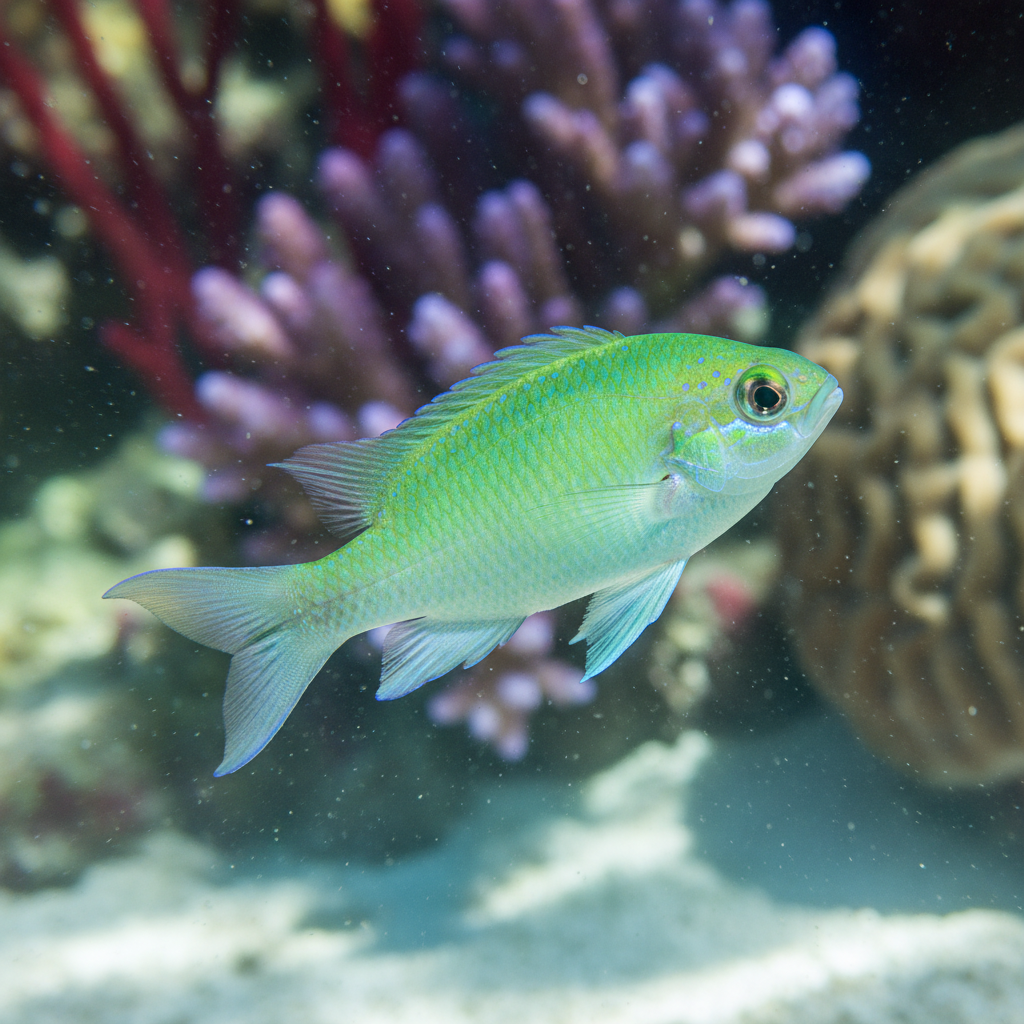
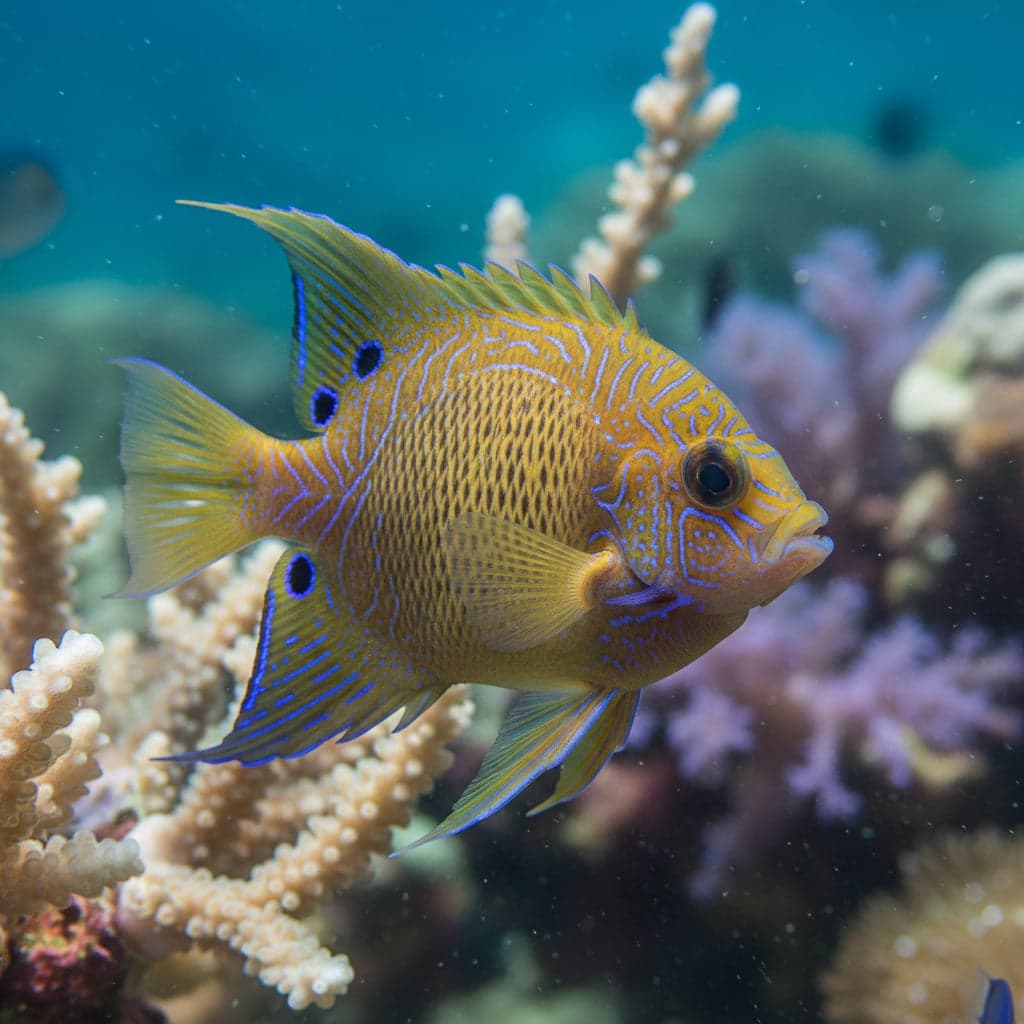
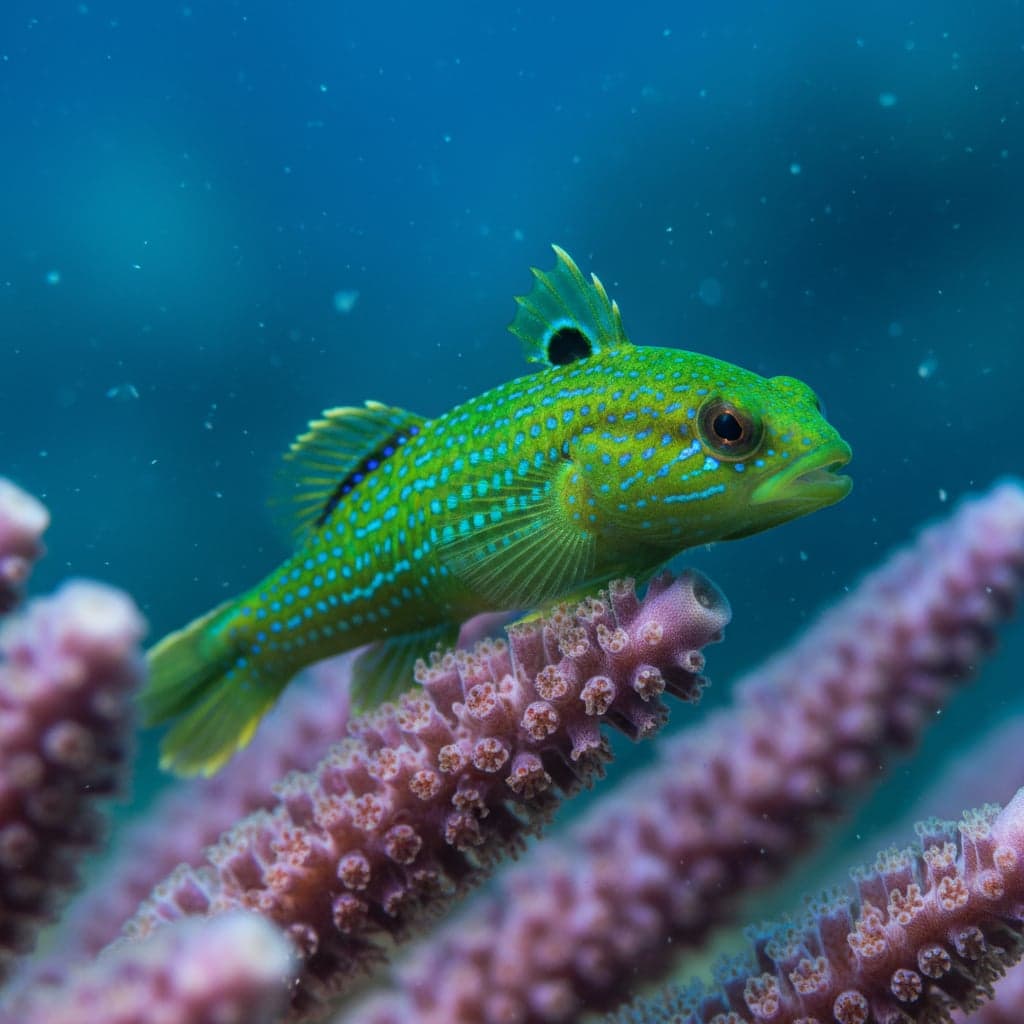
The Green Chromis (Chromis viridis) is a stunning, shimmering saltwater fish known for its peaceful schooling behavior and its beautiful iridescent light green to blue coloration.

Green Chromis
The Green Chromis (Chromis viridis) is one of the most beloved and ubiquitous fish in the marine aquarium hobby. Its primary appeal lies in its magnificent, shifting coloration—it can appear vibrant light green, shimmering apple-green, or even a soft sky blue depending on the lighting and the angle of the viewer.
Growing to about 4 inches (10 cm), it is a streamlined and graceful swimmer. Unlike many other members of the damselfish family, which are notoriously aggressive, the Green Chromis is generally peaceful and is one of the few marine fish that can (and should) be kept in a sizable school.
Natural Habitat & Origin
This species is widely distributed across the tropical Indo-Pacific, from the Red Sea and East Africa to the Line Islands and Tuamotu Islands. They are almost always found in large, dense schools associated with branching Acropora corals in shallow, sheltered lagoons and seaward reefs. When threatened, the entire school will dive simultaneously into the branches of the coral for protection, a behavior that is spectacular to witness in the wild.
Care Requirements
The Green Chromis is exceptionally hardy and adaptable, making it a perfect choice for both novice and expert reef keepers. It thrives in standard marine conditions: a pH of 8.1 to 8.4 and a temperature range of 75°F to 82°F (24°C to 28°C).
A minimum tank size of 30 gallons (120L) is sufficient for a small group. While they can be kept singly, they are far more comfortable and display much more natural behavior in a group of 6 or more. The aquarium should provide plenty of open swimming space as they are active patrollers of the water column, but also feature live rock with crevices or branching corals for them to retreat into at night.
Diet & Feeding
In nature, Green Chromis are planktonivores, meaning they feed on zooplankton that drifts past them in the current. Because they are active and have a high metabolism, they require frequent, small feedings.
In the aquarium, they should be fed at least 2-3 times a day. They will readily accept high-quality marine flakes and pellets, but their diet should be heavily supplemented with frozen or live vitamin-enriched mysis shrimp, brine shrimp, and copepods. Constant, reliable nutrition is the key to preventing "aggression" within the school, where stronger fish may pick on weaker ones if food is scarce.
Behavior & Temperament
They are highly social and peaceful. However, there is a common phenomenon in the hobby where a school of 6 or 7 fish slowly dwindles down to just 1 or 2 over several months. This is usually due to a lack of frequent feeding or a lack of space, which triggers an internal hierarchy where the dominant fish slowly bullies the weakest.
To maintain a long-term school, provide a large enough tank and feed multiple times per day. They are completely reef-safe and will not bother corals, invertebrates, or other fish species.
Tank Mates
They are excellent community fish and can be housed with almost any other peaceful marine species:
- Clownfish
- Blennies and Gobies
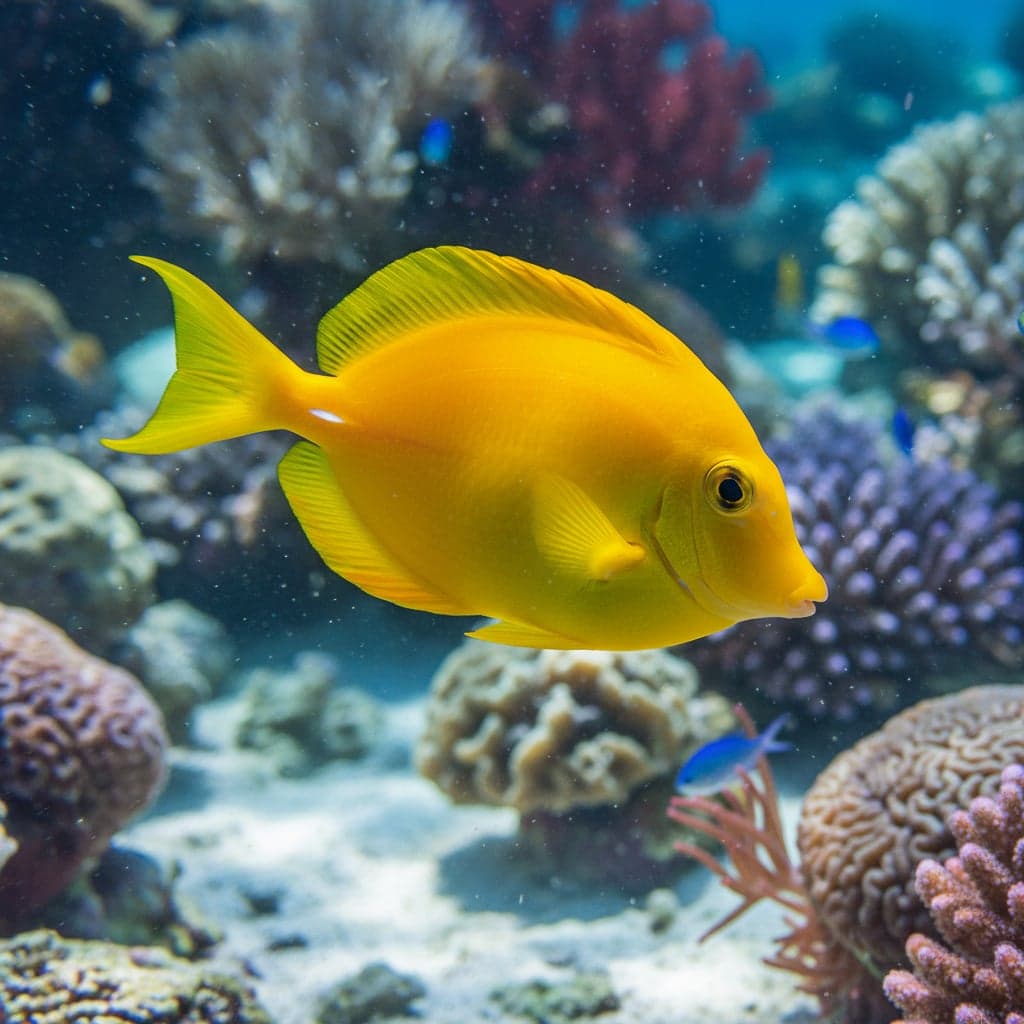
- Tangs and Surgeonfish
- Dwarf Angelfish
- Anthias
Avoid housing them with large, predatory fish (like Lionfish or Groupers) that will see them as easy prey, or with extremely aggressive damselfish that might outcompute them for territory.
Breeding
While they frequently spawn in home aquaria, raising the fry is extremely challenging. The male will clear a nesting site on a rock or the substrate and perform a "shaking" dance to lure females. After the female lays her adhesive eggs, the male will guard and fan them until they hatch (usually within 3 days). The fry are microscopic and require specialized live foods such as rotifers to survive the first several days of life.
Common Health Issues
Green Chromis are generally very disease-resistant. However, they are occasionally susceptible to Uronema marinum, a ciliate parasite that can be common in wild-caught specimens. It usually manifests as red sores or lesions on the body. Quarantining new arrivals and maintaining pristine water quality with high turnover is the best way to prevent Uronema and other common marine parasites like Ich.