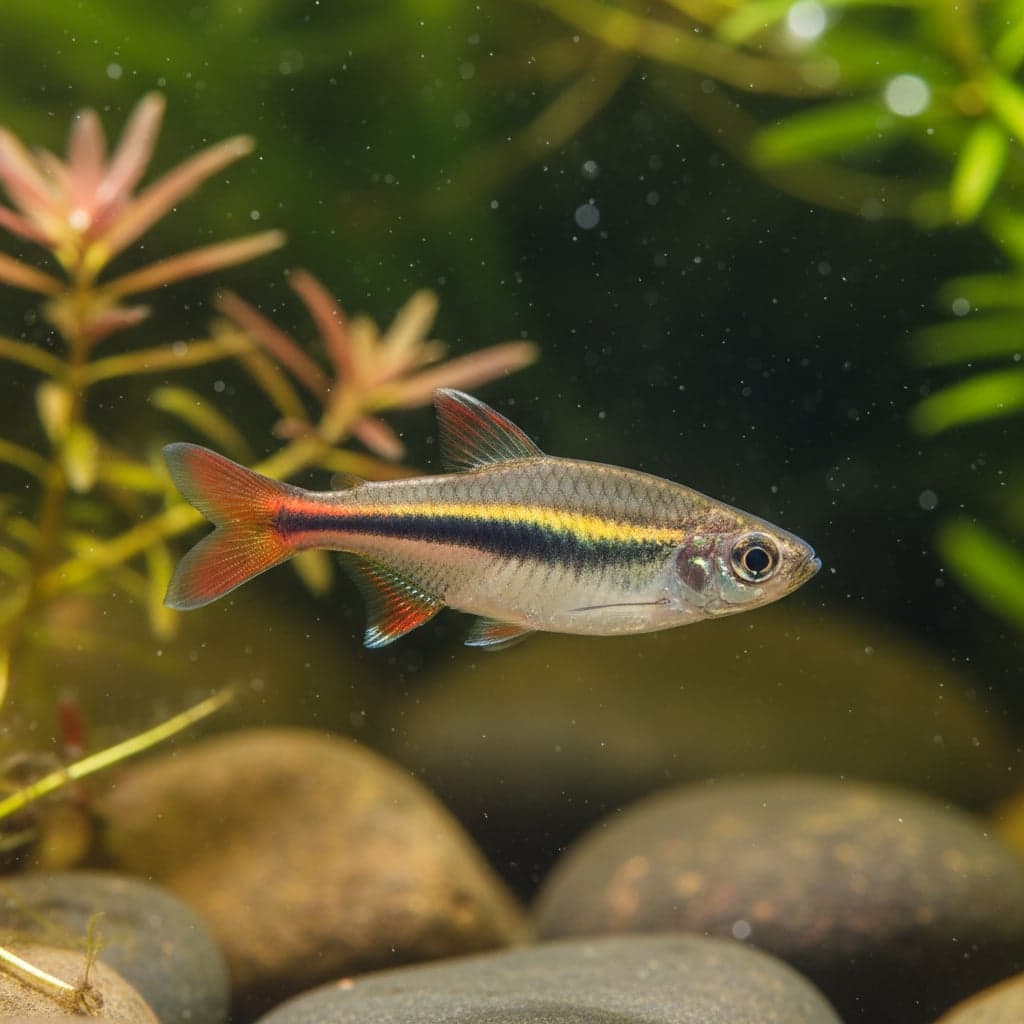
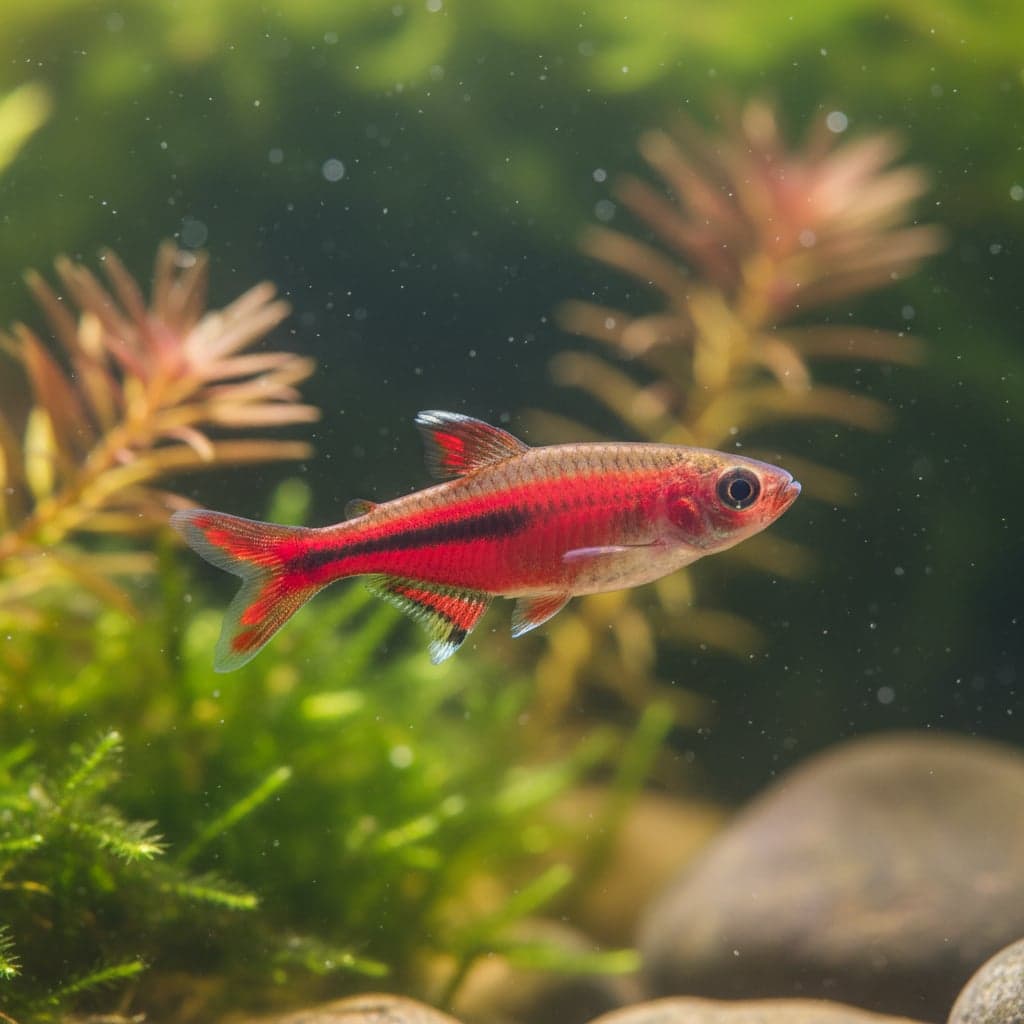
Green Slender Rasbora
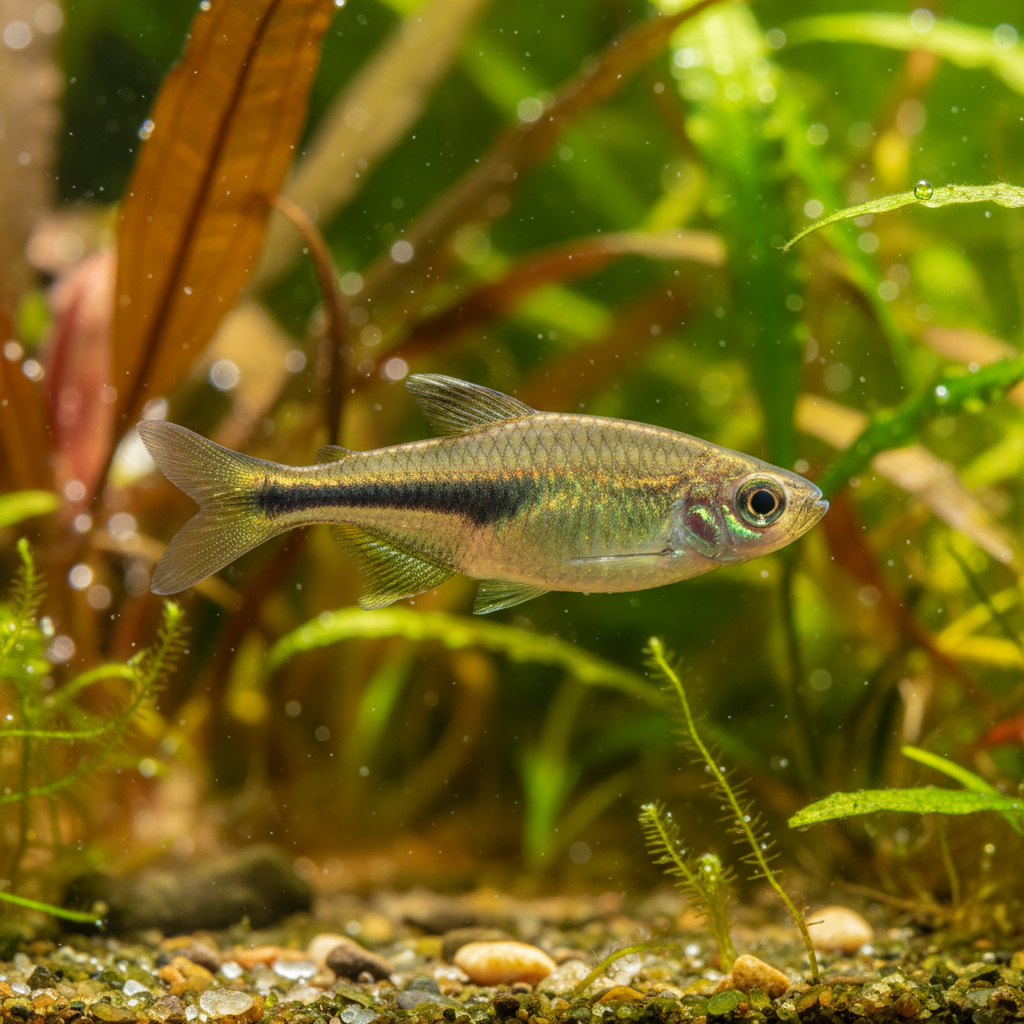
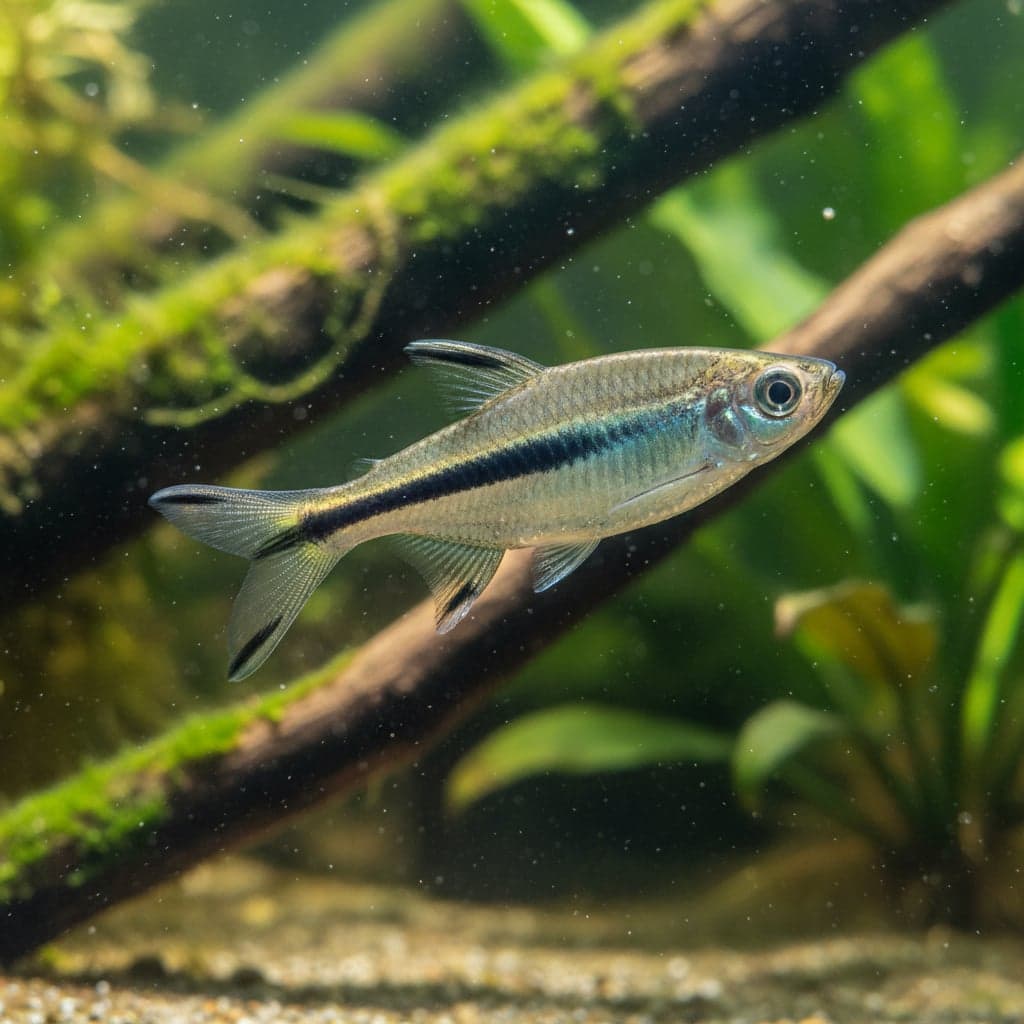
The Green Slender Rasbora (Rasbora daniconius) is a large, active, and exceptionally hardy rasbora, known for its sleek silvery-green body and its bold, black lateral stripe.
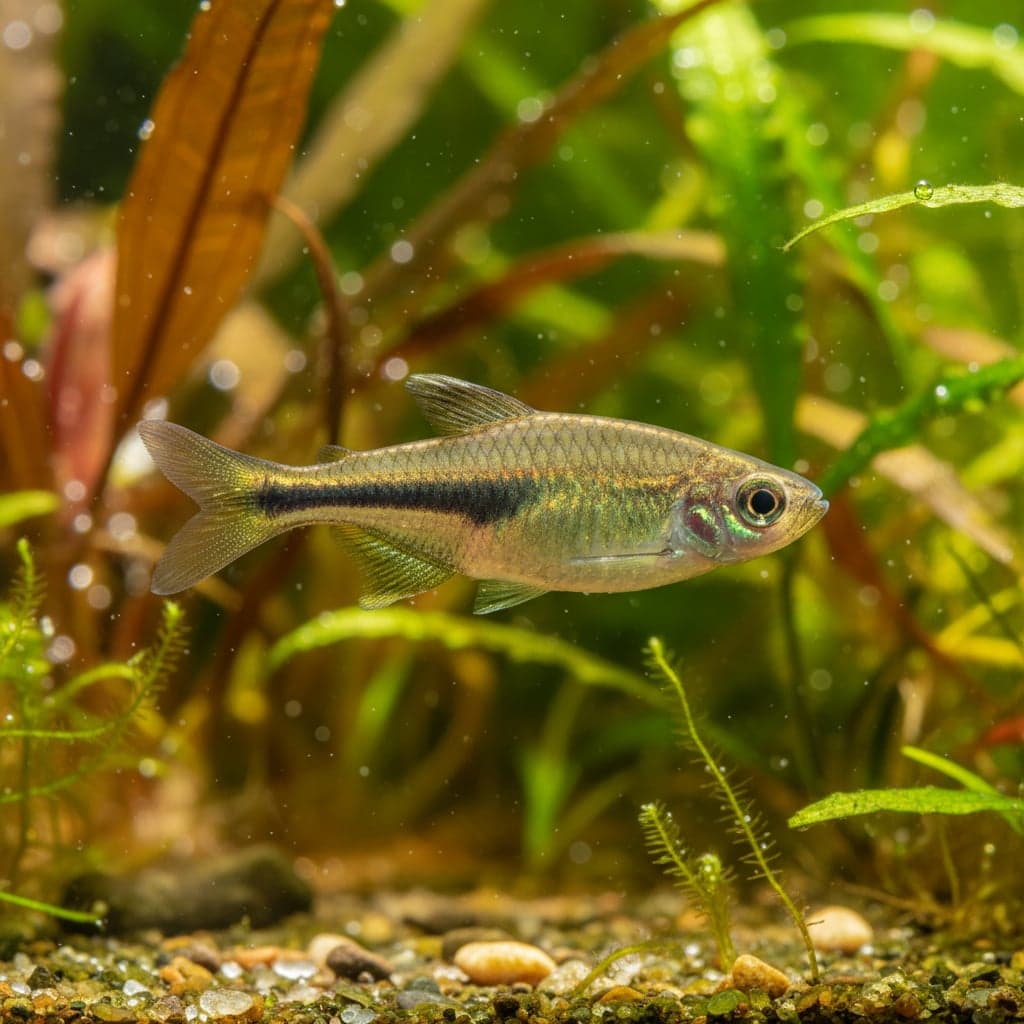
Green Slender Rasbora
The Green Slender Rasbora (Rasbora daniconius), also known simply as the Slender Rasbora, is one of the larger and more robust members of the Rasbora genus. It features a sleek, torpedo-shaped body with a shimmering silvery-green base color. Its most defining characteristic is a prominent, dark black horizontal stripe trailing from the snout all the way to the fork of the tail.
Growing up to 6 inches (15 cm), it is a large and powerful swimmer. While it lacks the vibrant neon colors of some smaller rasboras, its elegant proportions and constant, active movement make it a fantastic addition to a large community tank.
Natural Habitat & Origin
This species has a wide distribution throughout Southern Asia and parts of Southeast Asia, including India, Sri Lanka, Pakistan, Myanmar, and Thailand. It is a highly adaptable fish found in a variety of habitats, from large, fast-flowing rivers to stagnant ponds and irrigation ditches. They are typically found in the upper and middle layers of the water column, often gathering in large schools in open water or near the shelter of overhanging vegetation.
Care Requirements
The Green Slender Rasbora is exceptionally hardy and can tolerate a wide range of water conditions, making it an ideal choice for beginners with large tanks. They prefer a pH between 6.0 and 7.5 and a temperature range of 72°F to 82°F (22°C to 28°C).
Because they are active, powerful swimmers that grow to a substantial size, a minimum tank size of 200 litres (55 gallons) with a 4-foot (120 cm) footprint is required for a school of these 15cm rasboras. The aquarium should provide plenty of open swimming space in the center, with dense planting around the edges and background to provide security. A secure lid is essential, as they are capable jumpers.
Diet & Feeding
In the wild, they are opportunistic surface and mid-water feeders, consuming a variety of insects, insect larvae, small crustaceans, and plant matter.
In the aquarium, they are not picky eaters and will readily accept high-quality flakes and pellets. To maintain their health and vitality, their diet should be regularly supplemented with frozen or live foods like bloodworms, daphnia, and brine shrimp. Because they are active swimmers, they have a high metabolism and benefit from 2-3 small feedings per day.
Behavior & Temperament
Green Slender Rasboras are exceptionally peaceful and highly social. They must be kept in schools of at least 6-8 individuals to feel secure and display their natural behavior. In a proper school, they will constantly "play" and dart through the water column, adding a tremendous amount of life and energy to the tank.
They are non-aggressive and do not bother other fish, making them perfect community inhabitants. Their size and speed also mean they are less likely to be intimidated by larger, more boisterous tank mates.
Tank Mates
Suitable tank mates include any peaceful species that share their preference for open swimming space and moderate flow:
- Larger Tetras (Congo, Buenos Aires, or Rummy-nose Tetras)
- Barbs (Rosy, Black Ruby, or Cherry Barbs)
- Rainbowfish
- Gouramis
- Loaches
- Corydoras
- Medium-sized Loricariids (Plecos)
Avoid housing them with very small, delicate species (like Chili Rasboras) which might be outcomputed for food, or with very aggressive cichlids that might see them as targets.
Breeding
They are egg-scatterers and are relatively easy to breed in large, specialized setups. Spawning is usually triggered by a diet of live foods and a slight increase in water temperature. The female will scatter hundreds of non-adhesive eggs among fine-leaved plants like Java Moss. The parents provide no care and will readily eat the eggs, so they should be removed immediately after spawning. Fry hatch in 24-36 hours and require infusoria or paramecium as their first food.
Common Health Issues
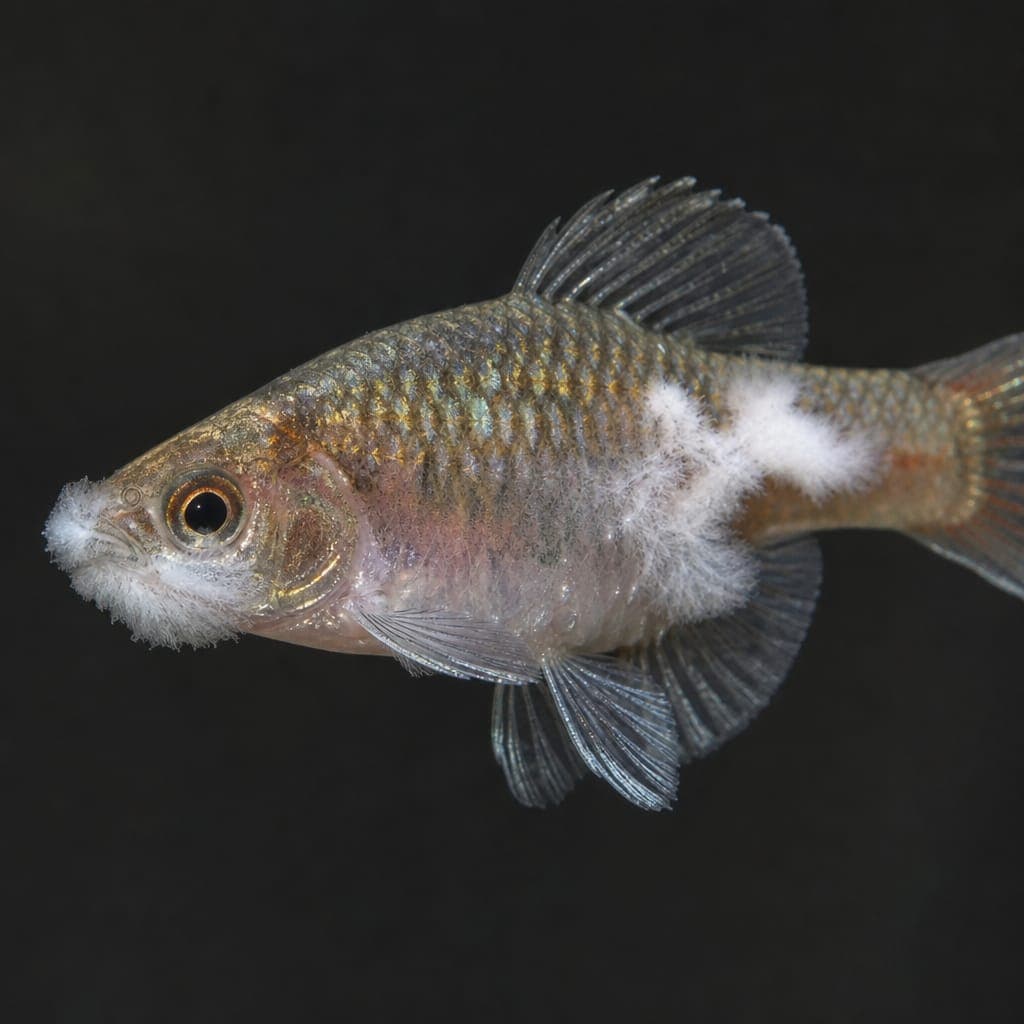
They are remarkably disease-resistant if they have enough swimming space and clean water. However, like all active cyprinids, they can be prone to "mouth fungus" (Columnaris) or fin rot if stressed by poor water quality or overcrowding. Maintaining high water quality and ensuring they are kept in a large enough school are the best preventative measures.