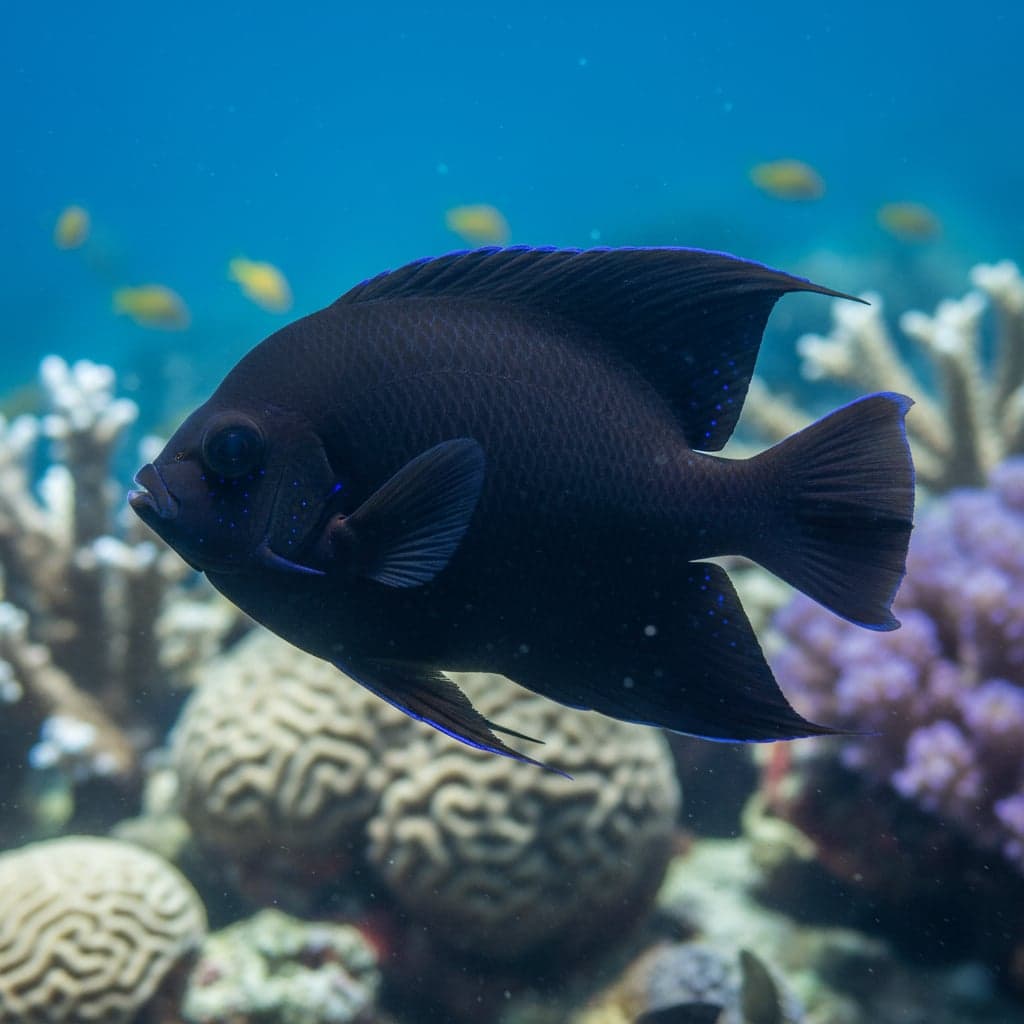
Halfblack Angelfish
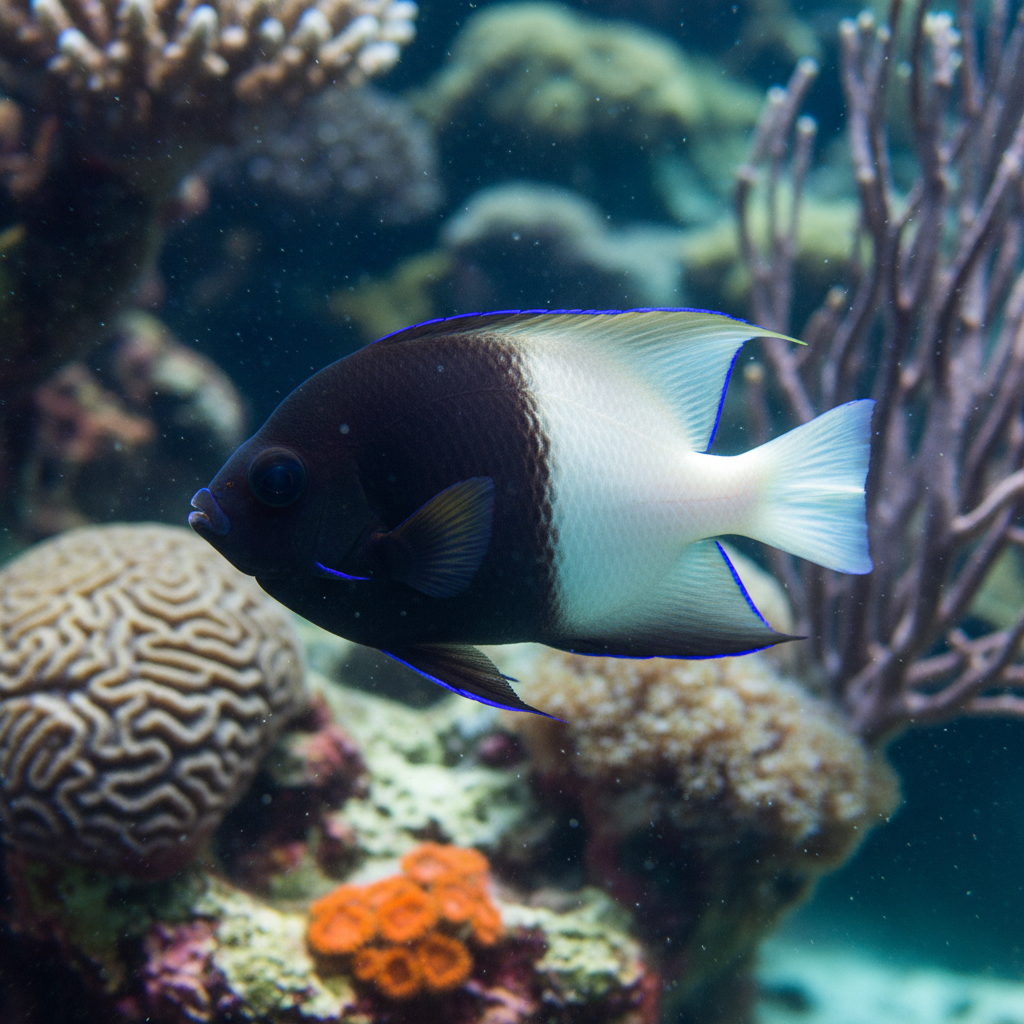
The Halfblack Angelfish (Centropyge vrolikii), also known as the Pearlscale Dwarf Angelfish, is a subtle yet elegant marine species from the Indo-Pacific, famed for its role in natural mimicry.
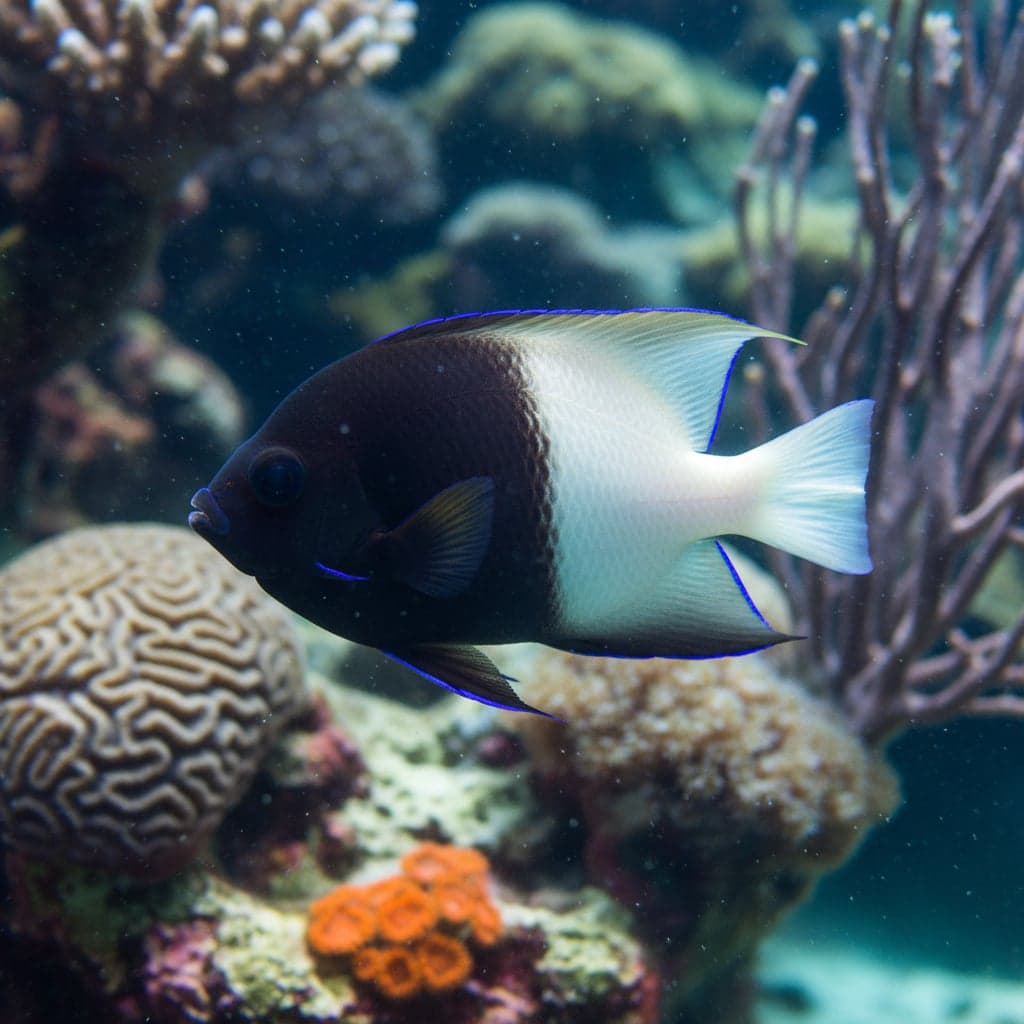
The Halfblack Angelfish (Centropyge vrolikii), occasionally called the Pearlscale Angelfish, is a sophisticated member of the dwarf angelfish family. It features a unique gradient coloration: the head and front half of the body are a soft, pearly grey or tan, which smoothly transitions into a deep, velvety black across the posterior half and the tail. Subtle but beautiful electric blue highlights often edge the anal and dorsal fins.
In the wild, this species is part of a fascinating evolutionary story. It is frequently mimicked by the juvenile Mimic Surgeonfish (Acanthurus pyroferus), which adopts the angelfish's appearance to take advantage of its reputation for being a territorial and less-palatable target.
Natural Habitat & Origin
The Halfblack Angelfish has a broad distribution across the Indo-West Pacific, ranging from Southern Japan and the Marshall Islands down to the Great Barrier Reef in Australia. They are typically found on outer reef slopes and in lagoon areas rich in coral growth, usually at depths between 3 and 25 meters. They are secretive fish that stay close to the safety of coral heads and rocky crevices.
Care Requirements
Like most dwarf angelfish, the Halfblack requires a well-established aquarium with plenty of live rock. The rockwork provides both grazing surfaces for their natural diet and essential hiding spots. A minimum tank size of 200 litres (55 gallons) is recommended for a single specimen; at 12cm this is one of the larger dwarf angels and it grazes across the rockwork all day.
Water quality must be pristine, with a specific gravity between 1.020 and 1.025. They thrive in moderate to strong water flow, which mimics the reef environment. While generally hardy, they are sensitive to sudden changes in water parameters and high levels of nitrates.
Diet & Feeding
The Halfblack Angelfish is an opportunistic omnivore. In the wild, it spends most of its day grazing on micro-algae, detritus, and small benthic invertebrates.
In the aquarium, its diet should be varied to maintain its health and color:
- Spirulina-enriched flakes or pellets
- Frozen Mysis and Brine shrimp
- High-quality marine seaweed (Nori)
- Specialized "Angelfish preparations" containing sponge matter
Feeding small amounts 2-3 times a day is ideal. The presence of natural algae growth on live rock is highly beneficial for their well-being.
Behavior & Temperament
As with many Centropyge species, the Halfblack Angelfish is semi-aggressive and territorial, especially toward other dwarf angelfish or fish of a similar shape and color. It is best kept as the only dwarf angelfish in the tank unless the aquarium is very large (over 100 gallons) and has multiple distinct territories.
They are active and inquisitive, constantly weaving in and out of the rockwork. They are generally "reef safe with caution"; they may occasionally nip at the mantles of clams or the polyps of stony corals (SPS and LPS), particularly if they are underfed.
Tank Mates
Suitable tank mates include other semi-aggressive marine fish:
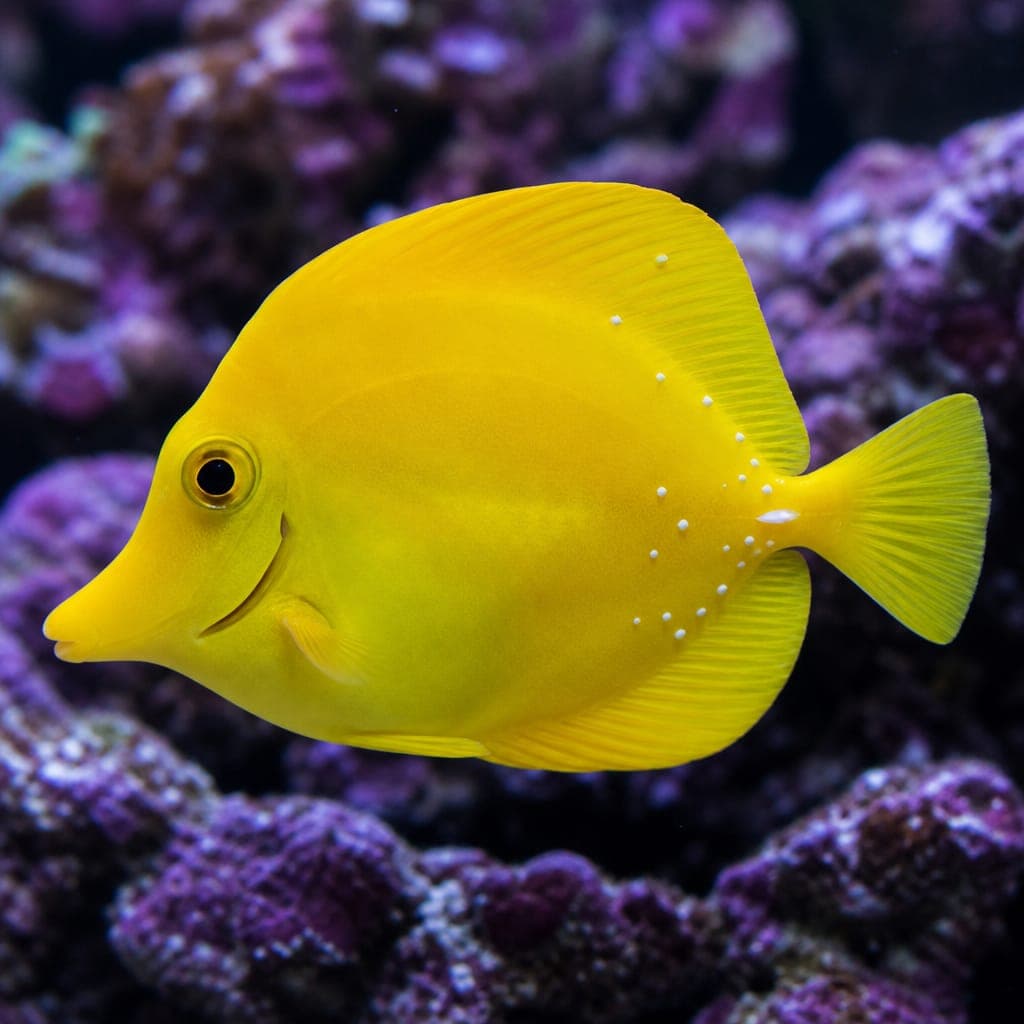
- Tangs and Rabbitfish
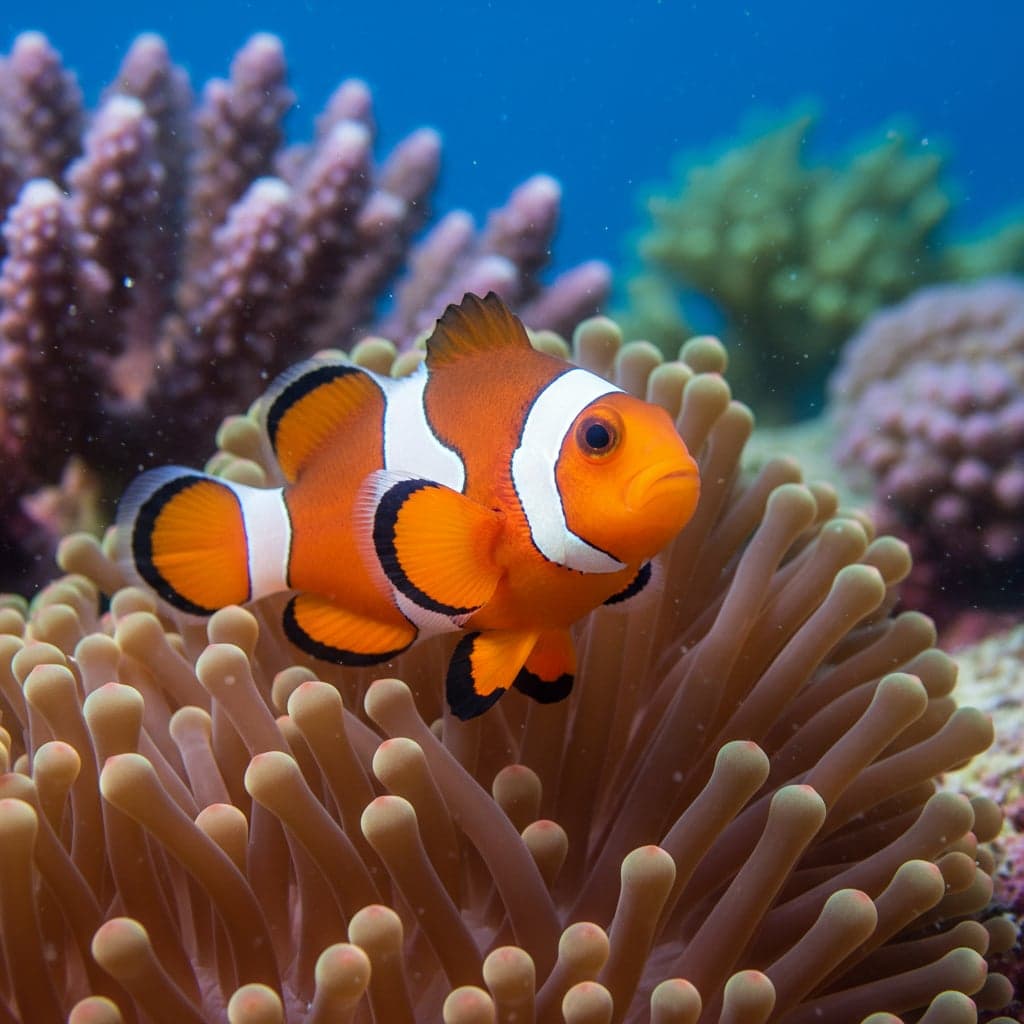
- Larger Clownfish
- Blennies and Gobies
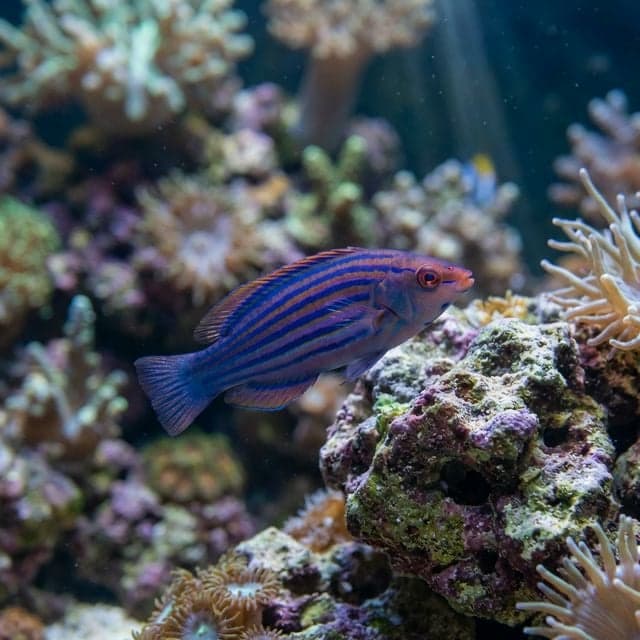
- Wrasses
- Hawkfish
Avoid keeping them with very timid species that may be bullied, or with other dwarf angelfish of the same genus.
Breeding
Breeding Centropyge vrolikii in a home aquarium is extremely difficult. They are broadcast spawners that rise into the water column at dusk to release eggs and sperm. While captive-bred specimens are occasionally available through specialized breeders, most individuals in the hobby are wild-caught. They are protogynous hermaphrodites, where the largest and most dominant fish in a group will transition from female to male.
Common Health Issues
They are susceptible to common marine ailments like Marine Ich (Cryptocaryon irritans) and Marine Velvet. Because they spend much of their time grazing on rockwork, they are also prone to internal parasites if the environment is not clean. A quarantine period is highly recommended before introducing them to a display tank. Like many marine species, they are sensitive to copper-based treatments; alternative medications or hyposalinity should be considered if treatment is necessary.