Hi-fin Chequered Perchlet: Plectranthias inermis
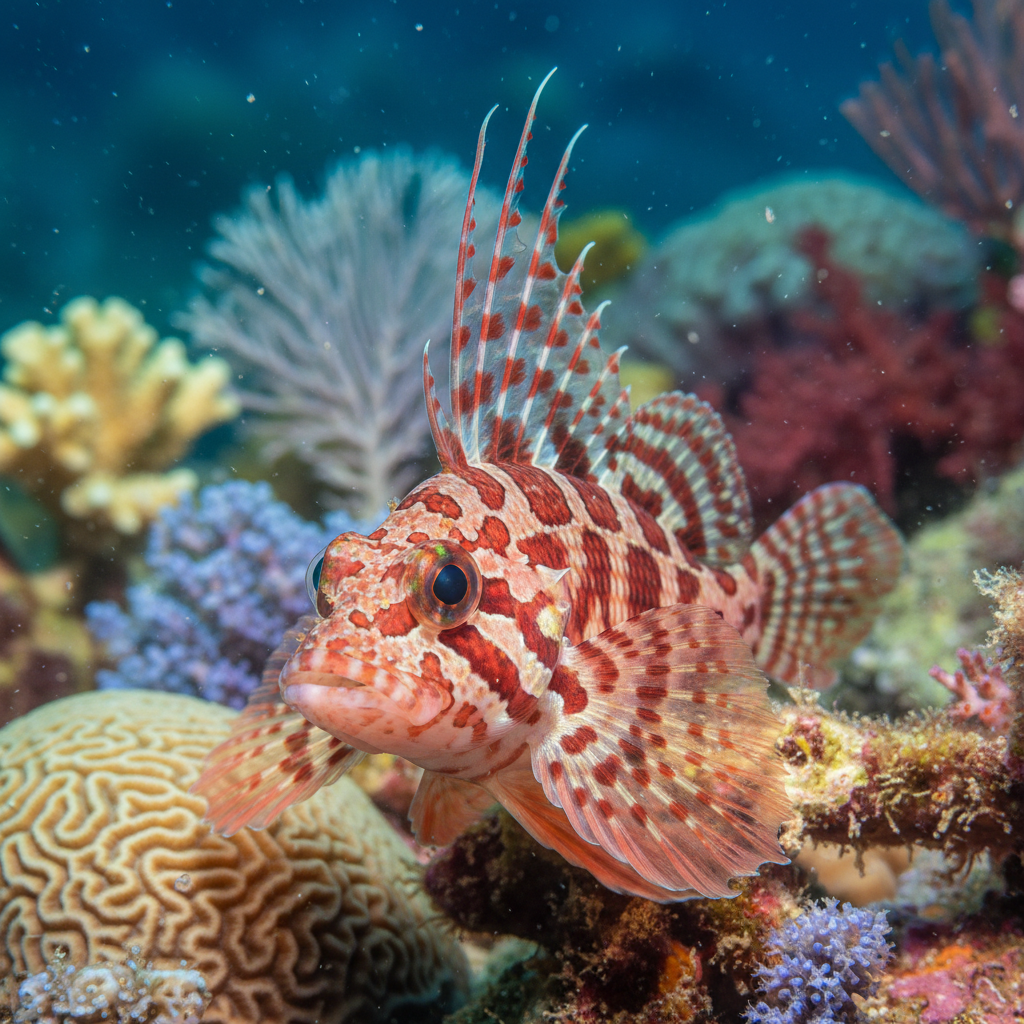
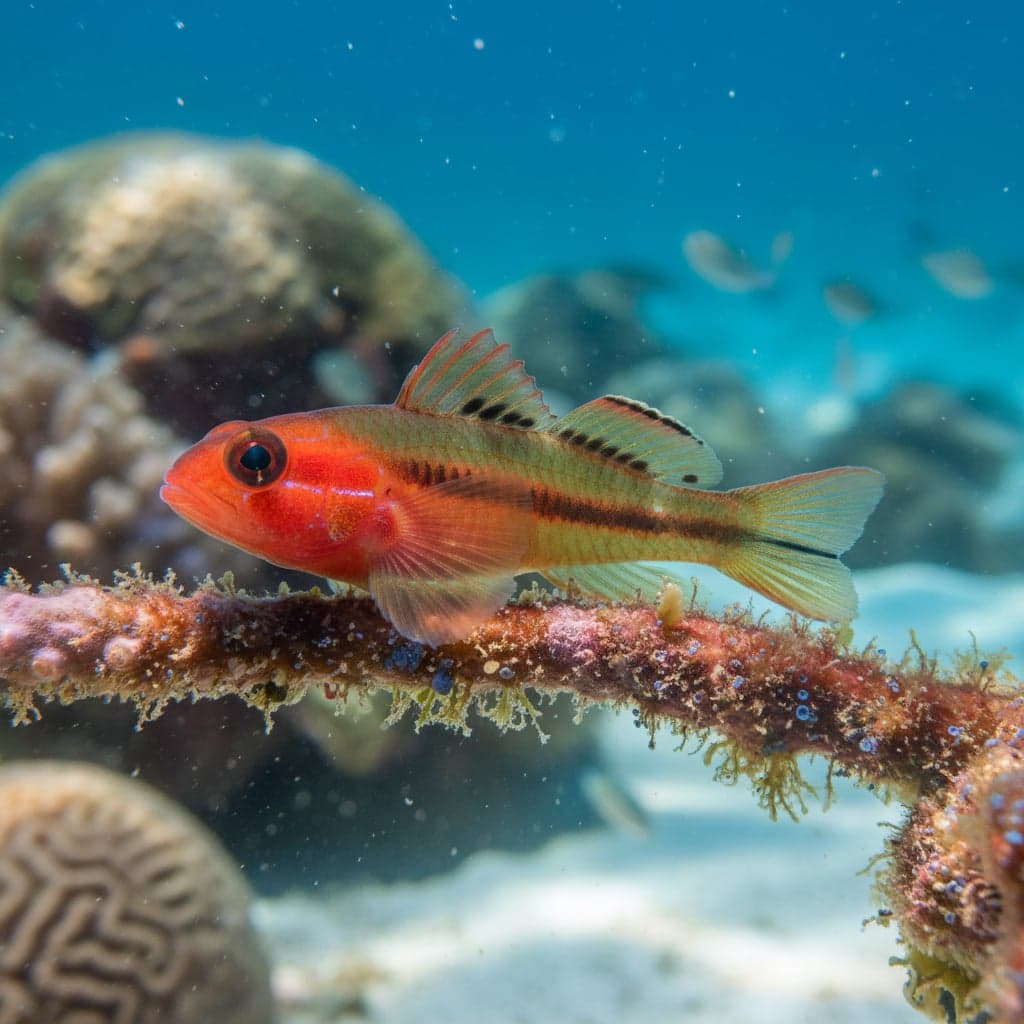
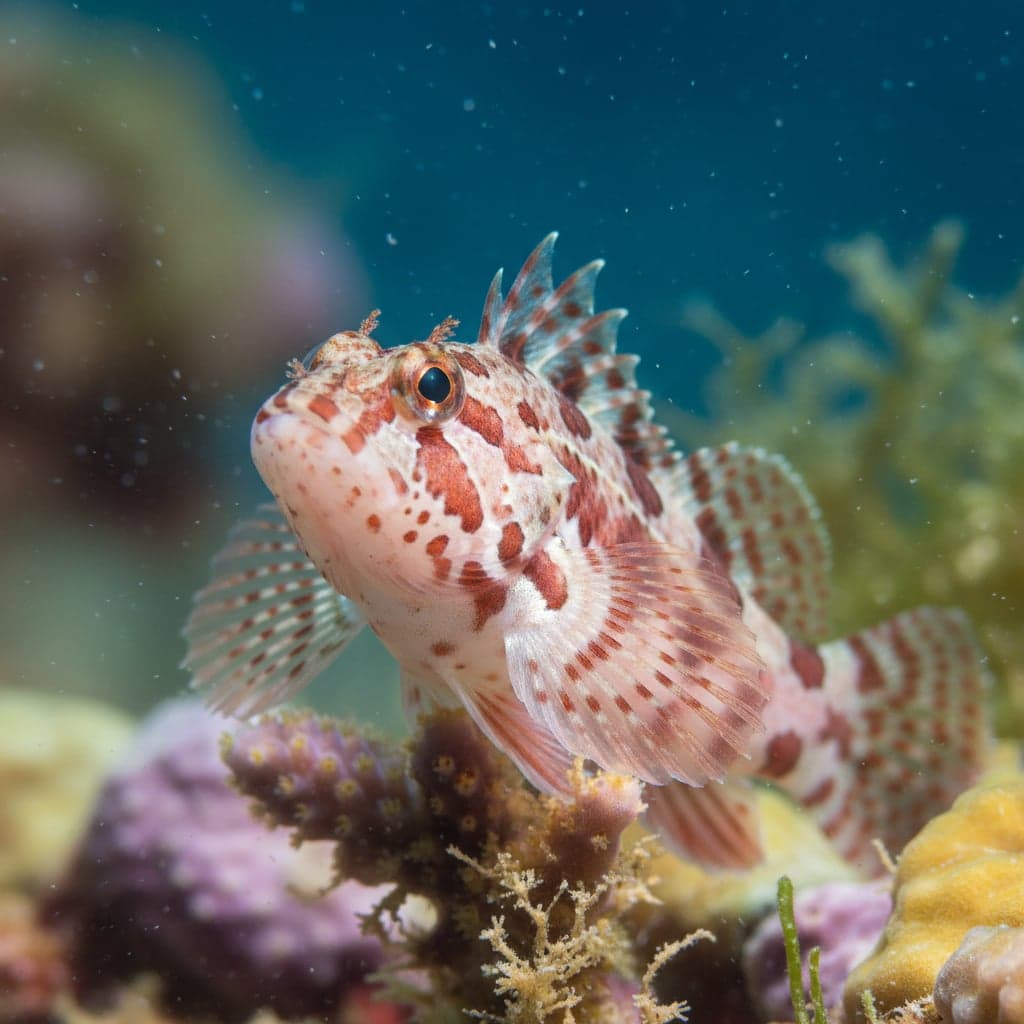
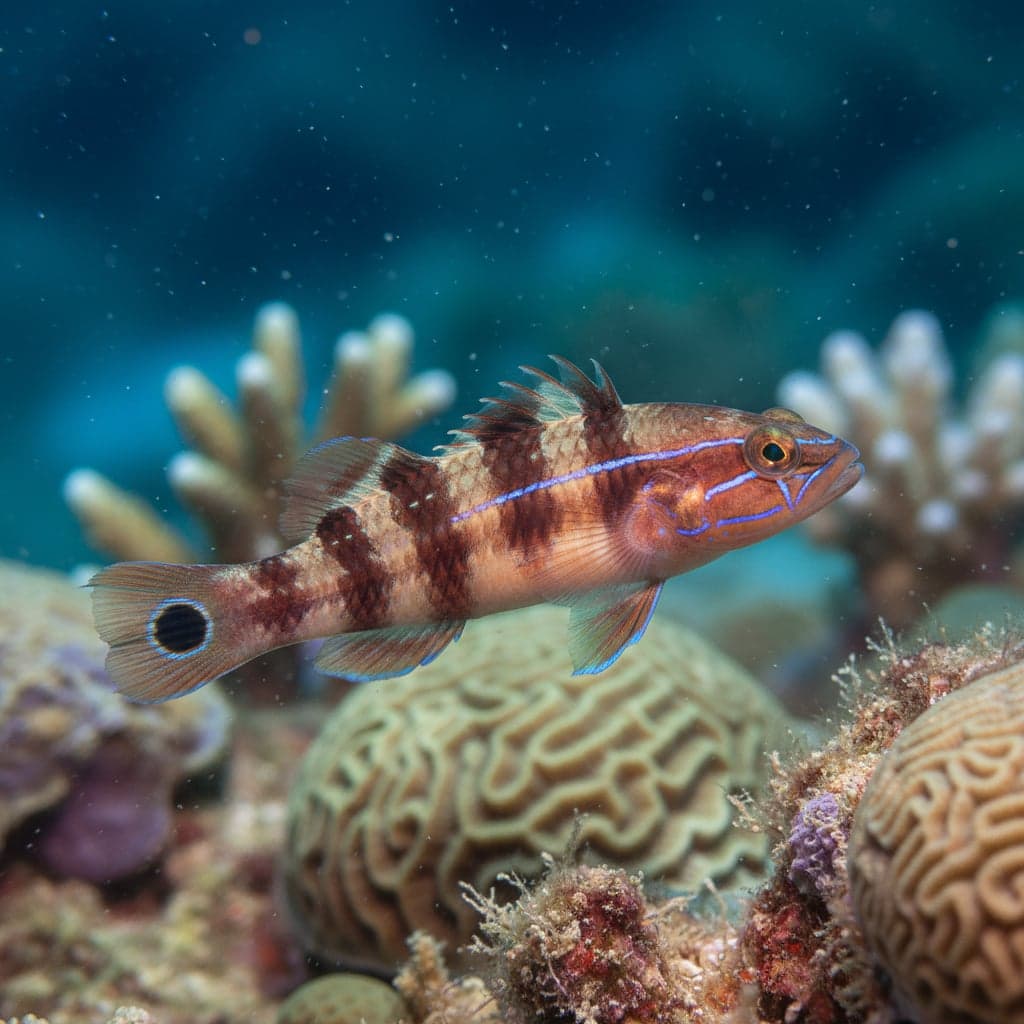
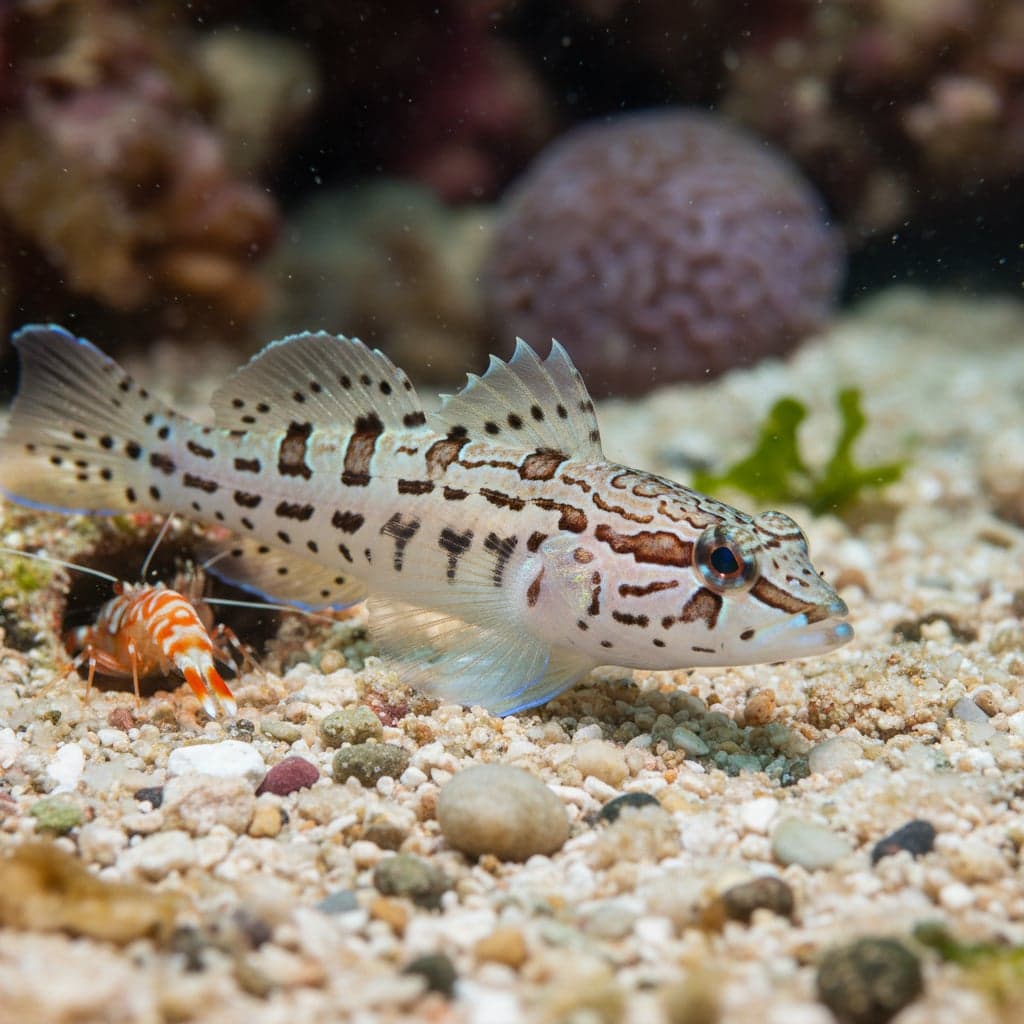
The Hi-fin Chequered Perchlet (Plectranthias inermis) is a cryptic, stunningly patterned marine fish from the Anthias family, prized for its intricate red and white "chequered" camouflage.
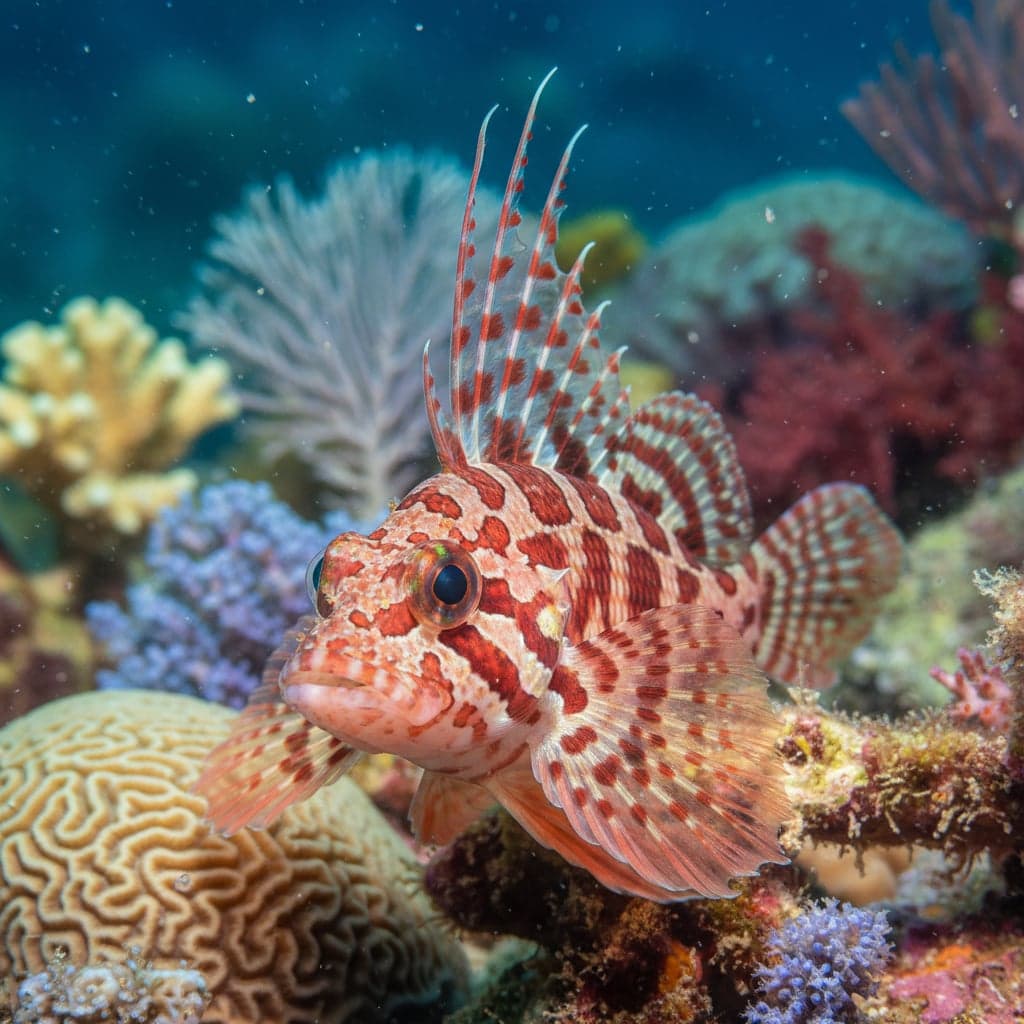
The Hi-fin Chequered Perchlet (Plectranthias inermis), also known as the Chequered Perchlet or Dwarf Perchlet, is a gem for the "nano" reef keeper. A member of the Serranidae family (which includes the colorful Anthias), this species is defined by its remarkable cryptic patterns. Its body is adorned with a complex mosaic of bright red and orange blotches set against a pearly white background, creating a "chequered" look that allows it to vanish among the shaded nooks of the reef.
In the aquarium, the Chequered Perchlet is a shy but rewarding inhabitant. Its most distinctive physical feature is its high, spiny dorsal fin, which it often holds erect while perching on a piece of live rock, surveying its surroundings for small prey.
Natural Habitat & Origin
Plectranthias inermis is native to the tropical Indo-West Pacific, ranging from the Philippines and Indonesia to the Ryukyu Islands and as far south as the Great Barrier Reef. They are typically found in deep reef slopes and drop-offs, often at depths between 15 and 65 meters. They are extremely cryptic and spend most of their lives hovering nearly motionless in small caves or under rocky ledges, making them a rare sight in the wild.
Care Requirements
The Hi-fin Chequered Perchlet is a hardy species once acclimated, but it requires a specialized environment to feel secure. A minimum tank size of 20 gallons (75L) is recommended, provided the system is established with plenty of live rock. This rockwork should include multiple small caves and shaded overhangs where the fish can perch and observe the water column.
Maintain standard marine parameters: a pH of 8.1 to 8.4 and a temperature of 74°F to 80°F (23°C to 27°C). Because they are naturally deep-water residents, they prefer subdued lighting or at least plenty of shaded areas. They are sensitive to high nitrates and rapid changes in water chemistry, so stable conditions and efficient filtration are essential.
Diet & Feeding
In the wild, Perchlets are ambush predators that feed on small crustaceans and zooplankton that drift past their hiding spots.
In captivity, they are generally easy to feed but may be shy at first:
- Frozen Mysis shrimp, enriched Brine shrimp, and cyclops
- Finely chopped marine seafood (prawns or scallops)
- High-quality marine pellets (after a period of acclimation)
They should be target-fed or fed in an area where they feel safe emerging from their caves. They are slow, deliberate eaters and may be outcompeted by more aggressive feeders.
Behavior & Temperament
The Hi-fin Chequered Perchlet is exceptionally peaceful and cryptic. It is not a strong swimmer and prefers to spend its time "perching" on rocks or hovering inside caves. It is generally safe with its own kind and other peaceful reef inhabitants, but should be the only perchlet in a smaller system to avoid territorial squabbles. It is completely indifferent to corals and sessile invertebrates.
Tank Mates
Suitable tank mates include other peaceful, quiet marine species:
- Firefish and Dartfish
- Blennies and Gobies
- Dragonets
- Pipesfish (if the flow is low enough)
- Peaceful Cardinalfish
Avoid keeping them with large, boisterous, or aggressive fish (like large Wrasses, Tangs, or aggressive Dottybacks) that will easily outcompete them for food or stress them into permanent hiding.
Breeding
Breeding in the home aquarium is uncommon and largely undocumented. Like other Plectranthias, they are likely protogynous hermaphrodites and pelagic spawners. Most specimens available in the trade are wild-caught.
Common Health Issues
They are generally hardy if provided with a high-protein diet and stable water quality. Their primary risk in captivity is starvation due to competition with more aggressive tank mates. They are also susceptible to common marine parasites if not quarantined properly. Providing a low-stress environment with ample hiding spots is the best way to ensure their health.