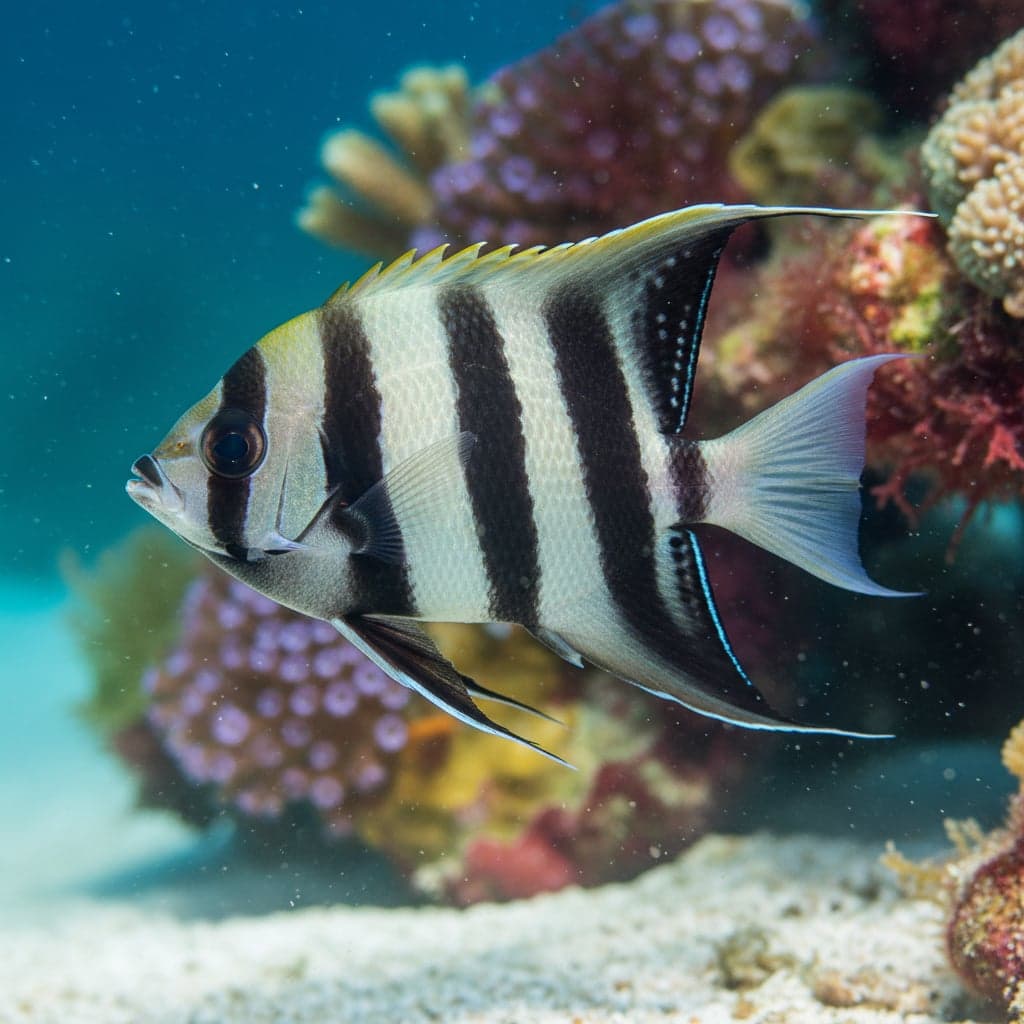
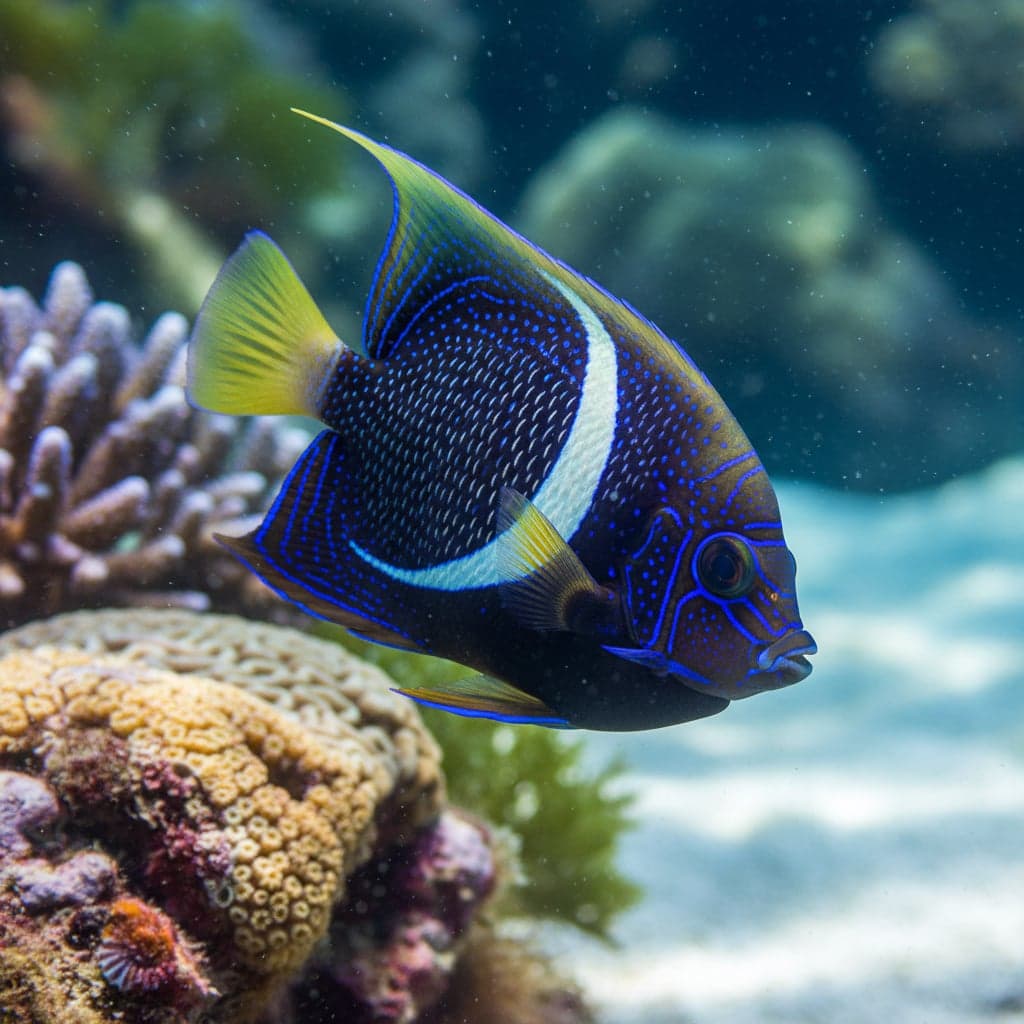
Hovercraft Cowfish: Tetrosomus gibbosus
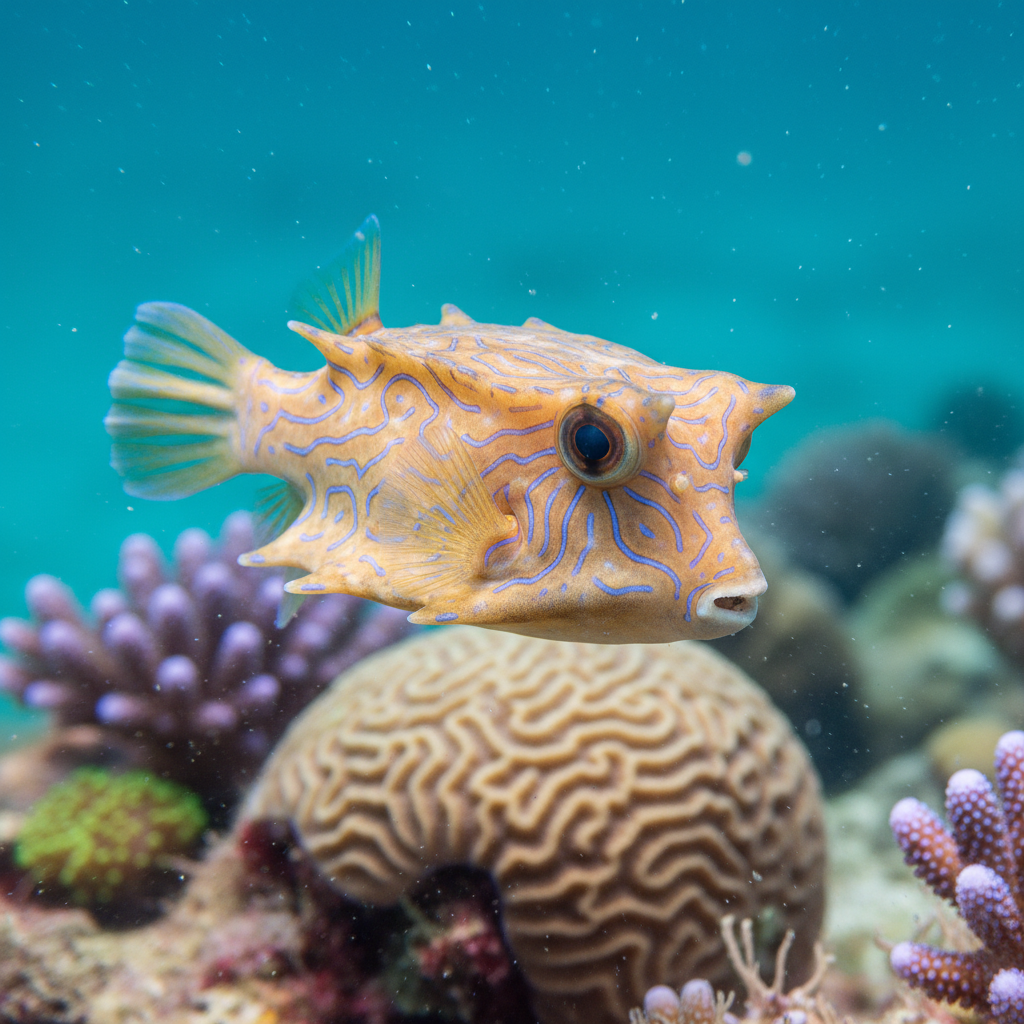
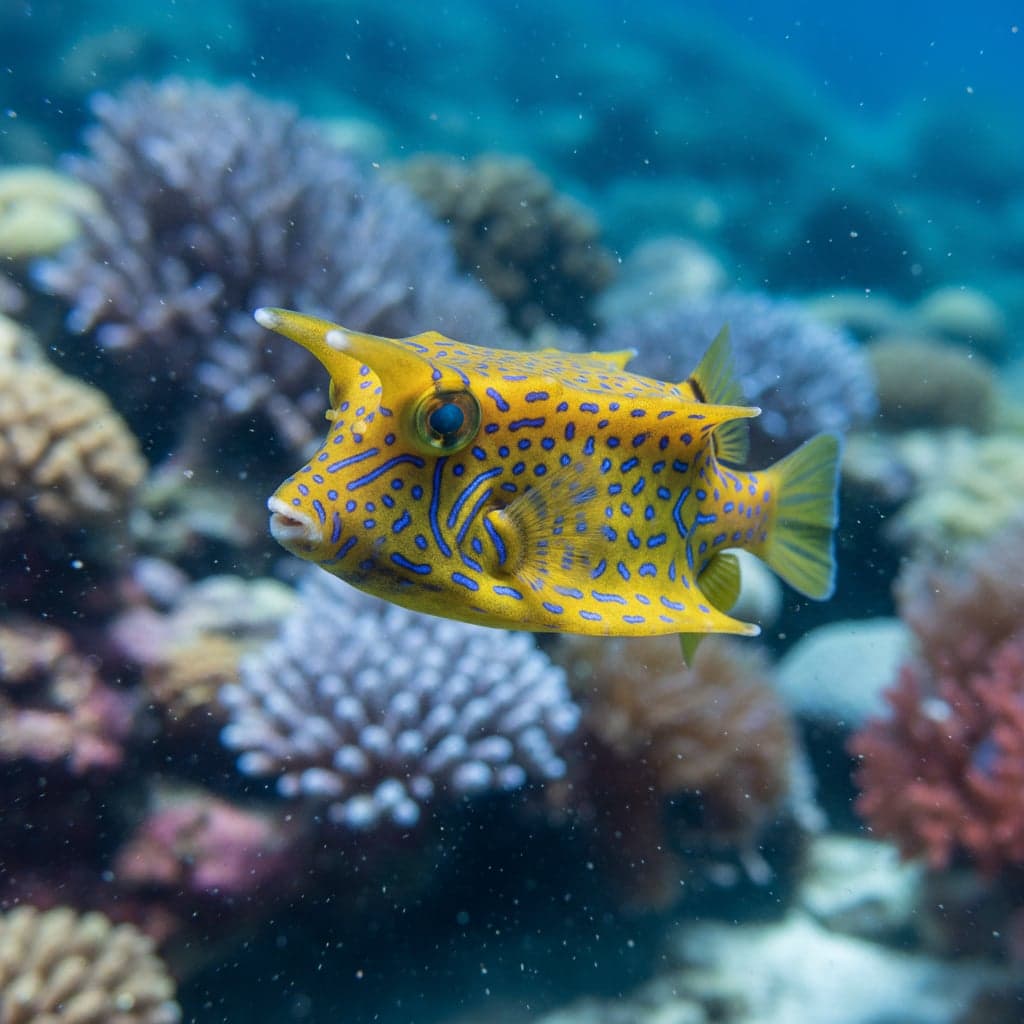
The Hovercraft Cowfish (Tetrosomus gibbosus), also known as the Humpback Turretfish, is a bizarre, triangular-shaped boxfish with a prominent dorsal keel and a unique hovering swimming style.
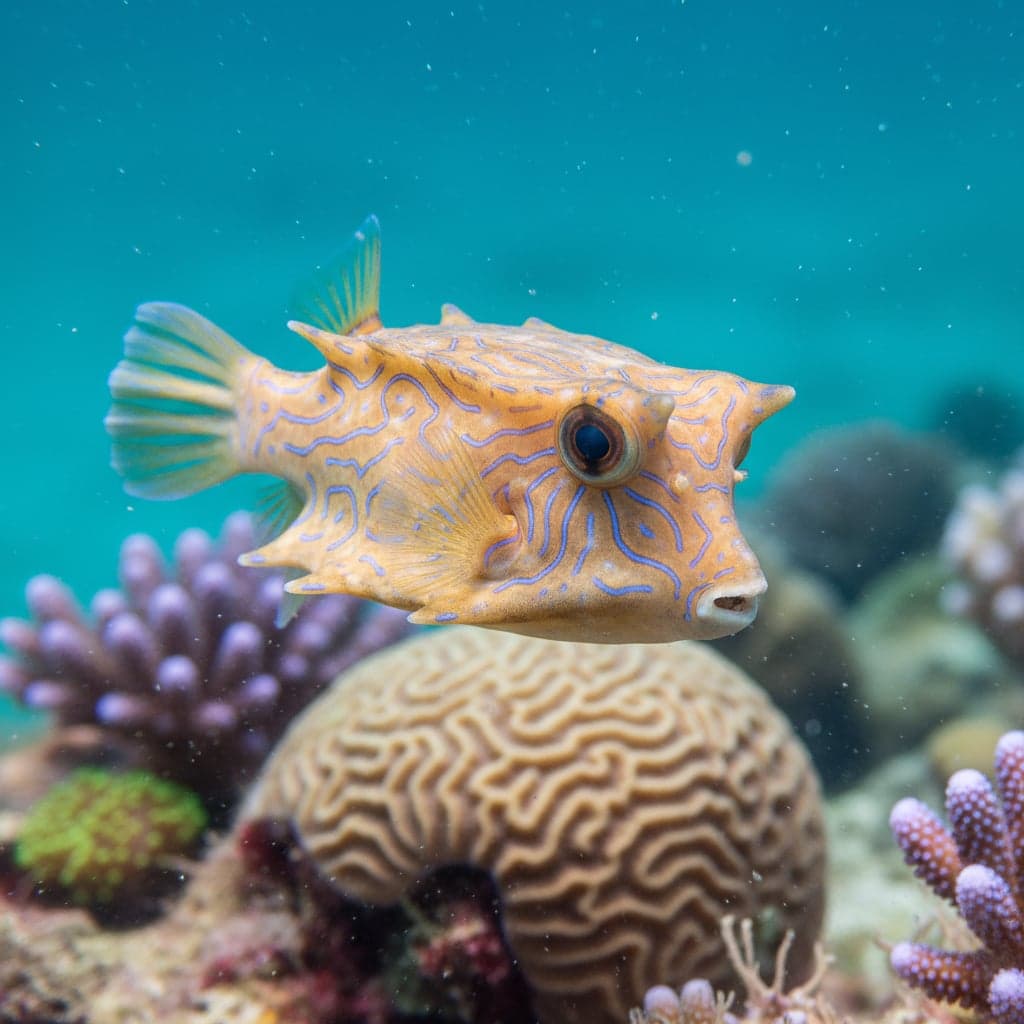
The Hovercraft Cowfish (Tetrosomus gibbosus), often called the Camel Cowfish or Humpback Turretfish, is a masterpiece of specialized ocean evolution. Unlike the "cube" shape of most boxfish, the Hovercraft Cowfish is almost perfectly triangular in cross-section, with a sharp, ridged dorsal keel and a wide, flat ventral base. This bizarre geometry, combined with its specialized "ostraciform" swimming style—where only the pectoral, dorsal, and anal fins provide propulsion—gives it the appearance of a slow-moving, high-tech submarine or hovercraft.
In the aquarium, they are prized for their unique silhouette and their endearing, intelligent personalities. They are known for recognizing their owners and even "spitting" water at the surface to get attention during feeding time.
Natural Habitat & Origin
Tetrosomus gibbosus has an incredibly wide distribution throughout the Indo-West Pacific, ranging from the Red Sea and East Africa all the way to northern Australia and Japan. They are typically found in shallow tropical waters, particularly over muddy or sandy bottoms near seagrass beds and coral reefs. They are also known as "Lessepsian migrants," having successfully invaded the Mediterranean Sea via the Suez Canal.
Care Requirements
The Hovercraft Cowfish is a demanding species that requires an expert's touch. A minimum tank size of 300 litres (80 gallons) is required for an adult. They are slow swimmers and can be easily stressed by high-flow environments; a low to moderate flow setup is essential. They also require pristine water quality with stable salinity and pH, as they are sensitive to nitrate accumulation.
The tank should have plenty of open swimming space combined with large reef structures for shelter. Avoid sharp decorations, as their box-like body is rigid and they can easily injure themselves if they are startled. A high-quality protein skimmer is mandatory to manage the waste of these large-bodied fish.
Diet & Feeding
Hovercraft Cowfish are opportunistic omnivores. In the wild, they feed on seaweeds, sponges, small mollusks, worms, and crustaceans found in the substrate.
In captivity, they require a diverse diet:
- High-quality marine pellets and flakes (soaked to prevent air ingestion)
- Frozen foods (Mysis shrimp, chopped Krill, and enriched Brine Shrimp)
- Fresh seafood (Chopped clam, squid, and shrimp)
- Important: They are slow feeders. Ensure they are getting enough to eat if kept with faster, more aggressive competitors.
Behavior & Temperament
They are peaceful and generally solitary. While they can be kept in a group if the tank is large enough, they often prefer to be the only boxfish in the setup. They are completely non-aggressive toward other species. However, they possess a potent defense mechanism: when severely stressed or dying, they can release ostracitoxin, a lethal poison that can wipe out an entire aquarium of fish in minutes.
Tank Mates
Suitable tank mates must be peaceful and non-aggressive:
- Clownfish and smaller Wrasses
- Gobies and Blennies
- Chromis and Anthias
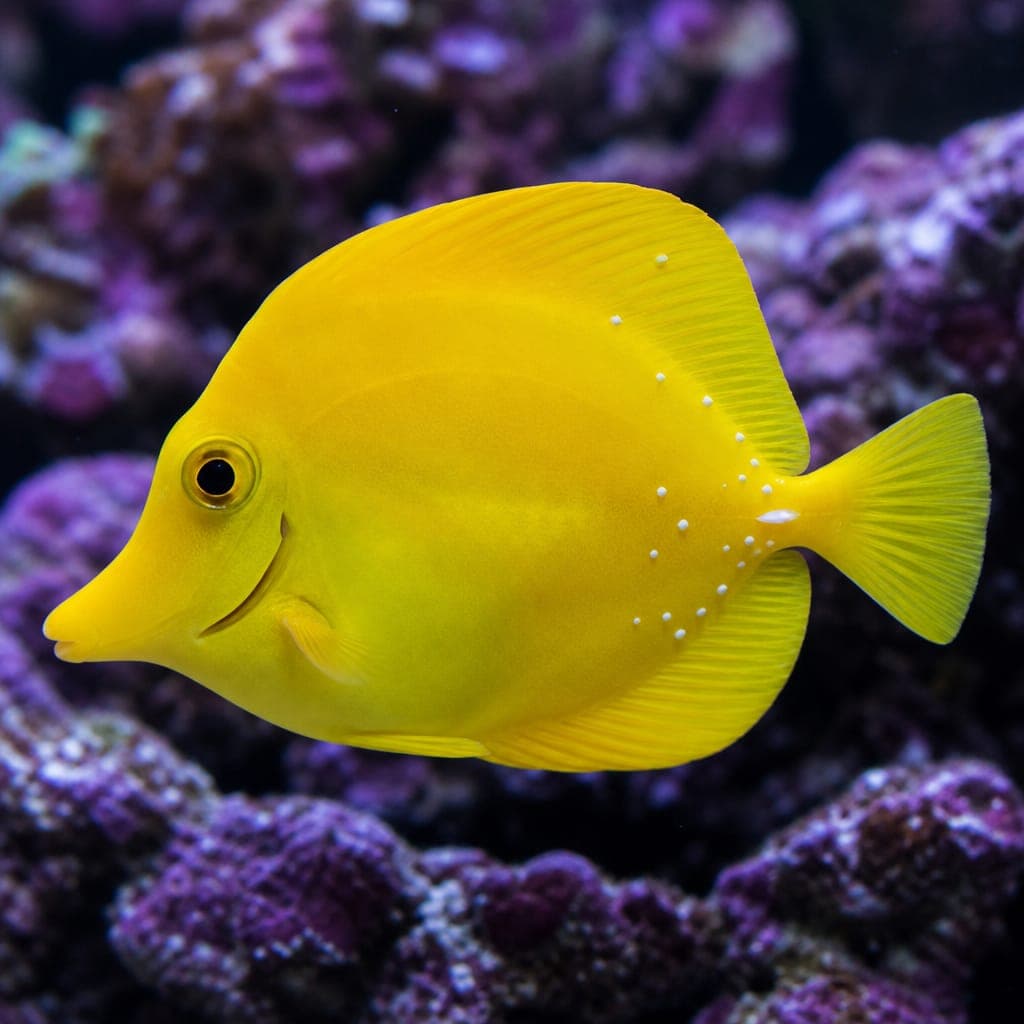
- Gentle Tangs (like Zebrasoma species)
NEVER keep them with aggressive "fin-nippers" like certain Puffers, Triggerfish, or larger Angelfish. If a cowfish is harassed, it may release its toxin, resulting in the death of all tank inhabitants.
Breeding
Breeding Tetrosomus gibbosus in captivity is extremely rare. They are hermaphrodites; everyone is born female, and the most dominant individuals eventually transition to males. In the wild, they spawn in the water column at dusk, releasing pelagic eggs. Success in the home aquarium would require massive vertical space and specialized fry-rearing setups.
Common Health Issues
The most significant health concern is Ostracitoxin poisoning, which is a risk if the fish is stressed or die. They are also prone to Marine Ich (Cryptocaryon) and Marine Velvet (Amyloodinium). Because they are "scaleless" (having a bony carapace instead), they are highly sensitive to many common copper-based medications. Always use specialized, boxfish-safe treatments and maintain a stress-free environment.