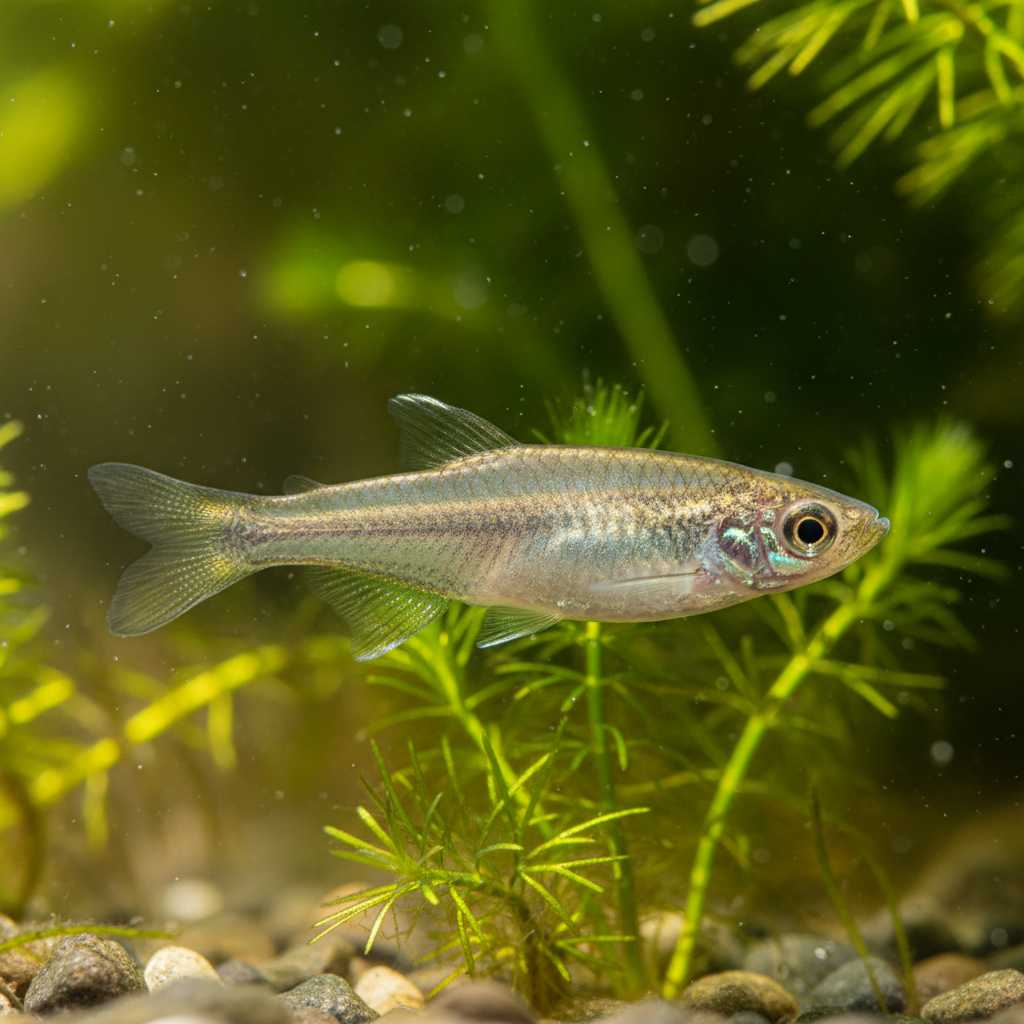
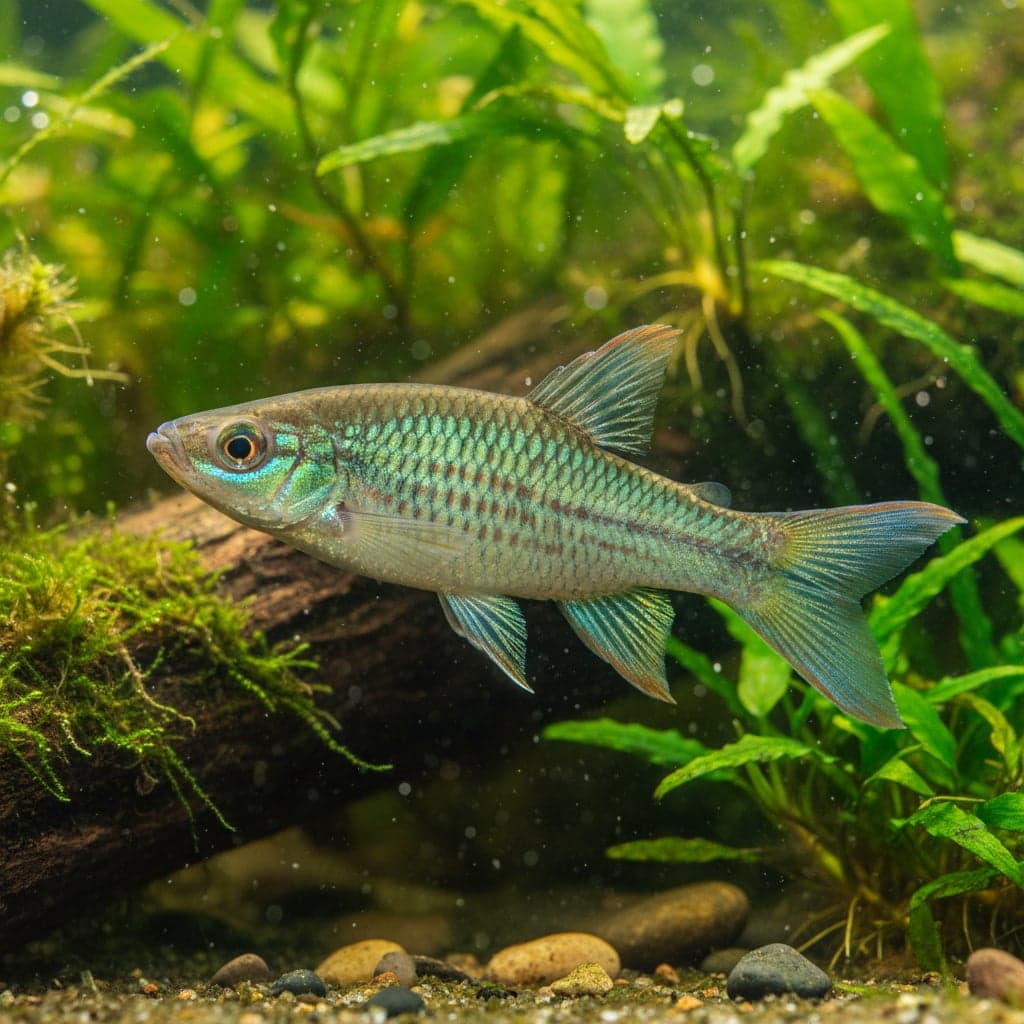
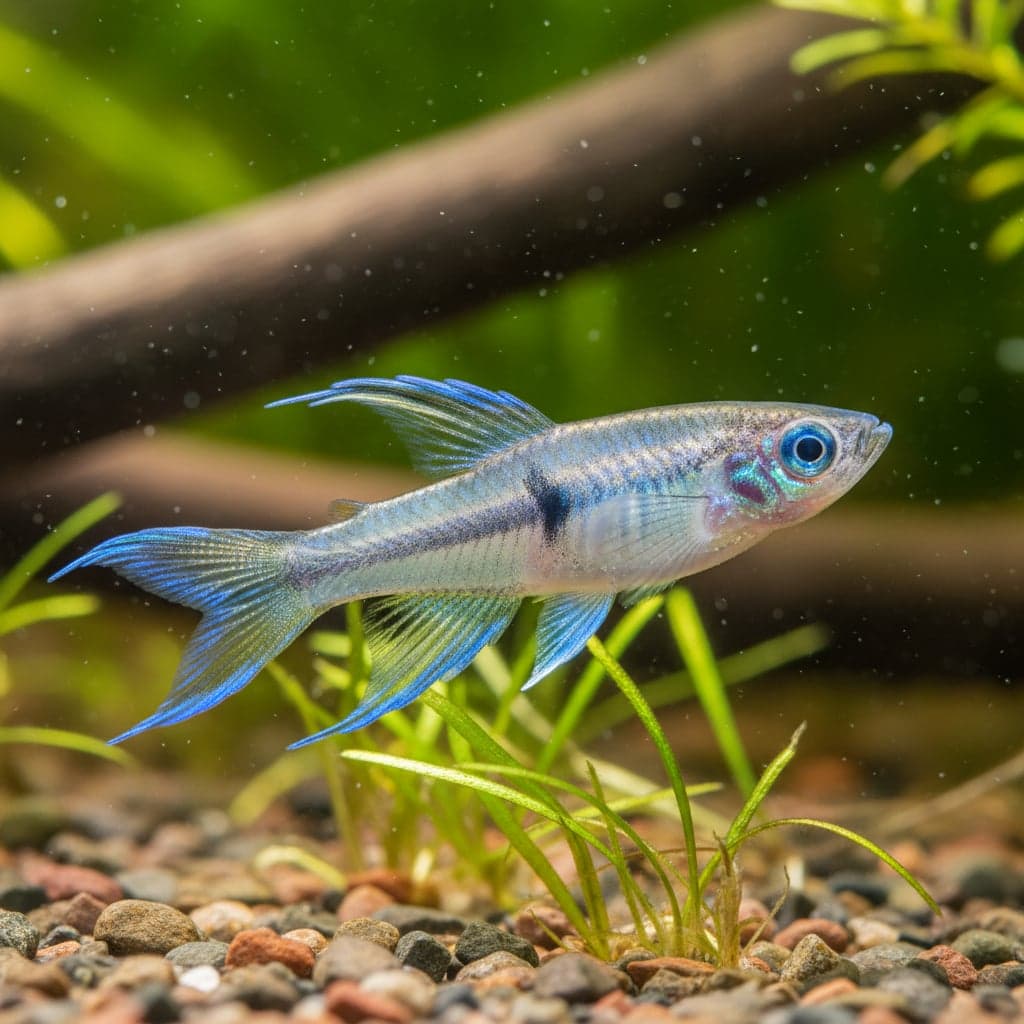
Javanese Rice Fish: Oryzias javanicus
The Javanese Rice Fish (Oryzias javanicus) is a petite, incredibly versatile species from Southeast Asia, celebrated for its shimmering blue eyes and its remarkable ability to thrive in both freshwater and brackish environments.
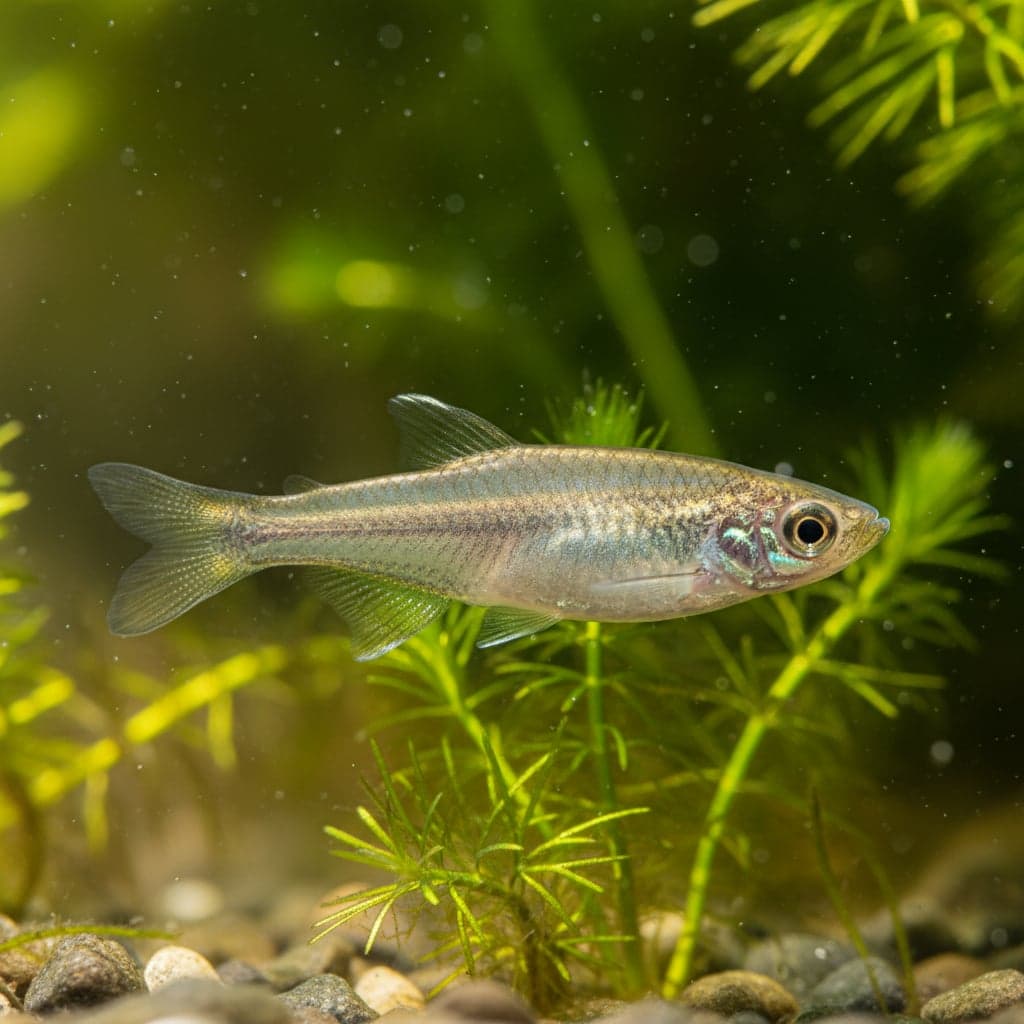
The Javanese Rice Fish (Oryzias javanicus) is a testament to the adaptability of Southeast Asian freshwater life. While it may appear modest at first glance, its beauty lies in its delicate iridescence and its vibrant, glowing blue eyes. It is a highly robust "nano-fish" that is equally at home in a heavily planted freshwater aquascape or a specialized brackish biotope. One of its most fascinating traits is its reproductive strategy: unlike most egg-layers, the female O. javanicus carries her fertilized egg cluster attached to her vents for several hours after spawning, before finally brushing them off onto aquatic vegetation.
In the aquarium, they are peaceful, social, and constantly active at the water's surface. They are an ideal choice for hobbyists looking for a low-maintenance yet scientifically interesting species that can tolerate a wide range of water conditions.
Natural Habitat & Origin
Oryzias javanicus has a broad distribution across Southeast Asia, including Thailand, Malaysia, Singapore, and Indonesia (Java and Sumatra). They are remarkably euryhaline, meaning they can tolerate a wide range of salinity. They are found in coastal ditches, mangrove swamps, rice paddies, and slow-moving rivers. They prefer shallow, sun-drenched waters with an abundance of surface-growing plants and a muddy or sandy bottom rich in organic matter.
Care Requirements
The Javanese Rice Fish is one of the easiest species to maintain and is well-suited for smaller tanks. A minimum tank size of 10 gallons (40L) is recommended for a school.
They are exceptionally adaptable: they can thrive in a pH range of 6.5 to 8.5 and a temperature range of 68°F to 82°F (20°C to 28°C). While they can live in pure freshwater, adding a small amount of marine salt (brackish conditions) can often enhance their vigor and coloration, though it is not strictly necessary. The tank should be densely planted with floating species like Water Lettuce or Salvinia, which provide the cover they need at the surface. They prefer a gentle current and will appreciate a mix of open swimming space and shaded retreats.
Diet & Feeding
They are versatile omnivores. In the wild, they feed on small aquatic invertebrates, insect larvae, and fine algal matter.
In captivity, they are enthusiastic eaters:
- High-quality crushed flakes and micro-pellets are excellent staples.
- They relish live or frozen foods: Baby Brine Shrimp, Daphnia, and Cyclops.
- Because of their small mouths, ensure that the food particles are fine enough for them to consume comfortably.
- Tip: They are surface feeders. Floating foods are the most effective way to ensure they receive adequate nutrition.
Behavior & Temperament
They are peaceful and highly social. They should always be kept in a school of 6 or more individuals. They spend almost all of their time in the top third of the water column, making them excellent "dither fish" for shy mid-water residents. They are not easily stressed and will quickly become interactive during feeding times. They are legendary for their hardiness and can even be kept in outdoor "medaka" style tubs in warmer climates.
Tank Mates
Suitable tank mates must be small and peaceful:
- Other Ricefish species (Medaka)
- Small Rasboras and Tetras
- Shrimp (Neocaridina species)
- Corydoras catfish (smaller species like C. habrosus)
- Peaceful Brackish species (if kept in a brackish setup)
Avoid keeping them with large, predatory fish or with overly boisterous species that might outcompete them for food or nip at their small fins.
Breeding
Breeding Oryzias javanicus is remarkably easy and a common project for beginners. In a well-fed colony, spawning occurs almost daily. The female is often seen swimming with a cluster of bright, clear eggs attached to her underside. These are eventually deposited into fine-leaved plants or Java moss. The eggs hatch in 10 to 14 days. The fry are quite large and can usually accept finely powdered fry food or liquid infusoria immediately.
Common Health Issues
They are exceptionally resilient and have very few specific health concerns. The primary issue is shock from sudden, drastic changes in water chemistry, especially during acclimation. They are also prone to jumping if startled, so a secure lid or floating plant cover is essential. Maintaining a stable, well-oxygenated environment with regular small water changes is the best way to ensure their shimmering blue eyes and active personalities remain a highlights of the tank.