Jewel Pufferfish: Canthigaster solandri
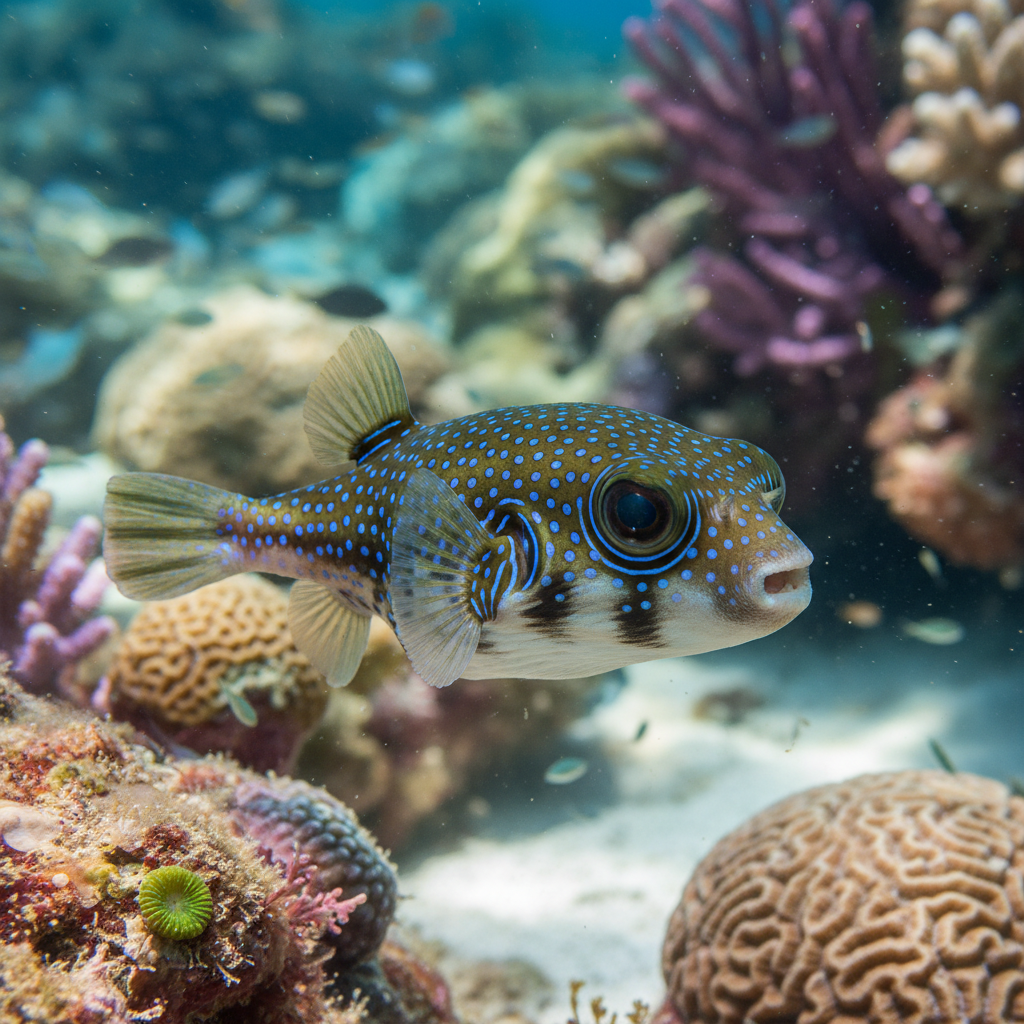
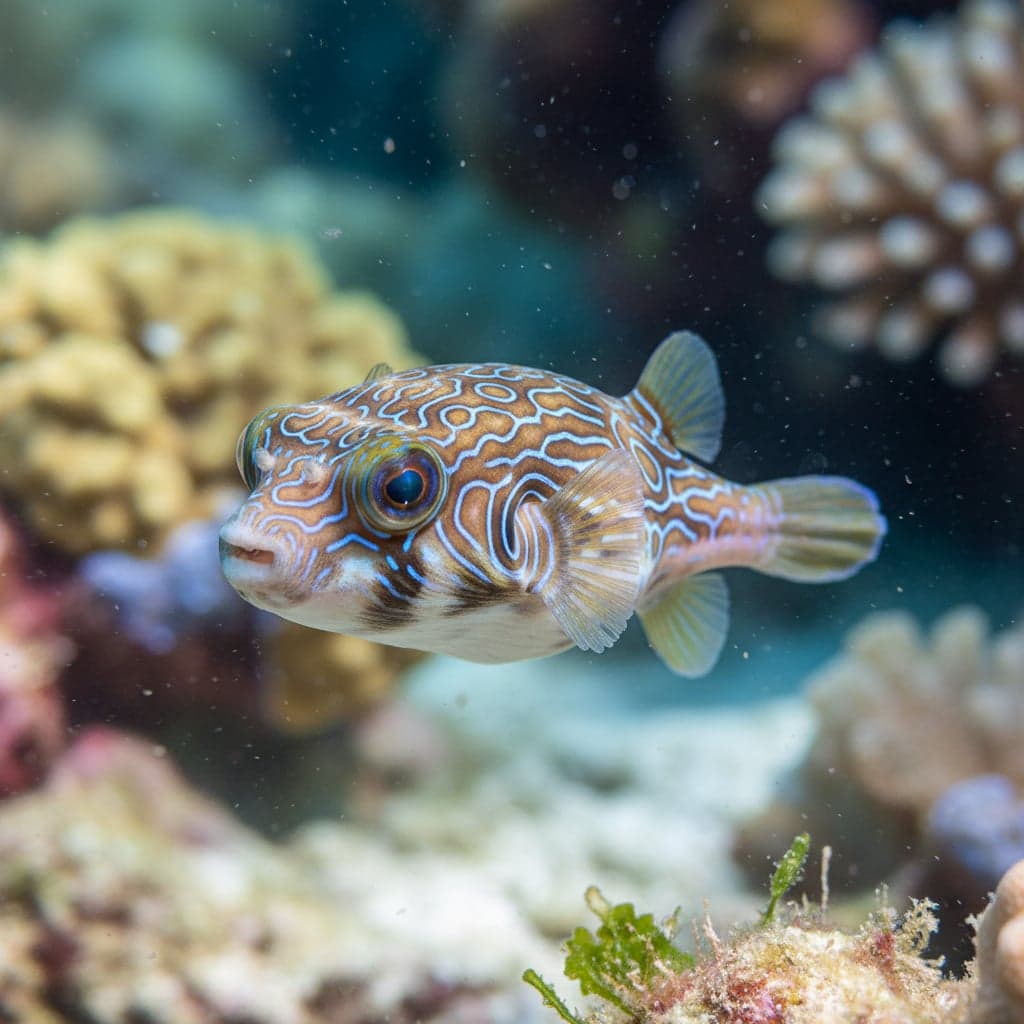
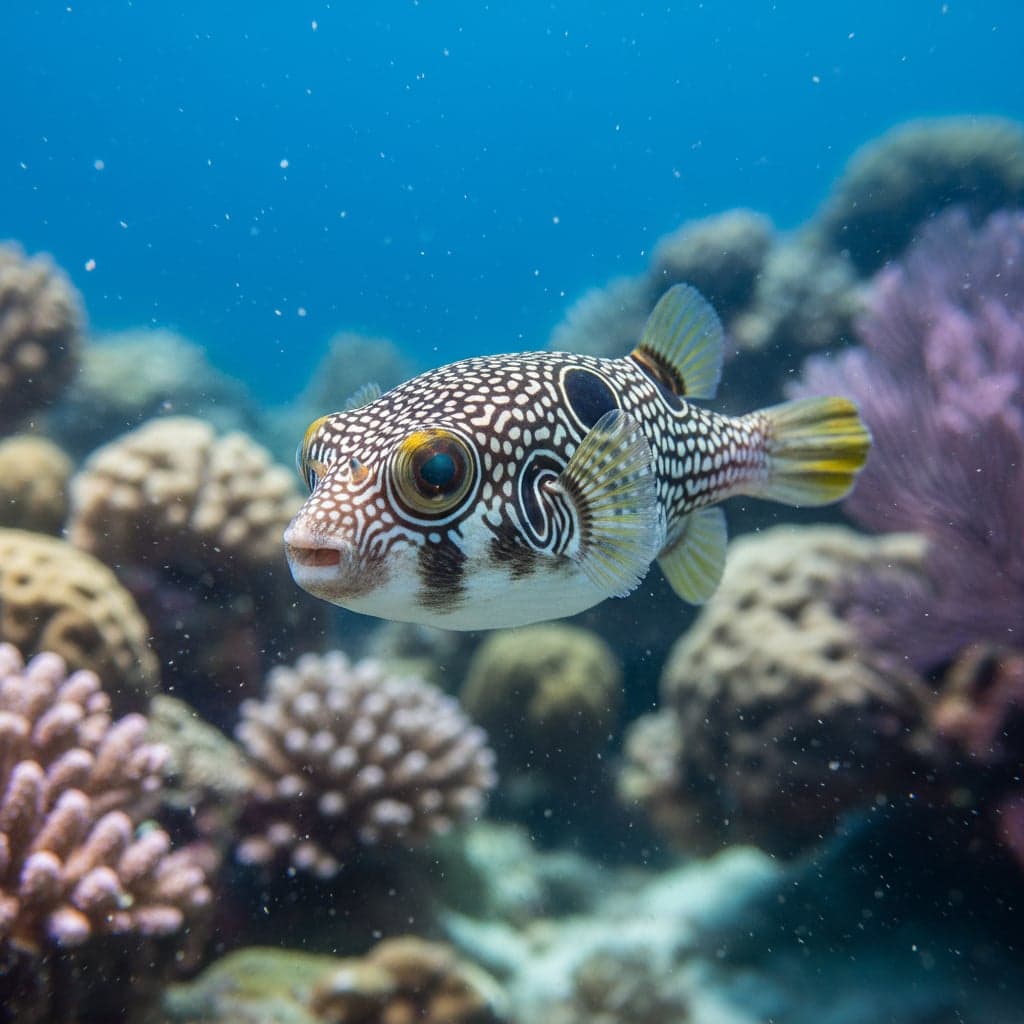
The Jewel Pufferfish (Canthigaster solandri), also known as the Spotted Sharpnose Puffer, is a charismatic and beautifully patterned "toby" puffer, adorned with a dense galaxy of glowing blue "jewel" spots over a warm sunset-orange body.

The Jewel Pufferfish (Canthigaster solandri) is one of the most popular and personable members of the "tobies" or sharpnose puffer family. It is a stunning visual feast: its body is a vibrant, earthy orange-to-brown, completely covered in an intricate network of luminous, neon-blue spots that wrap around its large, expressive eyes. Like all puffers, it is remarkably intelligent and quickly learns to recognize its owner, often "dancing" at the glass in anticipation of food. While it lacks the massive size of the porcupine puffers, its intricate "jewel" patterns and high-active personality make it a premier choice for specialized marine displays.
In the aquarium, they are bold and inquisitive. They are constant explorers, using their powerful, beak-like teeth to peck at rockwork in search of food. While they are a joy to keep, they require a specific type of marine setup and a varied diet to maintain their radiant colors and high energy levels.
Natural Habitat & Origin
Canthigaster solandri is widely distributed across the Indo-Pacific, ranging from the East African coast to the Line and Tuamotu Islands, and north to southern Japan. They are common inhabitants of shallow lagoon reefs and seaward reef slopes, typically found at depths of 1 to 30 meters. They prefer areas with an abundance of physical structure—coral rubble, rocky crevices, and lush algal beds—where they can find cover and forage for a wide variety of benthic invertebrates.
Care Requirements
The Jewel Pufferfish is a hardy and adaptable species, but it requires a well-structured environment. A minimum tank size of 40 gallons (150L) is recommended for a single individual.
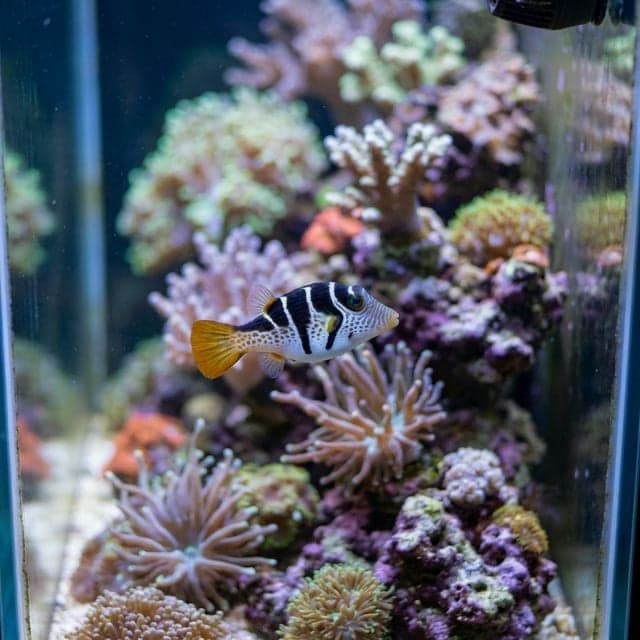
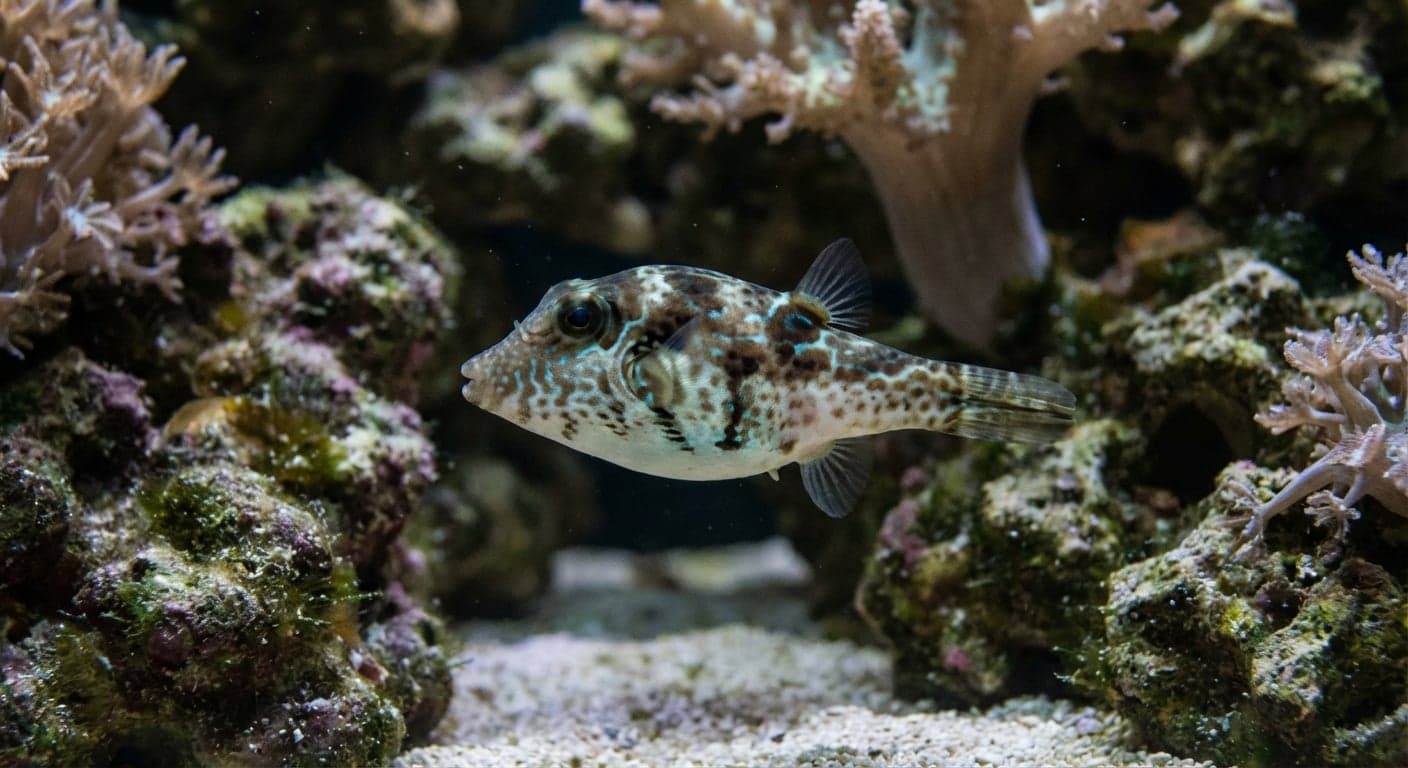
Maintain stable parameters: a pH of 8.1 to 8.4 and a salinity of 1.023 to 1.025. They are somewhat sensitive to nitrate levels, so robust protein skimming and regular water changes are essential. The tank should feature plenty of live rock arranged with many caves and overhangs, providing the puffer with a sense of security. They are active swimmers and will appreciate open space, but they will spend most of their time "patrolling" the rockwork.
Diet & Feeding
They are versatile omnivores with a focus on benthic invertebrates. In the wild, they consume sponges, algae, polychaete worms, and small crustaceans.
In captivity, they require a varied, protein-heavy diet:
- Frozen foods: Mysis shrimp, Krill, and finely chopped seafood (clams, mussels, squid).
- Algae-based foods (like Nori or Spirulina-enriched pellets) are essential for balanced nutrition.
- Tip: Providing hard-shelled foods (like small snails or unpeeled shrimp) is crucial for their dental health, as their teeth grow continuously throughout their lives.
- Note: They are NOT reef-safe. They will enthusiastically nip at coral polyps (SPS/LPS), clam mantles, and small ornamental shrimp or snails.
Behavior & Temperament
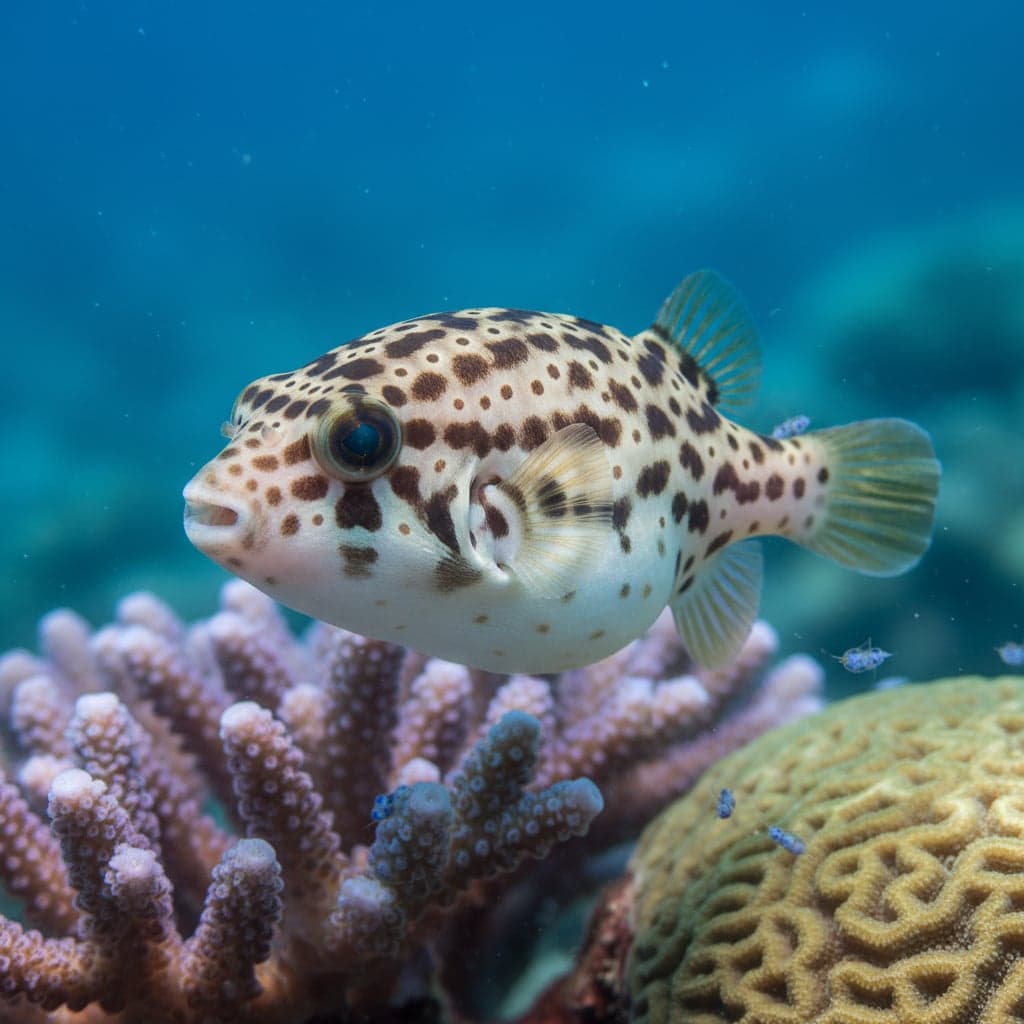
They are charismatic and semi-aggressive. While they are peaceful toward most mid-water fish, they can be territorial with other puffers or similar-looking occupants of the rockwork. They are known to be "fin-nippers," especially with slow-moving or long-finned species like lionfish or slow-moving gobies. They are highly intelligent and spend much of their time observing the world outside the tank. Like all puffers, they can inflate their bodies with water or air when stressed as a defense mechanism, but this should never be intentionally triggered by the hobbyist.
Tank Mates
Suitable tank mates must be robust and active:
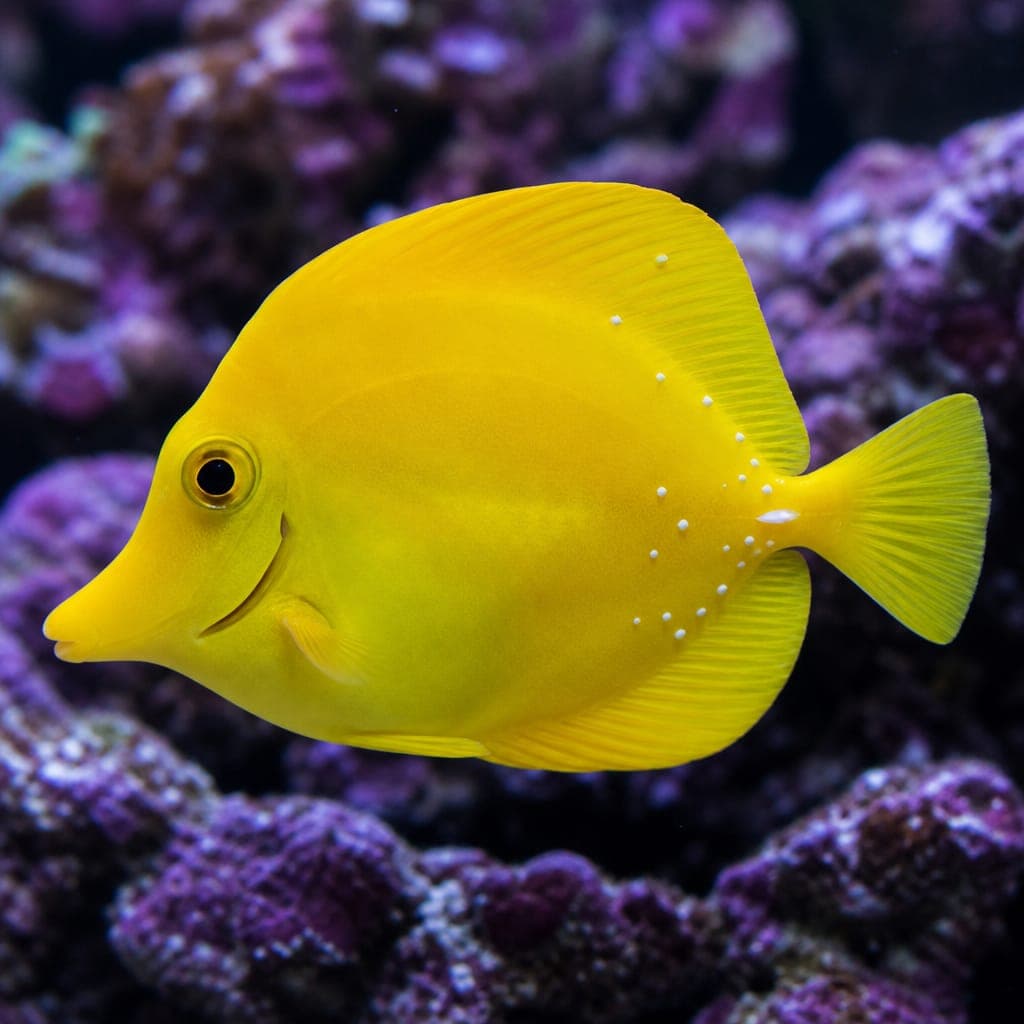
- Tangs (larger species)
- Wrasses (Halichoeres or Cirrhilabrus)
- Damsels and Chromis
- Large Blennies
- Hawkfish
Avoid keeping them with slow-moving fish, extremely small species that could be mistaken for food, or with corals and delicate invertebrates in a "true" reef tank.
Breeding
Breeding Canthigaster solandri in the home aquarium is extremely rare. They are thought to be demersal spawners; in the wild, the pair will deposit their adhesive eggs in a secluded spot on the reef. The male then guards the area until the eggs hatch into pelagic larvae. Very few successful captive spawnings have been documented, and nearly all specimens in the trade are wild-caught.
Common Health Issues
The primary health concern is dental overgrowth if they are not provided with enough hard-shelled food to grind down their teeth. They are also prone to Marine Ich (Cryptocaryon) and velvet if they are stressed by poor water quality or aggressive tank mates. Providing a stress-free environment with plenty of hiding spots and a varied, specialized diet is the best way to ensure their glowing "blue jewels" remain radiant and their health robust.