Kansu Loach: Triplophysa robusta
The Kansu Loach (Triplophysa robusta) is a powerful and specialized cold-water stone loach from the high-altitude Yellow River basin, built for life in turbulent mountain streams.

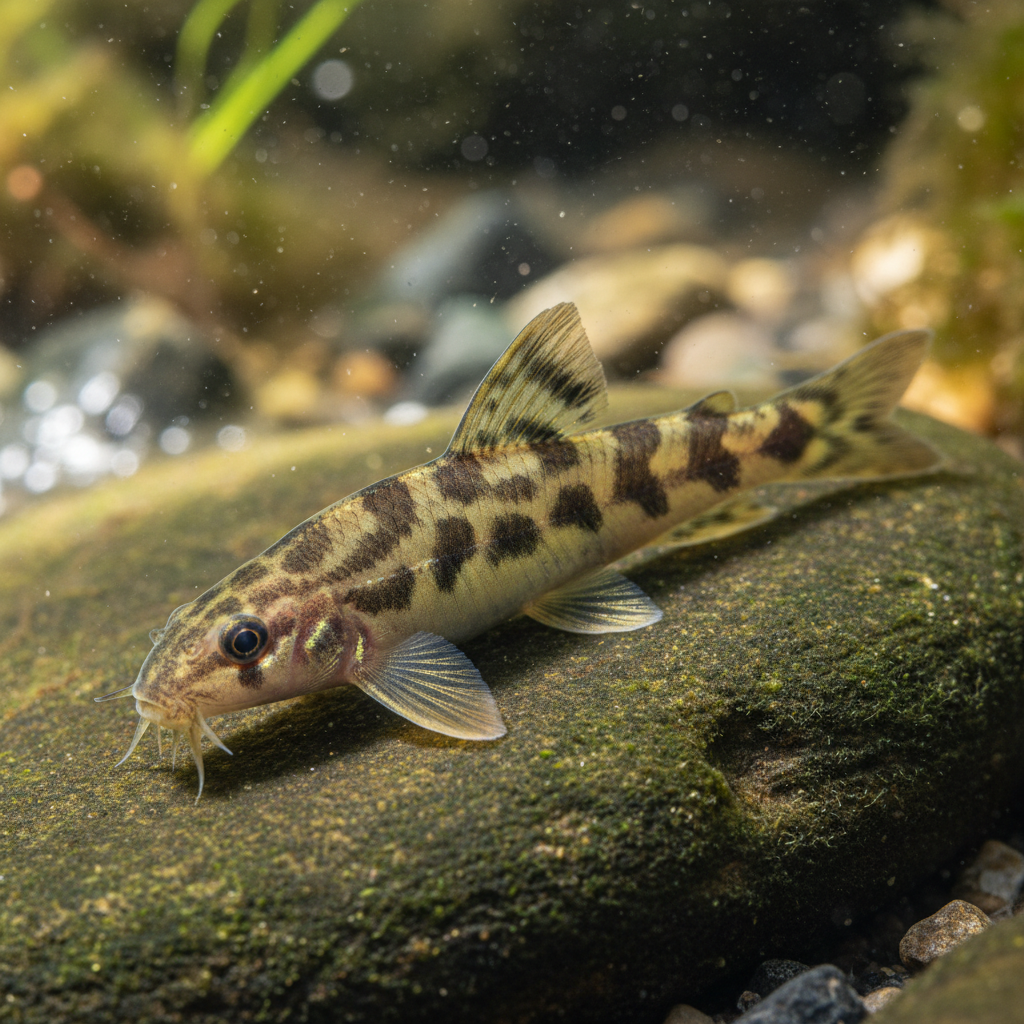
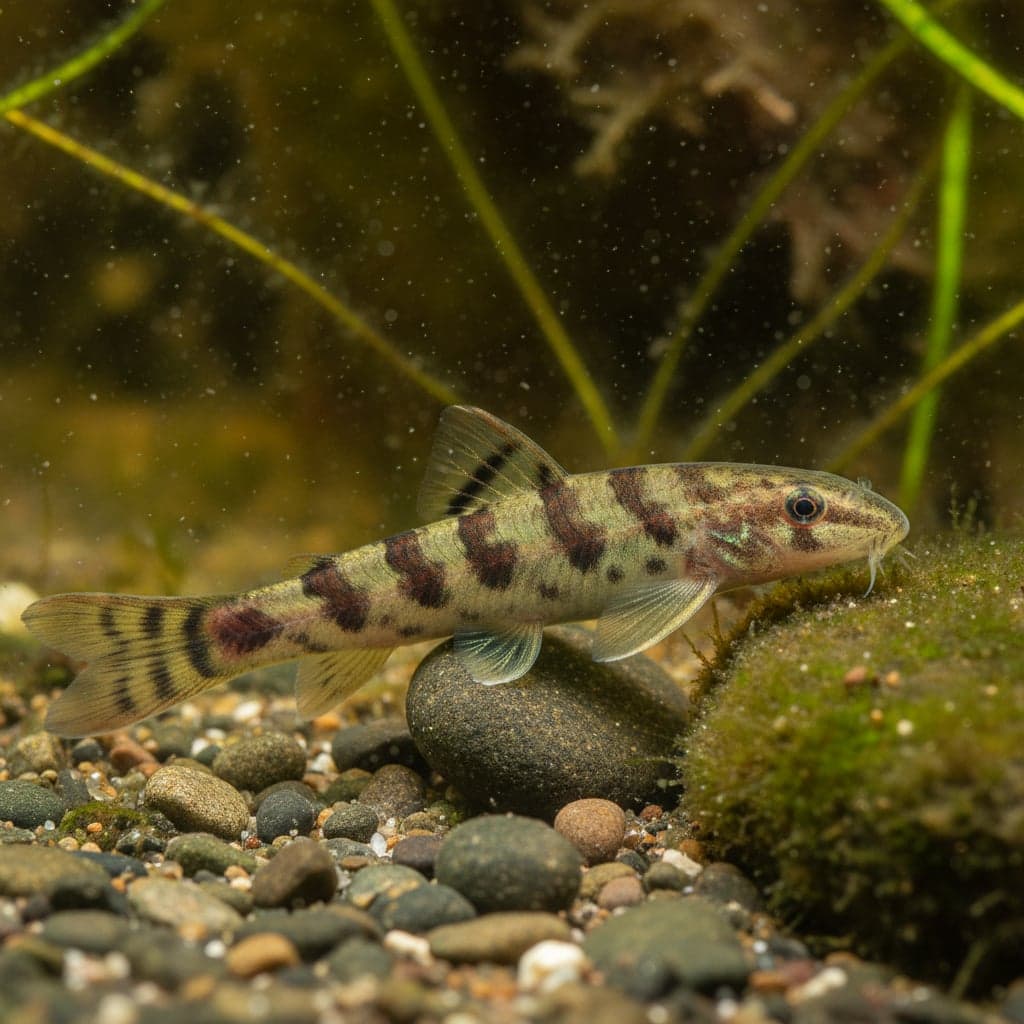
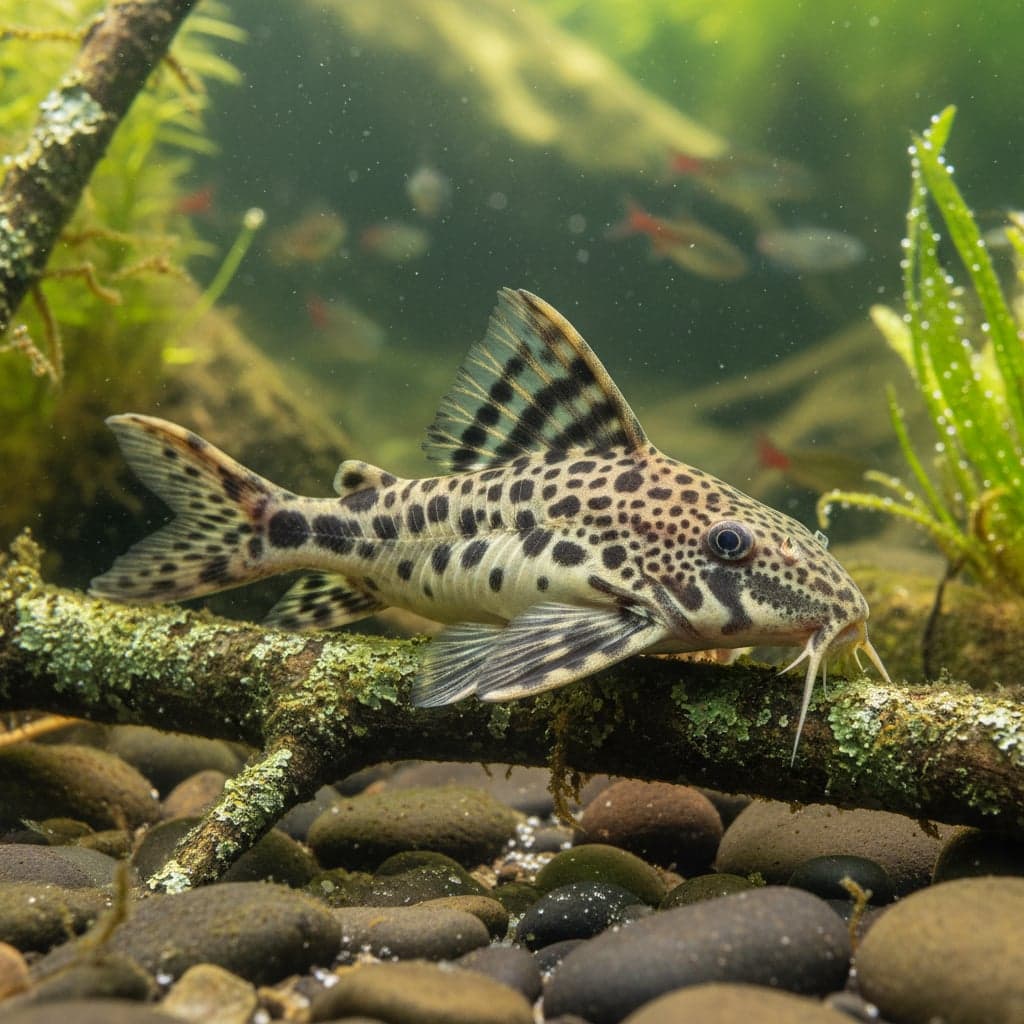
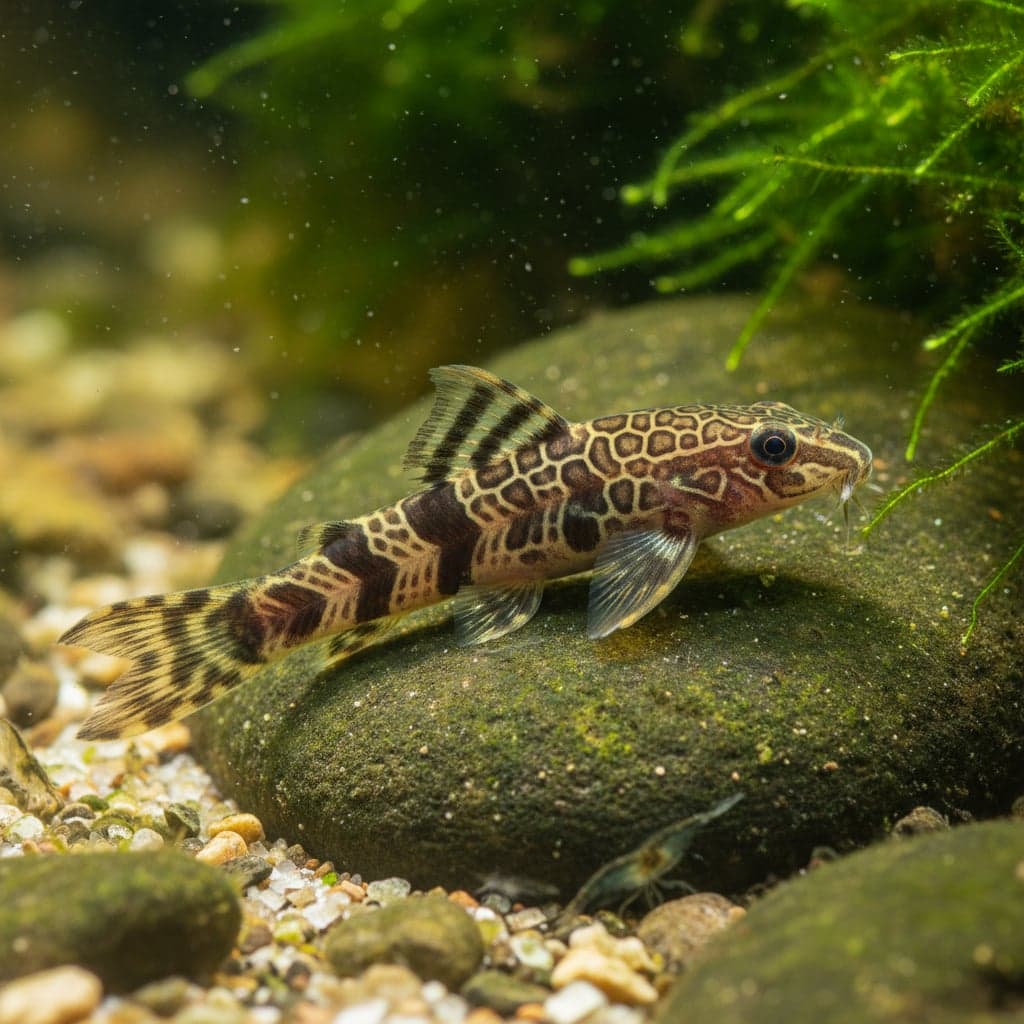
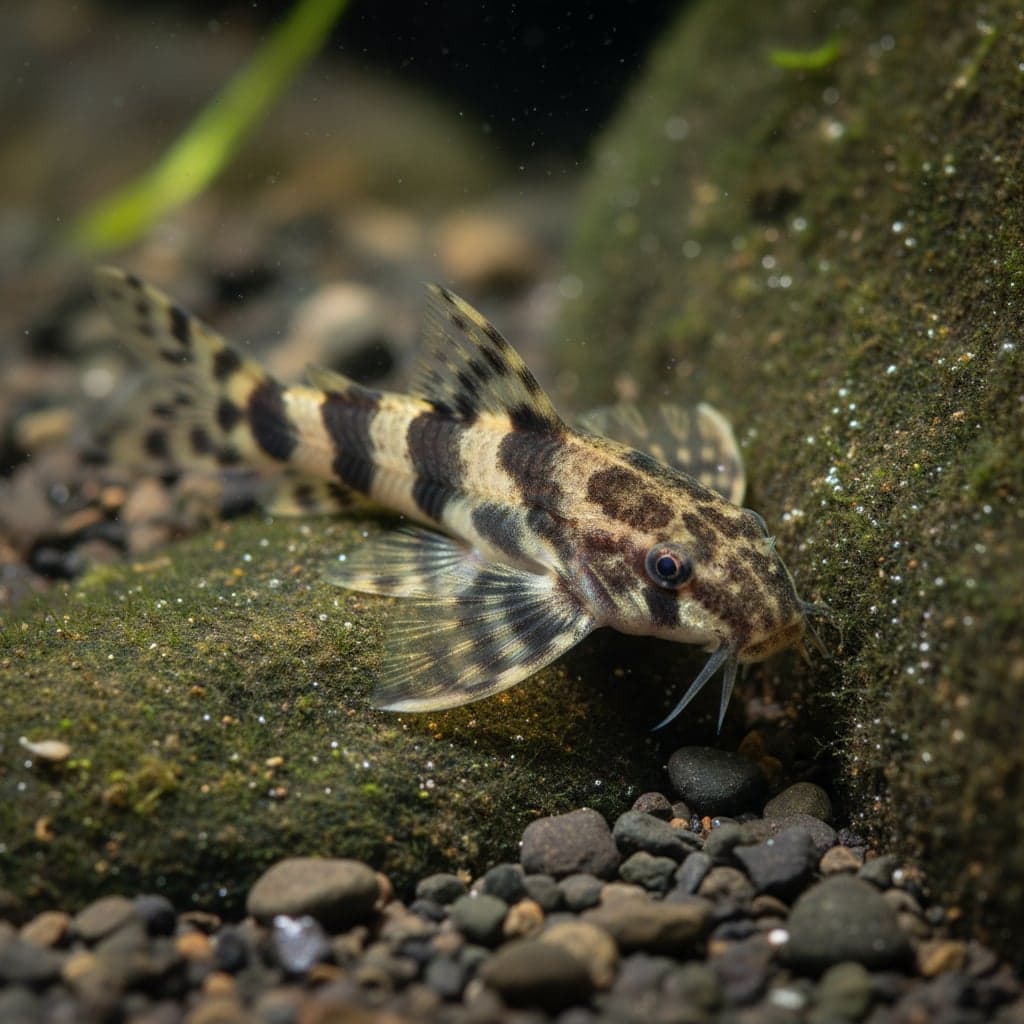
The Kansu Loach (Triplophysa robusta), also known as the Robust Loach, is a specialized survivalist from the rugged highlands of China. Unlike the slender, eel-like loaches of the lowlands, the Kansu Loach is defined by its muscular, deep-bodied profile and broad pectoral fins, which it uses as hydrofoils to pin itself against the rocks in torrential currents. Its coloration is a masterclass in riverbed camouflage: a base of soft tan or grey densely covered in dark, irregular blotches that mimic the play of light over water-worn stones. For the dedicated collector of Central Asian livestock, the Kansu Loach offers a rare glimpse into the unique and hardy fauna of the high-altitude Yellow River.
In the aquarium, they are industrious and fascinating, but they are "environmental specialists" that demand a dedicated setup. They are not compatible with typical tropical aquariums; they require the extreme oxygen saturation and chilled water of a high-altitude "hillstream" biotope.
Natural Habitat & Origin
Triplophysa robusta is native to the upper and middle reaches of the Yellow River basin in China, specifically within the Gansu (Kansu) and Qinghai provinces. These are high-elevation, mountainous environments characterized by turbulent flow, cold temperatures (often near freezing in winter), and exceptionally high oxygen levels. They inhabit the "bento-pelagic" zone of the riverbed, living among large cobbles and boulders where they can find shelter from the full force of the current while hunting for small invertebrates in the crevices.
Care Requirements
The Kansu Loach is a challenging species that requires a specialized cold-water setup. A minimum tank size of 40 gallons (150L) is recommended, with a focus on surface area and water velocity.
Maintain strict cold-water parameters: a pH of 7.0 to 8.5 and a temperature of 50°F to 65°F (10°C to 18°C). They will suffer rapid respiratory distress and eventual death if kept at tropical temperatures (above 20°C/68°F). The aquarium must be equipped with a powerful "river manifold" or multiple heavy-duty powerheads to create a unidirectional, high-torque current. The substrate should consist of smooth, rounded river stones, varying sizes of cobbles, and clean gravel. Lighting should be intense to promote a healthy layer of "biofilm" on the rocks, which provides both a natural food source and an essential surface for the loach's specialized fins.
Diet & Feeding
They are active carnivores specialized in hunting small aquatic larvae from the surfaces of the stones. In the wild, their diet is mainly composed of Chironomid (midge) larvae and Ephemeroptera (mayfly) nymphs.
In captivity, they require a protein-rich, sinking diet:
- Live or frozen Bloodworms, Brine Shrimp, and Mysis shrimp are the best staples.
- They will often accept high-quality carnivore pellets, provided they are dropped into the path of the current so they lodge in the rocks.
- Tip: They are "tactile feeders." Watching them use their sensitive barbels to search the underside of rocks is a highlight of keeping this species.
- Provide multiple small feedings daily to sustain their high metabolism in cold, flowing water.
Behavior & Temperament
They are peaceful but intensely active and territorial with their chosen stone. They spend their hours "creeping" over the rocks and darting between crevices. While they are not schooling fish, they are social in a hierarchical sense; keeping a group of 3 or more is ideal to see their natural "wrestling" and social interactions. They are entirely safe with other species, provided those species can handle the same extreme current and cold temperatures. They are masters of hiding and will use even the smallest crack between stones as a secure retreat.
Tank Mates
Suitable tank mates are limited to other high-oxygen, cold-water specialists:
- Hillstream Loaches (Sewellia, Gastromyzon)
- Stiphodon Gobies (in cooler setups)
- Chinese High-fin Banded Sharks (in very large tanks)
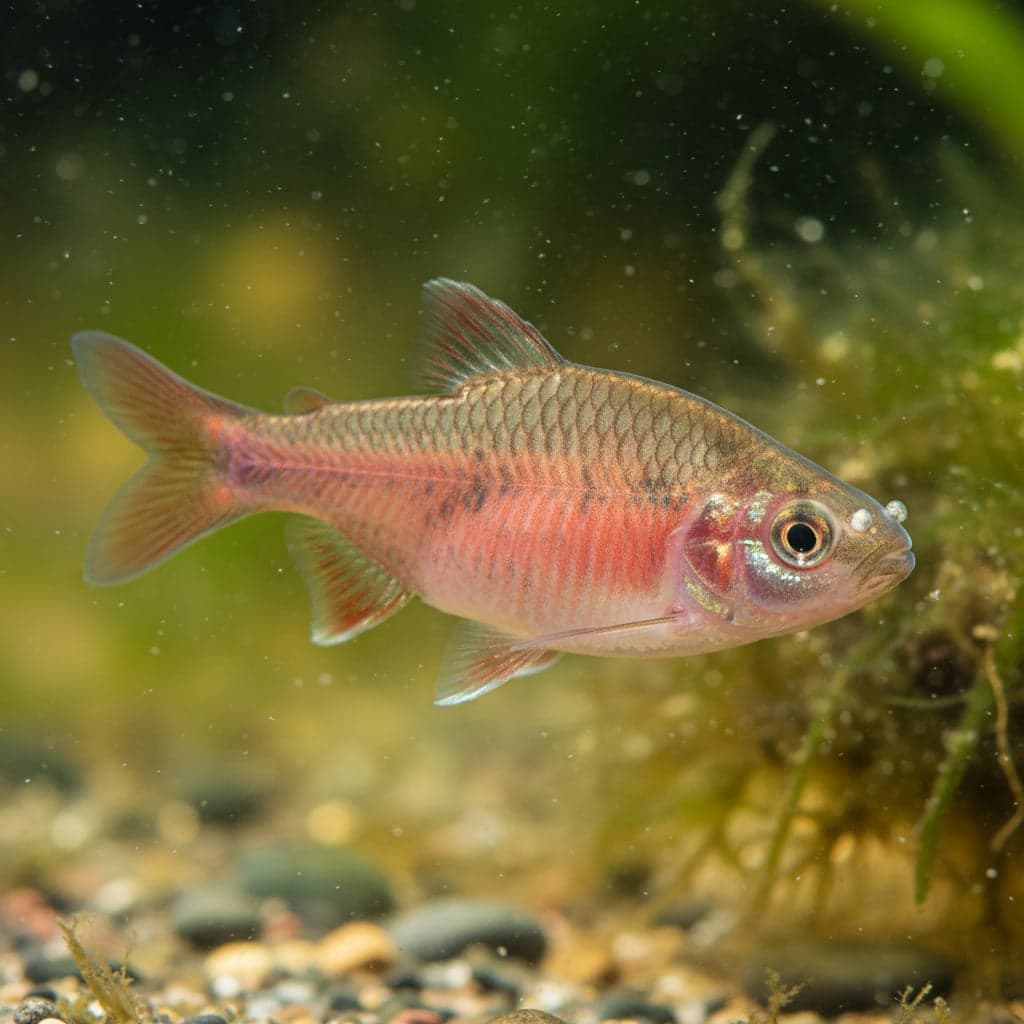
- White Cloud Mountain Minnows
Avoid any fish that requires warm water, slow-moving water, or that might be easily stressed by the Kansu Loach's high-speed dashes.
Breeding
There are no documented cases of Triplophysa robusta breeding in the home aquarium. In the wild, they are thought to be seasonal spawners, triggered by the massive spring snowmelt from the Gansu mountains. Replicating the extreme temperature fluctuations and the massive increase in water flow and oxygen required to induce spawning is its own "holy grail" for specialized loach breeders.
Common Health Issues
The primary health concern is thermal shock and hypoxia. If the water temperature rises above 18°C or if the oxygenation levels drop, these fish will go into immediate distress. They are also sensitive to poor water quality and nitrate accumulation. Maintaining a dedicated chiller, a high-velocity manifold system, and performing massive, frequent water changes with clean, cold water is the only way to ensure their robust, mountain-dwelling beauty remains at its peak.