Kiri Triggerfish: Xanthichthys greenei
The Kiri Triggerfish (Xanthichthys greenei), also known as Greene's Triggerfish, is an ultra-rare deep-water gem from the Line Islands, prized for its sleek beauty and reef-safe temperament.
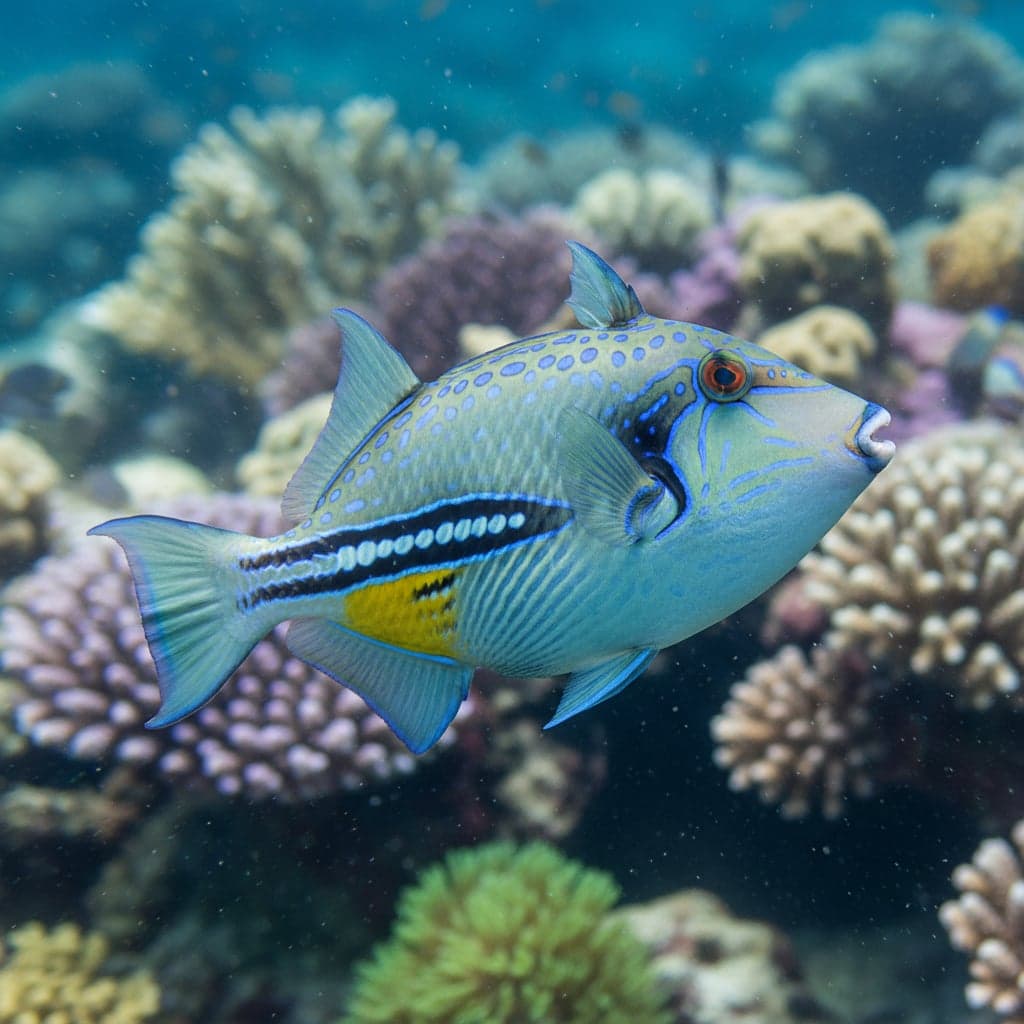
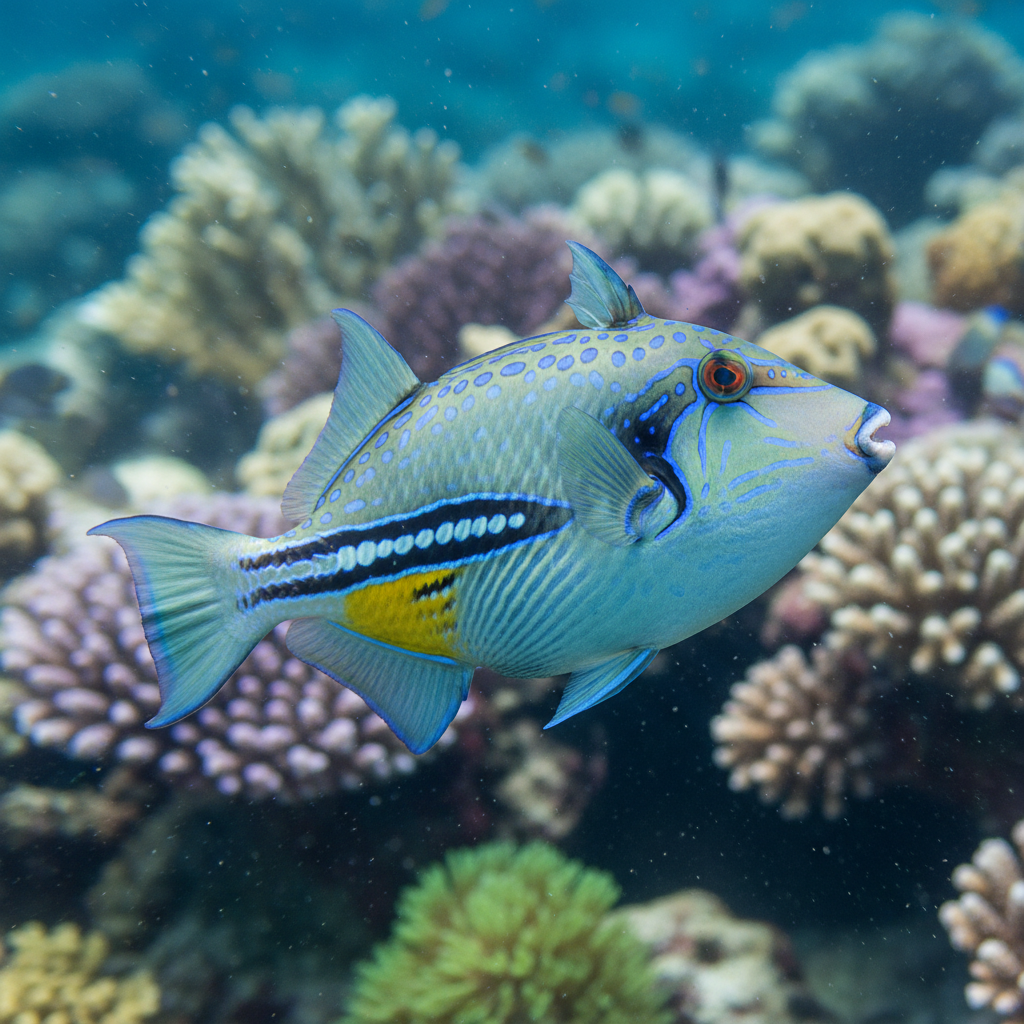
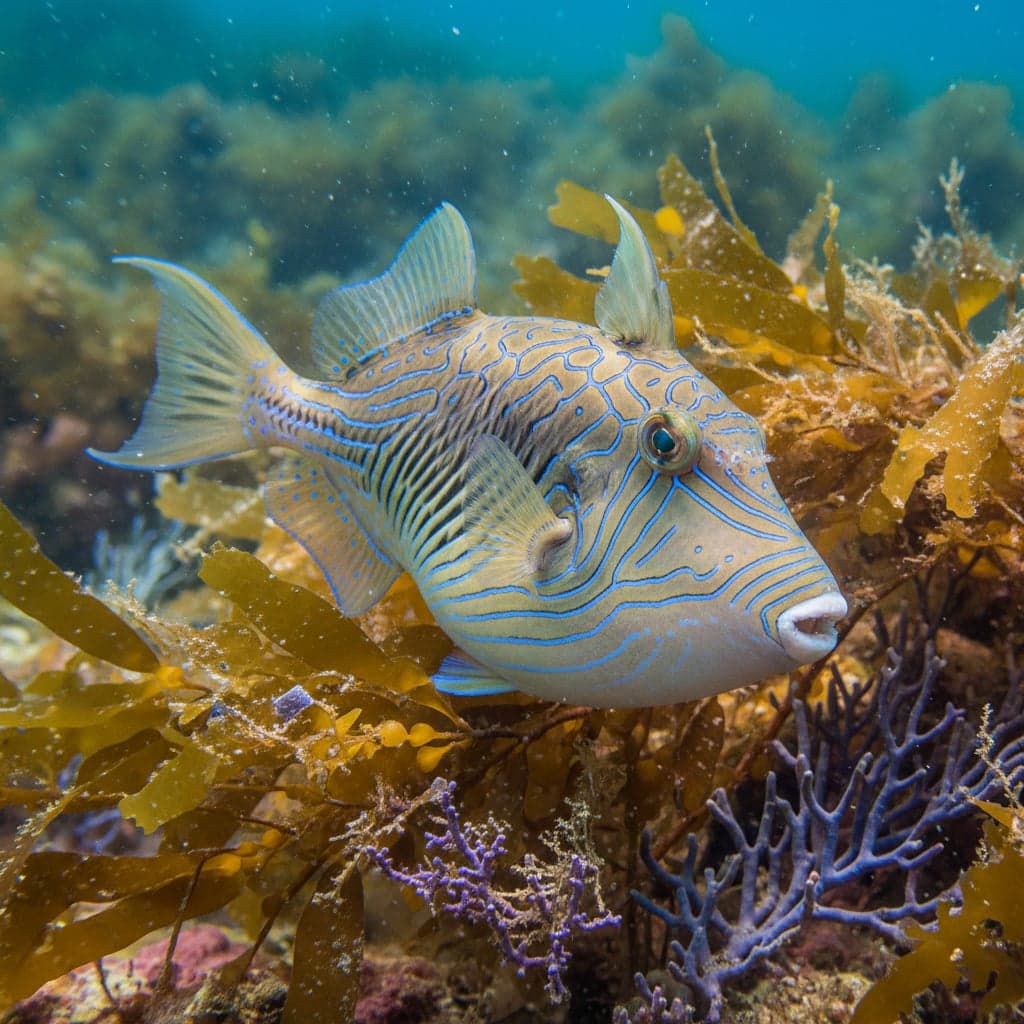
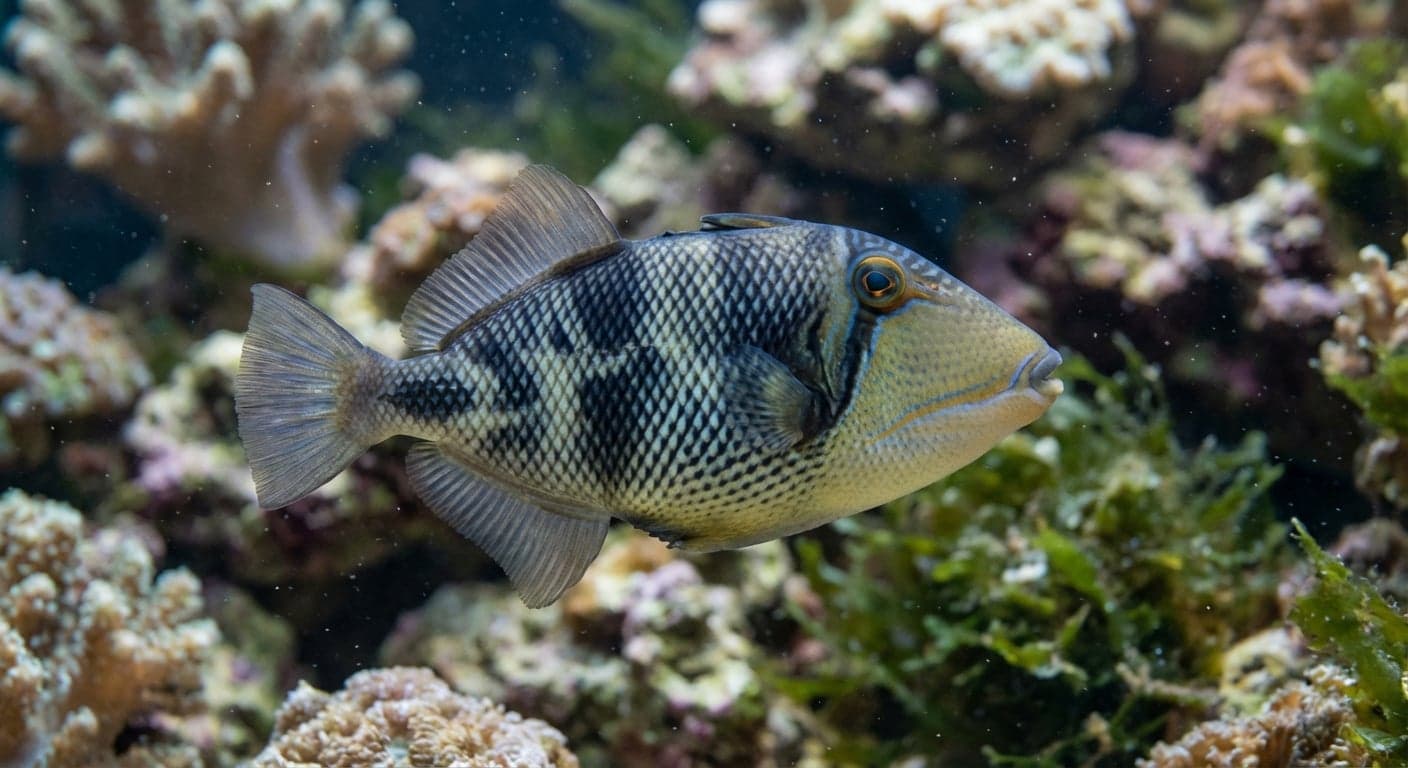
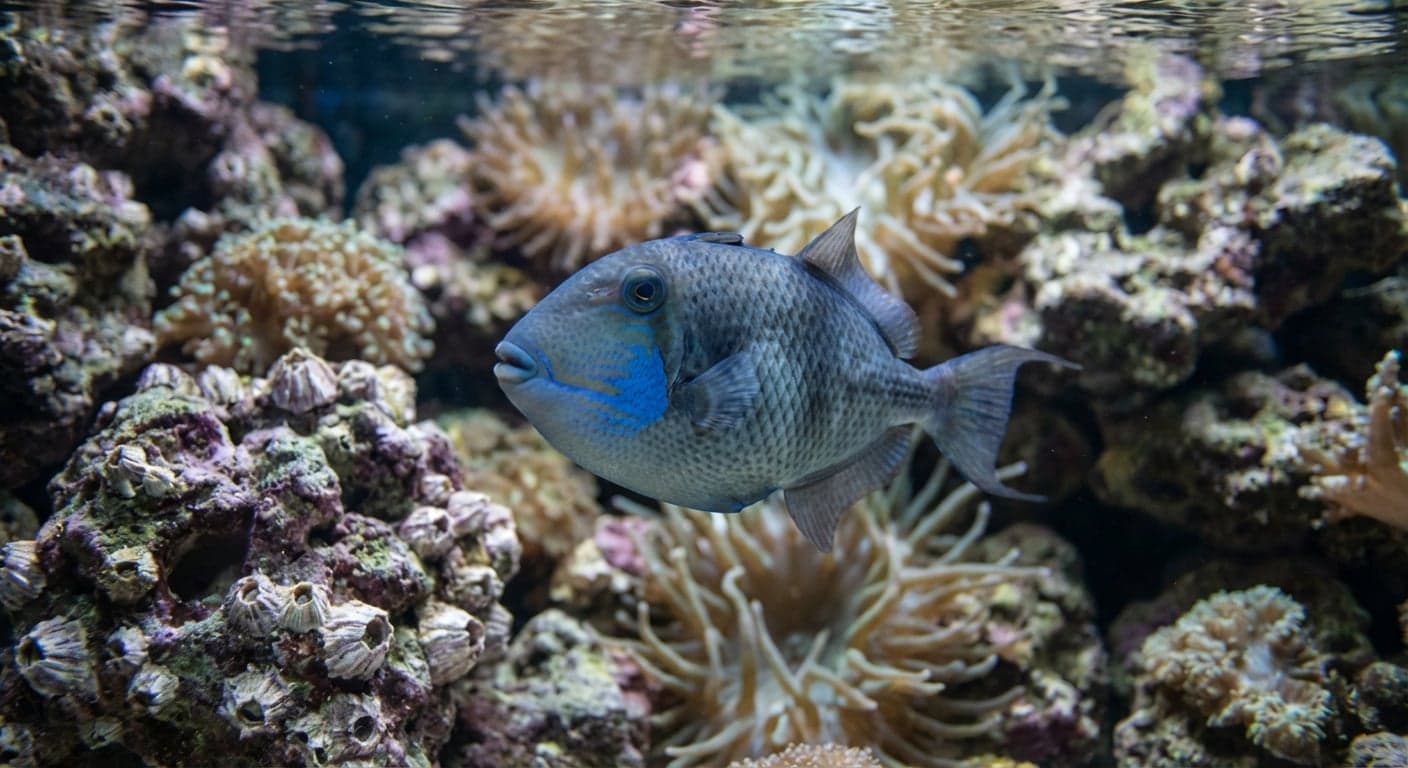
The Kiri Triggerfish (Xanthichthys greenei), or Greene's Triggerfish, is the holy grail of marine triggers. Discovered only recently in the deep reefs of Kiritimati (Christmas Island), it is defined by its stunningly sleek, streamlined profile and its sophisticated monochrome aesthetic. Its body is a soft, luminous blue-grey, elegantly punctuated by a network of fine black dots and delicate pinstripes that follow its musculature. Unlike the aggressive, bottom-dwelling triggerfish of the shallow reefs, the Kiri Triggerfish is a deep-water specialist that inhabits the open water column, making it one of the few triggers that is truly "reef-safe." For the high-end collector, the Kiri Triggerfish represents the pinnacle of rare and dignified marine livestock.
In the aquarium, they are active, bold, and surprisingly peaceful. They lack the destructive "redecorating" instincts of other triggers, preferring to spend their time gracefully cruising the middle regions of the tank. Their rarity and deep-water origin make them a true centerpiece for a specialized reef system.
Natural Habitat & Origin
Xanthichthys greenei is endemic to the Line Islands of the Central Pacific, specifically Kiritimati. It is a deep-water specialist, typically found along steep seaward reef slopes at depths of 90 to 150 meters (300 to 500 feet). This environment is characterized by cooler temperatures, high pressure, and low light. They live in the "twilight zone" of the reef, where they congregate in small groups to feed on the rich zooplankton that is swept up from the deep ocean by the current.
Care Requirements
The Kiri Triggerfish is a robust species once acclimated, but its deep-water origin means it has specific needs. A minimum tank size of 75 gallons (300L) is required to provide the open swimming space this fish demands.
Maintain stable marine parameters with a focus on lower temperatures: a pH of 8.1 to 8.4, a specific gravity of 1.020 to 1.025, and a temperature of 72°F to 79°F (22°C to 26°C). They will suffer if kept in typical tropical reef temperatures (above 27°C/80°F) for extended periods. The aquarium should feature a mix of open water and deep, shadowy rockwork where they can rest. High oxygenation and a strong current are essential to replicate their oceanic environment. Lighting should ideally be moderate or include "deep-blue" spectrums to simulate the twilight zone.
Diet & Feeding
They are active carnivores specialized in hunting zooplankton. In the wild, they consume a variety of small crustaceans and gelatinous organisms in the water column.
In captivity, they are enthusiastic feeders:
- High-quality marine pellets and flakes should be offered.
- They must have frequent feedings of meaty, protein-rich foods: Mysis shrimp, Krill, and finely chopped seafood.
- Tip: Because they are pelagic feeders, they prefer to take food from the water column rather than the substrate. Use a pipette or target feeder to ensure they get their share.
- They benefit from being fed multiple times a day to maintain their high metabolism.
Behavior & Temperament
They are among the most peaceful of all triggerfish. They are entirely safe with most corals and, remarkably, are usually safe with smaller fish and larger ornamental shrimp. They do not have the "crushing" bite of other triggers and are much more likely to ignore sessile invertebrates. They are bold and interactive, often recognizing their keeper and "begging" for food at the surface. While they are peaceful, they are active and can intimidate very slow or timid tank mates simply by their fast-swimming nature.
Tank Mates
Suitable tank mates are other robust reef species or deep-water specialists:
- Tangs (in large tanks)
- Large Wrasses (like Fairy or Flasher Wrasses)
- Deep-water Angelfish (Centropyge or Genicanthus)
- Anthias
- Large Gobies
Avoid keeping them with very aggressive triggers or with fish that require very warm water.
Breeding
There are no recorded instances of Xanthichthys greenei breeding in the home aquarium. As with most deep-water species, replicating the pressure, temperature, and pelagic spawning environment required is currently beyond the capabilities of most hobbyists. In the wild, they are believed to be broadcast spawners, releasing buoyant eggs into the currents of the Line Islands.
Common Health Issues
The primary health concern is improper decompression or "gas bubble disease" if not properly collected, followed by thermal stress from being kept too warm. They are also sensitive to poor water quality and nitrate buildup. Maintaining a chilled, well-oxygenated environment with high-quality filtration and a protein-rich diet is the only way to ensure the sleek, monochrome beauty of the Kiri Triggerfish remains a legendary feature of the aquarium.