Kitty Tetra: Hyphessobrycon heliacus
The Kitty Tetra (Hyphessobrycon heliacus) is a shimmering, golden-hued treasure from the Teles Pires basin, prized for its radiant color and the elegant, extended fins of adult males.

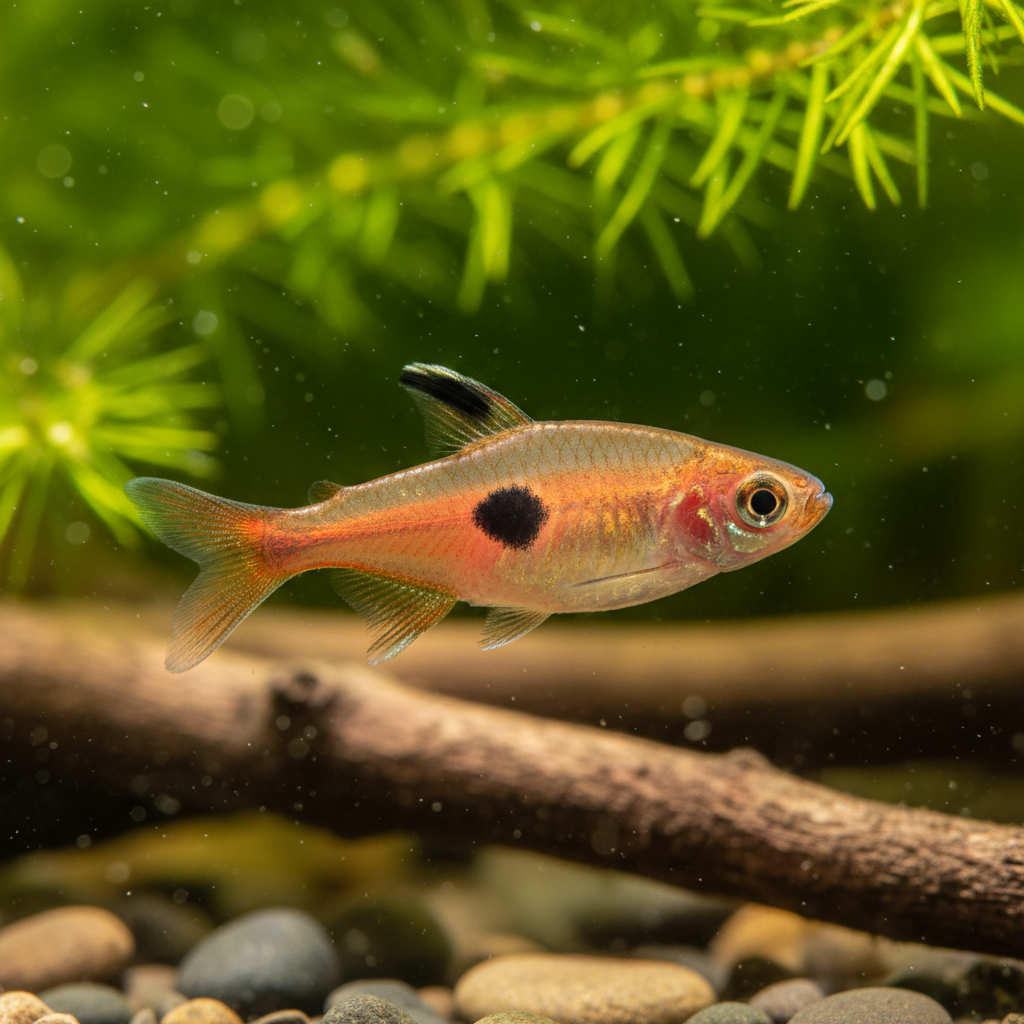
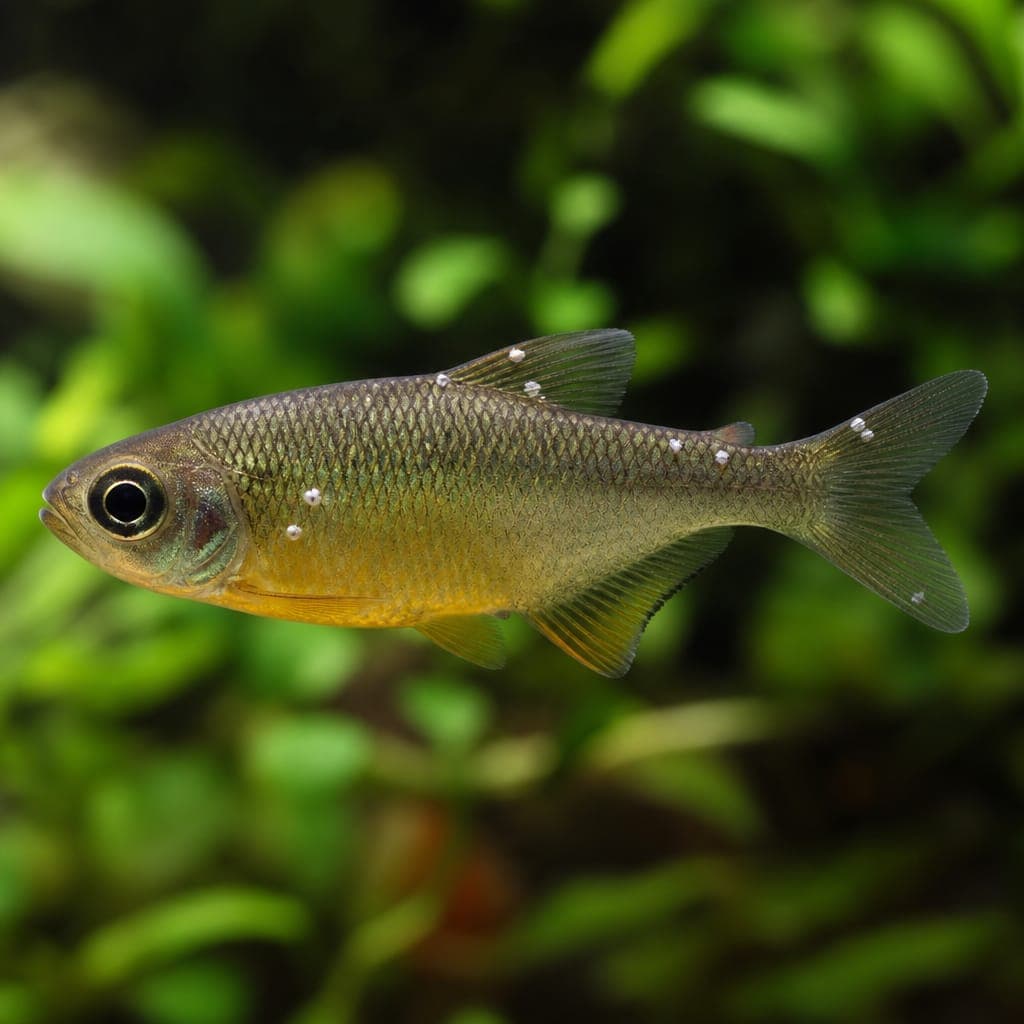
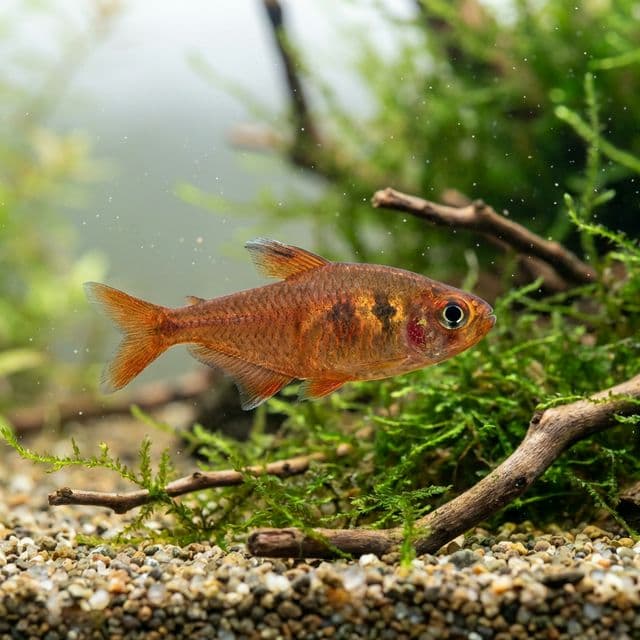
The Kitty Tetra (Hyphessobrycon heliacus) is a relatively new and radiant arrival to the aquarium hobby. Described only in 2002, its scientific name heliacus (meaning "of the sun") perfectly captures its essence. It is defined by its luminous, honey-gold body that seems to glow with an internal fire under proper aquarium lighting. The most striking feature of the species is seen in adult males, who develop gracefully elongated, falcate dorsal and anal fins that give them a sophisticated and elegant profile. Unlike many other tetras that rely on bold stripes or neon colors, the Kitty Tetra's beauty lies in its subtle, shimmering metallic sheen and its energetic, curious nature.
In the aquarium, they are classic schooling fish—peaceful, active, and remarkably hardy. They are constantly in motion, weaving through the mid-water regions of the tank and interacting with one another in a harmless display of social hierarchy.
Natural Habitat & Origin
Hyphessobrycon heliacus is endemic to the Teles Pires river basin, a major tributary of the Rio Tapajós in Mato Grosso, Brazil. Unlike the stagnant blackwater streams often associated with tetras, the Teles Pires is a dynamic system with clearer, faster-moving water. They are typically found in the calmer margins and flooded forest areas where the water is rich in oxygen and filtered by dense shoreline vegetation. This habitat provides a complex environment of submerged roots and overhanging branches, where the tetras find both high-protein food and shelter from predators.
Care Requirements
The Kitty Tetra is an adaptable and beginner-friendly species. A minimum tank size of 75 litres (20 gallons) is recommended to allow for a proper school.
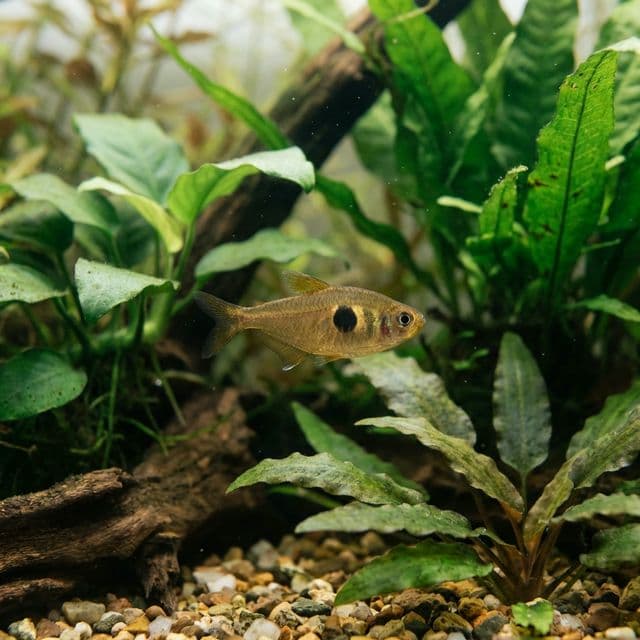
Maintain stable parameters: a pH of 6.0 to 7.5 and a temperature of 75°F to 82°F (24°C to 28°C). They thrive in well-oxygenated water with a moderate current. The aquarium should be densely planted along the back and sides, leaving an open area in the center for schooling. A dark substrate and the addition of floating plants will help "pop" their golden coloration. They are sensitive to poor water quality, so regular partial water changes are essential to keep their metallic sheen bright and healthy.
Diet & Feeding
They are active omnivores with a high metabolism. In the wild, they consume a variety of small aquatic invertebrates, insect larvae, and fine organic detritus.
In captivity, they are enthusiastic and non-picky feeders:
- High-quality micro-pellets and crushed flakes should be the staple.
- They relish live or frozen foods: Baby Brine Shrimp, Daphnia, and Cyclops.
- Providing a diet rich in carotenoids (such as those found in high-end color-enhancing foods) will significantly improve their golden hue.
- Tip: Feed them multiple small portions throughout the day rather than one large meal to keep their energy levels consistent.
Behavior & Temperament
They are peaceful and highly social. They must be kept in a group of at least 6 to 10 individuals; in smaller numbers, they will become shy and lose their radiant color. Within the school, males will frequently engage in "sparring" displays, circling one another with fins fully extended to establish dominance. These interactions are harmless and provide a fascinating glimpse into their social structure. They are excellent community residents and will not bother even the smallest tank mates.
Tank Mates
Suitable tank mates are other peaceful species that share their preference for well-planted, active environments:
- Other peaceful Tetras (Lemon, Rummy-nose, Cardinal)
- Corydoras catfish
- Dwarf Cichlids (Apistogramma, Ram Cichlids)
- Peaceful Rasboras and Danios
- Freshwater Shrimp (they are generally safe with adult shrimp)
Avoid keeping them with large, aggressive fish or very boisterous species that might outcompete them for food.
Breeding
Breeding Hyphessobrycon heliacus is possible for the dedicated hobbyist. They are egg scatterers. A separate breeding tank with soft, slightly acidic water and a spawning substrate (like Java Moss or a spawning mop) is required. After a vigorous courtship dance, the female will scatter her eggs among the plants. The parents should be removed immediately after spawning to prevent egg predation. The eggs hatch in 24 to 36 hours, and the fry require microscopic foods like paramecia or liquid fry food before graduating to baby brine shrimp.
Common Health Issues
The primary health concern is loss of vitality due to poor diet or lack of social structure. If kept alone, their immune systems weaken, making them susceptible to common ailments like Ich or Fin Rot. Maintaining a large school, providing a high-quality varied diet, and ensuring pristine water conditions is the best way to ensure the radiant "sun-glow" of the Kitty Tetra remains a highlight of your aquarium.