Koi Fairy Wrasse: Cirrhilabrus solorensis
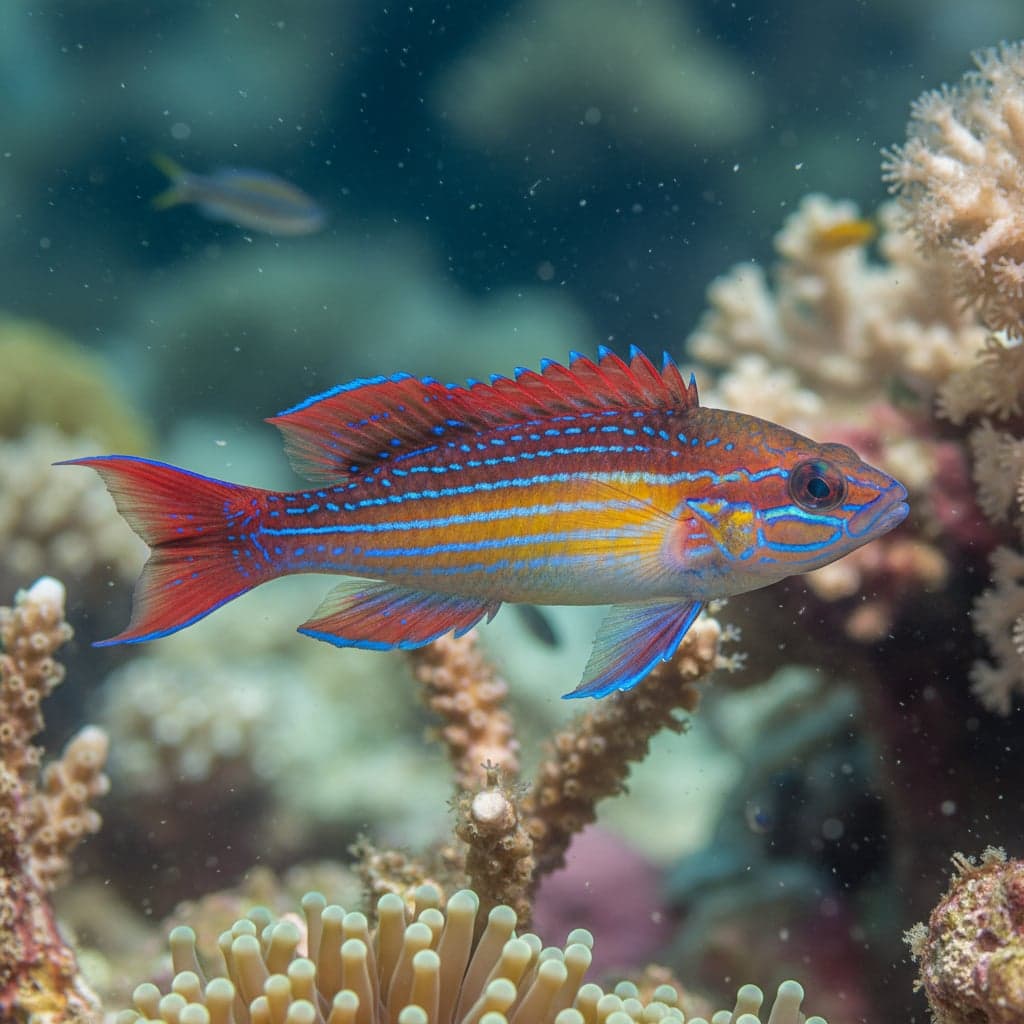
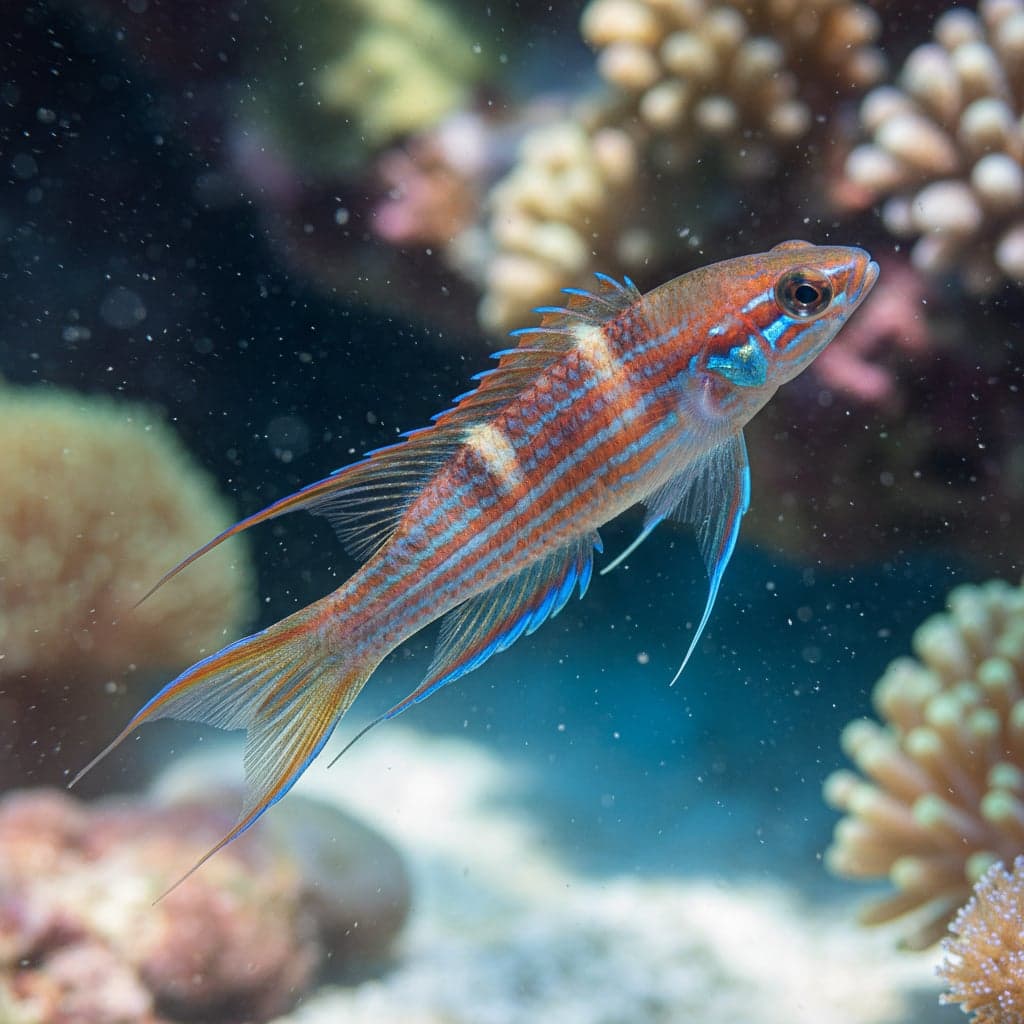
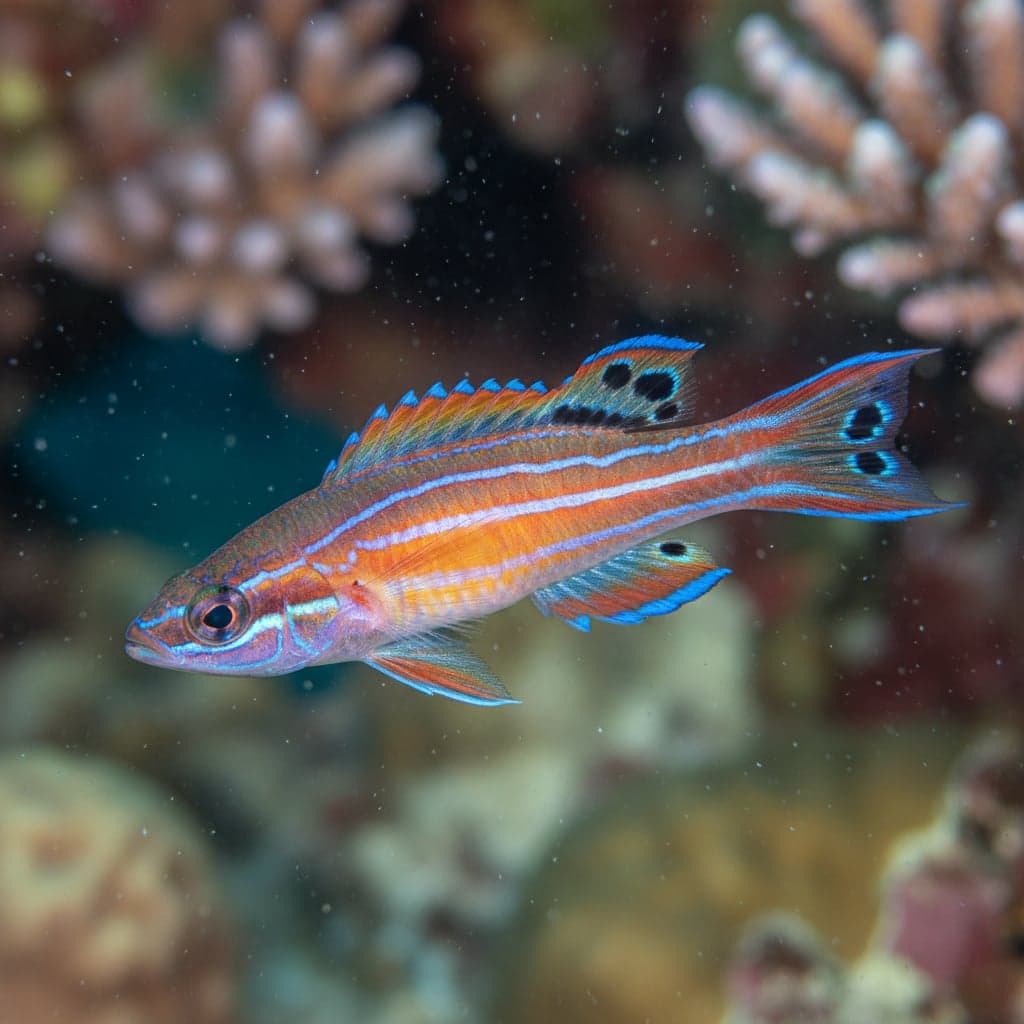
The Koi Fairy Wrasse (Cirrhilabrus solorensis) is a kaleidoscopic masterpiece from Indonesia, prized for its multi-colored "Koi-like" scales and its active, reef-safe personality.

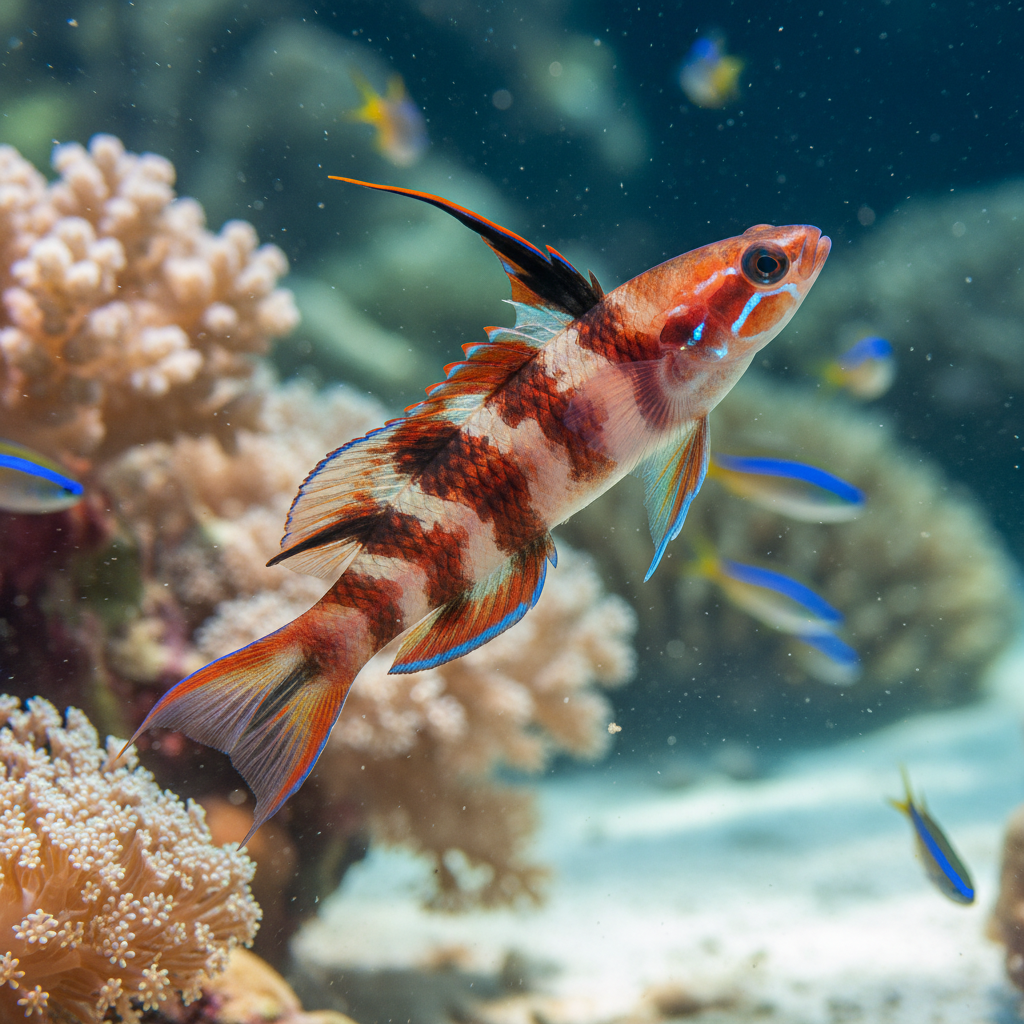
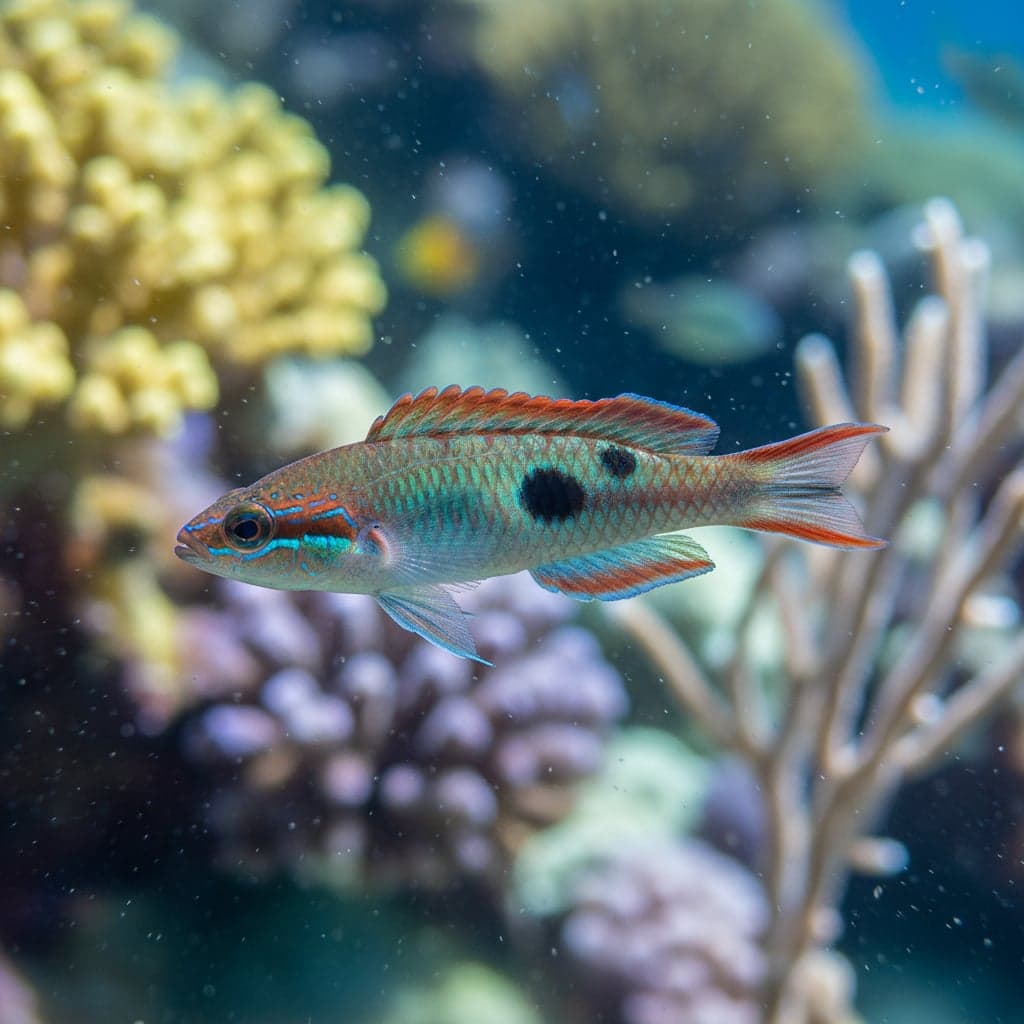
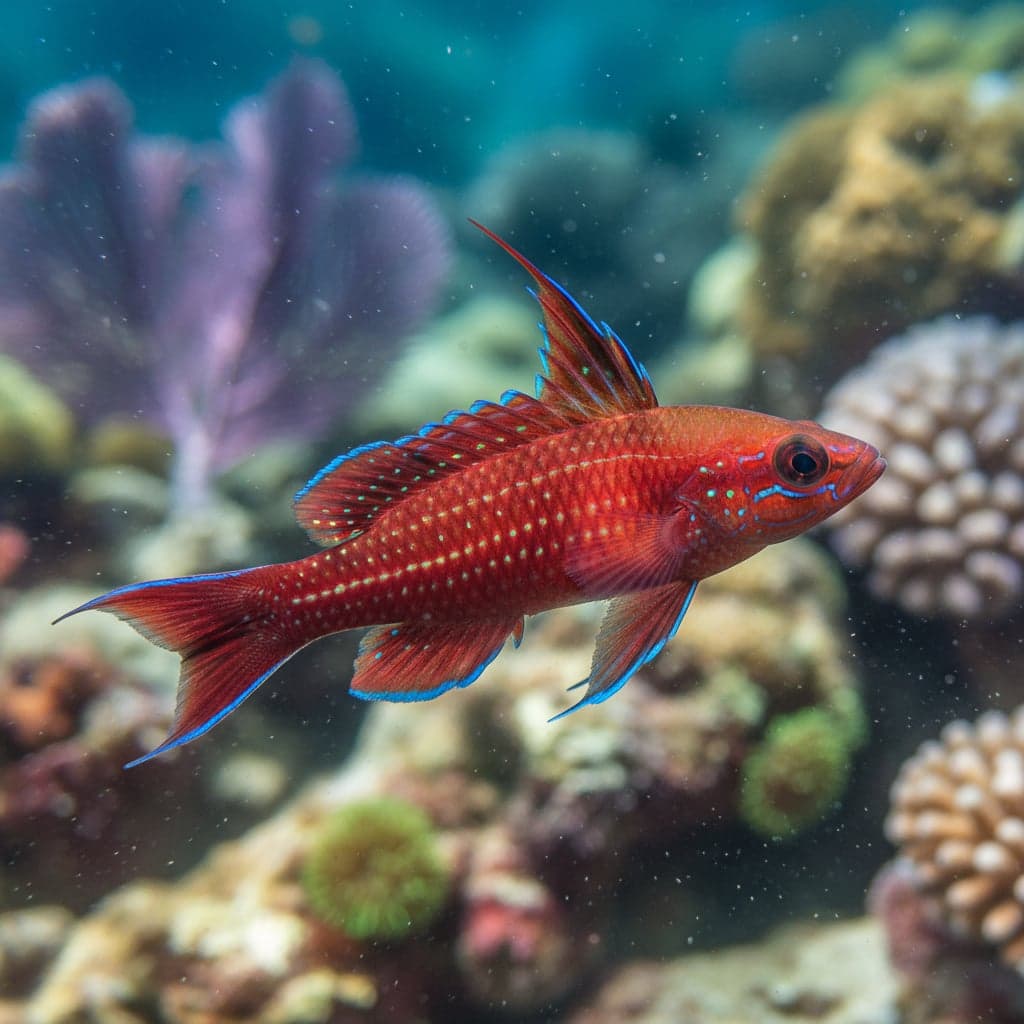
The Koi Fairy Wrasse (Cirrhilabrus solorensis), also known as the Red-headed or Solor Fairy Wrasse, is a living splash of liquid color. Native to the nutrient-rich currents of Indonesia, it is defined by its extraordinary, kaleidoscopic palette: a deep red or fiery orange head that fades into a shimmering yellow or creamy white midbody, terminating in a rich blue or purple posterior. Its name "Koi" originates from this mottled, multi-colored look that mimics high-grade ornamental carp. Another defining trait is its striking red-rimmed eyes, which give the fish an intelligent and intense expression. For the marine aquarist, the Koi Fairy Wrasse is a dazzling and hardy centerpiece that brings tireless motion and sophisticated beauty to the reef.
In the aquarium, they are active, bold, and energetic. They lack the shyness associated with many deep-water wrasses and are often found in the open water column, darting between coral heads in search of food. They are remarkably intelligent and will quickly learn the feeding schedule, often recognizing their keeper.
Natural Habitat & Origin
Cirrhilabrus solorensis is native to the Indo-Pacific, specifically centered around the islands of the Flores Sea and the Solor Archipelago in Indonesia. They inhabit clear, coral-rich seaward reef slopes and protected lagoons at depths of 5 to 40 meters. They are often found in areas with moderate to high current, where they congregate in loose shoals to feed on the abundant zooplankton that is swept over the reef. Their vibrant colors are an evolutionary tool for social signaling in the bright, shallow waters of their native Indonesian reefs.
Care Requirements
The Koi Fairy Wrasse is one of the hardier fairy wrasses, making it an excellent choice for a well-maintained reef system. A minimum tank size of 50 gallons (200L) is recommended to allow for their active swimming behavior.
Maintain stable marine parameters: a pH of 8.1 to 8.4, a specific gravity of 1.020 to 1.025, and a temperature of 75°F to 81°F (24°C to 27°C). The aquarium must be securely covered (tight-fitting lid); like all fairy wrasses, they are powerful and instinctive jumpers that can fit through remarkably small gaps. The tank should feature a mix of open swimming space and a complex "playground" of live rock with plenty of tunnels and overhangs where they can rest at night. High oxygenation and moderate flow are essential.
Diet & Feeding
They are active carnivores that primarily feed on zooplankton in the water column.
In captivity, they require a varied and high-protein diet:
- High-quality marine pellets and flakes should be the staple.
- They must have frequent feedings of meaty frozen foods: Mysis shrimp, enriched Brine Shrimp, and finely chopped seafood.
- Tip: They have a high metabolism and benefit from being fed small amounts 2-3 times per day rather than one large feeding.
- Using a vitamin-enrichment supplement (like Selcon) on their food will help maintain their extraordinary colors.
Behavior & Temperament
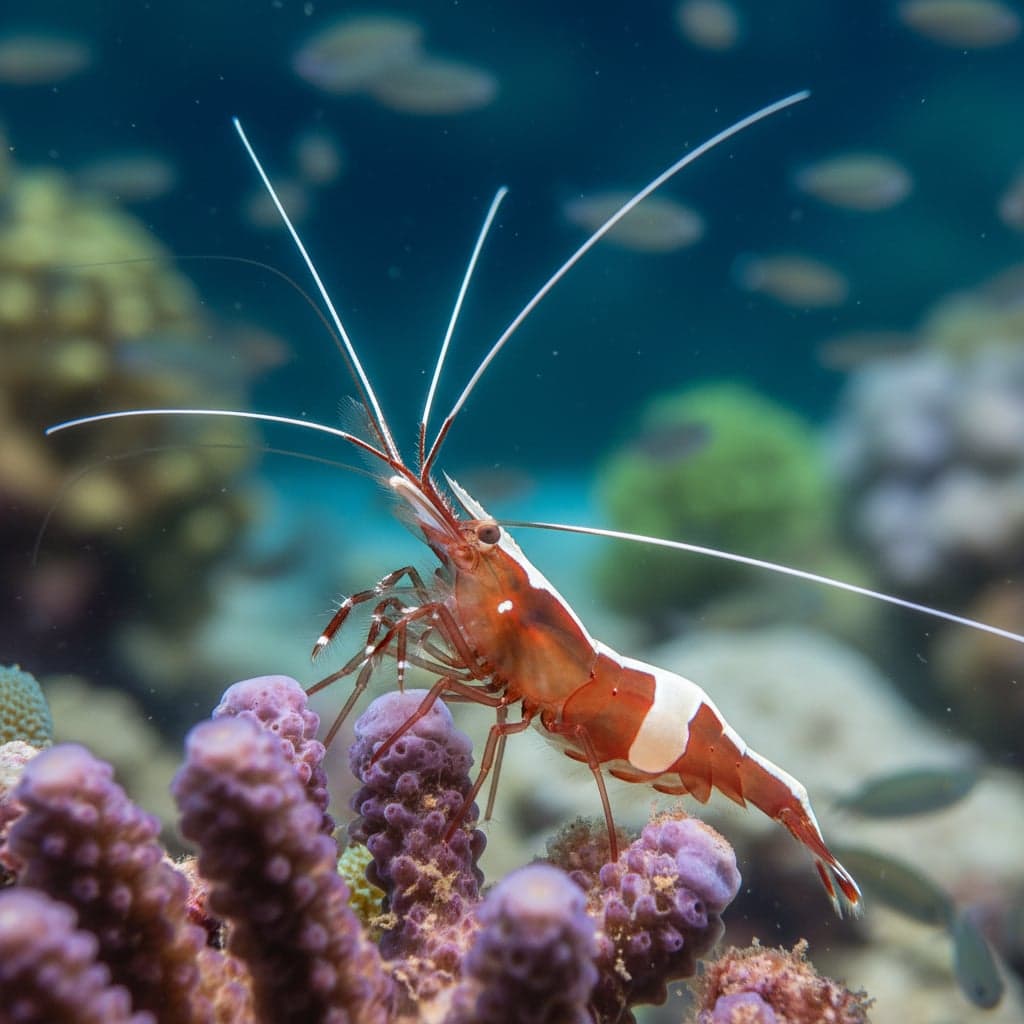
They are peaceful and highly social, though they can be territorial toward other fairy wrasses of a similar shape or color. It is best to keep them as a single male or a "harem" (one male and multiple females). Males will perform spectacular "flashing" displays, where they intensify their colors and flare their fins to impress females or deter rivals. They are entirely reef-safe and will not bother corals, clams, or even small ornamental shrimp. They are "diurnal" (active during the day) and will wedge themselves into the rockwork to sleep in a protective mucus cocoon at night.
Tank Mates
Suitable tank mates are other peaceful to semi-aggressive reef species:
- Tangs (like Zebrasoma species)
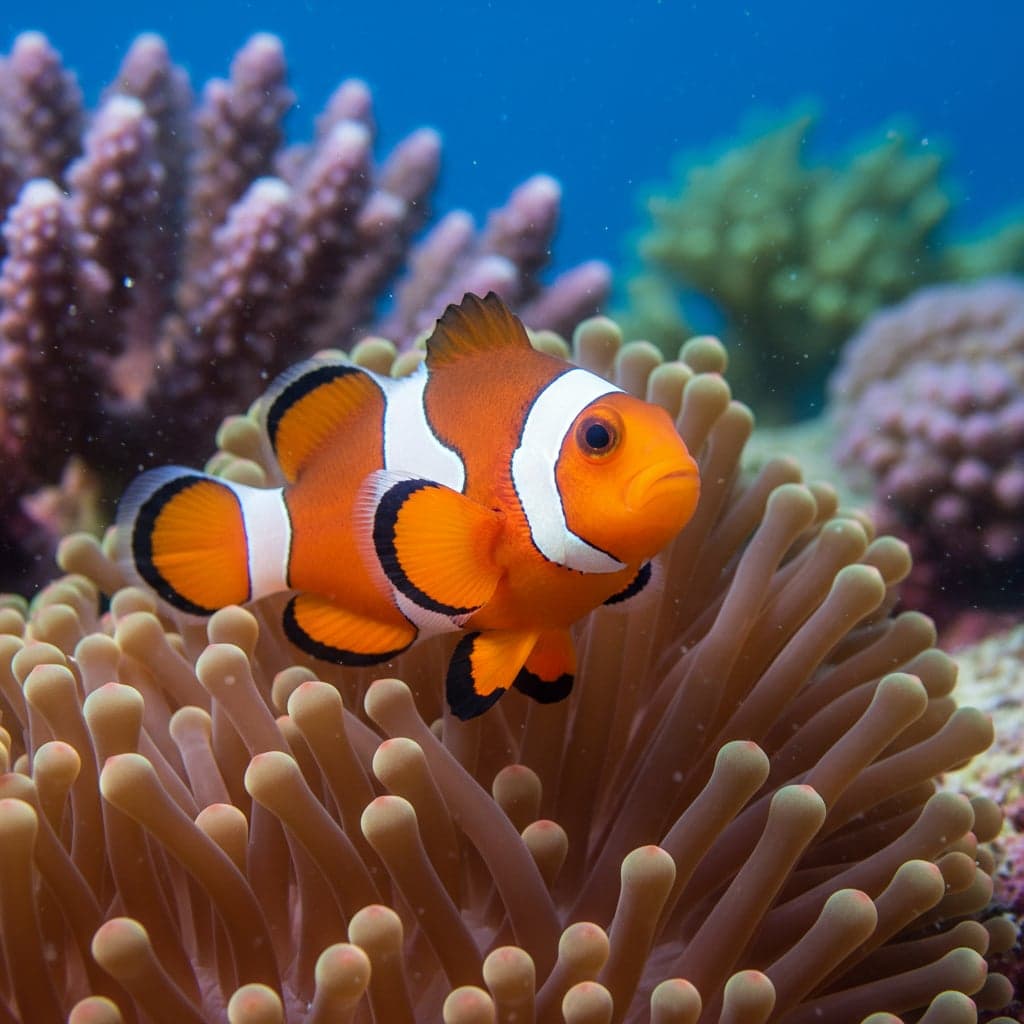
- Clownfish
- Anthias
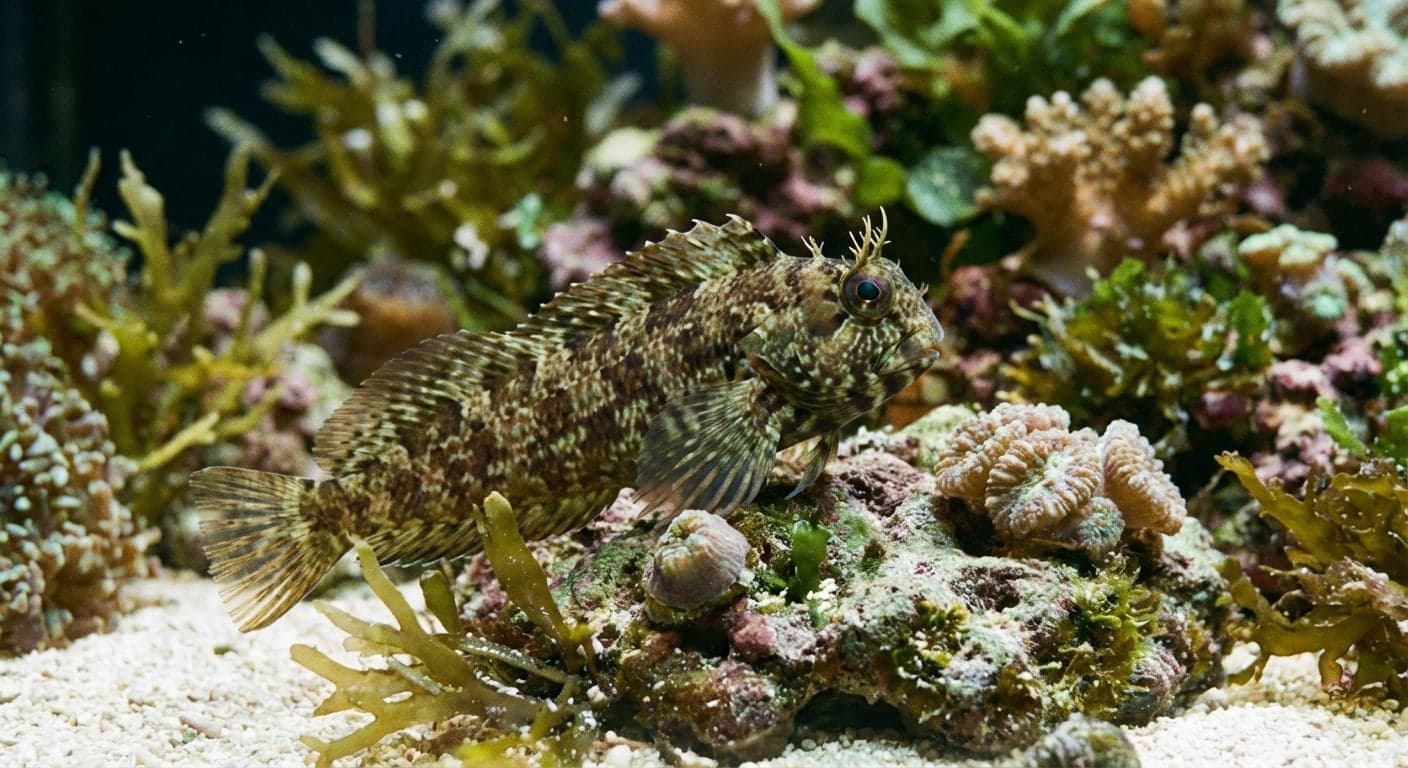
- Blennies and Gobies
- Other non-competing Wrasses (like Flasher Wrasses)
Avoid keeping them with highly aggressive triggers or large predatory fish that might consider the wrasse a meal.
Breeding
Breeding Cirrhilabrus solorensis in the home aquarium is rare and complex. They are protogynous hermaphrodites; they are all born female, and the most dominant individual in a group will change sex to become a male. They are pelagic spawners, engaging in a "spawning rise" at dusk to release gametes into the water column. Raising the tiny, buoyant larvae requires specialized live foods and precise environmental control that is currently beyond the scope of most hobbyists.
Common Health Issues
The primary health concern is physical injury from jumping or collisions with the glass if startled. They are also susceptible to Marine Ich and Velvet if stressed by poor water quality or aggressive tank mates. Maintaining a secure lid, ensuring a high-protein diet, and providing a stress-free reef environment is the best way to ensure the kaleidoscopic "Koi" patterns of Cirrhilabrus solorensis remain a legendary feature of your marine aquarium.