Koran Angelfish: Pomacanthus semicirculatus
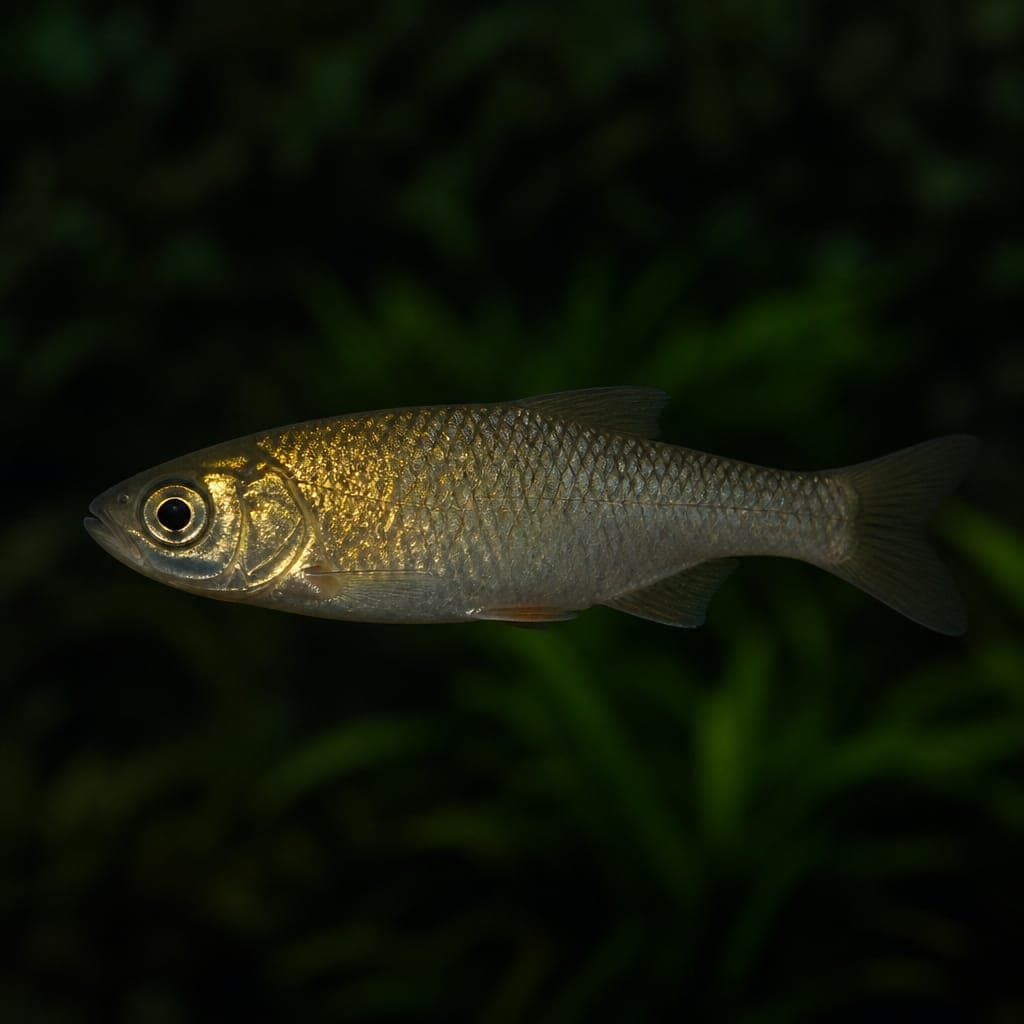
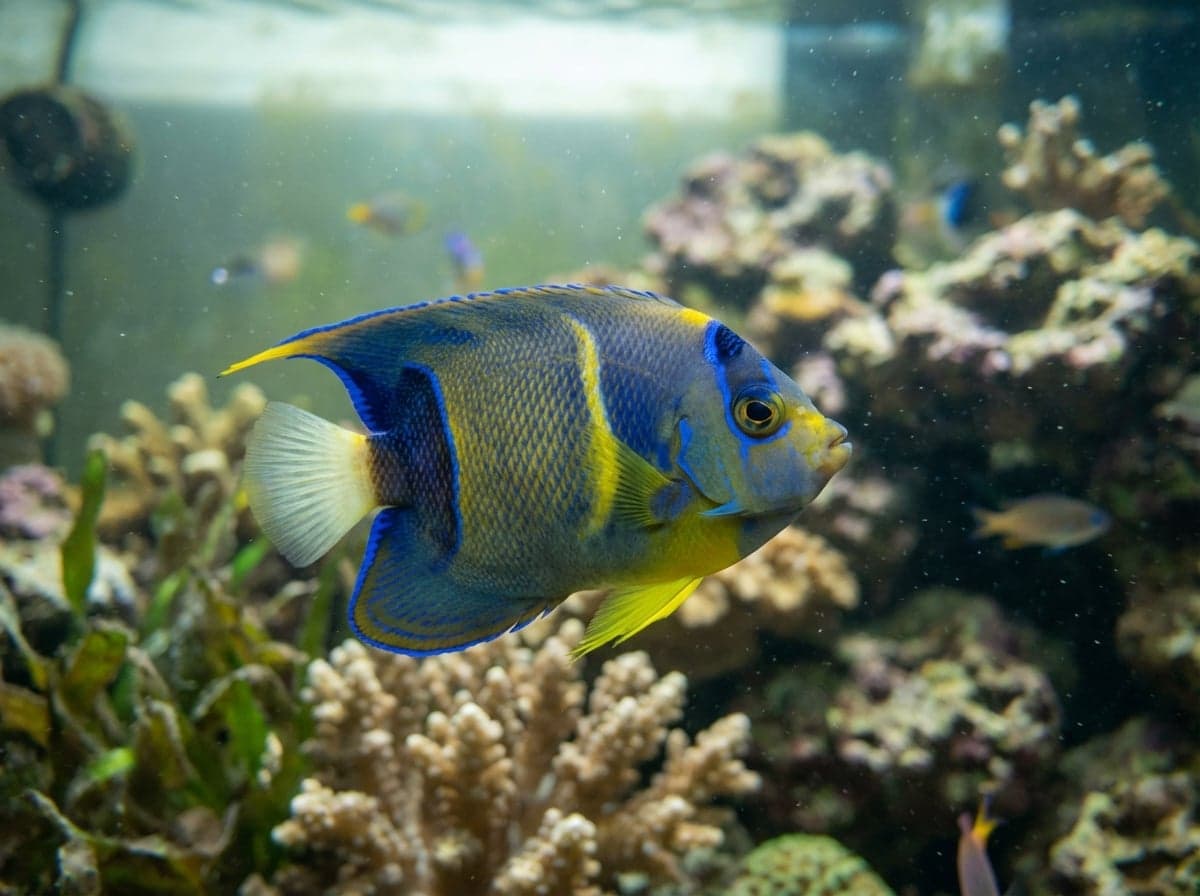
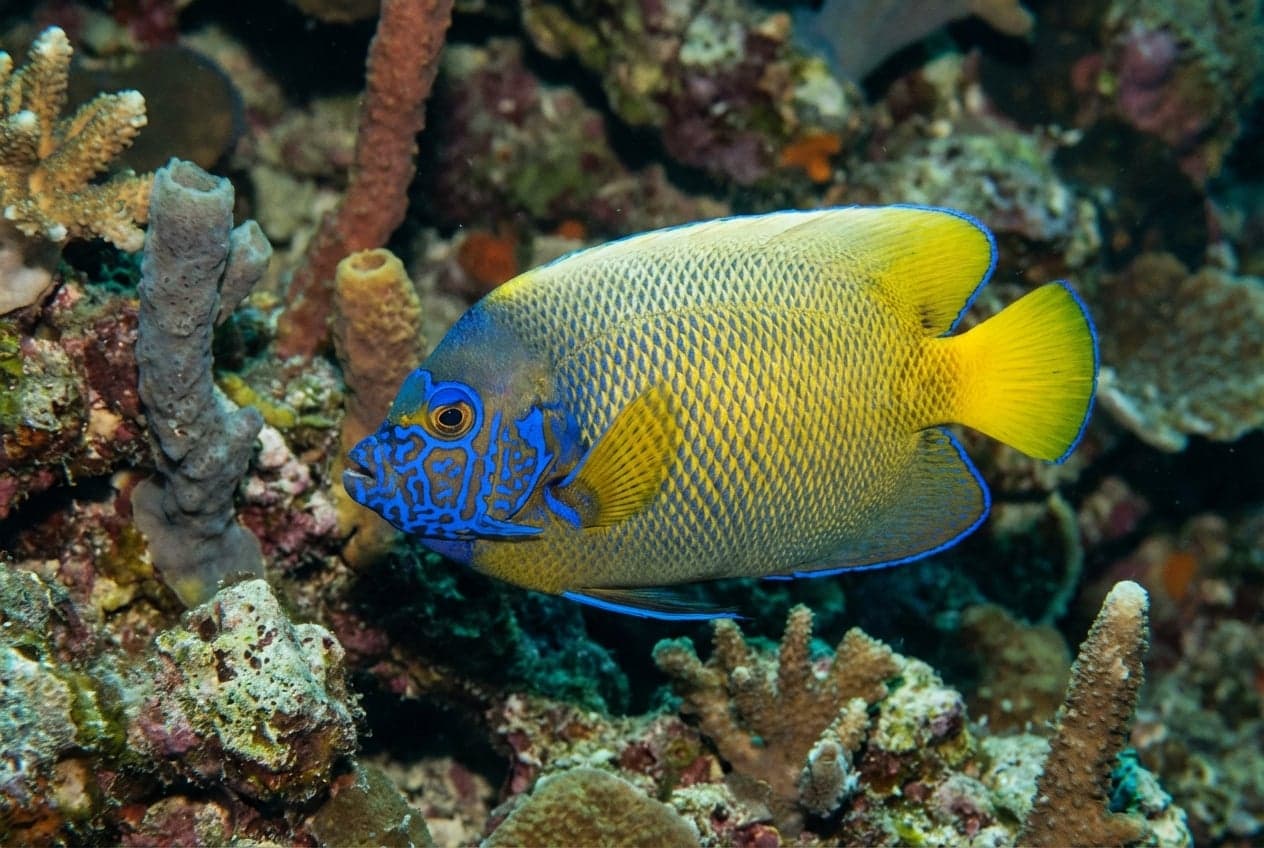
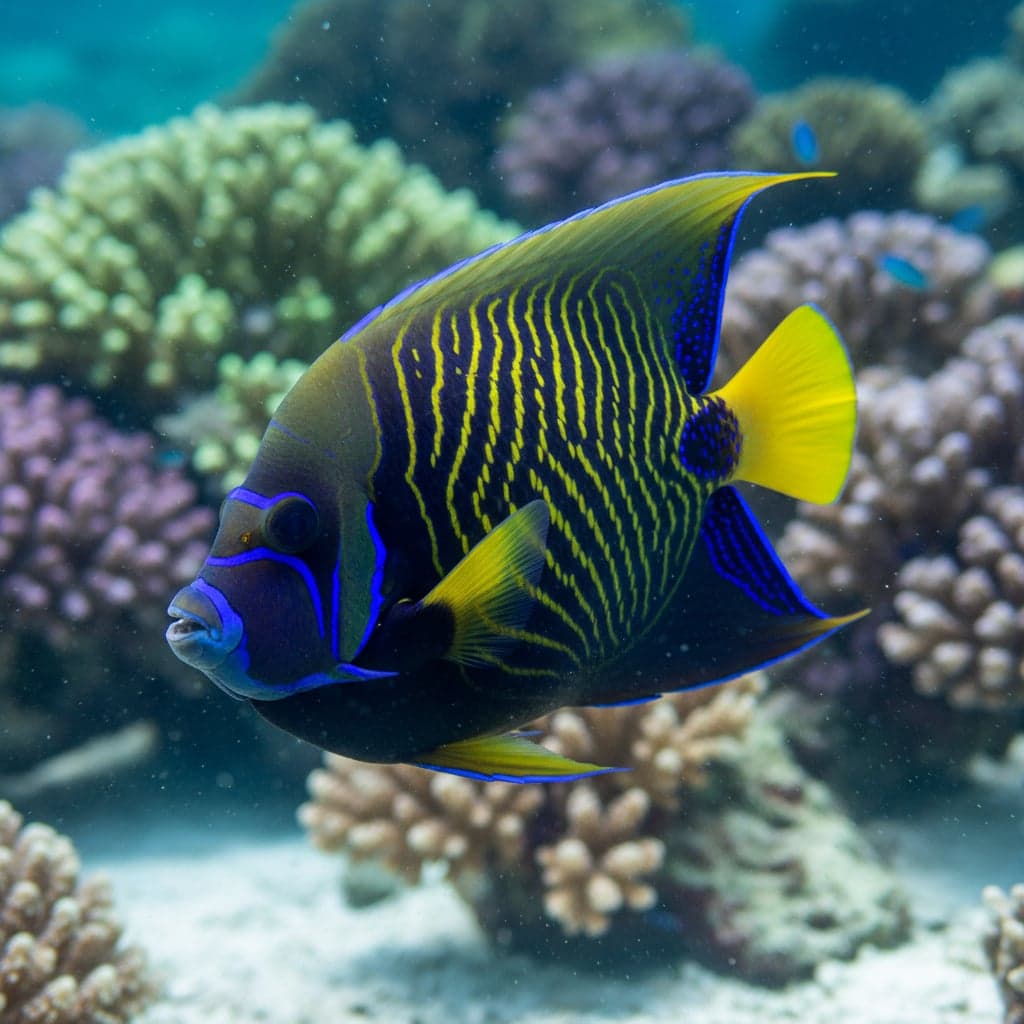
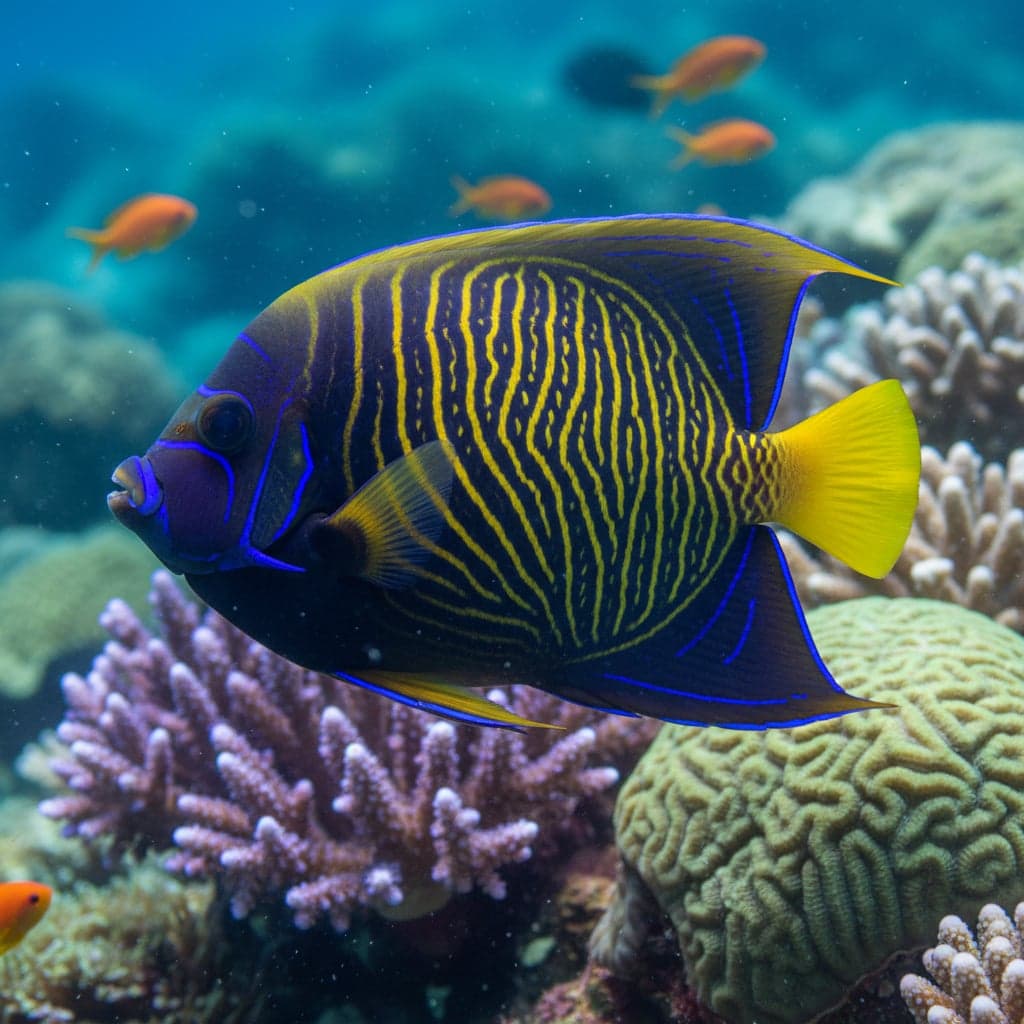
The Koran Angelfish (Pomacanthus semicirculatus) is a legendary marine species, famous for its dramatic color transformation and the intricate, script-like markings of its sub-adult phase.
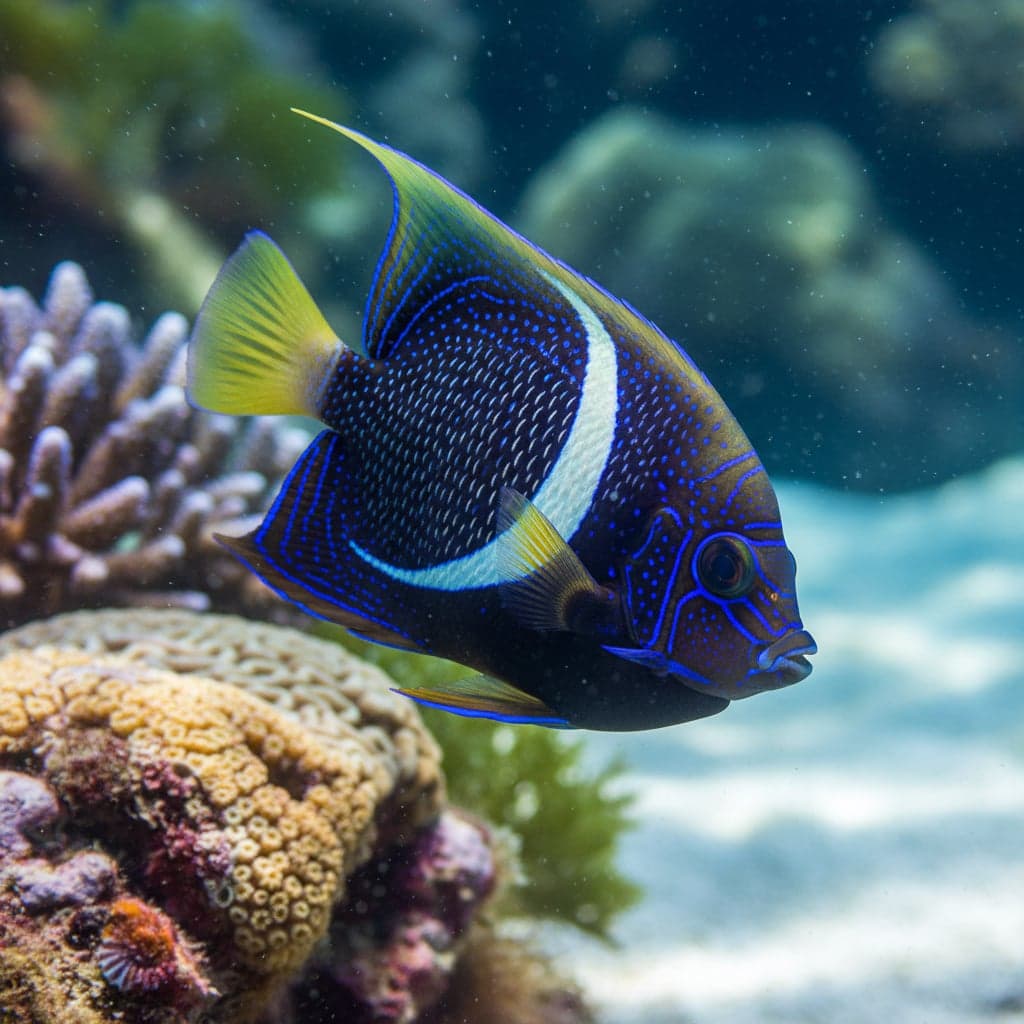
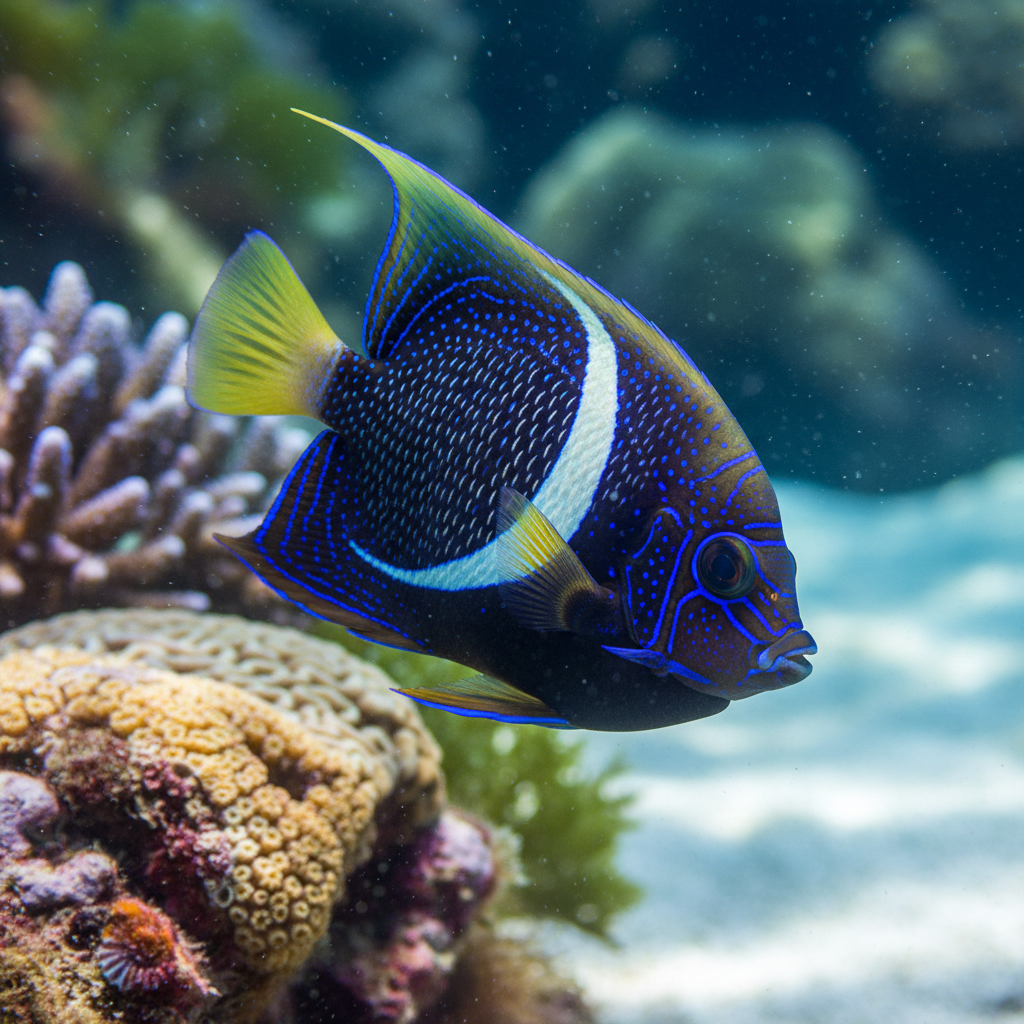
The Koran Angelfish (Pomacanthus semicirculatus), also known as the Semicircle Angelfish, is one of the most iconic "large" angelfish in the marine hobby. It is celebrated for one of the most dramatic ontogenetic transformations in the animal kingdom. Juveniles are nearly unrecognizable from adults, featuring a deep blue-black body adorned with a series of electric-blue and white semicircular arcs. As they mature, these arcs dissolve into a sophisticated palette of brownish-green and gold, with a fine network of sapphire-blue spots. Its common name "Koran" originates from the complex, squiggle-like markings seen during its transition phase, which some observers historically interpreted as Arabic script. For the dedicated marine keeper with a massive system, this fish is a rewarding, long-lived companion that embodies the grandeur of the Indo-Pacific reefs.
In the aquarium, they are bold, inquisitive, and highly territorial. They are constant explorers, spending their day investigating every crevice and cave in the rockwork while maintaining a watchful eye over their vast territory.
Natural Habitat & Origin
Pomacanthus semicirculatus is widely distributed across the Indo-West Pacific, ranging from the Red Sea and East Africa all the way to Japan, the Fiji Islands, and the Great Barrier Reef. They are highly adaptable reef dwellers, found in a variety of environments from shallow, sediment-rich coastal lagoons to deep, current-swept seaward reef slopes at depths of 1 to 40 meters. Juveniles prefer the protection of shallow, rocky reefs and tide pools, slowly moving into deeper, more open reef structures as they undergo their color transformation. Their success across such a large range is a testament to their hardiness and versatile diet.
Care Requirements
The Koran Angelfish is a "tank buster" that requires a truly massive environment. A minimum tank size of 180 to 200 gallons (700L - 800L) is required for an adult to ensure proper growth and to mitigate territorial aggression. Keeping them in small tanks leads to skeletal deformities and extreme stress.
Maintain stable marine parameters: a pH of 8.1 to 8.4, a specific gravity of 1.021 to 1.025, and a temperature of 75°F to 81°F (24°C to 27°C). The aquarium must be designed with a heavy rockwork structure that provides multiple large caves and swim-throughs. They are active, powerful swimmers that need significant open water volume in front of the rocks. Pristine water quality is essential, and high-capacity protein skimming is required to manage the biological load of such a large, high-metabolism fish.
Diet & Feeding
They are specialized omnivores with a heavy reliance on sponges and tunicates. In the wild, their diet is complex and seasonal.
In captivity, they require a varied and specialized diet:
- High-quality marine pellets and flakes should be the staple, but they MUST contain sponge matter (look for specialized "Angelfish" formulations).
- They require a constant supply of greens: Nori, Spirulina, and blanched spinach.
- Meaty foods are essential for protein: Mysis shrimp, Krill, and finely chopped clam or squid.
- Tip: As they grow, their appetite becomes enormous. Feed small portions 3-4 times per day to prevent them from becoming destructive or overly aggressive.
- Providing high-quality "live rock" with natural sponge and algae growth will help satisfy their constant foraging instinct.
Behavior & Temperament
They are semi-aggressive and intensely territorial. Like most members of the Pomacanthus genus, they do not tolerate other angelfish in the same system, especially those of a similar size or shape. They are bold and will likely become the "boss" of the tank. While they are usually peaceful toward smaller, non-competing fish, they are not reef-safe. They will enthusiastically nip at and eventually consume fleshy LPS corals, zoanthids, and clam mantles. They are best suited for "Fish Only With Live Rock" (FOWLR) systems or very large tanks with only the most noxious or robust corals.
Tank Mates
Suitable tank mates are other robust, large marine species:
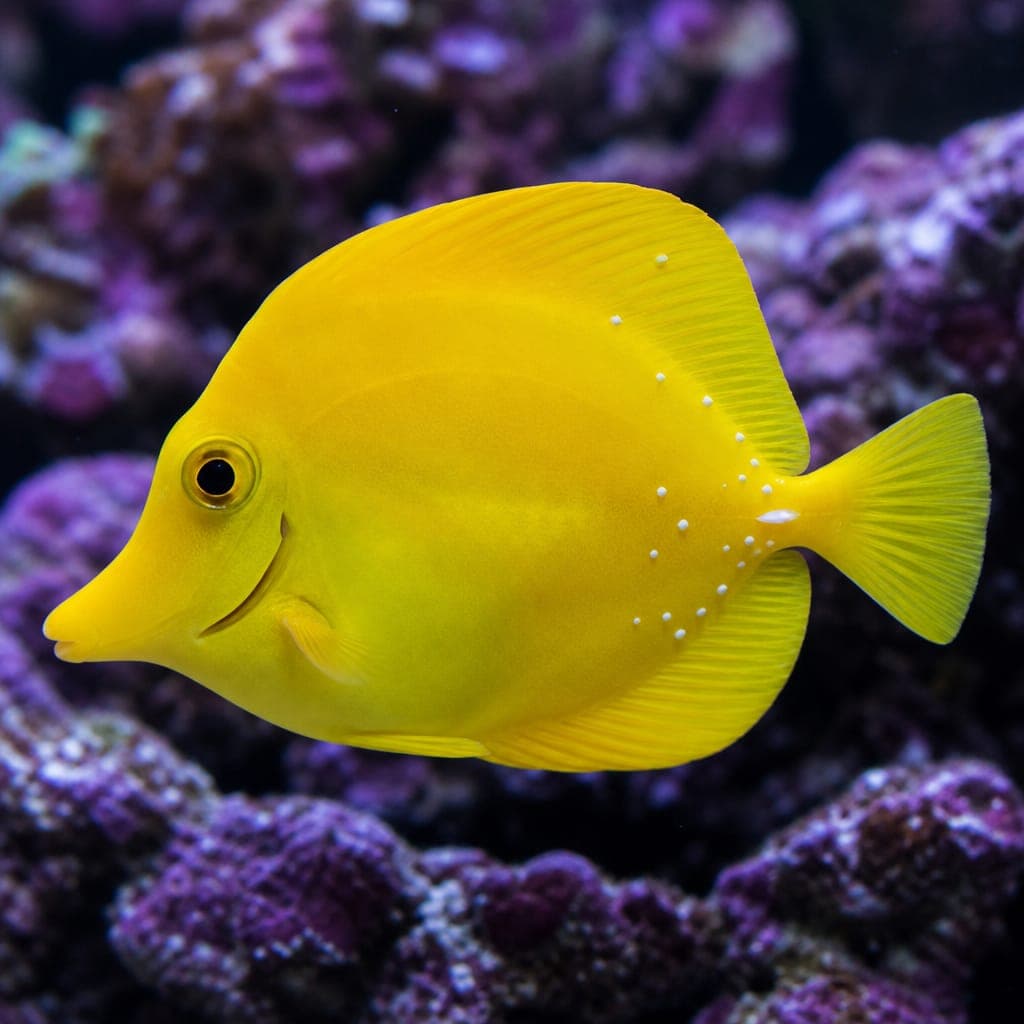
- Tangs (like the sailfin or naso varieties)
- Large Wrasses (like bird wrasses or thalassoma species)
- Groupers or Snappers
- Rabbitfish
- Large Damselfish
Avoid keeping them with shy, delicate fish or other angelfish. They should be one of the last additions to an established system to prevent them from claiming the entire tank as their territory immediately.
Breeding
Breeding Koran Angelfish in the home aquarium is currently almost impossible. They are pelagic spawners that engage in a spectacular ritual rise into the water column at dusk to release thousands of eggs. In the wild, they are known to form long-term monogamous pairs, but replicating the vertical space and environmental cues required for spawning is beyond the reach of the standard hobbyist. Most individuals in the trade are wild-caught or, more recently, being successfully captive-bred in specialized commercial facilities.
Common Health Issues
The primary health concern is HLLE (Head and Lateral Line Erosion), which is frequently linked to a lack of sponges and vitamins in their diet. They are also susceptible to Marine Ich and Marine Velvet if stressed by poor water quality. Providing a diet rich in vitamin-enriched sponge matter, ensuring a massive water volume, and maintaining pristine conditions is the best way to ensure the legendary transition from the blue-arc juvenile to the golden-adult Koran Angelfish remains a highlight of your marine journey.