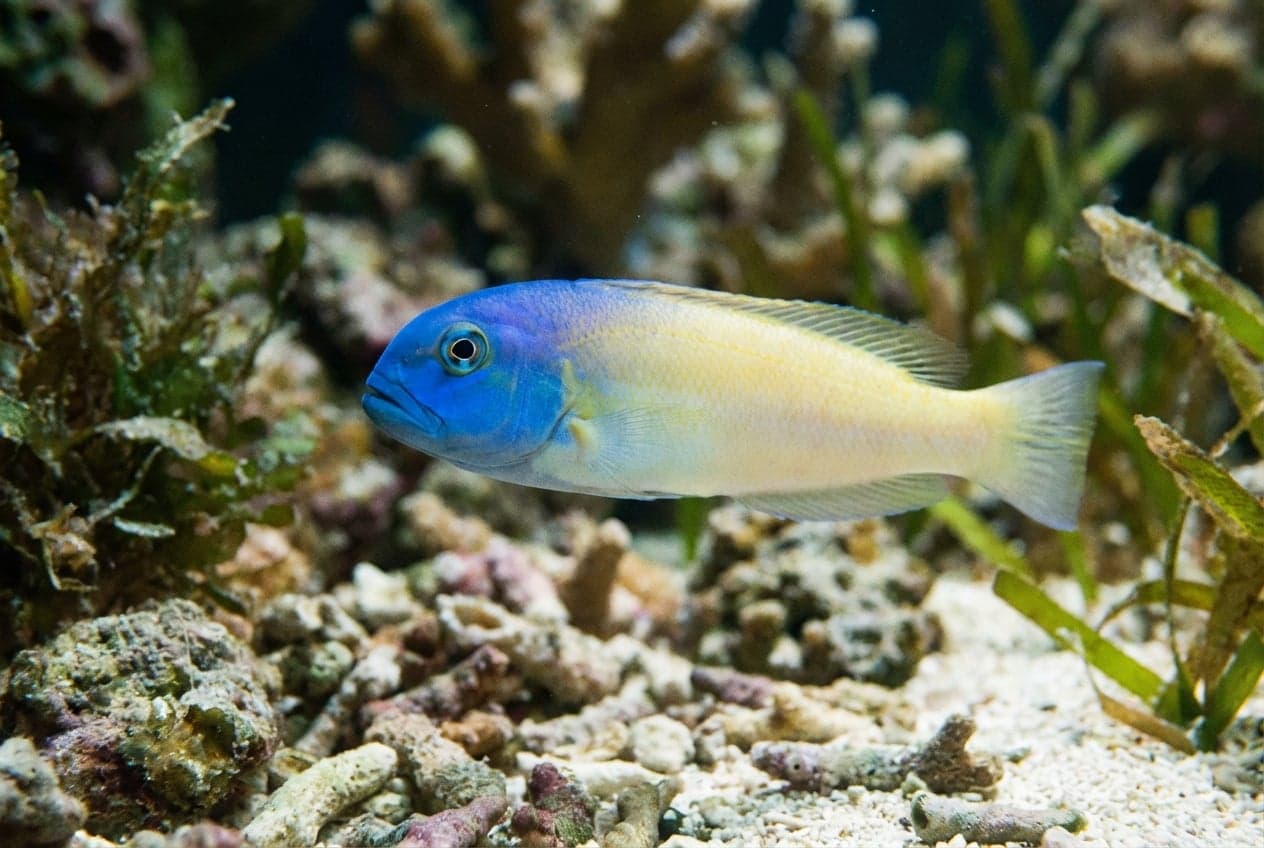
Lamarck's Angelfish: Genicanthus lamarck
Lamarck's Angelfish (Genicanthus lamarck) is a unique, reef-safe member of the angelfish family, prized for its sleek "lyretail" profile and its specialized diet of open-water zooplankton.

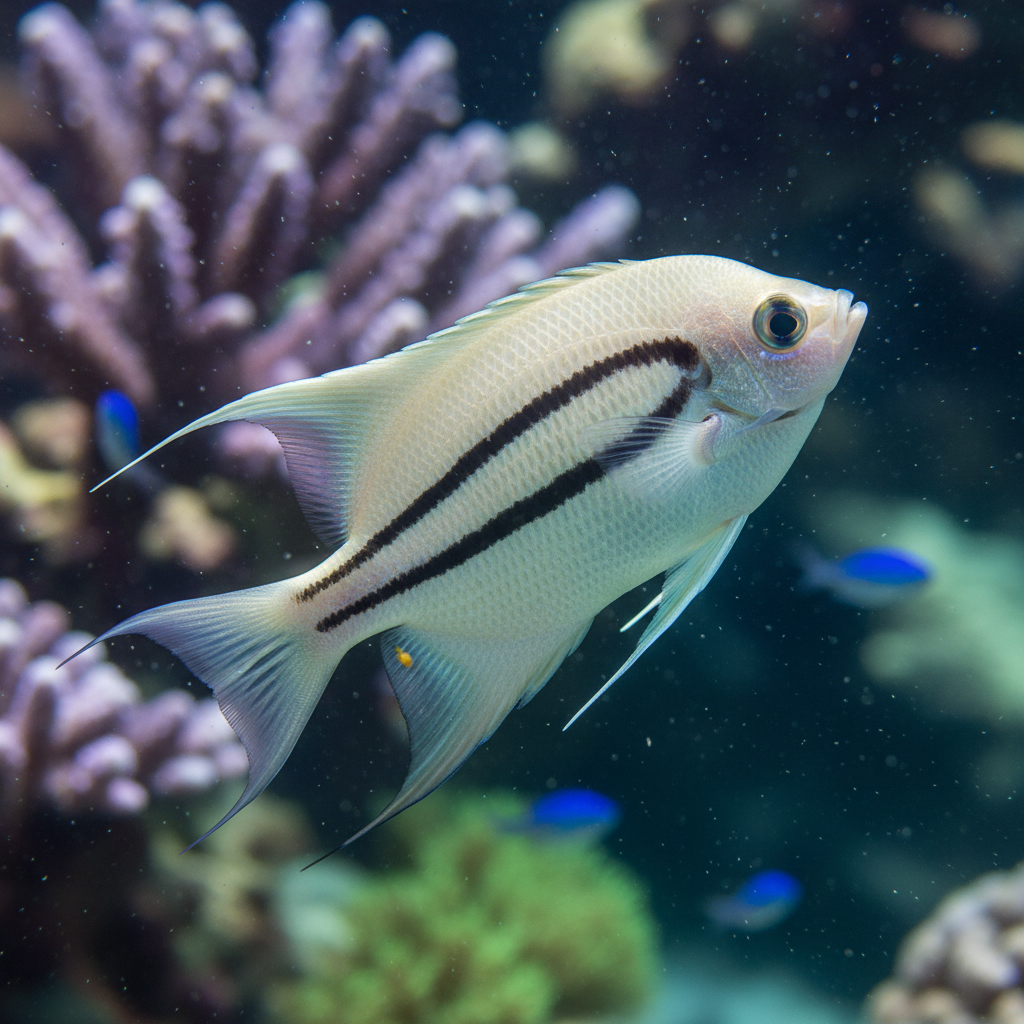
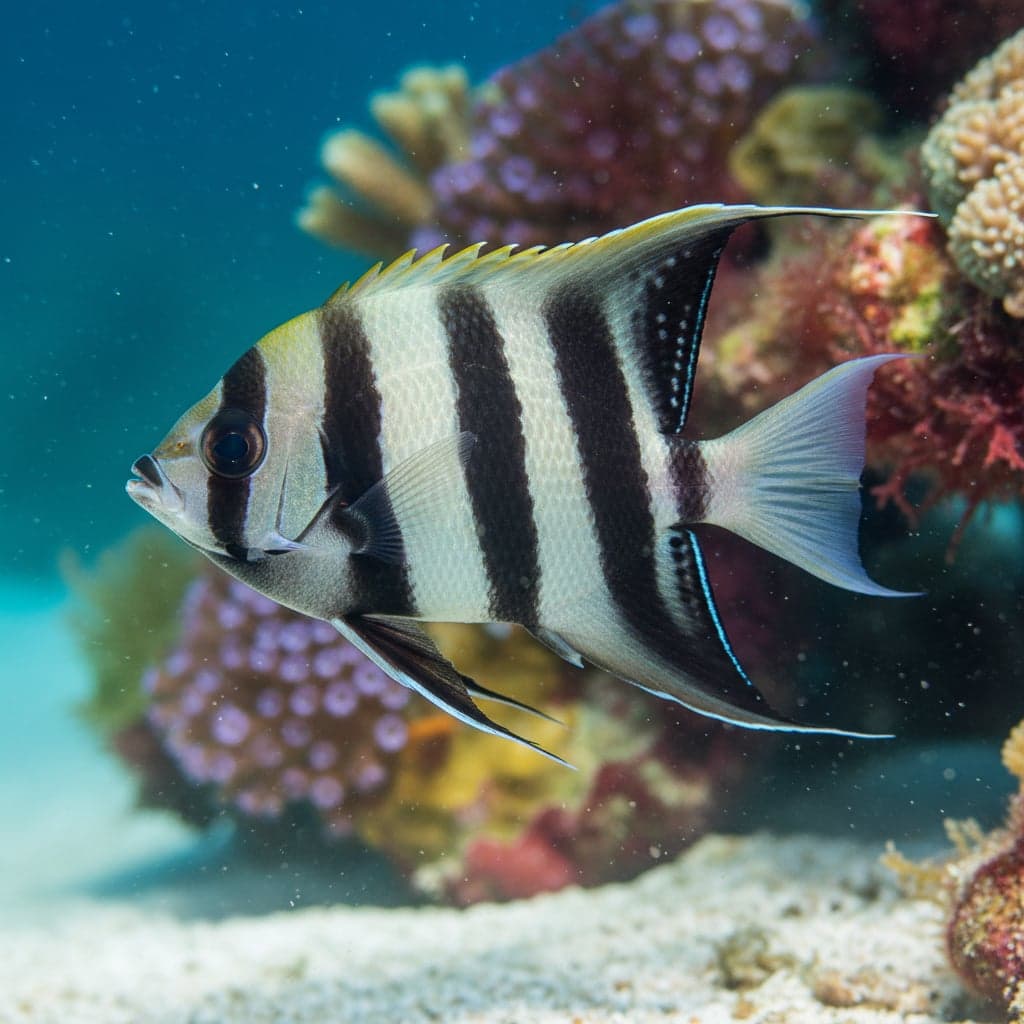
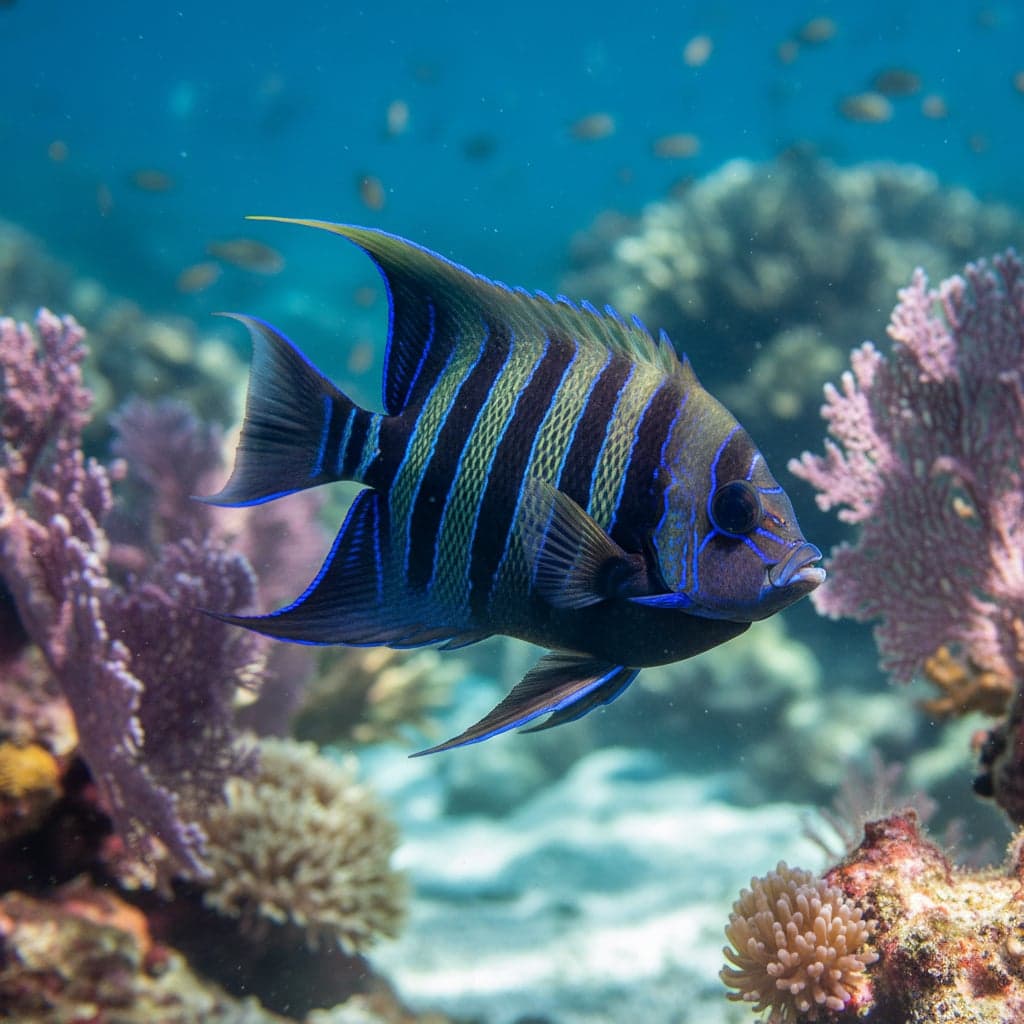
Lamarck's Angelfish (Genicanthus lamarck), also known as the Blackstriped Angelfish, is a standout in the marine hobby for one primary reason: it is truly reef-safe. Unlike the majority of angelfish that graze on corals and sponges, members of the Genicanthus genus are specialized planktivores. They possess a sleek, streamlined body and a spectacular "lyretail" with elongated filaments. They exhibit clear sexual dimorphism: both sexes feature silver bodies with horizontal black stripes, but females typically have black pelvic fins, while males have light-colored or white pelvic fins and often grow "streamers" on their tails. For the reef enthusiast, Lamarck's is an active, open-water swimmer that brings vertical movement and elegance without threatening delicate corals.
In the aquarium, they are tireless and social. They do not skulk in the rocks like many other angelfish; instead, they spend their day in the open water column, actively searching for food and interacting in dynamic social groups.
Natural Habitat & Origin
Genicanthus lamarck is widely distributed across the Indo-West Pacific, from southern Japan to the Great Barrier Reef and west to the Andaman Sea. They are slope-dwelling specialists, typically found at depths of 10 to 50 meters along steep reef drop-offs and outer reef walls. These areas are characterized by strong currents and high concentrations of zooplankton. They are highly social in the wild, often forming large shoals dominated by a few large males and many females. Their open-water lifestyle makes them much more active than the reef-dwelling "grazing" angelfish.
Care Requirements
Lamarck's Angelfish is a hardy species but requires considerable swimming space and high-flow water. A minimum tank size of 120 gallons (450L) is required for an adult, ideally in a long tank that allows for sustained swimming bursts.
Maintain stable marine parameters: a pH of 8.1 to 8.4 and a temperature of 74°F to 81°F (23°C to 27°C). Because they are active swimmers with high metabolisms, excellent oxygenation and filtration (including a high-performance protein skimmer) are essential. While they appreciate rockwork for sleeping at night, the majority of the tank should be dedicated to open swimming space. They are very sensitive to low oxygen levels and high nitrates.
Diet & Feeding
They are planktivores, naturally feeding on floating organisms in the water column.
In captivity, they require frequent feedings of high-quality, protein-rich foods:
- Enriched frozen Mysis shrimp, Brine shrimp, Calanus, and finely chopped seafood should be the staples.
- High-quality marine pellets and flakes are usually accepted once the fish is acclimated.
- Tip: Because they are so active, they should be fed 2 to 3 times per day in small amounts to maintain their body weight and energy levels.
- Unlike most angelfish, they do not require specialized "angel formula" containing sponge, as it is not a part of their natural diet.
Behavior & Temperament
They are peaceful and social, making them excellent candidates for a community reef. They are best kept either as a single individual or in a harem (one male and multiple females). They are generally indifferent to other fish species but may occasionally spar with other Genicanthus species if the tank is too small. Remarkably, they are almost completely reef-safe, ignoring corals, clams, and most small invertebrates, as their mouths are anatomically designed for picking tiny organisms from the water, not grazing on the reef.
Tank Mates
Suitable tank mates are other active reef species:
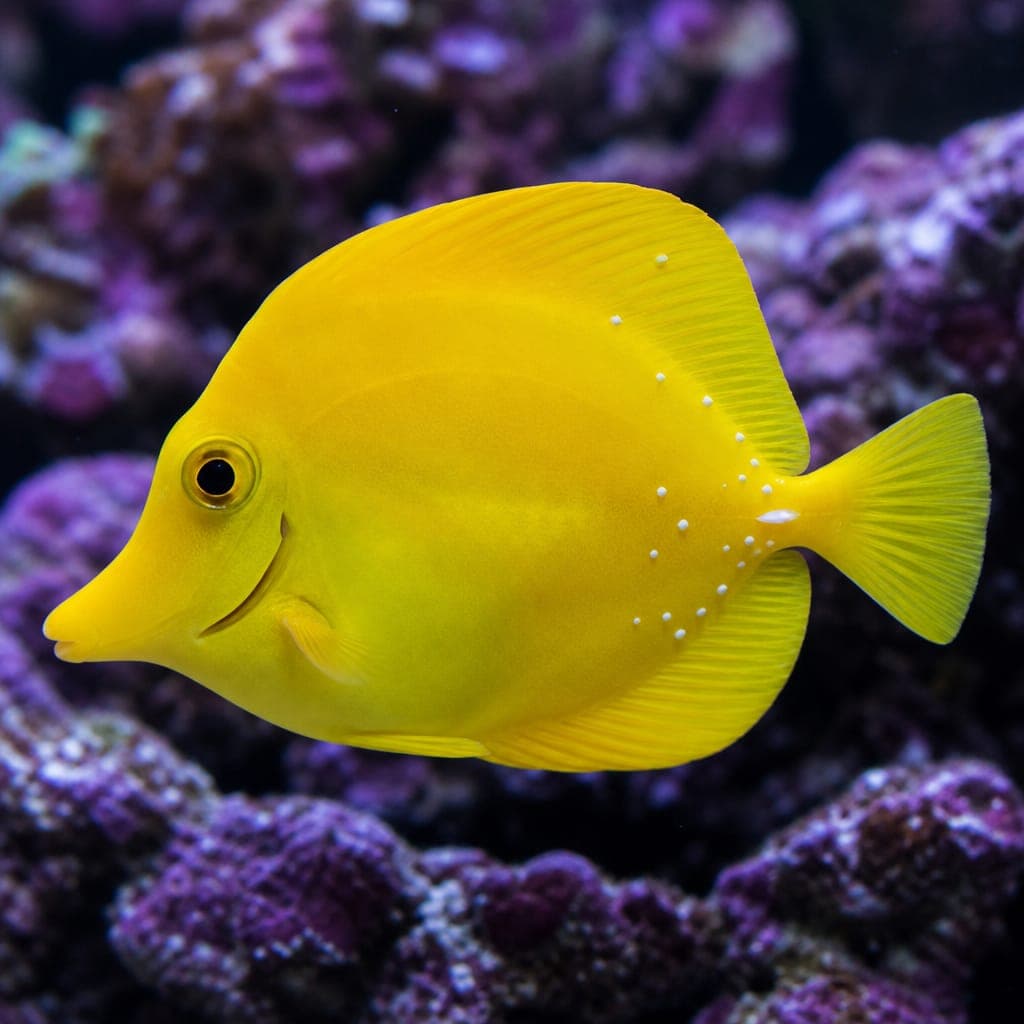
- Tangs and Wrasses
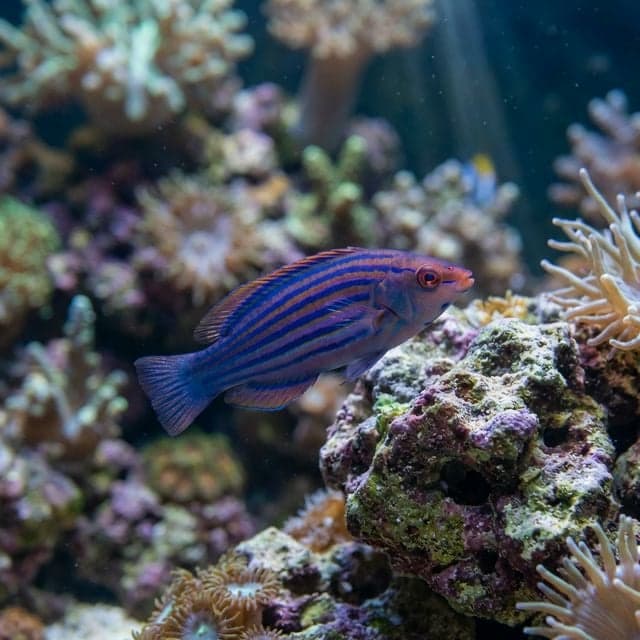
- Anthias
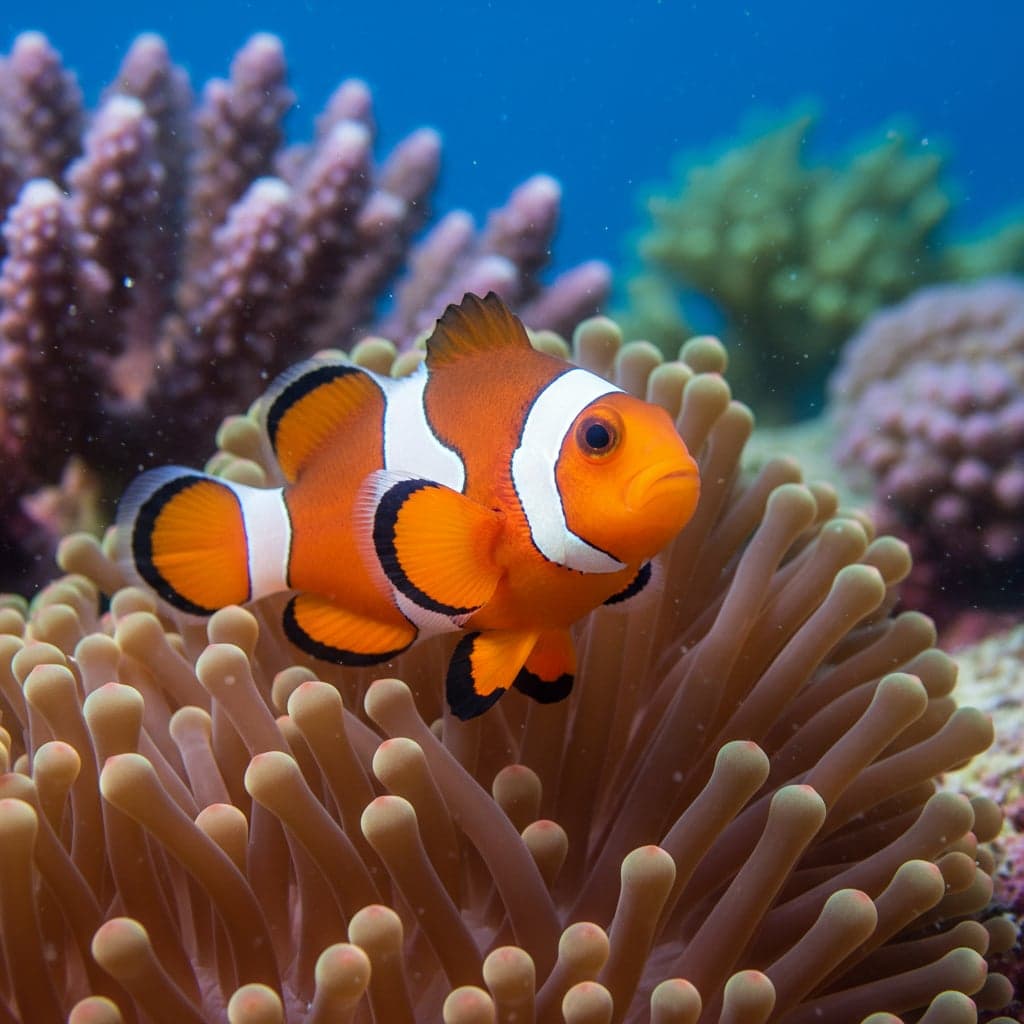
- Clownfish
- Butterflyfish
- Other peaceful Angelfish (their different feeding niches usually prevent conflict)
Avoid keeping them with overly aggressive/predatory fish or extremely slow-moving species that might be overwhelmed by the constant activity of the Lamarck's school.
Breeding
Lamarck's Angelfish are pelagic spawners and exhibit a complex social structure. In the wild, they perform "spawning rises" near dusk. While courtship behavior and egg-laying are often observed in large home aquariums with established harems, rearing the pelagic larvae remains extremely difficult in a hobbyist setting. They are protogynous hermaphrodites, meaning females can transition into males if the dominant male is removed from the group.
Common Health Issues
The primary health concern is stress from lack of swimming space or low oxygen. They are also susceptible to Ich and Marine Velvet if water quality is not pristine. A proper quarantine period is recommended for all new arrivals. Providing a high-flow, high-oxygen environment with frequent, high-quality feedings is the best way to ensure the elegant Lamarck's Angelfish remains the centerpiece of your open-water reef display.