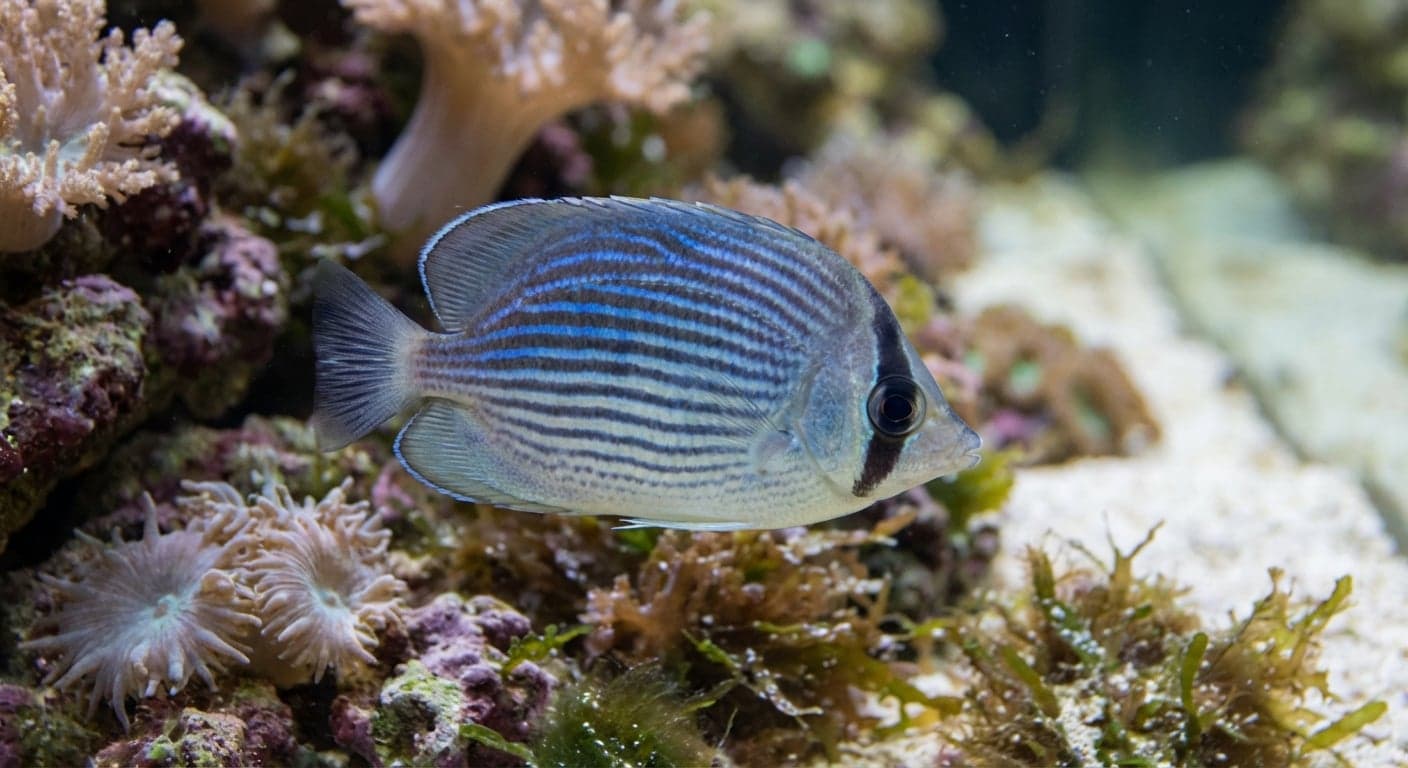
Latticed Butterflyfish: Chaetodon rafflesii
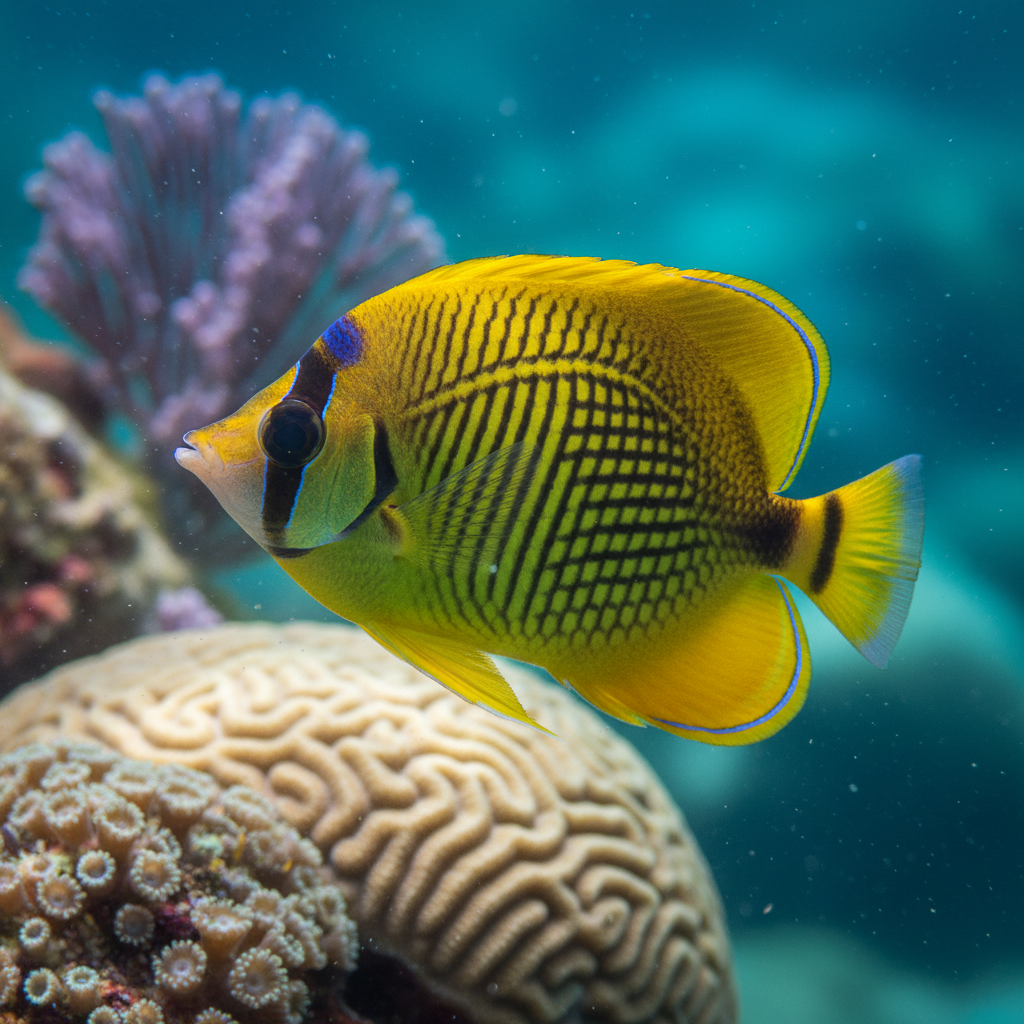
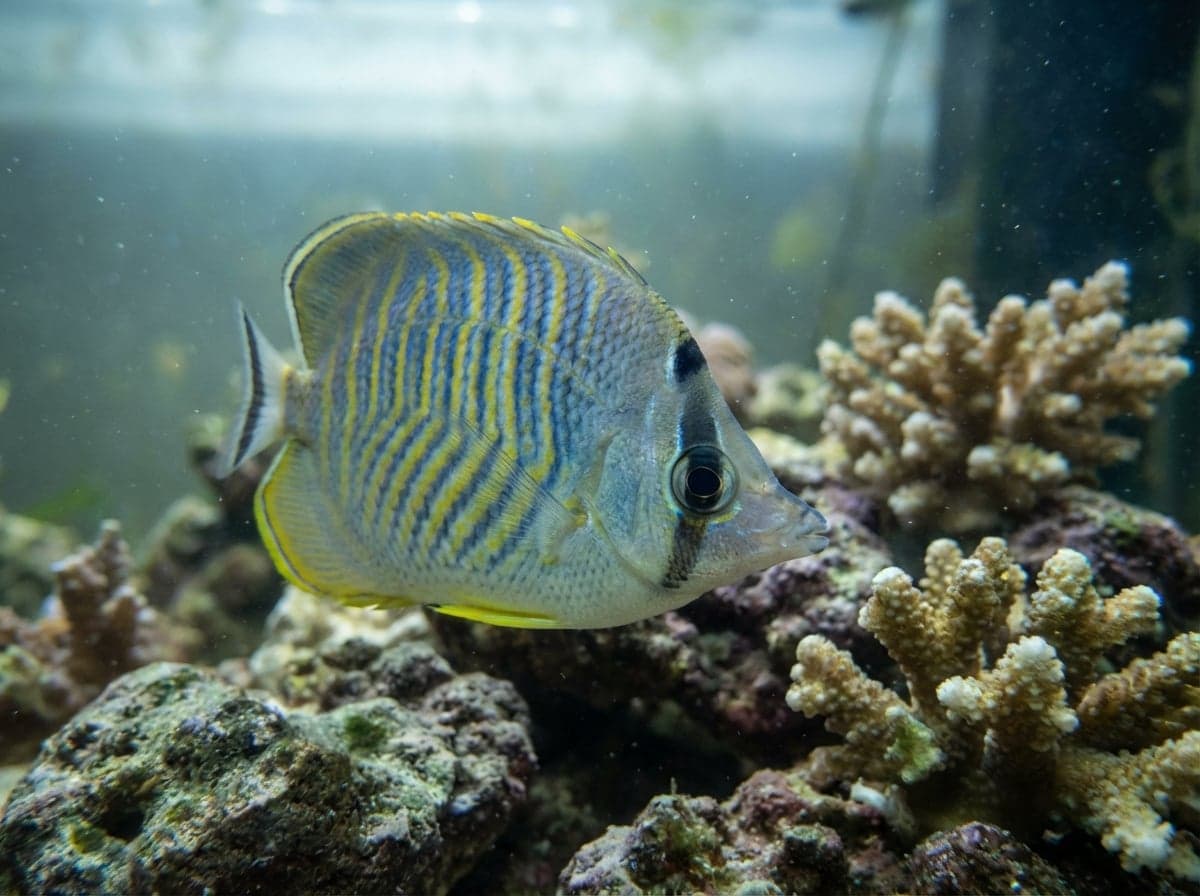
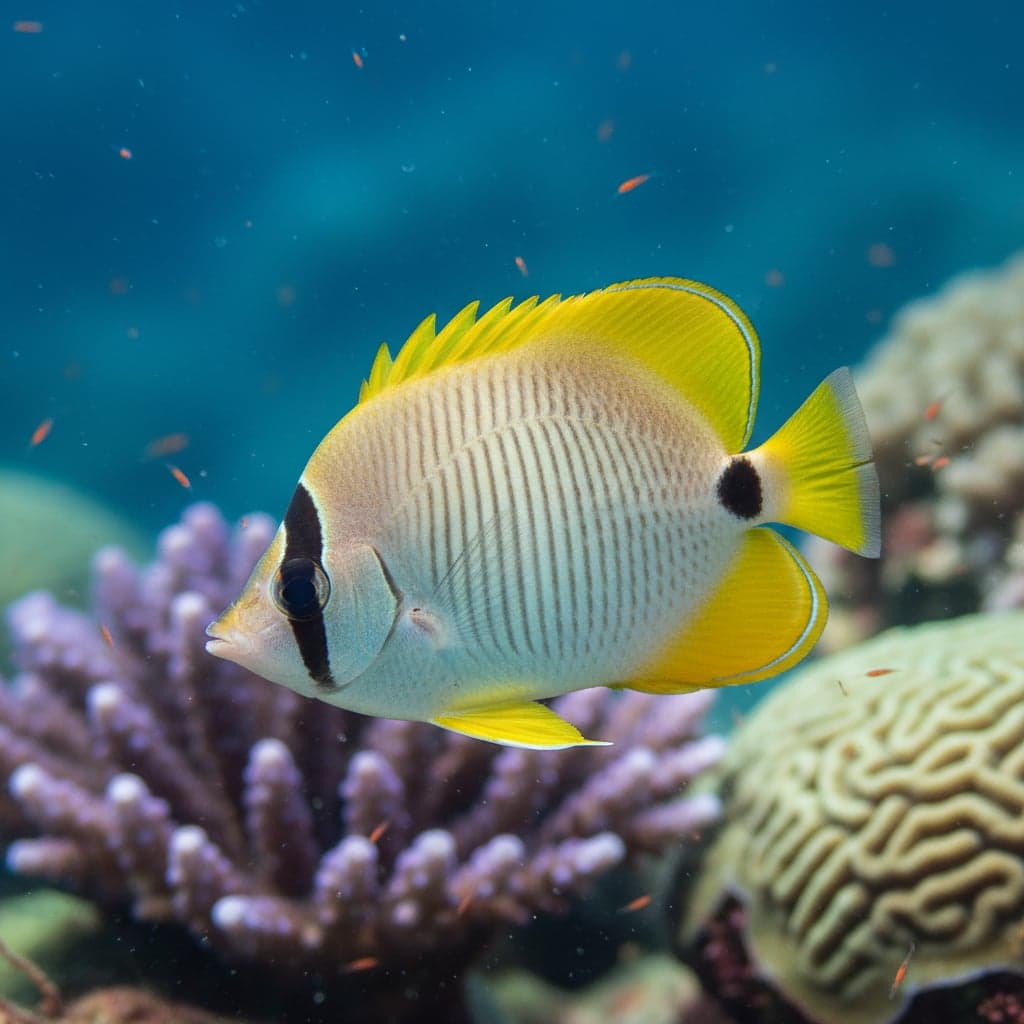
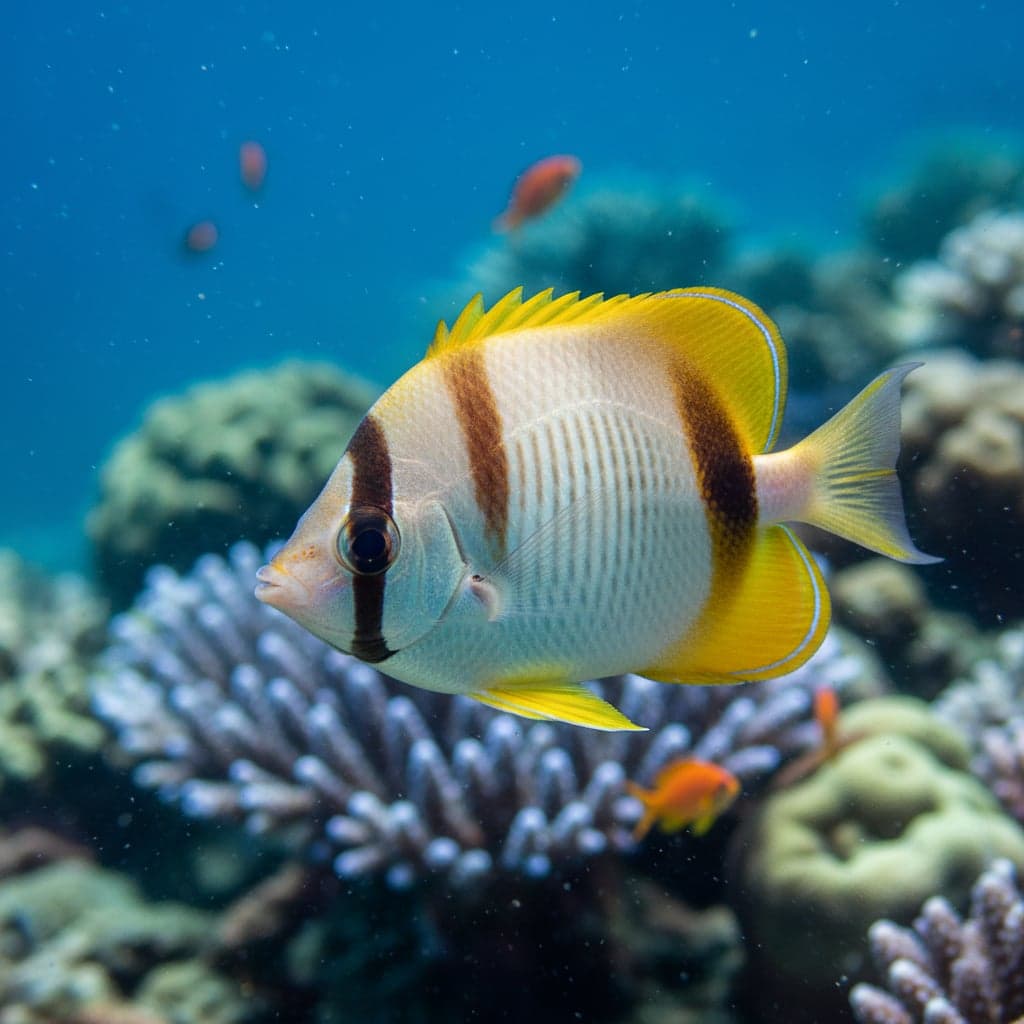
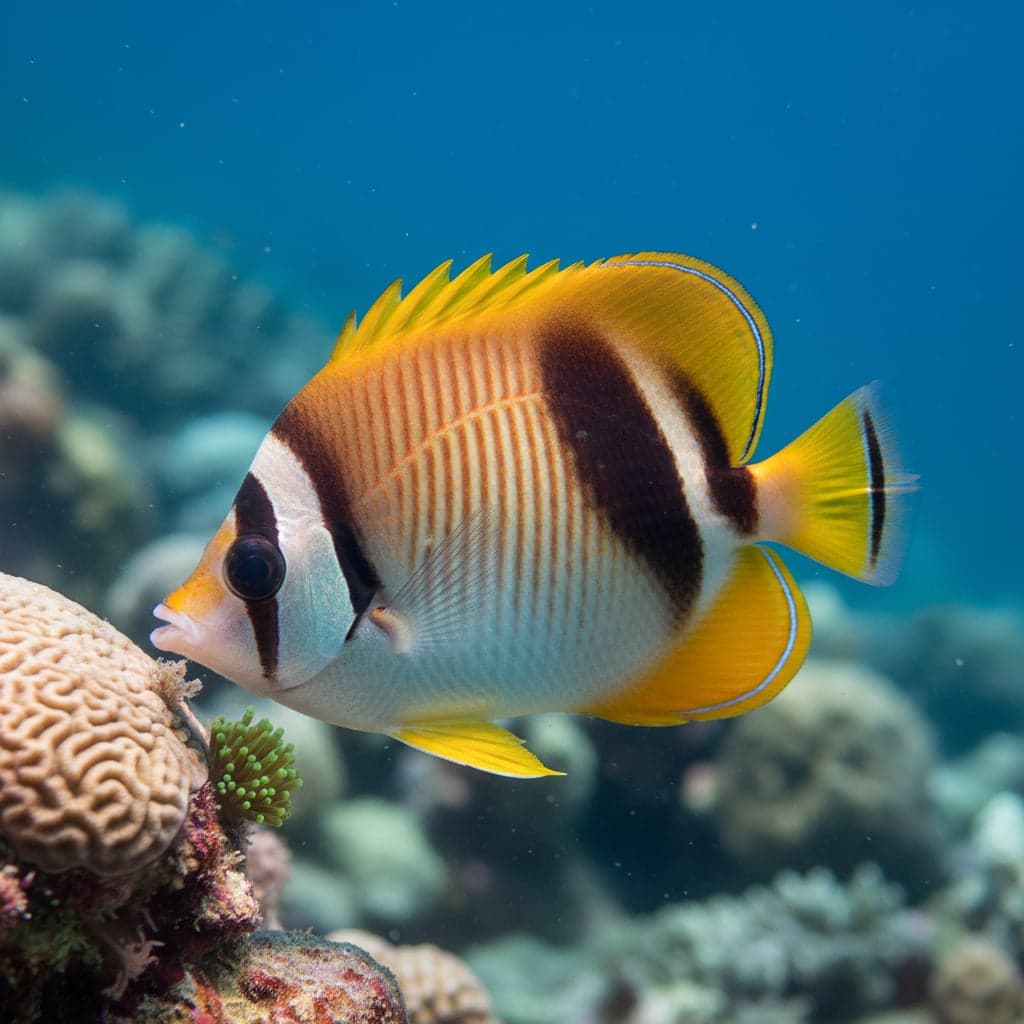
The Latticed Butterflyfish (Chaetodon rafflesii) is a geometric masterpiece, prized for its intricate, cross-hatched scale patterns and its radiant, lemon-yellow coloration.
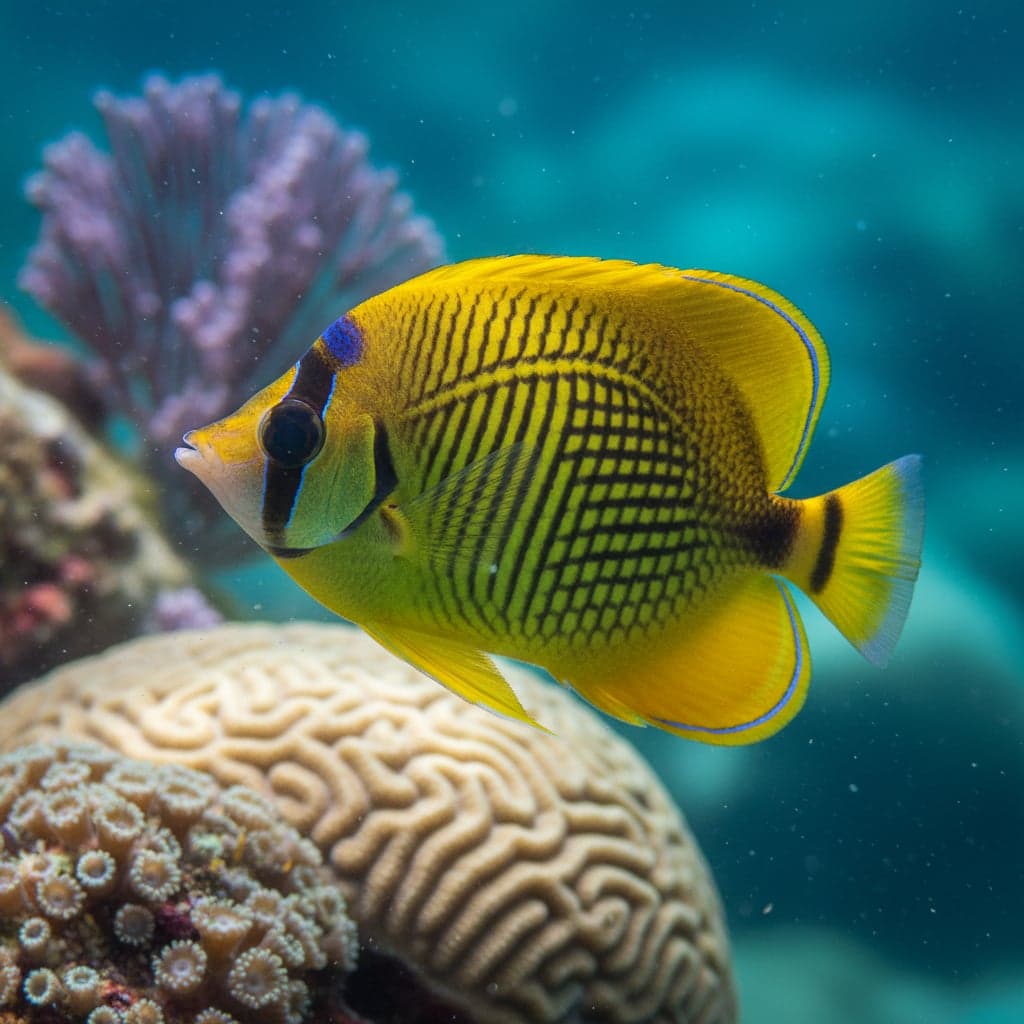
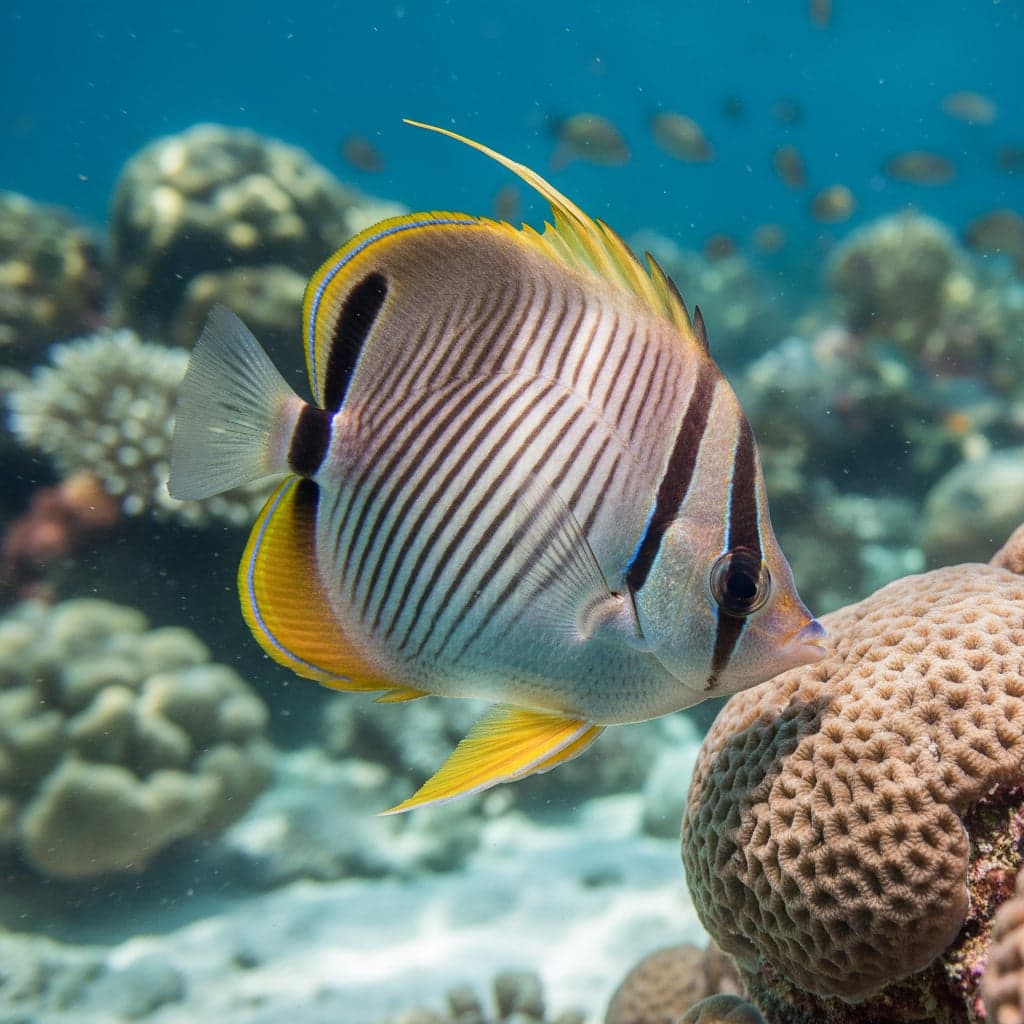
The Latticed Butterflyfish (Chaetodon rafflesii), also known as the Raffles' Butterflyfish, is a species defined by its stunning geometric precision. Its body is a brilliant, monochromatic lemon-yellow, overlaid with a complex, dark, cross-hatched pattern that gives the fish its names. This "lattice" effect is created by the dark edges of each individual scale, resulting in one of the most sophisticated patterns in the Chaetodon genus. A broad, black band runs vertically through its eye, and its tail fin often features a striking translucent edge. For the marine enthusiast, the Latticed Butterflyfish is a visual anchor that brings a sense of structural beauty to the aquarium, provided the keeper can manage its specific dietary needs.
In the aquarium, they are gentle and inquisitive. They spend their day meticulously picking at the substrate and rockwork, exploring every crevice for hidden organisms with a level of focus and intelligence typical of the butterflyfish family.
Natural Habitat & Origin
Chaetodon rafflesii is widely distributed across the Indo-Pacific, spanning from the eastern coast of Africa through the Indonesian archipelago to the Tuamotu Islands. They are shallow-reef specialists, typically inhabiting lagoons and seaward reefs at depths of 1 to 20 meters. These areas are characterized by abundant coral growth and rich invertebrate life. In the wild, they are often found in pairs, moving through protected, coral-rich environments where they can easily find food and shelter. Their reliance on healthy reef structures makes them sensitive to environmental degradation.
Care Requirements
The Latticed Butterflyfish is a moderately sensitive species that requires pristine water quality and specialized feeding. A minimum tank size of 75 gallons (300L) is required for an adult to swim and forage comfortably.
Maintain strict marine parameters: a pH of 8.1 to 8.4 and a temperature of 75°F to 81°F (24°C to 27°C). They are highly sensitive to fluctuations in water chemistry, particularly nitrate and phosphate levels. The aquarium must be well-established with significant live rock, providing plenty of surfaces for natural foraging and multiple caves for nighttime security. CRITICAL REEF NOTE: This species is a facultative corallivore. While it is less destructive than some butterflyfish, it will pick at coral polyps (especially SPS and certain anemones) and is generally NOT considered "Reef Safe" in a traditional sense.
Diet & Feeding
They are omnivorous generalists with a strong preference for coral polyps, polychaete worms, and small sea anemones.
In captivity, the primary challenge is getting them to transition to prepared foods:
- They should be offered a variety of enriched frozen foods: Mysis shrimp, chopped clam, squid, and vitamin-enriched brine shrimp.
- High-quality marine pellets and flakes impregnated with spirulina are usually accepted once the fish is settled.
- Tip: To encourage initial feeding, you can "smear" minced clam or shrimp into the crevices of a piece of coral rock. This mimics their natural foraging behavior and can skip-start their appetite.
- They also benefit from the occasional feeding of live blackworms or high-quality macro-algae.
Behavior & Temperament
They are peaceful and somewhat shy, especially when first introduced. They are best kept either as a single individual or as a mated pair (if they can be sourced together). They do not do well with aggressive or fast-moving tank mates that might outcompete them for food. When stressed, their yellow colors may fade, and they may refuse to eat. They are entirely compatible with most other peaceful reef fish and will ignore larger invertebrates like shrimp and snails unless the invertebrate is extremely small or injured.
Tank Mates
Suitable tank mates are other peaceful marine species:
- Anthias and Chromis
- Clownfish
- Gobies and Blennies
- smaller, peaceful Tangs
- other peaceful Butterflyfish (with caution and in large tanks)
Avoid keeping them with aggressive Wrasses, large Angelfish, or triggers that might harass them, as the Latticed Butterflyfish will easily be bullied into hiding.
Breeding
Breeding the Latticed Butterflyfish in captivity is extremely rare. They are pelagic spawners. In the wild, they engage in synchronized swimming rises to release eggs and sperm into the water column. While mated pairs frequently exhibit courtship behavior in large, stable systems, successfully rearing the tiny pelagic larvae is a sophisticated task that has not been standardized in the home aquarium.
Common Health Issues
The primary health concern is starvation due to a failure to acclimate to prepared foods. They are also susceptible to Ich and Marine Velvet; a proper quarantine period is essential for all new butterflyfish. Maintaining impeccable water quality, providing a high-degree of rockwork structure, and ensuring a diverse, protein-rich diet is the best way to ensure the geometric brilliance of the Latticed Butterflyfish remains the highlight of your marine display.