Lemonpeel Angelfish: Centropyge flavissima
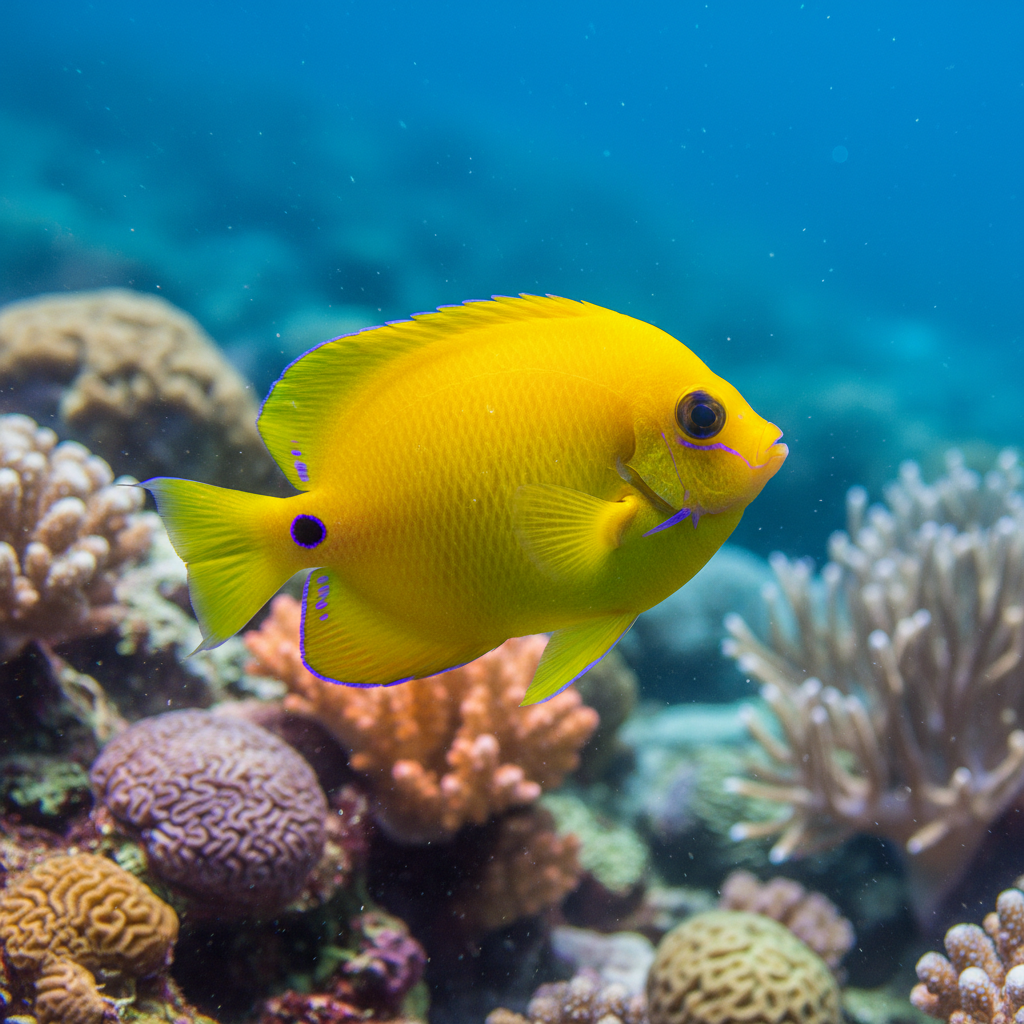
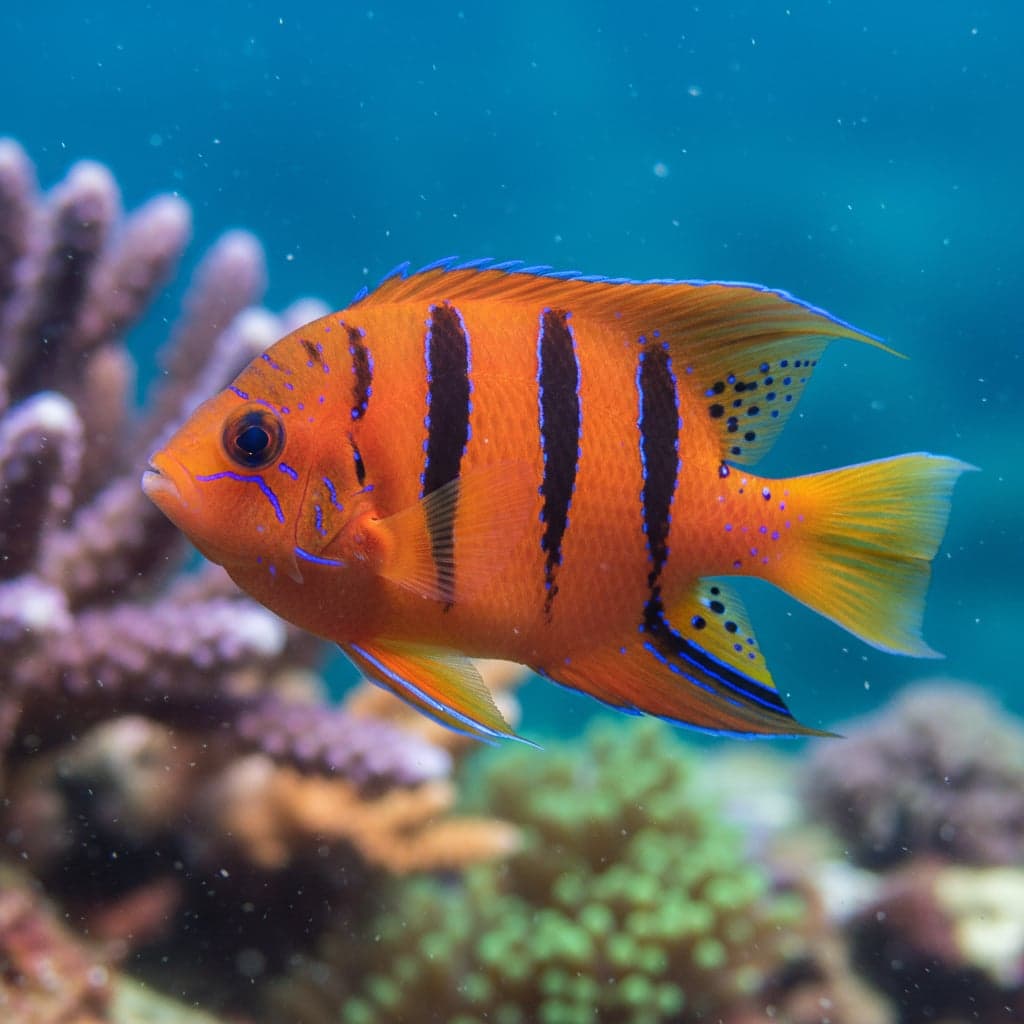
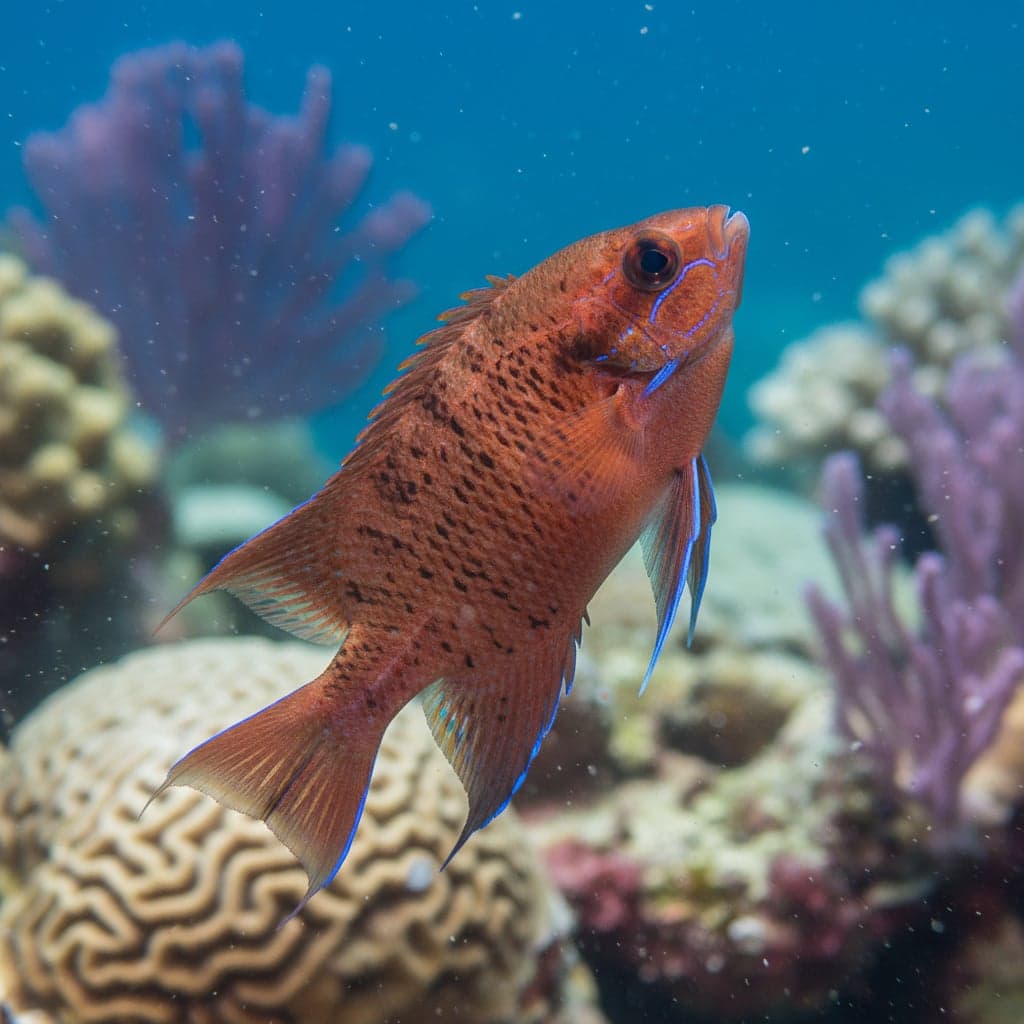
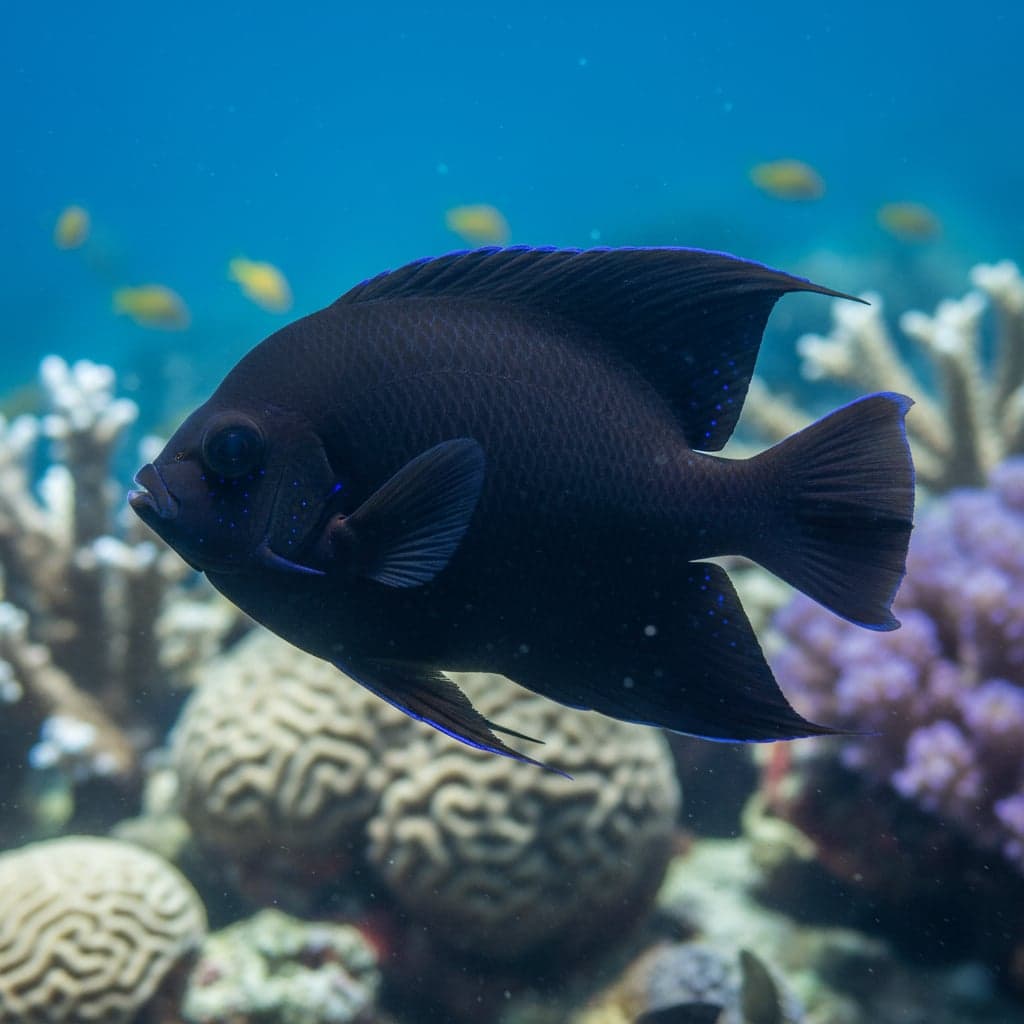
The Lemonpeel Angelfish (Centropyge flavissima) is a radiant jewel of the South Pacific, defined by its monochromatic yellow body and its iconic, electric-blue "neon" eye rings.

The Lemonpeel Angelfish (Centropyge flavissima) is one of the most vividly colored dwarf angelfish in the marine hobby. It is defined by its startlingly bright, solid yellow body, which serves as a luminous backdrop for its most distinctive feature: electric-blue "rings" around the eyes and a vivid blue line on the edge of the gill cover. For the marine enthusiast, the Lemonpeel is a high-energy addition that brings both elegance and personality to the reef, though it is famously "with caution" regarding corals—a beautiful but potentially mischievous inhabitant that requires careful observation.
In the aquarium, they are inquisitive and bold. They spend their day constantly picking at the rockwork for algae and tiny invertebrates, weaving through the tight crevices of the coral reef with a grace that is characteristic of the Centropyge genus.
Natural Habitat & Origin
Centropyge flavissima is predominantly found in the South Pacific, ranging from the Cocos-Keeling Islands to the Tuamotu Islands and north to the Ryukyu Islands. They are coral reef specialists, typically found in lagoon areas and seaward reef slopes at depths of 3 to 50 meters. These areas are characterized by immaculate water quality and complex structural diversity. In the wild, they exhibit protogynous hermaphroditism, forming social harems where a single dominant male guards several females. Interestingly, juveniles are nearly identical to adults but are often more secretive, hiding deep within the branching coral structures.
Care Requirements
The Lemonpeel Angelfish is a hardy species but requires a mature system with established live rock for grazing. A minimum tank size of 30 gallons (110L) is required for a single specimen.
Maintain stable marine parameters: a pH of 8.1 to 8.4 and a temperature of 75°F to 81°F (24°C to 27°C). Like all dwarf angels, they MUST have significant hiding spots; a complex stack of rockwork with multiple tunnels is essential for their security. They are sensitive to poor water quality, so efficient skimming and regular water changes are mandatory. REEF NOTE: They are known to nip at many types of stony corals (especially SPS and fleshy LPS) and clam mantles. They are safer in a "fish-only with live rock" (FOWLR) system or a reef tank with non-fleshy corals.
Diet & Feeding
They are opportunistic omnivores, naturally feeding on a variety of filamentous algae, sponges, and tiny benthic invertebrates.
In captivity, their diet must be varied and high-quality:
- Spirulina-enriched flakes and pellets should be the staple.
- They MUST have frequent offerings of frozen preparations that include sponge matter and sea greens.
- Mysis shrimp and Brine shrimp provide necessary protein.
- Tip: Keeping them well-fed with high-quality prepared foods and algae sheets (Nori) can sometimes reduce their tendency to nip at corals.
Behavior & Temperament
They are semi-aggressive and highly territorial. They will usually not tolerate other dwarf angelfish of the same or similar species unless kept in a very large tank. They can be bold toward other fish of similar size and should be one of the last additions to a community tank to prevent them from claiming the entire rockwork as their territory. Like all Centropyge, they are extremely active and will investigate every nook of their environment.
Tank Mates
Suitable tank mates are other active and slightly bold reef species:
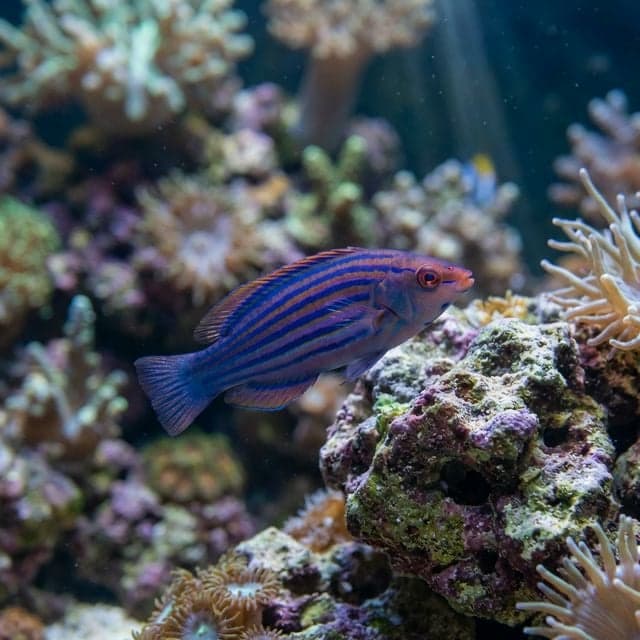
- Larger Wrasses and Anthias
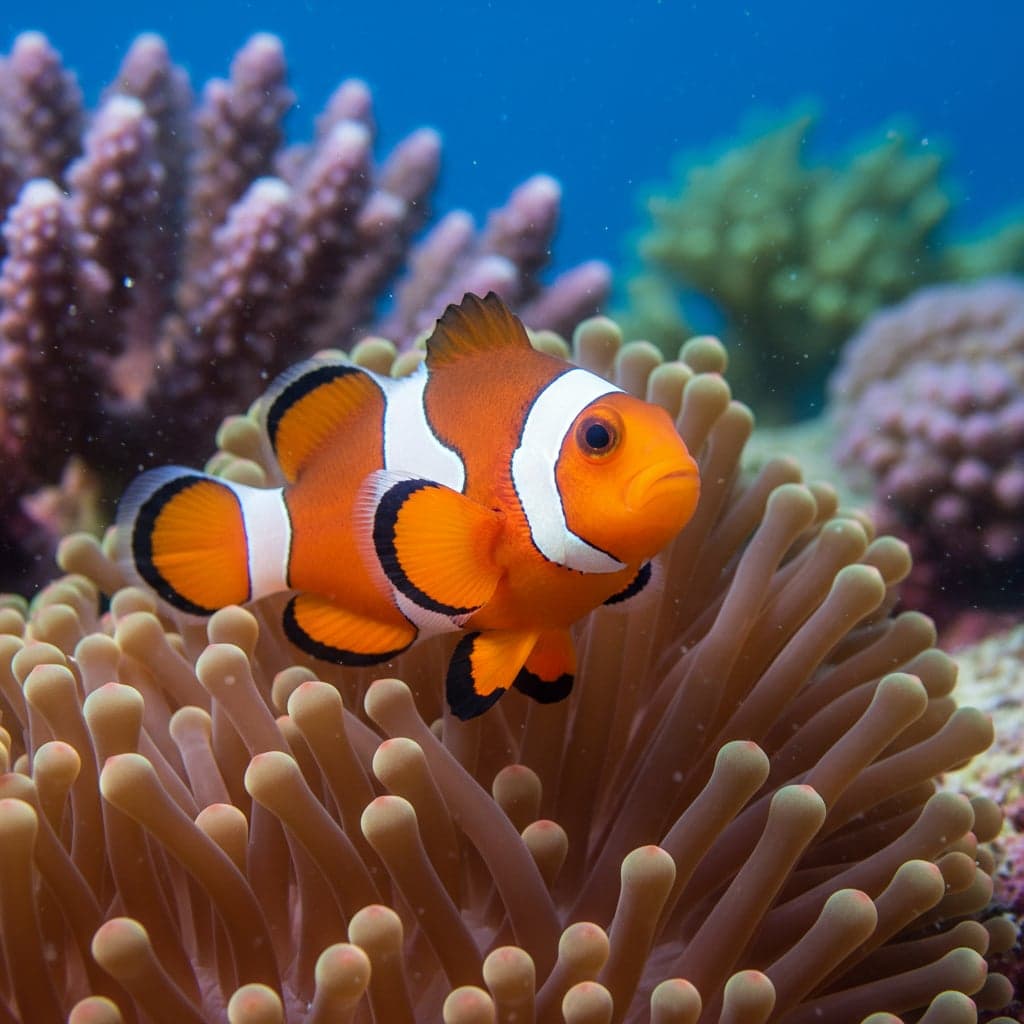
- Clownfish
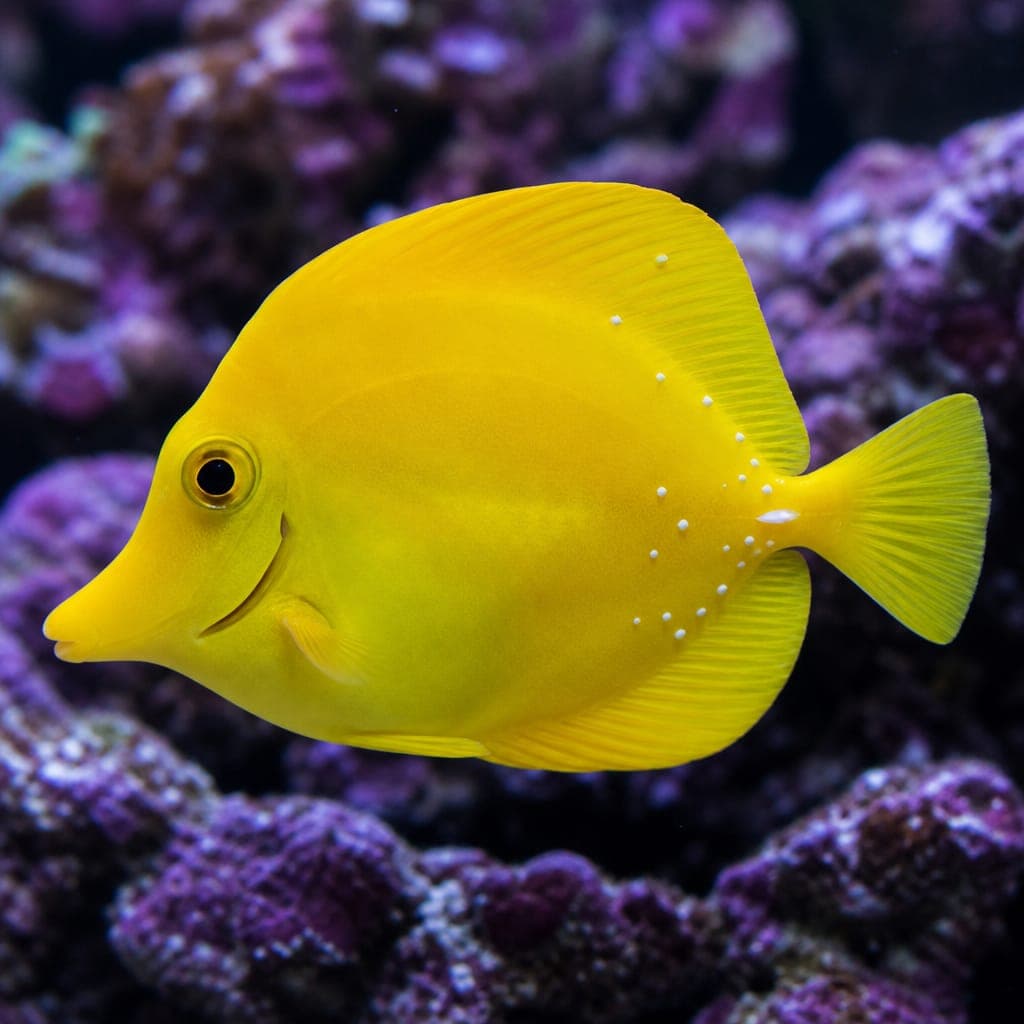
- Tangs (in larger systems)
- Gobies and Blennies
- Most invertebrates (shrimp, snails, crabs)
Avoid keeping them with very timid species that might be intimidated by their constant and sometimes aggressive movement.
Breeding
Breeding the Lemonpeel Angelfish in captivity is extremely difficult. They are pelagic spawners that engage in a "spawning rise" at dusk. While pairs are frequently observed in larger systems, successfully rearing the tiny larvae to settlement requires highly specialized live foods and precise environmental controls that are currently beyond the standard hobbyist.
Common Health Issues
The primary health concern is Ich (Cryptocaryon) and Marine Velvet. Like many "thin-skinned" marine fish, they are susceptible to parasites if stressed. Maintaining a stable, high-oxygen environment with a diverse diet and plenty of rockwork security is the best way to ensure the radiant Lemonpeel Angelfish remains the glowing heart of your reef.