Leopard Toby: Canthigaster leopardus
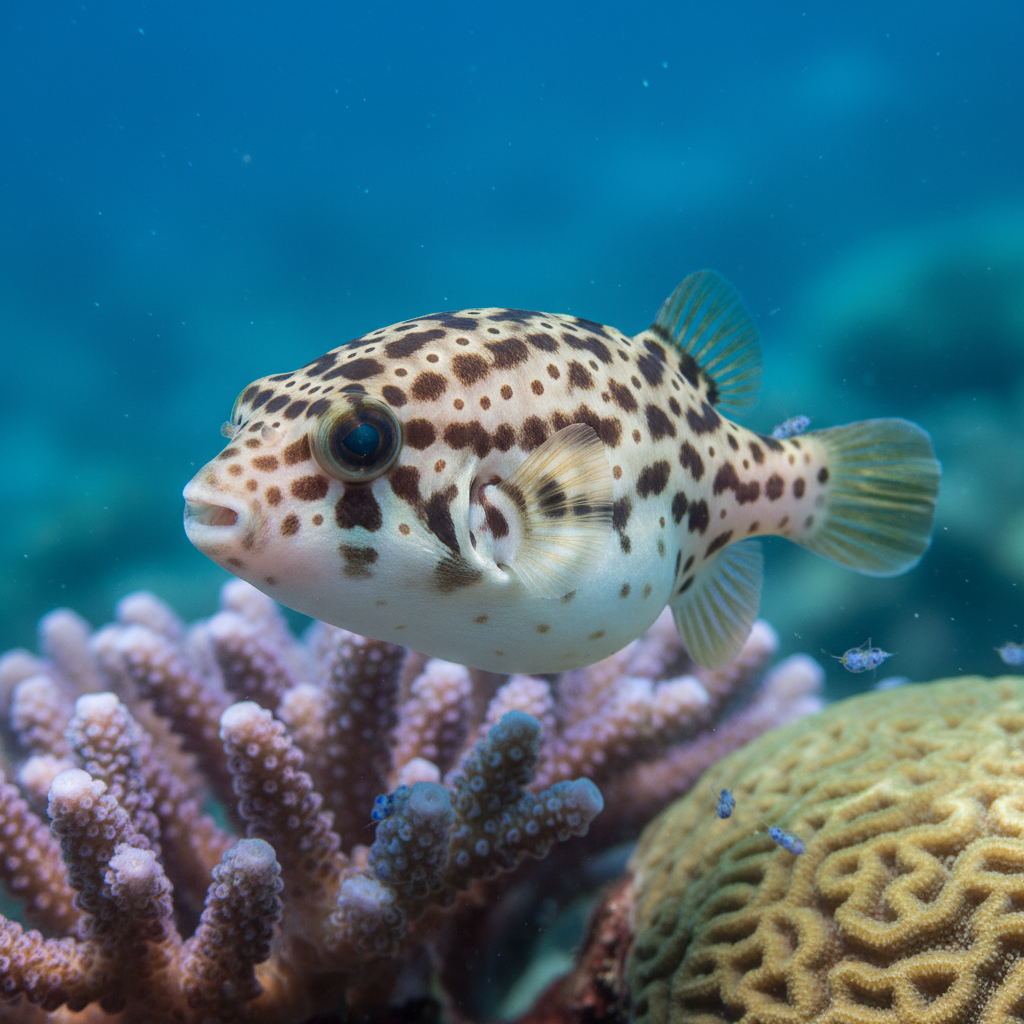
The Leopard Toby (Canthigaster leopardus) is a rare and reclusive gem of the deep reef, defined by its intricate dark-chocolate network of spots and its mysterious, cave-dwelling lifestyle.
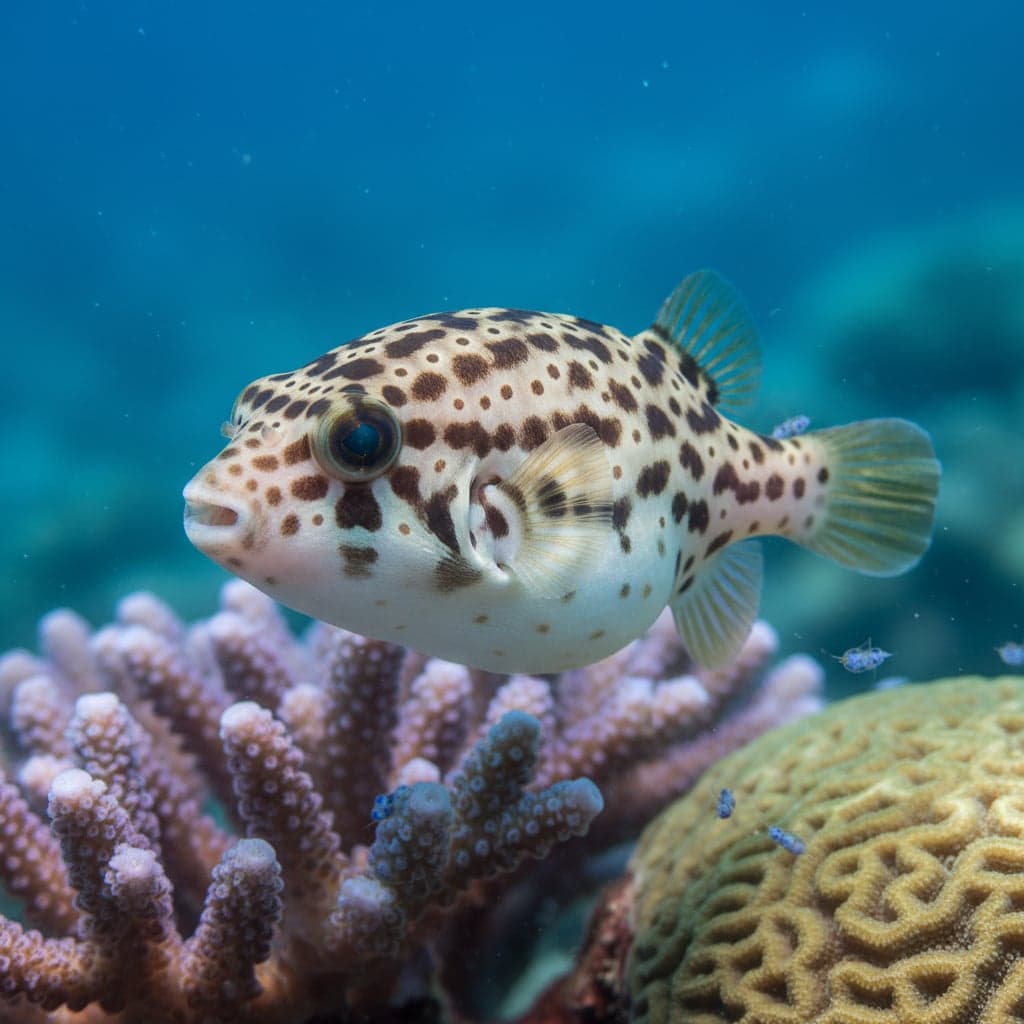
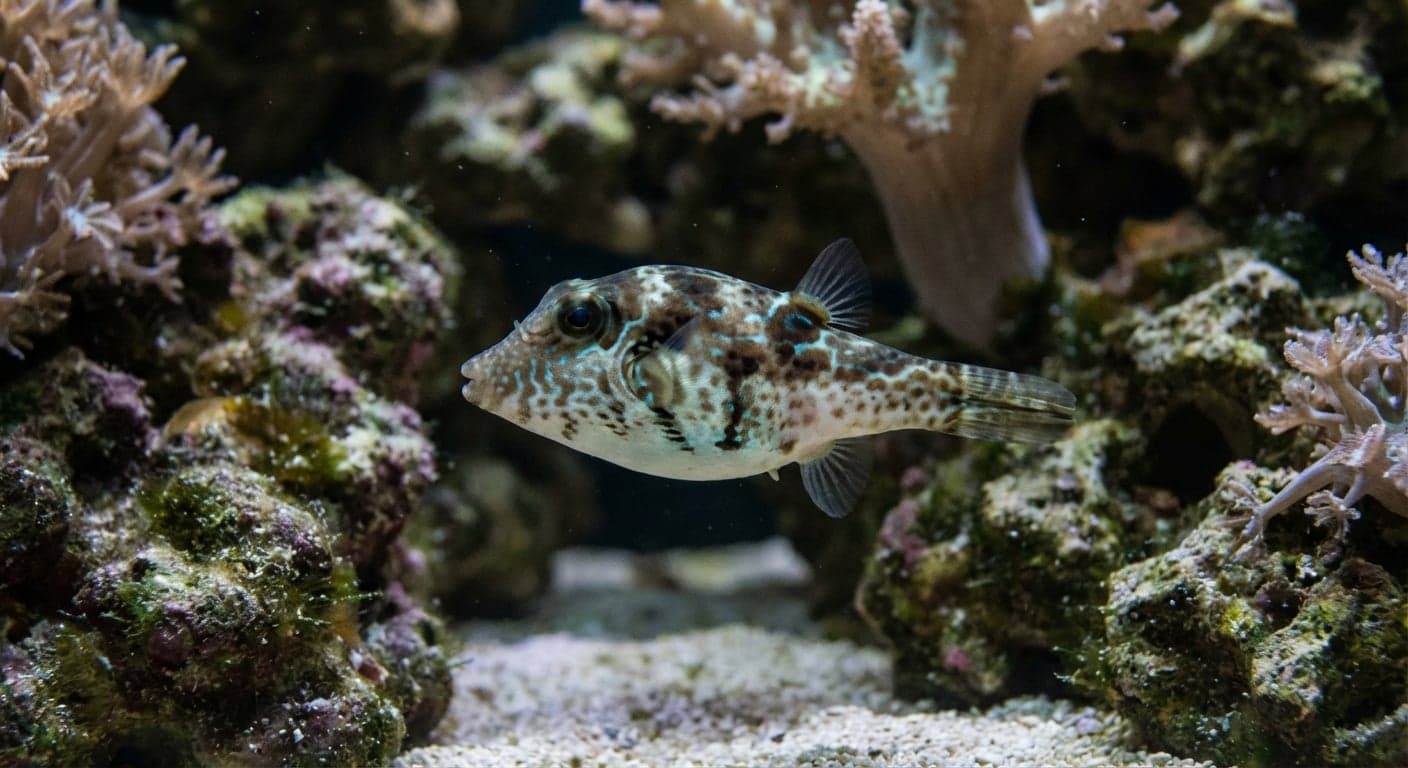
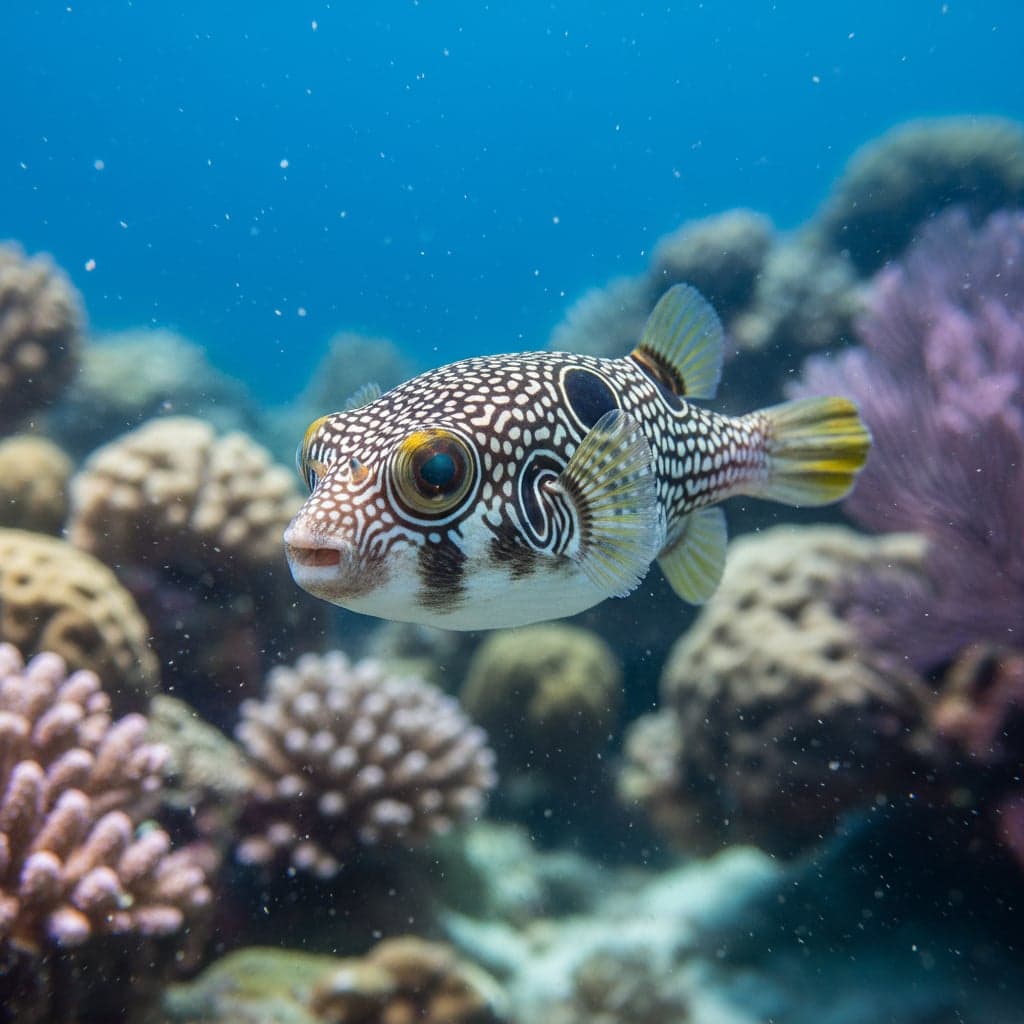
The Leopard Toby (Canthigaster leopardus), also known as the Leopard Sharpnose Puffer, is one of the most enigmatic members of the Canthigaster genus. It is defined by its intricate, labyrinthine pattern of dark chocolate-brown spots and interconnected lines that cover a creamy-silver body. Unlike its more common cousins, the Leopard Toby is a shy and reclusive species that spends its life in the shadows of the reef. For the specialized marine enthusiast, it is a "connoisseur's puffer"—a fish that requires patience and a mature tank to witness its slow, helicopter-like hovering and its fascinating, independently rotating eyes.
In the aquarium, they are the quiet observers of the reef. They do not swim with the frantic energy of many Tobies; instead, they move with a cautious, methodical grace, investigating every rock crevice for the tiny invertebrates and organic matter that make up their diet.
Natural Habitat & Origin
Canthigaster leopardus is native to the Indo-Western Pacific, ranging from Christmas Island and the Philippines to the Ryukyu Islands and Guam. They are deep-reef specialists, typically found in seaward reef slopes and current-swept caves at depths of 25 to 50 meters—much deeper than most other sharpnose puffers. This environmental preference makes them a rare sight even for divers. Their mottled, dark pattern is a perfect adaptation for life in the low-light, shadowed environments of deep volcanic rock caves and complex coral overhangs.
Care Requirements
The Leopard Toby is a hardy species once acclimated but requires a mature system with low lighting or plenty of shadowed areas. A minimum tank size of 30 gallons (110L) is required for an adult.
Maintain stable marine parameters: a pH of 8.1 to 8.4 and a temperature of 75°F to 81°F (24°C to 27°C). IMPORTANT SAFETY NOTE: Like all puffers, they contain tetrodotoxin in ihre skin and organs. They should never be handled with bare hands, and care should be taken to ensure they are not eaten by larger predators. The aquarium should be designed with complex rockwork and numerous caves, allowing the fish to retreat into total darkness if startled. They are sensitive to high nitrates and copper-based medications; a well-skimmed and chemically stable environment is essential.
Diet & Feeding
They are opportunistic omnivores, naturally feeding on a varied diet of sponges, bryozoans, algae, and tiny crustaceans hidden in the deep reef rock.
In captivity, they require a diverse, protein-rich diet:
- High-quality marine pellets and flakes should be the staple.
- They MUST have frequent offerings of frozen meaty foods: Mysis shrimp, Krill, and finely chopped cockles or mussels.
- Tip: They possess a "beak" of fused teeth that grows continuously. Providing foods with shells (like small snails or un-shelled shrimp) is critical to help naturally wear down their teeth and prevent overgrowth.
- They are slow feeders; ensure they are not outcompeted by faster tank mates like Wrasses or Tangs.
Behavior & Temperament
They are generally peaceful and solitary. They will not harass other fish but can be nippy toward long-finned species or delicate invertebrates. They are NOT strictly reef-safe; they may nip at stony corals, ornamental shrimp, and small snails. Their behavior is intelligent and curious; they will often "hover" at the front of the glass to watch their owner, moving their eyes in a way that suggests a high level of situational awareness.
Tank Mates
Suitable tank mates are other peaceful, slightly larger reef species:
- Larger Clownfish and Wrasses
- Anthias
- Hawkfish (occupy different niches)
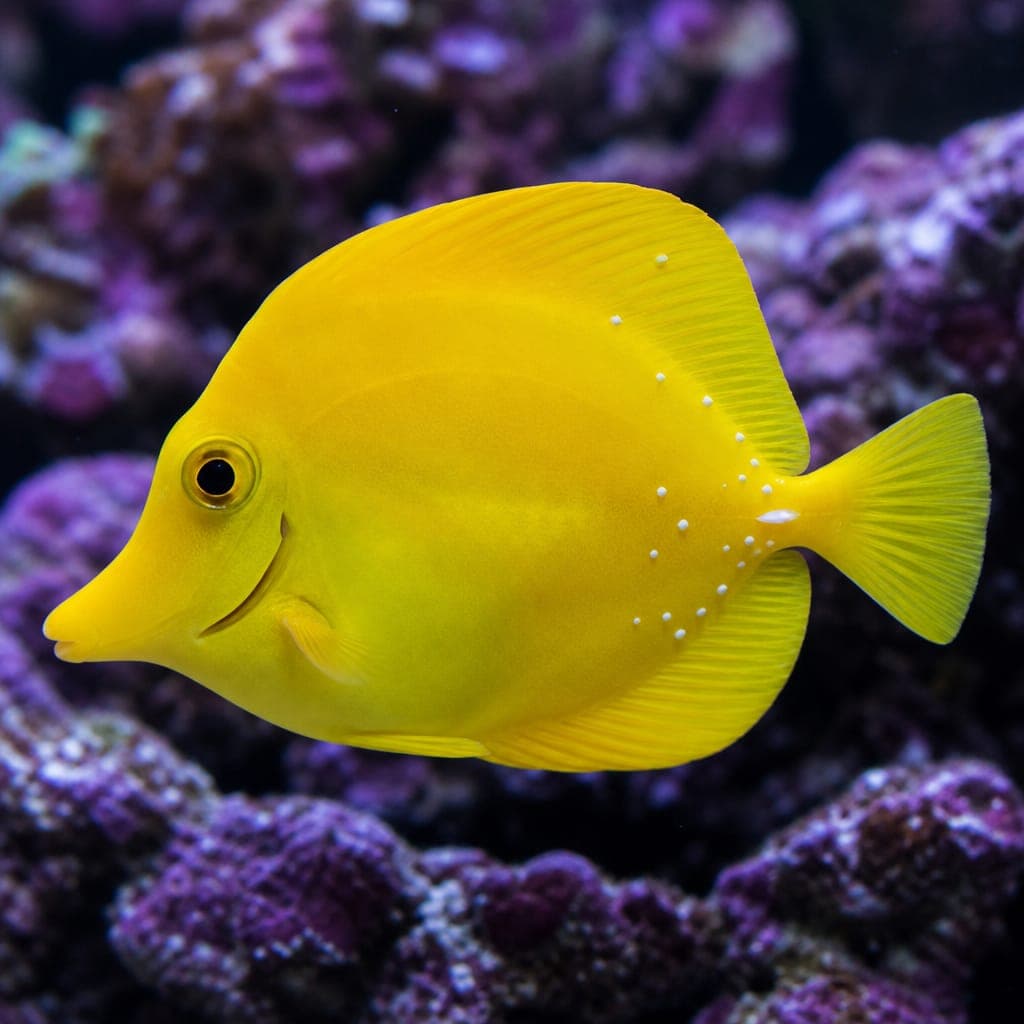
- Tangs (larger tank mates)
- Starfish and larger snails (usually ignored)
Avoid keeping them with very aggressive puffers or large predators. Smaller shrimp and delicate corals should also be avoided as they may be viewed as a food source.
Breeding
Breeding the Leopard Toby in captivity is extremely rare. They are demersal spawners. In the wild, females will lay adhesive eggs in a prepared nest in the rockwork, which the male then guards. While courtship and site-selection are occasionally seen in very large, mature reef systems, successfully rearing the tiny larvae requires a level of nutritional precision that has not been standardized in the home aquarium.
Common Health Issues
The primary health concern is stress-induced Ich and skin parasites. Like all puffers, they lack traditional scales, making them highly sensitive to many common medications (especially copper). Maintaining a quiet, stable environment with a shell-rich diet and high-quality water is the best way to ensure the reclusive and beautiful Leopard Toby remains the mysterious star of your deep-reef biotope.