Lined Chromis: Chromis lineata
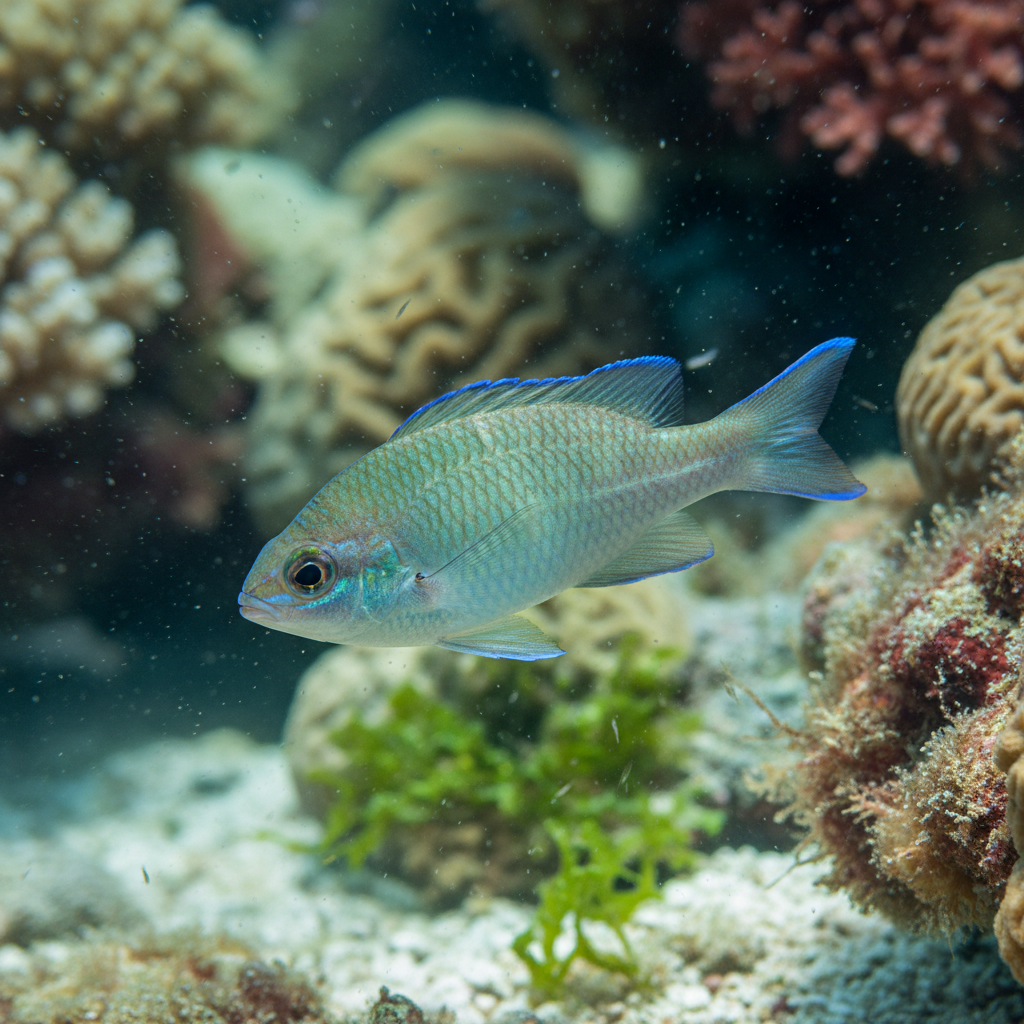
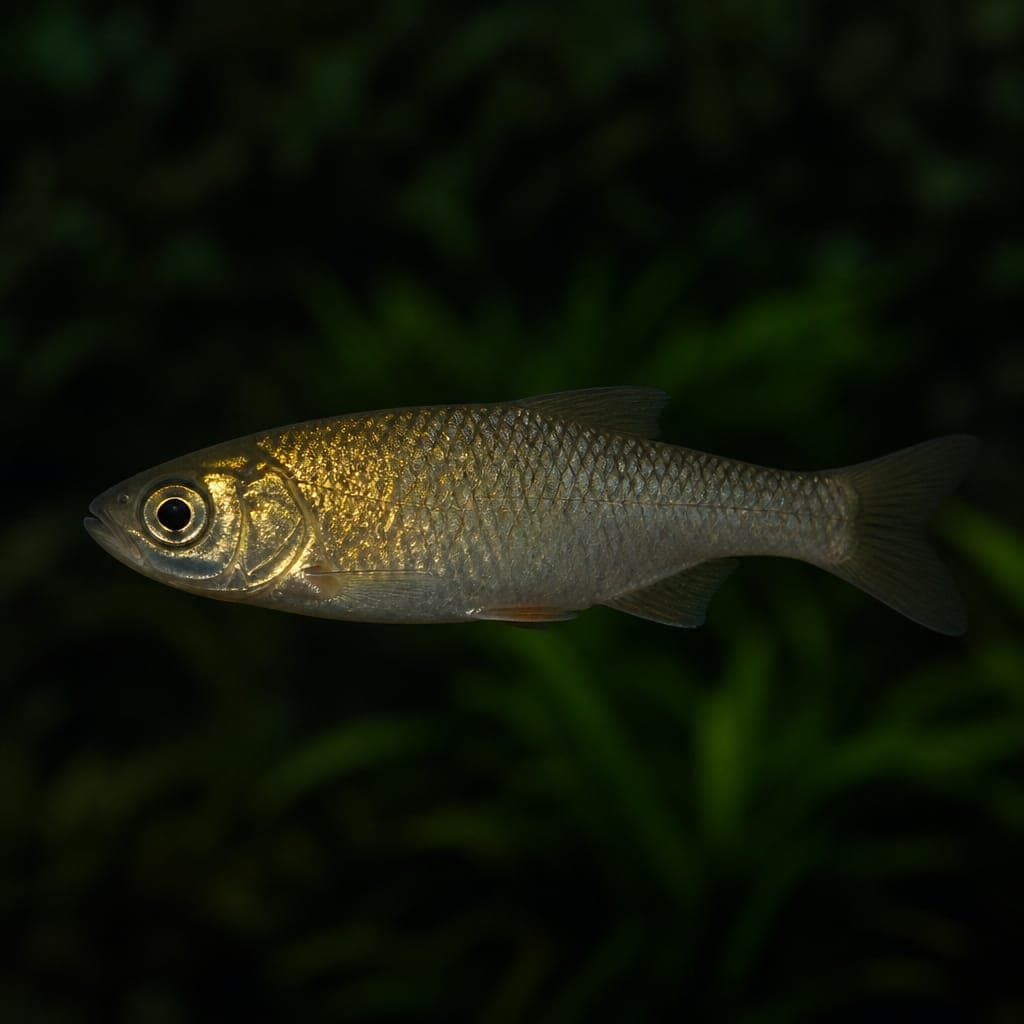
The Lined Chromis (Chromis lineata) is a small, hardy damselfish of the Indo-Pacific, defined by its shimmering silver body and numerous fine, dark horizontal lines that create a uniquely textured appearance.

The Lined Chromis (Chromis lineata) is a subtle but stunning addition to the marine aquarium. It is defined by its ovate, silvery body and a series of thin, dark brown or bluish-black horizontal lines that run from the gill cover to the peduncle. Unlike many of the more aggressive damselfish, the Lined Chromis is exceptionally peaceful and social, making it an ideal choice for the upper levels of a reef tank. It is a fish that brings constant, shimmering movement and a sense of structured elegance to the open-water column of the aquarium.
In the aquarium, they are the epitome of social coordination. They are "tight" schoolers that prefer the open areas above the reef, moving with a synchronized grace that is enhanced when they are kept in the groups they naturally favor.
Natural Habitat & Origin
Chromis lineata is widely distributed across the Indo-West Pacific, ranging from the Christmas Island in the Indian Ocean to the Marshall Islands and Samoa. They are shallow reef specialists, typically found in seaward reef slopes and lagoons at depths of 2 to 35 meters. They are almost always associated with branching corals (like Acropora), using the complex structure of the coral for shelter at night or when threatened. In the wild, they are diurnal planktivores, spending their days in large, swirling aggregations above the reef, feeding on tiny crustaceans and zooplankton swept in by the current.
Care Requirements
The Lined Chromis is a hardy and adaptable species that is ideal for beginners. A minimum tank size of 20 gallons (75L) is required for a small school.
Maintain stable marine parameters: a pH of 8.1 to 8.4 and a temperature of 75°F to 82°F (24°C to 28°C). The aquarium should feature plenty of open swimming space complemented by high-quality live rock or branching coral structures to provide security. They are sensitive to poor water quality, so efficient skimming and regular water changes are essential. TIP: They are active swimmers; ensure the aquarium has moderate to high water flow to mimic the current-swept reef slopes they inhabit.
Diet & Feeding
They are omnivorous planktivores, naturally feeding on a variety of organic matter and zooplankton sweep in by the current.
In captivity, they are not picky and will accept almost any food:
- High-quality marine flakes and micro-pellets should be the staple.
- They MUST have frequent offerings of live or frozen foods to maintain their condition: Vitamin-enriched Brine shrimp, Mysis shrimp, and Cyclops.
- Tip: Feed them in small amounts 2-3 times daily to mimic their natural grazing habits.
- Offering finely chopped seafood or algae-based flakes occasionally provides important dietary variety.
Behavior & Temperament
They are exceptionally peaceful. They MUST be kept in a school of at least 5 to 7 individuals; in smaller numbers, they can become shy or skittish. Unlike the boisterous Dascyllus damselfish, the Lined Chromis is generally not a territorial or aggressive species and is safe for even the most delicate reef inhabitants. Their active but gentle nature makes them an ideal alternative for aquarists who want a schooling effect in a reef tank without the aggression often associated with damselfish.
Tank Mates
Suitable tank mates are other peaceful community species:
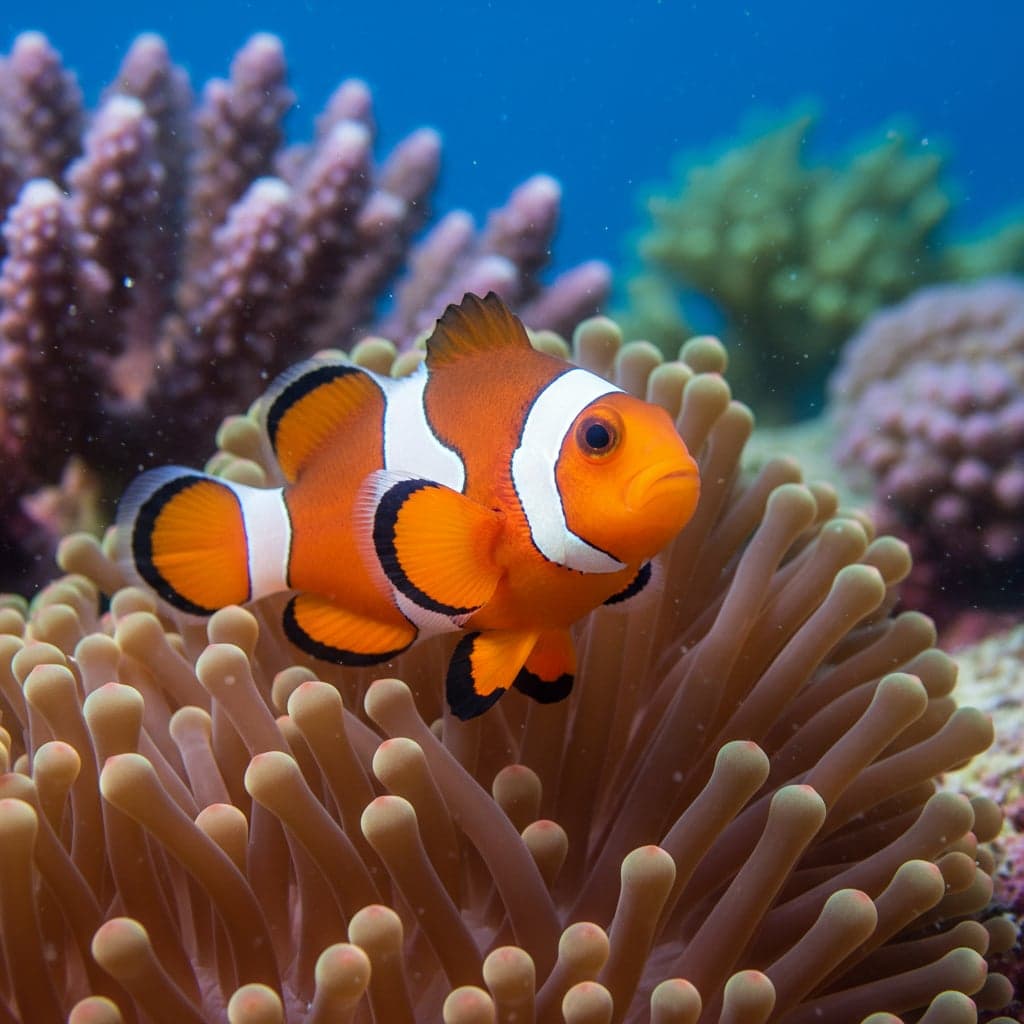
- Clownfish
- Anthias and Cardinalfish
- Blennies and Gobies
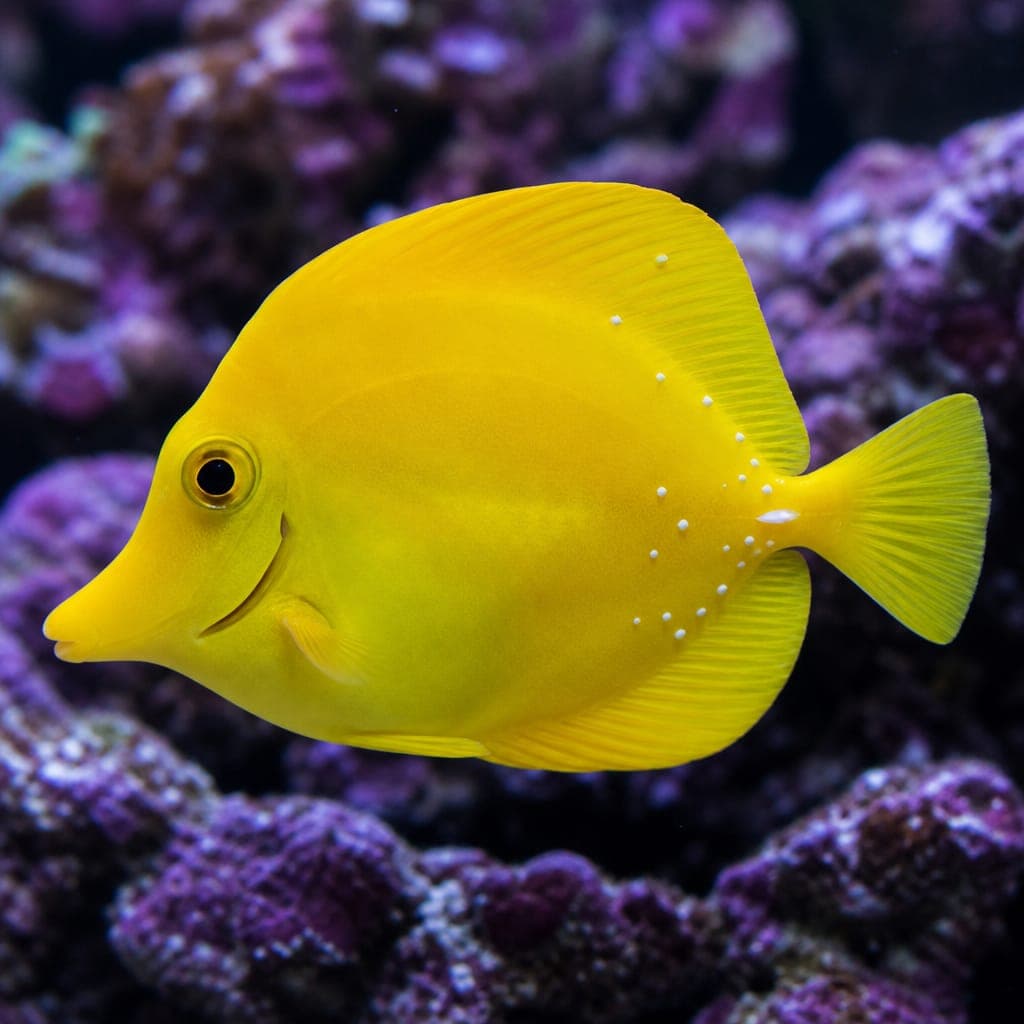
- Wrasses and Tangs
- All corals and most invertebrates
Avoid keeping them with very large, aggressive predators that might view the small Chromis as prey.
Breeding
Breeding Lined Chromis in captivity is possible but challenging. They are substrate spawners. The male will clear a small area on a rock or coral surface and perform a series of "dances" to attract a female. After spawning, the male takes over all parental duties, guarding the eggs until they hatch (usually within 2-4 days). Rearing the tiny, pelagic larvae requires specialized live foods like rotifers and a highly stable, pristine environment.
Common Health Issues
They have very few specific health issues but are sensitive to marine Ich and Marine Velvet if stressed during acclimation. Maintaining a consistent water quality and a stress-free, schooling environment is the best way to ensure the shimmering Lined Chromis remains a thriving and energetic part of your reef biotope.