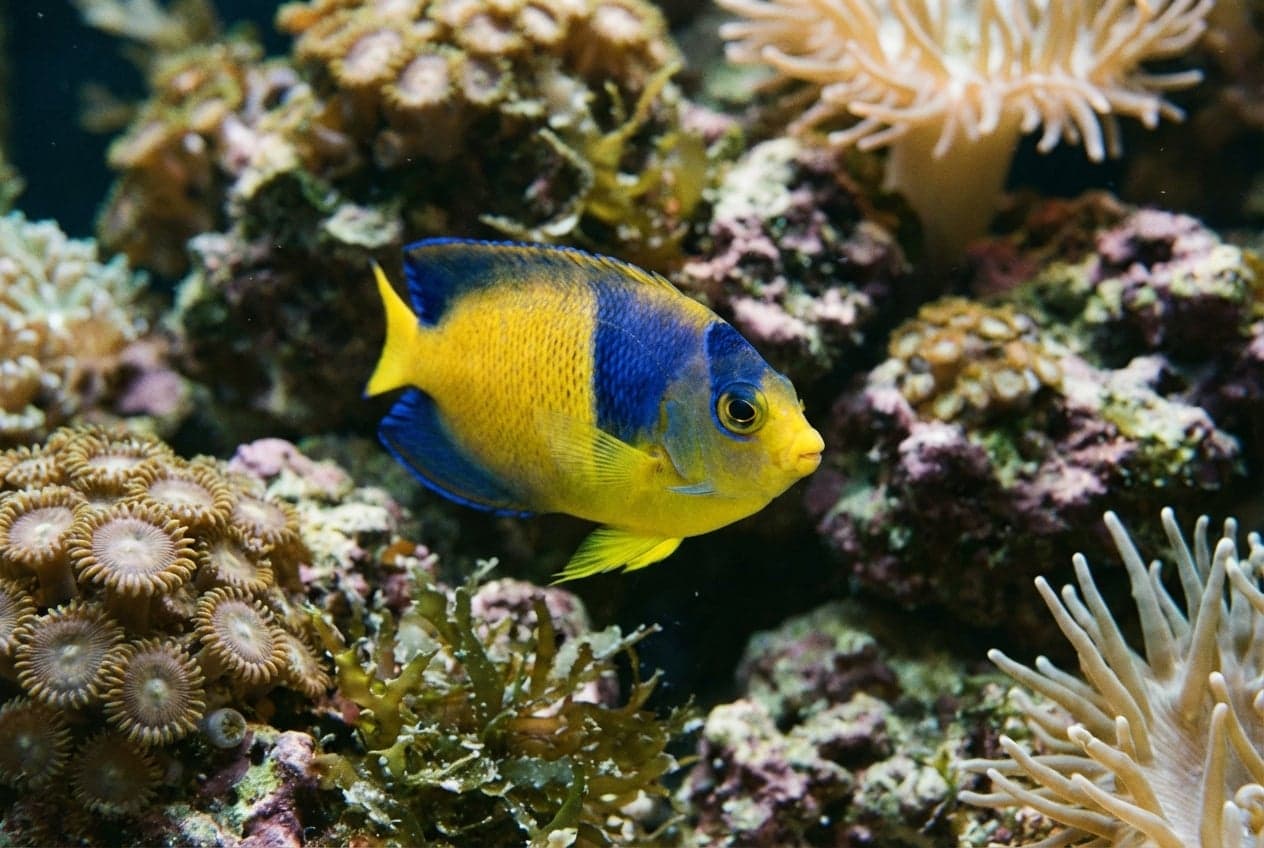
Majestic Angelfish
A 25cm angelfish that nips coral and needs 700L+. Stunning, moderately difficult, and not a reef-safe bet despite how often it is sold as one.
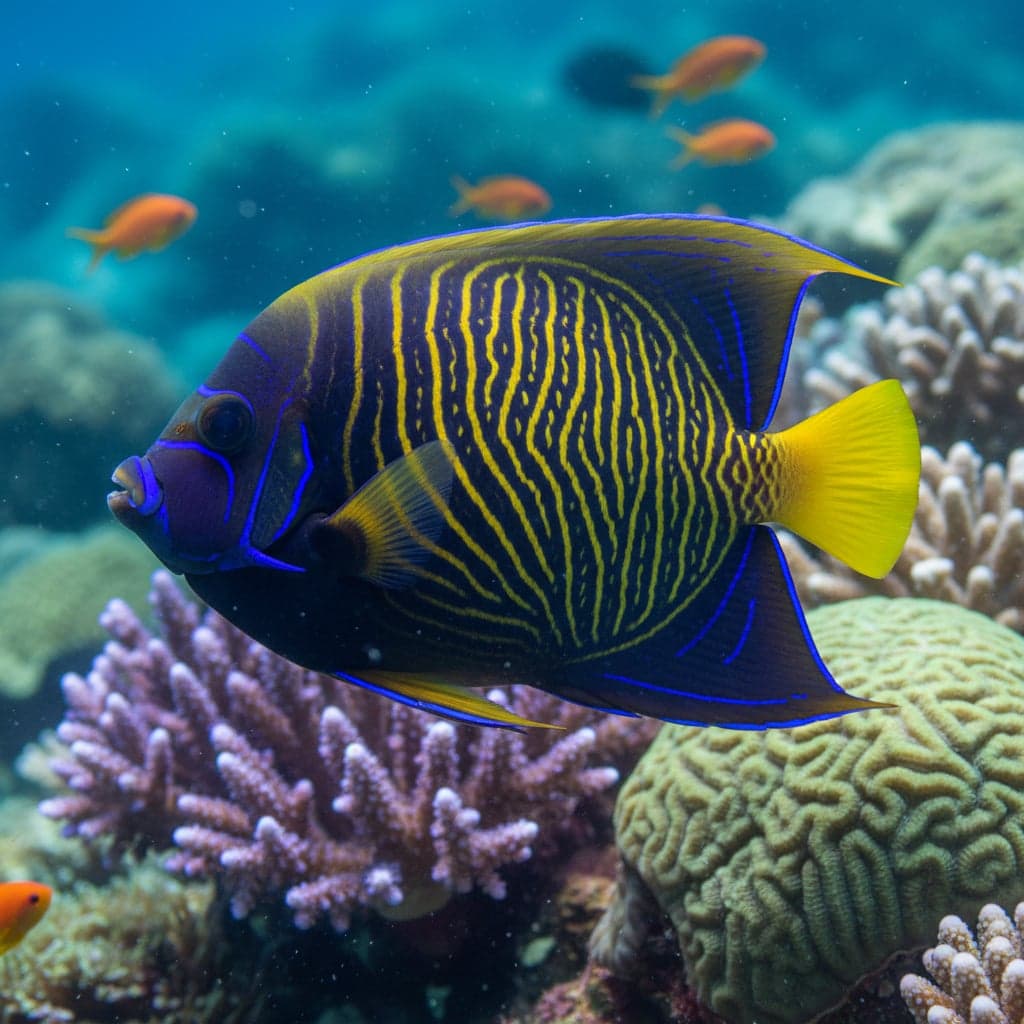
Majestic Angelfish
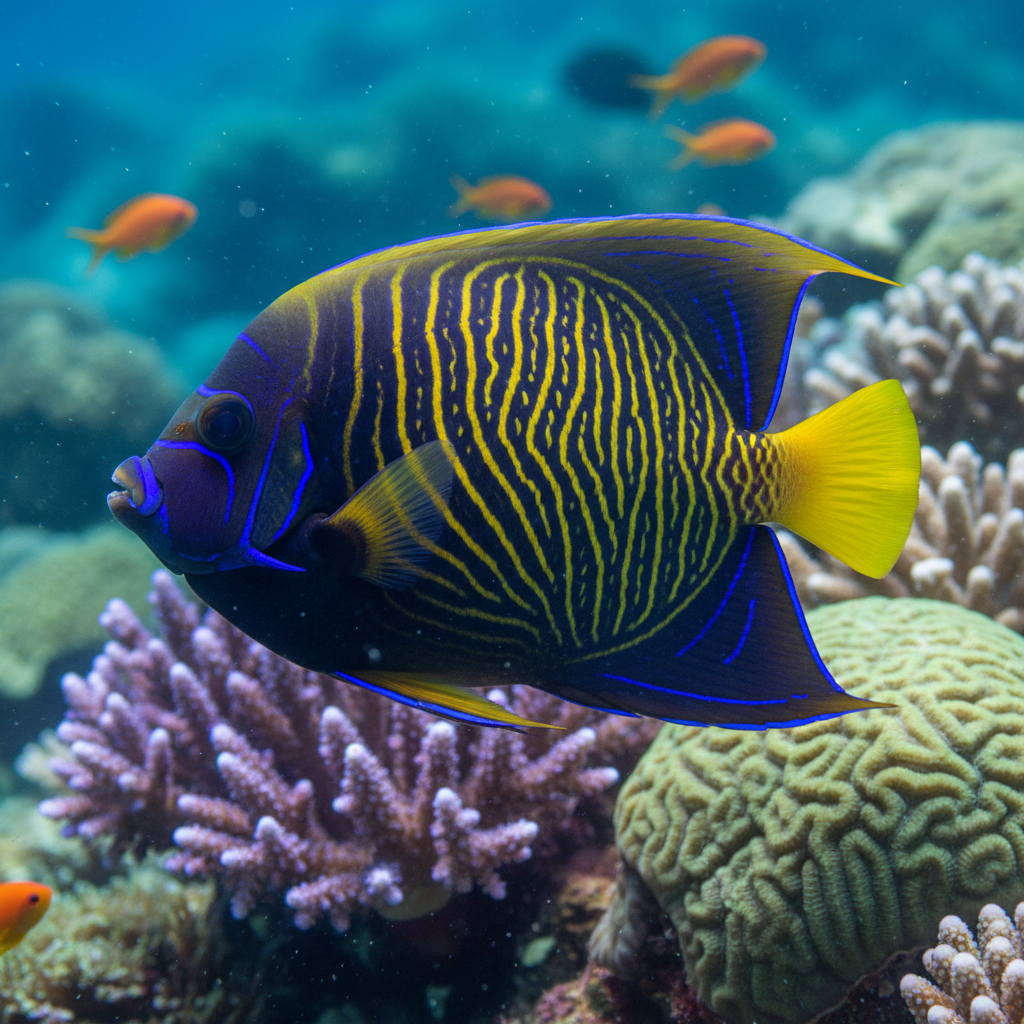
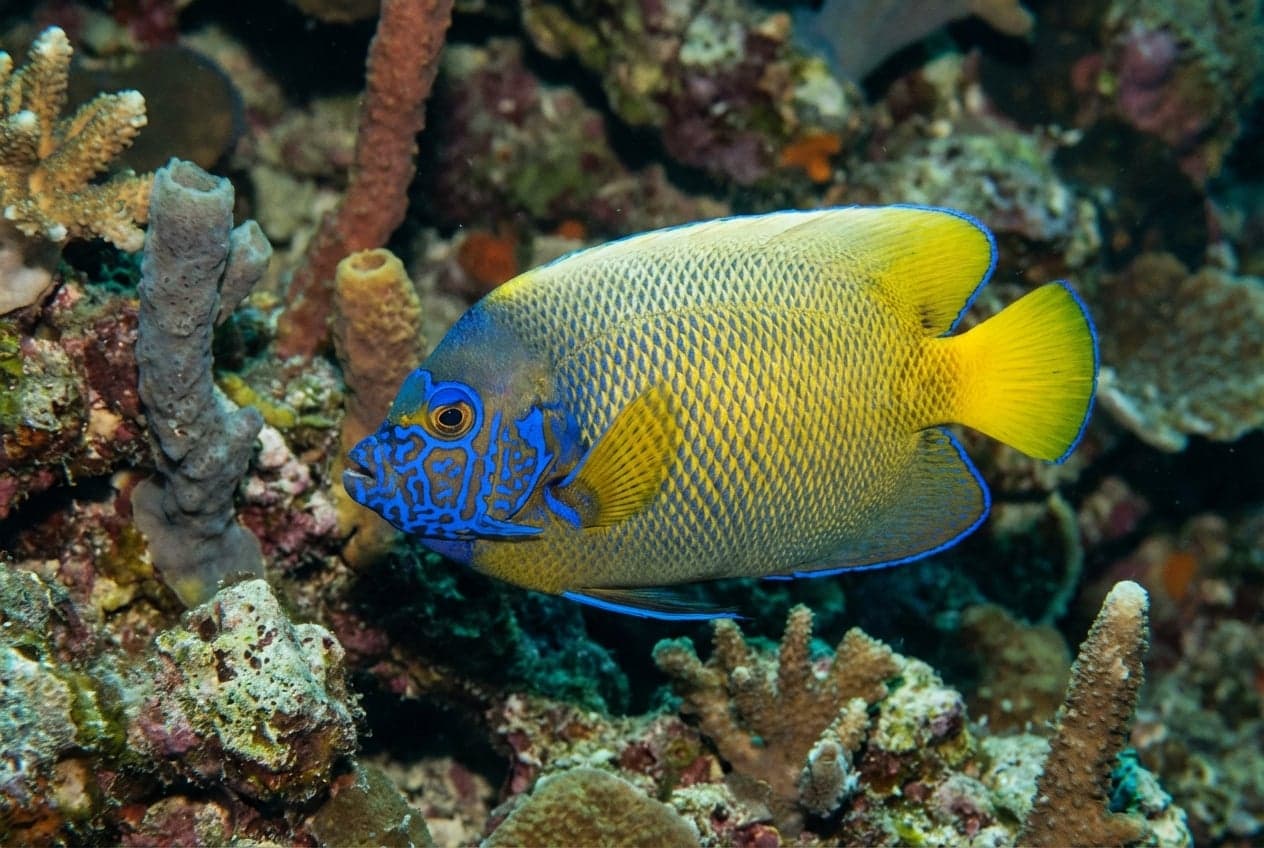
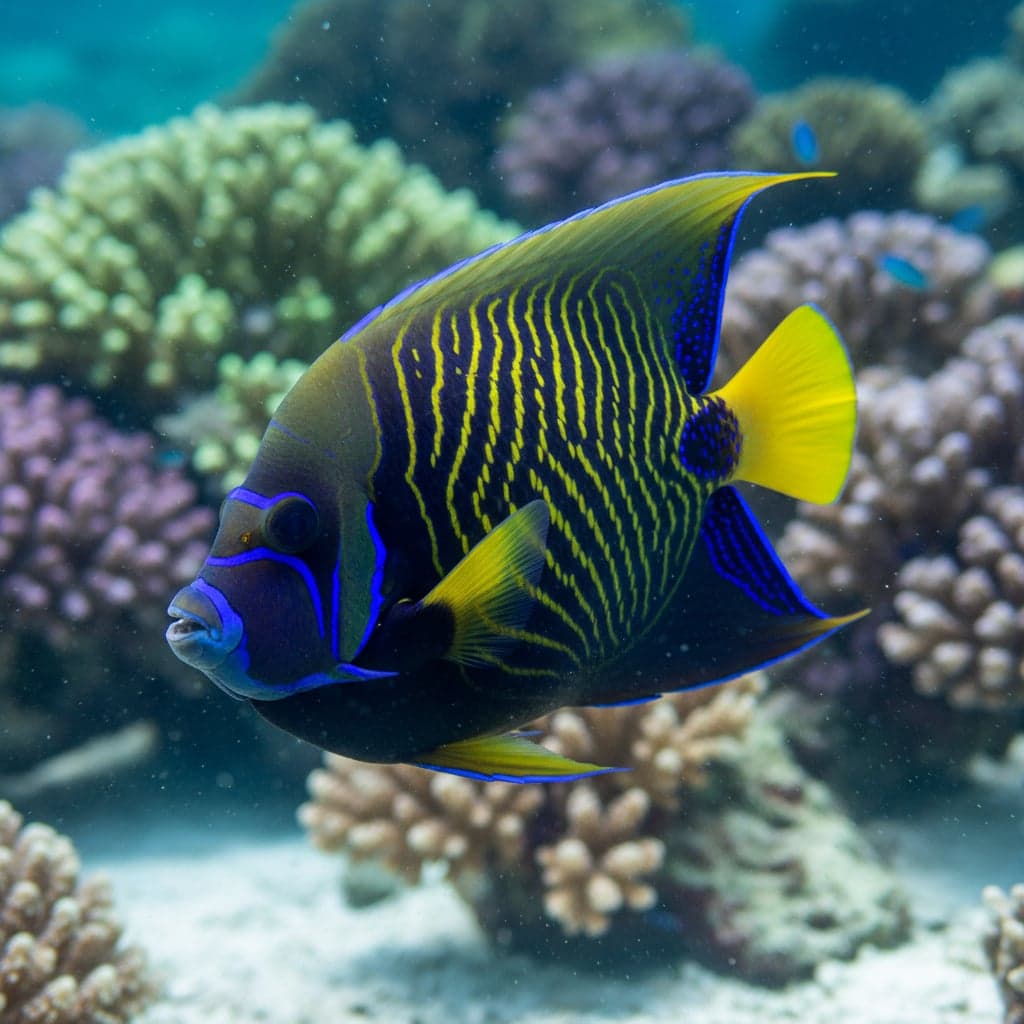
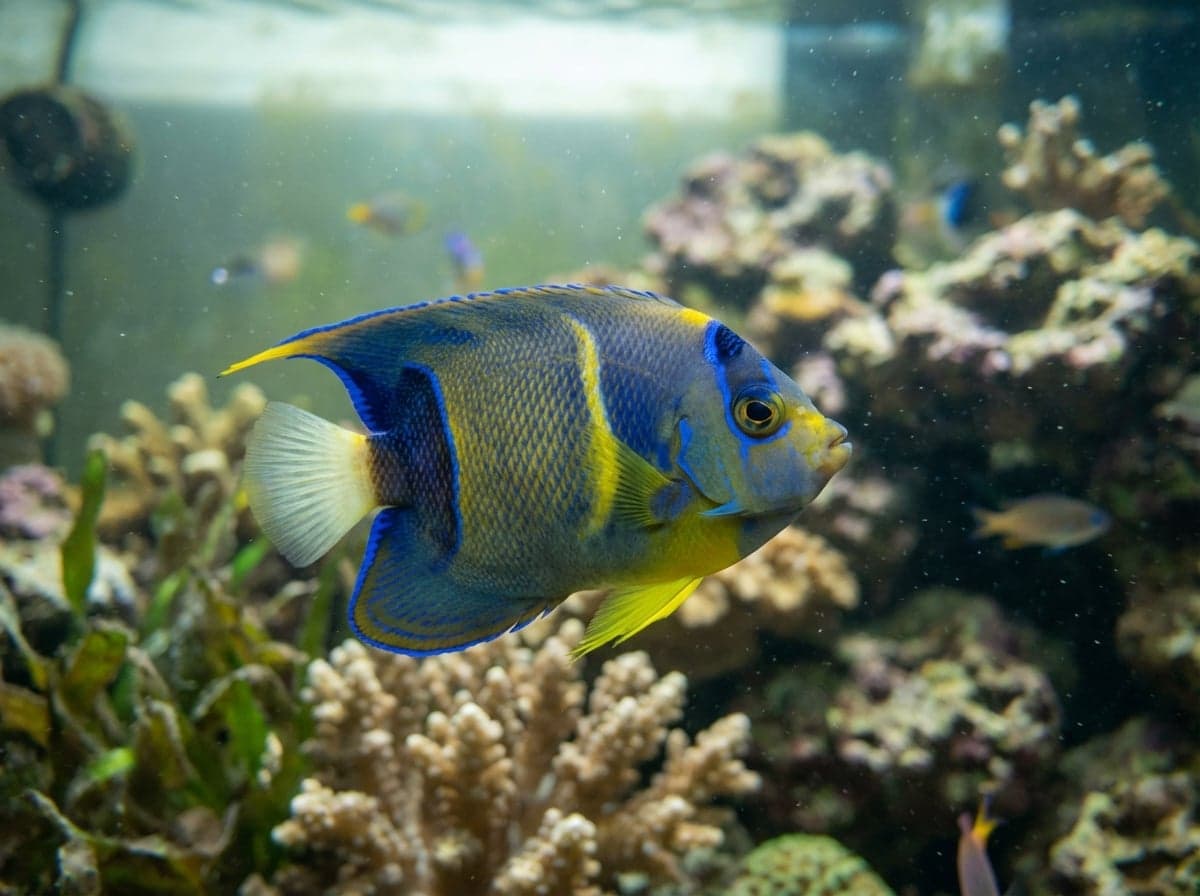
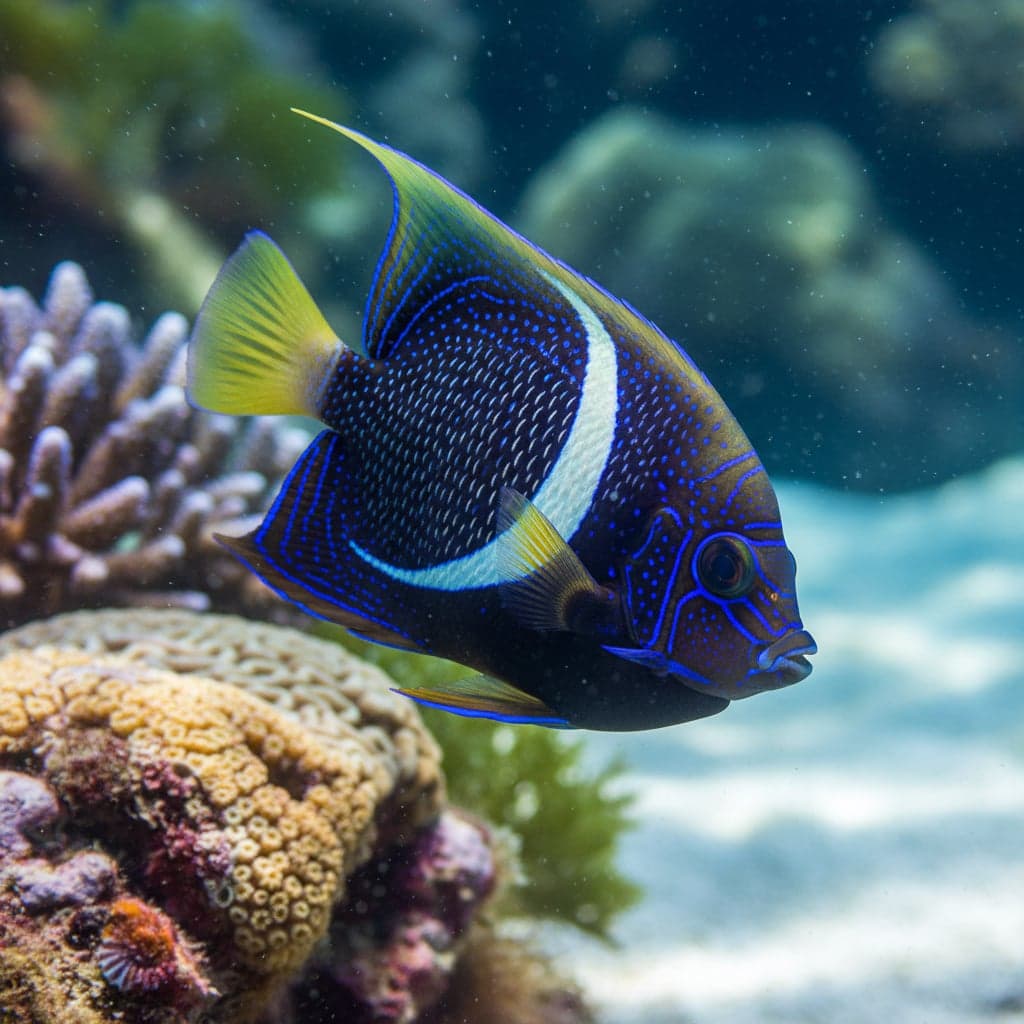
The Majestic Angelfish, known scientifically as Pomacanthus navarchus, is a striking marine species that captivates aquarists and fish enthusiasts alike. This fish exhibits a brilliant array of colors, featuring a radiant blue body adorned with yellow stripes and a bold, electric-blue face. Its unique shape, characterized by a streamlined body and pronounced dorsal fin, adds to its visual appeal, making it one of the most sought-after species for saltwater aquariums. In addition to its aesthetic value, the Majestic Angelfish plays a vital role in the coral reef ecosystem, where it helps maintain the health of coral populations by grazing on algae.
With a reputation for being both beautiful and relatively hardy, the Majestic Angelfish holds a significant place in the aquarium hobby. Its stunning appearance not only enhances the visual aspect of a marine tank but also serves as an engaging focal point that can captivate both seasoned aquarists and newcomers. As a marine fish, it thrives in larger setups, which affords enthusiasts the opportunity to create a complex ecosystem that mimics its natural habitat, leading to a fulfilling and educational experience in reef keeping.
Natural Habitat & Origin
The Majestic Angelfish is predominantly found in the warm, shallow waters of the Indo-Pacific region, particularly around coral reefs and rocky substrates. Its geographical range extends from the central Pacific Ocean through the Great Barrier Reef, and along the coasts of various island nations, including Tonga, Fiji, and Samoa. This fish is typically found in areas with lush coral formations, where it can seek shelter and food among the intricate structures of the reef.
Living in diverse water conditions, the Majestic Angelfish generally prefers clear, tropical waters with a depth of 30 to 90 feet. This species thrives in environments with stable temperatures and good water quality, typically exhibiting a preference for slightly alkaline conditions. The fish’s natural habitat consists of well-lit areas that allow for the growth of essential algae, providing both a food source and a refuge for juvenile fish.
Care Requirements
To successfully keep a Majestic Angelfish in captivity, specific care requirements must be met. An ideal tank size is at least 700 litres (185 gallons), giving ample space for swimming and for establishing territories, as these fish reach around 25cm (10 inches) in length. For optimal water conditions, maintain a temperature range of 75°F to 82°F, a pH of 8.1 to 8.4, and a water hardness level between 8 to 12 dGH.
As for the tank setup, utilize sandy or fine gravel substrates to mimic the fish's natural environment. A well-structured aquascape with plenty of live rock, as well as hiding spots made from coral or rock formations, will not only enhance the visual appeal but also provide the secure environment that Majestic Angelfish prefer. Lighting should be moderate to bright to support any live corals or algae, as this species benefits from the presence of such flora.
Diet & Feeding
The Majestic Angelfish is primarily an omnivore, with a diet consisting of algae, zooplankton, and small invertebrates in the wild. In an aquarium setting, it is essential to provide a varied diet that includes high-quality marine flakes, carefully formulated pellets, and occasional offerings of live or frozen foods such as mysis shrimp and brine shrimp. Supplementing with seaweed sheets or spirulina will provide the necessary nutrients and ensure optimal health.
Offering small amounts of food multiple times a day can help mimic natural foraging behaviors and improve digestion, which is essential for the well-being of the Majestic Angelfish. Avoid overfeeding, as excess food can lead to poor water quality and health issues.
Behavior & Temperament
Majestic Angelfish are known for their semi-aggressive yet highly territorial behavior, particularly as they mature. While they can coexist peacefully with other species in a well-managed environment, males may become aggressive during breeding or if they perceive threats to their territory. They exhibit a tendency to establish vertical territories within the tank, often occupying mid to upper levels, where they can comfortably swim and forage.
In terms of social behavior, Majestic Angelfish do not typically school, preferring to live in pairs or small groups when housed in larger aquariums. Care should be taken when introducing new tank mates, as their territorial disposition may lead to confrontations.
Tank Mates
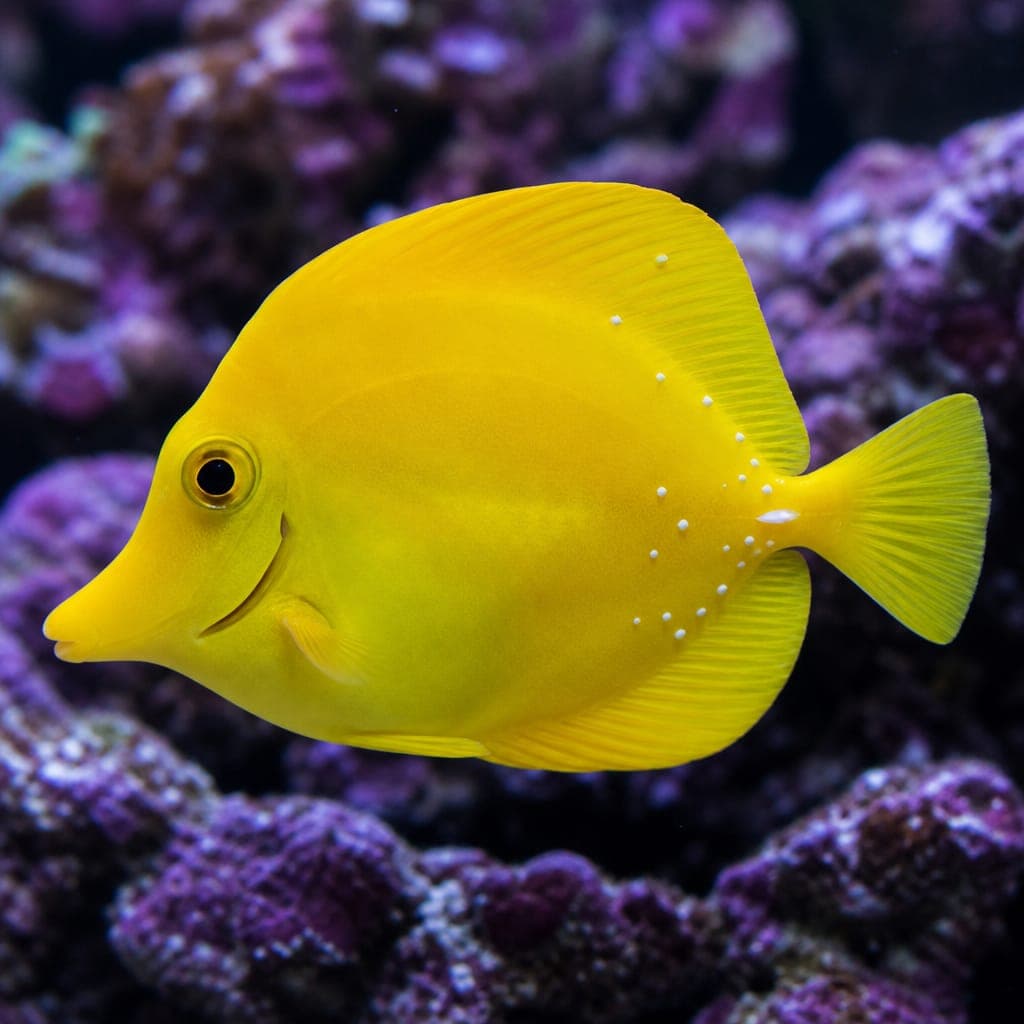
Keeping the Majestic Angelfish in a community tank requires thoughtful selection of compatible species. Ideal tank mates include other semi-aggressive fish such as larger wrasses, tangs, and certain species of butterflyfish. However, avoid keeping it with smaller, passive species or those known for fin-nipping, as the Majestic Angelfish may exhibit aggression towards them.
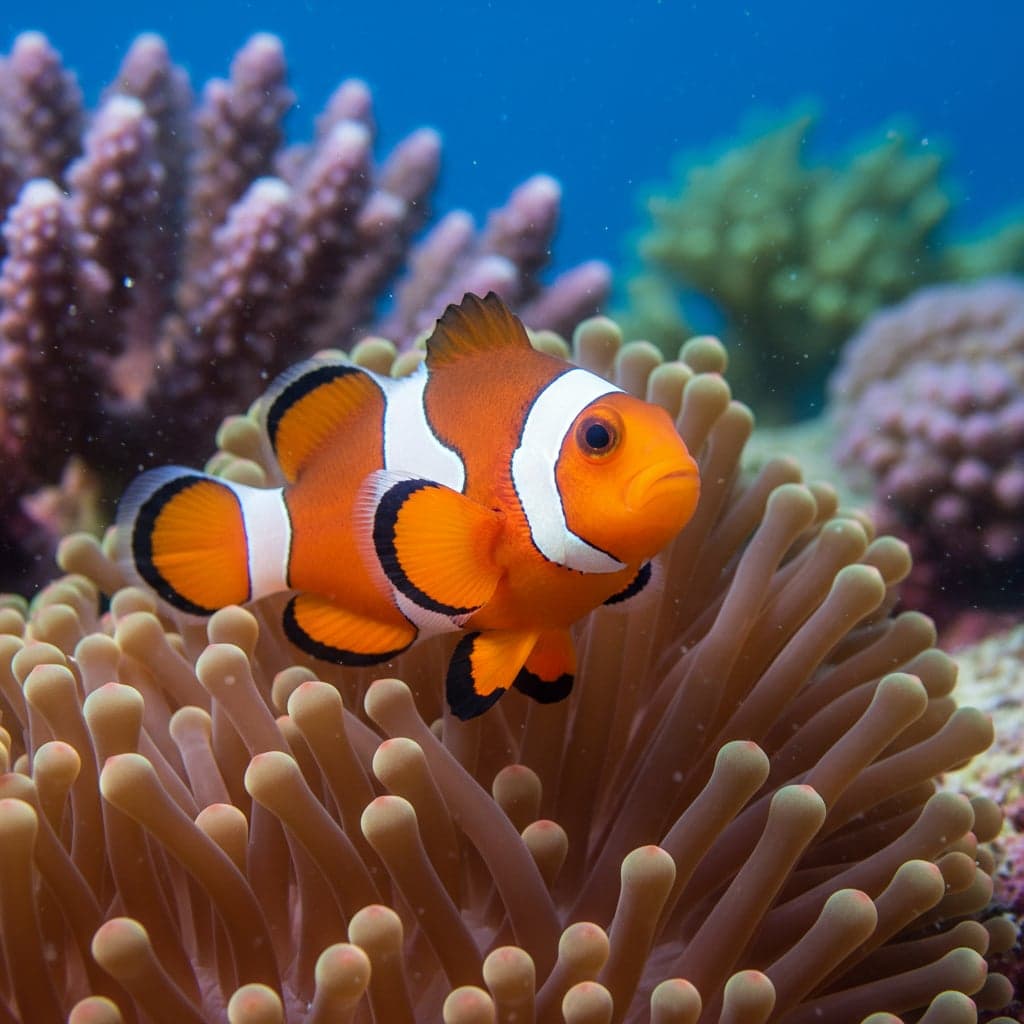
Some species to avoid in a tank with a Majestic Angelfish include clownfish, smaller gobies, and other angelfishes, particularly those of the same genus or those displaying similar coloration, which may result in territorial disputes. It is recommended to introduce any new fish to the tank gradually to minimize stress and aggression.
Breeding
Breeding Majestic Angelfish in captivity poses challenges but can be successful under the right conditions. They are known to spawn in pairs, typically during the onset of the lunar cycle. For successful breeding, it’s crucial to provide a spacious and well-maintained aquarium, as well as stable water conditions mimicking their natural habitat. Typically, they prefer to spawn on a flat surface, such as a rock or a piece of coral.
Creating a breeding environment with appropriately sized hiding spots and ensuring a nutritious diet will encourage breeding behavior. Once eggs are laid, they will be guarded by the male until they hatch, necessitating careful monitoring and separate housing for the fry due to their susceptibility to predation.
Common Health Issues
Majestic Angelfish are susceptible to various marine diseases and health issues, with common concerns including marine ich, fin rot, and bacterial infections. Preventative measures include maintaining high water quality through regular testing and changes, as well as ensuring that any new tank mates are properly quarantined before introduction.
Signs of stress or illness in the Majestic Angelfish can include unusual swimming patterns, loss of appetite, and visible signs on their fins or body. Prompt treatment with appropriate medications, along with supportive care, is essential in managing health complications effectively. Regular monitoring of water parameters will also help mitigate any potential health issues.