Mandarin
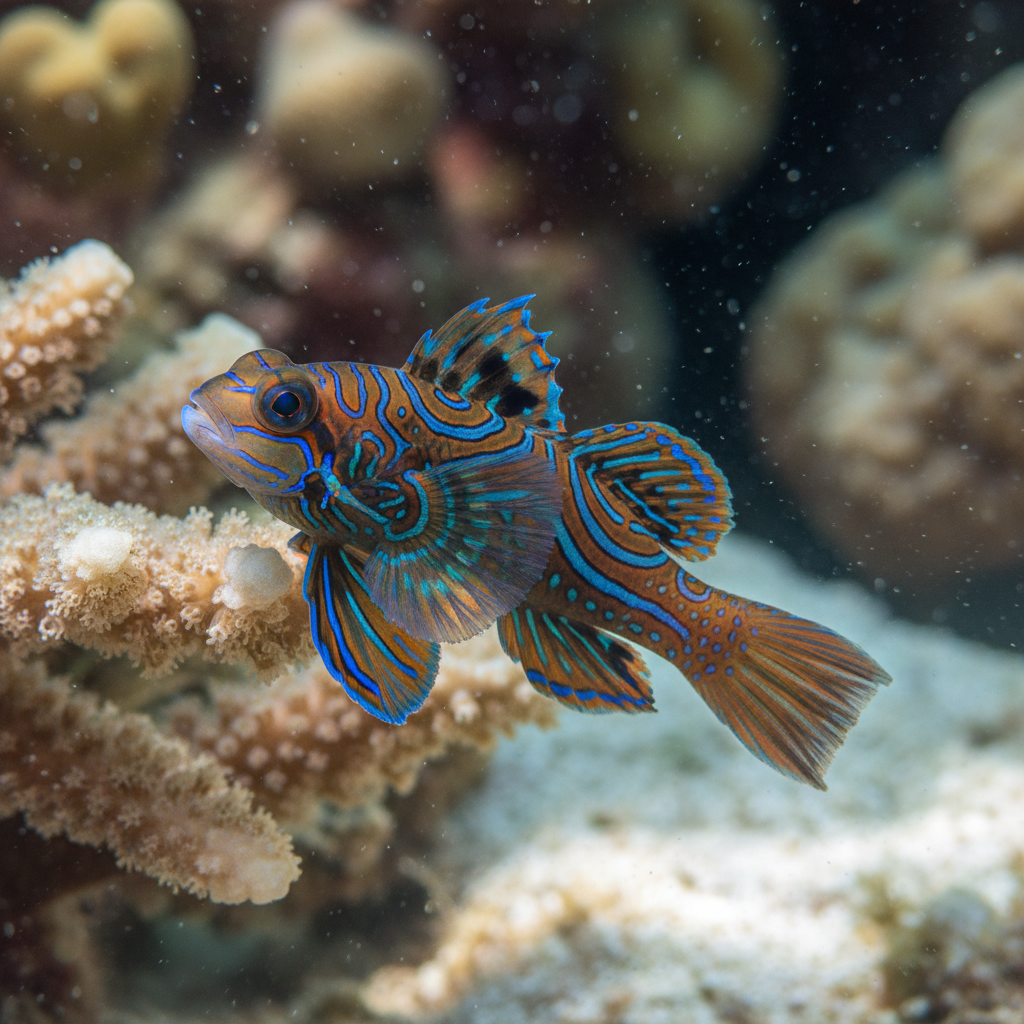
A 7cm dragonet that eats live copepods almost exclusively. It needs a mature refugium-fed reef, not a new tank — most sold starve.
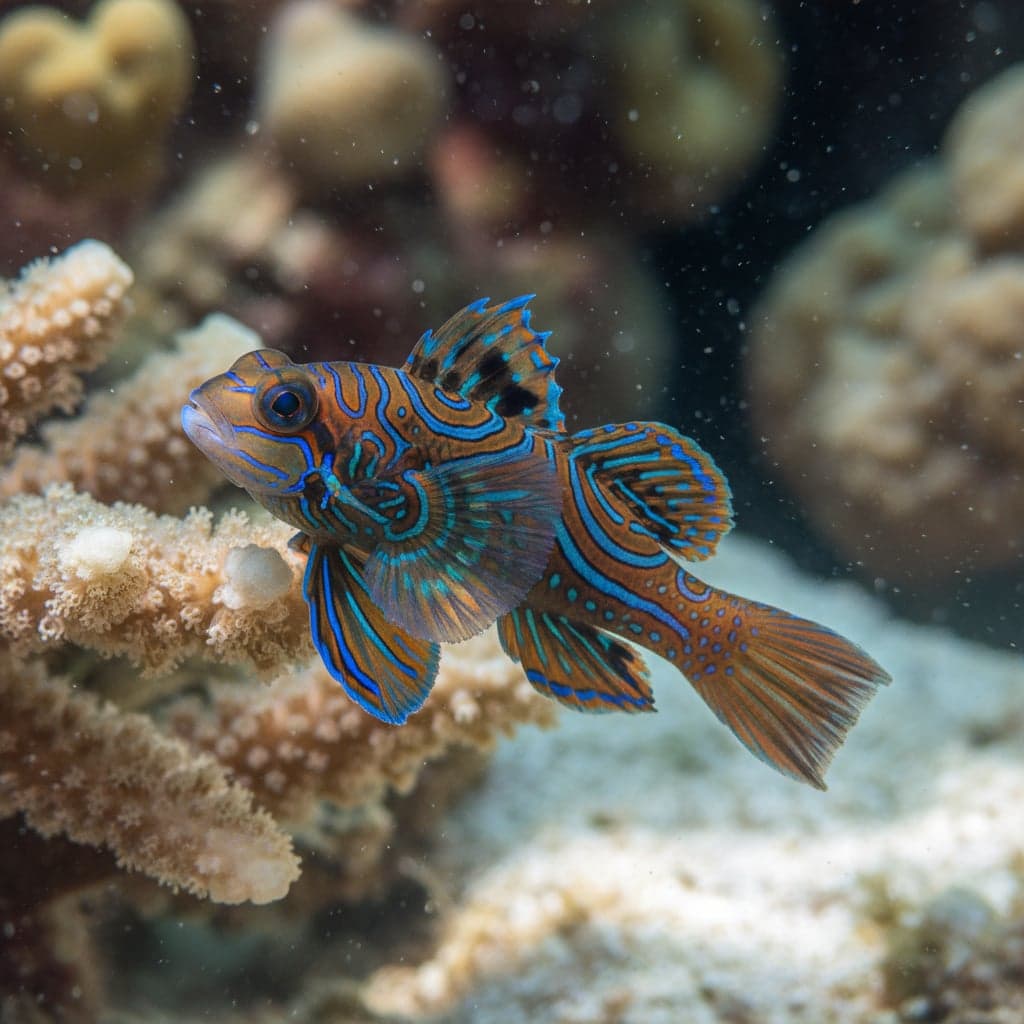
Mandarin
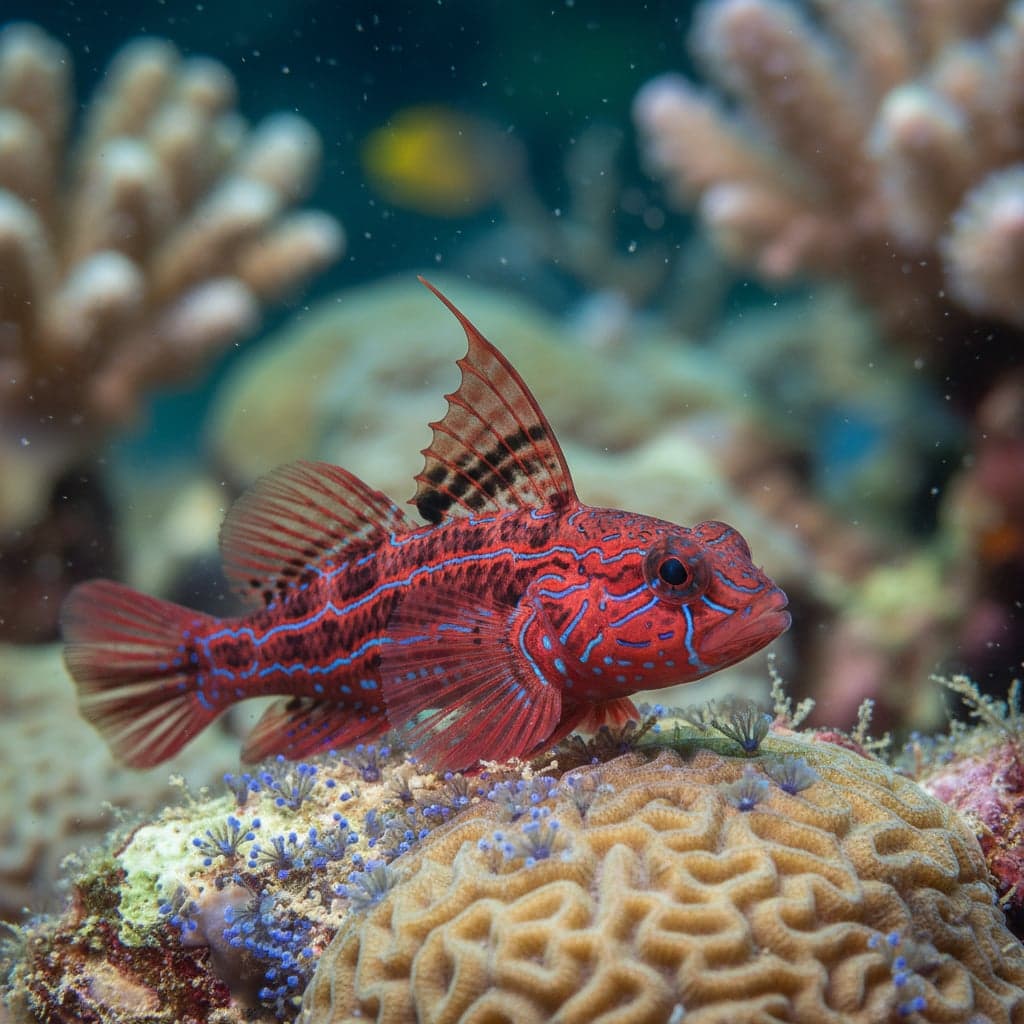
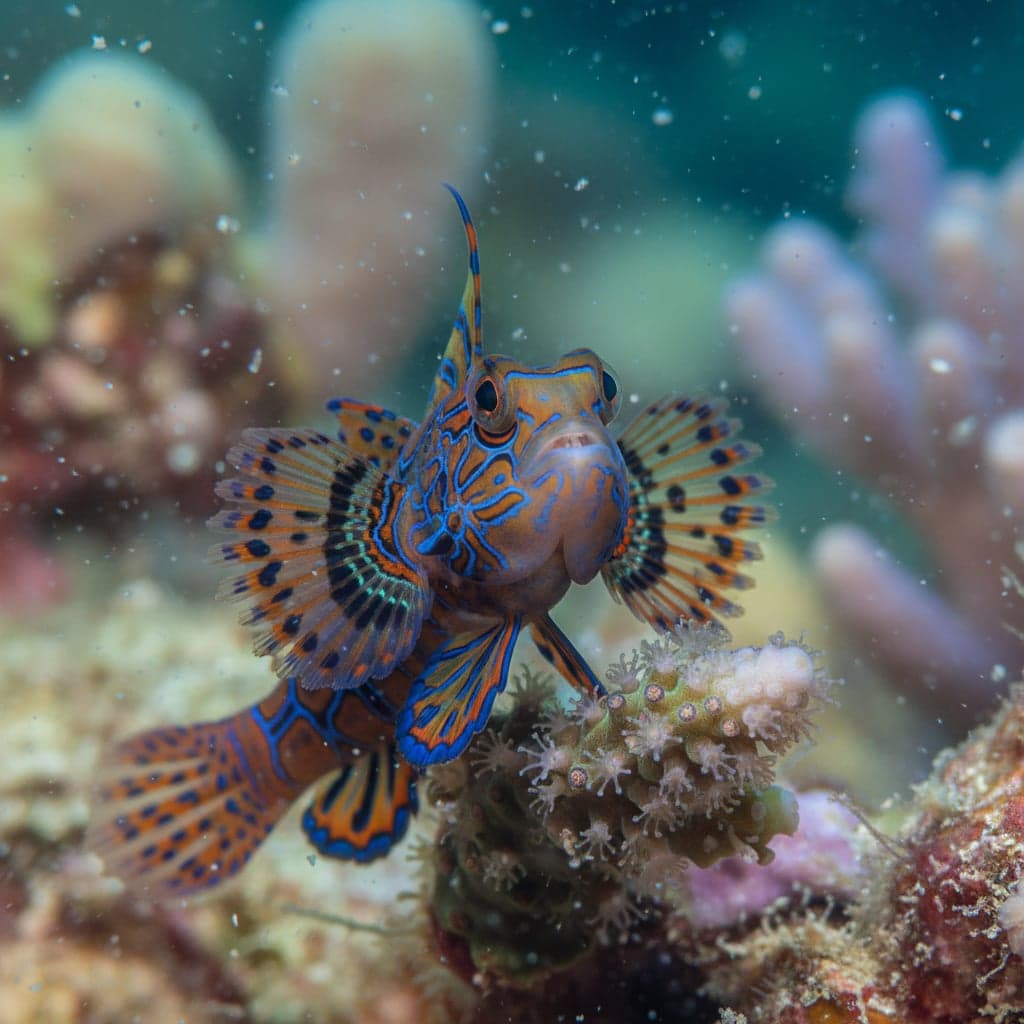
The Mandarin fish, also known as the Mandarin dragonet (Synchiropus splendidus), is a visually striking and popular choice among marine aquarists. This small fish is celebrated for its vibrant colors, featuring hues of bright orange, blue, and green patterns that create an eye-catching spectacle in the aquarium. The Mandarin's unique appearance, coupled with its serene swimming style, makes it a favorite for many enthusiasts seeking to create a visually stunning marine environment. Although its beauty is a primary allure, the Mandarin's fascinating behavior and ecological significance further enhance its appeal within the aquarium hobby.
In natural habitats, the Mandarin fish plays a crucial role in the ecosystem by controlling the population of small invertebrates, particularly copepods and amphipods, which are essential for its diet. Its adaptability to different environments, predominantly shallow coral reefs and lagoons, has made it an integral part of the marine community. For hobbyists, keeping a Mandarin is often seen as a pinnacle of aquascaping and marine fishkeeping due to the delicate balance of presenting a captivating display while also meeting the unique care requirements this fish demands.
Natural Habitat & Origin
The Mandarin fish is indigenous to the warm tropical waters of the Western Pacific, specifically found in regions such as the Red Sea, the Great Barrier Reef, and the islands of the Philippines and Indonesia. These fish inhabit shallow coastal waters and lagoons, often associated with coral reefs and rocky substrates where they can find ample hiding spots among the crevices. The Mandarin thrives in clear, warm waters typically ranging from 22°C to 28°C (72°F to 82°F) and prefers environments rich in invertebrate populations that contribute to its diet.
In terms of water quality, the Mandarin prefers stable salinity levels of approximately 1.020 to 1.025, with minimal fluctuations. The habitats feature a mix of sandy substrates and coral, providing a diverse ecosystem where this fish can forage and establish territory. Understanding the natural habitat of the Mandarin is pivotal for aquarists aiming to recreate a suitable environment that mirrors its native conditions.
Care Requirements
To maintain the health and longevity of a Mandarin fish, specific water parameters must be upheld. Ideal tank conditions include a pH level of 8.1 to 8.4, a temperature range of 24°C to 27°C (75°F to 81°F), and moderate water hardness between 8 to 12 dGH. Due to their sensitive nature, regular monitoring of water quality through tests for ammonia, nitrite, and nitrate is essential to prevent stress and illness.
In terms of tank setup, a minimum tank size of 120 litres (30 gallons) is recommended: this 7cm Synchiropus is small, but a mature copepod-fed reef is the real constraint, not raw volume alone. A sandy substrate is preferable as it allows the Mandarin to search for food naturally. The use of live rock, structures, and dense vegetation not only mimics their natural habitat but also provides a sense of security. Moderate lighting can be implemented, as it promotes the growth of beneficial algae while not overwhelming the timid nature of the Mandarin fish.
Diet & Feeding
The Mandarin fish is primarily a carnivorous species, subsisting mostly on small invertebrates in the wild. In captivity, they require a diet rich in live or frozen foods such as copepods, brine shrimp, and high-quality frozen or freeze-dried foods to ensure optimal health. While some hobbyists attempt to train their Mandarins to eat prepared foods like pellets or flakes, this may not always succeed, so a diet that mimics their natural feeding habits is ideal.
For best results, it is recommended to provide a varied diet consisting of both live foods to stimulate hunting instincts and high-quality frozen alternatives. Regular feeding several times a day in small amounts can help maintain the health of this fish, as it has a slow metabolism and cannot tolerate fasting for extended periods.
Behavior & Temperament
Mandarin fish exhibit relatively peaceful behavior, making them suitable for community aquariums. They are not known to be aggressive, although males can show territoriality towards one another. Adult Mandarins are typically solitary, preferring to establish their own space rather than form schools, though sometimes pairs can be observed in the wild during breeding periods.
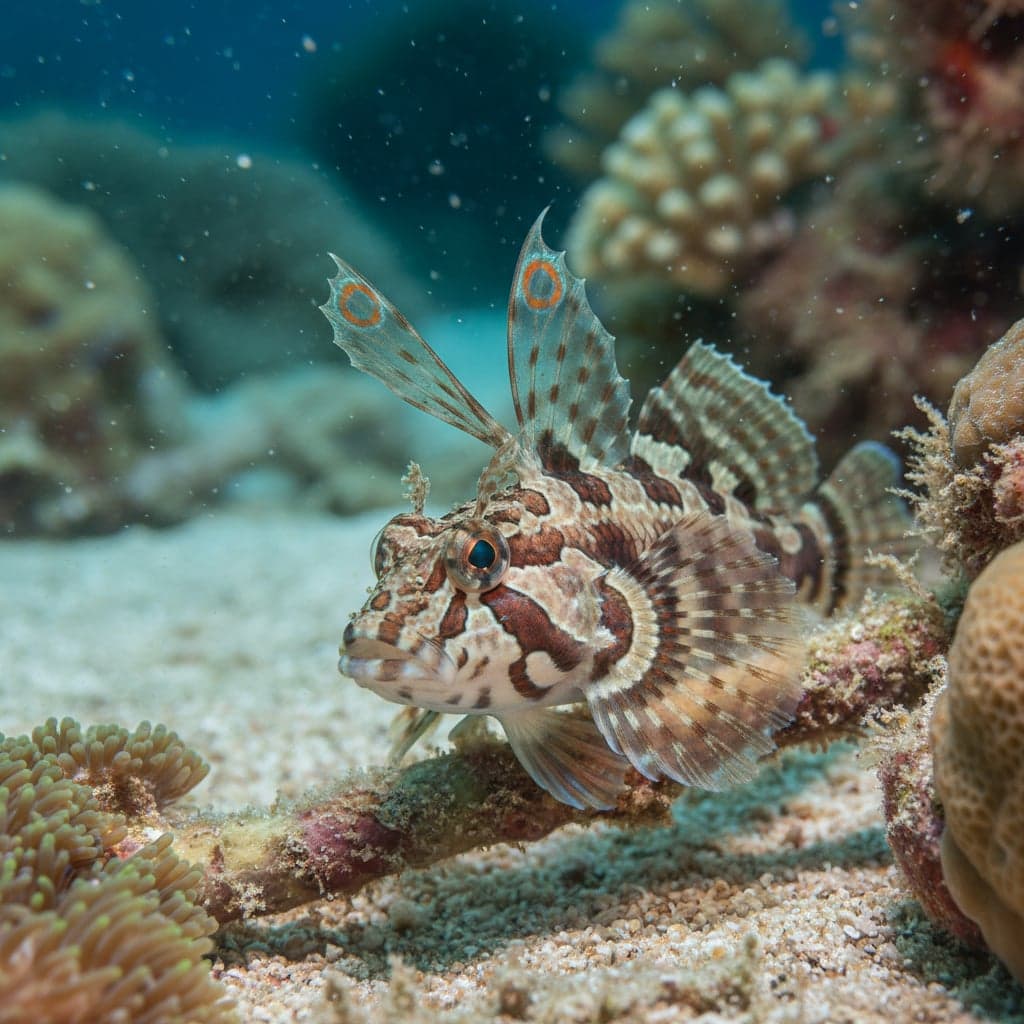
In the aquarium, the Mandarin occupies the bottom and mid-level regions, often darting in and out of rocks and vegetation. Their inquisitive nature leads them to explore their surroundings, relying on cover for safety. As such, ensuring a well-structured environment is vital in keeping this beautiful species healthy and stress-free.
Tank Mates
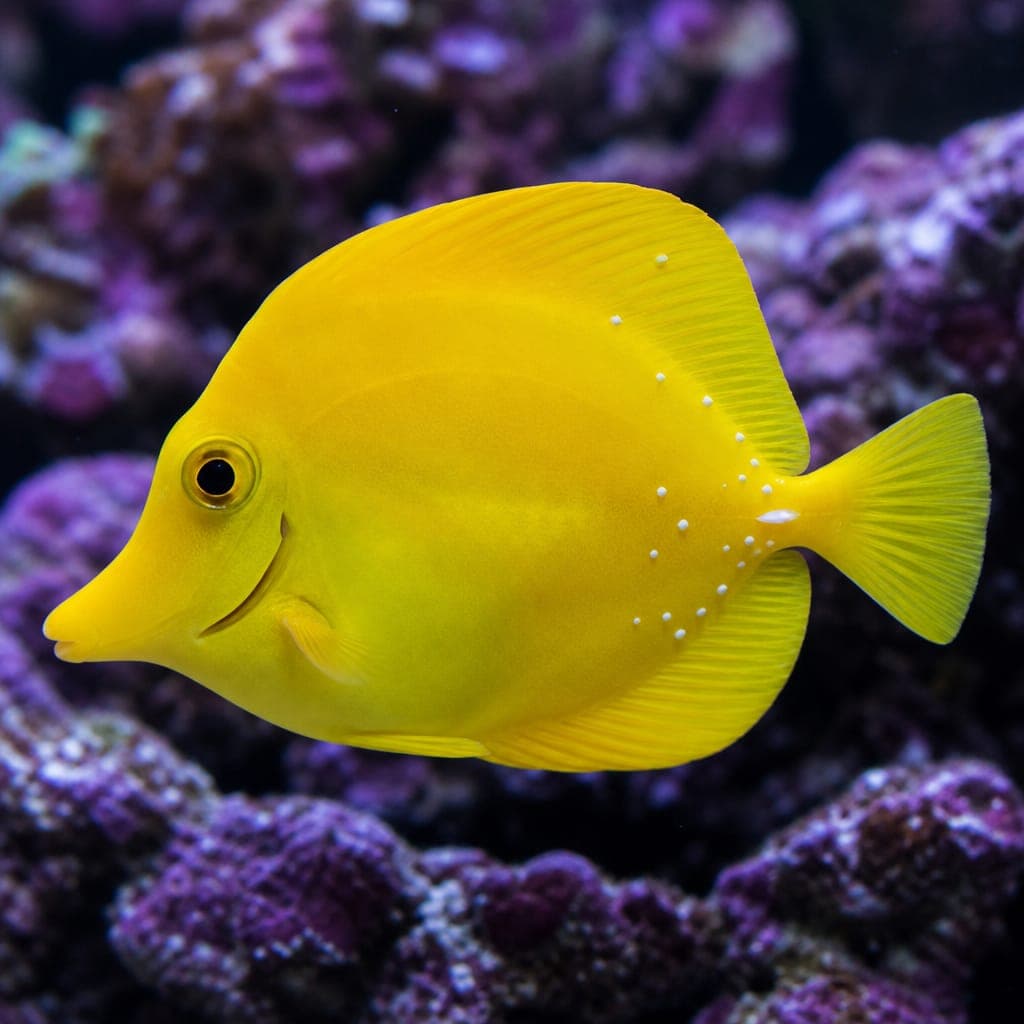
When selecting tank mates for the Mandarin fish, it is essential to choose species with similar temperaments and environmental needs. Some compatible species include peaceful community fish like clownfish, gobies, small wrasses, and docile blennies. It's better to avoid aggressive or larger species, such as damselfish or larger tangs, that may intimidate or outcompete the Mandarin for food or territory.
Additionally, invertebrates like shrimp and certain types of snails can coexist with the Mandarin as long as they do not eat the fish or compete for the same food source. Careful consideration of the tank's social structure and avoiding overly boisterous tank mates will contribute significantly to the well-being of the Mandarin fish.
Breeding
Breeding Mandarin fish in captivity can be a challenging endeavor due to their specific reproductive behaviors and needs. They are known to exhibit a type of reproduction called pelagic spawning, where a female releases eggs into the water column to be fertilized by the male. Creating ideal conditions for breeding requires providing a stable environment with rich microorganisms to support feeding after spawning.
To promote breeding, aquarists can create separate breeding tanks with appropriate filtration, ample space, and a density of live food. The introduction of a pair of healthy Mandarin fish is often necessary, and conditions should be monitored closely for signs of spawning. While successful breeding can occur sporadically in captivity, it requires careful observation and a commitment to maintaining optimal conditions.
Common Health Issues
Mandarins are more susceptible to certain health issues primarily linked to stress, poor water quality, and nutrition. Common problems include ich (Cryptocaryon irritans), flukes, and other parasitic infections. Proper acclimatization and monitoring can help prevent these diseases.
To prevent health issues, it is essential to maintain exemplary water quality and ensure that the Mandarin receives a varied and nutritious diet. Regular observation of behavior and eating habits can also provide early warning signs of stress or illness. Additionally, maintaining stable tank conditions will contribute substantially to the overall health and longevity of Mandarin fish in captivity.