Marine Betta
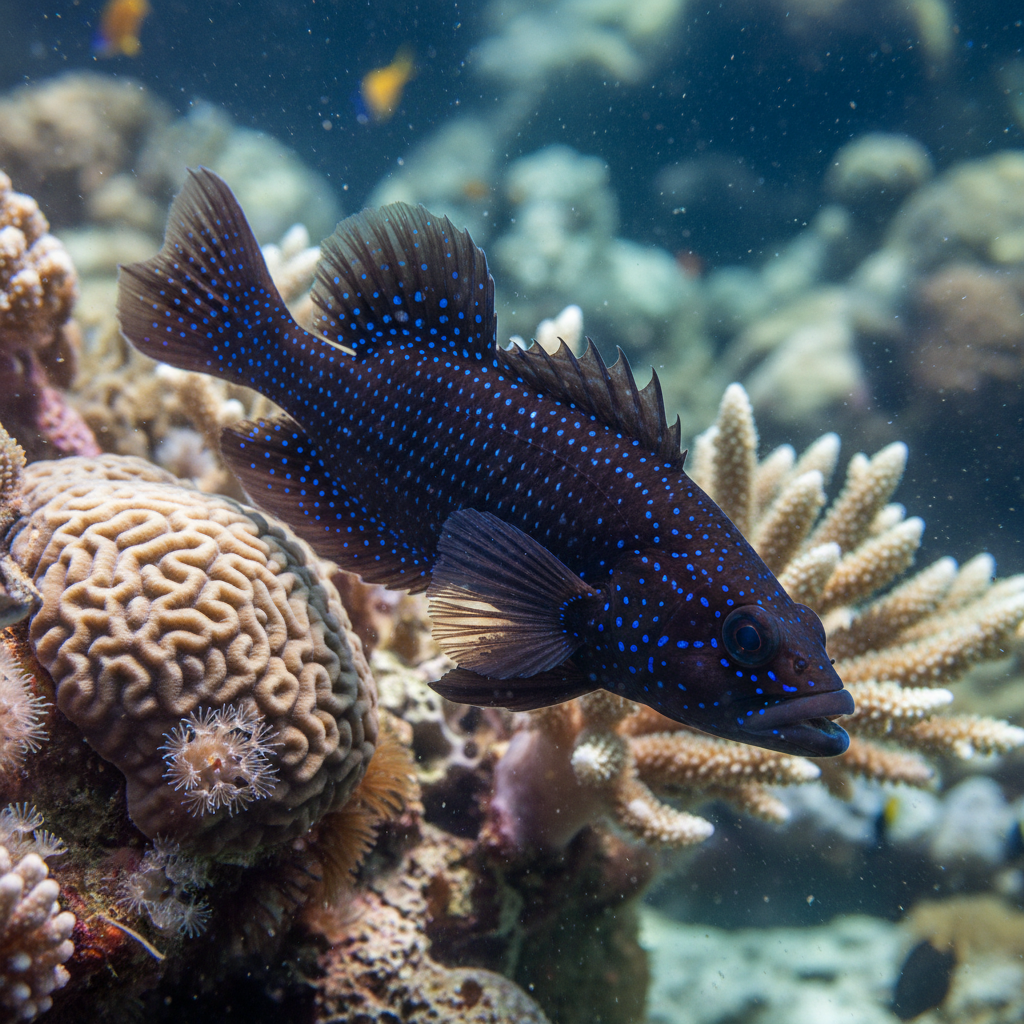
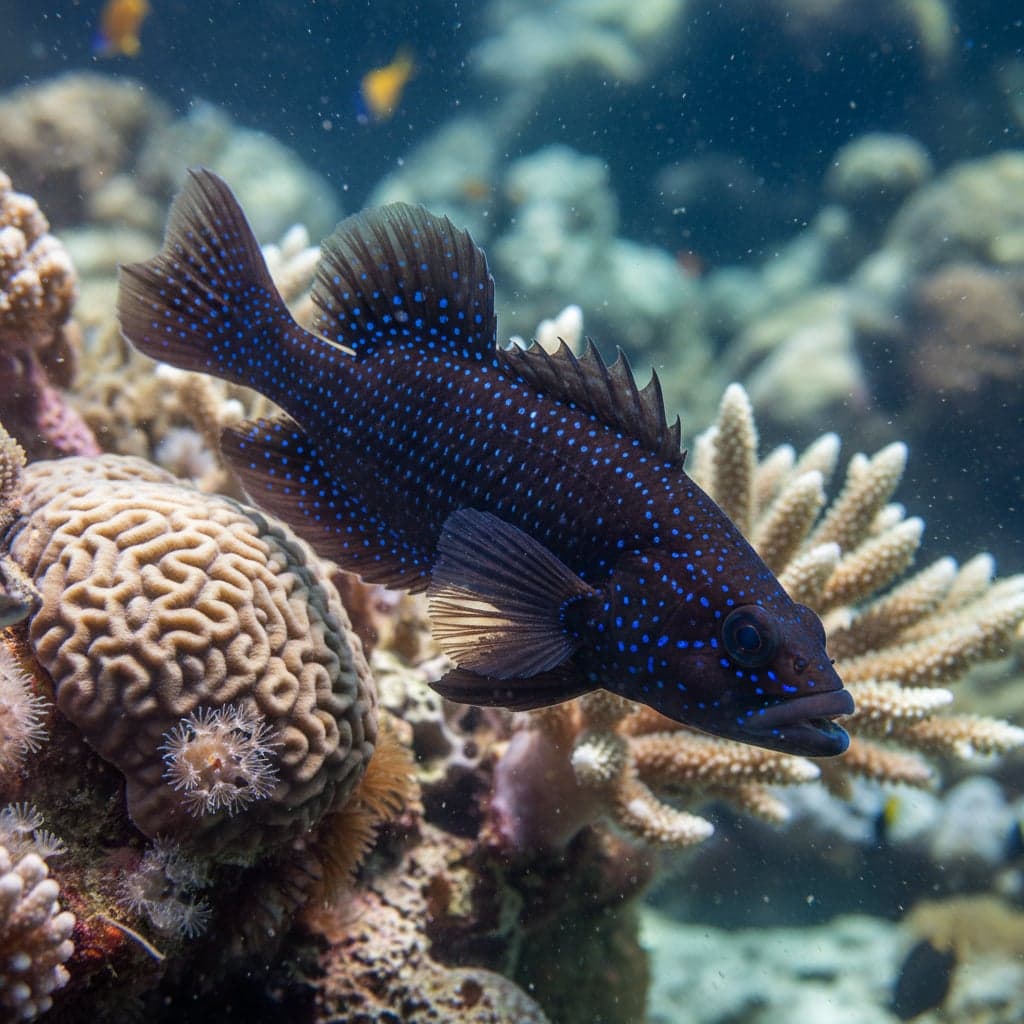
A 20cm comet that hides by day and mimics a moray with its false eyespot. Peaceful but predatory, and it will eat small fish and shrimp.
Marine Betta
The Marine Betta, also known scientifically as Calloplesiops altivelis, is a captivating marine fish renowned for its striking appearance and unique behavior. This species showcases a stunning combination of deep blue and black hues adorned with iridescent spots, creating a mesmerizing visual display that enthralls both aquarists and casual observers alike. With a shape reminiscent of a small angelfish, the Marine Betta exudes elegance, sporting long, flowing fins that add to its charm. Its distinct physical characteristics and peaceful demeanor make it a highly sought-after addition to reef tanks and marine aquariums, contributing significantly to the hobby due to its aesthetic appeal and manageable care requirements.
Ecologically, Marine Bettas hold a special place in the marine ecosystem, typically inhabiting coral reefs and rocky areas where they contribute to the balance of aquatic life. Their value extends beyond mere popularity; they serve as indicators of healthy reef environments. Given the increasing challenges faced by marine ecosystems, understanding and preserving the Marine Betta can help maintain biodiversity within these fragile habitats, making their role vital in conservation efforts. For aquarists, owning a Marine Betta is not just a passion but also a responsibility towards the sustainability of marine life.
Natural Habitat & Origin
Marine Bettas are native to the vibrant coral reefs of the Indo-Pacific region, specifically found in areas like the Great Barrier Reef and the waters surrounding islands such as Fiji and the Philippines. These fish thrive in clear, saltwater environments where sunlight penetrates to support the growth of algae and coral. They are typically located in shallow waters, often at depths of up to 50 meters, where they can find ample hiding spots among the coral structures. The marine betta often favors areas with abundant nooks and crannies, which offer both shelter and feeding opportunities from the microfauna living in these habitats.
The environmental context of their habitat is crucial for the Marine Betta's overall health and well-being. They tend to inhabit areas with moderate water movement and plenty of natural light, which supports their feeding habits on small crustaceans and zooplankton. The warm waters averaging between 24-30°C (75-86°F) provide an ideal environment for their growth and reproduction, while the composition of these reefs helps maintain the delicate balance of biodiversity in the oceans.
Care Requirements
To successfully keep Marine Bettas in an aquarium, it’s essential to replicate their natural habitat as closely as possible. The recommended tank size is a minimum of 200 litres (55 gallons) with caves and overhangs: this shy 20cm cave-dweller hides by day and needs rockwork volume, not just open water. A sandy substrate mimicking natural environments, combined with live rock, creates ample hiding spots and encourages natural behavior. Standard water parameters should be maintained at a pH level of 8.1 to 8.4, a temperature range between 24-28°C (75-82°F), and specific gravity around 1.020 to 1.025. Water quality should be regularly monitored to prevent fluctuations that could stress the Marine Betta.
Lighting plays a vital role in the tank setup, with moderate lighting levels preferred to encourage the growth of beneficial algae while avoiding excess brightness that can stress these fish. Additionally, incorporating live plants and corals not only beautifies the aquarium but also enhances the habitat for the Marine Betta, providing essential cover and enriching the tank environment. The addition of powerheads can help circulate water efficiently, promoting oxygenation and simulating their natural currents.
Diet & Feeding
As opportunistic feeders, Marine Bettas are primarily carnivorous, thriving on a diverse diet that includes small crustaceans and zooplankton in their natural environment. To ensure optimal health in the aquarium, offering a varied diet is crucial. They can be fed high-quality marine pellets and flakes designed for carnivorous fish, along with frozen or live foods such as brine shrimp, mysis shrimp, and chopped seafood. A mix of these food types not only ensures a balanced nutrient intake but also encourages a healthy feeding response.
Feeding should be performed several times a day in small portions, as this mimics their natural feeding habits and prevents overfeeding and subsequent water quality deterioration. It's important to remove any uneaten food promptly to maintain tank cleanliness and prevent health issues. Additionally, incorporating a variety of food forms helps stimulate the Marine Betta's natural hunting instincts and keeps them engaged in their environment.
Behavior & Temperament
Marine Bettas are known for their peaceful temperaments, making them suitable candidates for community tanks; however, they can exhibit territorial behavior, especially during breeding season or when kept in smaller spaces. These fish are typically solitary and prefer to stake out an area in the tank rather than forming schools, which is a key aspect to consider in tank design. They often inhabit the mid to lower levels of the aquarium, comfortably hiding within rockwork and corals, which gives them a sense of security.
Despite their generally calm nature, it is essential to monitor their interactions with tank mates. While many species coexist harmoniously, the introduction of overly aggressive or boisterous fish may cause undue stress. Marine Bettas are more active during feeding time and tend to exhibit shy behavior when acclimating to new surroundings. Providing ample hiding spots and visual barriers can reduce stress and improve their overall well-being, allowing them to thrive in a well-planned aquarium environment.
Tank Mates
Choosing the right tank mates for the Marine Betta is crucial to ensure a peaceful coexistence. Ideal companions include moderate-sized fish that do not exhibit aggressive or overly boisterous behavior, such as clownfish, gobies, blennies, and peaceful wrasse species. Other good candidates include cardinals and anthias, which can coexist well while allowing the Marine Betta to feel secure. Invertebrates like cleaner shrimp and snails can also be included, as these will not threaten the Bettas.
On the other hand, it is advisable to avoid housing Marine Bettas with aggressive or territorial species, such as large angelfish, lionfish, or triggerfish, as these can bully or harass the Marine Betta, leading to stress or injury. Additionally, species that occupy similar niches, such as other types of bettas or closely related species, should also be avoided to prevent competition and territorial disputes. Providing a thoughtfully-planned community tank with ample space and hiding spots will significantly enhance the well-being and longevity of the Marine Betta.
Breeding
Breeding Marine Bettas in captivity can be a challenging but rewarding venture. In their natural habitat, these fish exhibit unique spawning behaviors, typically taking place in sheltered areas of coral or rock formations. To encourage breeding, maintaining stable water parameters that mimic natural conditions is crucial, alongside a well-fed and healthy pair. The male Marine Betta will display courtship behaviors, including flaring fins and swimming around the female to signal readiness for spawning.
Once a female is receptive, she will lay eggs in a prepared nest, which the male fertilizes. It’s essential to provide plenty of hiding spots and a spawning area in the tank, as the male will guard the eggs after fertilization. Post spawning, it is often beneficial to remove the female to reduce stress and allow the male to care for the eggs. Hatching typically occurs within 3-7 days, depending on the water conditions, and the fry will need to be fed small, nutritious foods such as infusoria or newly hatched brine shrimp until they can accept larger foods.
Common Health Issues
Marine Bettas are fairly hardy once established, but they can develop marine ich, bacterial infections, or stress-related issues if water quality slips or tank mates are too aggressive. Stable salinity, regular testing, and plenty of rockwork for retreat help prevent problems. Quarantine new livestock, watch for clamped fins or rapid breathing, and treat early with reef-safe remedies when needed. A varied diet and a calm environment keep Marine Bettas healthy and visually striking.