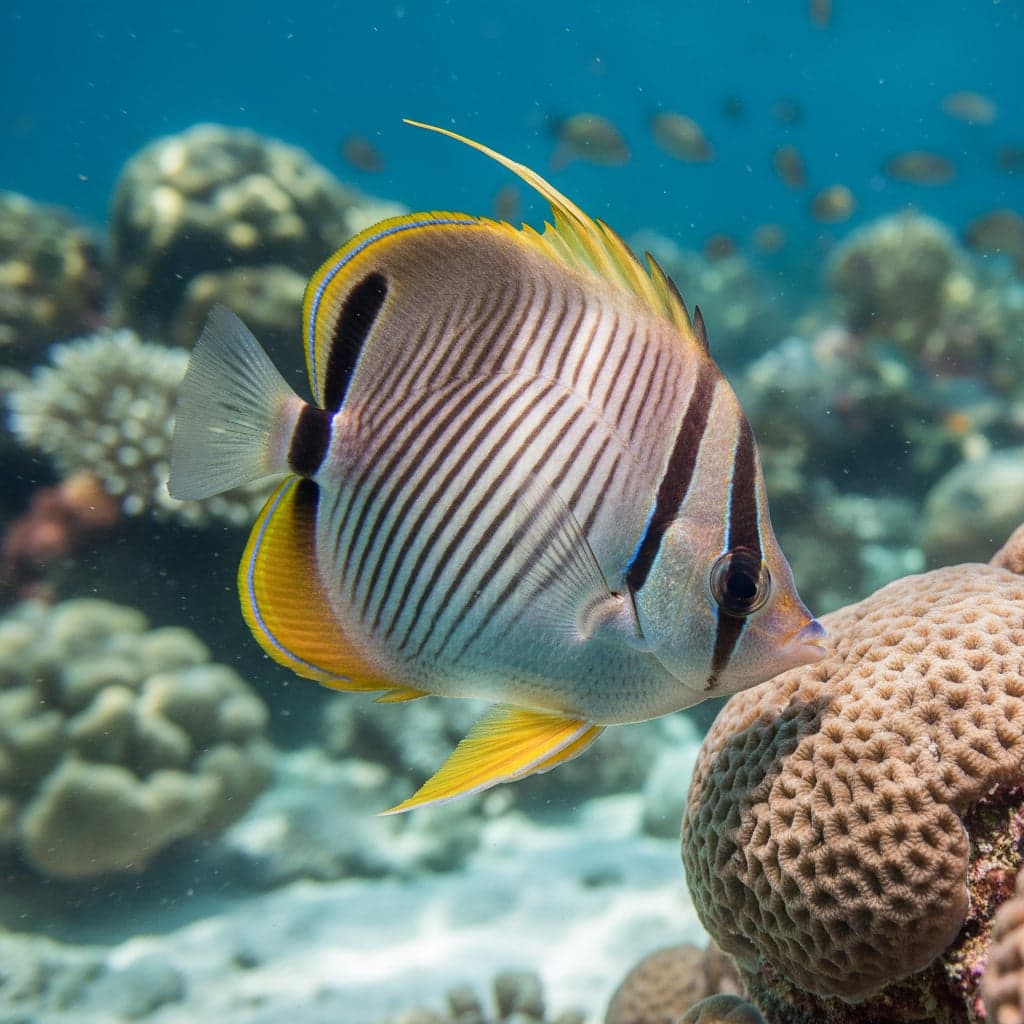
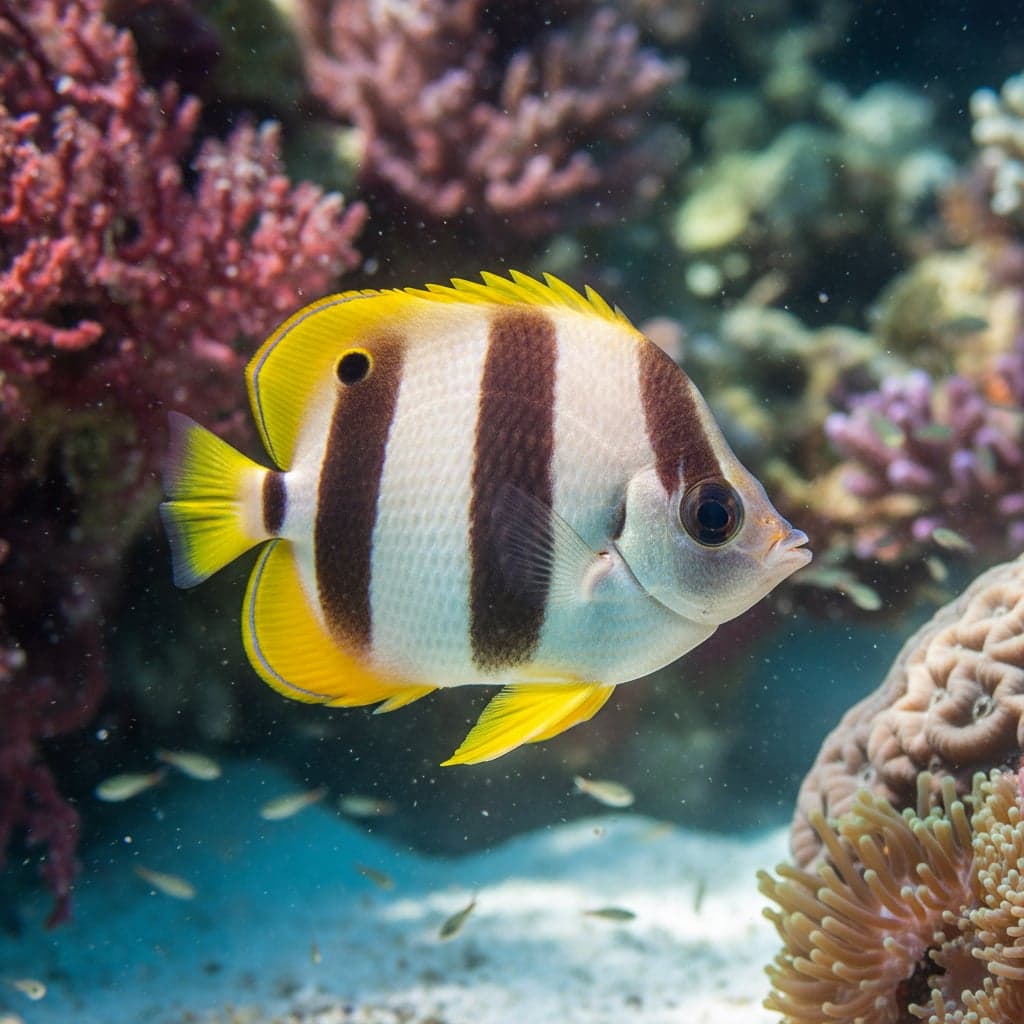
Marquesas Butterflyfish
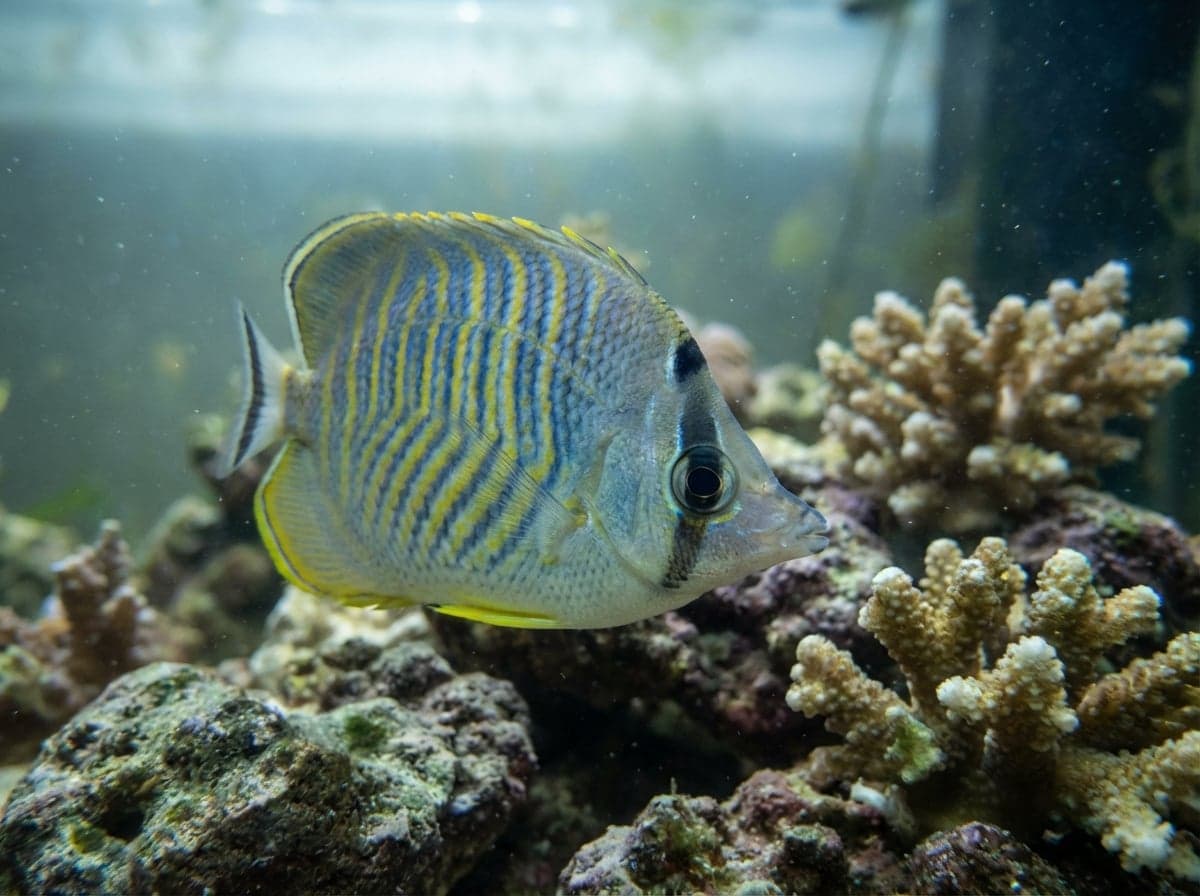
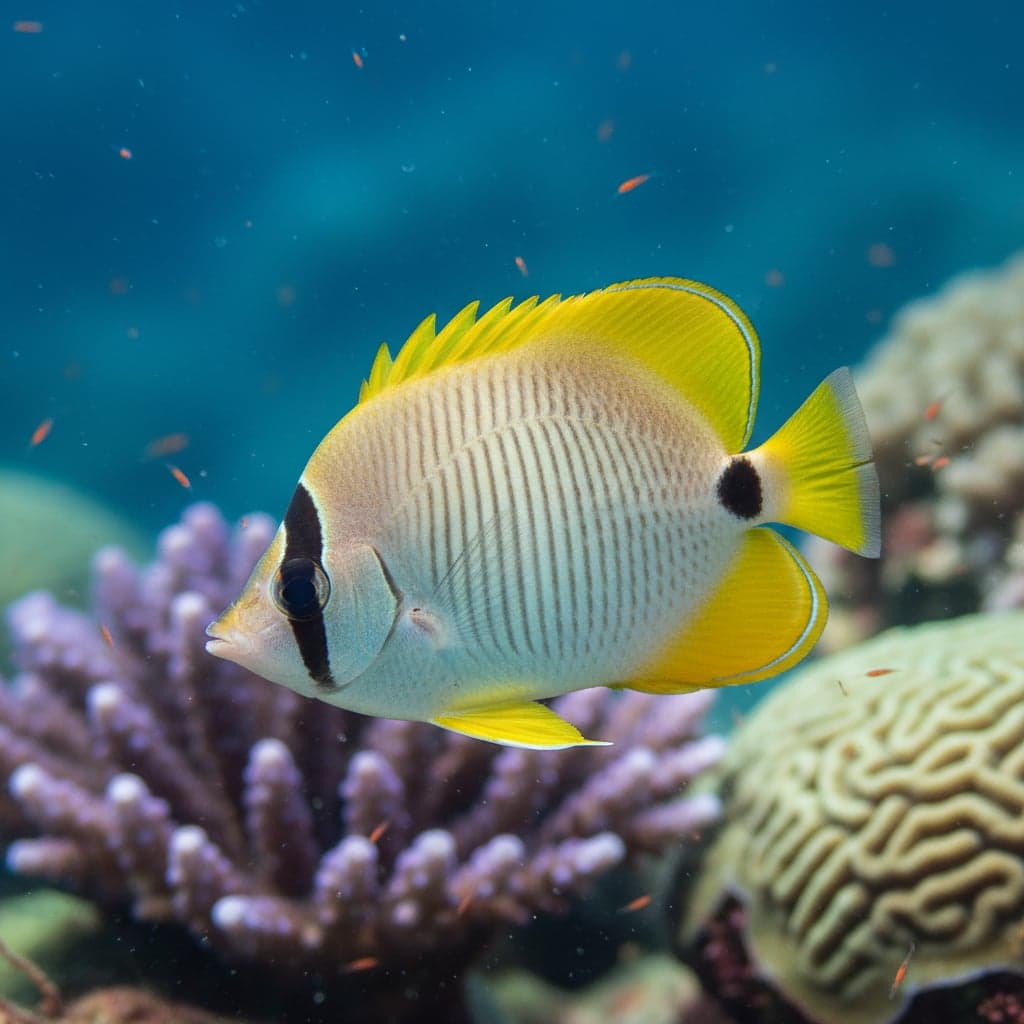
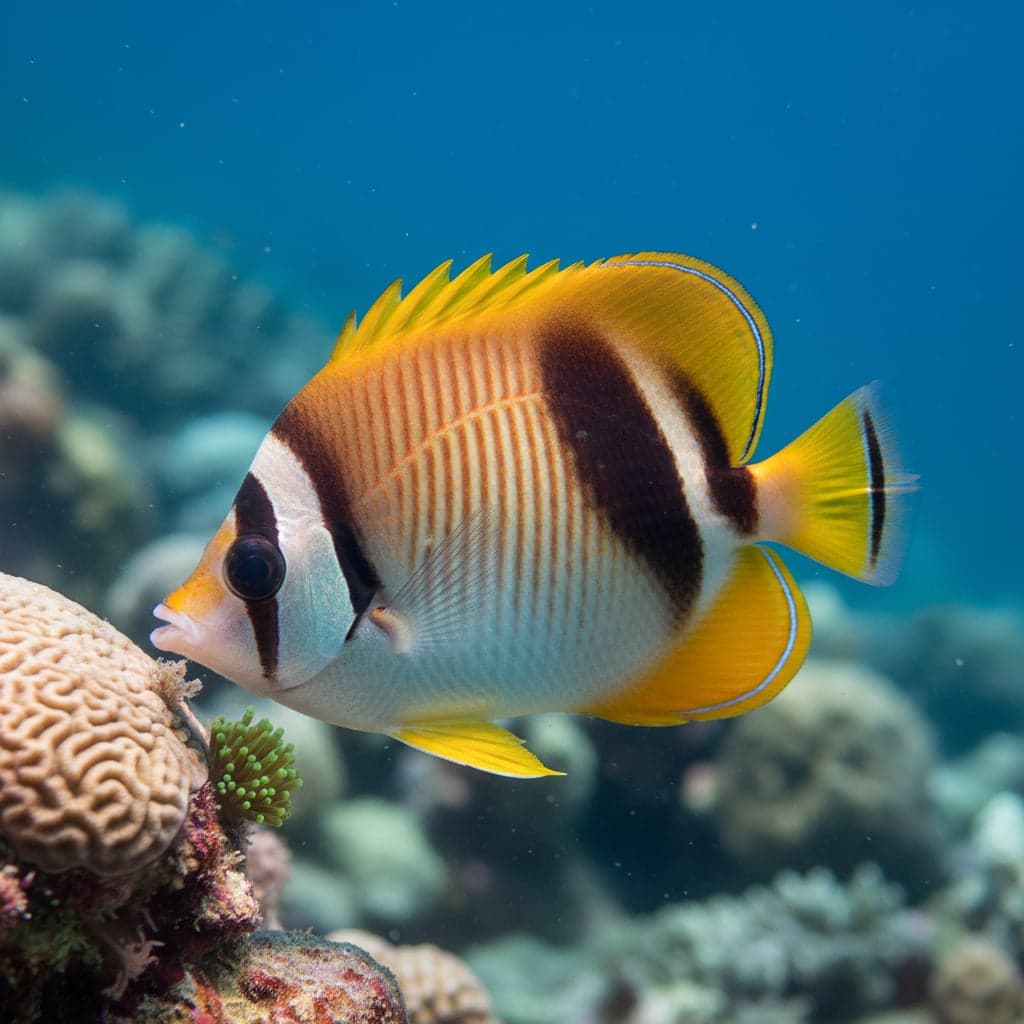
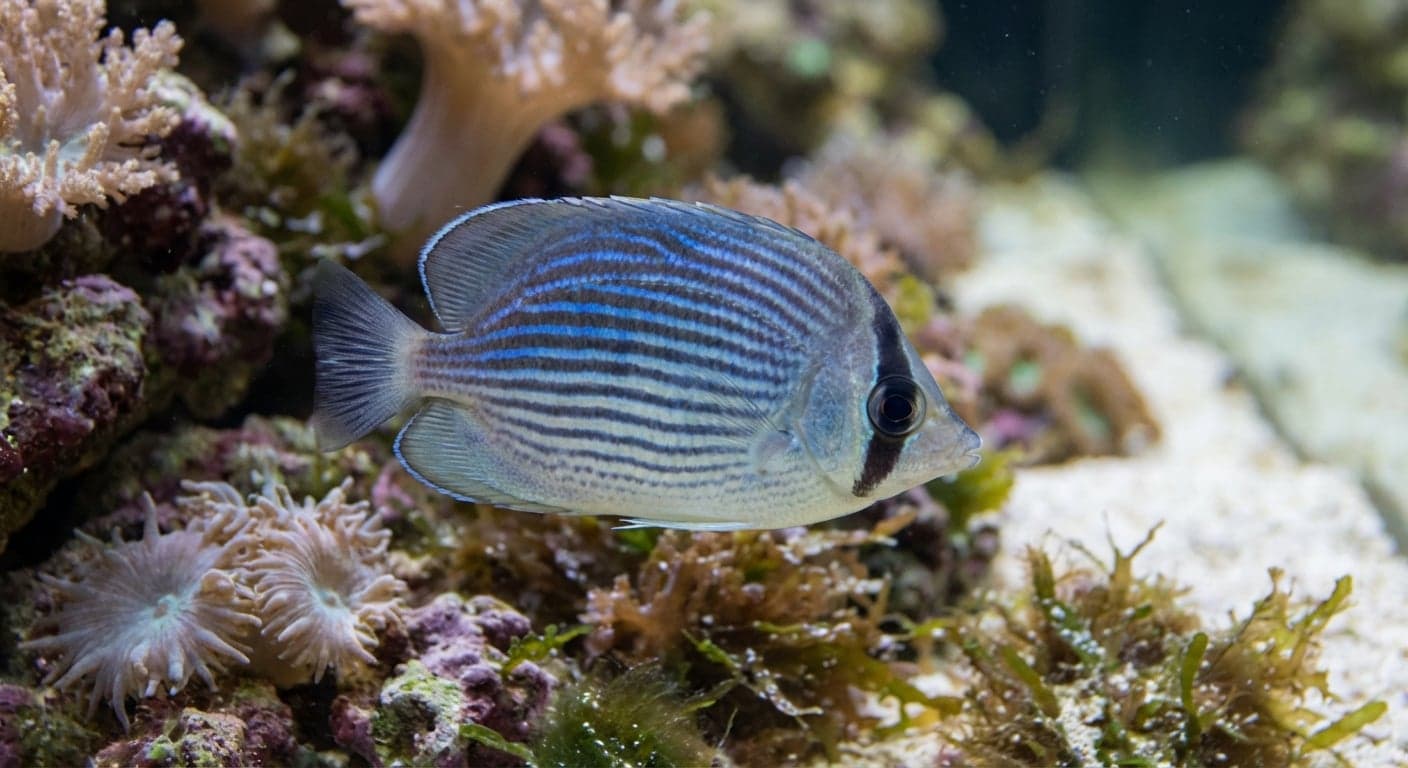
The Marquesas Butterflyfish (Chaetodon declivis) is a rare, elegant Pacific butterflyfish — a planktivorous species best kept with reef caution by experienced keepers.

Marquesas Butterflyfish
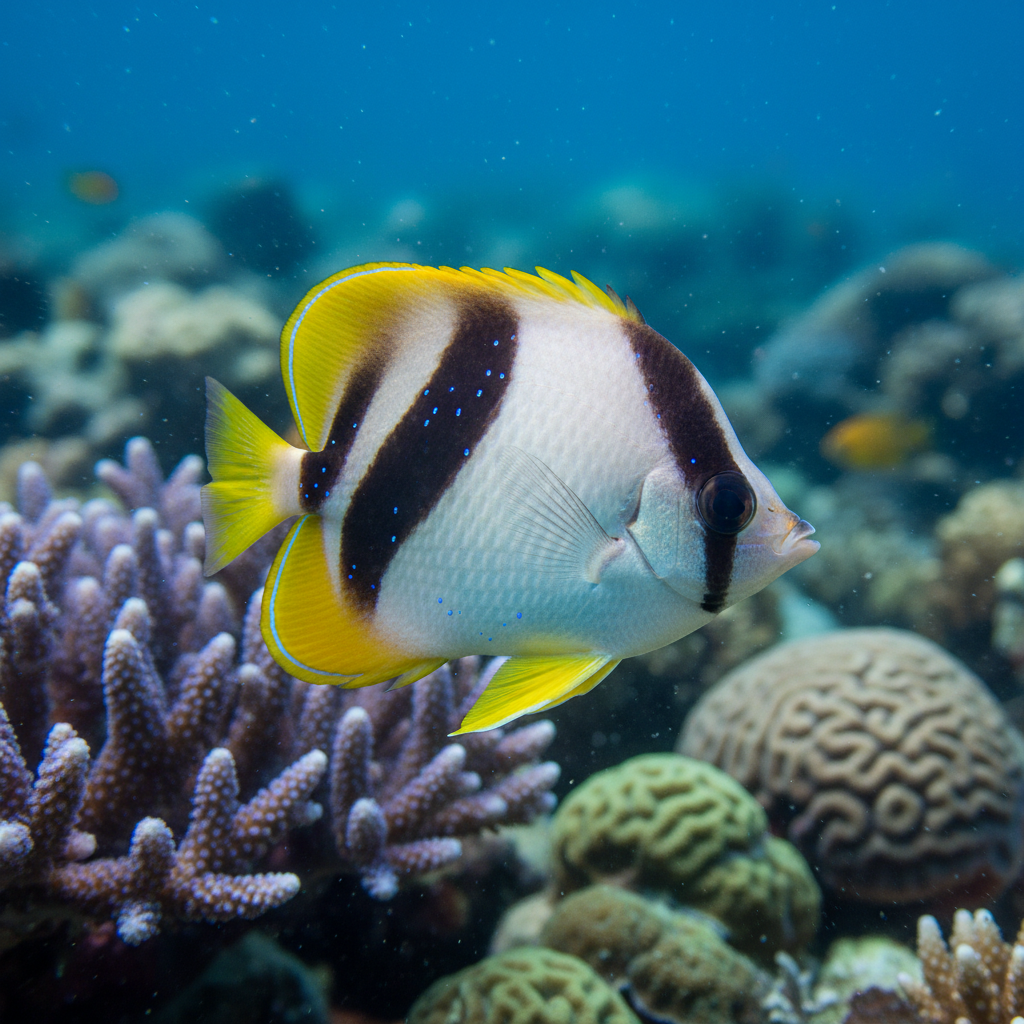
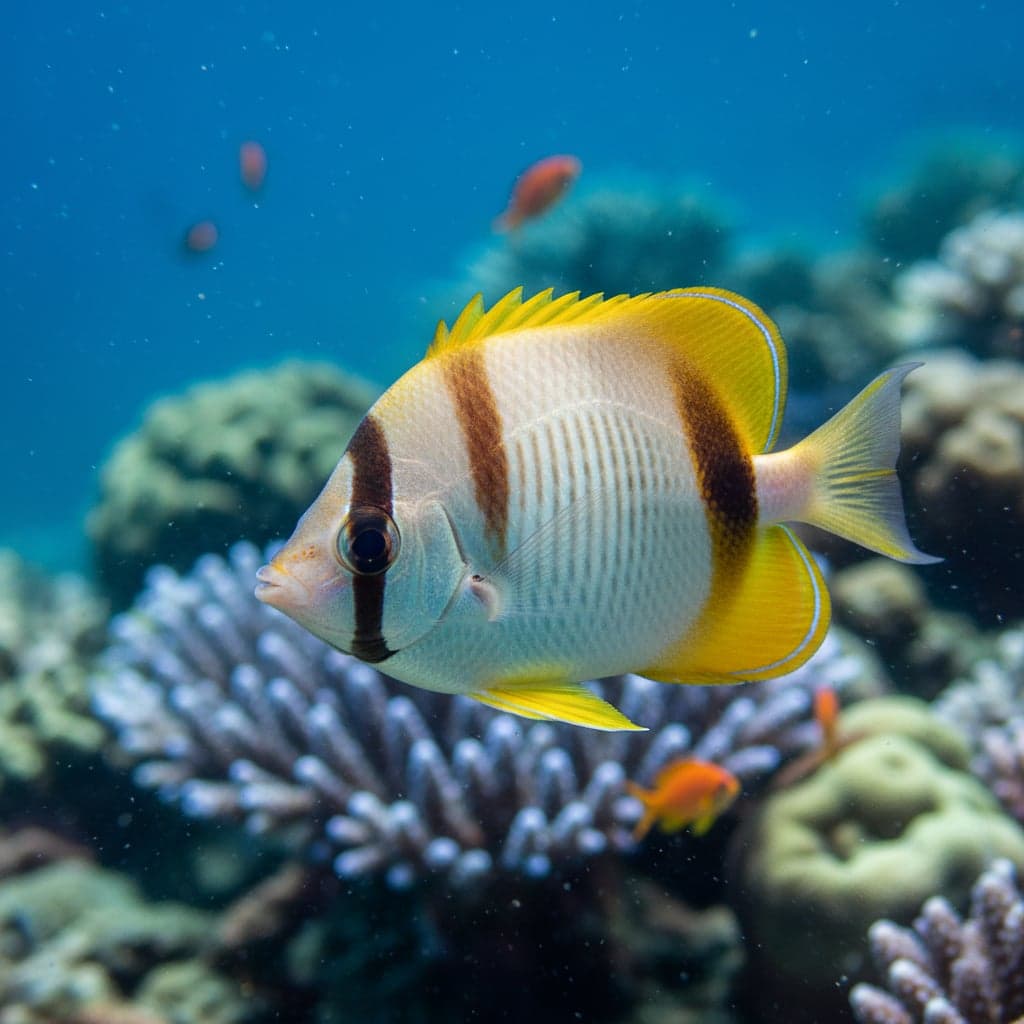
The Marquesas Butterflyfish (Chaetodon declivis) is the butterflyfish you buy when you want the silhouette without the coral-eating reputation. Pale and silvery with soft yellow and dark markings, it reads as understated rather than loud — elegant mid-water swimming instead of nose-in-coral browsing. Its range is remote and narrow, so it stays uncommon and expensive in the trade. That scarcity is not a care difficulty by itself; the care difficulty is treating it like a hardy chromis when it is still a shipping-stressed chaetodontid.
As a mid-water plankton feeder it is generally less destructive in a reef than obligate corallivores, but “less” is not “safe.” Caution is still the correct default: fish-only or hardy soft-coral systems first, prized SPS and delicate inverts only if you accept risk.
Natural Habitat & Origin
Chaetodon declivis is tied to the Marquesas Islands and nearby central Pacific reefs. In the wild it feeds primarily on zooplankton drifting over the reef, often in pairs or small groups, using open water above the coral rather than picking polyps all day. The isolated range is why most shops never stock it and why arrivals are almost always wild-collected after a long journey.
In the aquarium that origin translates to open swimming lanes above rock, stable mature water, and frequent mid-water feeds. A tank that is all caves and no water column starves the behaviour even if the chemistry looks perfect.
Care Requirements
Maintain stable marine conditions: salinity around 1.024–1.026, pH 8.1–8.4, temperature about 24–26°C (75–79°F). Adults reach roughly 14 cm (about 5.5 inches). Plan on around 280 litres (about 75 US gallons) or more — not because the fish is bulky, but because butterflyfish need swimming room, calm companions and enough volume that a missed feed or mild aggression does not collapse the fish overnight.
A mature, cycled system with established microfauna and rock biofilm is kinder than a brand-new sterile box. Butterflies often arrive thin; a tank that already has copepods and film algae between meals improves the odds. Quarantine is not optional for this family. Chaetodontids are classic carriers and victims of marine ich (Cryptocaryon irritans) and marine velvet (Amyloodinium ocellatum). Hold new fish in a bare-bottom QT long enough to treat or clear before they meet the display — copper and reef livestock do not share a tank; see medications. Spot treatments on a mixed reef after white spots appear are how people lose the butterfly and the invertebrates in the same week.
Use the Aquarium Tracker to keep salinity and temperature logs tight; butterflies punish slow drift more than damsels do.
Diet & Feeding
This is a planktivorous omnivore. In the wild the day is spent picking zooplankton from the water column, with some small invertebrates in the mix. Frontmatter lists the diet as omnivore because that is the practical captive category; the feeding style is still “many small mid-water meals,” not one sinking wafer.
Offer frozen mysis, enriched brine shrimp, finely chopped seafood, and quality marine preparations that include algae content. Feed often — several small portions through the day — so the fish does not lose condition between meals. Watch for a fish that looks interested but never commits; that is the early starvation pattern butterfly keepers dread. A Marquesas that is already eating frozen foods in QT is worth far more than a prettier fish that only stares at the glass.
Do not assume reef rock alone will feed it. Plankton substitutes must come from you until the system is rich and the fish is proven.
Behavior & Temperament
Peaceful and active. It mixes well in a calm community and can be kept singly or as a known pair. It rarely starts fights; the failure mode is the opposite — being outcompeted at feeding time by tangs, triggers or assertive wrasses until it fades. Avoid aggressive or hyper-competitive tankmates that own the water column.
It spends most of the day in open water. That makes it a display fish when healthy and a conspicuous stress signal when colours wash out or it hides constantly.
Tank Mates
Good companions are other peaceful marine fish: anthias, cardinalfish, peaceful wrasses, non-aggressive tangs in a large enough system, and similar mid-water species that leave butterflies alone at mealtime. Skip damsels that police every corner and large semi-aggressive fish that claim the same swimming lane.
Reef status needs an honest label. It is not an obligate coral eater, which is why people try it in reefs, but individual fish may still sample polyps, feather dusters or other soft-bodied invertebrates. Safest homes are fish-only with live rock, or reefs built around hardy corals you can afford to lose a tip from. Treat “reef-safe butterfly” marketing as a hope, not a guarantee.
Breeding
Chaetodon declivis is a pelagic spawner with planktonic larvae. It is not bred in the home aquarium. Trade specimens are wild-collected from a remote range, which is the scarcity story and the quarantine story in one sentence.
Common Health Issues
Reasonably hardy for a butterflyfish once eating and settled — and still far more disease-sensitive than a damsel or hawkfish. Marine ich and velvet are the headline risks after capture and shipping. Lateral line erosion and secondary infections follow chronic stress, poor diet or dirty water.
Quarantine every arrival. Keep ammonia and nitrite at zero and nitrates low. Offer a varied, frequent diet from day one in QT so you know the fish will eat before it ever sees coral. Given a peaceful tank, mature water and that feeding proof, the Marquesas Butterflyfish is an elegant rarity for an intermediate keeper who wants a chaetodontid without committing to a dedicated coral-eater system — not a first saltwater fish and not a impulse reef add-on.