Masked Rabbitfish
A 24cm rabbitfish with venomous dorsal spines that grazes nuisance algae hard. Reef safe until it decides your soft corals are food.
Masked Rabbitfish
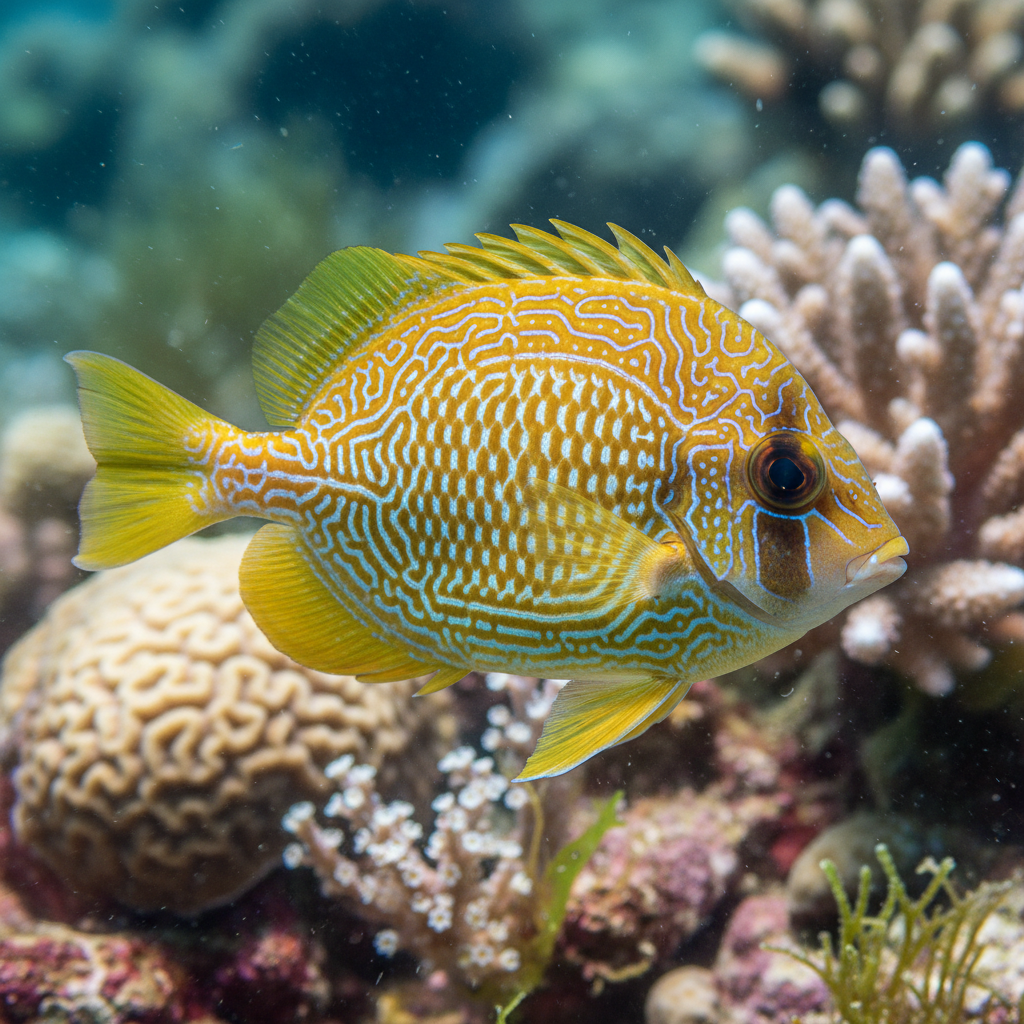
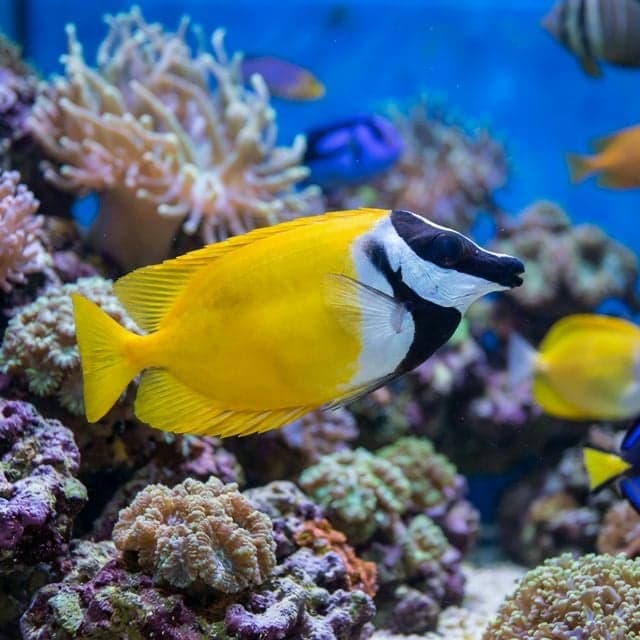
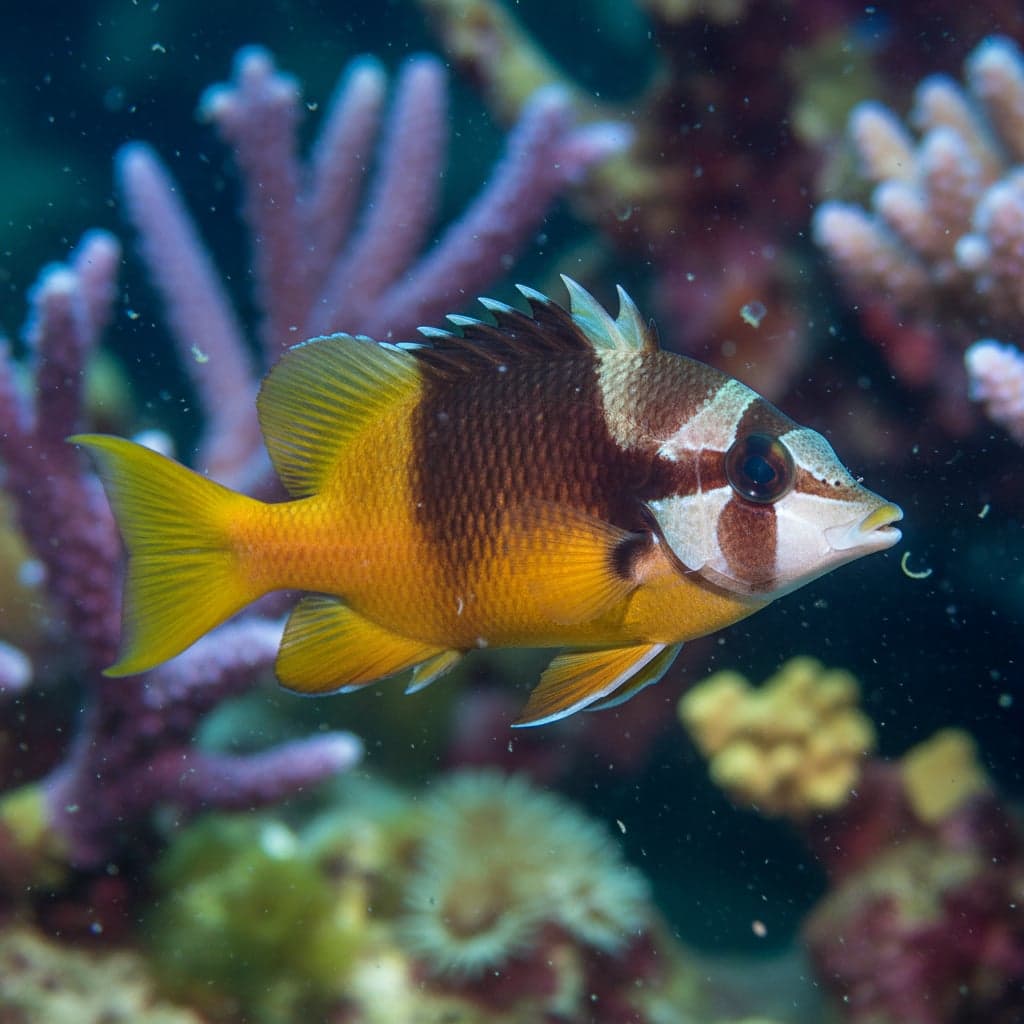
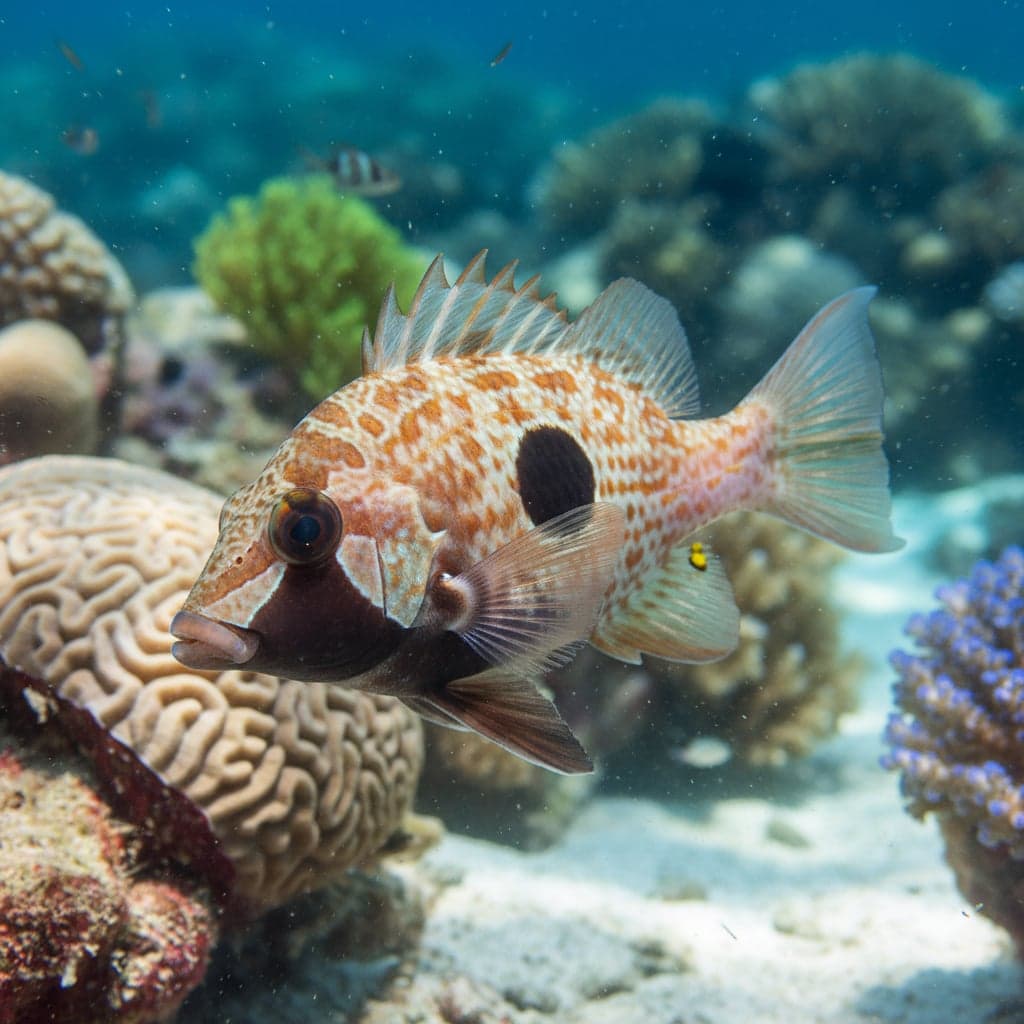
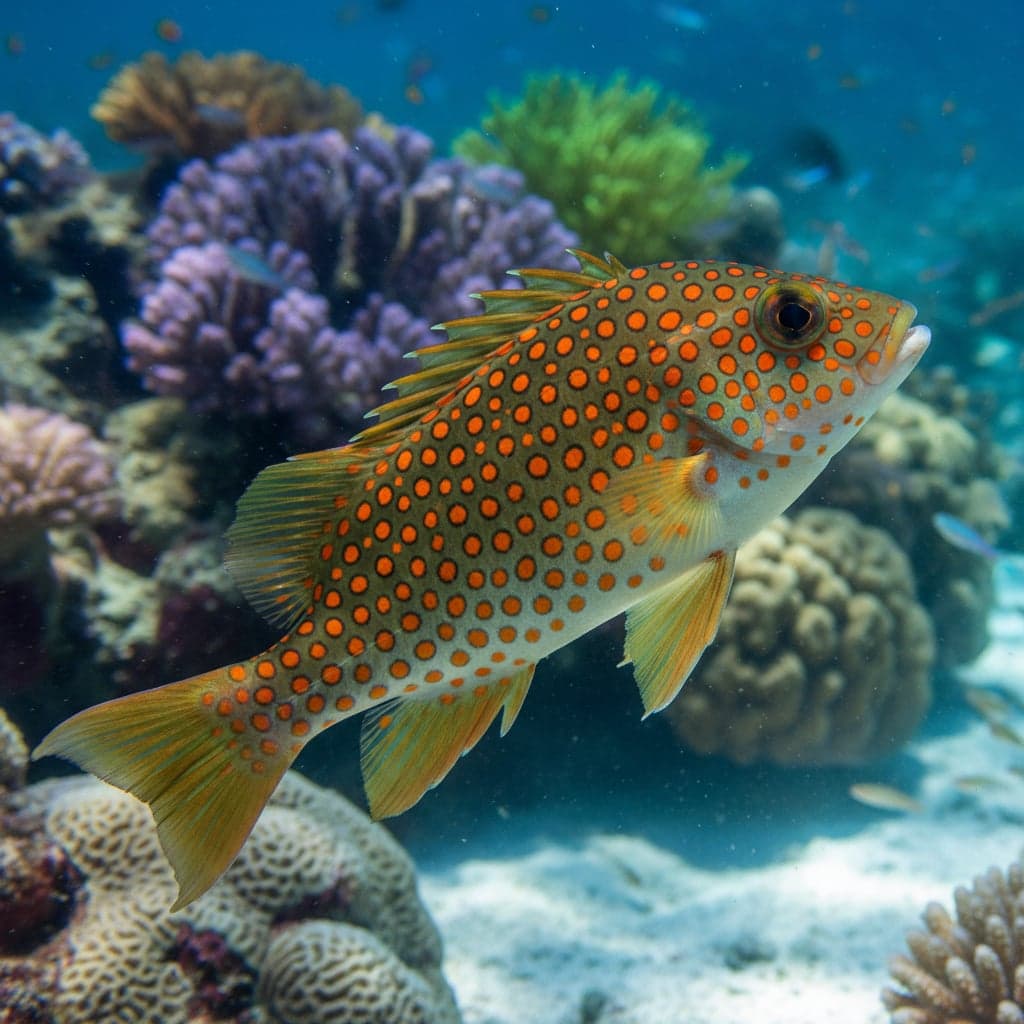
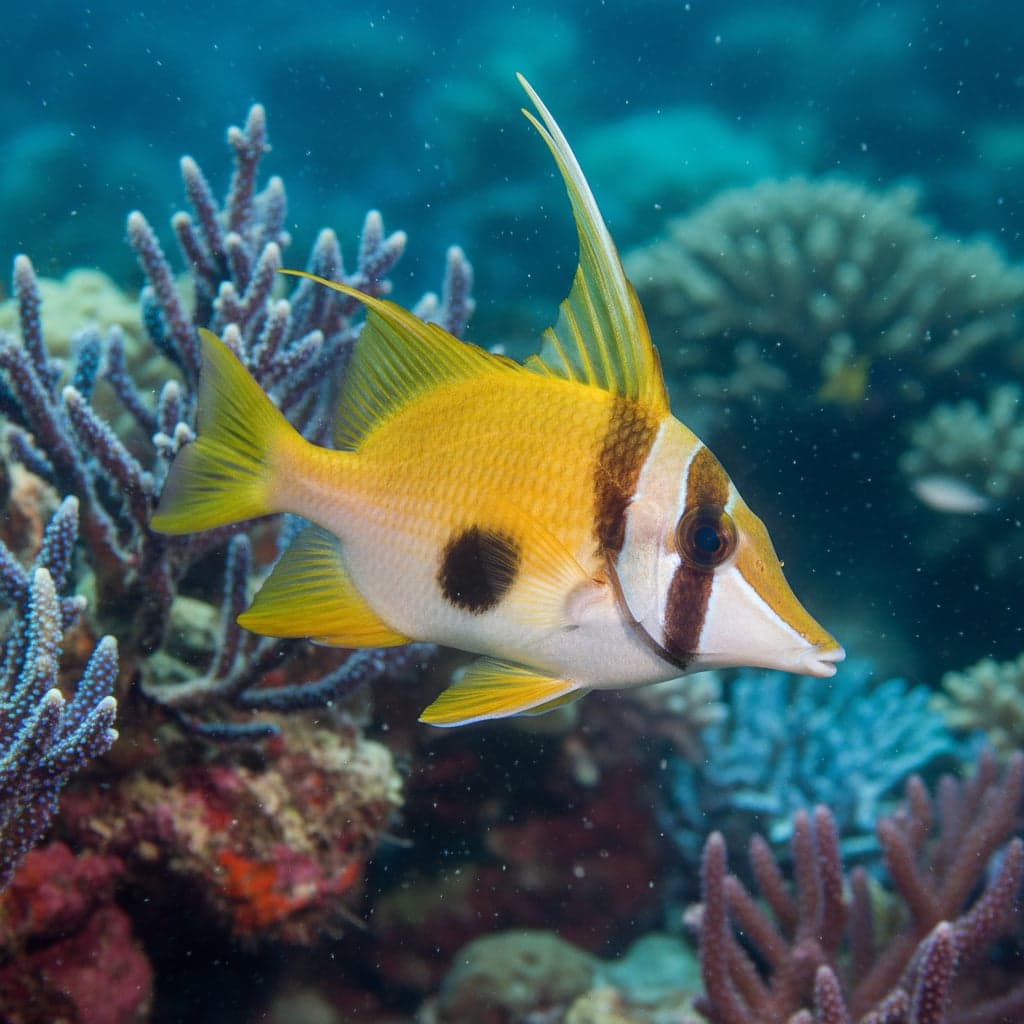
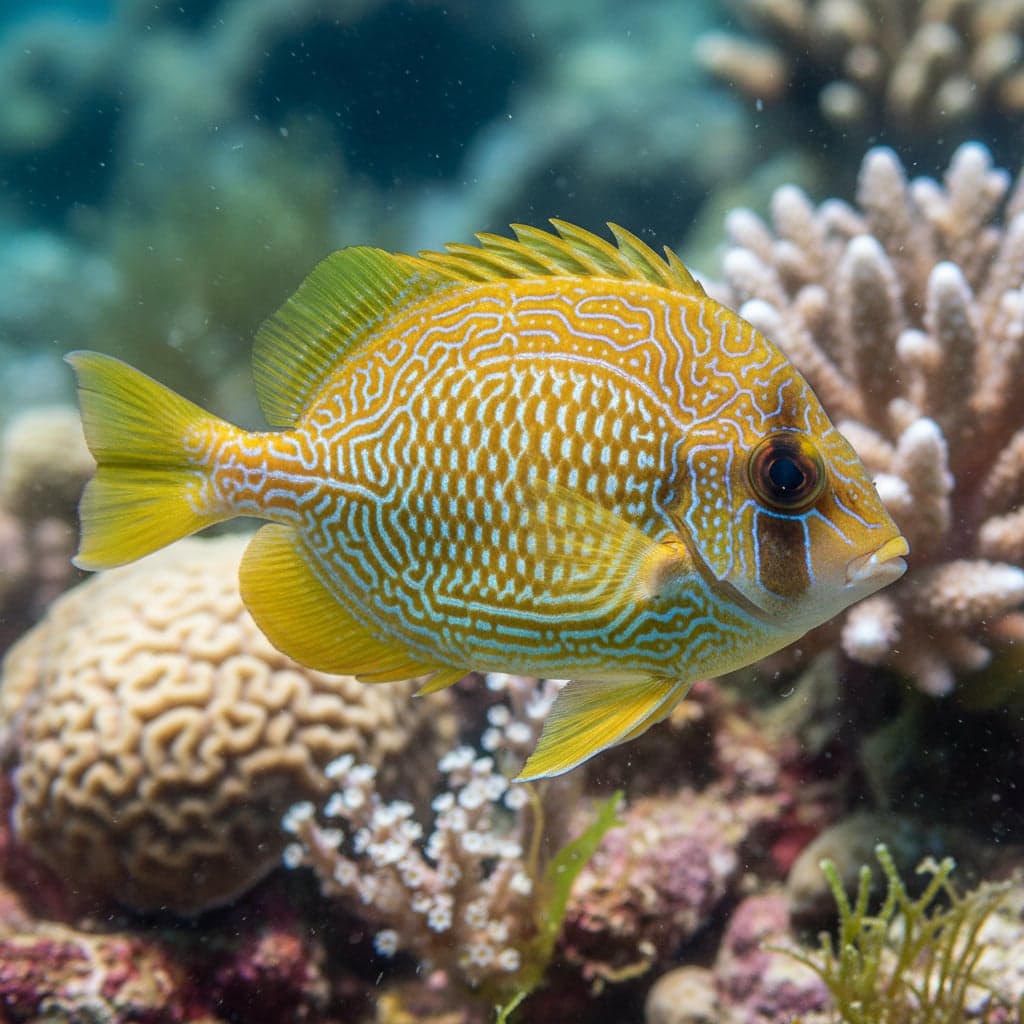
The Masked Rabbitfish, scientifically known as Siganus semifasciatus, captures the attention of aquarists with its striking visual appeal and intriguing behavior. This species boasts a distinctive appearance characterized by a bright yellow body adorned with bold black stripes that lend it an eye-catching, mask-like effect around the facial region. Not only is it a stunning addition to any marine aquarium, but the Masked Rabbitfish also exemplifies the vibrant biodiversity found in coral reef ecosystems. Its unique coloration serves a purpose, such as deterring predators while facilitating social interactions within its population, making it a fascinating subject for both novice and experienced aquarists alike.
In the aquarium hobby, the Masked Rabbitfish holds a cherished position due to its hardiness and adaptability, coupled with its engaging personality. As primarily herbivorous fish, they play a crucial role in reef environments by controlling algae growth on reefs, which promotes overall ecosystem health. This ecological significance, combined with their bold colors and interesting behaviors, has made them a popular choice among marine fish enthusiasts. As such, understanding their natural behaviors, requirements, and care strategies is essential for any aquarist striving to maintain a thriving aquarium.
Natural Habitat & Origin
The Masked Rabbitfish is native to the warm, shallow waters of the Indo-Pacific region, with a distribution primarily centered around coral reefs and lagoon environments. Found in countries such as Indonesia, the Philippines, and the Great Barrier Reef, these fish thrive in areas rich in marine algae and seagrass, where they can forage for food. Their natural habitat features clear, warm waters typically exhibiting a temperature range of 24°C to 28°C (75°F to 82°F). These environments provide a balance of sunlight and shelter, enabling a diverse array of marine life to flourish alongside the Masked Rabbitfish.
In their native habitats, the Masked Rabbitfish often occupy the reef's upper levels, utilizing their natural camouflage and schooling behavior to evade predators. The significance of conserving coral reefs extends beyond providing a home for these fish; it is also vital to the overall health of marine ecosystems and the livelihood of communities dependent on these habitats. Understanding the ecological context of the Masked Rabbitfish helps aquarists replicate its natural environment within a captive setting, ensuring a better quality of life for the species in aquariums.
Care Requirements
To successfully maintain the Masked Rabbitfish in captivity, specific water parameters must be considered. It thrives best in a marine environment with a pH range of 8.1 to 8.4, a temperature of 24°C to 28°C (75°F to 82°F), and a specific gravity of 1.020 to 1.025. The water hardness should ideally sit between 8 to 12 dKH to closely mimic their natural habitat. For tank setup, a minimum aquarium size of 400 litres (105 gallons) is recommended — this 24cm Siganus virgatus needs ample swimming space and grazing room like other foxface-class rabbitfish.
In terms of tank conditions, the Masked Rabbitfish prefers a well-structured environment that includes live rock, sandy substrate, and ample open swimming space. Aquascaping should aim to incorporate hiding spots and serene areas using rock formations, as well as some soft coral or macroalgae for grazing. Lighting should be moderate to strong, simulating the natural sunlight that penetrates coral reefs while enhancing the vibrant colors of the fish. Regular water quality testing and maintenance are essential for keeping the environment stable and conducive to the fish's health.
Diet & Feeding
The Masked Rabbitfish is primarily herbivorous, grazing on algae and organic matter found in their natural habitat. However, they can also benefit from a balanced diet and should be fed various food types to ensure optimal health. High-quality herbivore pellets, flakes, and frozen foods designed for marine fish are excellent choices. Incorporating leafy greens such as Nori, spinach, or blanched zucchini will augment their diet, aligning with their natural foraging behavior.
It is necessary to provide multiple feedings per day, as these fish prefer smaller portions to accommodate their grazing habits. A varied diet not only promotes health but also helps develop coloration and vitality. Moreover, observe feeding actions and adjust portions to prevent uneaten food, which can lead to poor water quality and potential health issues.
Behavior & Temperament
The Masked Rabbitfish is known for its lively and social nature, often seen swimming in schools in the wild. Within the aquarium, they exhibit both social and territorial behaviors. Despite their generally peaceful disposition, they can display aggression toward other rabbitfish and similar species if not adequately spaced in the tank, particularly when establishing dominance. To promote a harmonious community, ensure a well-planned aquascape with enough hiding spots to reduce territorial disputes.
In terms of tank placement, the Masked Rabbitfish thrives in the upper and mid-levels of the water column. They often explore the tank through active swimming and grazing, making them a visually appealing addition to any aquascape. Observing their interactions with tank mates and environmental features can provide aquarists with enjoyable insights into their natural behaviors.
Tank Mates
When selecting tank mates for the Masked Rabbitfish, compatibility should be paramount to reduce territorial conflicts. Suitable companions include larger peaceful fish such as clownfish (Amphiprioninae), tangs (Surgeonfish), and various wrasse species. Additionally, bottom-dwelling species like gobies and blennies can coexist harmoniously, provided enough space is available in the tank.
However, certain species should be avoided, particularly those belonging to the same family, such as other rabbitfish, as this can lead to aggressive conflicts. Similarly, small, timid fish can become targets for bullying due to the Masked Rabbitfish's active nature. Overall, successful tank mate pairing requires careful consideration of size, temperament, and spatial dynamics within the aquarium.
Breeding
Breeding the Masked Rabbitfish in captivity presents challenges as they are typically broadcast spawners. This means they scatter eggs across the water column rather than forming nesting sites. To encourage spawning, maintaining a well-established and stress-free environment is crucial, alongside optimum water parameters. Forming a group of several mature individuals will allow natural hierarchies to develop, enhancing the chances of successful breeding.
To promote breeding behavior, aquarists can simulate seasonal changes by adjusting environmental factors such as temperature. To accomplish breeding, a larger tank is necessary to accommodate the varied behaviors and hierarchical structures of the group. Spawning typically occurs in the early morning hours, with females releasing eggs that may float to the surface, necessitating care to prevent predation by tank mates.
Common Health Issues
The Masked Rabbitfish, while generally hardy, is susceptible to several common health issues associated with aquarium environments. Problems such as ich (Cryptocaryon irritans), marine velvet (Oodinium), and bacterial infections can arise due to stress, poor water quality, or tank overcrowding. Regular monitoring of tank parameters and maintaining optimal conditions are essential practices for prevention.
Quarantine procedures for new arrivals can further minimize the risks of introducing diseases into the tank. Moreover, ensuring a diverse and nutritious diet will help bolster the immune system and overall health of the fish. Familiarization with symptoms of illness, such as changes in behavior or appearance, enables aquarists to act swiftly in providing necessary treatment.