Melanurus Wrasse: Halichoeres melanurus
A rainbow-bodied pest-eating machine that buries itself in the sand at night. One of the best utility wrasses for reef tanks.

Melanurus Wrasse
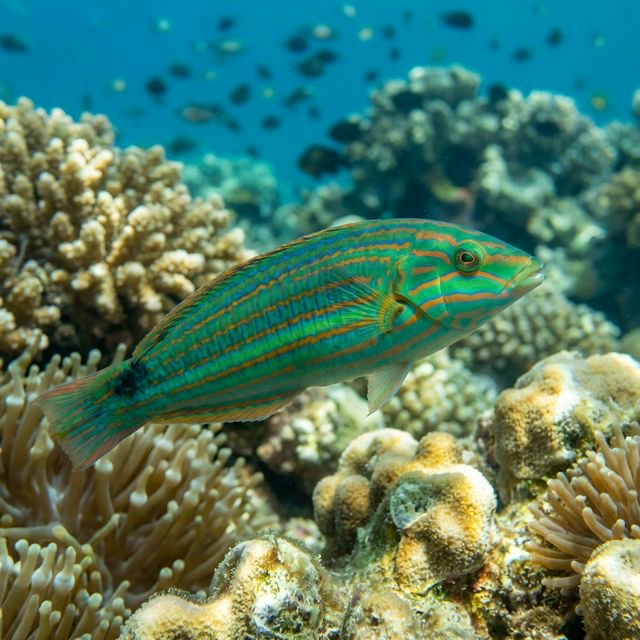
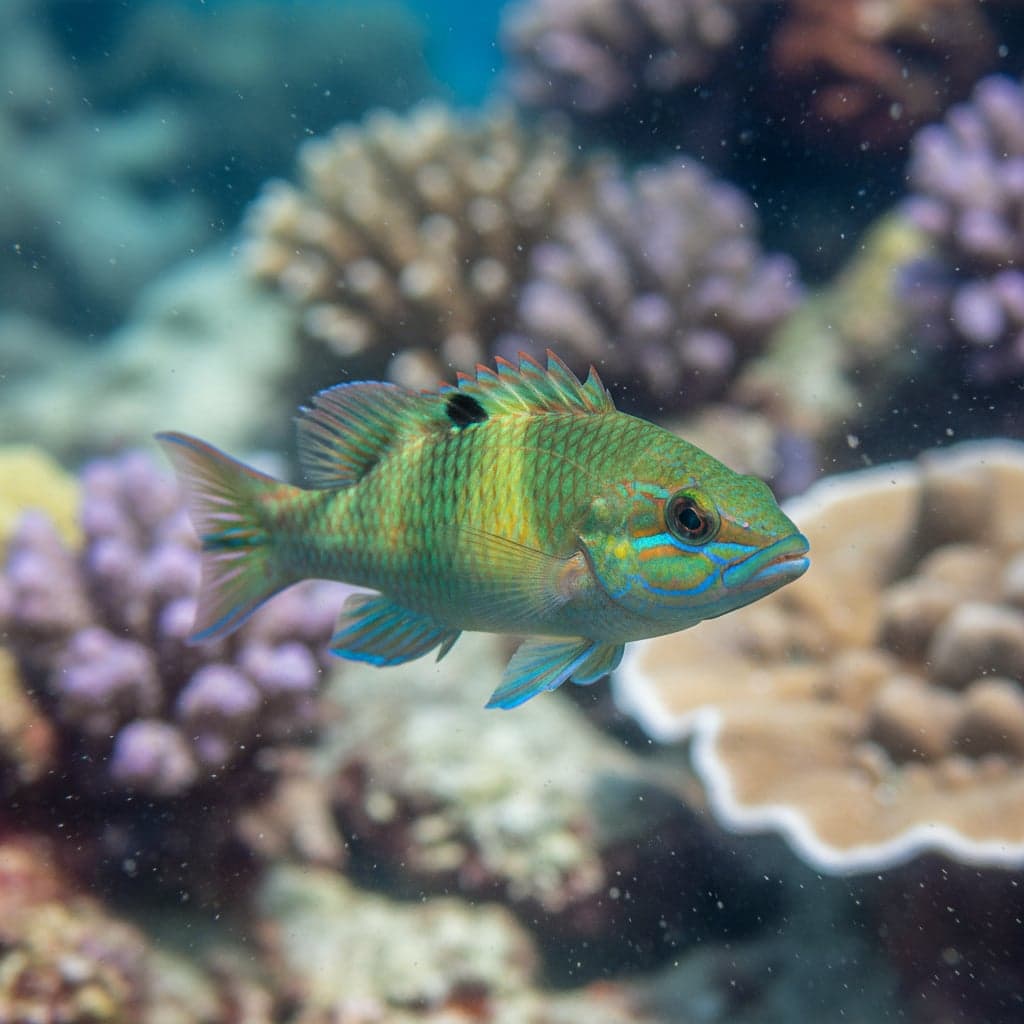
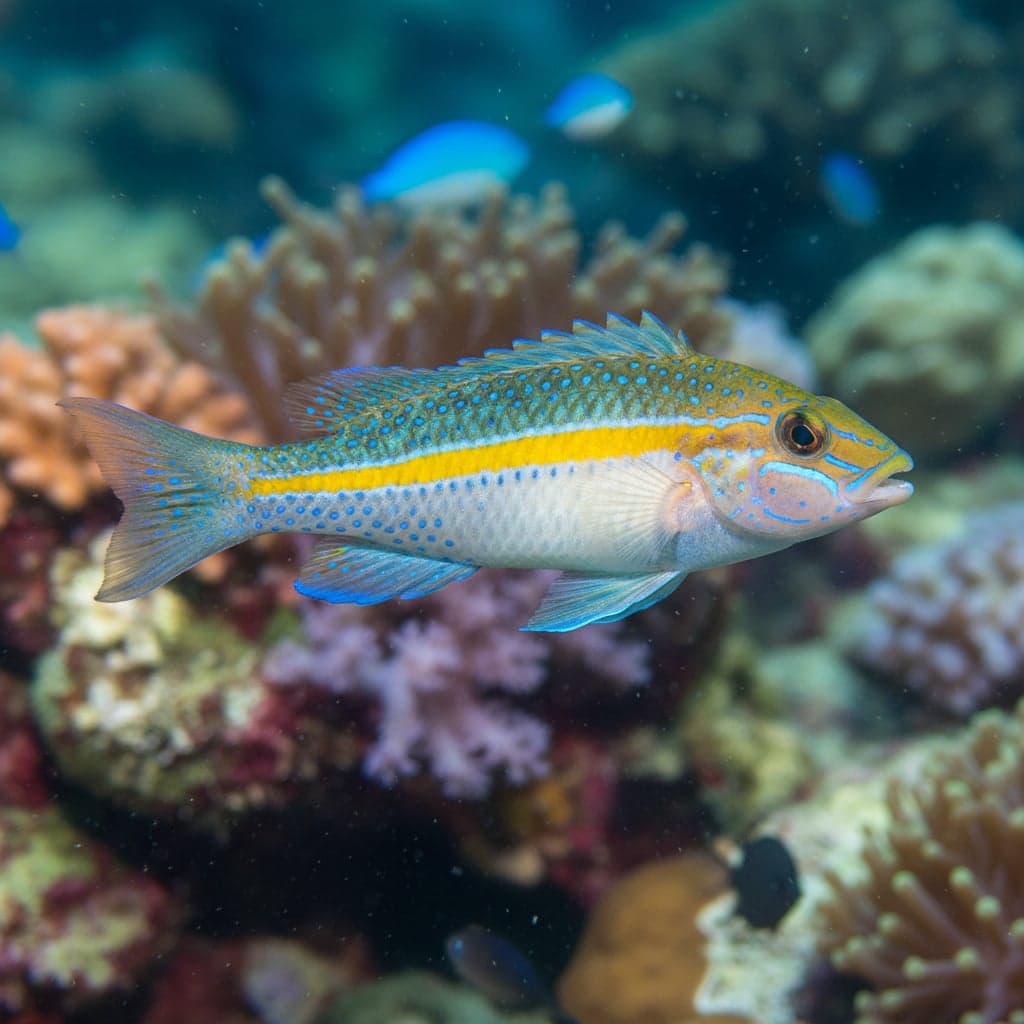
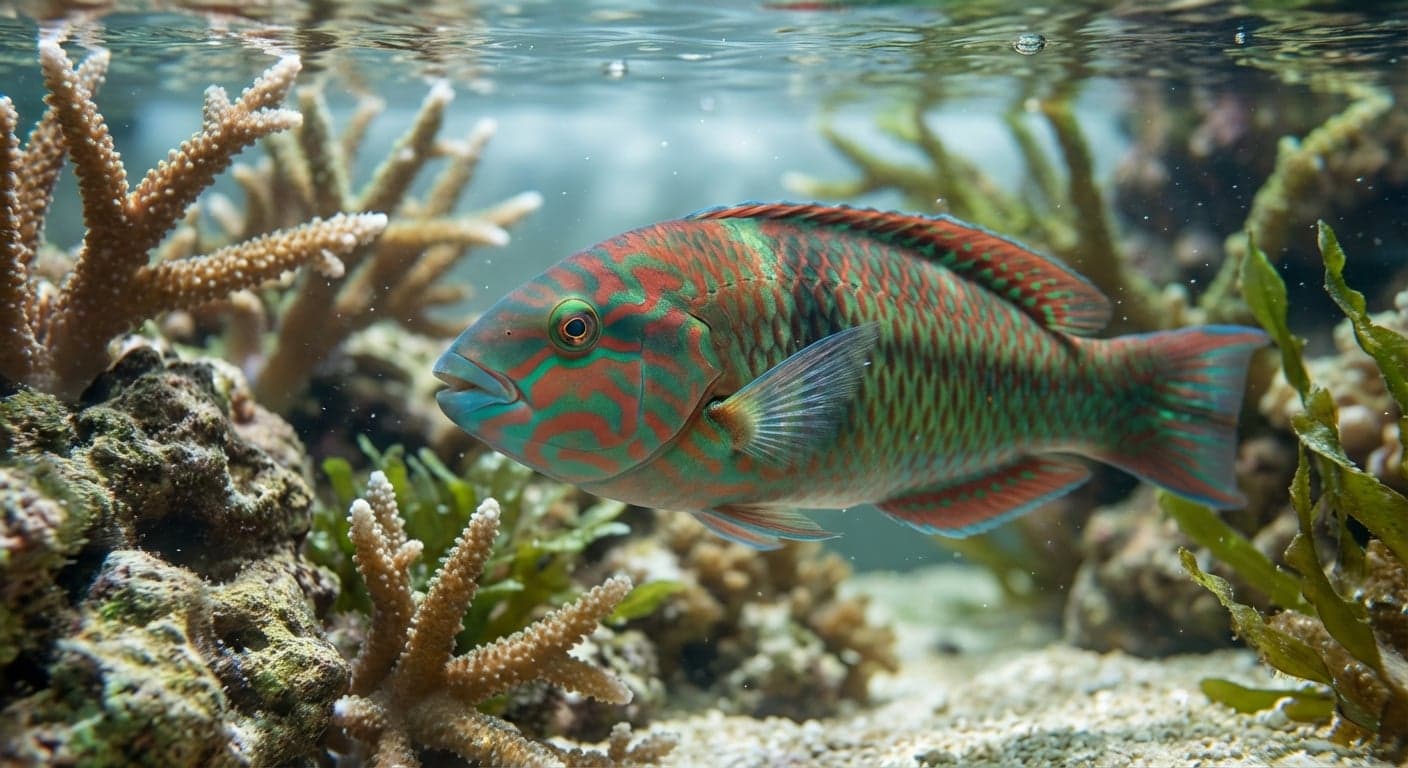
The Melanurus Wrasse, scientifically known as Halichoeres melanurus, is a stunning member of the Labridae family. These fish are highly sought after in the aquarium hobby due to their vibrant coloration and unique patterns. The Melanurus Wrasse showcases a kaleidoscope of hues, primarily featuring shades of green, yellow, and blue, which change in intensity depending on the angle of light and the mood of the fish. This visual appeal is further complemented by their elongated bodies and intricate markings, making them a fascinating addition to any marine aquarium. Not only do they enhance the overall aesthetic of a tank, but their active nature also brings movement and liveliness, captivating both novice and seasoned aquarists alike.
In addition to their captivating looks, Melanurus Wrasses play an essential role in maintaining a balanced marine ecosystem. They are both grazers and hunters, often foraging the substrate for small invertebrates and algae. Their dietary habits contribute to controlling algae growth, promoting a healthier environment for corals and other tank inhabitants. This combination of beauty and ecological significance has made the Melanurus Wrasse a favorite among marine enthusiasts who appreciate both the aesthetic and practical benefits these fish bring to an aquarium.
Natural Habitat & Origin
The Melanurus Wrasse is native to the waters of the Indo-Pacific region, with its distribution ranging from the Red Sea to various islands in the Pacific Ocean, including Hawaii and the Great Barrier Reef. They typically inhabit shallow reef environments where they can be found in sandy or rubble bottoms alongside coral formations. Preferring clear water conditions, Melanurus Wrasses thrive in environments with plenty of hiding places and shelter, which they use for protection against predators and during their active foraging activities. Their natural habitats often feature a rich biodiversity, which plays a role in their socialized behavior and dietary habits.
As they reside in both coastal lagoons and coral reefs, Melanurus Wrasses exhibit adaptability, making them successful in various marine environments. However, in captivity, replicating their natural habitat is crucial for their health and wellbeing. The presence of adequate space and hiding spots reminiscent of their native reefs is essential for their comfort and longevity in an aquarium setting.
Care Requirements
To successfully maintain Melanurus Wrasses, it is important to consider their specific care requirements. The recommended water parameters for these fish include a pH range of 8.1 to 8.4, a temperature between 72°F to 78°F (22°C to 26°C), and a hardness level of 8-12 dGH. Maintaining stable water conditions is vital, as fluctuations can stress these fish and make them more susceptible to disease.
For tank setup, a minimum aquarium size of 75 gallons is advisable to accommodate their active nature and swimming needs. A sandy substrate mimics their natural habitat and allows them to dig and forage comfortably. Additionally, incorporating live rock and other hardscape elements creates hiding spots and encourages natural behavior. Moderate lighting is preferable; however, it's also helpful for plants or corals if you choose to include them in your aquarium. It’s important to create a dynamic environment that promotes both physical and mental health for the Melanurus Wrasse.
Diet & Feeding
The Melanurus Wrasse is an omnivorous fish, thriving on a diverse diet that includes a mix of protein and plant-based foods. In captivity, it is essential to offer a varied diet to ensure optimal health and coloration. High-quality flakes or pellets should be supplemented with frozen or live foods such as brine shrimp, mysis shrimp, and finely chopped seafood—like squid or fish. Additionally, offering algae wafers or spirulina helps meet their nutritional needs and supports digestive health. Regularly varying their diet not only promotes well-being but also encourages natural grazing behaviors, keeping them active and engaged.
Feeding them 2-3 times a day is generally recommended, distributing portions that can be consumed in a few minutes. Ensuring that food reaches the bottom of the tank will encourage the Melanurus Wrasse to forage naturally, which can be more stimulating than simply feeding them floating options.
Behavior & Temperament
The Melanurus Wrasse is known for its active and inquisitive nature, making it a delightful addition to a community tank. These fish display a semi-aggressive temperament, especially as they establish their territory. While they are generally peaceful with other fish, they may show aggression towards similar species or competitors for food and territory. They are not dwellers of the same vertical space; instead, they prefer the bottom and mid-level areas of the tank, where they can explore the substrate and rock structures effectively.
Socially, Melanurus Wrasses tend to be more adaptable when housed either solo or in pairs, but introducing them to larger groups can sometimes provoke territorial disputes. Careful monitoring and a proper introduction can mitigate aggression, paving the way for a harmonious community of diverse marine life.
Tank Mates
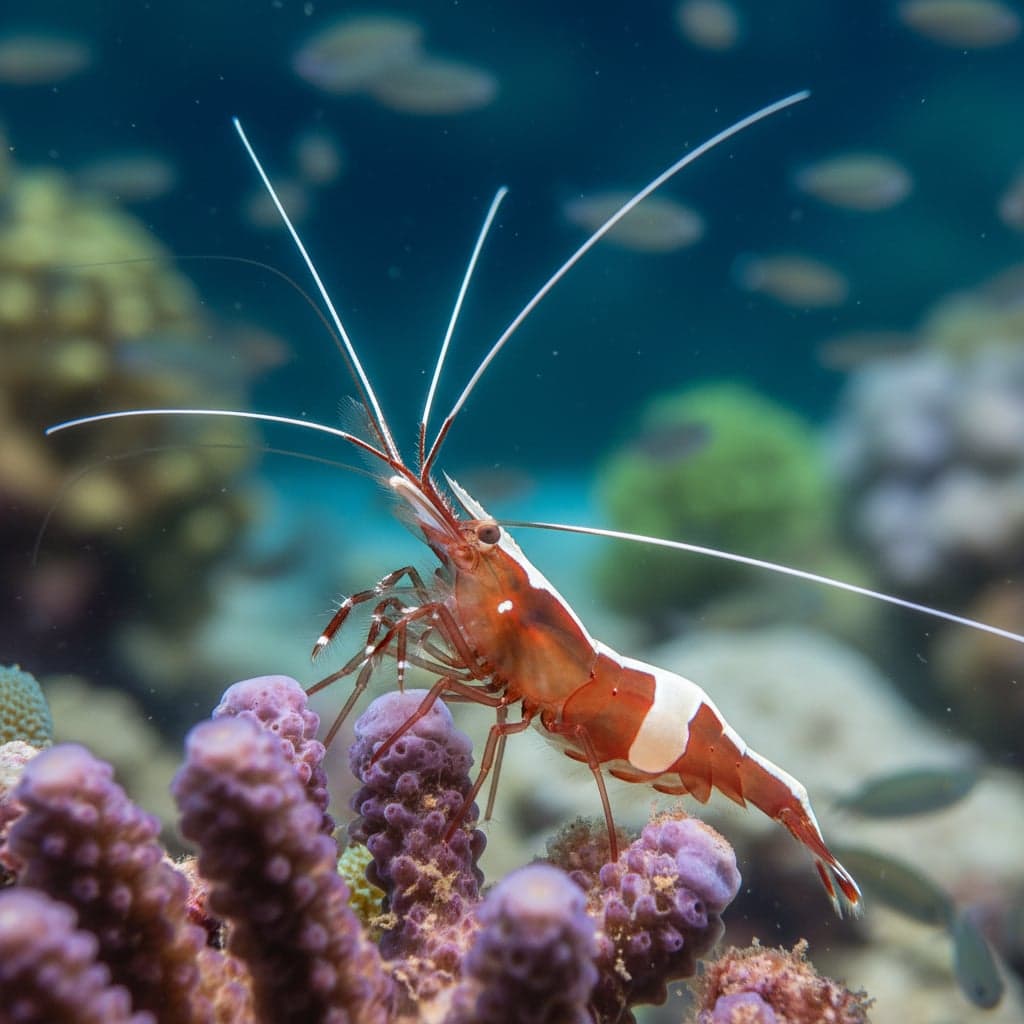
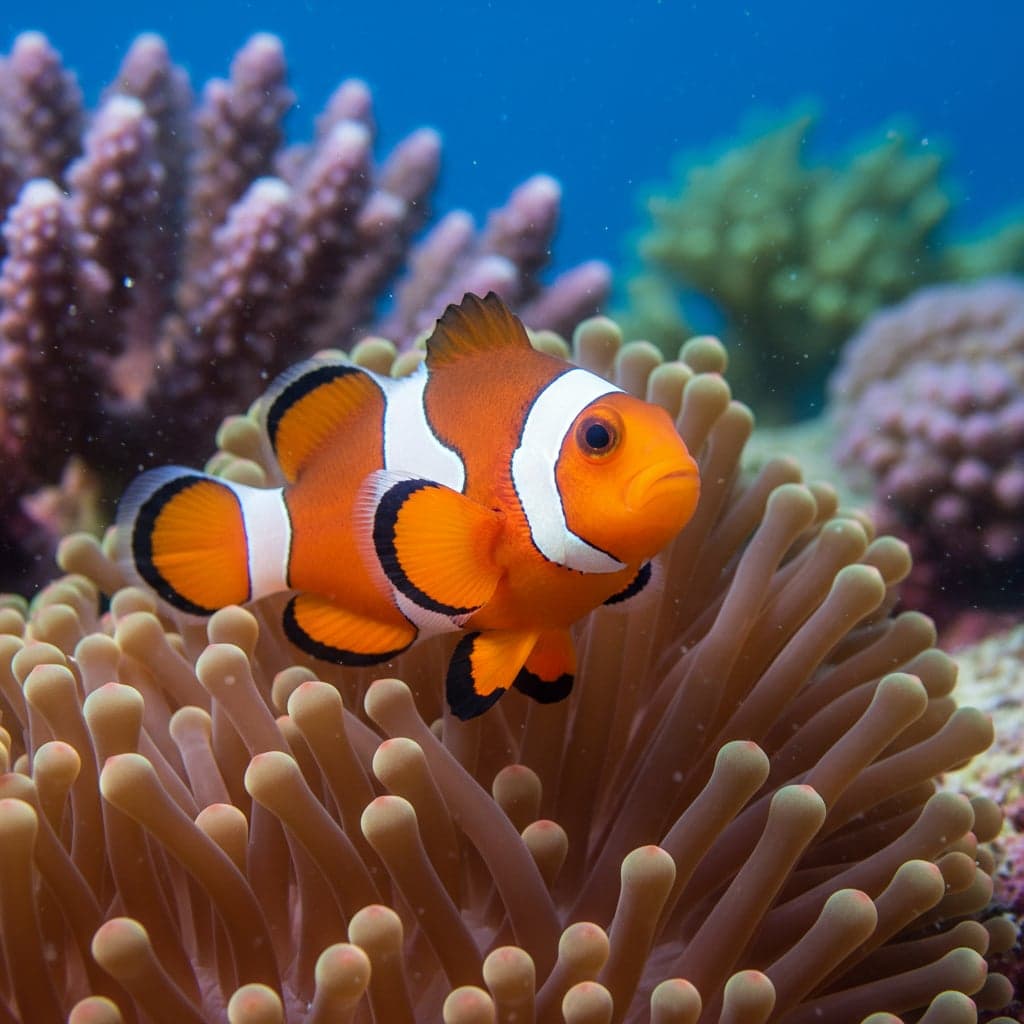
When selecting tank mates for the Melanurus Wrasse, it is crucial to choose species that are compatible in terms of temperament and environmental needs. Good choices include smaller, peaceful fish such as clownfish, gobies, and damselfish. Additionally, other wrasse species can be suitable partners, provided that there is ample space to prevent territorial disputes. Invertebrates such as shrimp and hermit crabs can coexist with Melanurus Wrasses, though larger species may pose a risk.
Species to avoid include overly aggressive fish or those with similar body shapes to the Melanurus Wrasse, such as larger wrasses and triggers. Keeping a diverse community with different body types and swimming patterns can greatly reduce aggression and ensure a balanced ecosystem in your marine aquarium.
Breeding
Breeding Melanurus Wrasses in captivity can be a challenge, though they exhibit interesting spawning behaviors in the wild. These fish are known to form temporary pairs during mating season, which usually involves a courtship display where the male showcases his vibrant colors to attract the female. Successful breeding requires a larger tank setup, mimicking their natural environment, with adequate hiding spaces and stable water parameters.
To encourage breeding, it is ideal to have a mature, well-fed pair and provide conditions such as increased water flow, stable temperatures, and appropriate light cycles. In aquariums, spawning typically occurs at dawn, and the eggs are pelagic, meaning they float in the water column until they hatch. While breeding in captivity is rare, observing courtship can still be an engaging experience for aquarists.
Common Health Issues
Like many marine fish, the Melanurus Wrasse can be prone to specific health issues. Common diseases include ich (white spot disease), marine velvet, and various bacterial infections. To mitigate these risks, maintaining optimal water quality is critical. Regular water changes and monitoring water parameters can help ensure a healthy environment.
It’s also essential to observe fish behavior closely; signs of distress, such as scratching against surfaces or rapid gill movement, may indicate health problems. Quarantine new arrivals before introducing them to an established tank, as this prevents disease transmission and promotes overall fish health. Providing a varied and balanced diet also strengthens the immune system and helps fish fend off potential health issues.