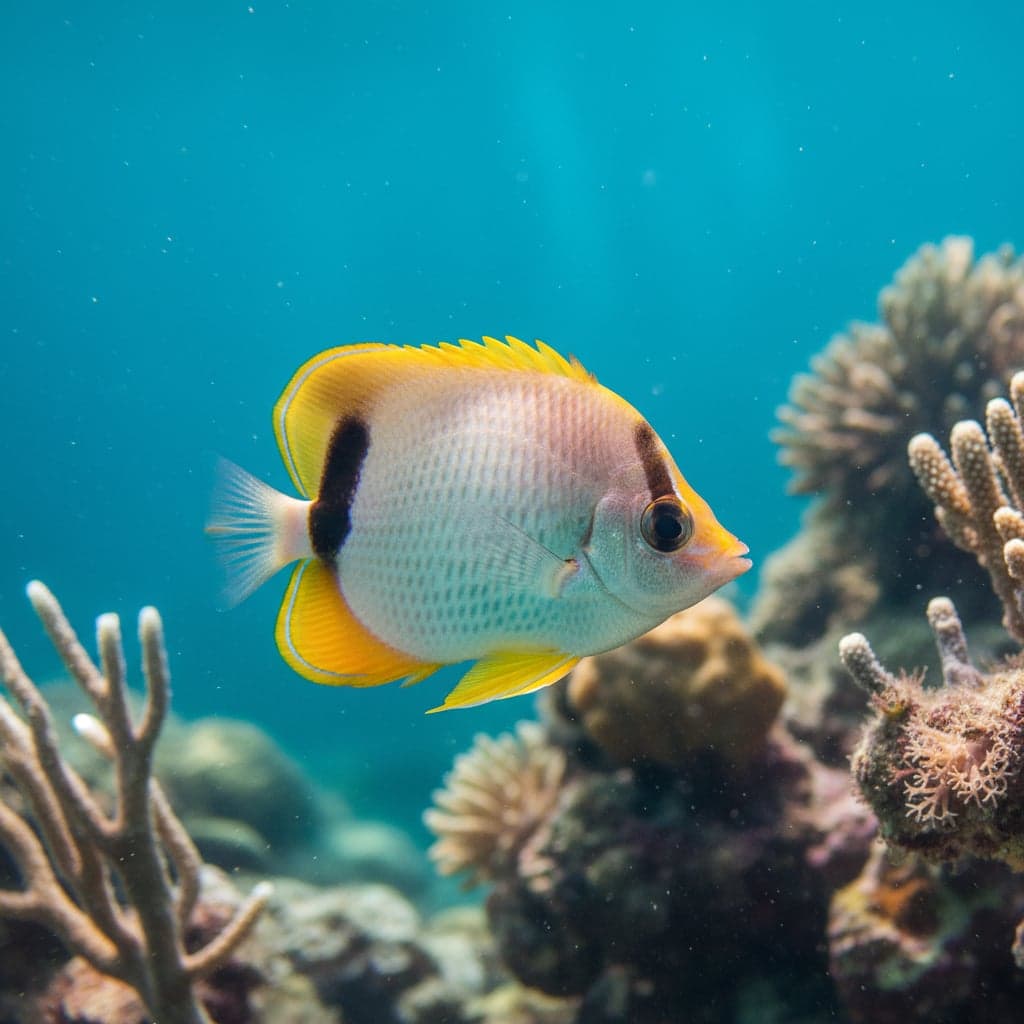
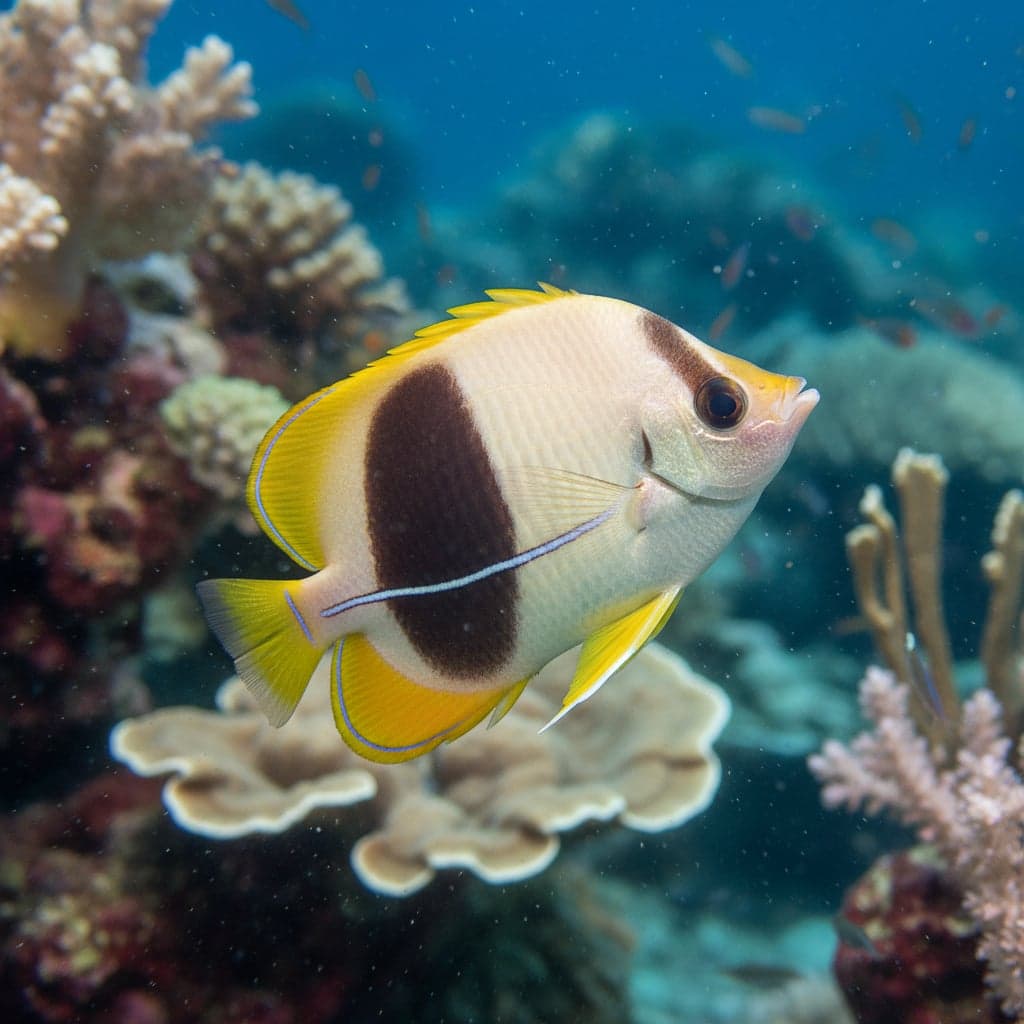
Merten's Butterflyfish
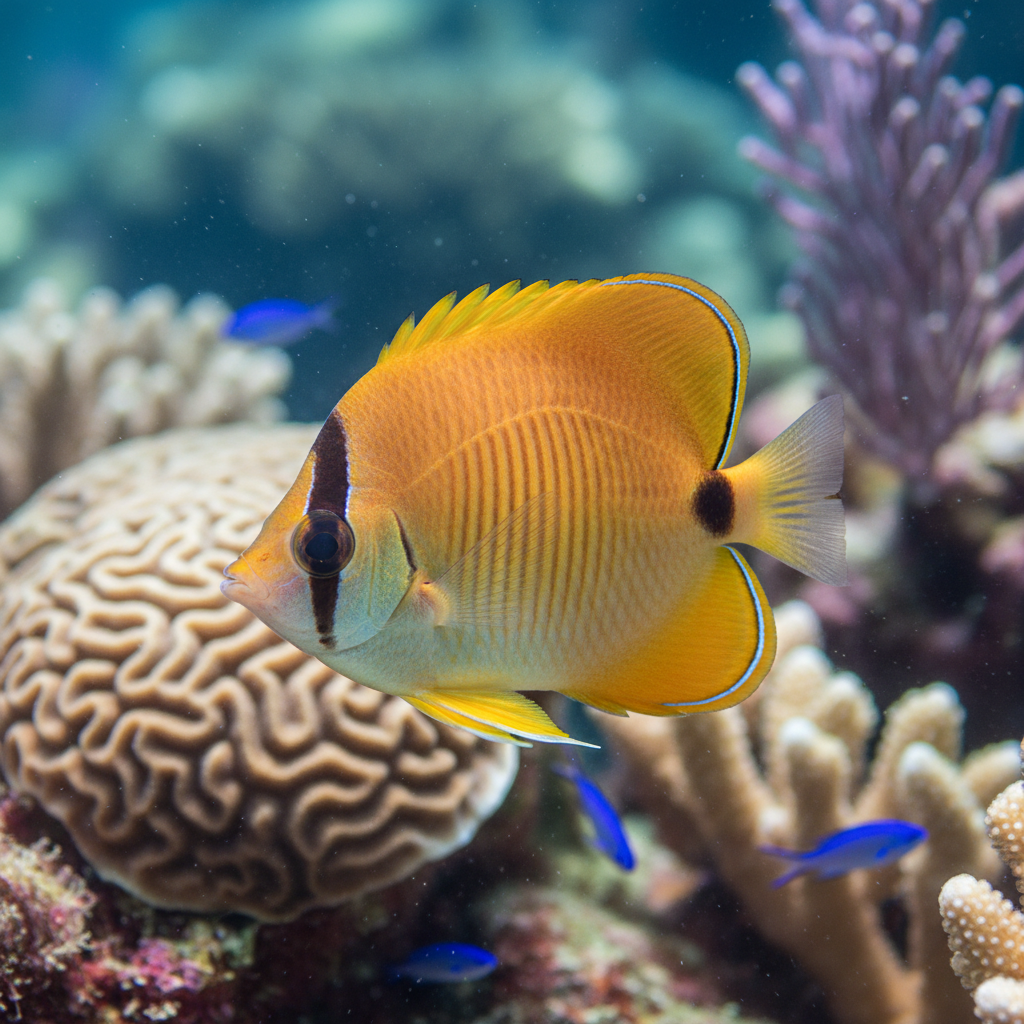
A 12cm butterflyfish that picks at coral polyps, so it is not reef safe. Needs a mature tank and a varied, frequent diet.

Merten's Butterflyfish
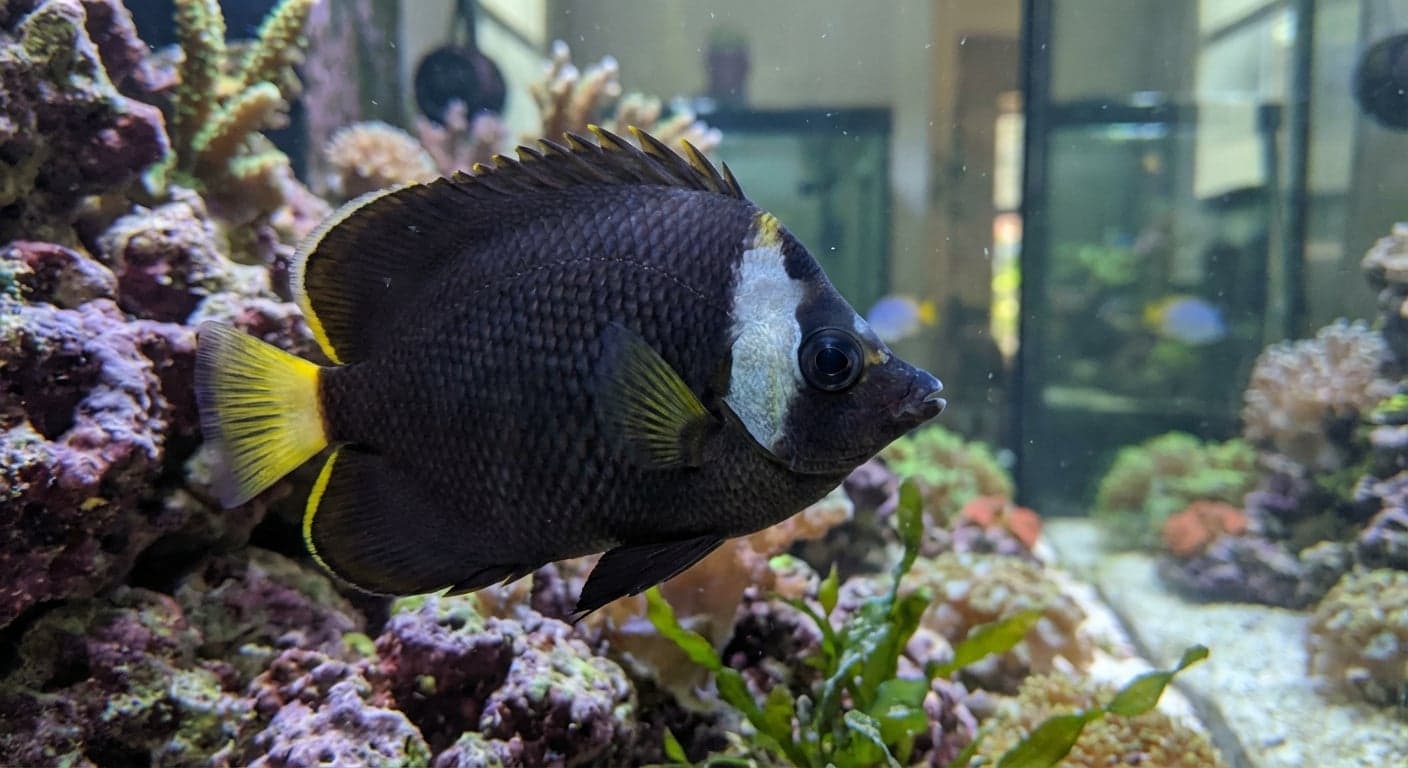
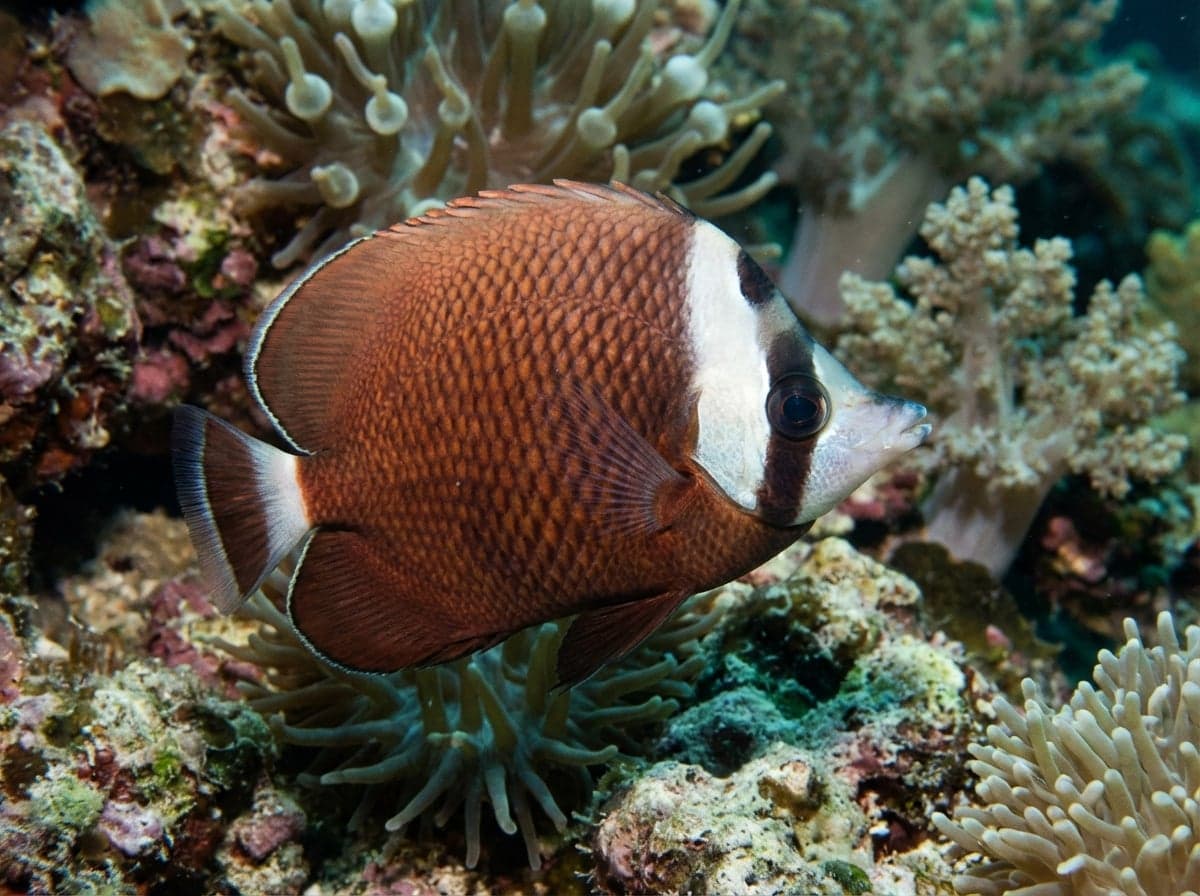
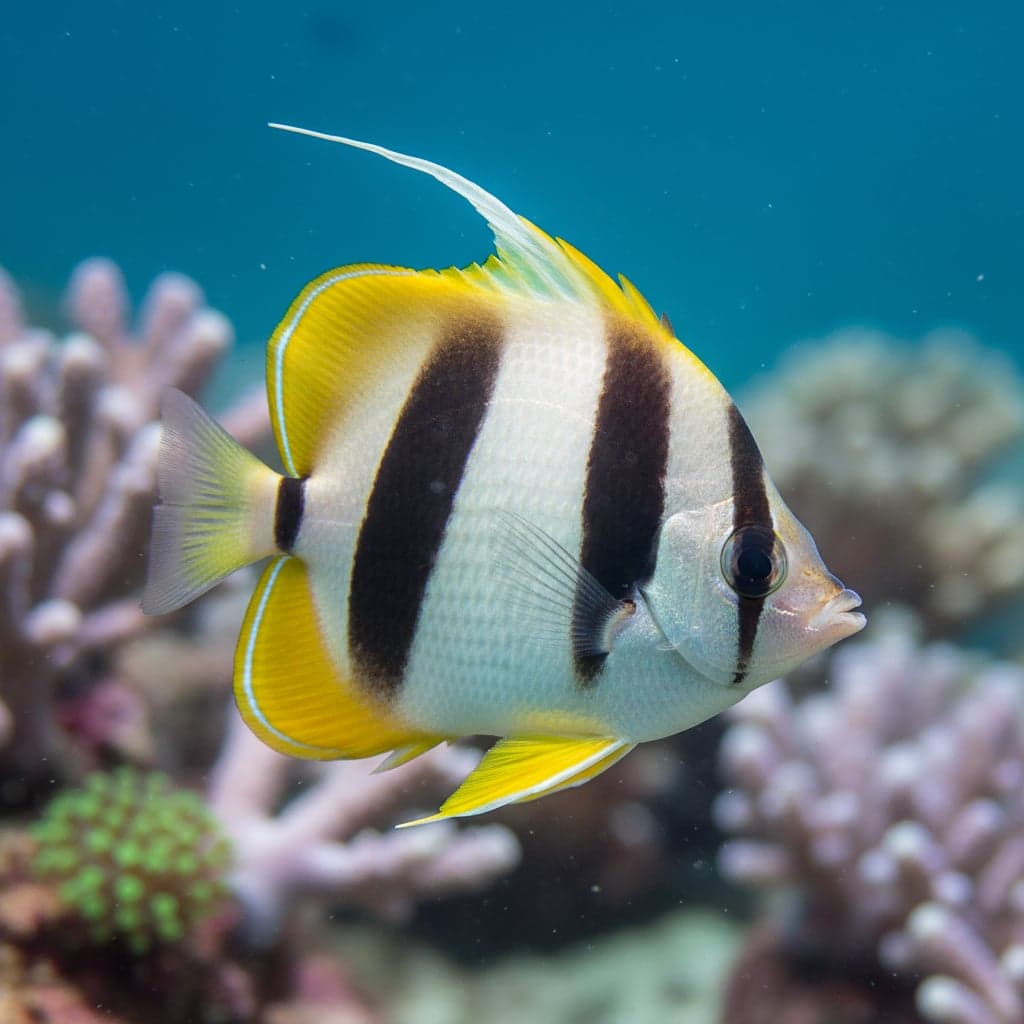
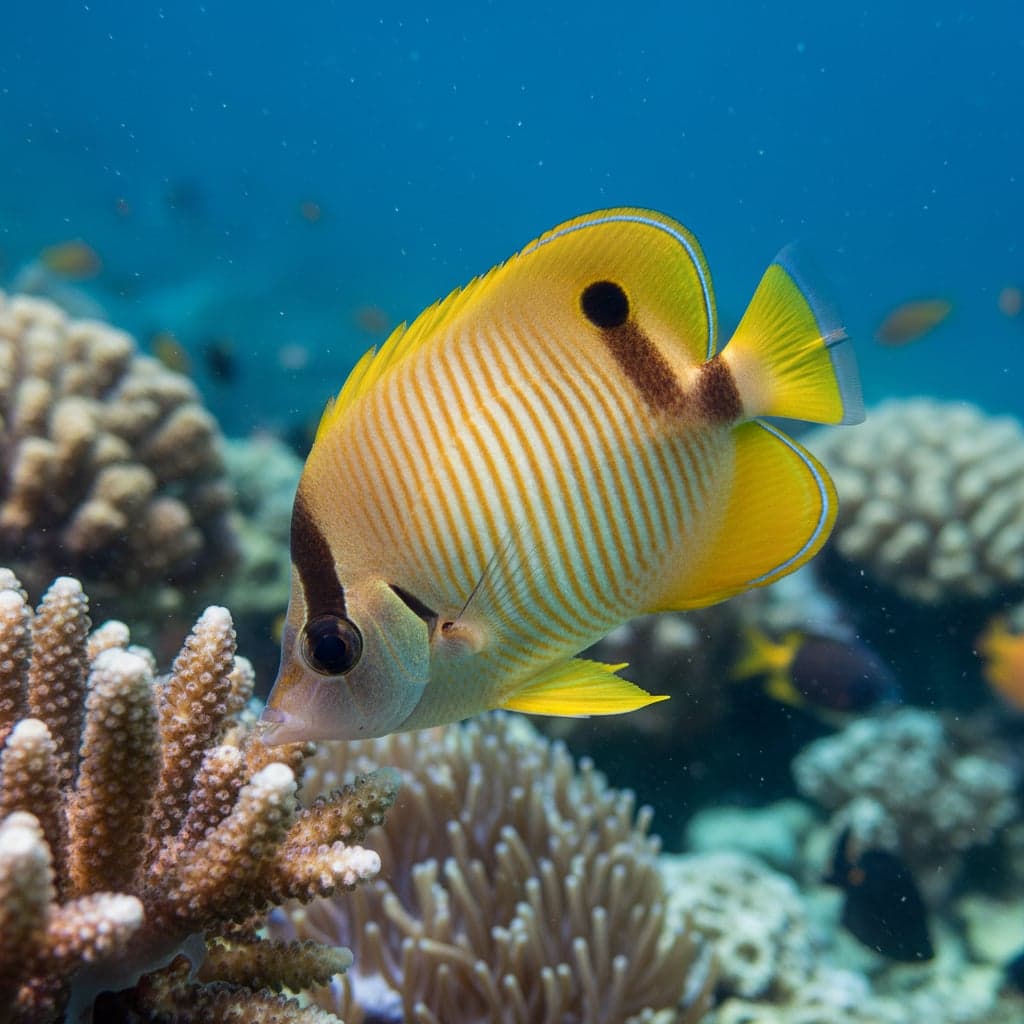
Merten's Butterflyfish, scientifically known as Chaetodon mertensii, is a visually stunning species native to the vibrant coral reefs of the Indo-Pacific region. This species captivates aquarists with its striking coloration, characterized by a brilliant blend of yellow, black, and white patterns that bring life to any aquarium. Merten's Butterflyfish is not just a feast for the eyes; it is essential for maintaining ecological balance within its natural habitat, as it feeds on coral polyps and helps promote the health of coral reefs. The delicate beauty and ecological significance make it a prized addition among serious reef aquarium enthusiasts.
In the aquarium hobby, Merten's Butterflyfish stands out as a challenge for fishkeepers aiming for a biotope-themed setup. Its unique appearance, combined with its behavior and dietary needs, requires careful attention and specialized care. This butterflyfish often serves as a centerpiece fish in reef tanks, admired for its dynamic swimming patterns and social interactions with tankmates. Hobbyists appreciate its role as a symbol of aquatic elegance, making it a sought-after species in premium aquarist collections.
Natural Habitat & Origin
Merten's Butterflyfish hails primarily from the coral reefs of the Indo-Pacific region, with a distribution range covering areas such as the Great Barrier Reef, the Coral Sea, and various Indo-Malay archipelagos. This species prefers clear, warm waters typically found in shallow environments, which allow for enhanced sunlight penetration, crucial for the growth of algae and coral polyps on which these fish primarily feed. The fish inhabits depths ranging from 1 to 30 meters, often found in areas rich in coral diversity, where they can effortlessly navigate through the intricacies of coral structures.
The environmental context of Merten’s Butterflyfish reflects the importance of healthy reef ecosystems. These vibrant environments are characterized by stable salinity levels, clear visibility, and a rich array of marine flora and fauna. Protecting the natural habitats of Merten's Butterflyfish is crucial, as they rely on coral reefs not only for food but also for shelter and breeding grounds. The health of these ecosystems directly affects the well-being of Merten's Butterflyfish and similar species, underscoring the significance of conservation efforts in marine environments.
Care Requirements
To thrive in captivity, Merten's Butterflyfish requires specific water parameters that closely mimic its natural habitat. Ideal conditions include a pH range of 8.1 to 8.4, a temperature between 76°F and 82°F (24°C to 28°C), and a salinity level of 1.020 to 1.025. The tank should also maintain a hardness between 8 to 12 dGH. When setting up an aquarium for Merten’s Butterflyfish, a minimum tank size of 270 litres (70 gallons) is recommended for this 12cm Chaetodon, providing adequate swimming space and territorial boundaries.
The tank setup should include a sandy or live rock substrate to replicate the natural reef environment, facilitating opportunities for wandering and grazing. Lighting should be moderate to high, supporting both corals and algal growth, which will serve as a natural food source. Incorporating plenty of rockwork, caves, and dense plant patches can offer shelter and mimic the diverse environments of coral reefs. Additionally, regular water quality testing and maintenance is vital to ensure a stable and healthy environment for this beautiful species.
Diet & Feeding
Merten's Butterflyfish is primarily a carnivorous species, feeding predominantly on corals, zooplankton, and small invertebrates in the wild. In captivity, it is essential to replicate this diet effectively to maintain optimal health. A varied diet is crucial, consisting of high-quality frozen foods such as mysis shrimp, brine shrimp, and various types of plankton. It is also advisable to provide marine flakes or pellets specifically formulated for herbivorous and omnivorous fish, including spirulina and algae-based options, to meet its nutritional requirements.
Live food can stimulate natural foraging behaviors, making it a great addition to its diet. However, caution should be exercised to ensure that any live food is sourced from reliable places to avoid introducing diseases into the aquarium. A feeding schedule with multiple small meals throughout the day can also encourage healthy growth and maintain energy levels, ensuring this stunning butterflyfish remains vibrant and active.
Behavior & Temperament
Merten's Butterflyfish is known for its curious and playful nature, making it a delightful addition to community aquariums. These fish exhibit moderate social behavior, often interacting with other species while also establishing territories within the tank. They tend to prefer vertical placement within the aquarium, often swimming near the upper levels in search of food sources while utilizing rock formations as refuge. While not overly aggressive, it is important to monitor their interactions with other tankmates, as some individuals may display competitive behavior during feeding or territorial disputes.
In a well-planned aquarium, Merten’s Butterflyfish can coexist peacefully with various species; however, they may show signs of stress or aggressive behavior if overcrowded or if housed with overly territorial or dominant species. Ensuring that the tank includes ample space and hiding spots can help mitigate aggression and promote a harmonious environment.
Tank Mates
Selecting appropriate tank mates for Merten's Butterflyfish is crucial to maintaining a peaceful community aquarium. Suitable tank companions include peaceful species such as clownfish, wrasses, gobies, and other small reef-safe fish. Invertebrates such as cleaner shrimp and hermit crabs are also excellent additions that enhance community dynamics. The key is to avoid more aggressive or territorial fish, including larger predatory species or species known for nipping fins, such as some damselfish and larger cichlids.
It's advisable to avoid housing Merten’s Butterflyfish with other butterflyfish species, as they may become aggressive toward one another over territory or food. Additionally, species that are known coral eaters or those with similar feeding habits should be excluded to reduce competition for food resources, promoting a healthier and less stressful environment for Merten's Butterflyfish.
Breeding
Breeding Merten's Butterflyfish in captivity presents challenges due to specific requirements needed to encourage spawning. In the wild, they often engage in monogamous pair bonding, where the male and female will court and converge in shallow waters during reproductive cycles. To initiate breeding conditions in captivity, a larger aquarium is essential, along with stable water parameters, abundant hiding places, and ample space for the pair to establish their territory.
Spawning typically occurs in the early morning when the female releases eggs into the water column, followed by the male fertilizing them. Since Merten's Butterflyfish are egg scatterers, providing a well-managed breeding tank with ample filtration and gentle water movement can help protect the eggs from predation. The eggs will hatch within a few days, and the subsequent larvae will need to be fed a diet of specialized plankton, requiring significant effort from the aquarist to ensure their survival.
Common Health Issues
Merten's Butterflyfish may be susceptible to a range of health issues commonly encountered in aquarium settings. These include external parasites such as ich (Ichthyophthirius multifiliis) and flukes, which can manifest as white spots or irritation on the skin. Additionally, stress-induced conditions due to subpar water quality, aggression from tankmates, or inadequate diet can lead to behavioral changes and illness.
To prevent these issues, aquarists should perform regular water changes, quarantine new arrivals, and offer a varied, nutritious diet while watching for clamped fins, rapid breathing, or loss of appetite. Prompt treatment and a calm, stable reef environment keep Merten's Butterflyfish healthy and vibrant.