Naso Tang (Lipstick Tang): Naso lituratus
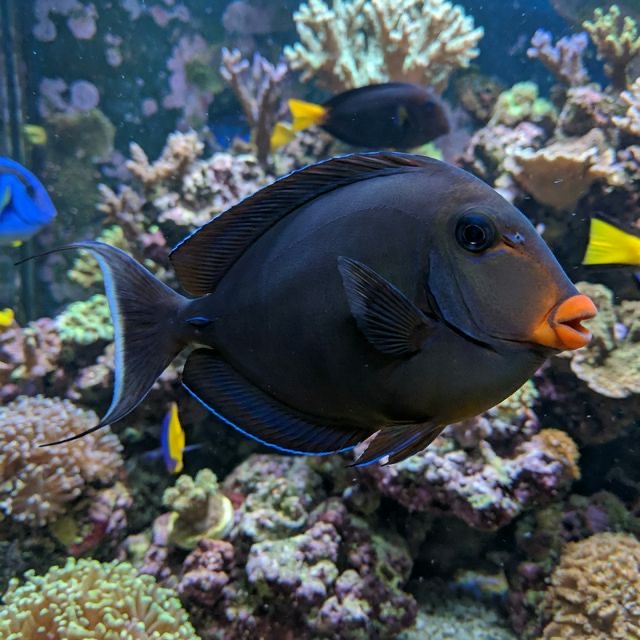
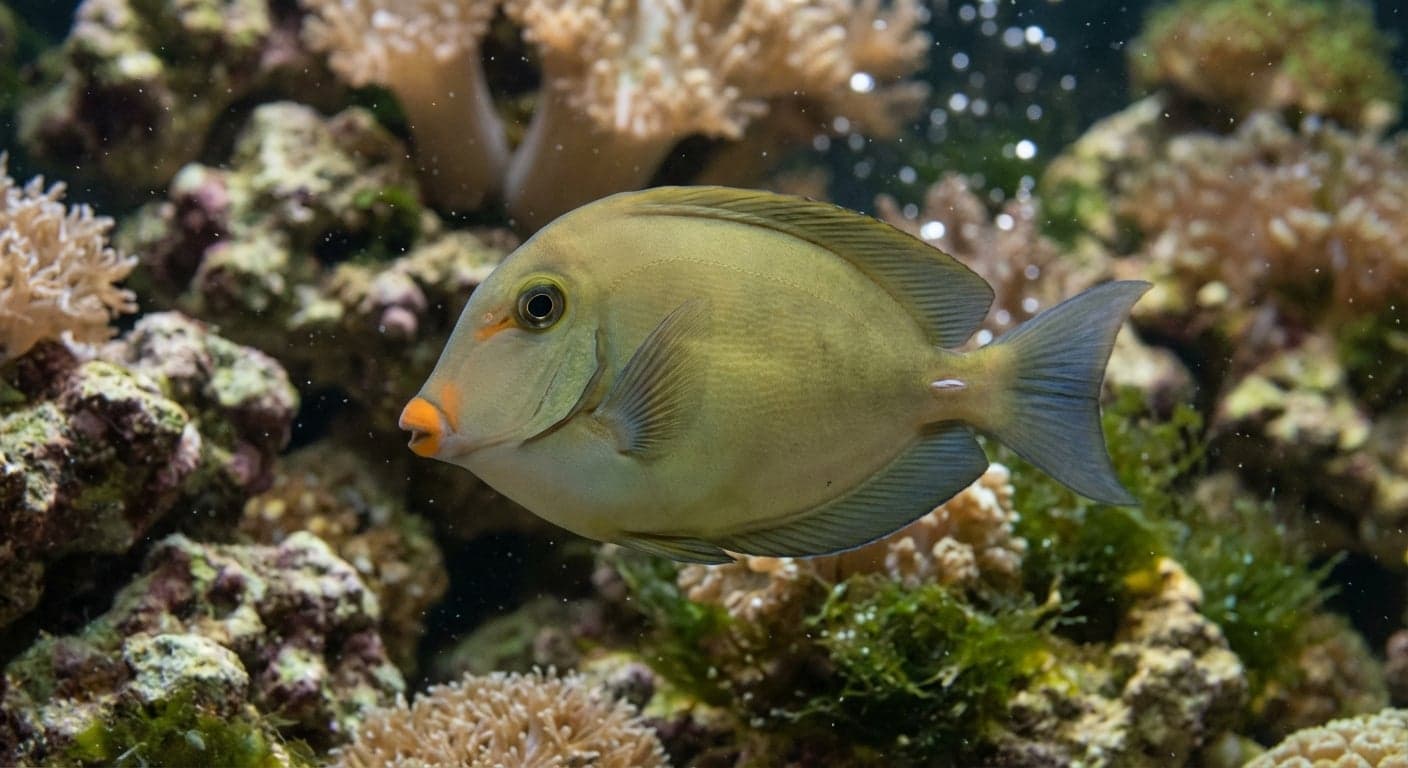
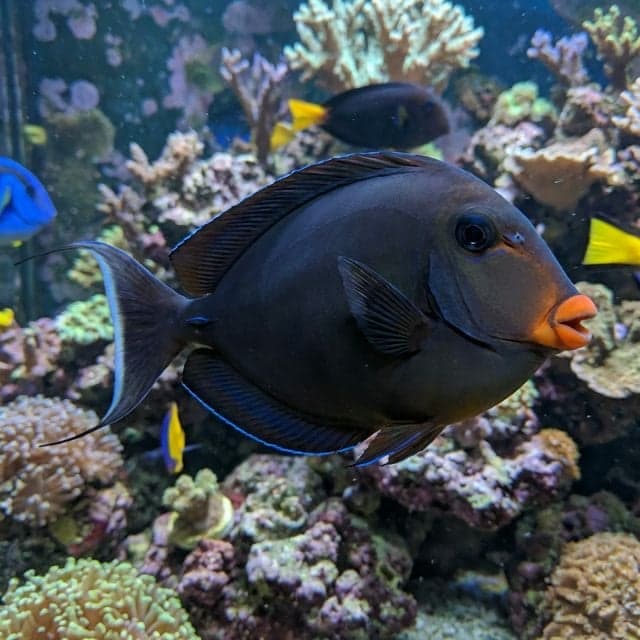
The "Lipstick Tang". A gentle giant with bright orange lips, tail streamers, and a peaceful disposition that belies its large adult size.
Naso Tang
The Naso Tang, scientifically known as Naso lituratus, is a stunning marine fish celebrated for its vibrant appearance and dynamic personality. With a body that can reach up to a foot in length, this species is often characterized by its elongated shape, striking coloration, and unique dorsal fin extensions, which resemble a lipstick-like appearance—hence the name "Lipstick Tang." The Naso Tang displays a gradient of colors ranging from a bright yellow to a deeper blue, complemented by a prominent hump on the forehead. This remarkable aesthetic appeal makes it a sought-after addition to both home aquariums and public displays, symbolizing the rich biodiversity of coral reef ecosystems.
In the aquarium hobby, the Naso Tang holds significant value not only for its beauty but also for its role as a herbivore, contributing to the maintenance of algae levels within the tank. Its lively swimming behavior and inquisitive nature add movement and excitement to marine setups, attracting the attention of viewers and enhancing the overall aquarium ambiance. With proper care, these fish can thrive and become a centerpiece in any marine aquarium, embodying the essence of underwater life.
Natural Habitat & Origin
Naso Tangs are native to the warm waters of the Indo-Pacific region, primarily found around coral reefs in locations such as Hawaii, Fiji, and the Great Barrier Reef. They typically inhabit depths ranging from 30 to 200 feet, occupying areas rich in coral formations and abundant algae, which serve as both food and shelter. These fish prefer clean, clear waters that are well-circulated, reflecting an environmental context that nurtures the growth of algal species they rely on for sustenance.
In their natural habitat, Naso Tangs are usually found in large schools, often associated with the reef ecosystem where they play a crucial role in herbivory. The coral reefs not only provide essential forage but also protect them from predators, ensuring their survival. Understanding this ecological background is vital for aquarists looking to replicate the Naso Tang’s natural living conditions in captivity.
Care Requirements
Providing optimal care for a Naso Tang involves replicating its natural environment as closely as possible. Ideal water parameters include a pH ranging between 8.1 and 8.4, a temperature of 72°F to 78°F (22°C to 26°C), and water hardness levels of 8 to 12 dGH. Maintaining stable salinity around 1.020 to 1.025 is crucial as well. Aquarists should utilize high-quality filtration systems to ensure water quality remains pristine, mimicking the clear waters of the Naso Tang's natural habitat.
The minimum tank size for housing a Naso Tang is at least 100 gallons, providing ample swimming space for this active fish. A sandy substrate is preferred, as it aligns with their natural environment. Live rock structures should be incorporated to create hiding spots and territory markers, while moderate to bright lighting is recommended to facilitate healthy algae growth for grazing. Aquarists may also introduce hardy live plants like macroalgae to enhance the aquarium's aesthetic while providing supplemental food sources.
Diet & Feeding
The Naso Tang is primarily an herbivore, thriving on a diet rich in algae and plant-based materials. In captivity, it is recommended to feed high-quality marine algae sheets, such as spirulina or nori, which can be attached to aquarium decor or provided as floating food. Additionally, high-quality flakes and pellets designed for herbivorous fish can supplement their diet effectively. Frozen foods such as brine shrimp and mysis shrimp may also be provided occasionally to ensure a balanced diet.
It is important to feed the Naso Tang multiple times a day in small quantities to prevent overfeeding and maintain water quality. A varied diet is crucial to mimic their natural feeding habits, supporting their health, coloration, and overall well-being.
Behavior & Temperament
Naso Tangs are known for their active and playful demeanor, making them an engaging addition to any marine aquarium. They display a degree of social behavior, often forming small groups in the wild. However, in a home aquarium, it's essential to provide enough space for the Naso Tang to establish its own territory, especially as it matures. While generally peaceful towards other fish, they may exhibit territorial aggression when feeling cramped or stressed, especially towards similar-bodied species.
Vertical swimming habits are common for the Naso Tang, as they prefer to occupy the middle to upper levels of the tank. Providing ample swimming space and visual barriers can help reduce territorial disputes and allow their natural behaviors to flourish.
Tank Mates
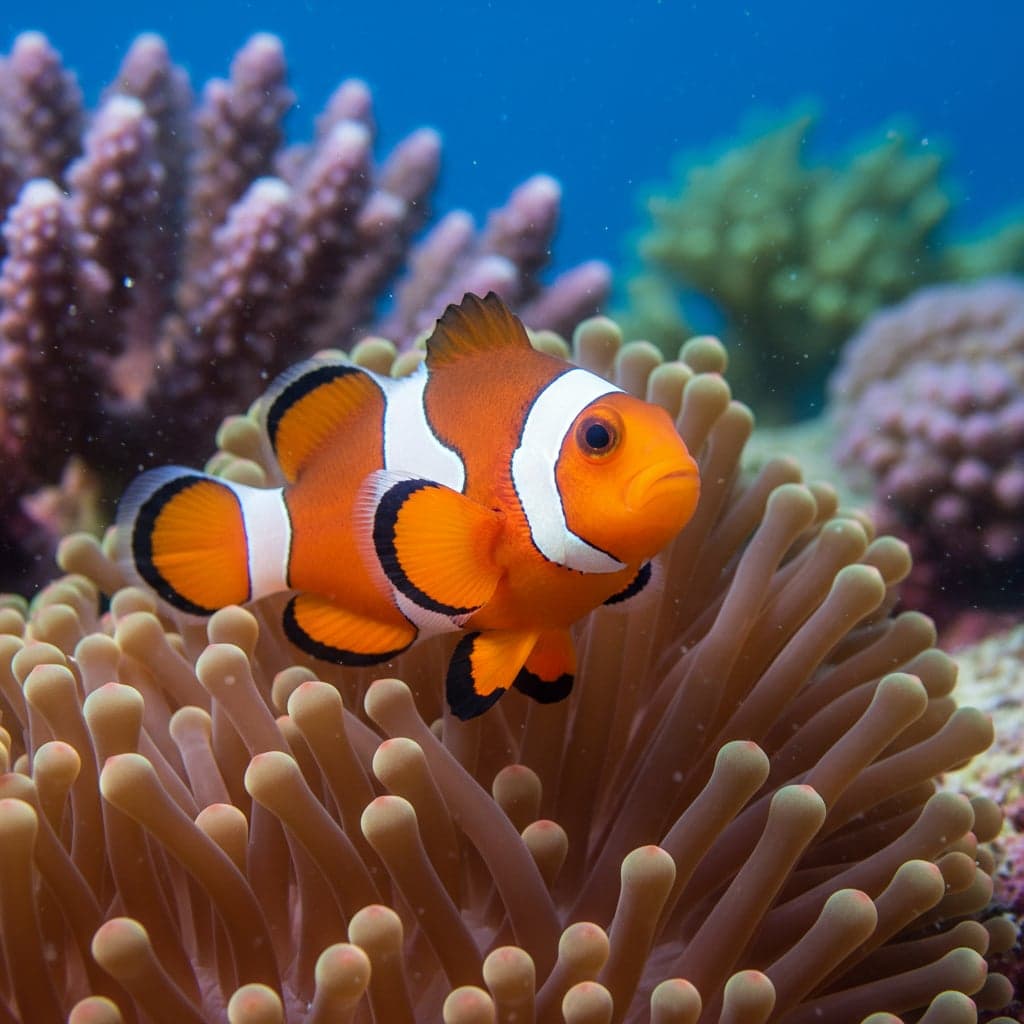
When choosing tank mates for a Naso Tang, it is critical to select species that share compatible temperaments and spatial needs. Suitable companions include larger, non-aggressive fish such as clownfish, angelfish, and butterflyfish, which can coexist without directly competing for territory or resources. Additionally, schooling fish like chromis can add liveliness to the tank while maintaining a peaceful environment.
Conversely, aquarists should avoid keeping Naso Tangs with overly aggressive species such as triggers, aggressive wrasses, or small, delicate fish that may become targets of harassment. Special consideration should be given to other tangs and surgeonfish, as intraspecies aggression can occur, particularly in smaller tanks.
Breeding
Breeding Naso Tangs in captivity is considered quite challenging and is rarely accomplished by aquarists. They exhibit spawning behaviors characterized by seasonal migrations, during which males and females establish hierarchies within their groups. Conditions for successful breeding require an established, spacious aquarium with consistent water quality and enriching environments to encourage natural courtship behaviors.
During the breeding period, the females will scatter their eggs, which are adhesive and typically adhere to various surfaces. After spawning, it is essential to remove the adults from the breeding area to prevent them from consuming the eggs. As these fish are relatively high-maintenance, most breeding attempts in captivity ultimately result in breeding challenges, but understanding their natural spawning behavior can provide insights into successful setups.
Common Health Issues
The Naso Tang, while generally robust, can be susceptible to several common marine fish diseases, primarily ich (Cryptocaryon irritans) and marine velvet (Amyloodinium ocellatum), which can be exacerbated by stress and poor water quality. Maintaining a stable environment, appropriate tank parameters, and consistent nutrition can significantly reduce these risks.
Preventative measures such as quarantine procedures for new arrivals, regular water testing, and a balanced diet rich in vitamins will support overall health. Regular monitoring for signs of distress or disease plays a crucial role in early detection and prompt treatment, ensuring the Naso Tang remains a vibrant and eye-catching inhabitant of your aquarium.