Neolamprologus buescheri: Neolamprologus buescheri
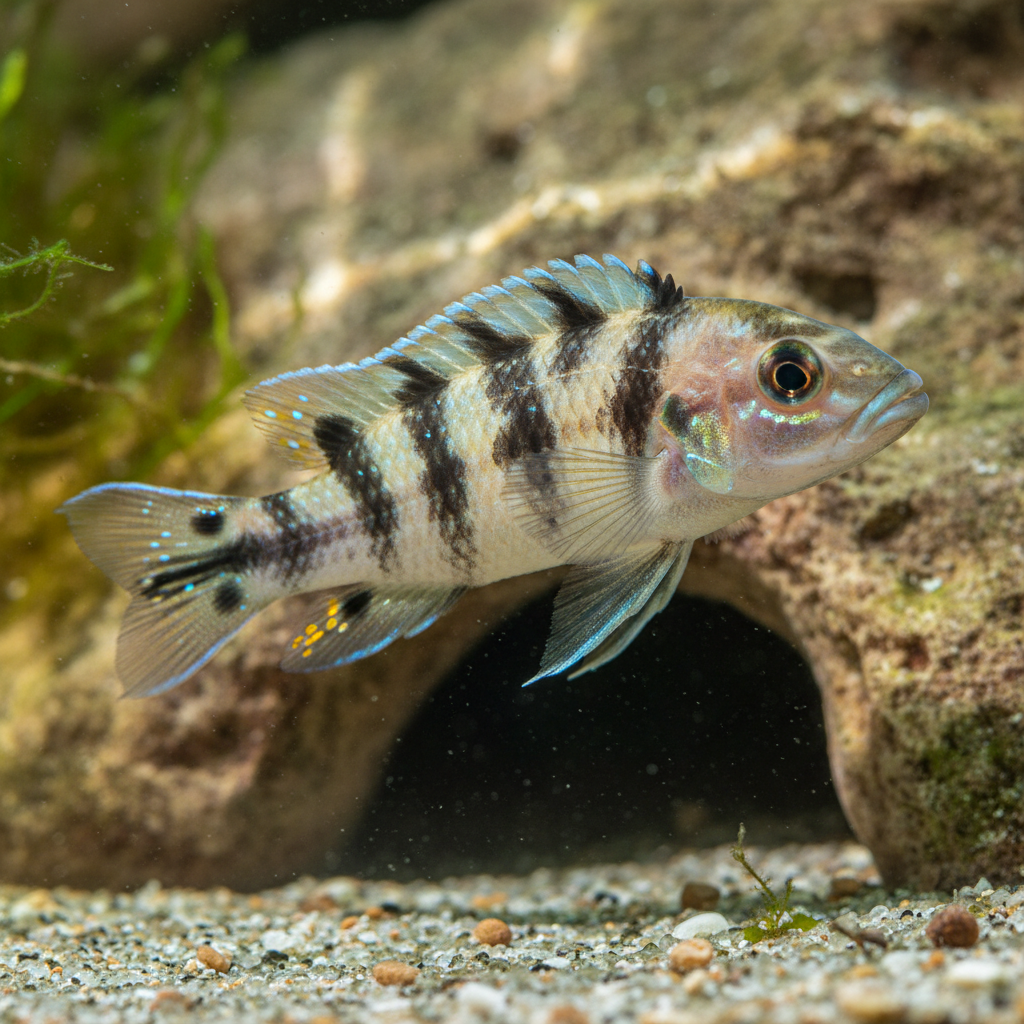
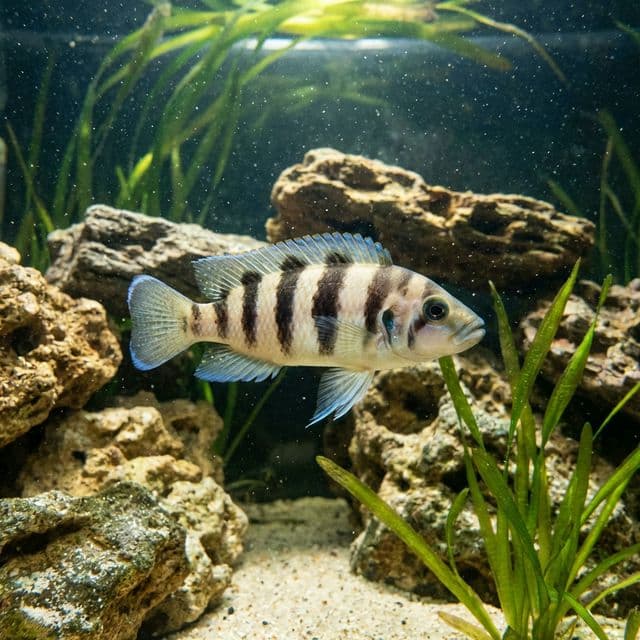
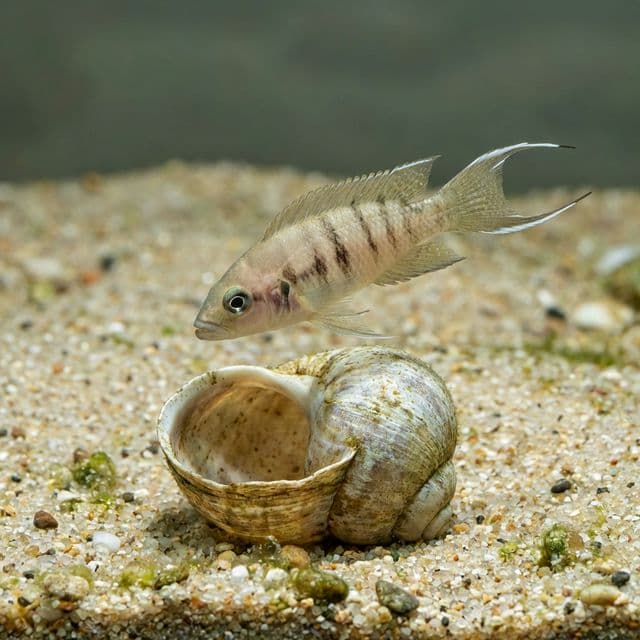
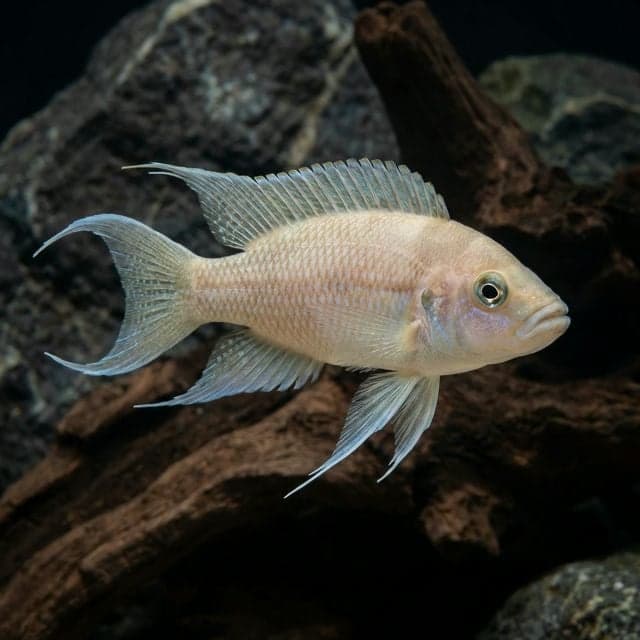
A slender, powerfully striped predatory cichlid that lives exclusively in deep, dark crevices in Lake Tanganyika.
Neolamprologus buescheri
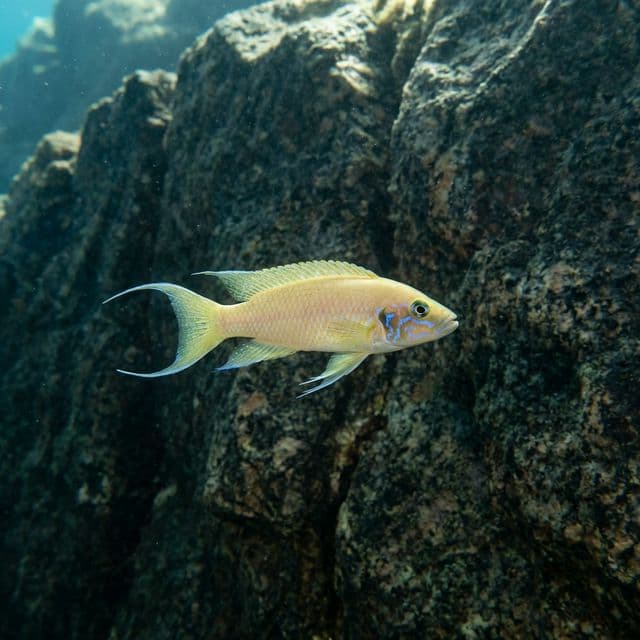
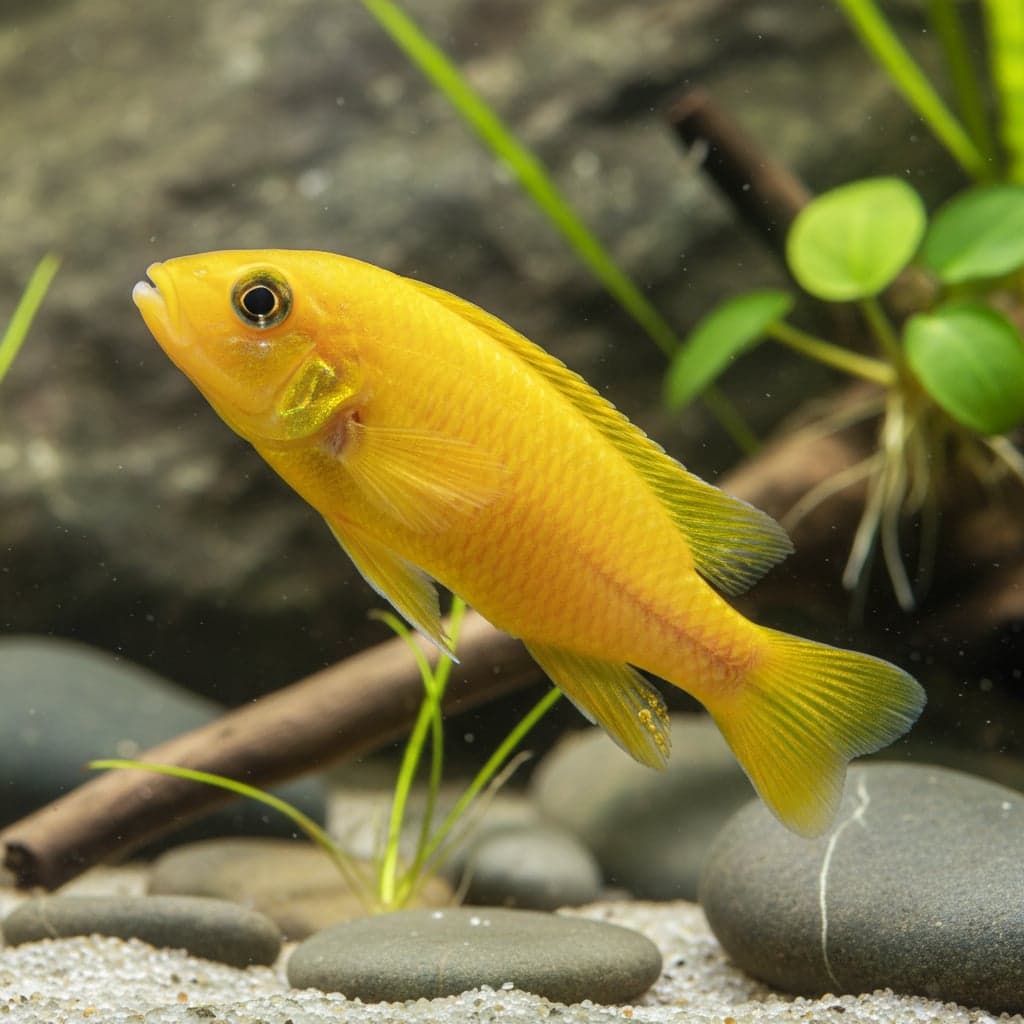
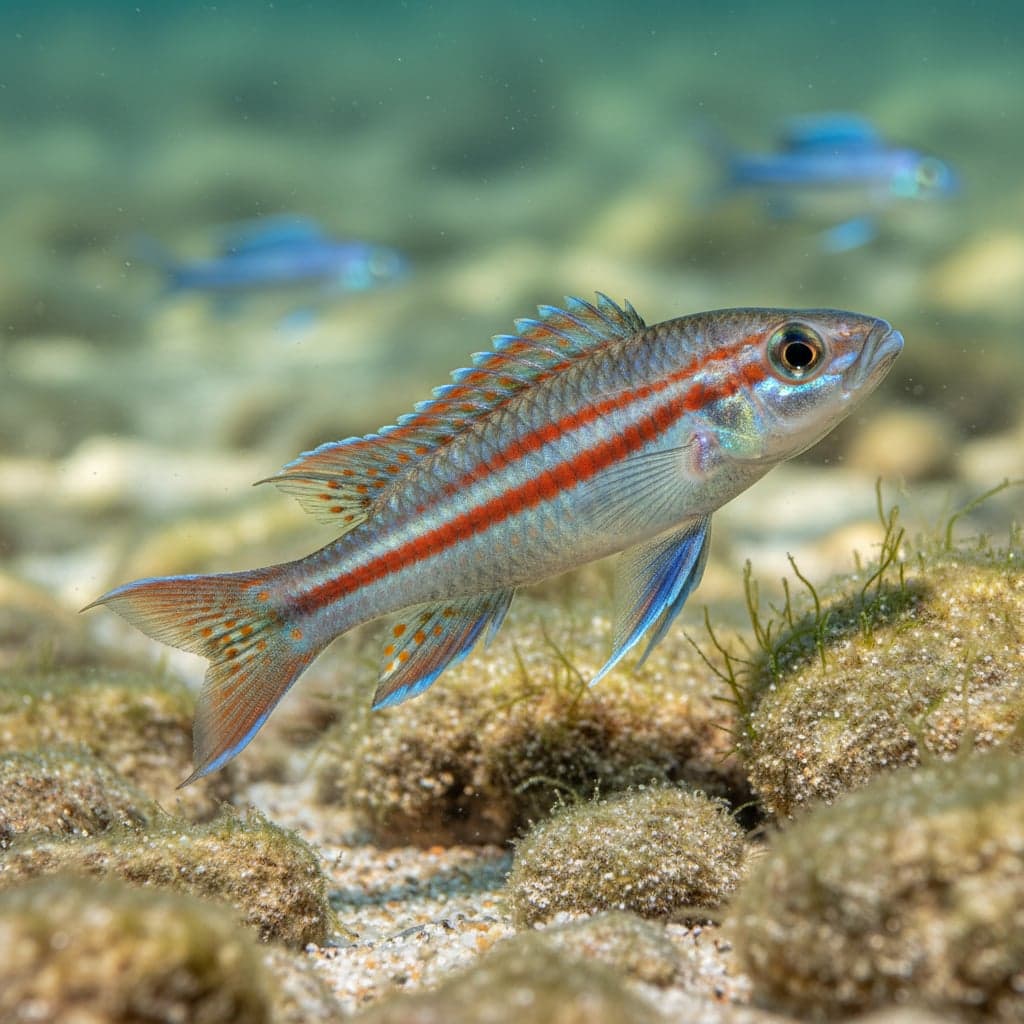
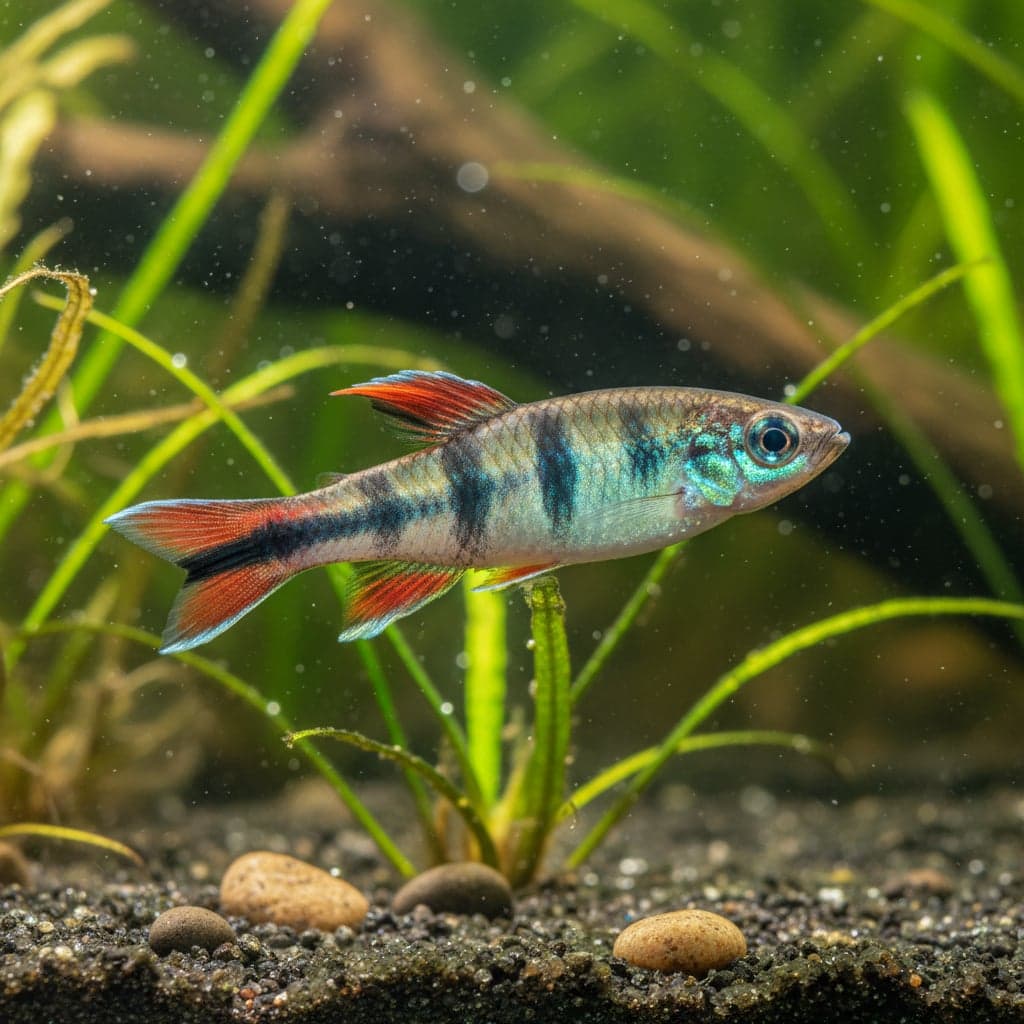
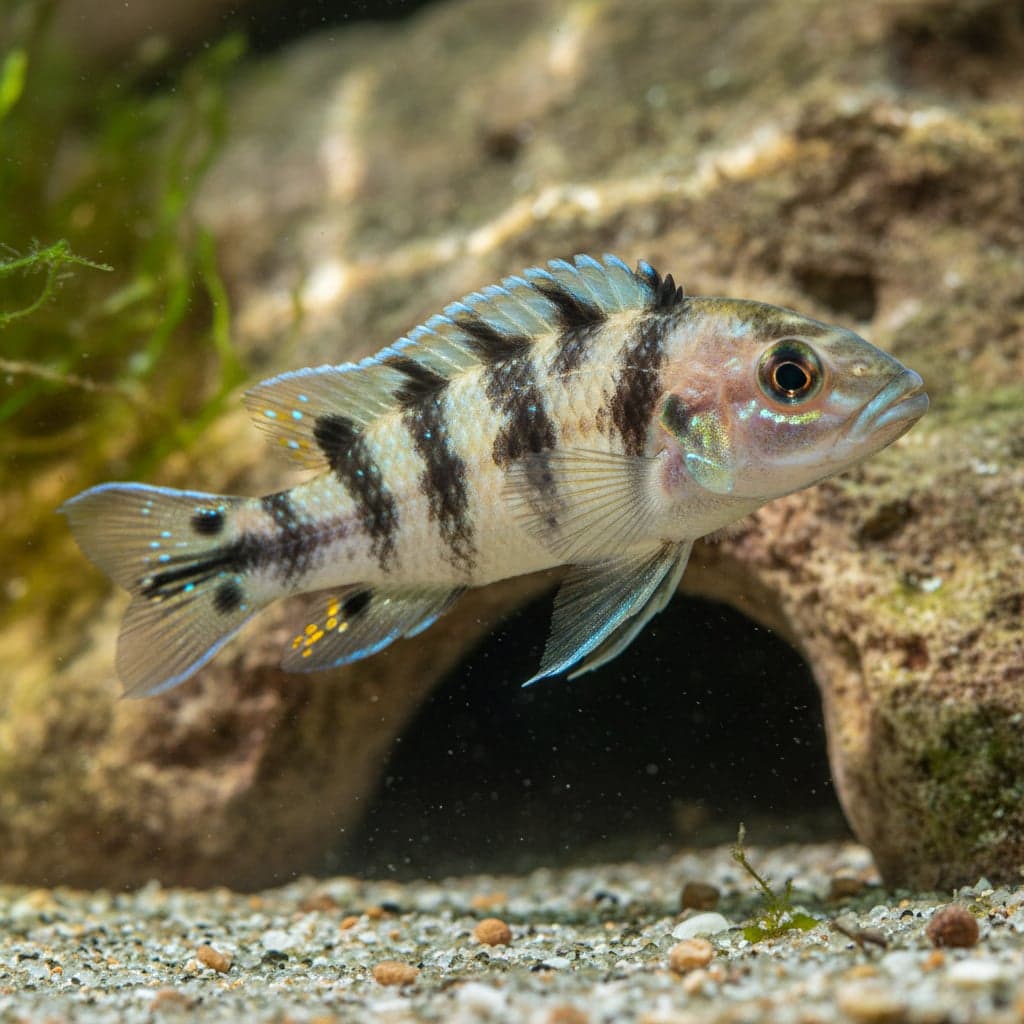
The Neolamprologus buescheri, commonly known as Buescher's Lamprologus, is a captivating cichlid species native to the rocky shorelines of Lake Tanganyika in East Africa. Belonging to the family Cichlidae, this fish showcases stunning visual appeal, characterized by its elongated body, vibrant coloration, and distinctive patterns. Adult Buescher's Lamprologus can reach a maximum length of around 4 inches, exhibiting shades that range from bright yellows to deep blues and blacks, often accentuated by iridescent highlights. This striking appearance makes them a popular choice among aquarists looking to create visually stunning biotopes that reflect the natural beauty of East African lakes.
In the aquarium hobby, Neolamprologus buescheri is celebrated not only for its aesthetic qualities but also for its fascinating behaviors and adaptable nature. Its significance extends to being a prime representative of Tanganyikan cichlid species, offering hobbyists a glimpse into the diverse ecosystems of freshwater lakes. As a parent, Buescher's Lamprologus exhibits unique breeding behaviors, making it a suitable specimen for aquarists interested in breeding cichlids. With proper care and conducive tank conditions, these fish can thrive, bringing life and color to any aquarium setup.
Natural Habitat & Origin
Neolamprologus buescheri is indigenous to Lake Tanganyika, the second-deepest freshwater lake in the world, bordered by four African countries: Burundi, the Democratic Republic of the Congo, Zambia, and Tanzania. In its natural habitat, this species inhabits rocky crevices and shelters, which offer a refuge from predators while allowing access to feeding grounds. The waters of Lake Tanganyika are typically clear and moderately hard, with a pH ranging from 7.5 to 9.0. The lake’s unique ecological context is characterized by a mix of rocky substrates and sandy bottoms, providing diverse environments for different fish species, including the Neolamprologus buescheri.
The environmental conditions of Lake Tanganyika significantly influence the behavior and adaptation of Buescher's Lamprologus. The lake's complexity, including varying depths and intricate rock formations, not only serves as a natural habitat but also plays a crucial role in the breeding and territorial behaviors of cichlid species. Understanding these aspects helps aquarium enthusiasts replicate similar conditions to ensure the health and vitality of Neolamprologus buescheri in captivity.
Care Requirements
To keep Neolamprologus buescheri healthy and thriving, specific water parameters must be maintained. The ideal temperature range is between 76°F and 82°F (24°C to 28°C) with a pH level from 7.5 to 9.0, and hardness ideally between 10 and 20 dGH. A minimum tank size of 30 gallons is recommended, providing ample space for territorial behavior, especially if multiple males are present. For substrate, a sandy base is preferred, mirroring the natural habitat of Lake Tanganyika. Additionally, introducing various rocky structures and caves will encourage sheltering and breeding.
Lighting should be moderate, as this fish does best in environments that mimic its natural habitat. It is advisable to incorporate hardy aquatic plants such as Anubias and Java fern, which can tolerate higher pH levels, providing a natural aesthetic and additional cover. The setup should allow for vertical space, enabling Neolamprologus buescheri to display its natural vertical swimming patterns; hence, tall rock formations or caves can enhance both the tank's beauty and the fish's behavioral expression.
Diet & Feeding
Neolamprologus buescheri is classified as an omnivore with a preference for carnivorous fare. In the wild, their diet primarily consists of small crustaceans, invertebrates, and detritus found in their rocky habitats. In an aquarium setting, offering a balanced diet is crucial for keeping Buescher's Lamprologus healthy and vibrant. Quality flake or pellet food designed for cichlids should form the base of their diet, supplemented with high-protein frozen or live foods such as brine shrimp, bloodworms, and daphnia to mimic their natural feeding behavior.
It's important to feed these fish small portions two to three times a day, ensuring that all food is consumed within a few minutes to prevent water quality issues. Regularly varying their diet with different food types can promote color vibrancy and overall well-being, making feeding an enjoyable and integral part of their care.
Behavior & Temperament
Neolamprologus buescheri exhibits unique social behaviors, often displaying territoriality, especially in males. These fish are generally more solitary, relying on rock formations for shelter and breeding grounds. In a well-structured tank setup, you will observe that they establish their territories, engaging in a hierarchical social structure where aggression can occur, particularly during breeding times. It’s essential to provide ample hiding spots, as this helps mitigate aggression and allows expressing natural behaviors.
While Buescher's Lamprologus can be kept in pairs or small groups, they are not considered schooling fish and do not have the same social tendencies found in other community species. Vertical placements within the tank, such as caves and overhangs, are critical for their comfort as they use these areas to avoid confrontation and feel secure. Monitoring their interactions is key, as sudden breaks in pecking order can lead to stress and potential injuries.
Tank Mates
Choosing compatible tank mates for Neolamprologus buescheri requires careful consideration of temperament and physical needs. Suitable companions include other Tanganyikan cichlids that are similarly sized, such as Altolamprologus and smaller species of Cyprichromis. Keeping them with peaceful species like larger catfish or certain types of freshwater shrimp can also be beneficial, provided these species do not intrude on their territory.
However, it is paramount to avoid housing them with overly aggressive fish or those that may compete for space and resources, such as larger cichlids or those known for territorial behaviors. Species like Oscars or larger African cichlids can cause stress and harm. Therefore, a carefully curated community tank will enhance the well-being of Neolamprologus buescheri, promoting a healthy and harmonious environment.
Breeding
Breeding Neolamprologus buescheri in captivity can be a rewarding experience for aquarists, as they exhibit unique spawning behaviors reminiscent of their natural habits. This species is substrate spawner, typically laying their eggs in rocky crevices or caves where the female may deposit anywhere between 20 to 100 eggs. To encourage breeding, maintain optimal water conditions and ensure a well-structured environment with ample hiding spots for the breeding pair.
The male will often court the female with displays of color and fin movements, establishing a bond prior to spawning. Post-egg-laying, the female takes on the role of guardian while the male may assist in fending off potential threats from intruders. It's important to provide minimal disturbances during this period and offer a diet rich in protein to support the female through egg production. With patience and the right conditions, aquarists can witness successful spawning and dedicated parental care of the developing fry. Keep disturbances minimal until free-swimming fry appear, then offer finely crushed flakes or baby brine shrimp.
Common Health Issues
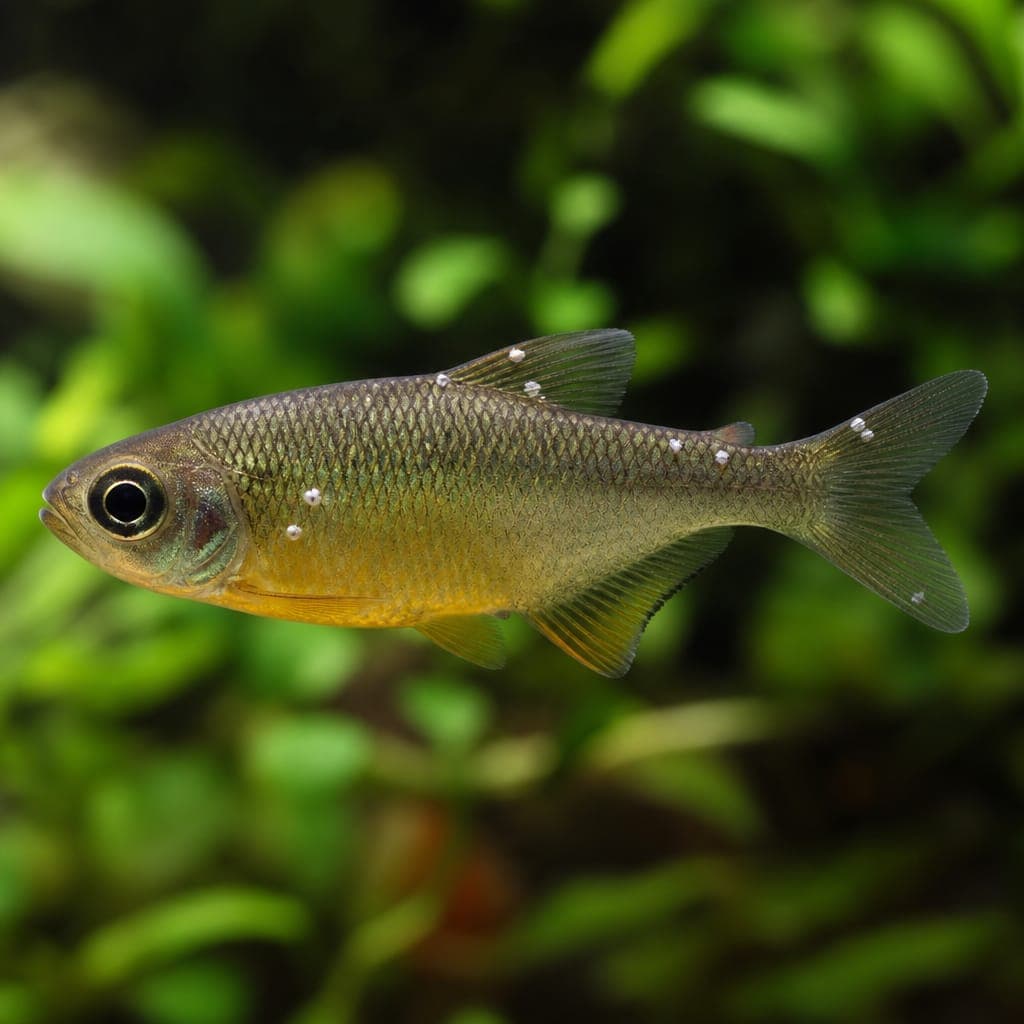
Neolamprologus Buescheri can develop ich, fin rot, or stress-related illness when water quality declines or territories are contested. Quarantine newcomers, keep hard alkaline Tanganyika parameters stable, and provide ample rock caves. Watch for white spots, clamped fins, or lethargy, and treat promptly. A stable Tanganyika setup with plenty of caves keeps them healthy and colourful for years.