New Guinea Wrasse
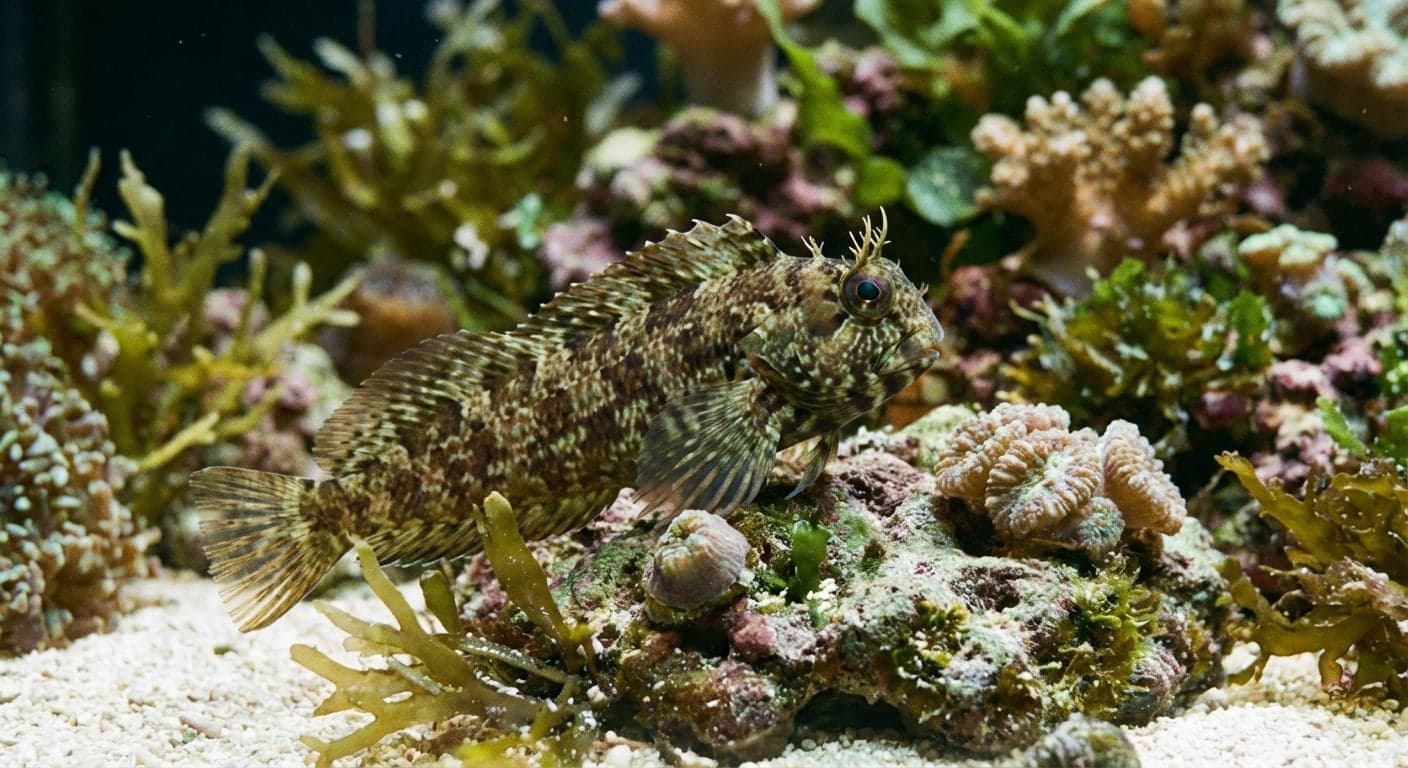
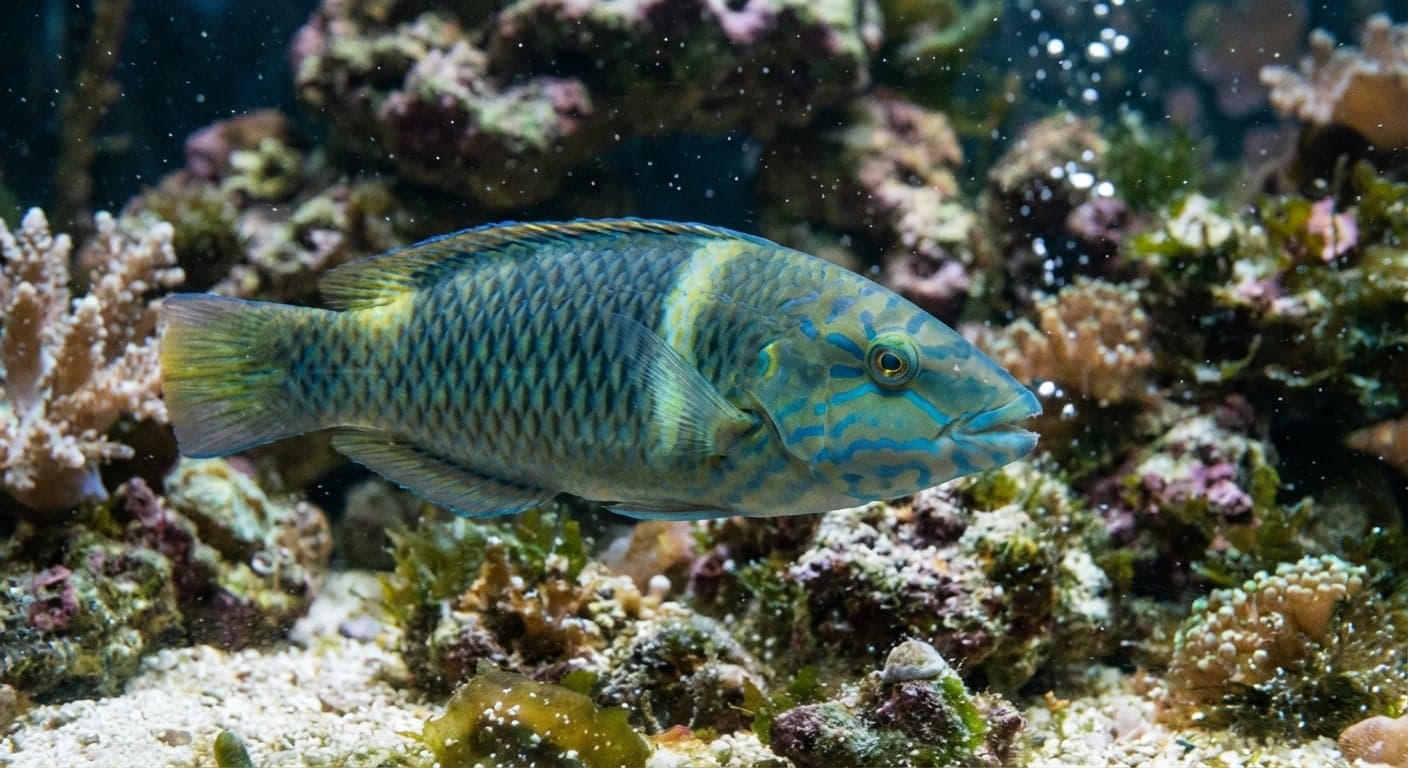
A 17cm wrasse that hunts small invertebrates across the rock. Needs a sand bed to sleep in and a sealed lid — it jumps.
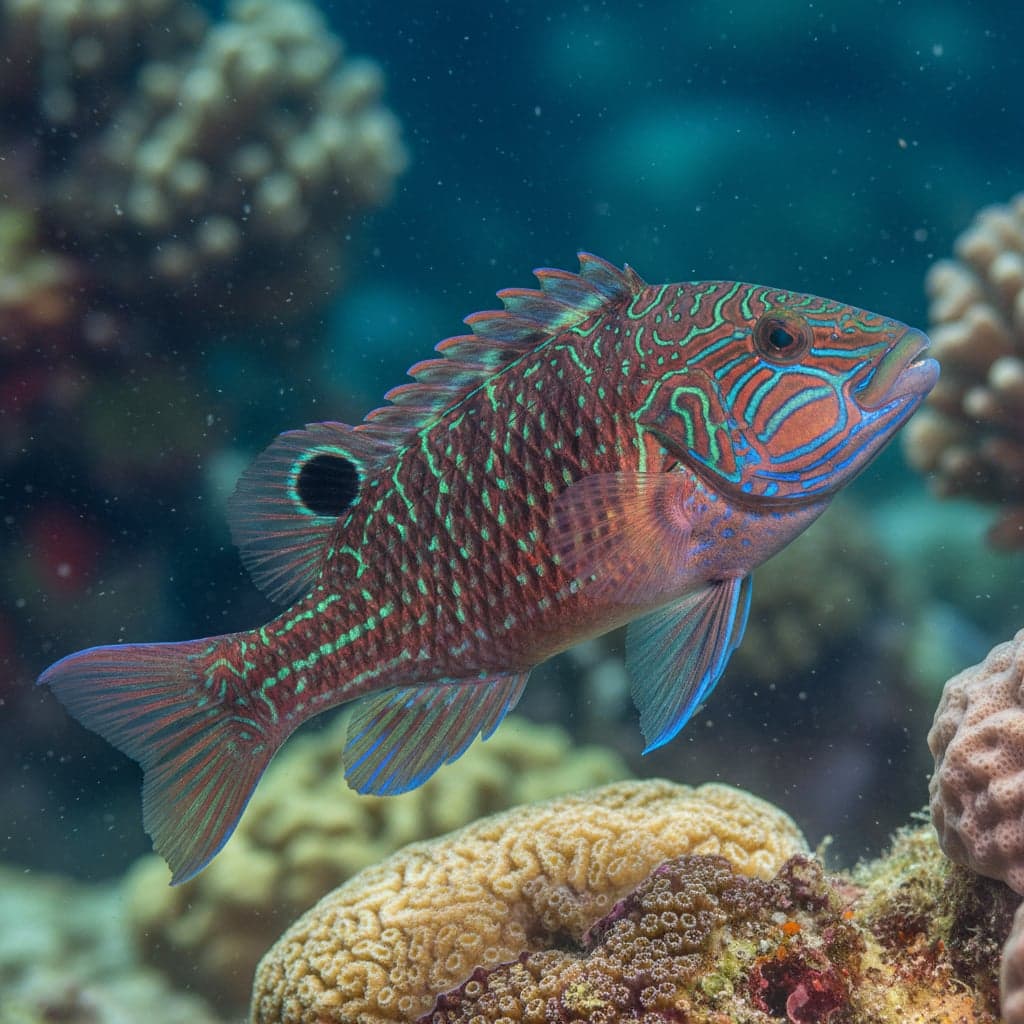
New Guinea Wrasse
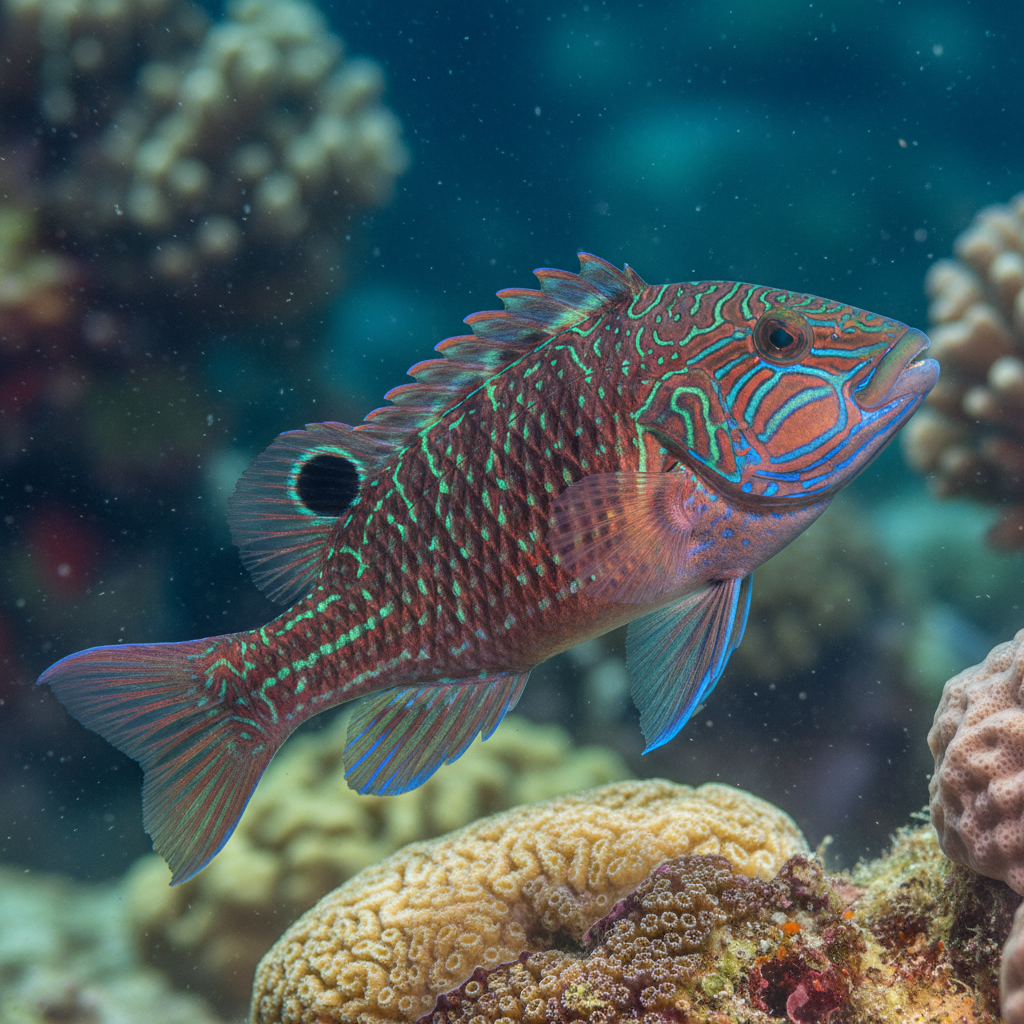
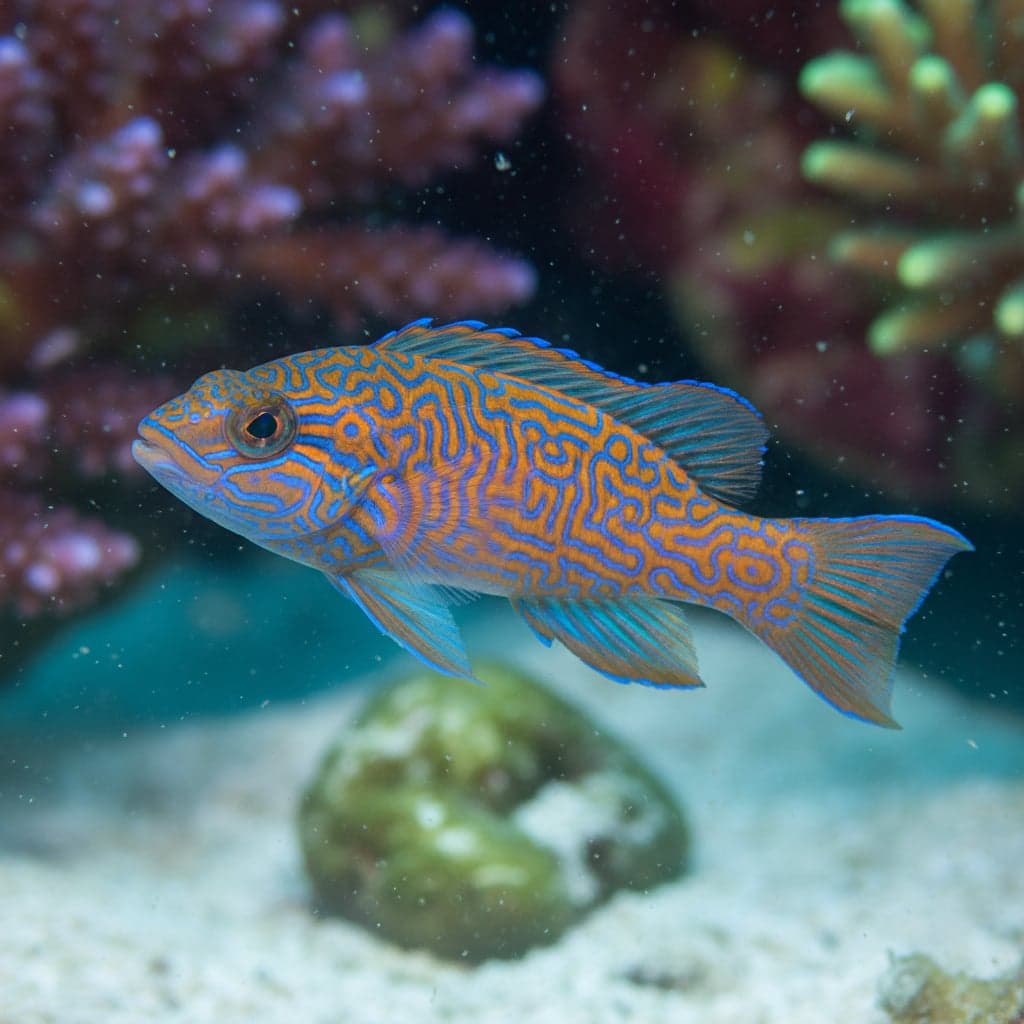
The New Guinea Wrasse (Cirrhilabrus spp.), also known colloquially as the New Guinea Rainbowfish, is a vibrant and visually stunning species that has captured the hearts of aquarists around the world. Characterized by its iridescent colors, which can vary dramatically between individuals, this fish often displays a combination of blues, greens, oranges, and yellows. Its striking appearance makes it a centerpiece in many marine and reef aquariums. This species is not only appreciated for its beauty but also holds significance in conservation, as it represents the rich biodiversity found in the coral reefs of New Guinea.
In addition to its visual appeal, the New Guinea Wrasse has an interesting behavior pattern that adds value to the aquarium hobby. Known for its lively and active swimming, this fish typically occupies the mid to upper levels of the tank, often darting between rocks and corals. Observing the New Guinea Wrasse can provide insight into its natural instincts and the essential role it plays in maintaining the balance of its ecosystem. The combination of its vivid coloration and engaging behavior makes the New Guinea Wrasse a favored choice for both novice and experienced aquarists seeking to enhance their aquatic displays.
Natural Habitat & Origin
The New Guinea Wrasse originates from the waters surrounding the islands of New Guinea and its neighboring regions within the Indo-Pacific Ocean. This species is commonly found in coral reef ecosystems, where it thrives in warm, clear waters abundant with marine life. New Guinea Wrasse prefers areas rich in corals and rocky substrates that offer plenty of hiding spots, which serve as both a refuge and a hunting ground for smaller prey. Typically dwelling in depths ranging from 10 to 30 meters, these fish are accustomed to stable environments characterized by moderate water flow and a diverse array of marine organisms.
The environmental context in which New Guinea Wrasse is found includes reefs dominated by hard corals, where they feed on small invertebrates and zooplankton. The water in these regions tends to be slightly alkaline, with a pH ranging between 8.0 to 8.4. The combination of warm temperatures and high biodiversity creates a unique habitat that is crucial for the sustenance of species like the New Guinea Wrasse, which plays an important role in the reef's ecological dynamics.
Care Requirements
To thrive in a home aquarium, the New Guinea Wrasse requires specific water parameters and tank conditions. The ideal pH level for this species ranges from 8.0 to 8.4, with a temperature between 75°F and 82°F (24°C to 28°C). Water hardness should be maintained between 8 to 12 dGH to simulate its natural habitat. A minimum tank size of 50 gallons is recommended, as these fish appreciate ample swimming space and territories to establish.
For tank setup, a sandy substrate with rocks and caves mimics the New Guinea Wrasse's natural reef environment, offering hiding spots and shelter. Proper lighting is essential; moderate lighting can promote the growth of coralline algae and keep the fish comfortable without causing stress. Including live plants and coral structures in the aquascape can provide necessary cover while contributing to the aesthetic appeal of the aquarium.
Diet & Feeding
The New Guinea Wrasse is primarily an omnivore, requiring a balanced diet to support its energetic lifestyle. In captivity, it thrives on a varied diet that includes high-quality marine flakes, pellets, and frozen foods such as mysis shrimp or brine shrimp. Live foods, such as small worms and crustaceans, can also be offered to replicate its natural feeding habits and stimulate its hunting instincts. It is crucial to avoid overfeeding, as a healthy feeding schedule—usually two to three times a day with small portions—ensures optimal growth and health while reducing waste in the aquarium.
In terms of nutritional requirements, the New Guinea Wrasse benefits from foods rich in protein and essential fatty acids. Supplementing its diet with spirulina or other algae-based products can enhance coloration and promote overall well-being, making it a vibrant addition to any aquarium.
Behavior & Temperament
The New Guinea Wrasse is known for its active and curious disposition, typically engaging in playful interactions within its tank. Unlike some more territorial species, this fish exhibits moderate social behavior, often forming loose schools when in groups. However, males can display some level of aggression towards one another, particularly in smaller tanks or during breeding seasons. Therefore, caution should be exercised when introducing multiple males into the same aquarium.
In terms of vertical placement, the New Guinea Wrasse tends to swim primarily in the mid to upper levels of the tank, frequently darting between rock structures and corals. This dynamic behavior not only makes them entertaining to observe but also serves as a reminder of their natural habitat, where they are constantly foraging and exploring their environment.
Tank Mates
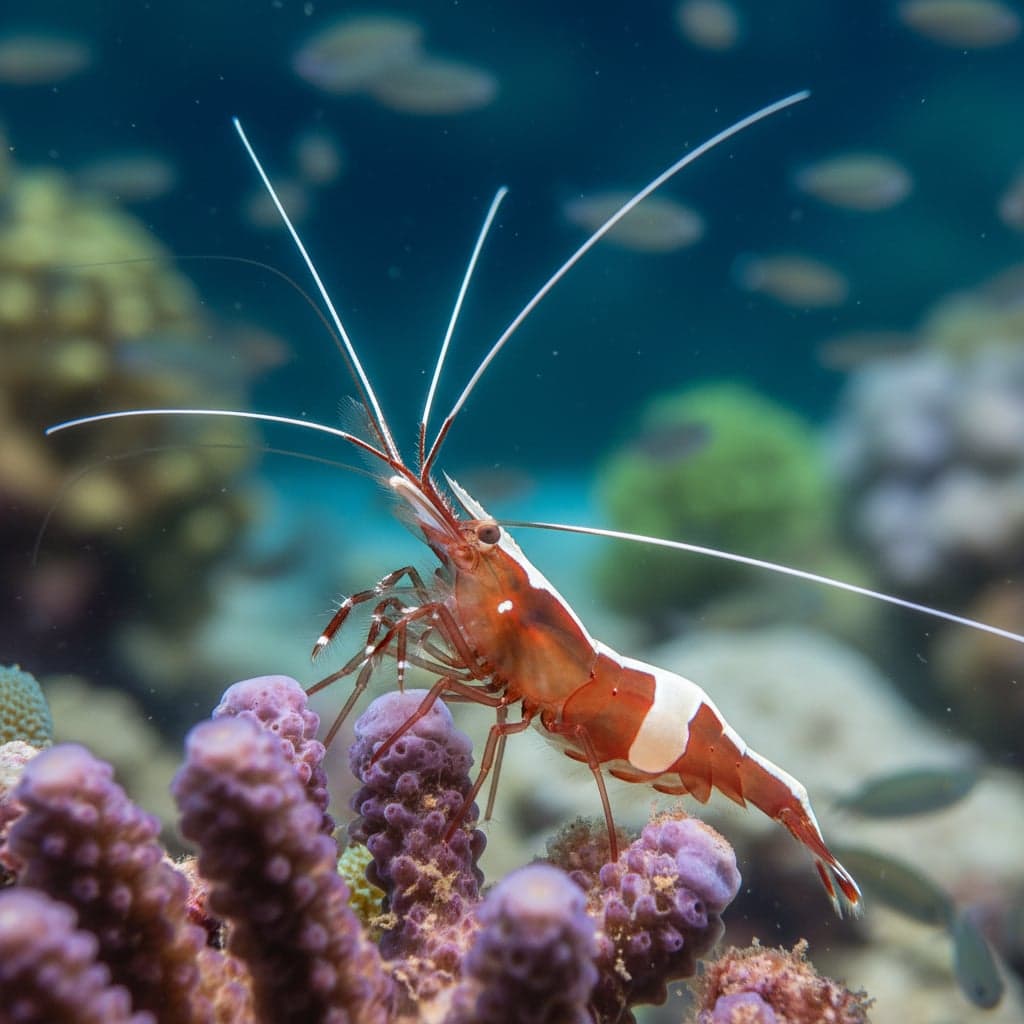
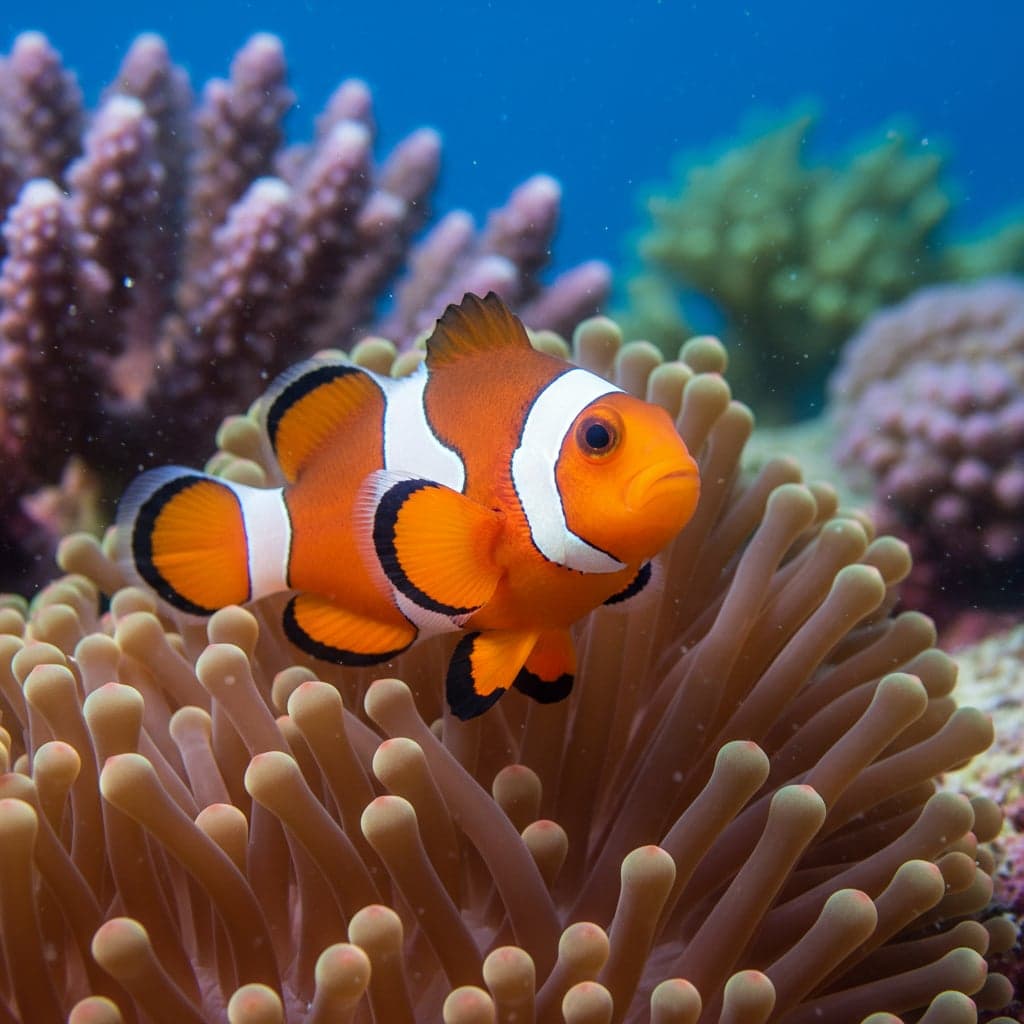
When selecting tank mates for the New Guinea Wrasse, it is essential to consider both compatibility and the aquatic environment of the tank. Ideal companions include peaceful species such as small tangs, clownfish, cardinals, and certain types of gobies. These fish can share the same swimming space without competing for territory or becoming overly aggressive. Additionally, invertebrates such as cleaner shrimp and snails can contribute positively to the ecosystem of the tank.
On the other hand, it is crucial to avoid aggressive or very territorial species, such as larger wrasses or triggerfish, which can pose a threat to the New Guinea Wrasse. Avoiding mixing with overly boisterous community fish will help maintain a peaceful environment where the New Guinea Wrasse can thrive.
Breeding
Breeding the New Guinea Wrasse in captivity can be challenging, primarily due to the species' specific spawning behaviors. Males typically display vibrant colors during courtship rituals, often engaging in elaborate displays to attract females. Conditions for successful breeding include a stable and well-maintained environment with suitable water parameters, including optimal pH, temperature, and hardness levels.
Creating a breeding setup might involve providing mature individuals with ample hiding spaces in the form of rock structures and keeping appropriate lighting to mimic their natural environment. When ready, the female will lay eggs within a secure area, and the male will fertilize them. The eggs are often scattered and will hatch in 5 to 7 days, resulting in fry that require specialized care as they grow. Although more challenging than other species, successful breeding can be rewarding for aquarists willing to invest the time and effort.
Common Health Issues
While the New Guinea Wrasse generally has robust health, it can be susceptible to several common aquarium diseases. Issues such as ich (Ichthyophthirius multifiliis), marine velvet (Amyloodinium ocellatum), and fin rot can affect their health if not monitored and addressed. Routine tank maintenance, including water changes and monitoring for pathogens, is essential to minimizing risks.
Preventative measures also include maintaining optimal water quality and avoiding overcrowding in the aquarium, which can lead to increased stress and susceptibility to illness. A well-balanced diet will bolster the immune system, ensuring that these fish remain healthy and vibrant throughout their lives. Regular observation of behavior and appearance can help catch any signs of distress or disease early, allowing for prompt treatment when necessary.