Noble Gourami: Ctenops nobilis
An exceedingly rare, highly demanding long-snouted gourami from the stagnant swamps of Bangladesh and India.
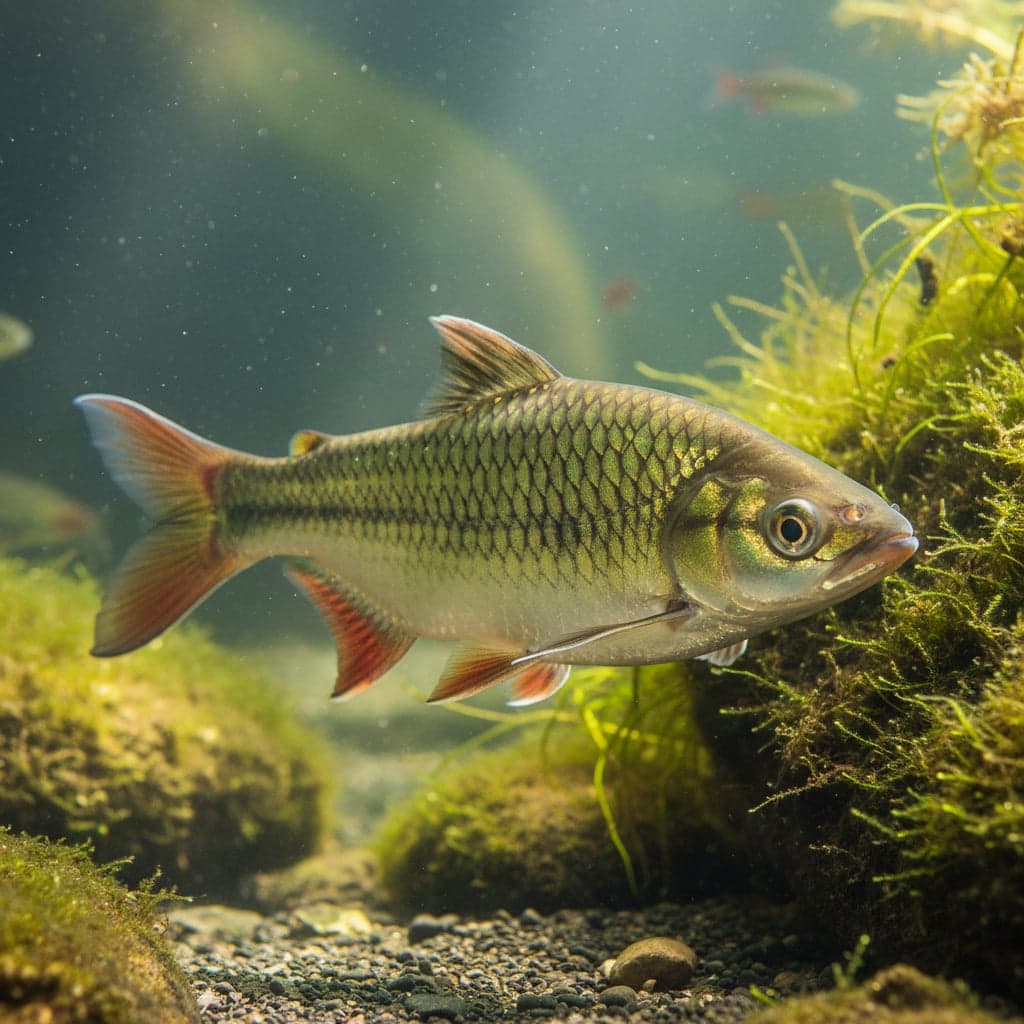
Noble Gourami
The Noble Gourami, scientifically known as Ctenops nobilis, is a stunning freshwater fish sought after for its visual appeal and peaceful nature. Recognized for its elongated, oval body and striking coloration, this species often showcases a shimmering blue-gray hue adorned with vivid orange and red accents along its fins and patterns. The male Noble Gourami is particularly vibrant during the breeding season, displaying a brilliant sheen that adds allure to any aquarium setup. As an exceptionally popular choice among aquarists, this species not only captures the attention of enthusiasts but also plays a significant role in promoting biodiversity in captivity.
In the aquarium hobby, the Noble Gourami holds a noteworthy position as a symbol of tranquility and visual harmony. Its serene demeanor makes it an ideal choice for community tanks, contributing to a peaceful aquatic environment. The delightful passive behavior of the Noble Gourami, coupled with its captivating appearance, has made it a staple in domestic and professional aquariums alike. This fish's significance extends beyond aesthetics, reflecting the need for conservation and responsible breeding practices in the hobby.
Natural Habitat & Origin
The Noble Gourami originates from the freshwater rivers and lakes of Southeast Asia, particularly found in regions such as Indonesia, Malaysia, and Brunei. Preferring shallow waters like streams, marshes, and swamps, it thrives in environments characterized by dense vegetation. These habitats often exhibit specific ecological features, such as slow-moving waters rich in organic matter, creating a blackwater environment that's slightly acidic. The intricate labyrinth system of the Noble Gourami allows it to survive in low-oxygen conditions, promoting its adaptability to varied aquatic settings.
In the wild, these fish inhabit areas with significant plant cover, which provides both shelter and food, forming an essential part of their ecosystems. As such, replicating these environmental conditions is crucial for successful captivity. Understanding their natural habitat is essential for any aquarist wishing to keep Noble Gouramis, as it impacts their overall health, behavior, and longevity.
Care Requirements
When caring for the Noble Gourami, it's essential to maintain suitable water parameters that closely resemble their natural habitat. The preferred pH range for these fish is between 6.0 and 7.5, with a temperature range of 24 to 28°C (75 to 82°F). Additionally, water hardness should be kept within 5 to 15 dGH, promoting a balanced environment conducive to their growth and wellbeing.
For tank setup, a minimum size of 20 gallons is recommended, allowing adequate swimming space and hiding spots. The substrate should be soft and sandy, enabling the fish to forage comfortably. Introduce plenty of live plants, such as Java fern and Anubias, to create a lush aquascape. Dim lighting is suggested to mimic the natural habitat while encouraging the growth of plants. This combination of elements helps maintain water quality and offers the Noble Gourami a sense of security.
Diet & Feeding
The Noble Gourami is an omnivorous fish, enjoying a well-balanced diet that mimics its natural feeding habits. In captivity, a varied diet including high-quality flakes, small pellets, frozen foods, and live foods is recommended. Brine shrimp, daphnia, and bloodworms are excellent sources of protein that can stimulate their appetite. It's essential to provide a diverse diet to ensure their nutritional needs are met, contributing to their overall health and vibrancy.
Feeding should occur 2-3 times a day, offering small portions that can be consumed within a few minutes to avoid overfeeding and maintain water quality. Alternate between different food types to keep the diet interesting and nutritious, supporting the fish's growth and enhancing its vibrant colors.
Behavior & Temperament
Noble Gouramis are known for their mild temperaments, making them excellent candidates for community tanks. While they can exhibit solitary behaviors at times, they are generally peaceful fish that thrive best in groups or pairs. They can be somewhat shy, often preferring to remain hidden among plants and decorations, but they are known to become more active in a well-planted and spacious environment.
These fish exhibit vertical placements in the tank, often swimming in the upper to middle levels. While not overtly aggressive, existing males should be monitored, as they can display territorial behavior during breeding or when establishing dominance. Providing ample space and hiding spots reduces stress and encourages natural social interactions among tank inhabitants.
Tank Mates
When selecting tank mates for the Noble Gourami, consider other peaceful species that can coexist harmoniously in a community setting. Compatible tank mates include smaller Tetras, Rasboras, and peaceful Rainbowfish. Other suitable companions may include Corydoras, Otocinclus, and even certain dwarf Cichlids, as long as the tank offers sufficient space and hiding spots.
On the other hand, tank mates to avoid include aggressive species like larger Cichlids, Barbs, and any territorial fish that could potentially stress or harm the Noble Gourami. Maintaining a peaceful community environment is essential for the wellbeing of all species involved, ensuring a vibrant and thriving aquarium.
Breeding
Breeding the Noble Gourami in captivity requires specific conditions and a bit of preparation. Males become very colorful during the breeding season, displaying vibrant hues to attract females. To initiate breeding, it is essential to provide a separate breeding tank with a gentle current and elevated temperature of around 28-30°C (82-86°F). The tank should be sparsely decorated, allowing space for the male to create a bubble nest at the water's surface.
Once ready, the male will court the female, showcasing his colors and encouraging her to spawn. After successful spawning, which may result in dozens of eggs being laid, the male will guard the nest. Post-spawning, it's essential to separate the female to prevent aggression. Fry typically hatch within 24-48 hours, requiring finely crushed flake food or infusoria for feeding in their early developmental stages. Close monitoring during this phase is crucial to ensure their growth and survival.
Common Health Issues
Like many freshwater fish, the Noble Gourami can be susceptible to various health issues, including swim bladder disease, fin rot, and ich (white spot disease). Maintaining optimal water parameters and routine tank maintenance can significantly decrease the likelihood of these complications. Regular water changes, proper filtration, and avoiding overcrowding can promote a stable environment.
To prevent diseases, it's vital to implement quarantine procedures for new arrivals and monitor existing fish for any signs of stress or illness. A well-balanced diet and a stress-free environment also play critical roles in maintaining the health of Noble Gouramis. Early detection and prompt treatment of illnesses can significantly enhance their lifespan and overall quality of life.