Ocellatus Shelldweller: Lamprologus ocellatus
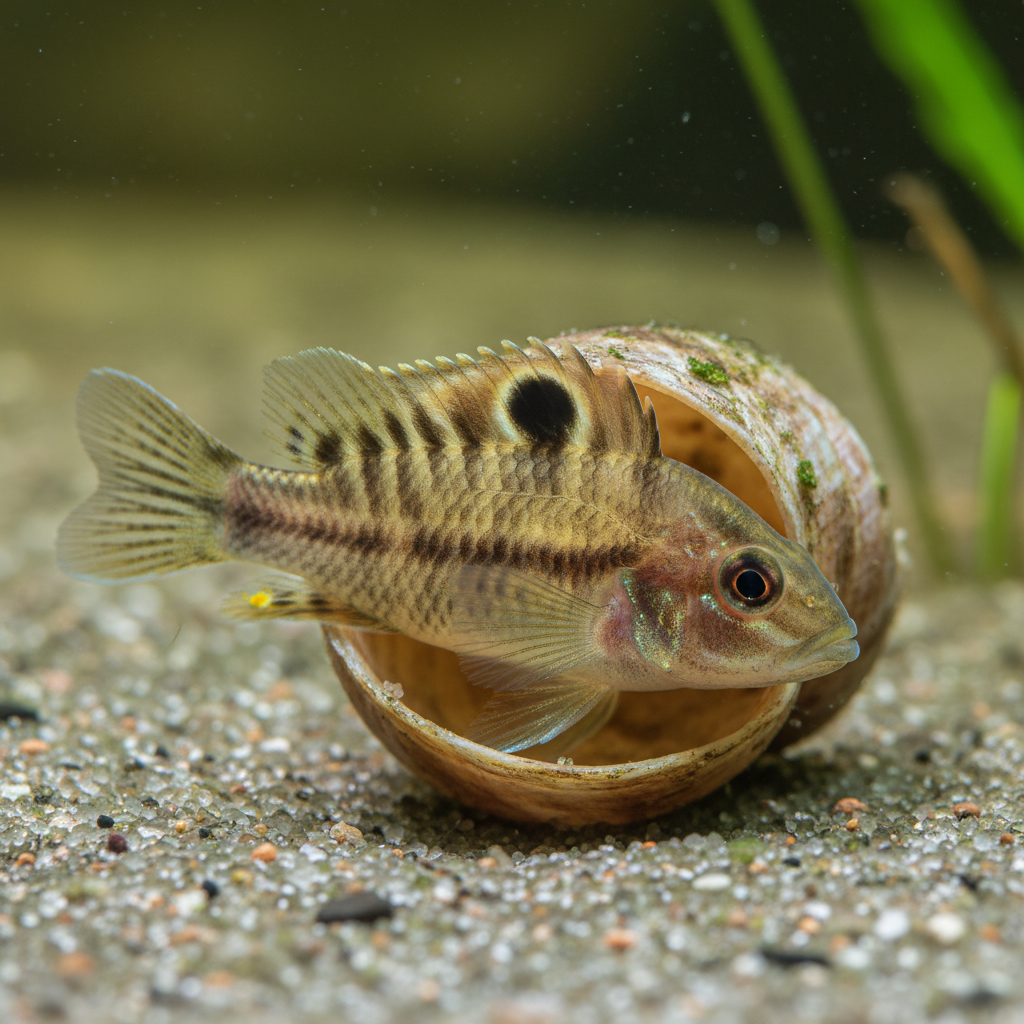
A tiny, ferocious Tanganyikan cichlid that makes its home entirely inside empty snail shells.
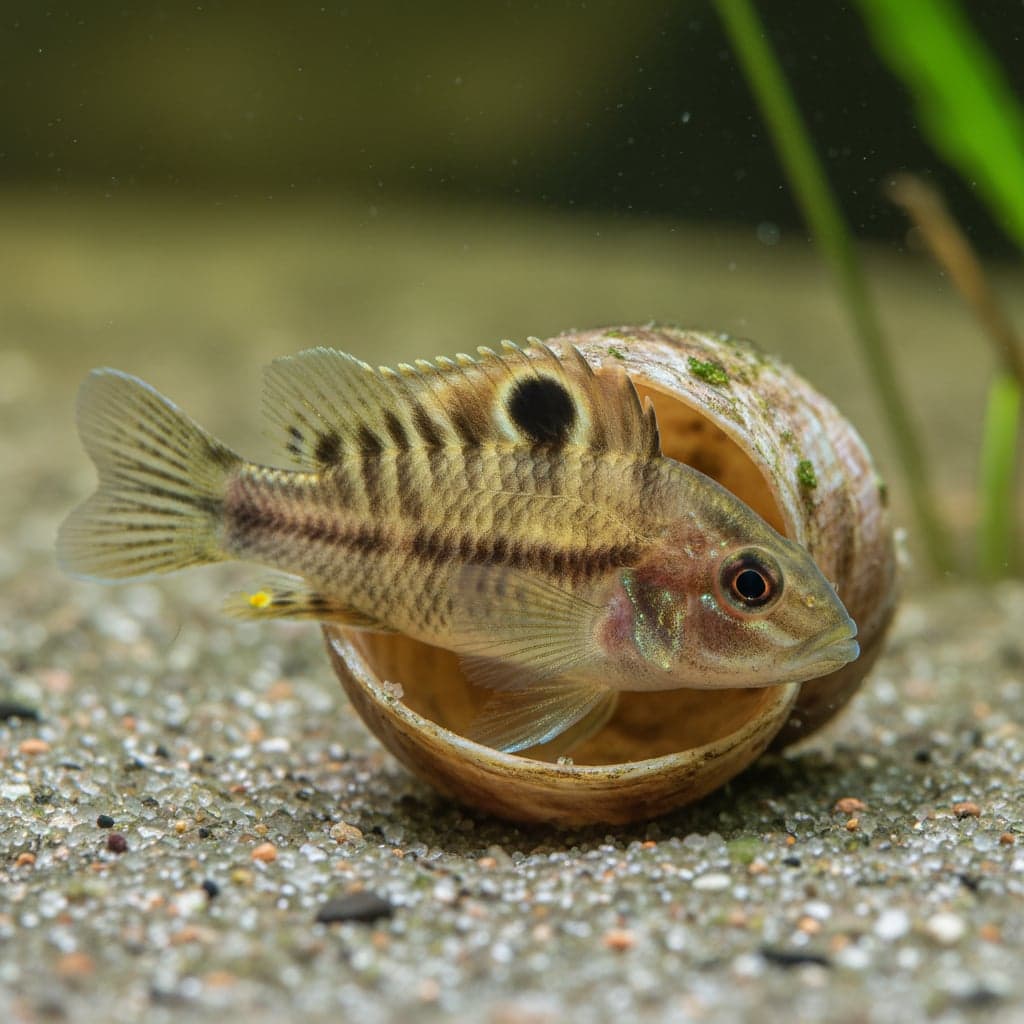
Ocellatus Shelldweller
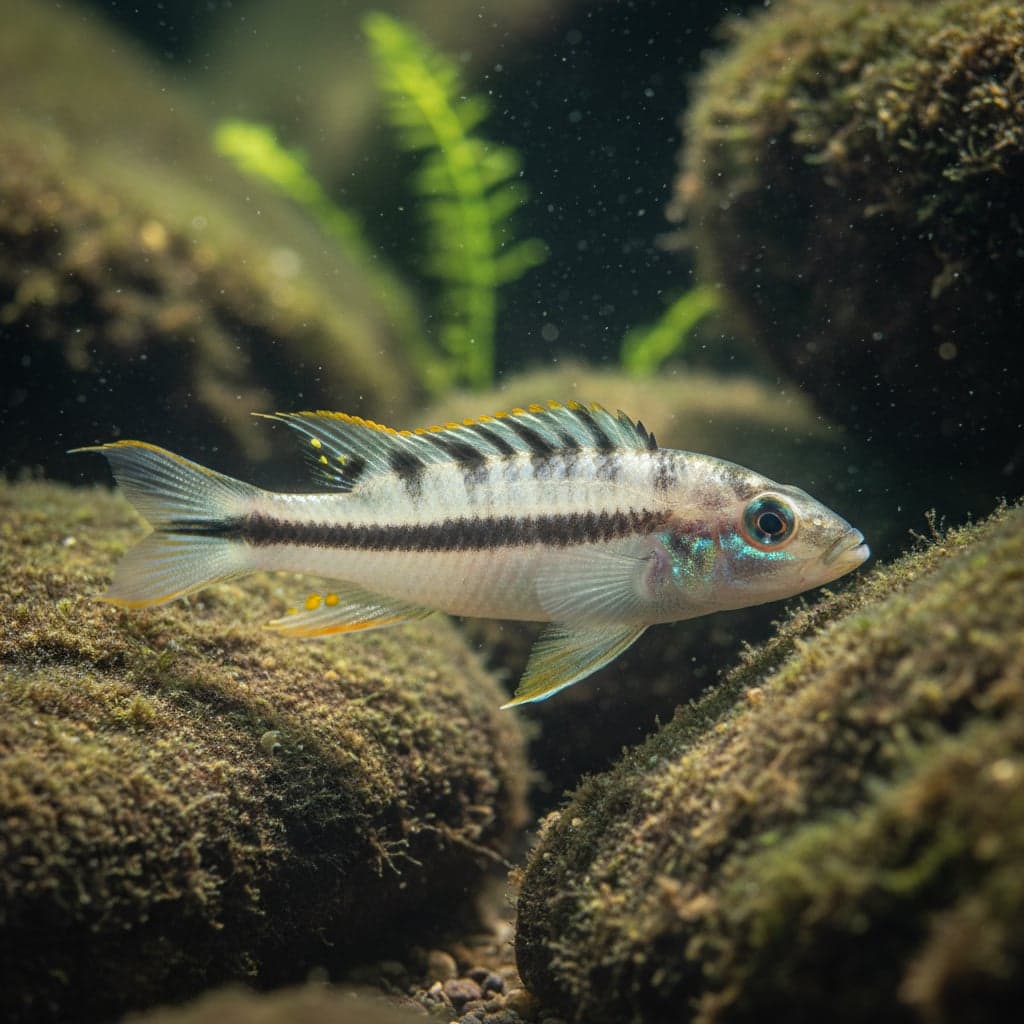
The Ocellatus Shelldweller, scientifically known as Lamprologus ocellatus, is a captivating small cichlid native to Africa's Lake Tanganyika. Renowned for its striking coloration and unique behaviors, this fish displays a palette of vibrant golds, blues, and blacks, making it a beloved choice among aquarists. Its small size, typically reaching around 1.5-2 inches (4-5 cm) in length, along with its distinctively round shape and beautiful eye spot on the dorsal fin, adds to its visual appeal. The Ocellatus Shelldweller's posture is notably interesting, exhibiting a characteristic posture of swimming horizontally while maintaining an elegant and poised demeanor.
In the aquarium hobby, the Ocellatus Shelldweller holds significance not only due to its aesthetics but also its engaging behaviors that fascinate fish enthusiasts. These fish are often seen burrowing into shells, their preferred habitat, which showcases their natural instincts and adds dynamic interest to any aquarium setup. The species also embodies the intricate relationships present within Lake Tanganyika's ecosystem, illustrating the importance of maintaining biodiversity and understanding aquatic environments. As hobbyists delve into keeping this delightful cichlid, they become part of a larger story concerning marine conservation and the preservation of unique species.
Natural Habitat & Origin
The Ocellatus Shelldweller is endemic to the rocky shorelines and shell beds of Lake Tanganyika, which is located between four African countries: Burundi, Democratic Republic of Congo, Zambia, and Tanzania. This unique environment is characterized by its clear, mineral-rich waters, which exhibit a pH level ranging from 8.5 to 9.5. The lake's depths, combined with its intricate geological formations, create a variety of microhabitats where various cichlid species, including the Ocellatus Shelldweller, thrive. They primarily inhabit sandy and rocky substrates, often retreating into empty snail shells for shelter and breeding.
In terms of water conditions, Lake Tanganyika is known for having a high water hardness, with mineral levels playing a crucial role in the health and coloration of the species. Proper understanding of these environmental parameters is essential for aquarists aiming to replicate the conditions that allow the Ocellatus Shelldweller to flourish in captivity. This connection to their natural habitat enhances the significance of accommodating their ecological needs in a home aquarium.
Care Requirements
To successfully keep Ocellatus Shelldwellers, aquarists must meticulously manage their water parameters. Ideal conditions include a pH of 8.5 to 9.5, a temperature range of 75°F to 82°F (24°C to 28°C), and a general hardness (GH) of 10 to 20 dGH. A well-established aquarium of at least 20 gallons is recommended, allowing ample swimming space and territory for these territorial fish.
When setting up their tank, opt for a sandy substrate to emulate their natural environment, combined with a few strategically placed shells, such as those from apple snails, to provide hiding spots and breeding sites. Good water circulation and moderate lighting are essential; the lighting should mimic natural conditions to bring out the full coloration of these fish. Some hardy plants may be introduced, though it’s advisable to keep them minimal as Ocellatus Shelldwellers appreciate open swimming areas.
Diet & Feeding
The diet of the Ocellatus Shelldweller consists primarily of omnivorous fare, showcasing their adaptability in feeding habits. In captivity, they thrive on a varied diet, including high-quality flake and pellet foods designed for cichlids. Additionally, supplementing their diet with frozen or live foods, such as brine shrimp, daphnia, and tubifex worms, will provide essential nutrients and help maintain vibrancy. It is important to provide small portions multiple times a day to promote healthy growth and minimize waste accumulation in the tank.
Due to their feeding behavior, Ocellatus Shelldwellers are often observed foraging on the substrate, making a varied and protein-rich diet integral to their success in captivity. Monitoring their health and activity levels can ensure they are receiving adequate nutrition; signs of poor health or stress may point towards inadequate dietary conditions.
Behavior & Temperament
Ocellatus Shelldwellers are typically considered semi-aggressive, especially during breeding seasons or when defending their territory. As a humble nest-builder, they often exhibit fascinating behaviors such as digging and hiding in shells, making their tank placement and environment critical for their comfort. While they may not school in the traditional sense, they are social fish that prefer to be kept in pairs or small groups, allowing for harmonious interactions without exhibiting excessive aggression towards tank mates.
In terms of tank placement, Ocellatus Shelldwellers tend to occupy the lower and mid-level regions of the aquarium. They will spend considerable time exploring the substrate and investigating any potential hiding spots, thus creating a dynamic environment that aquarists should facilitate through proper tank design.
Tank Mates
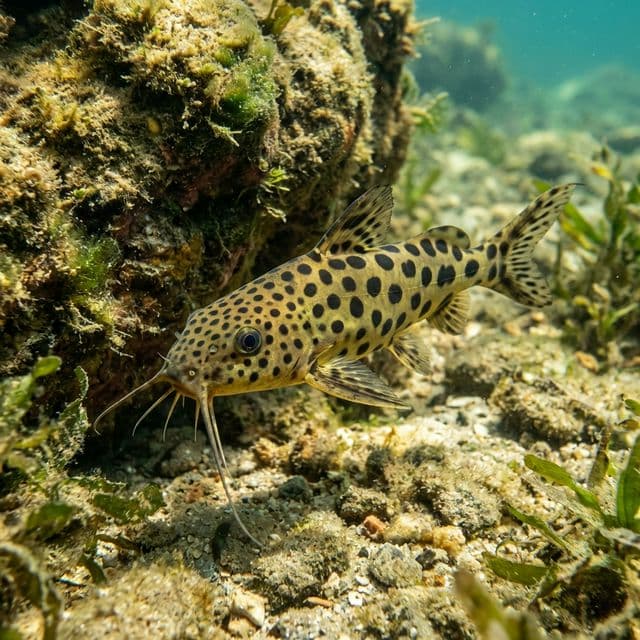
Choosing compatible tank mates for Ocellatus Shelldwellers requires careful consideration, as they can be territorial and protective of their nesting areas. Ideal companions include small cichlids such as Neolamprologus species (e.g., Neolamprologus similis) and various species of brightly colored, peaceful schooling fish, such as Tangs, or other gentle tank mates like catfish that reside at different levels of the aquarium.
Conversely, species to avoid include larger, more aggressive cichlids or those that may disturb their natural nesting habits. Avoiding fin-nipping species or overly boisterous fish will help maintain a peaceful environment, allowing Ocellatus Shelldwellers to thrive.
Breeding
Breeding Ocellatus Shelldwellers can be both rewarding and challenging. In preparation, ensure the couple has a proper breeding environment, ideally a tank set up specifically for breeding purposes. This should include an abundance of appropriate shells for nesting, as females will lay eggs inside these structures. The breeding pair will engage in courtship displays, with the female typically spawning several times a month, laying around 30 to 70 eggs at a time.
After spawning, it is crucial to observe the behaviors exhibited by the parents. The male typically guards the territory while the female attends to the eggs. Post-hatching, the fry will remain in a free-swimming phase, and providing them with finely crushed food or special fry meals will give them the best chance of survival in the early stages of development.
Common Health Issues
While Ocellatus Shelldwellers are generally hardy, they can be susceptible to certain health issues common to cichlids. Notably, they are prone to ich (white spot disease) and fin rot, particularly if the water conditions are suboptimal. To prevent these conditions, it is vital to maintain high water quality through routine changes and appropriate filtration.
Regular observation for signs of stress, such as unusual swimming patterns, loss of appetite, or faded colors, can help in early detection of health problems. Additionally, providing a diet rich in nutritional value can strengthen their immune systems, promoting overall longevity and vitality. Regularly monitoring and maintaining the tank's parameters will help decrease the risk of disease, ensuring a thriving environment for your Ocellatus Shelldwellers.