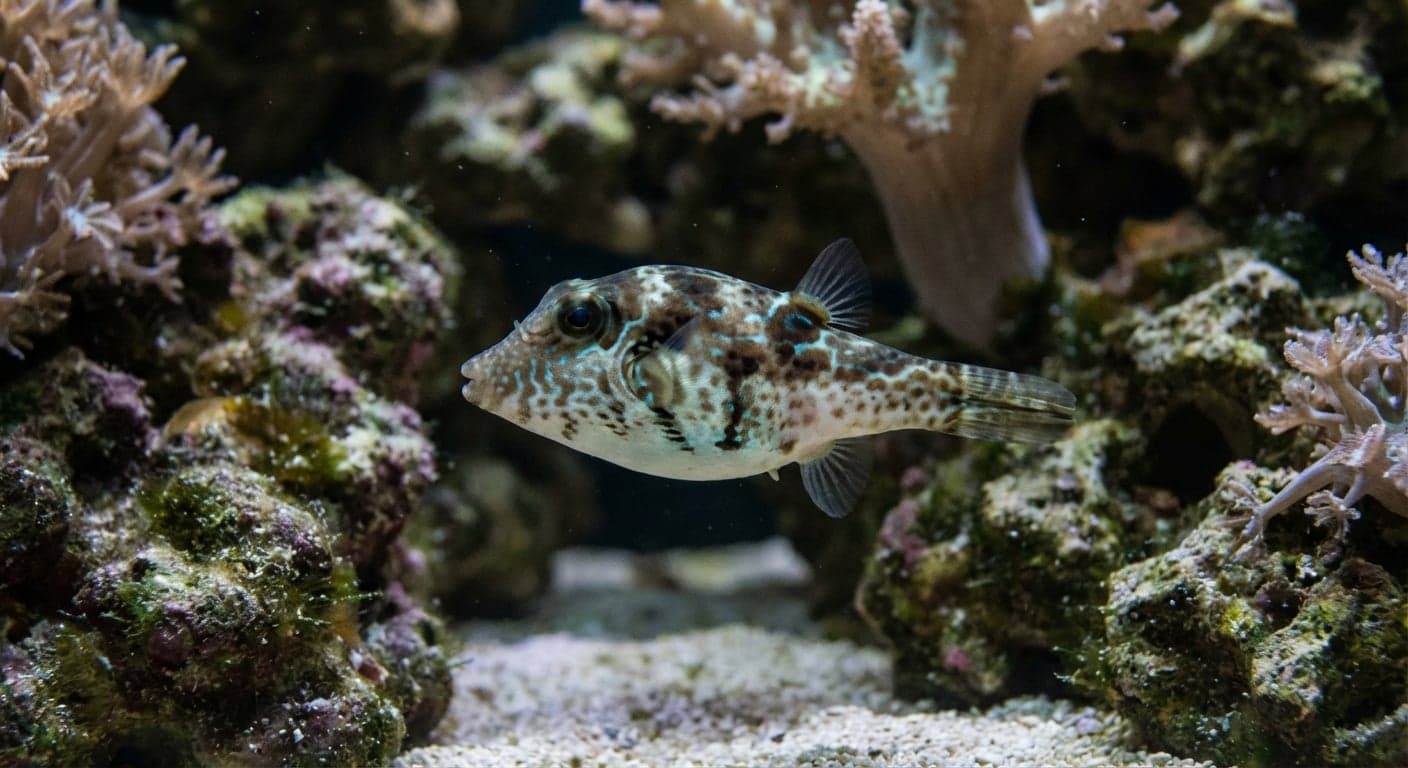
One-Spot Fox Face
A 25cm rabbitfish with venomous spines and a strong appetite for algae. Needs 400L+ and plenty of open swimming room.
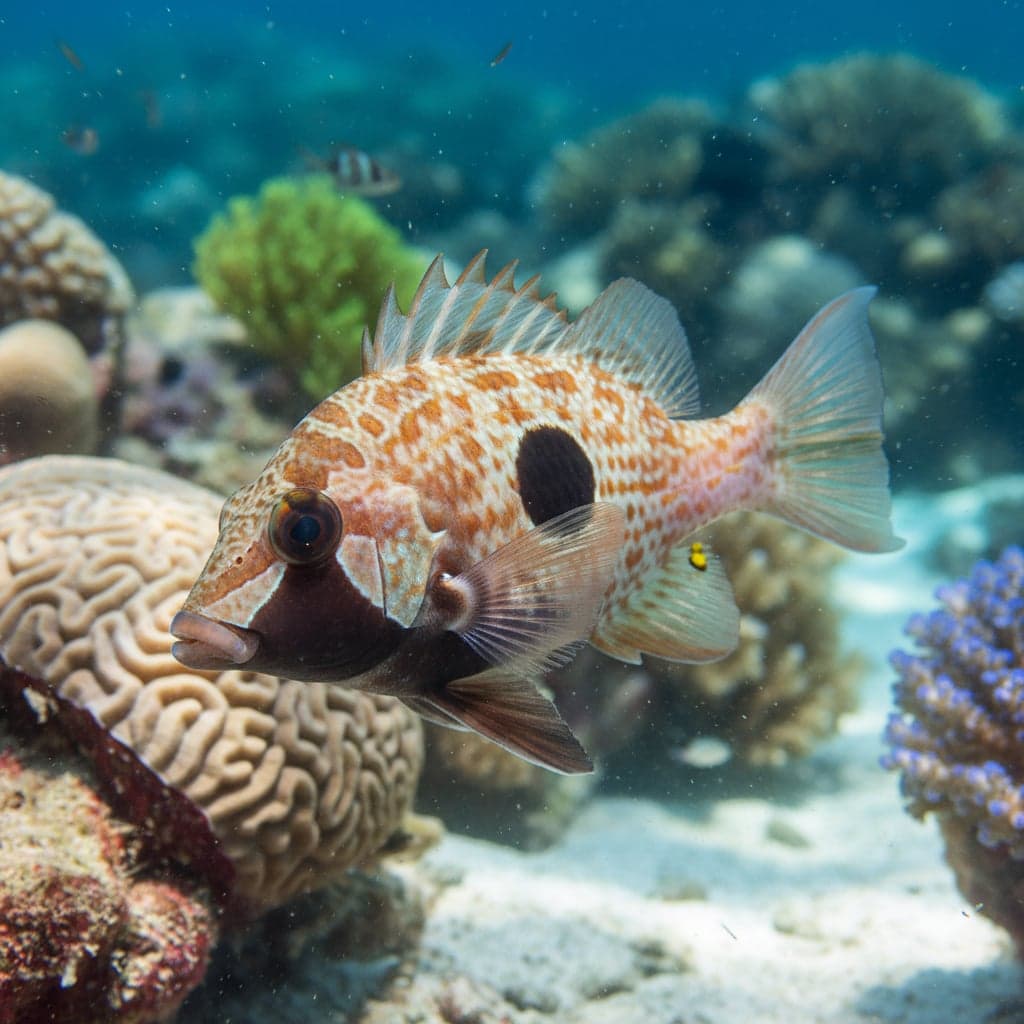
One-Spot Fox Face
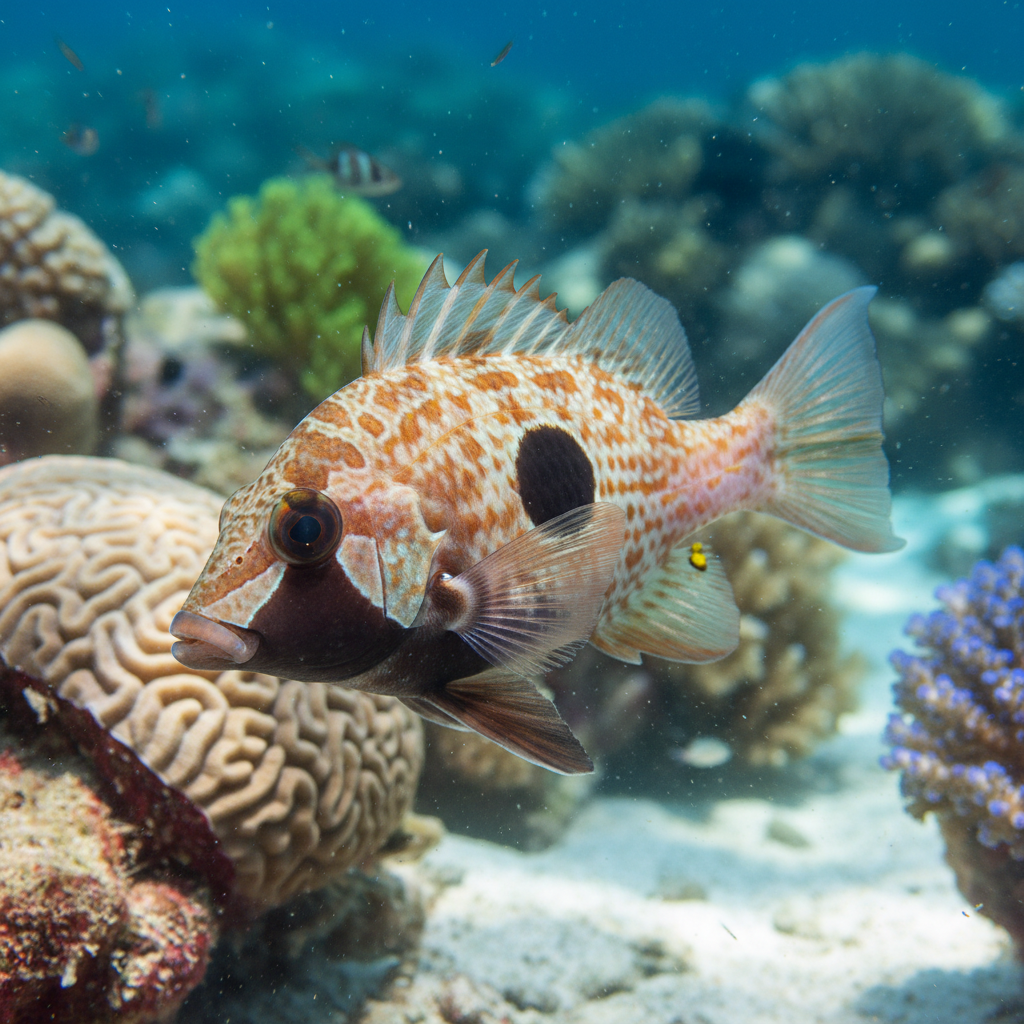
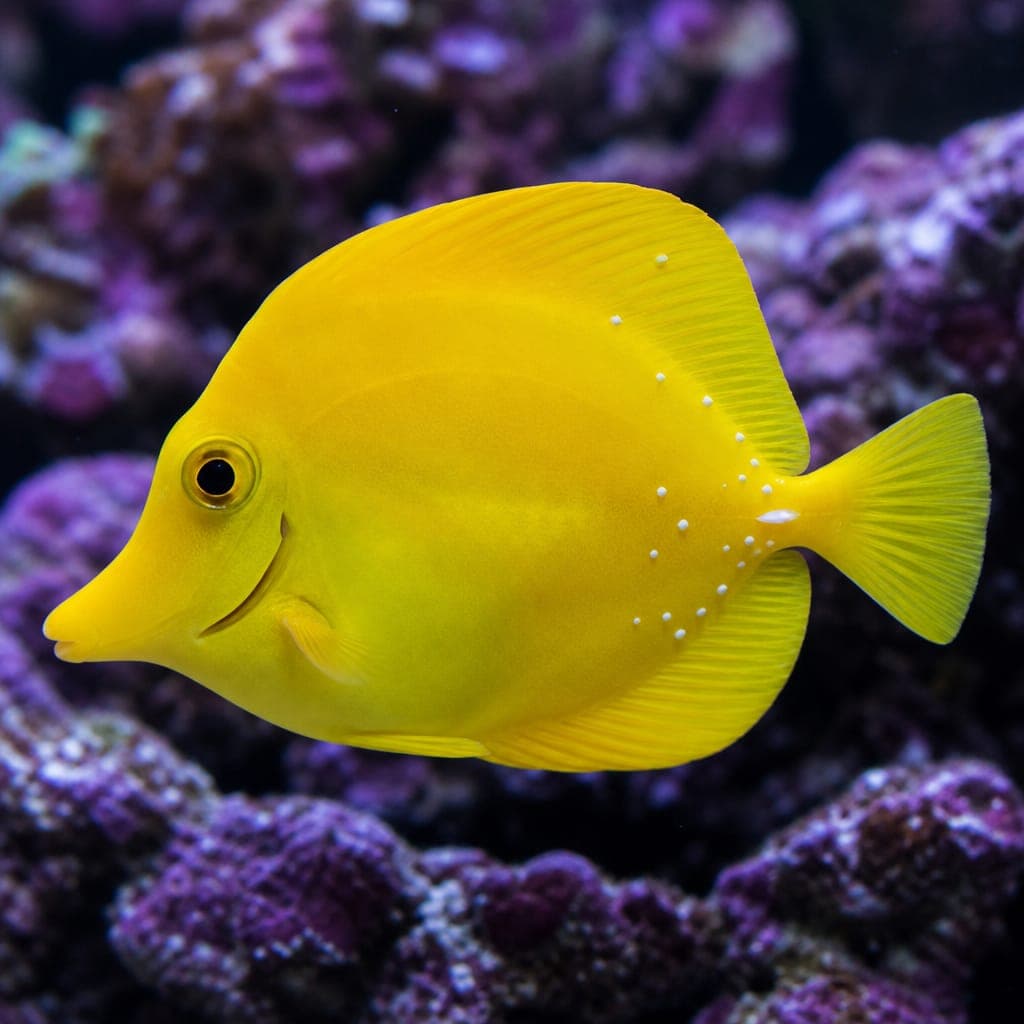
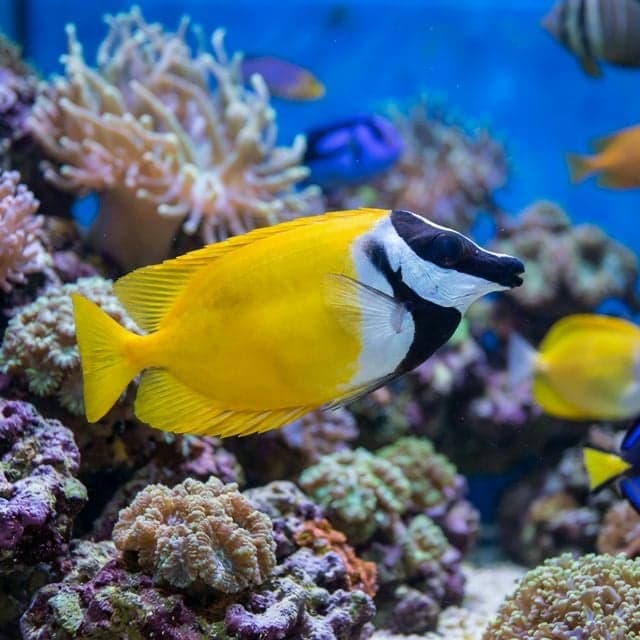
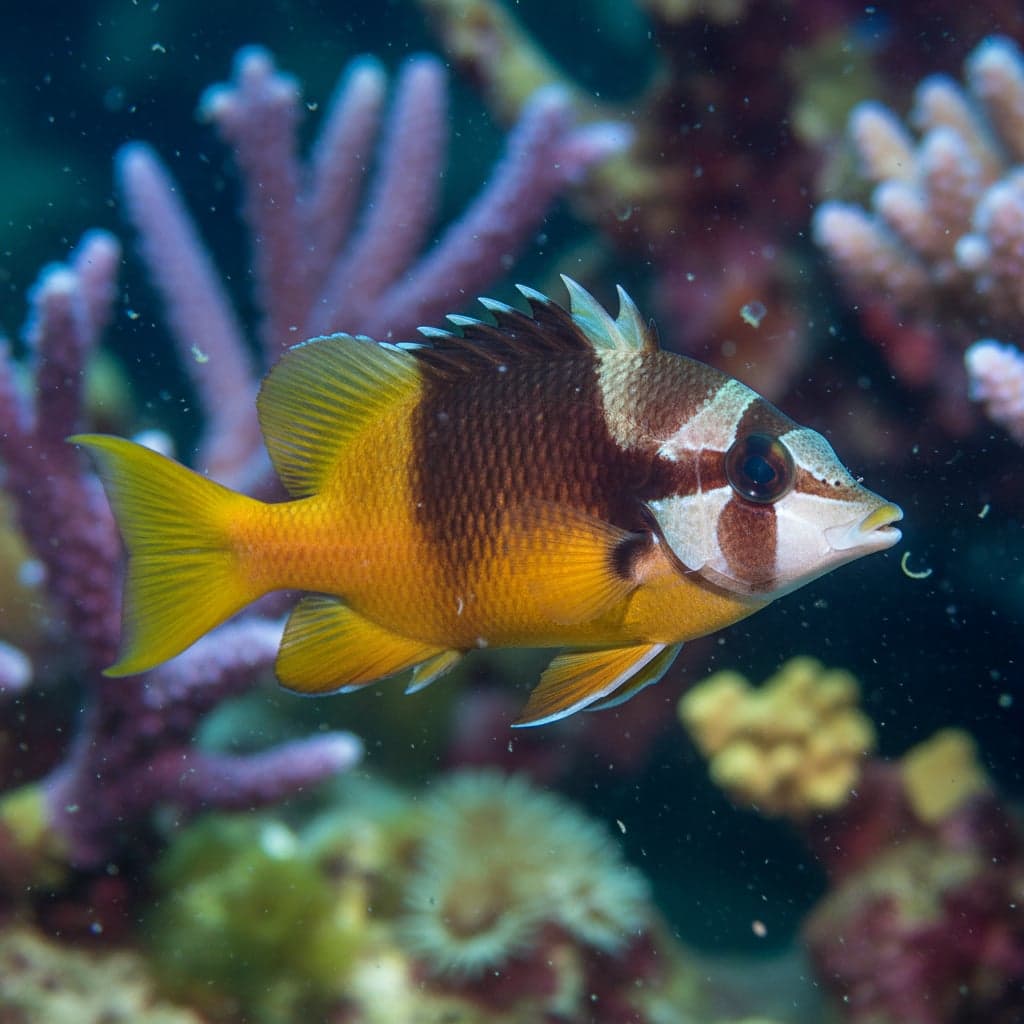
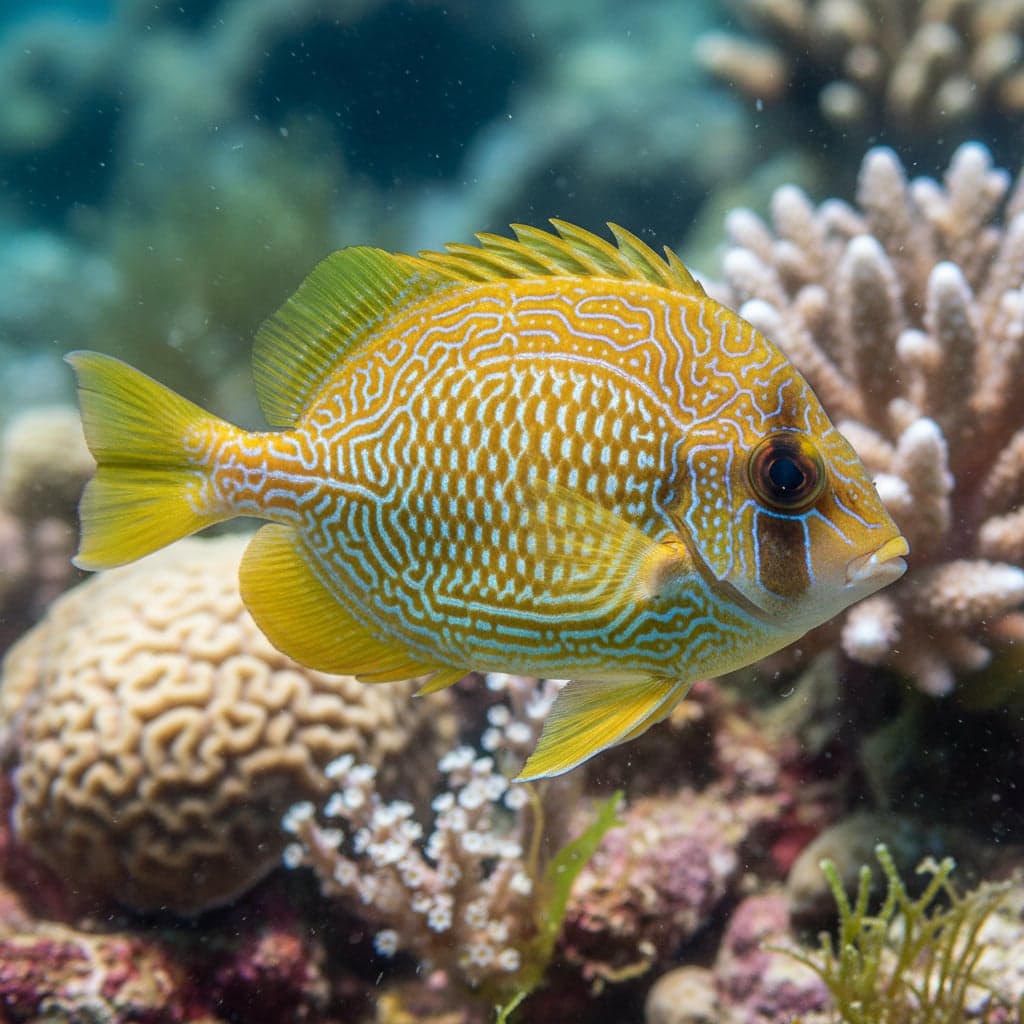
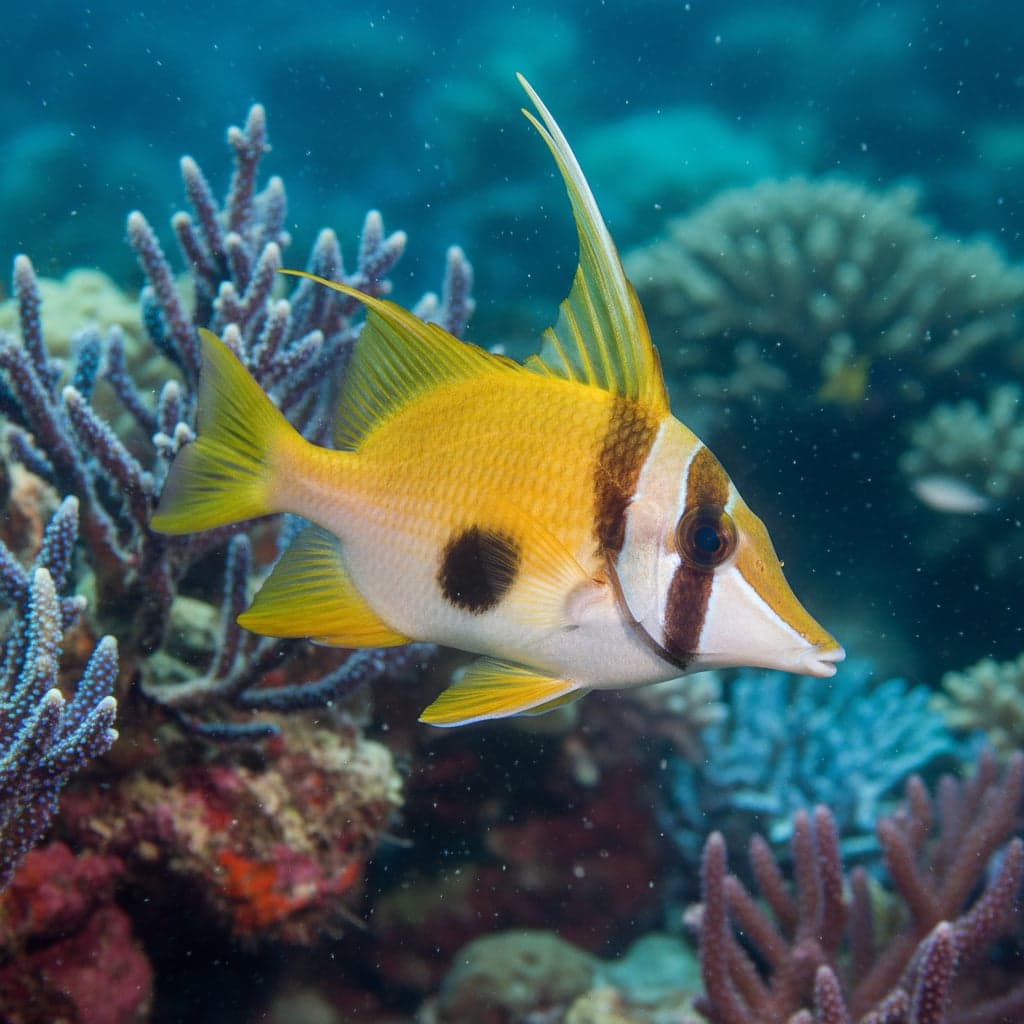
The One-Spot Fox Face, also known scientifically as Siganus unimaculatus, is a strikingly beautiful marine fish that has garnered increasing popularity among aquarium enthusiasts. This species is renowned for its vibrant coloration, featuring a dominant yellow body adorned with a distinctive black spot located just behind its eye. The color contrasts and unique markings not only make the One-Spot Fox Face visually appealing but also add dynamic movement and interest to aquascapes. In terms of significance, this fish serves as an important herbivore within its natural ecosystems, consuming algae and contributing to the health of coral reefs. For aquarists, the One-Spot Fox Face represents a balance between aesthetic appeal and ecological responsibility.
In the aquarium hobby, the One-Spot Fox Face is celebrated not only for its stunning appearance but also for its relatively hardy nature, making it a suitable option for both novice and experienced aquarists. While it can be kept in community tanks, its uniqueness allows it to shine as a centerpiece fish in well-maintained marine setups. Moreover, its playful and curious demeanor can delight viewers, making it an interactive addition to any aquarium. The fish's significance extends beyond mere visuals; it highlights the importance of responsible fishkeeping, particularly in how it reflects the need to maintain healthy aquatic ecosystems.
Natural Habitat & Origin
The One-Spot Fox Face originates from the warm waters of the Indo-Pacific region, with a distribution that includes areas around the Great Barrier Reef, the Coral Sea, and various islands in the Pacific. This fish typically inhabits coral-rich environments, preferring shallow reefs and lagoons where it can find ample hiding spots and abundant food sources. The One-Spot Fox Face favors clear, saltwater habitats, which promotes healthy algae growth—an essential part of its diet. With these natural, vibrant environments, the fish is adapted to thrive in conditions characterized by stable temperatures and salinity.
In its natural habitat, the One-Spot Fox Face is frequently found around rocky substrates and coral formations. These environments provide not only food sources in the form of algae but also protection from predators in the form of crevices and caves. This ecological context highlights the need for aquarists to replicate similar conditions in captivity to ensure the wellbeing and natural behavior of this species in the aquarium.
Care Requirements
To maintain a healthy environment for the One-Spot Fox Face, specific water parameters are crucial. The recommended pH range is between 8.1 and 8.4, with a temperature maintained between 75°F and 82°F (24°C to 28°C). A salinity level between 1.020 and 1.025 specific gravity is essential, along with moderate hardness. As for tank setup, a minimum aquarium size of 400 litres (105 gallons) is highly recommended for this 25cm rabbitfish, which needs ample open swimming room. The substrate can vary, but a sandy bottom is ideal, mimicking their natural habitat.
Lighting should simulate natural conditions with moderate intensity, complemented by live rock and coral structures to create shelters and hiding spots. Also, incorporating aquatic plants and algae within the tank can enhance the aesthetic value while serving as a supplemental food source for the One-Spot Fox Face. A well-cycled and filtered aquarium with efficient water movement will also contribute to the overall health of this delightful species.
Diet & Feeding
The One-Spot Fox Face is predominantly an herbivore, but it exhibits omnivorous tendencies, making it versatile in terms of dietary requirements. Its mainstay diet should consist of high-quality algae-based flakes or pellets, which can provide the necessary nutrients for optimal health. Additionally, incorporating a variety of frozen or live foods such as brine shrimp, mysis shrimp, and spirulina will help to ensure a balanced diet. Given its natural grazing habits on algae, frequent additions of fresh seaweed or nori sheets can be particularly beneficial and enjoyed by this species.
Feeding should occur 2 to 3 times daily, ensuring that leftover food is promptly removed to maintain water quality. A varied diet is essential—not only does it prevent nutritional deficiencies, but it also promotes a vibrant and colorful appearance, supporting the One-Spot Fox Face's overall health and vitality.
Behavior & Temperament
When considering the behavior of the One-Spot Fox Face, it's important to note that this fish is social and can exhibit interesting interactions within its environment. Generally, they are non-aggressive, making them suitable for community tanks. However, they can show territorial urges, particularly when housed with other fox faces or species of similar shape and color. This territorial nature is particularly evident during feeding times, so it's best to offer different feeding stations throughout the tank to minimize competition.
In terms of placement within the tank, the One-Spot Fox Face enjoys swimming in the middle to the lower levels, where it can easily access the algae and food that accumulate in these areas. While they are not schooling fish, providing them with companions that occupy different levels of the tank may help create a harmonious community environment.
Tank Mates
The One-Spot Fox Face can coexist harmoniously with a variety of marine species, provided that they are appropriately chosen to minimize aggression and territoriality. Compatible tank mates include peaceful fish such as clownfish, tangs, gobies, and wrasses. Additionally, larger peaceful species like angelfish can work well as companions. However, caution should be exercised with semi-aggressive species or those that can stress the One-Spot Fox Face, such as dottybacks or certain wrasses.
Species to avoid include smaller, more aggressive fishes or those that resemble the One-Spot Fox Face and could provoke its territorial nature. This includes other fox faces, as well as butterflyfish and certain types of damselfish, which may cause undue stress in a community setting. Choosing compatible tank mates is crucial to ensure a peaceful aquatic environment that allows the One-Spot Fox Face to thrive.
Breeding
Breeding the One-Spot Fox Face in captivity can be a challenging, yet rewarding endeavor. This fish is a dioecious species, meaning there are distinct male and female individuals, and successful spawning requires the pairs to be well-acclimated and healthy. In the wild, they often spawn during the early morning hours in shallow waters, where the female releases eggs that are fertilized by the male. Creating a breeding setup in the aquarium may involve a separate breeding tank with stable conditions mimicking their natural habitat—optimal water quality, ample space, and appropriate substrate.
To encourage spawning, maintaining consistent water parameters alongside a nutritious diet is essential. The presence of ample hiding spots, like PVC pipes or rock structures, can help facilitate the breeding process. Once spawning occurs, parents should be removed after fertilization, as adult fish tend to consume the eggs. Care of the resulting fry generally includes feeding them with finely crushed food particles or specialized fry foods until they grow large enough to consume larger foods.
Common Health Issues
Despite its hardiness, the One-Spot Fox Face can be susceptible to a range of common marine aquarium diseases. One notable affliction is marine ich (Cryptocaryon irritans), especially in newly introduced specimens that are under stress. To prevent such diseases, it is essential to quarantine new arrivals to reduce the risk of introducing pathogens to the main tank. Regular monitoring for signs of illness, maintaining excellent water quality, and providing a balanced diet can further help in disease prevention.
Other health concerns may include lateral line erosion, bacterial infections, and nutritional deficiencies if algae and vegetable matter are lacking. Provide ample grazing surfaces, nori, and a vitamin-rich diet, and avoid copper medications unless dosing is carefully controlled for invertebrates. Stable salinity and low stress from compatible tank mates help your One-Spot Fox Face stay healthy long-term.