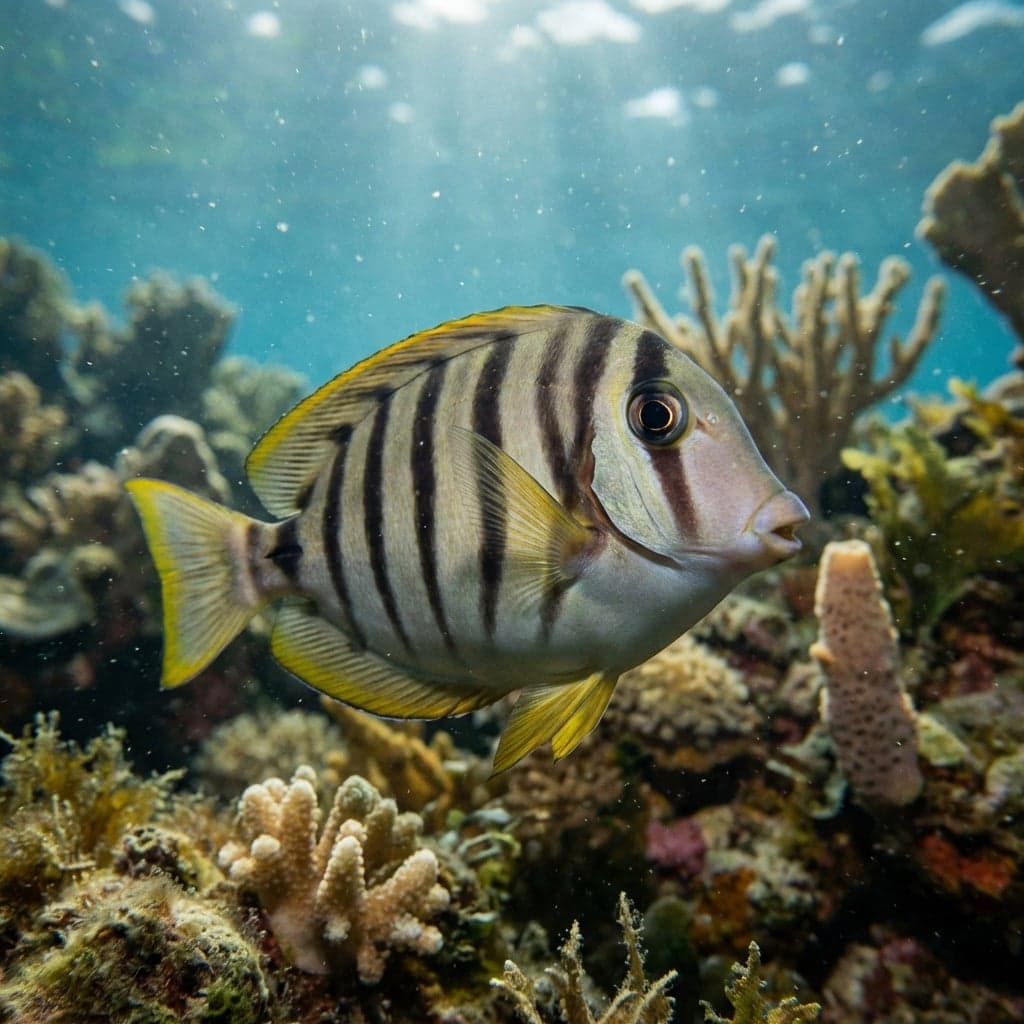
Orange Shoulder Tang
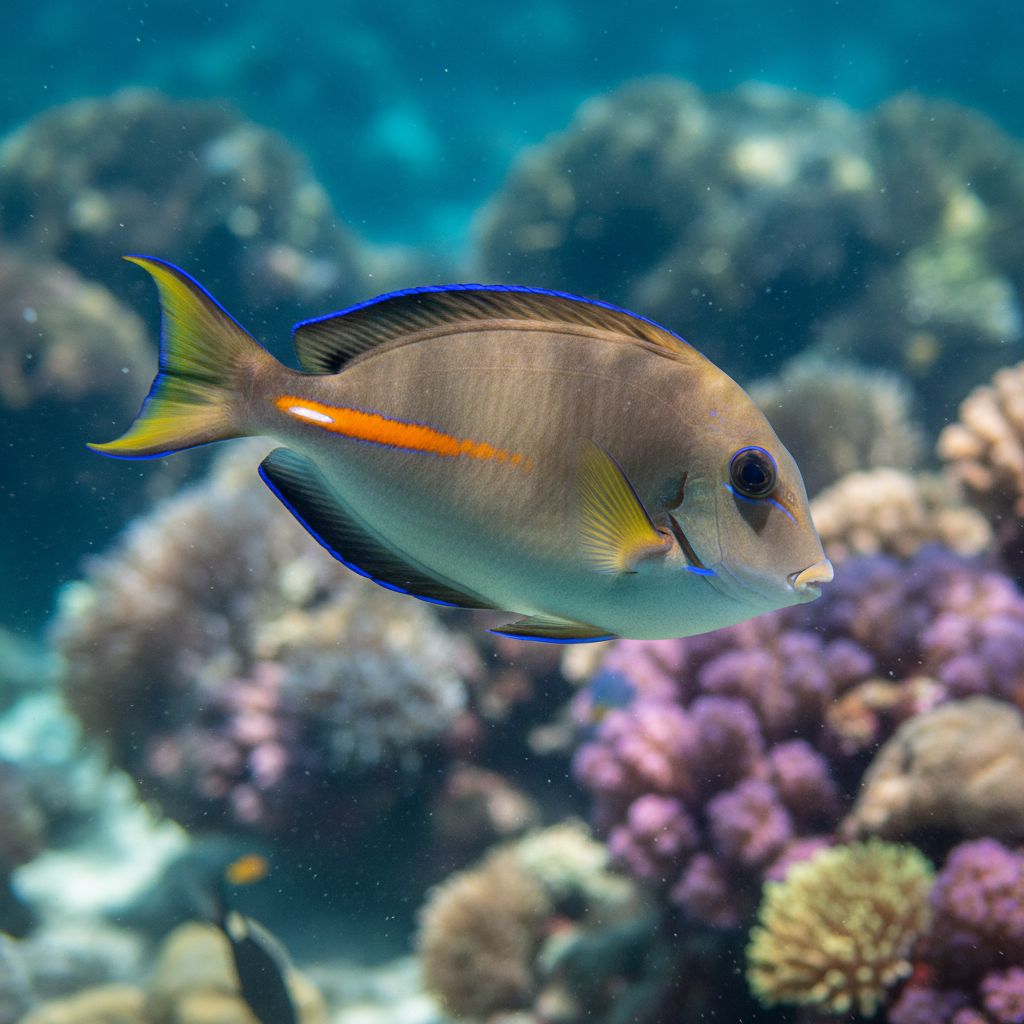
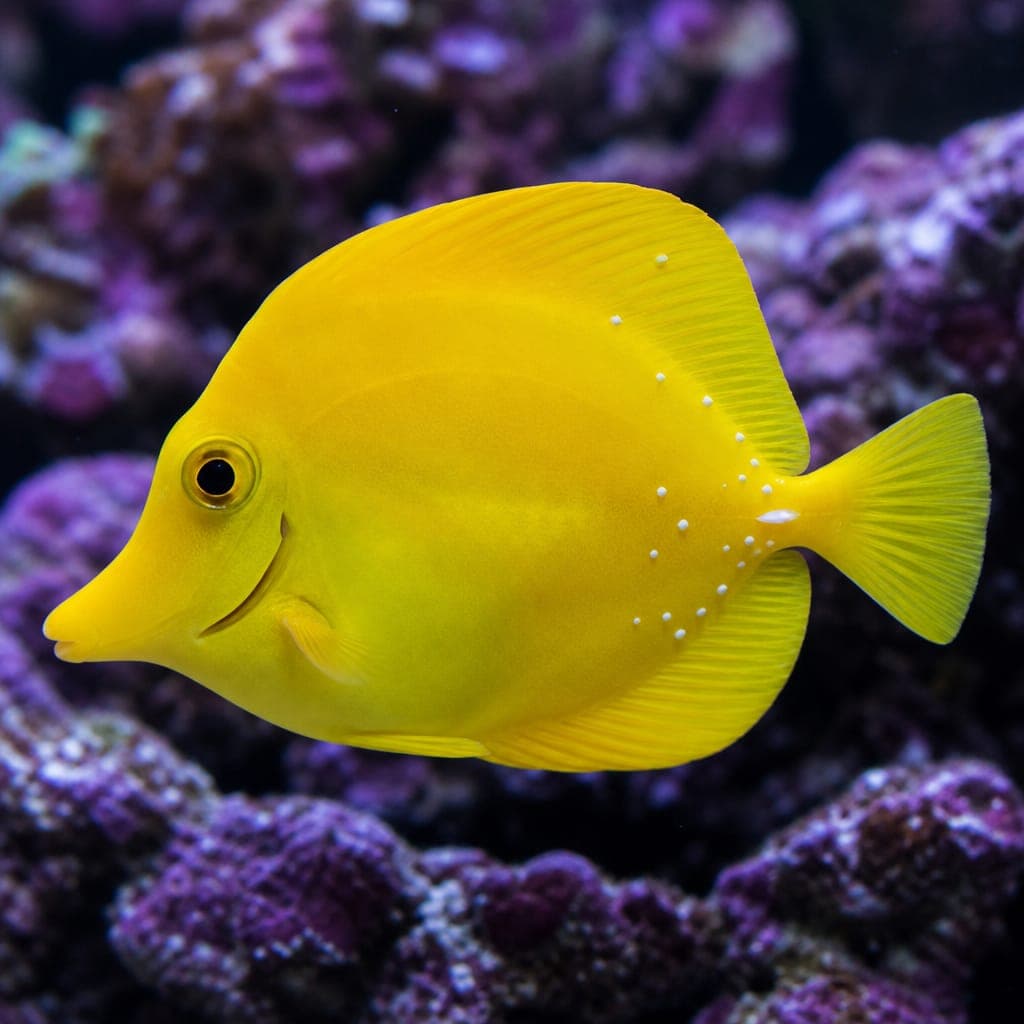
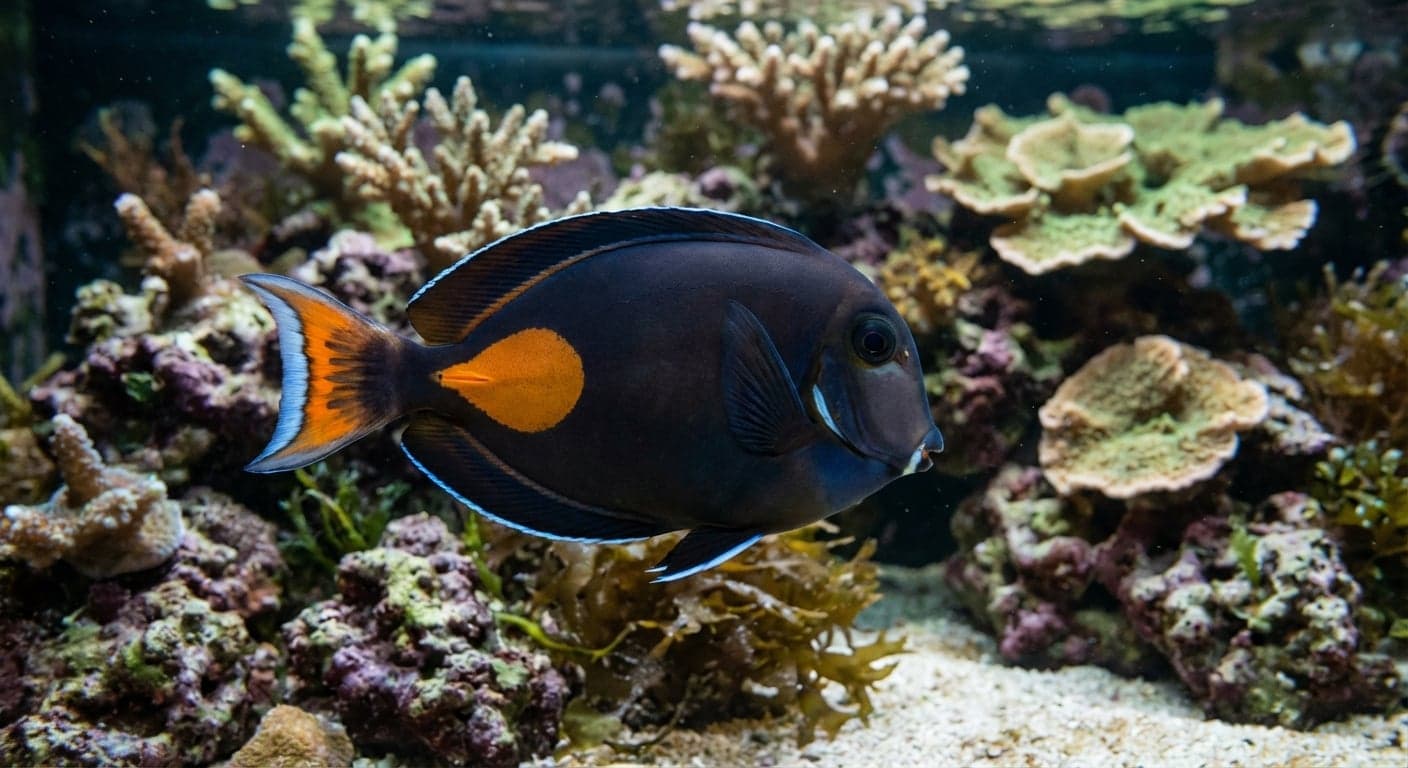
A 35cm tang whose yellow juvenile turns olive with an orange shoulder patch. Needs 900L+ as an adult and constant algae.
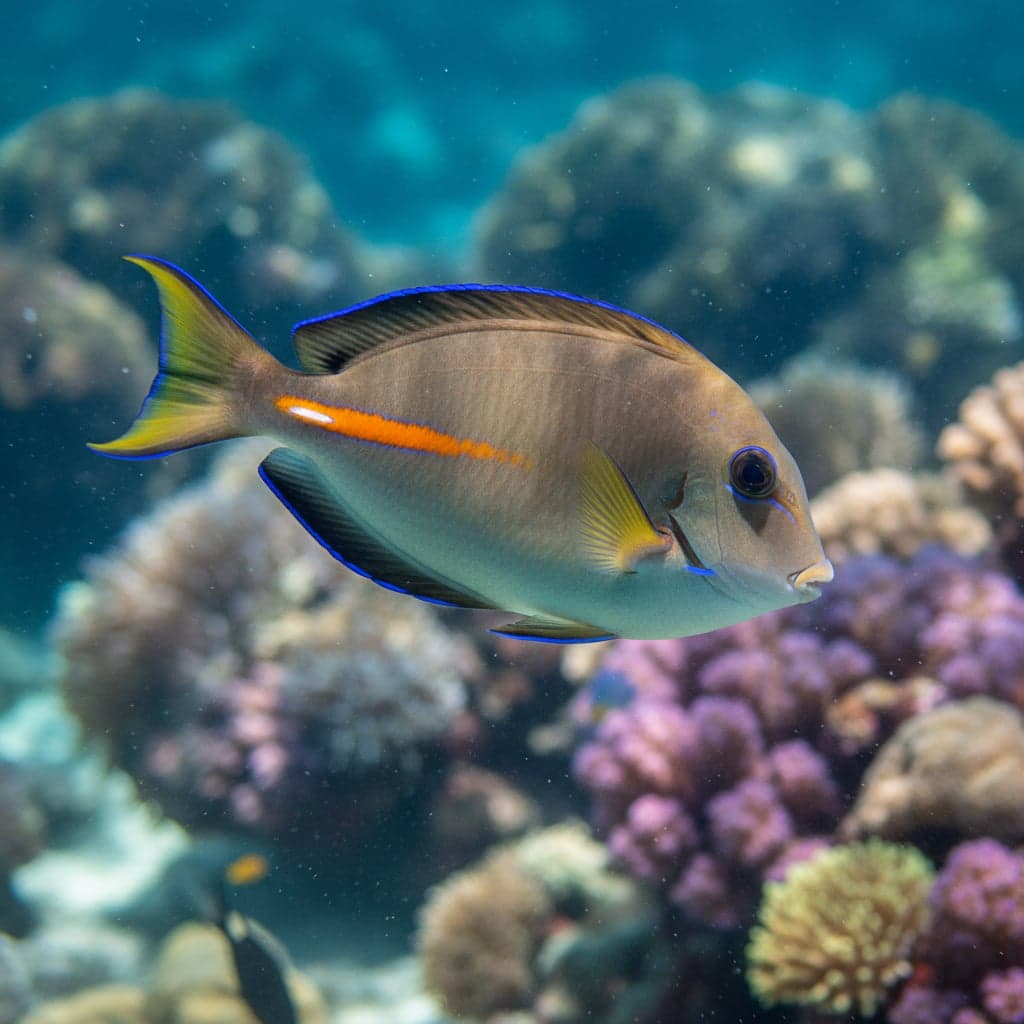
Orange Shoulder Tang
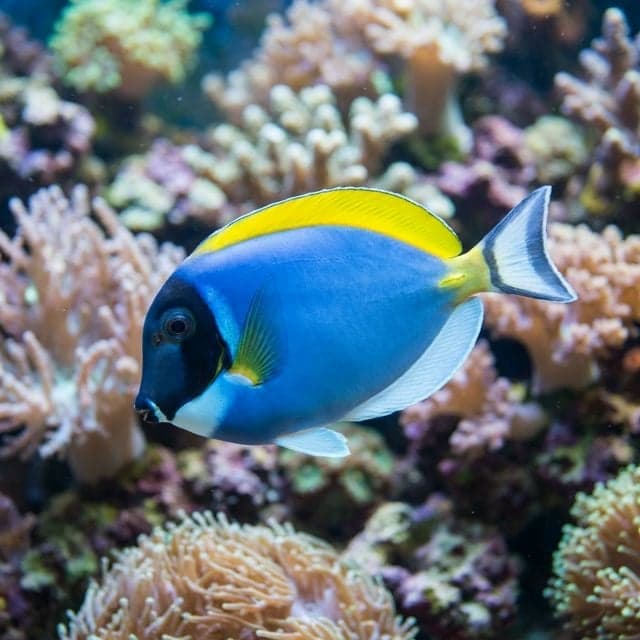
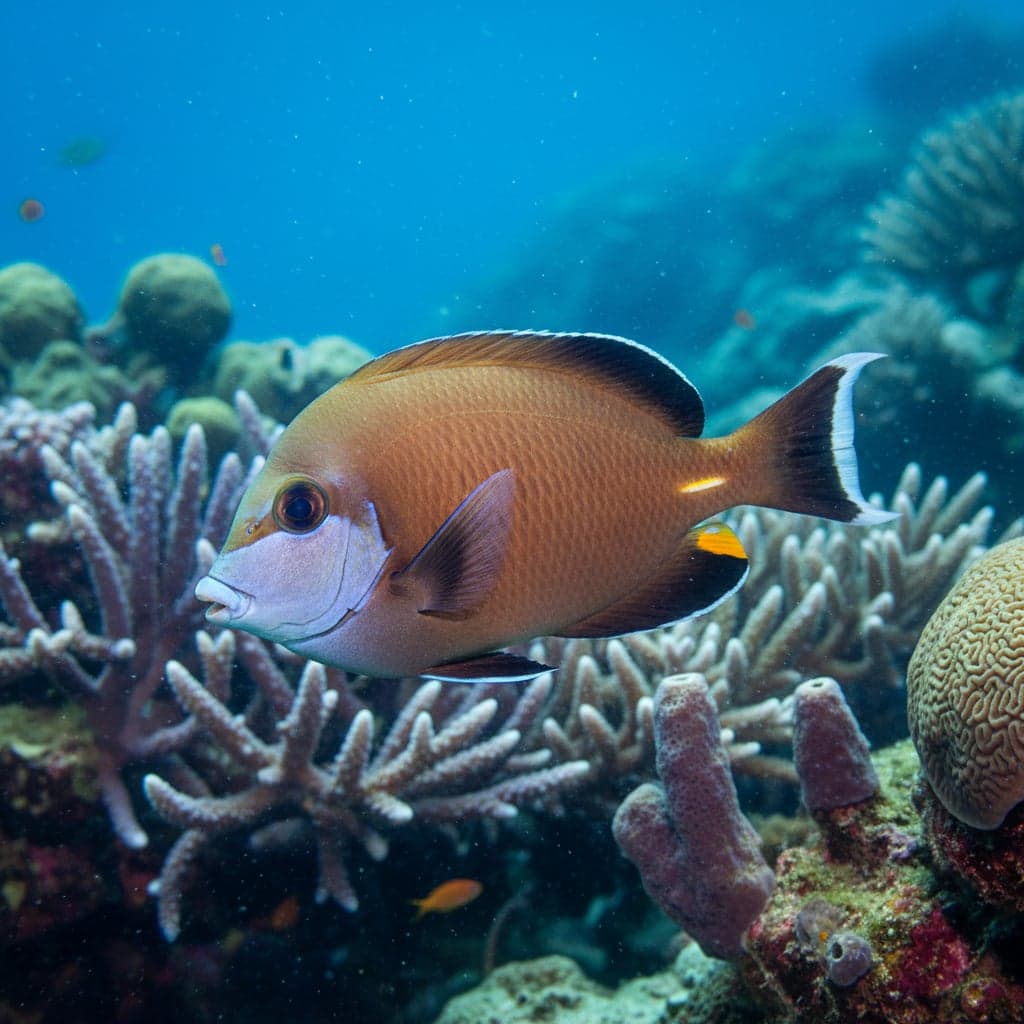
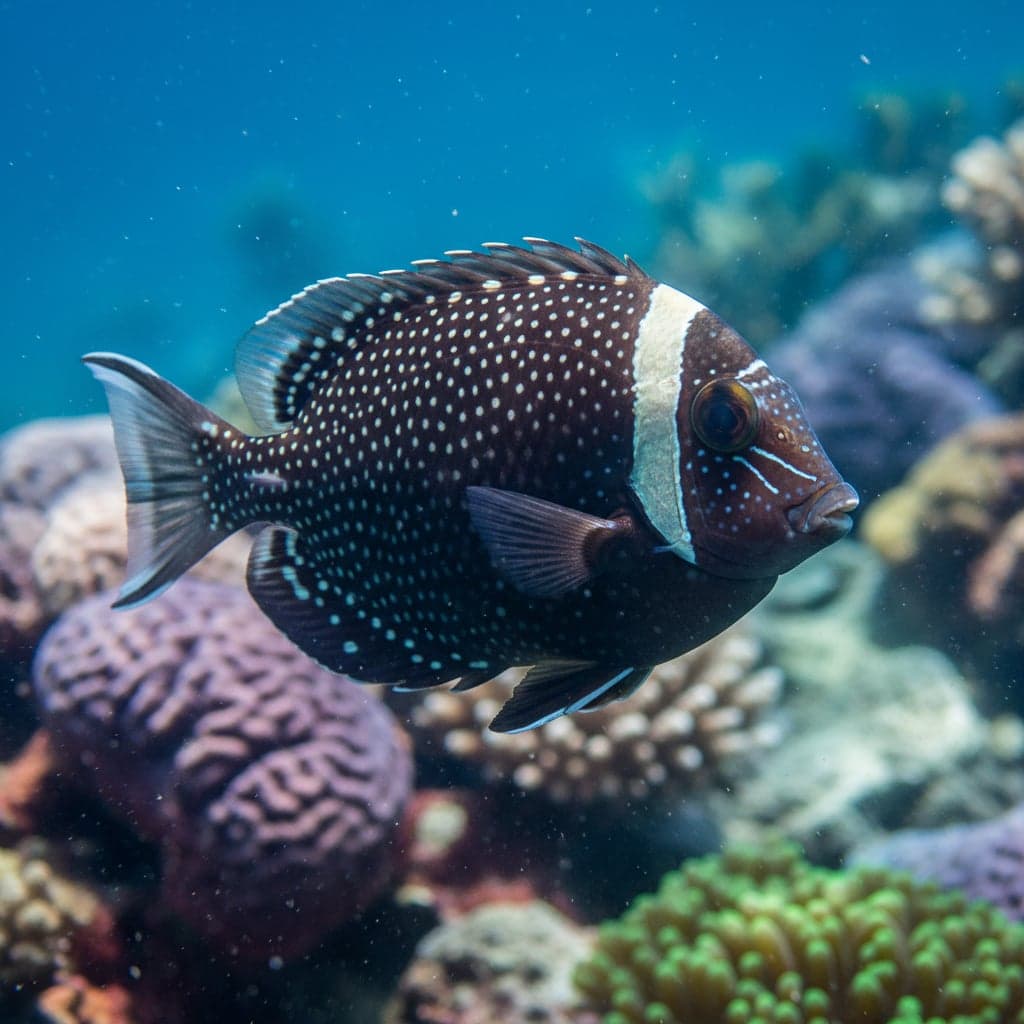
The Orange Shoulder Tang (Acanthurus olivaceus) is a stunning marine species native to the vibrant coral reefs of the Indo-Pacific region. Renowned for its striking appearance, this tang displays a vibrant blue body complemented by a bright orange patch on its shoulder, which becomes more vivid as the fish matures. The combination of colors gives it not only an aesthetic appeal but also a significant role in elevating the beauty of any reef aquarium. This species has gained popularity in the aquarium hobby due to its dynamic movement and engaging personality, making it a cherished addition for both novice and experienced aquarists alike.
Beyond its visual allure, the Orange Shoulder Tang holds ecological importance, primarily serving as an herbivore that contributes to the health of coral reef ecosystems by grazing on algae. Its role in controlling algae growth helps maintain the delicate balance necessary for coral survival. As aquatic ecosystems face increasing threats from pollution and climate change, preserving such species in both their natural habitats and in captive environments highlights the responsibilities of the aquarium hobbyist community.
Natural Habitat & Origin
The Orange Shoulder Tang is predominantly found in the warm waters of the Indo-Pacific region, particularly within the vibrant coral reefs of the Red Sea, the western Indian Ocean, and various islands in the Pacific. This fish prefers shallow waters, typically inhabiting depths of 1 to 30 meters, where it enjoys the protection and resources offered by the complex reef structures. The typical environment consists of clear waters abundant with live rock, which provides essential hiding spots from predators and suitable grazing grounds for food.
In its natural habitat, the Orange Shoulder Tang thrives in areas with a rich biodiversity, encountering various forms of marine life. The water in these regions is often fairly stable, with moderate currents that facilitate feeding opportunities on algae growth. Such environmental contexts emphasize the importance of replicating similar conditions in captivity to maintain the health and well-being of this species.
Care Requirements
To provide optimal care for the Orange Shoulder Tang, aquarists should maintain specific water parameters. Ideally, the water temperature should be kept between 75°F to 82°F (24°C to 28°C), with a pH level ranging from 8.1 to 8.4. The hardness should be around 8 to 12 dGH. Additionally, the tank should be a minimum of 900 litres (240 gallons) to accommodate this active swimmer, which reaches 35cm as an adult, as the Orange Shoulder Tang requires ample swimming space and territories.
In terms of tank setup, a sandy substrate is recommended to mimic its natural habitat. Multiple hiding spots can be created using live rock and corals, while moderate to high lighting replicates its vibrant reef environment. It is also advisable to include plenty of open swimming areas to facilitate natural behavior. The addition of live plants can enhance the aesthetics, though focus should primarily be on the establishment of a marine aquascape that supports the fish’s activities.
Diet & Feeding
The Orange Shoulder Tang is an omnivorous fish, primarily feeding on algae, small invertebrates, and detritus in its natural habitat. In captivity, it thrives on a well-rounded diet. High-quality flake or pellet food designed for herbivores should form the basis of its diet, complemented by frozen or live foods such as bloodworms, brine shrimp, and other protein sources to ensure a balanced nutritional intake. Including nori or other seaweed types in its regimen can mimic their natural grazing habits and prevent potential health issues associated with inadequate diet.
Feeding should be conducted several times a day in smaller portions to prevent waste and ensure all tank inhabitants receive their fair share. Regular dietary variety can help promote optimal health and encourage vibrant coloration, enhancing the visual appeal of this lively fish in your aquarium.
Behavior & Temperament
The Orange Shoulder Tang is known for its dynamic and active nature, requiring ample space to swim freely. These fish are generally social and can be kept in groups, though it is important to introduce them to the tank correctly to minimize territorial aggression. While not overly aggressive, they may show dominance behaviors towards other tangs or similar-shaped fish, particularly if they are of the same species or color.
Positioning within the tank is also notable; the Orange Shoulder Tang typically occupies the mid to upper levels, darting around the open swimming spaces while occasionally seeking refuge among rocks and corals. Observing their interactions and movements can be a rewarding experience for hobbyists.
Tank Mates
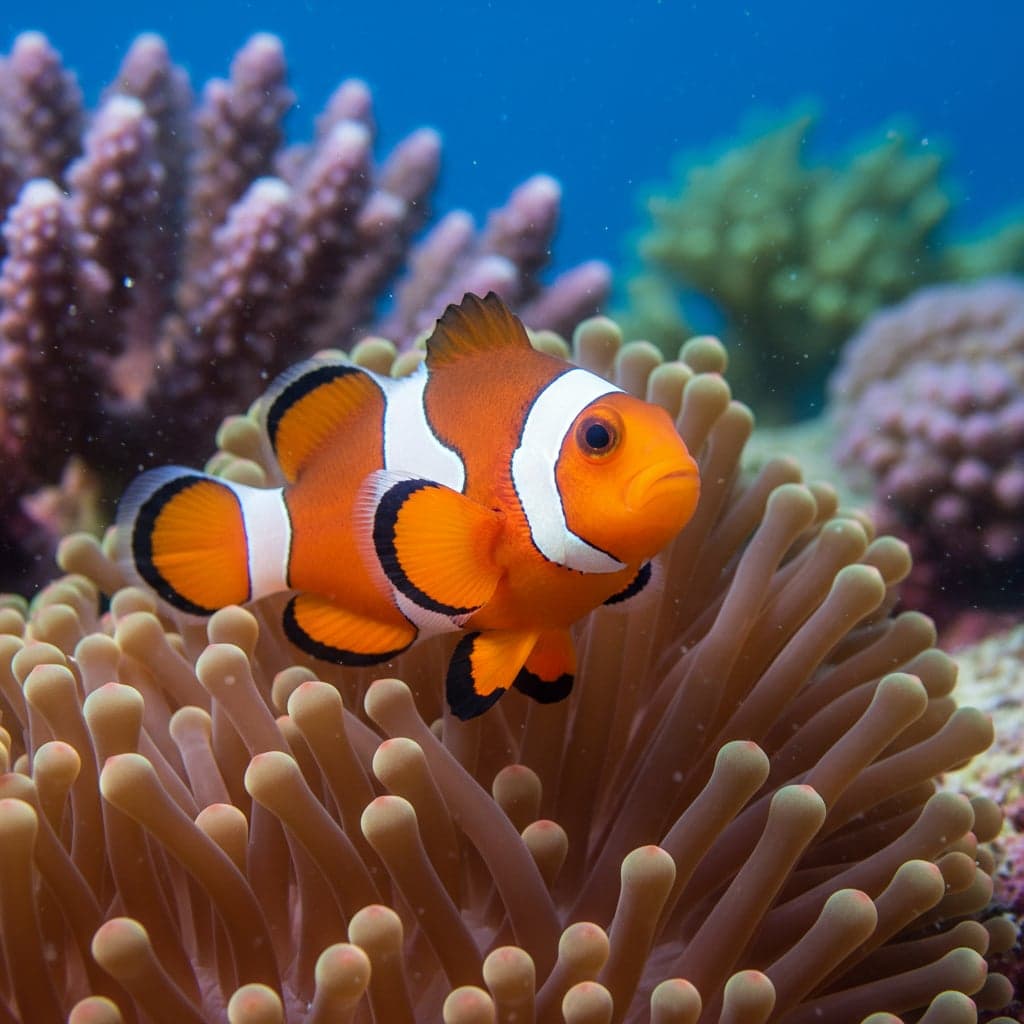
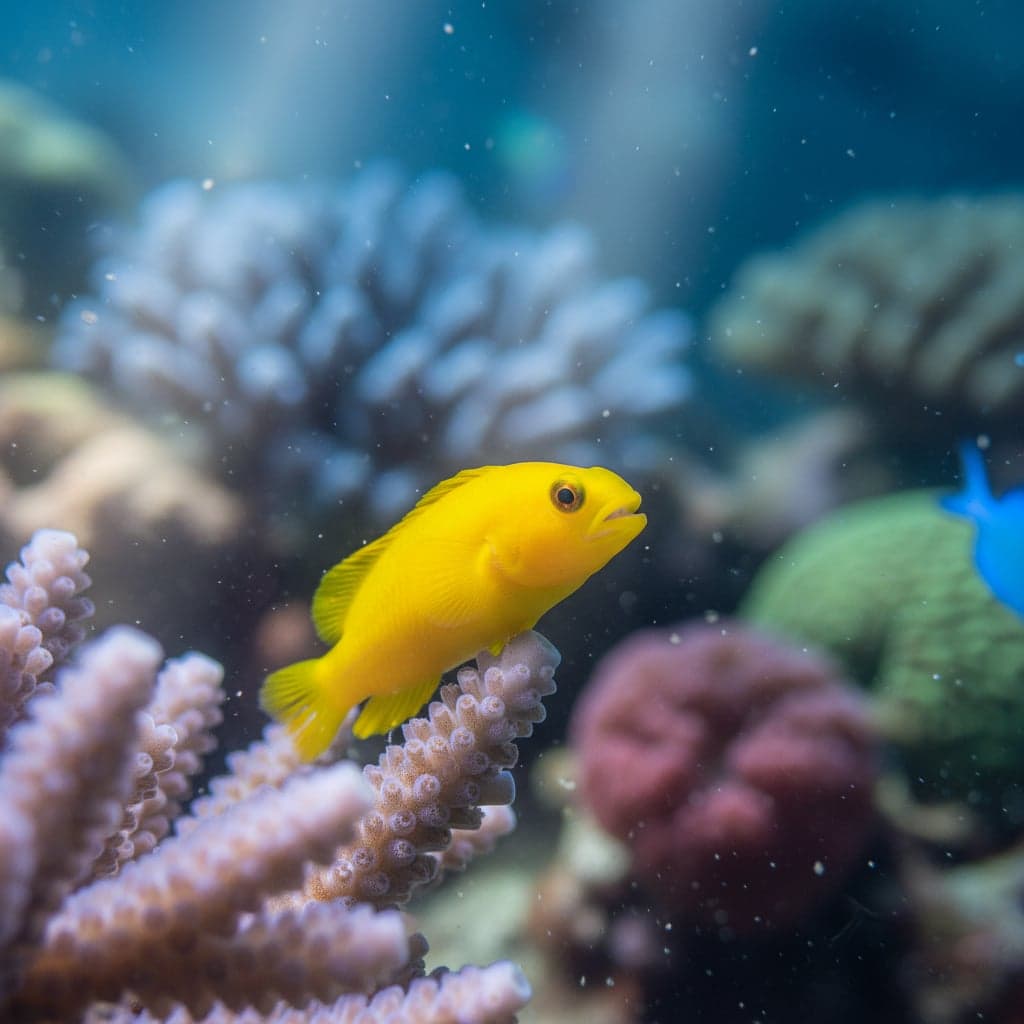
When selecting tank mates for the Orange Shoulder Tang, it is essential to consider compatibility to reduce aggression and stress. Suitable companions include larger, non-aggressive species like clownfish, wrasses, and certain gobies. Other tangs can be added with caution, ensuring that they are introduced simultaneously or with adequate space to establish territories.
Conversely, aquarists should avoid pairing the Orange Shoulder Tang with fish that exhibit overly aggressive tendencies or those that are similar in shape, such as other surgeonfish. Species like damsels and certain cichlids may also harass the Orange Shoulder Tang, highlighting the importance of careful selection when creating a harmonious community tank.
Breeding
Breeding Orange Shoulder Tangs in captivity poses challenges, as this species is not known for readily spawning in aquarium conditions. They are known to be pelagic spawners, typically releasing eggs into the water column during specific times, often during full moons or certain lunar phases. Providing environmental cues such as stable water quality, temperature, and lighting can encourage attempted spawning behavior.
For successful breeding, a dedicated breeding tank is often recommended, featuring multiple hiding areas and ample space for the adults to establish territories. It is crucial to separate breeding pairs as they may engage in aggressive behavior towards one another after spawning. If properly managed, breeding the Orange Shoulder Tang can prove to be an exciting endeavor for dedicated aquarists.
Common Health Issues
Like many marine species, the Orange Shoulder Tang is susceptible to several health issues, including ich (Cryptocaryon irritans), marine velvet (Amyloodinium ocellatum), and fin rot. Prevention is key; maintaining optimal water quality and minimizing stress through suitable tank conditions is essential for keeping these tangs healthy. Quarantine new arrivals prior to introducing them to the main tank can also help reduce the potential spread of disease.
In addition to preventive measures, regular monitoring for signs of distress or illness can promote timely interventions. An adequate diet enriched with vitamins can boost their immune system, further supporting overall health. Adhering to these guidelines can enhance the longevity and vibrancy of your Orange Shoulder Tang in the aquarium.