Pearl Arowana: Scleropages jardinii
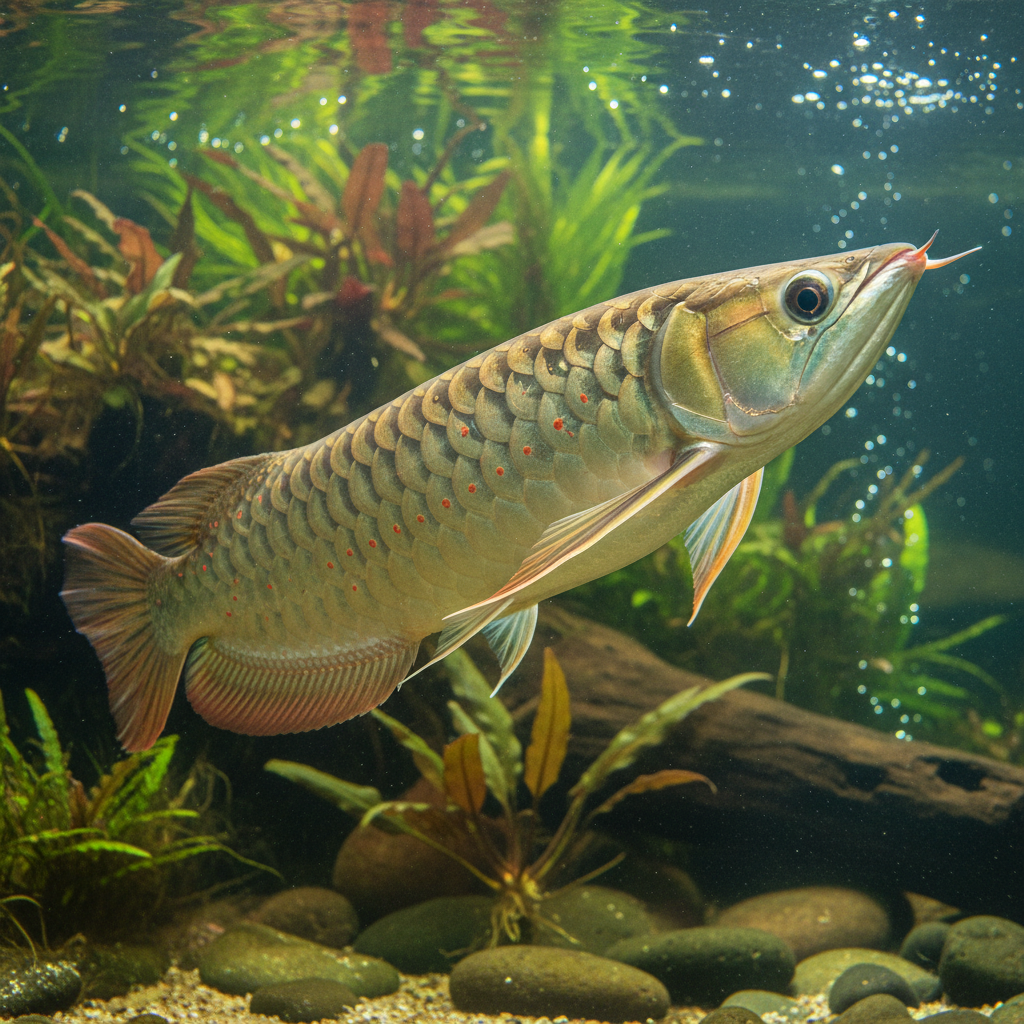
A massive, prehistoric surface predator from Australia boasting large, heavily armored scales edged in gold.
Pearl Arowana
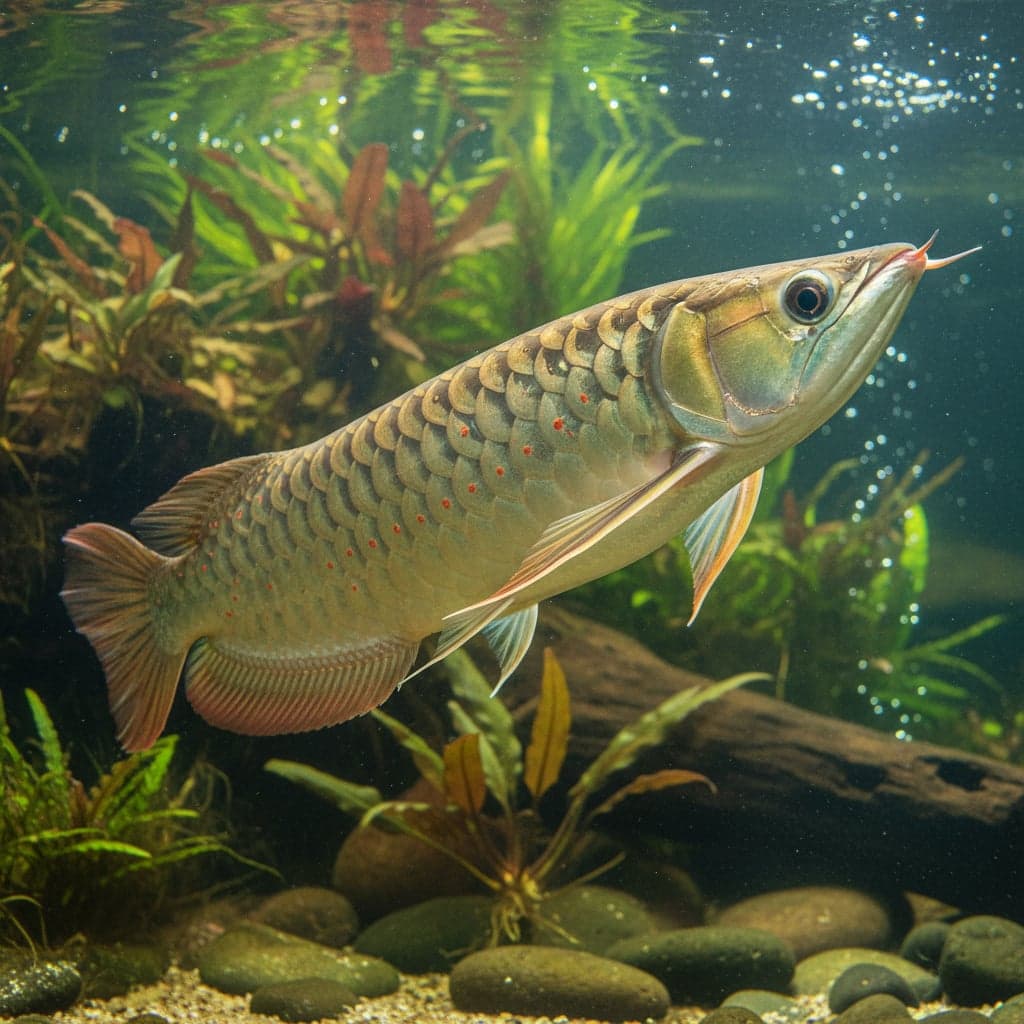
The Pearl Arowana, scientifically known as Scleropages jardinii, is a visually striking freshwater fish that has gained immense popularity in the aquarium hobby. Characterized by its elongated body, large pectoral and pelvic fins, and majestic dorsal fin, this species showcases a mesmerizing sheen that reflects a rich, pearlescent quality—hence its name. The vibrant coloration typically features shades of silver and blue, with distinct pearl-like scales that add to its aesthetic appeal. As a freshwater fish, the Pearl Arowana stands out not only for its beauty but also for its graceful swimming patterns.
Additionally, the Pearl Arowana holds cultural significance, particularly in Asian societies, where it is often regarded as a symbol of prosperity and good fortune. The fish is frequently associated with the Feng Shui tradition, leading many enthusiasts to keep it in their homes or businesses with the belief that it will attract wealth and bring positive energy. Its striking appearance, combined with its deep-rooted cultural significance, makes the Pearl Arowana a sought-after species among aquarists and collectors alike.
Natural Habitat & Origin
Pearl Arowanas are native to the freshwater ecosystems of Northern Australia, particularly the rivers and coastal areas of the region. They thrive primarily in tropical climates, inhabiting slow-moving streams, swamps, and floodplains. The natural habitat of the Pearl Arowana is characterized by blackwater systems—water tinted dark by the decomposition of plant material and high in organic compounds. This environment offers low light and dense vegetation, providing essential cover and dietary sources.
In these natural conditions, the Pearl Arowana encounters a variety of prey, primarily consisting of smaller fish and insects. The reliance on these ecosystems highlights the importance of replicating similar conditions in captivity to ensure the health and well-being of this fish. The need for high-quality water conditions and suitable hiding spaces become vital aspects of successful care in an aquarium setting.
Care Requirements
To ensure the health and happiness of a Pearl Arowana, it's essential to replicate the right environmental conditions. The recommended tank size for a single Pearl Arowana is a minimum of 200 gallons, as these fish can grow quite large, often reaching lengths of 30 inches or more. The aquarium should be equipped with a high-quality filtration system to maintain excellent water quality. Ideal water parameters include a pH level between 6.0 to 7.5, a temperature range of 75°F to 82°F (24°C to 28°C), and a hardness between 5-15 dGH.
In terms of tank setup, a sandy or soft substrate mimicking their natural habitat is preferable. Including floating plants can provide shade and create a more inviting environment. Since Pearl Arowanas are not aggressive but can become territorial, minimizing sharp decorations is crucial to prevent injury. Furthermore, strong aquarium lighting can help enhance their colors.
Diet & Feeding
The Pearl Arowana is primarily carnivorous, thriving on a diet rich in protein. In captivity, it can be fed a variety of foods to maintain a balanced diet. High-quality pellets designed for carnivorous fish are a staple in their diet. Additionally, live and frozen foods such as feeder fish, shrimp, and worms are excellent options to keep their diet diverse and appealing. It's essential to avoid overfeeding, as this can lead to obesity and health issues.
Incorporating some vegetable matter, such as chopped algae or spirulina flakes, occasionally can also provide nutritional benefits. Regular feedings, about two to three times a week, should be observed, taking care to adapt portions according to the fish's age and size.
Behavior & Temperament
The Pearl Arowana is generally known for its calm and graceful demeanor. Unlike some aggressive fish species, the Pearl Arowana prefers a tranquil environment, often exhibiting a solitary or semi-aggressive behavior. Although they can be kept with other fish, they do best when housed alone or with appropriately sized tank mates, as they may see smaller fish as prey.
In terms of tank placement, the Pearl Arowana often prefers swimming in the upper or middle water column. They are active swimmers, exhibiting a majestic and elegant swimming style that captures the attention of any observer. Providing adequate space in a larger tank will allow these fish to display their natural behaviors without feeling confined.
Tank Mates
Choosing the right tank mates for a Pearl Arowana requires careful consideration due to their size and feeding habits. Compatible species include larger, non-aggressive fish that can withstand the presence of this majestic predator. Some suitable tank mates can include:
- Larger cichlids, such as Oscars (Astronotus ocellatus)
- Larger catfish species, like redtail catfish (Phractocephalus hemioliopterus)
- A large group of Silver Dollars (Metynnis spp.)
- Other species of arowanas (when introduced at a young age).
However, it's crucial to avoid keeping the Pearl Arowana with smaller fish, as they may become prey. Aggressive species such as tiger barbs or certain types of puffers should also be avoided to minimize stress and potential conflict in the aquarium environment.
Breeding
Breeding Pearl Arowanas in captivity can be a challenging but rewarding endeavor. In their natural habitat, spawning typically takes place during the rainy season, prompting favorable conditions such as increased water flow and abundance of food. Aquarium conditions conducive to breeding require a spacious tank of around 400 gallons, with optimal water parameters being slightly more acidic (pH around 6.0) and warmer temperatures (82°F to 86°F).
To encourage spawning, provide suitable spawning sites using flat surfaces, such as smooth stones or large leaf plants, where the female can lay her eggs. Additionally, it may be beneficial to mimic their natural seasonal changes with fluctuating water levels and gentle water currents. Once eggs are laid, the male typically takes on the responsibility of guarding and caring for the eggs until they hatch, which usually takes about two to three days.
Common Health Issues
While the Pearl Arowana is generally resilient, it can still be susceptible to several health issues, particularly if not maintained in optimal conditions. Common problems include:
-
Ich (Ichthyophthirius multifiliis): This is a parasitic infection resulting from stress or poor water quality, leading to white spots on the skin. Maintaining water quality and ensuring stress-free living conditions are important for prevention.
-
Fin Rot: Caused by bacterial infections, fin rot may occur due to injuries or poor water conditions. Regular water changes and prompt treatment with appropriate medications can help.
-
Dropsy: A sign of internal problems, dropsy can indicate poor water quality or diseases. Maintaining clean, stable water conditions is the best prevention method.
Regular health monitoring, proper nutrition, and consistent water quality management can significantly reduce the risk of these health issues, ensuring a long, healthy life for your Pearl Arowana.