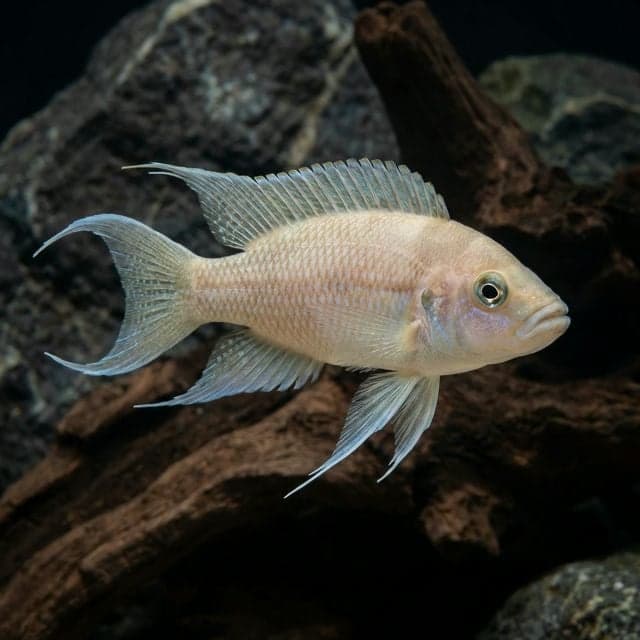
Pearl-lined Cichlid: Neolamprologus tetracanthus
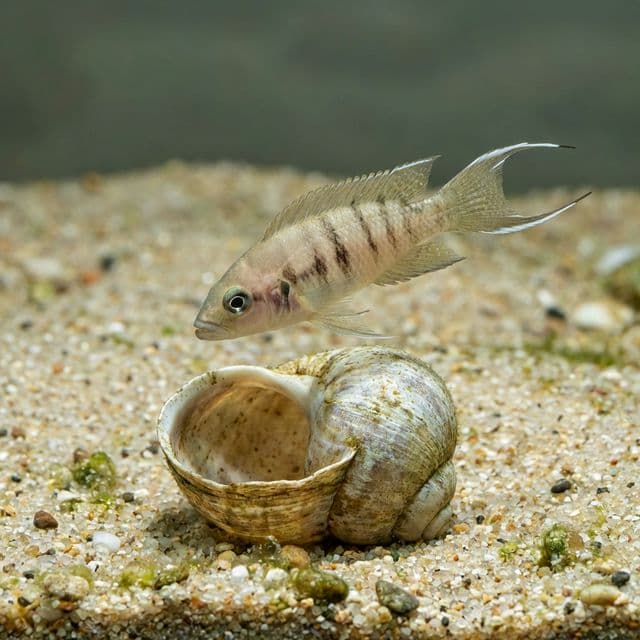
A striking, heavily speckled Tanganyikan cichlid known for hunting snails and fiercely guarding its rock caves.

Pearl-lined Cichlid
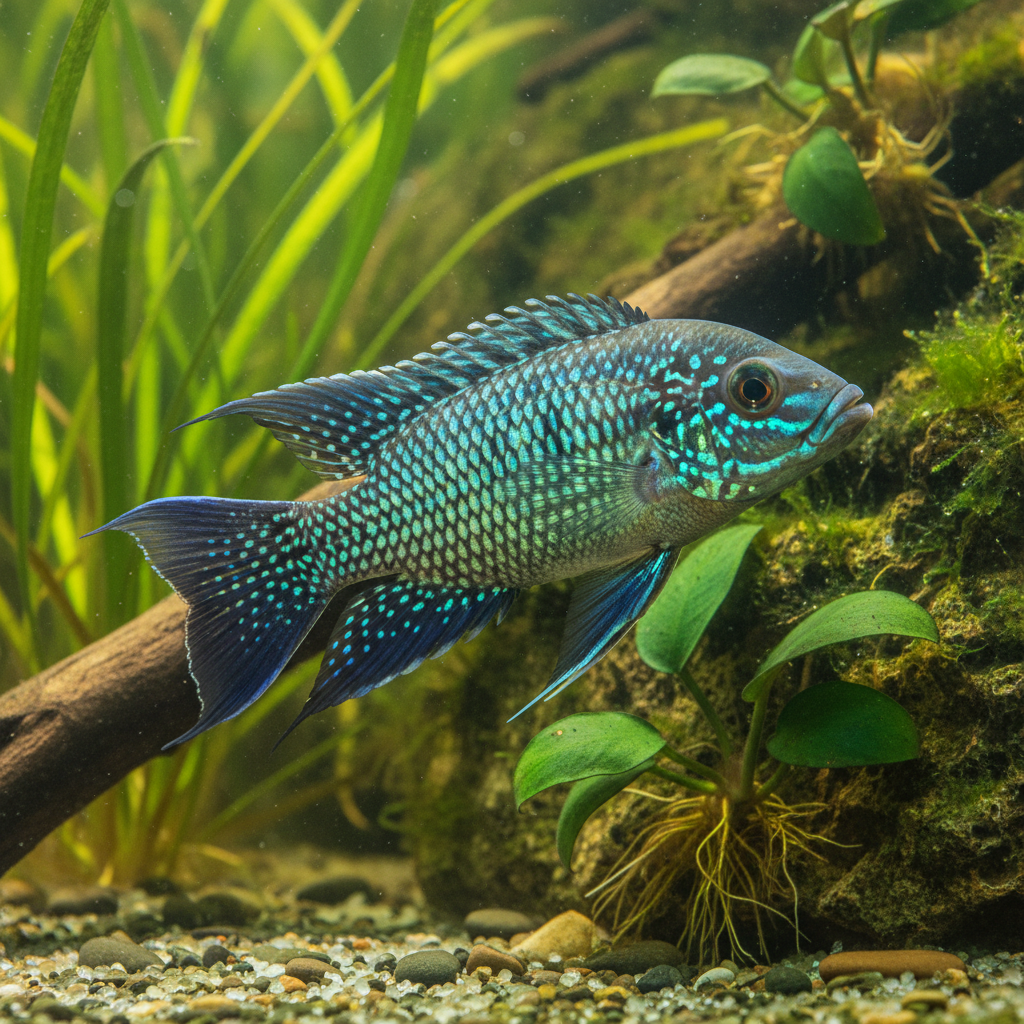
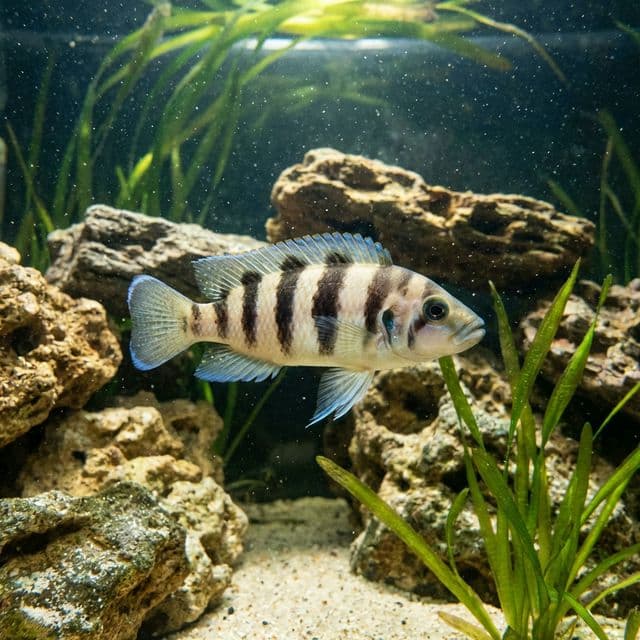
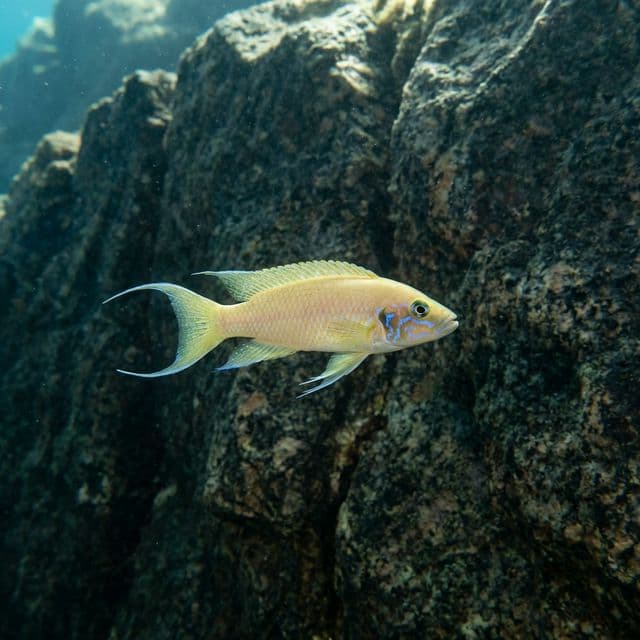
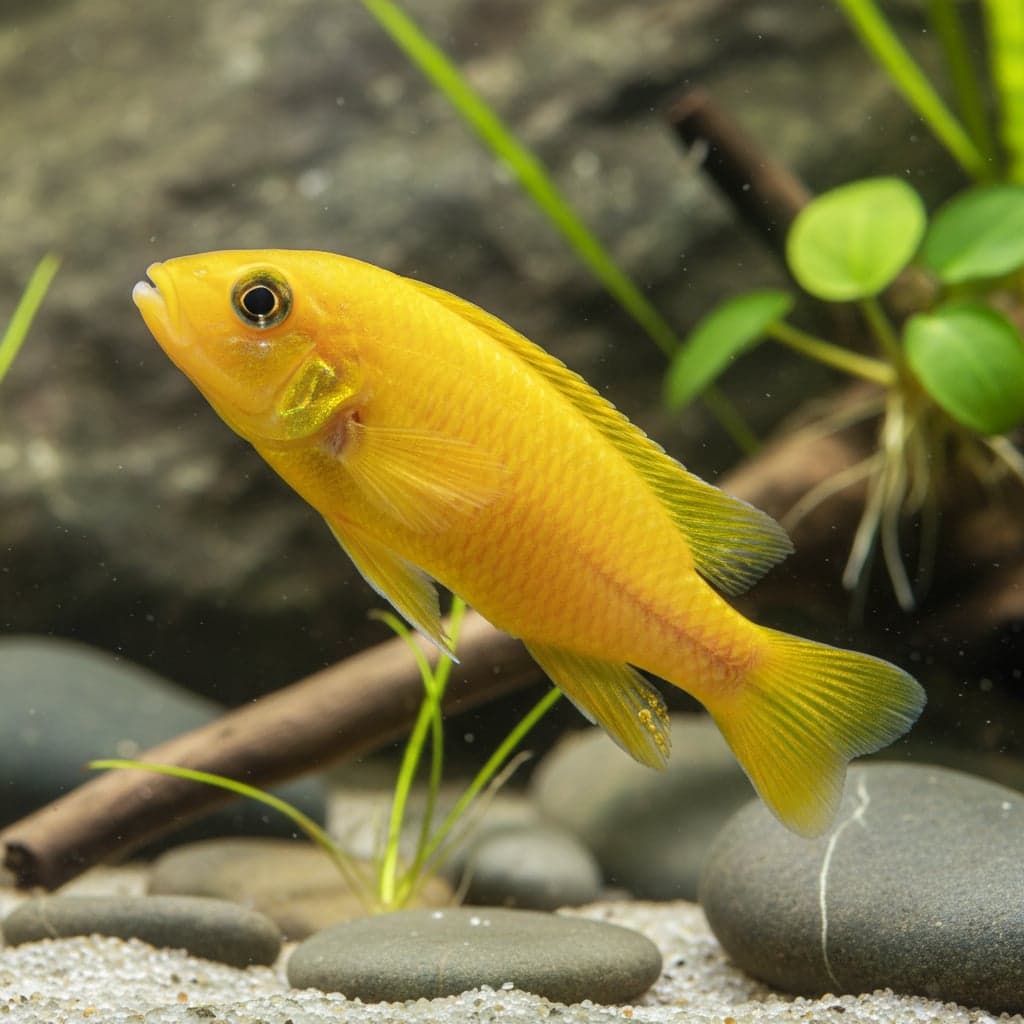
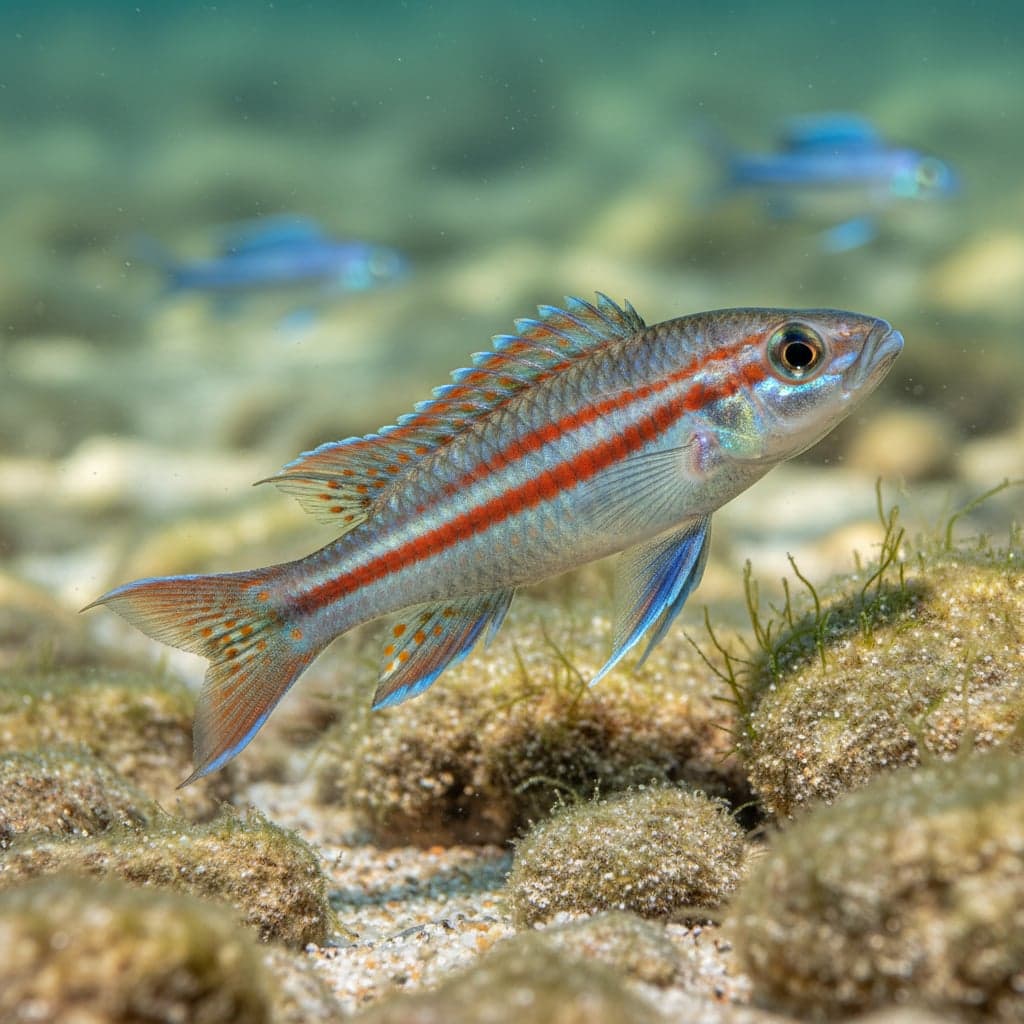
The Pearl-lined Cichlid, scientifically known as Neolamprologus tetracanthus, is a captivating freshwater fish that has gained popularity in the aquarium hobby primarily due to its stunning visual appeal and intriguing behavior. These cichlids possess a striking coloration, featuring a shimmering body adorned with pearl-like spots, which can enhance the aesthetic of any aquarium. Their elongated bodies and distinctively prominent dorsal fins further increase their allure, making them a sought-after species among aquarists who appreciate unique and colorful fish.
Signifying the rich biodiversity of Lake Tanganyika in East Africa, the Pearl-lined Cichlid holds ecological and cultural importance as well. These fish not only contribute to the intricate balance of their natural habitats but also represent the fascinating evolutionary adaptations that have occurred in isolated aquatic environments. As more enthusiasts become interested in preserving the natural beauty of these species, the Pearl-lined Cichlid stands out as a vital ambassador for the conservation of Lake Tanganyika's aquatic ecosystems.
Natural Habitat & Origin
The Pearl-lined Cichlid is native to the rocky shorelines and deeper waters of Lake Tanganyika, one of the largest and oldest freshwater lakes in Africa. This ecosystem is characterized by complex rock formations where these cichlids find shelter and breeding grounds. The water in Lake Tanganyika is typically alkaline, clear, and rich in minerals, creating an ideal environment for the Pearl-lined Cichlid to thrive.
In their natural habitat, these fish prefer deeper waters and are often found among the crevices and caves formed by rocky substrates. This preference for structure not only provides security from predators but also plays an essential role in their breeding behaviors. The rich biodiversity of the lake, with its diverse microhabitats, contributes to the unique evolutionary traits of the Pearl-lined Cichlid, making it a remarkable specimen for aquarists looking to emulate a slice of this natural habitat.
Care Requirements
To maintain optimal health for your Pearl-lined Cichlid, the aquarium should mimic its natural conditions as closely as possible. The ideal water parameters include a pH level between 7.8 and 9.0, with temperatures ranging from 75°F to 82°F (24°C to 28°C). Hardness should ideally be between 10 to 20 dGH, ensuring a mineral-rich environment that supports their overall well-being.
In terms of tank setup, a minimum tank size of 30 gallons is recommended to provide ample swimming space and hiding spots. A sandy substrate works best, as it resembles their natural habitat and allows for safe digging. Incorporating plenty of rocks and caves, as well as moderate lighting, will create a comfortable and stimulating environment. Adding hardy aquatic plants can enhance the aesthetic appeal but should be placed strategically, as Pearl-lined Cichlids may rearrange their surroundings.
Diet & Feeding
The Pearl-lined Cichlid is primarily an omnivore, though their diet in captivity can lean more towards carnivorous tendencies due to their natural foraging behavior. They thrive on a varied diet that includes high-quality flakes, pellets, and frozen or live foods such as brine shrimp, daphnia, and bloodworms to promote optimal health and coloring.
Feeding them a balanced diet not only enhances their coloration but also supports their energetic behavior. It is advisable to provide small feedings several times a day rather than a single large meal to prevent overeating and maintain their overall health.
Behavior & Temperament
Pearl-lined Cichlids exhibit a fascinating mix of social behavior and territoriality. While they may not form traditional schools, they do enjoy the company of their species but require sufficient space to establish their territories. They can exhibit aggression, particularly during breeding seasons or when establishing dominance over territory, so it is essential to monitor their behavior closely when housed with tank mates.
These fish tend to utilize the vertical space within the aquarium, often swimming at different levels to explore their surroundings. Providing plenty of vertical and horizontal structures will encourage their natural behavior and reduce stress by allowing them to retreat when feeling threatened.
Tank Mates
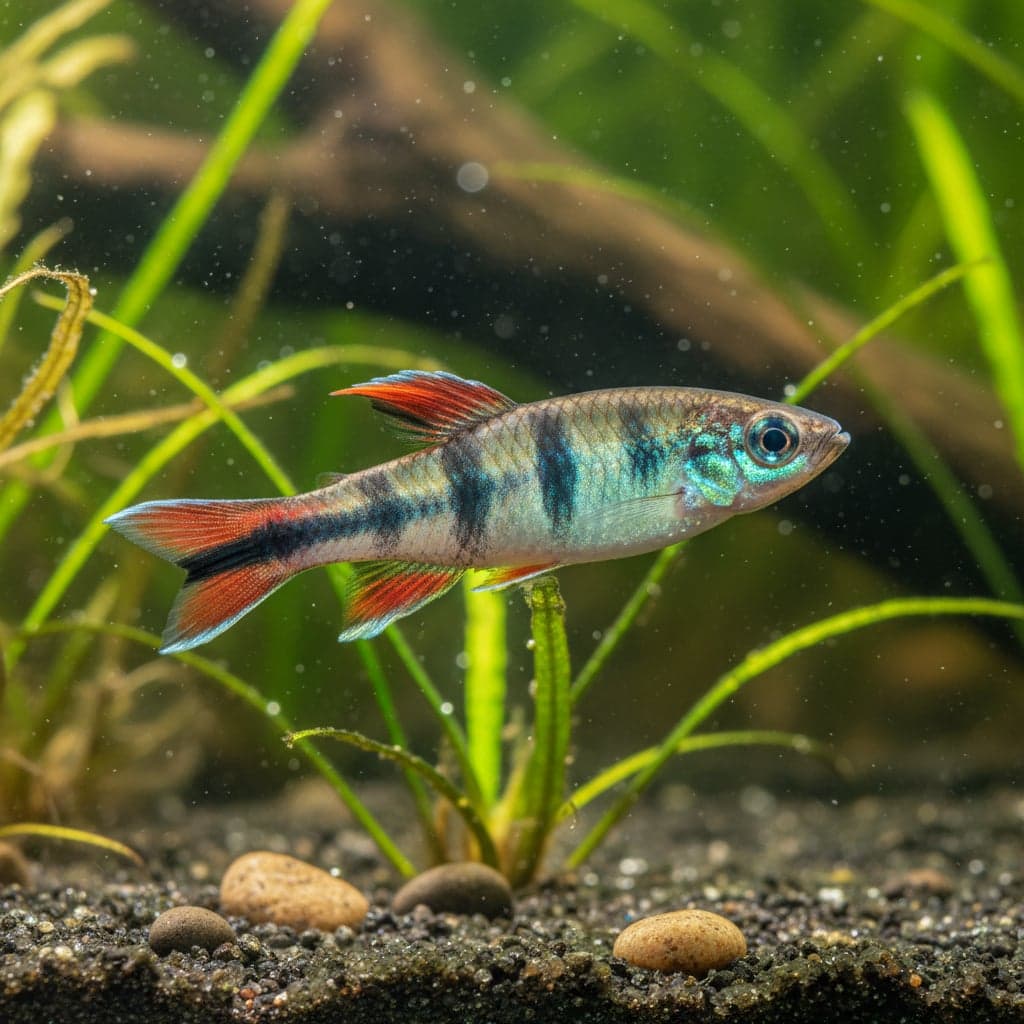
When selecting tank mates for the Pearl-lined Cichlid, choosing species that can coexist without undue stress or aggression is crucial. Compatible choices include other medium-sized cichlids from Lake Tanganyika, such as the Lamprologus species or certain types of mbuna. Other suitable tank mates may include synodontis catfish and some types of tetras that can handle a slightly higher pH and harder water conditions.
However, it is important to avoid smaller fish species, as these cichlids may view them as prey. Additionally, housing them with overly aggressive fish can lead to conflict, particularly during breeding times. Care must be taken to create a balanced community that respects the territorial needs of the Pearl-lined Cichlid while ensuring the safety of all inhabitants.
Breeding
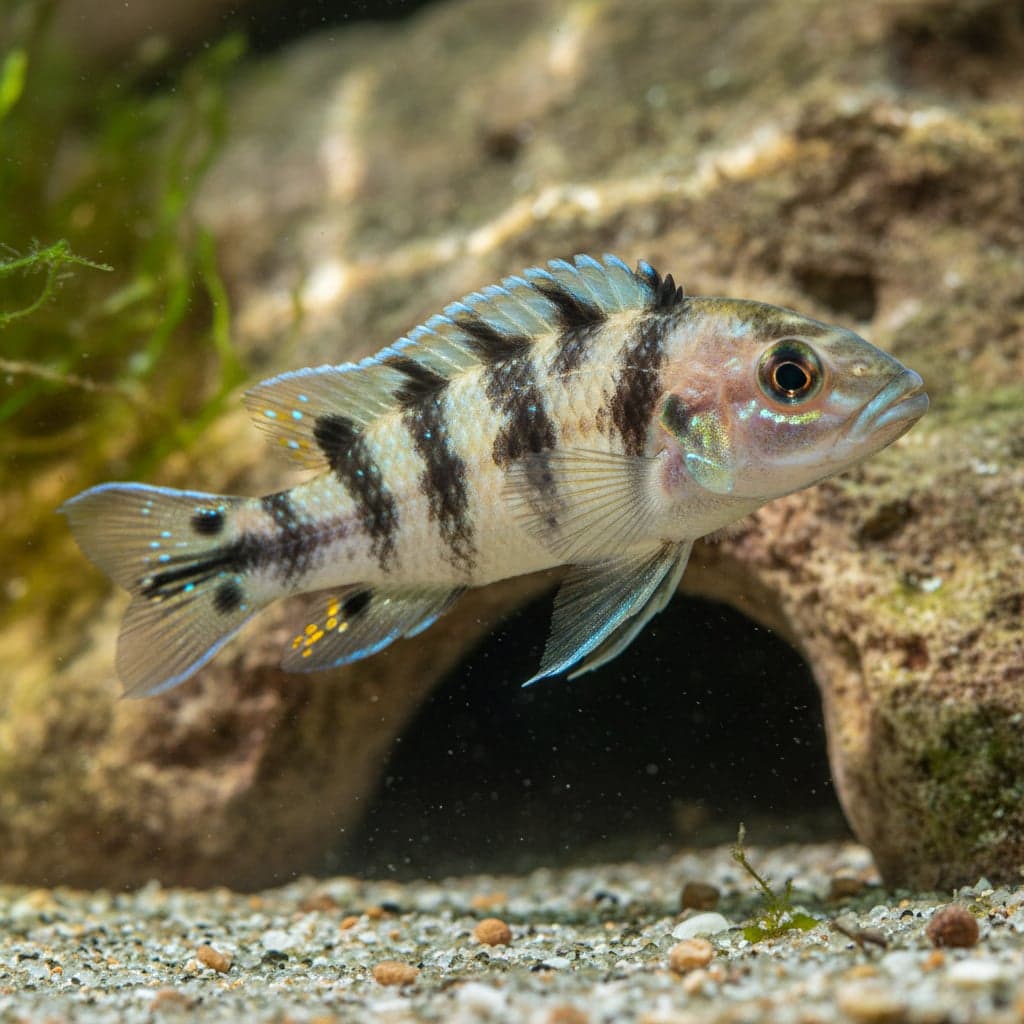
Breeding Pearl-lined Cichlids can be a rewarding challenge for aquarists. These fish practice cave spawning, where the female lays eggs in a sheltered area, typically within a rock structure or a designated breeding cave. To stimulate breeding conditions, the water temperature can be raised slightly to around 78°F to 82°F (25°C to 28°C), and a high-quality diet should be provided in the days leading up to spawning.
Females can lay a significant number of eggs—often numbering in the hundreds—so providing adequate hiding spaces is crucial for the eggs and the fry once they hatch. The male will guard the territory while the female cares for the eggs, showcasing their cooperative breeding approach. Breeding success requires patience and a keen observation of their behavior, as the early days after hatching can be fraught with challenges.
Common Health Issues
While generally resilient, Pearl-lined Cichlids can be prone to several common health issues, particularly if they are not kept under optimal water conditions. Some of the potential concerns include ich (white spot disease), fin rot, and bloat. Ich is often triggered by stress factors such as overcrowding or poor water quality, making proper tank maintenance essential.
Preventative measures include ensuring stable water parameters, performing regular water changes, and providing a balanced diet. Maintaining a stress-free environment with plenty of hiding spots can also help to bolster their immune systems and prevent the onset of disease. Regular monitoring of fish behavior can assist in early detection of any health issues, allowing for prompt intervention when necessary.