Picasso Triggerfish
A 30cm triggerfish with painted markings and a real personality. It bites, rearranges rock, and eats invertebrates — a fish-only tank fish.
Picasso Triggerfish
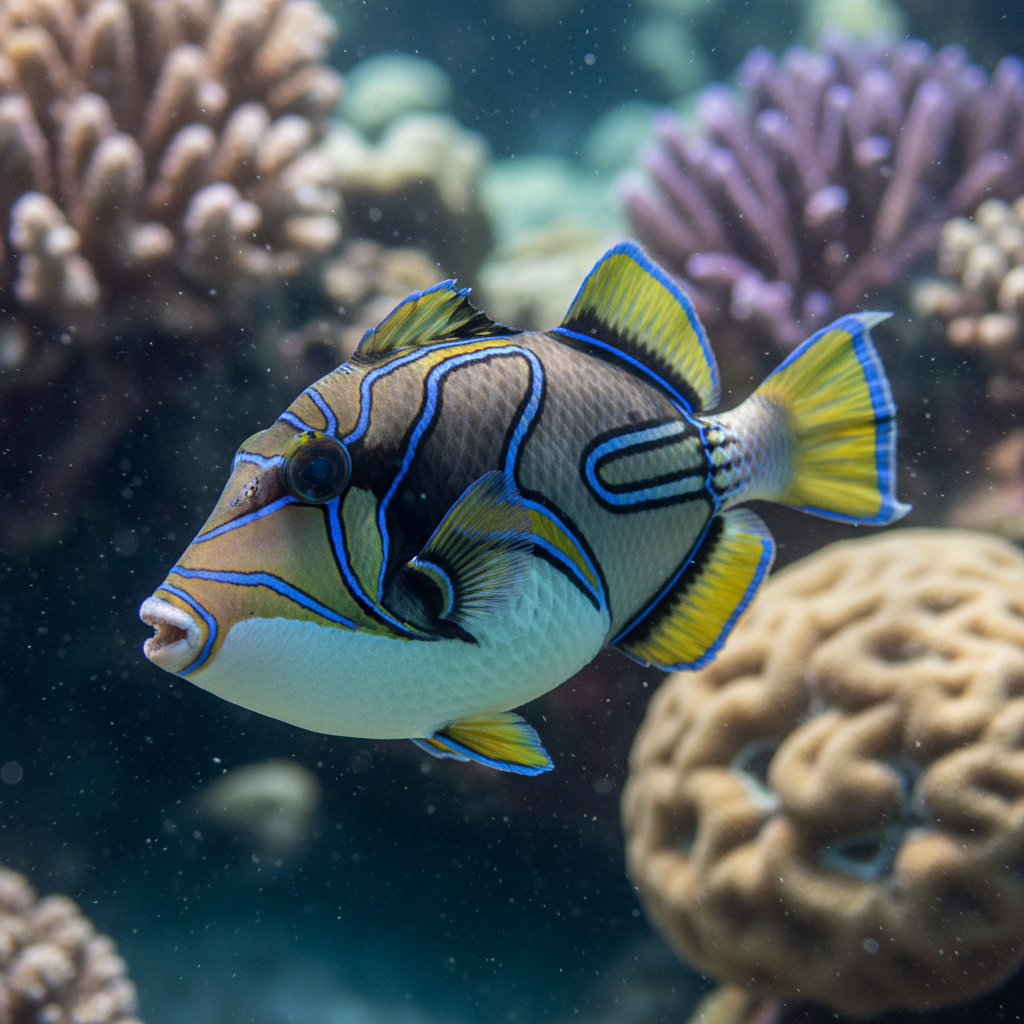
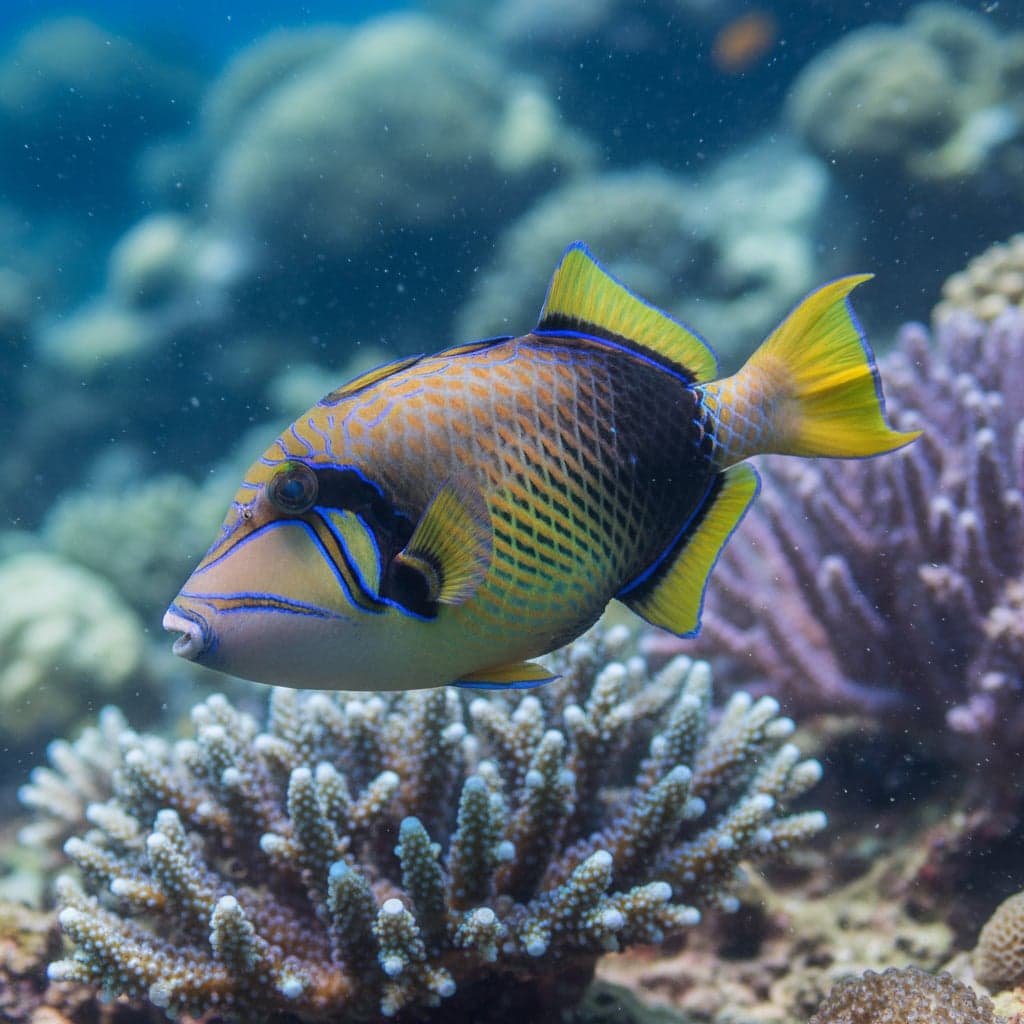
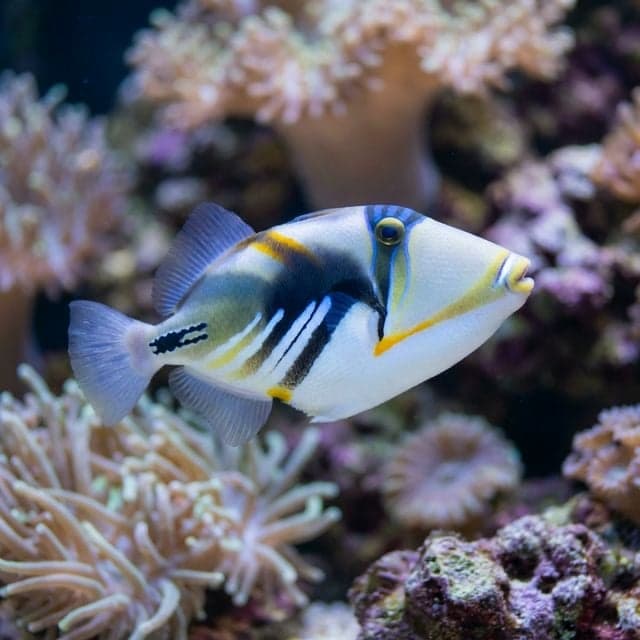
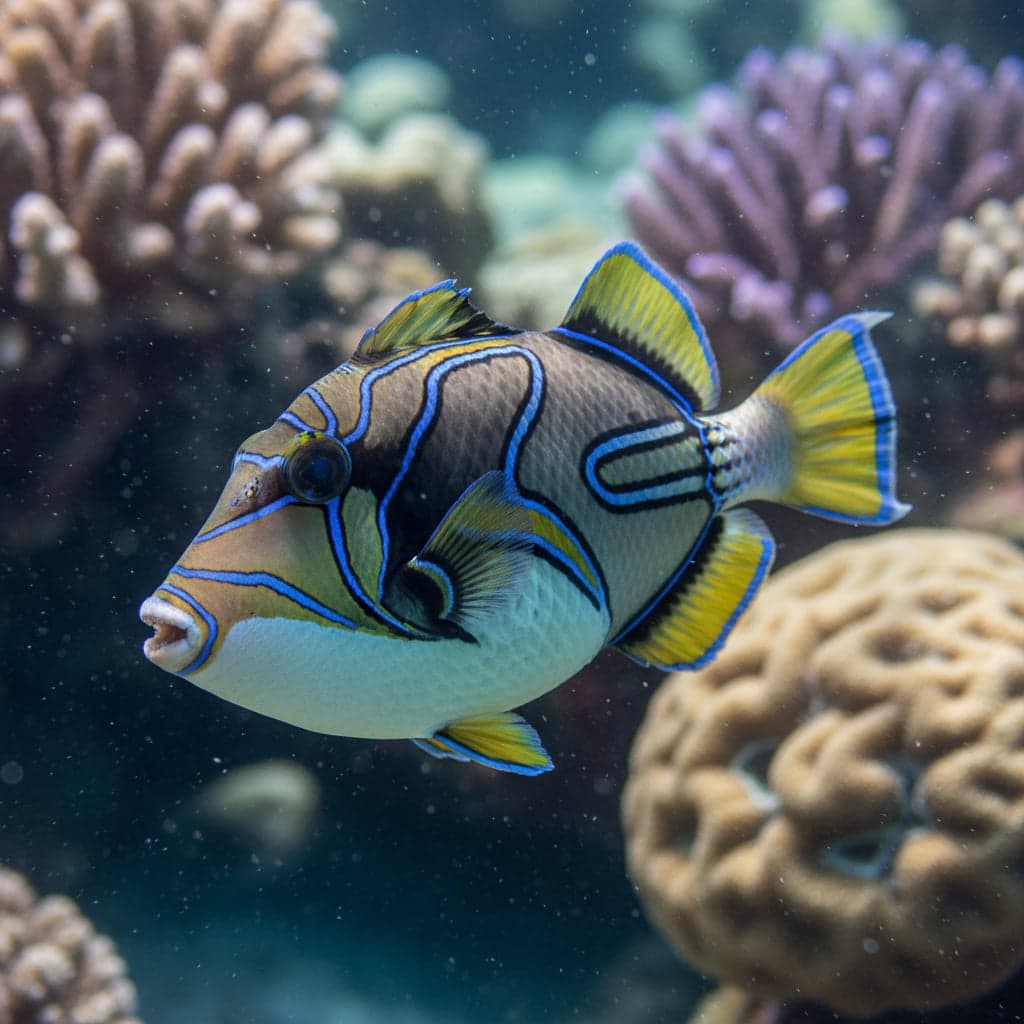
The Picasso Triggerfish, scientifically known as Rhinecanthus aculeatus, is a strikingly colorful marine fish that has captured the hearts of aquarium enthusiasts worldwide. Distinguished by its vivid coloration—comprising bright blues, yellows, and whites adorned with bold black markings—this fish brings a unique aesthetic to any tank. Its name derives from the resemblance of its coloration to the artworks of Pablo Picasso, making it a popular choice among aquarists looking for an eye-catching centerpiece for their aquarium. Beyond its visual appeal, the Picasso Triggerfish is coveted for its hardy nature and resilience, well-suited for a variety of aquarium environments.
As a member of the triggerfish family, the Picasso Triggerfish plays a significant role in marine ecosystems and is a vector for ecological balance on coral reefs. It contributes to the maintenance of coral health by feeding on algae that can proliferate unchecked, which in turn supports coral growth. In captivity, their vibrant appearance and relatively manageable care requirements make them a staple in reef tanks, allowing hobbyists to appreciate both their beauty and ecological importance.
Natural Habitat & Origin
The Picasso Triggerfish is typically found in the warm, shallow waters of the Indo-Pacific region, with a range covering areas from the Red Sea to the Great Barrier Reef. This species thrives in coral reefs, shallow lagoons, and near rocky outcrops, where they find ample food and shelter. The water in these environments is generally clear, with moderate to strong currents, allowing for a diverse community of marine life to flourish. Understanding the natural habitat of the Picasso Triggerfish is crucial, as it provides essential insight into the type of environment needed for successful captive care.
In its native habitat, the Picasso Triggerfish resides among coral structures that offer both protection and foraging opportunities. The fish is naturally found at depths ranging from 1 to 30 meters, demonstrating a preference for environments rich in biodiversity, which influences their behavior and social interactions. Maintaining these conditions in an aquarium setting can help mimic their natural home and promote healthy behaviors.
Care Requirements
To properly care for a Picasso Triggerfish, specific water parameters and tank setups must be established. The ideal pH range for these fish is between 8.1 and 8.4, providing the necessary alkaline environment they thrive in. Additionally, the temperature should be maintained between 74°F and 82°F (23°C to 28°C), and water hardness should be around 8-12 dKH. Due to their size and temperament, a minimum tank size of 500 litres (130 gallons) is recommended — this 30cm aggressive trigger rearranges rockwork, eats invertebrates, and belongs in a fish-only system.
When setting up the aquarium, utilize a sandy substrate that closely resembles their natural environment in the wild. Rock formations should be incorporated to create hiding spots and nooks for exploration, as Picasso Triggerfish are naturally inquisitive. Lighting should be moderate, as overly bright conditions can stress these fish. Live rock, corals, and safe aquarium plants can enhance the aesthetic and practical habitat, simulating their natural surroundings and promoting a healthy, vibrant environment.
Diet & Feeding
The Picasso Triggerfish is classified as an omnivore, meaning its diet includes both plant and animal matter. In captivity, it's essential to provide a varied diet that mimics its natural feeding habits. High-quality flakes and pellets specifically formulated for marine fish can serve as staples in their diet. Additionally, offering frozen foods such as mysis shrimp, krill, and various marine-based chopped foods can improve their nutrition. It is also advisable to supplement their diet with occasional live foods to promote hunting behaviors and stimulate natural instincts.
Feeding should ideally occur two to three times a day, ensuring that portions are manageable to prevent wastage and water quality degradation. Monitoring their eating patterns is crucial, as Picasso Triggerfish can be aggressive towards tank mates during feeding times. By providing a well-rounded diet, aquarists can enhance the overall health and vibrancy of the Picasso Triggerfish, ensuring they thrive in captivity.
Behavior & Temperament
The Picasso Triggerfish exhibits a range of behaviors that are interesting for aquarists to observe. They are known for their assertive and sometimes aggressive temperament, particularly as they mature. In the wild, they are territorial and can exhibit dominance over smaller or less aggressive tank mates. With this in mind, it's advisable to house them with fish that can either hold their own or are similarly assertive.
Socially, Picasso Triggerfish prefer to occupy the mid-to-bottom levels of the aquarium, often using rocks and shelters to establish their territory. They are not typically schooling fish but can coexist with others if sufficient space and hiding spots are provided. Regular monitoring of interactions between tank mates is recommended, especially during feeding times or if new fish are introduced.
Tank Mates
When selecting tank mates for the Picasso Triggerfish, it is crucial to choose species that are compatible in both size and temperament. Suitable companions may include larger tangs, lionfish, and other robust marine species. Reef-safe fish like clowns and some wrasses can potentially coexist with Picasso Triggerfish when introduced carefully. However, avoid housing them with smaller, more docile fish, such as many gobies or smaller wrasses, as these may be viewed as prey or become victims of territorial disputes.
Additionally, avoid keeping the Picasso Triggerfish with other triggerfish species to prevent aggressive behavior and territorial clashes. Careful research and selection of compatible tank mates will ensure a harmonious community environment, enhancing the aquarium's vibrancy.
Breeding
Breeding Picasso Triggerfish in captivity can be challenging due to specific requirements for successful spawning. They are known to engage in a ritual dance prior to spawning, which can be observed when a compatible pair is established. Creating ideal breeding conditions involves maintaining stable water parameters and providing ample flat surfaces, such as rocks or aquarium decor, for the female to deposit her eggs.
A separate breeding tank with optimal conditions—maintaining a pH of approximately 8.2 to 8.4, a temperature around 78°F to 80°F (25°C to 27°C), and good water flow—is often recommended. While it is rare for this species to spawn in captivity, visual cues from paired fish can indicate readiness, such as increased aggression or frequent swimming together.
Common Health Issues
While the Picasso Triggerfish is a hardy species, they can be prone to several common health issues in captivity. Ich (whitespot disease) and marine velvet are two significant parasitic infections that can affect these fish, arising from stress or poor water conditions. Practicing good aquarium husbandry, including routine water changes and maintaining stable water parameters, can significantly reduce the risk of such diseases.
Additionally, due to their aggressive nature, they may sustain injuries during territorial disputes with tank mates. Regular observation for signs of stress or injury allows for early intervention. In case of illness, consulting with a qualified veterinarian specializing in marine fish can ensure prompt and effective treatment, promoting the long-term health and well-being of the Picasso Triggerfish.