Pink Skunk Clownfish
A 10cm clownfish, peaceful even by clownfish standards. Captive-bred stock is hardy and hosts anemones readily but does not require one.
Pink Skunk Clownfish
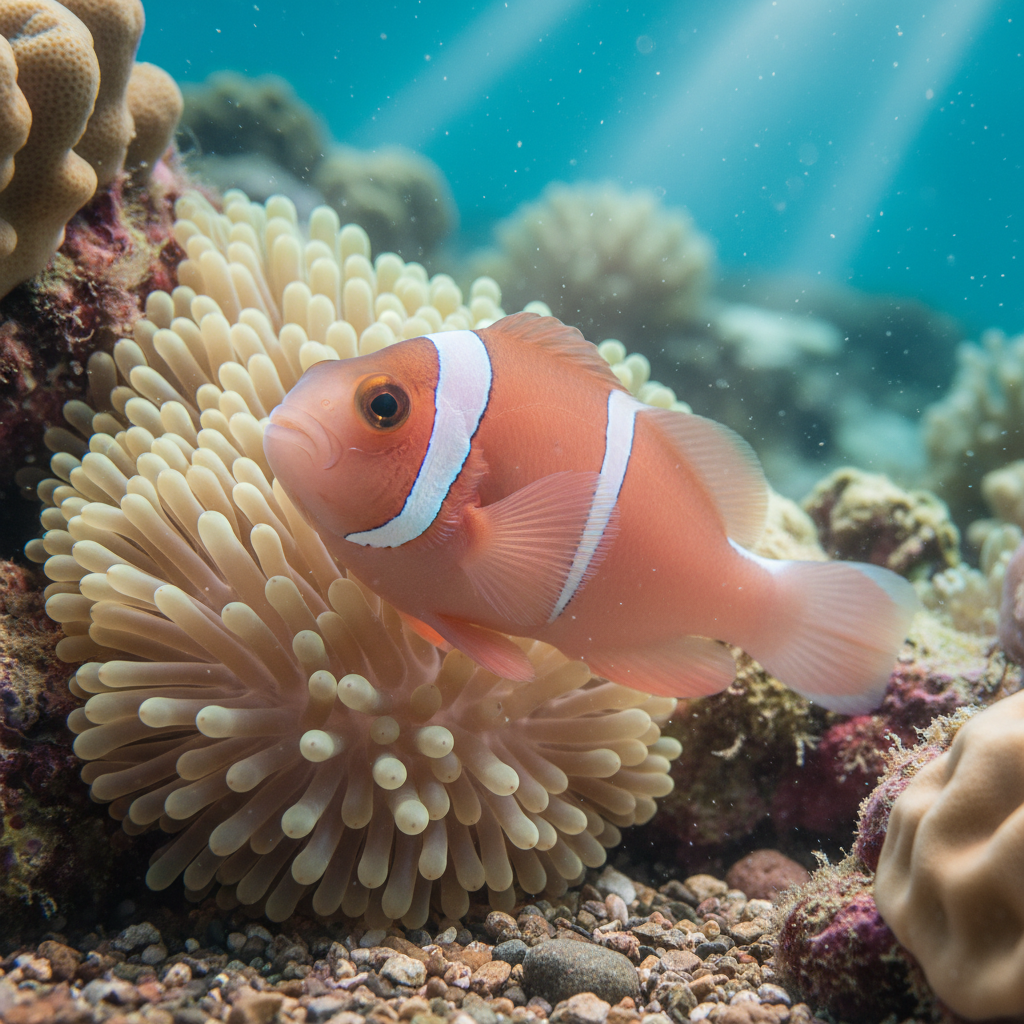
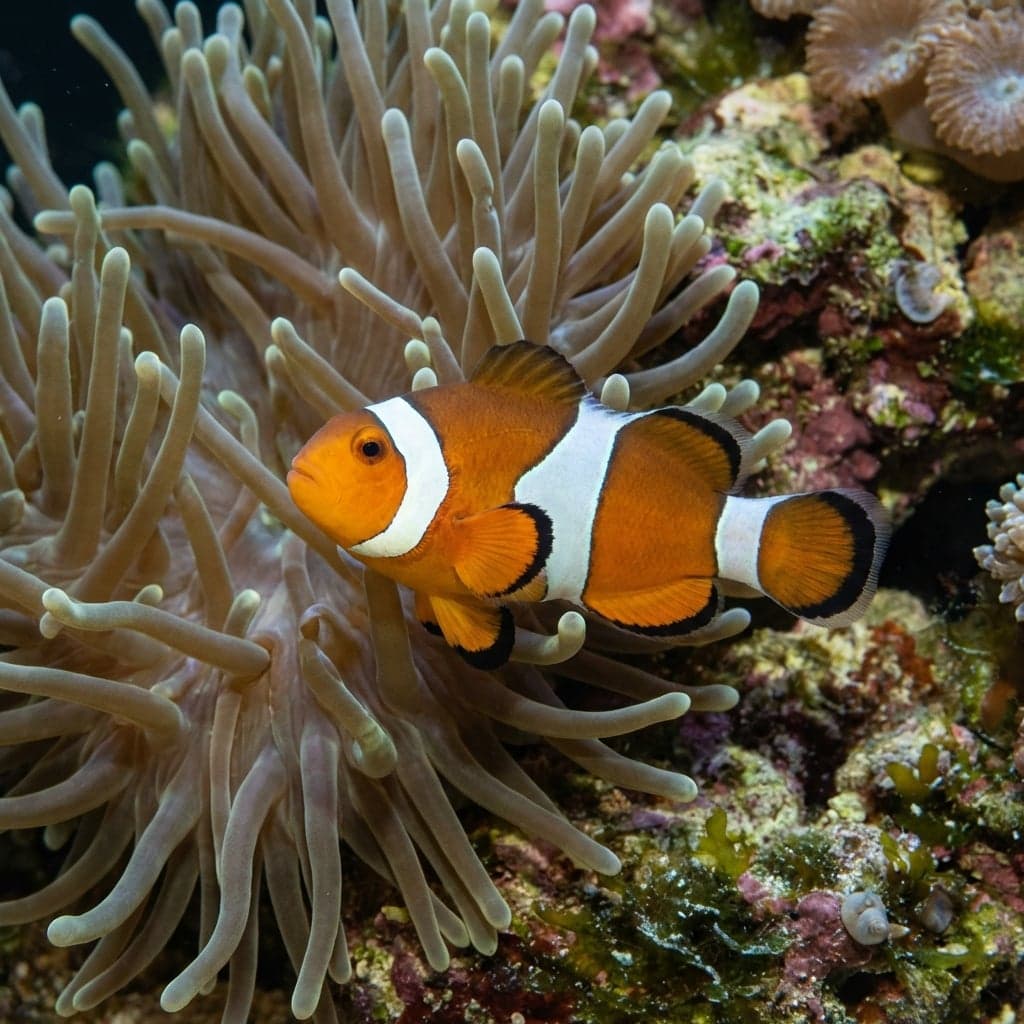
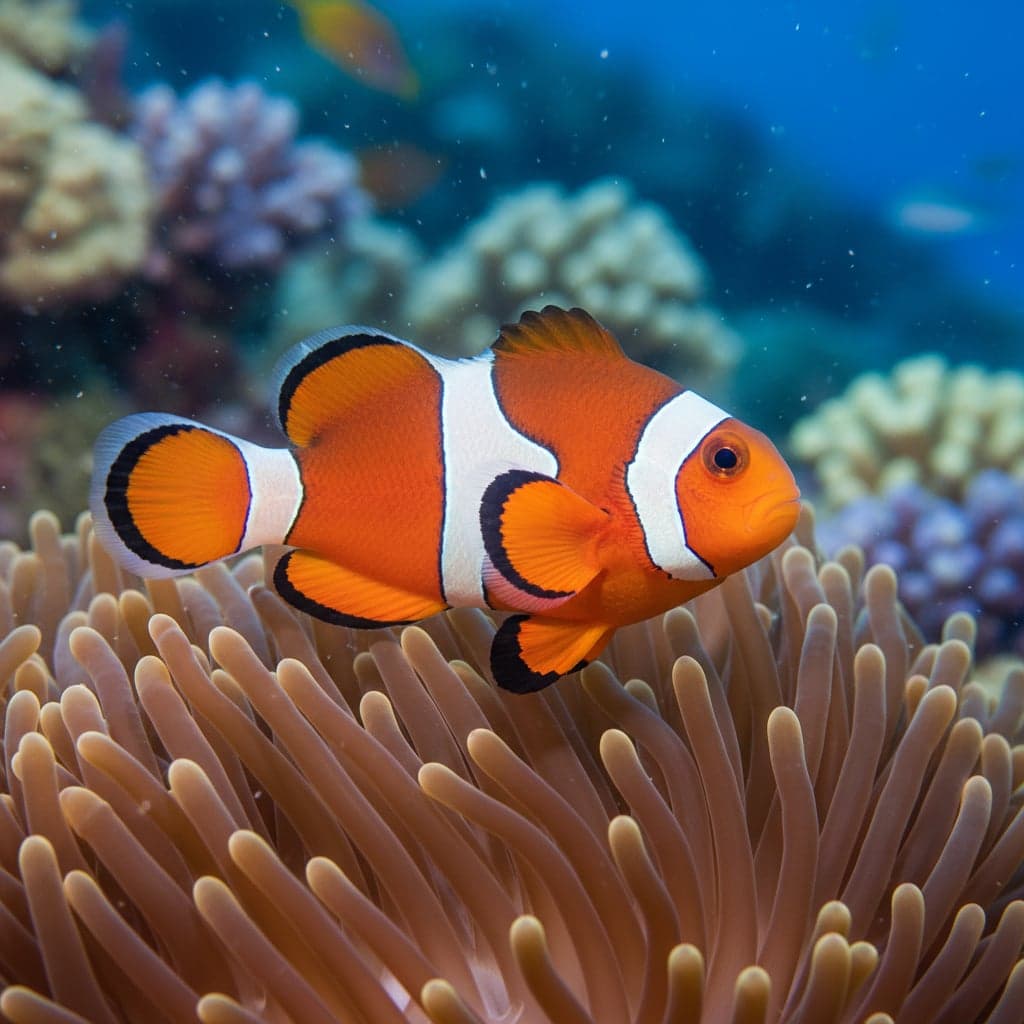
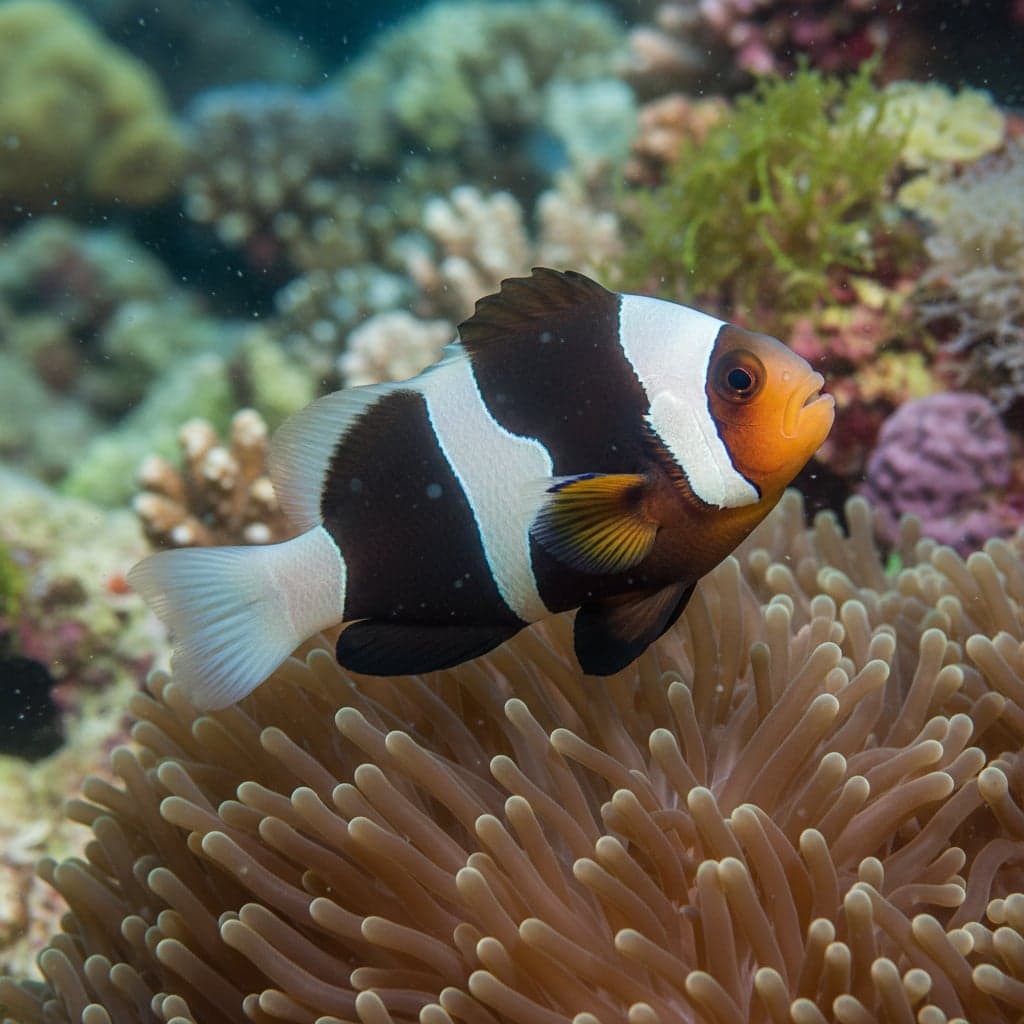
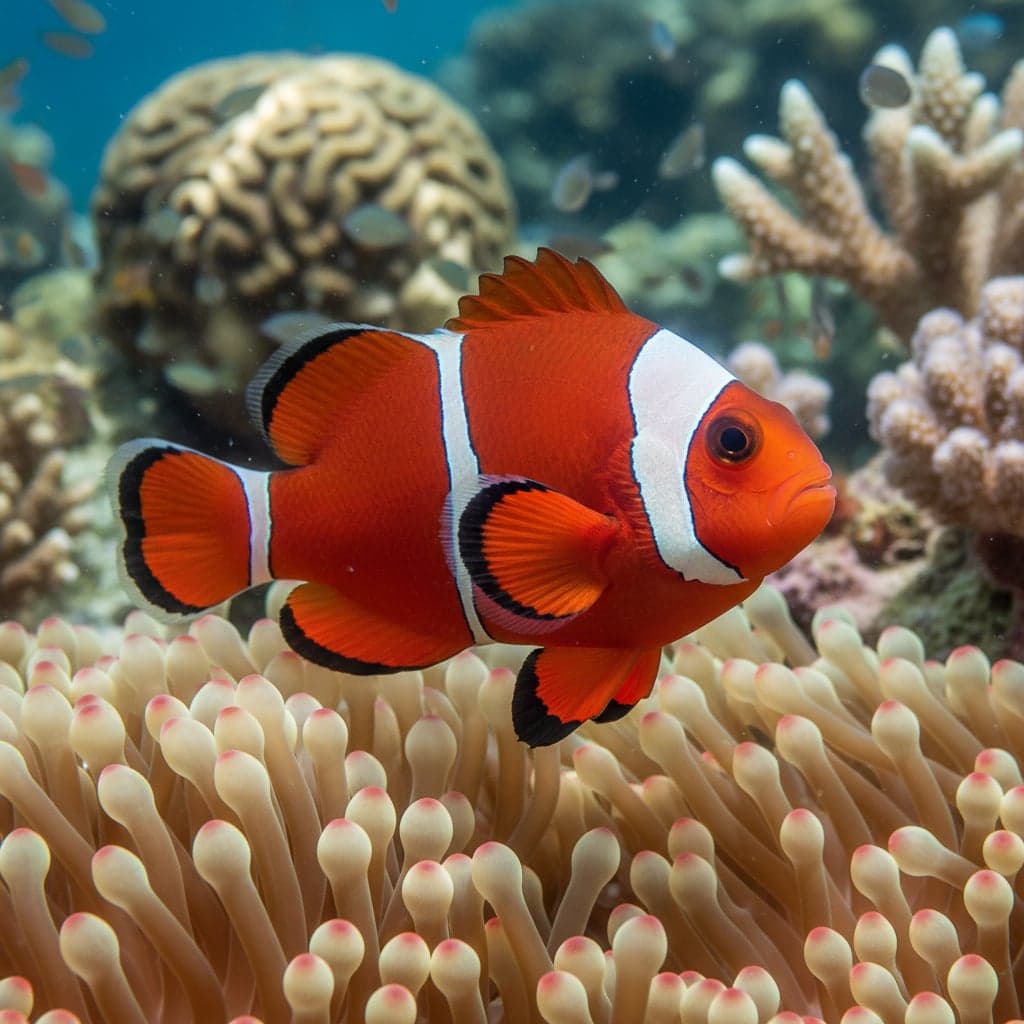
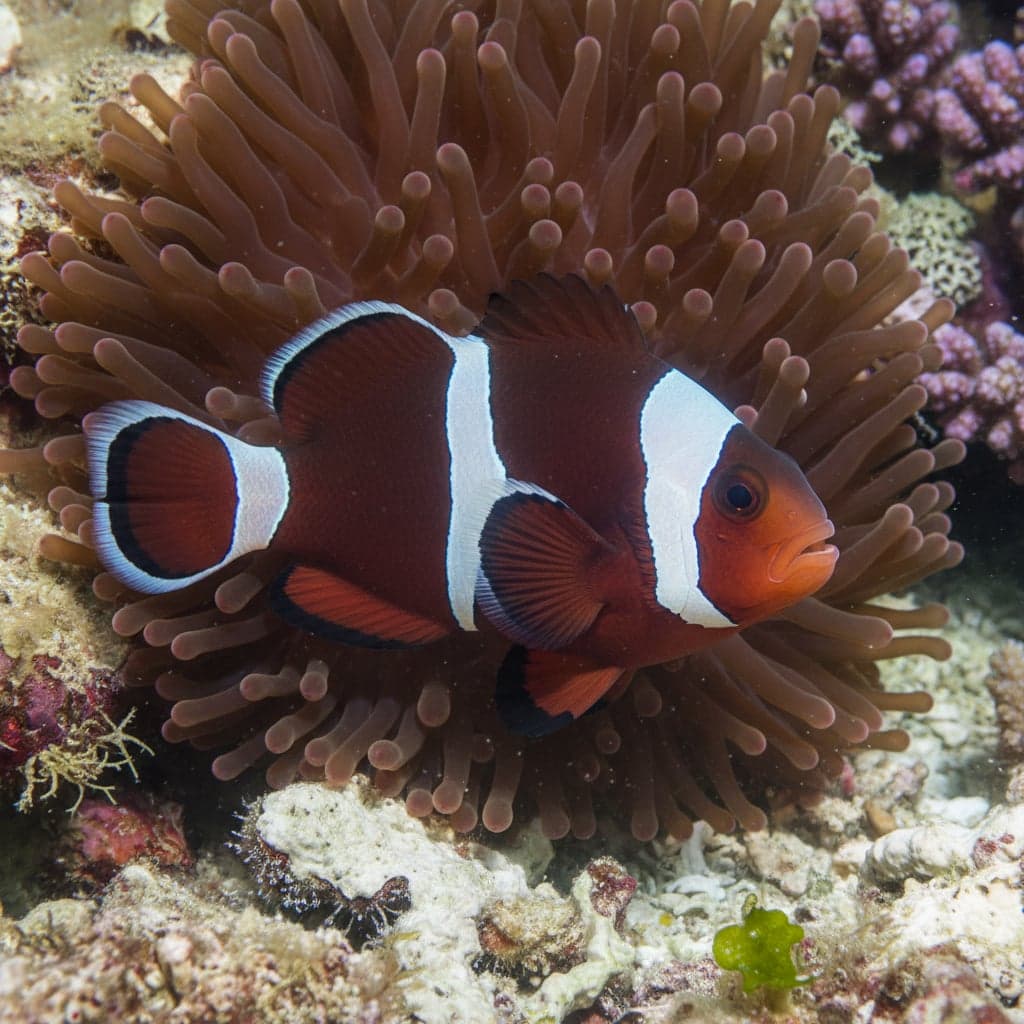
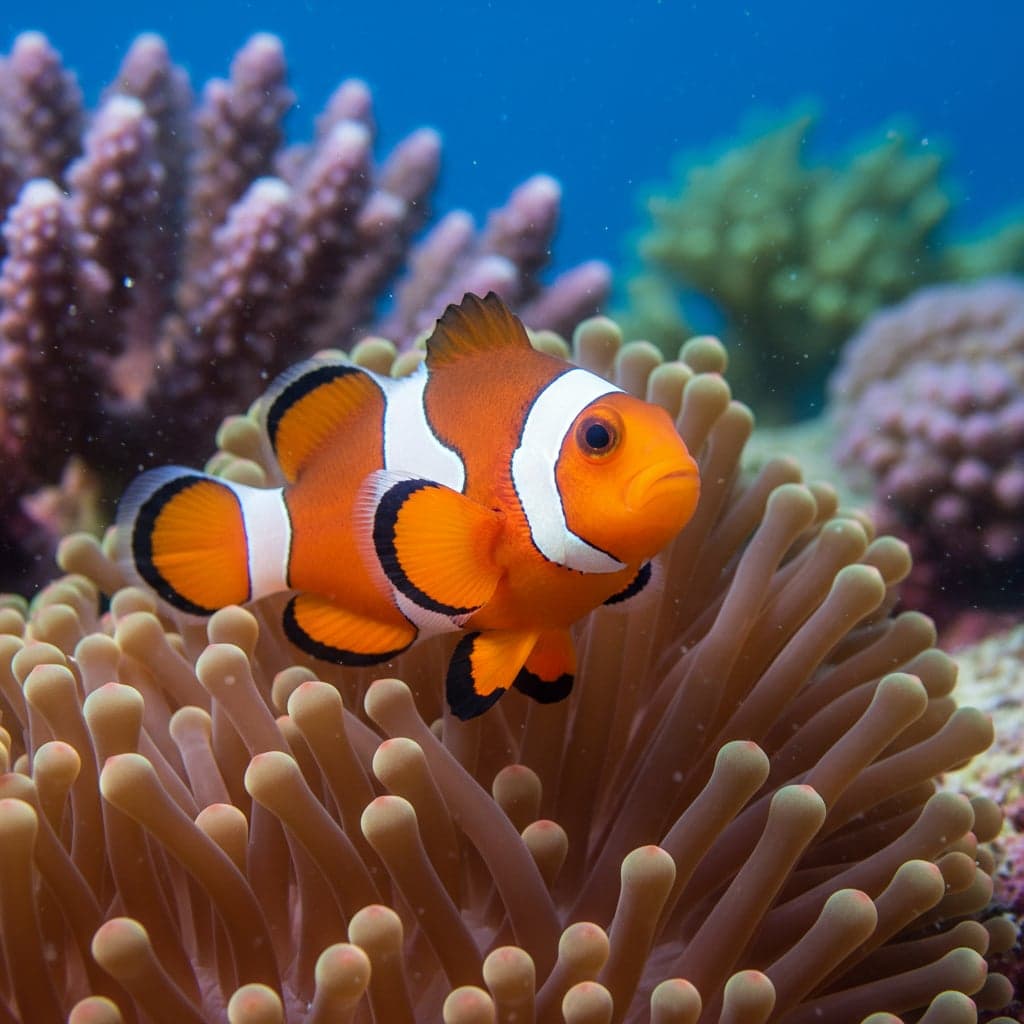
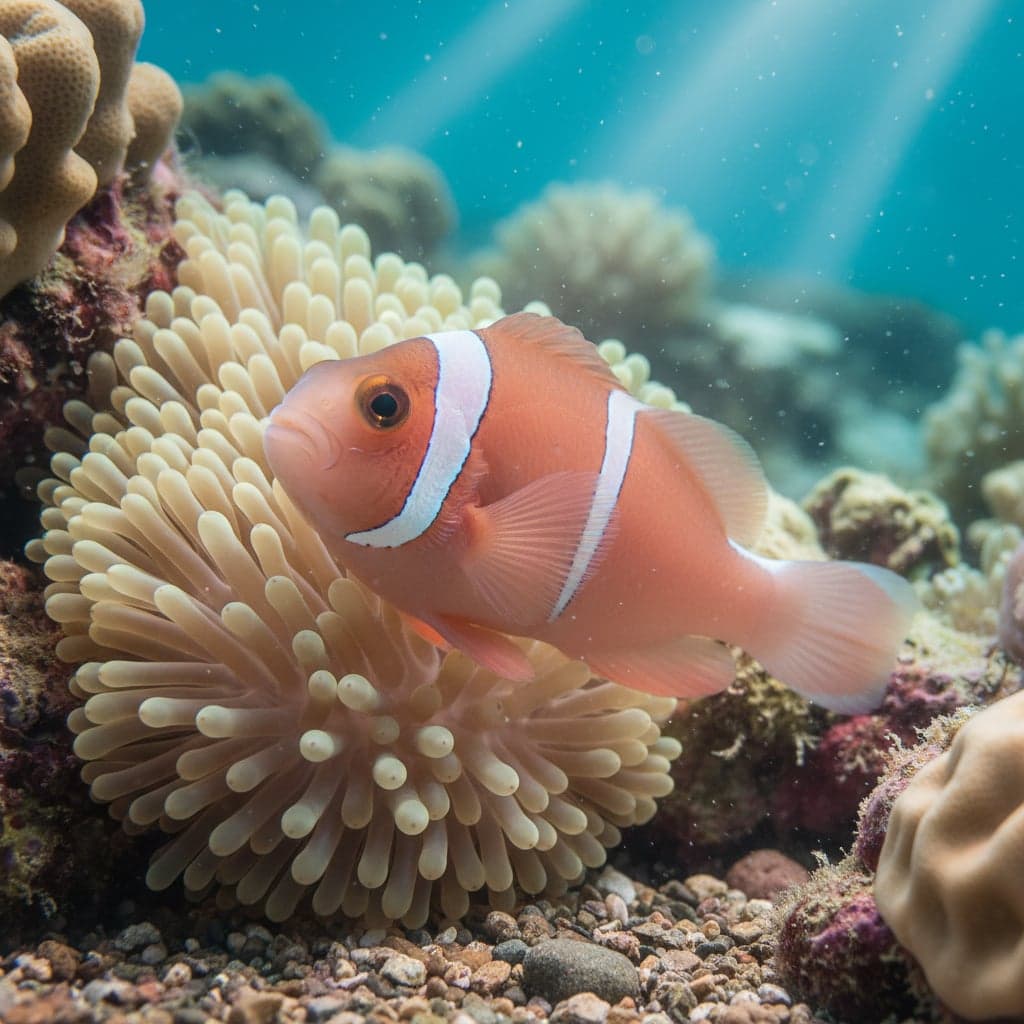
The Pink Skunk Clownfish (Amphiprion perideraion) is a captivating marine species known for its stunning appearance and dynamic personality. Usually recognized by its vibrant orange body adorned with distinctive white bands outlined in black, this species exudes visual appeal that draws the interest of both novice aquarists and seasoned hobbyists alike. The Pink Skunk Clownfish's iconic coloration and charming behavior have made it a staple in the aquarium trade, symbolizing the beauty and diversity of marine life. Unlike some of its counterparts, this clownfish is unique for exhibiting a slightly subdued color palette, thus setting it apart while still being highly sought after for decorative aquariums.
In addition to its visual charm, the Pink Skunk Clownfish plays an important ecological role, particularly in its native habitats where it forms symbiotic relationships with sea anemones. This mutualism not only provides the fish with protection from predators but also benefits the anemones by improving their nutrient uptake. As an ambassador of marine biodiversity, the Pink Skunk Clownfish represents the delicate balance within coral reef ecosystems and serves as a reminder of the importance of marine conservation efforts.
Natural Habitat & Origin
The Pink Skunk Clownfish is primarily found in the warm waters of the Western Pacific Ocean, particularly around the coastal regions of Indonesia, Papua New Guinea, and Australia. Preferring shallow, sheltered reefs, this species typically inhabits areas with abundant sea anemones, which provide a safe haven for the fish and serve as its primary habitat. The Pink Skunk Clownfish is usually found in clear-water environments, where bright sunlight can penetrate the surface, promoting a vibrant growth of the coral and the anemones that are crucial for its survival.
These clownfish thrive in marine environments that exhibit stable temperature and salinity levels, often preferring waters with temperatures around a comfortable range of 23°C to 28°C (73°F to 82°F). Their natural habitat showcases a varied landscape of rocky substrates and coral formations, which contributes to the ecological diversity essential for their sustenance. By mimicking this environment in captivity, aquarists can successfully maintain the species' health and well-being.
Care Requirements
To provide optimal conditions for the Pink Skunk Clownfish, maintaining specific water parameters is crucial. The ideal pH level should range between 6.8 to 8.0, with a salinity of about 1.020 to 1.025, and a temperature kept steadily between 23°C and 28°C (73°F to 82°F). The hardness of the water should generally fall within the range of 8 to 12 dGH, ensuring that the clownfish can thrive in an environment reminiscent of its natural habitat.
When setting up a tank for Pink Skunk Clownfish, a minimum tank size of 110 litres (30 gallons) is recommended to provide ample room for swimming and exploring. A sandy substrate mimicking the ocean floor, along with live rock and well-placed corals, will create an appealing environment. Adequate lighting is also necessary; a combination of LED lights and fluorescent tubes can provide the brightness required to promote coral growth while enhancing the fish's colors. Additionally, including sea anemones like the Bubble Tip Anemone can enhance the clownfish's sense of security, as they will often host within these creatures.
Diet & Feeding
The Pink Skunk Clownfish is an omnivorous species, which allows for a varied and balanced diet. In the wild, they predominantly feed on zooplankton, small crustaceans, and algae. In captivity, a well-balanced diet should consist of high-quality flakes and pellets designed for marine fish, ensuring a complete nutritional profile. Supplemental feeding with frozen or live foods such as brine shrimp, mysis shrimp, and finely chopped seafood can further enhance their diet, promoting strong growth and vibrant coloration.
Regular feeding—twice a day in smaller quantities—helps maintain the clownfish's health while also preventing water quality issues within the tank. Ensuring a diverse diet will also mimic natural conditions and prevent nutritional deficiencies that could lead to health problems over time.
Behavior & Temperament
The Pink Skunk Clownfish is well-known for its engaging behavior and social interaction. Generally considered semi-aggressive, they can exhibit territorial behaviors, especially when spawning. These fish are best kept in pairs or small groups, as they often form strong bonds with their partners. Unlike some other clownfish species, Pink Skunk Clownfish tend to be less aggressive towards other tank mates when they have established a territory, although caution should still be exercised around smaller or similarly shaped species.
In terms of vertical placement, Pink Skunk Clownfish tend to inhabit the lower to mid-level parts of the tank, where they can seek refuge within anemones and coral structures. Observing them navigate their environment, often darting in and out of shelter, adds an element of liveliness to any aquarium setup.
Tank Mates
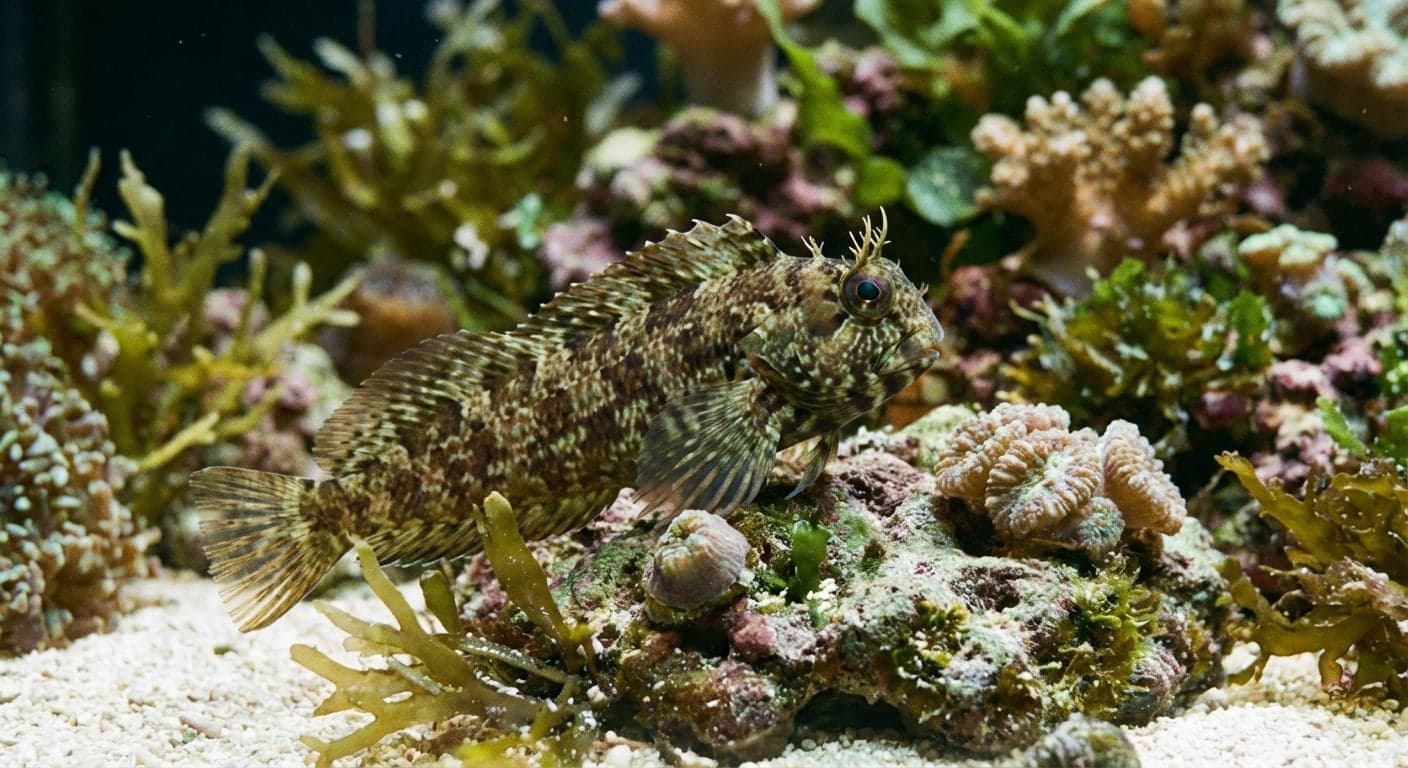
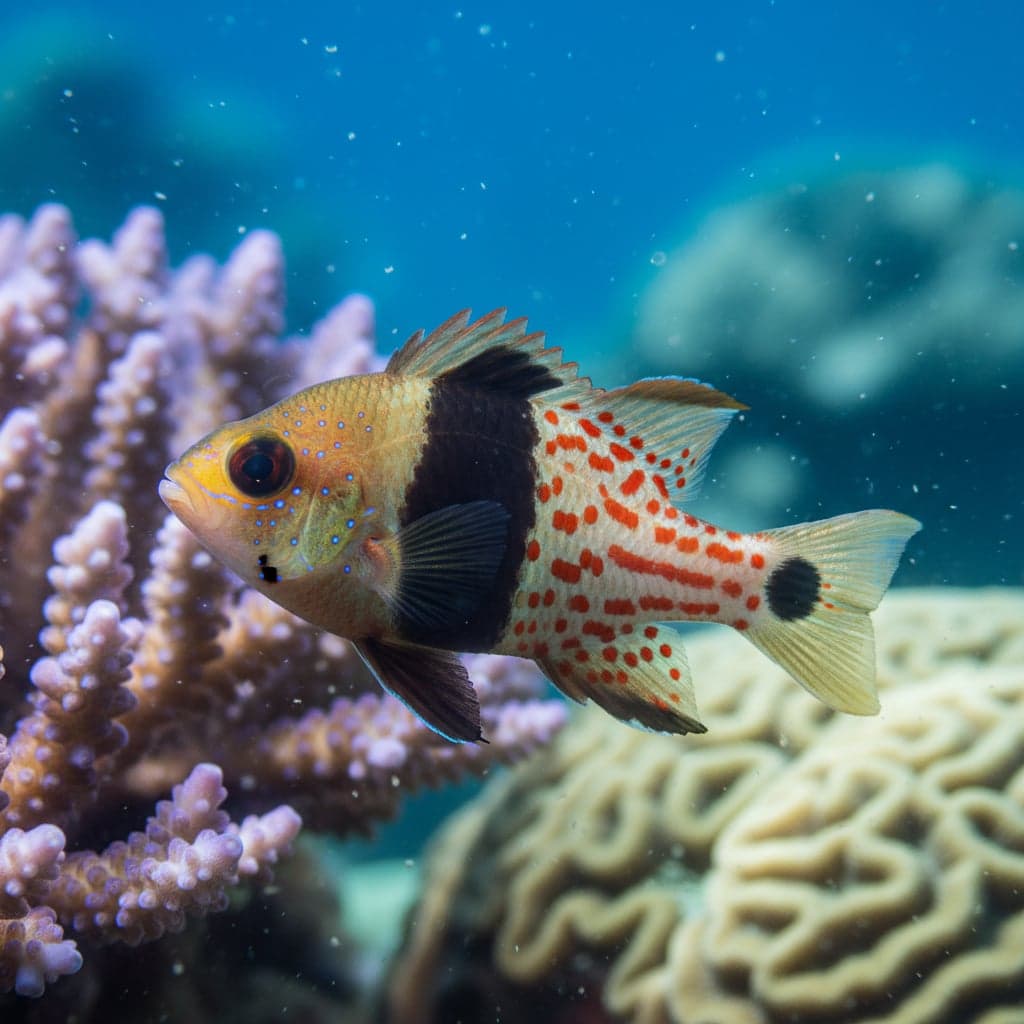
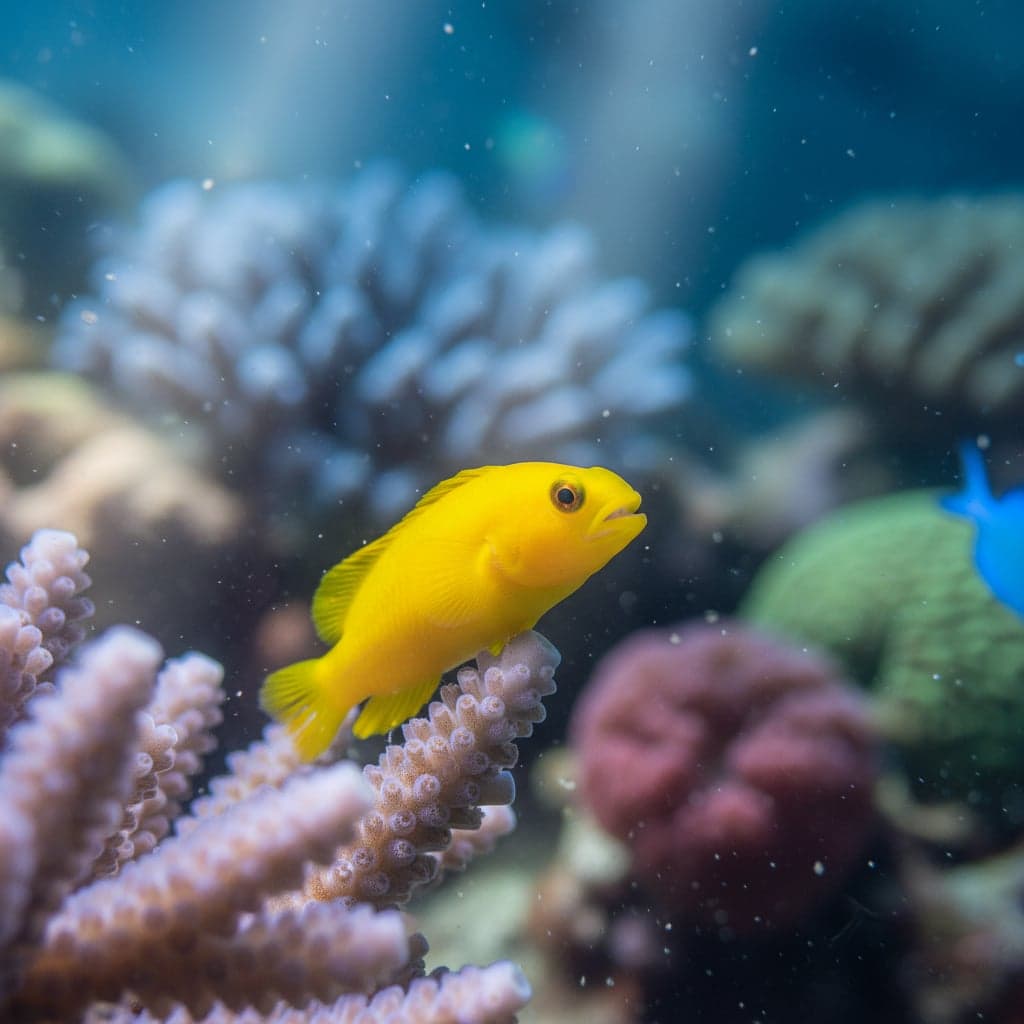
When selecting compatible tank mates for the Pink Skunk Clownfish, consider species that are non-aggressive and can coexist peacefully. Ideal companions include other clownfish species, small wrasse, gobies, blennies, and some species of damselfish. Additionally, peaceful reef-safe species like cardinalfish and some species of small tangs can thrive alongside Pink Skunk Clownfish.
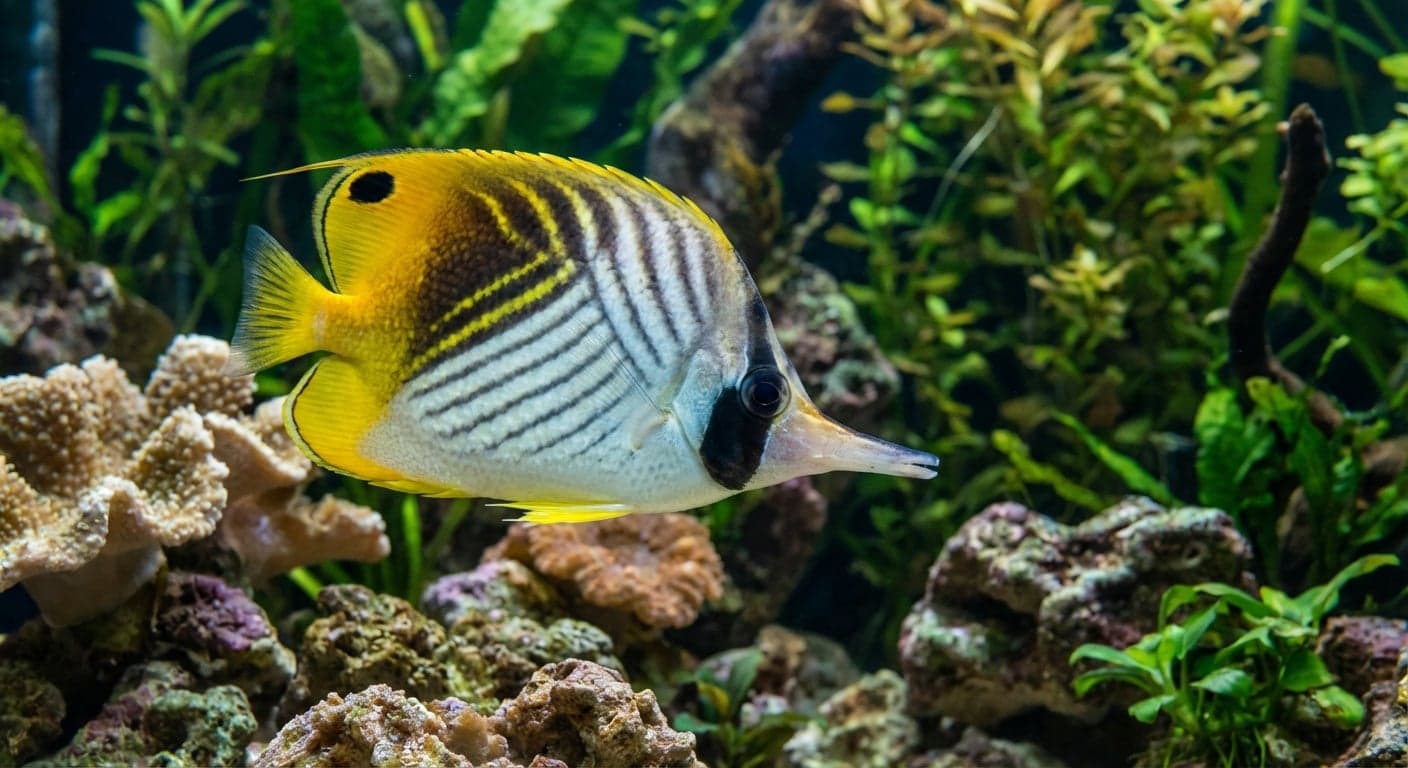
Species to avoid include more aggressive fish such as larger wrasse, groupers, and butterflyfish, as these can pose a threat or compete for resources. Also, avoid keeping them with species that exhibit similar body shapes, as they may be perceived as competitors. By choosing appropriate tank mates, aquarists can create a balanced community tank that enhances the beauty and health of all inhabitants.
Breeding
Breeding Pink Skunk Clownfish in captivity is a rewarding venture for aquarists willing to put in the necessary effort. These clownfish typically engage in monogamous relationships, forming strong bonds with their partners. Spawning usually occurs on flat surfaces near their host anemones, with the female laying up to several hundred eggs at a time. The eggs are generally orange and will adhere to the substrate where they can be aerated and guarded by the male.
To successfully breed Pink Skunk Clownfish, provide a breeding tank with water parameters close to their ideal conditions. Encourage spawning by mimicking the natural light cycle and providing ample hiding places for the fish. After about 6 to 10 days, the eggs will hatch, and the fry can be fed with rotifers or specially formulated fry food until they are large enough to transition to powdered food sources. This process not only promotes the species' longevity in aquariums but also aids in the conservation of their population.
Common Health Issues
While the Pink Skunk Clownfish is generally hardy, they can be susceptible to several common health issues that aquarium enthusiasts should be aware of. Diseases such as marine ich (Cryptocaryon irritans) and clownfish disease (Brooklynella hostilis) can pose serious threats, particularly in stressed or poorly maintained environments. Preventative measures, including regular water quality checks, appropriate tank mates, and ensuring that the fish are not over-crowded, can significantly reduce the likelihood of outbreaks.
Aquarists should also be vigilant for signs of stress, such as changes in appetite, rapid breathing, or faded color. Quarantine new arrivals, maintain stable salinity and temperature, and treat outbreaks promptly with appropriate marine medications. A varied diet and a peaceful host anemone or rock retreat go a long way toward keeping Pink Skunk Clownfish healthy and active.