Potter's Angelfish
A 10cm Hawaiian dwarf angelfish, hardy once eating but a poor shipper. Needs 250L+, mature rock to graze, and it will nip coral.

Potter's Angelfish
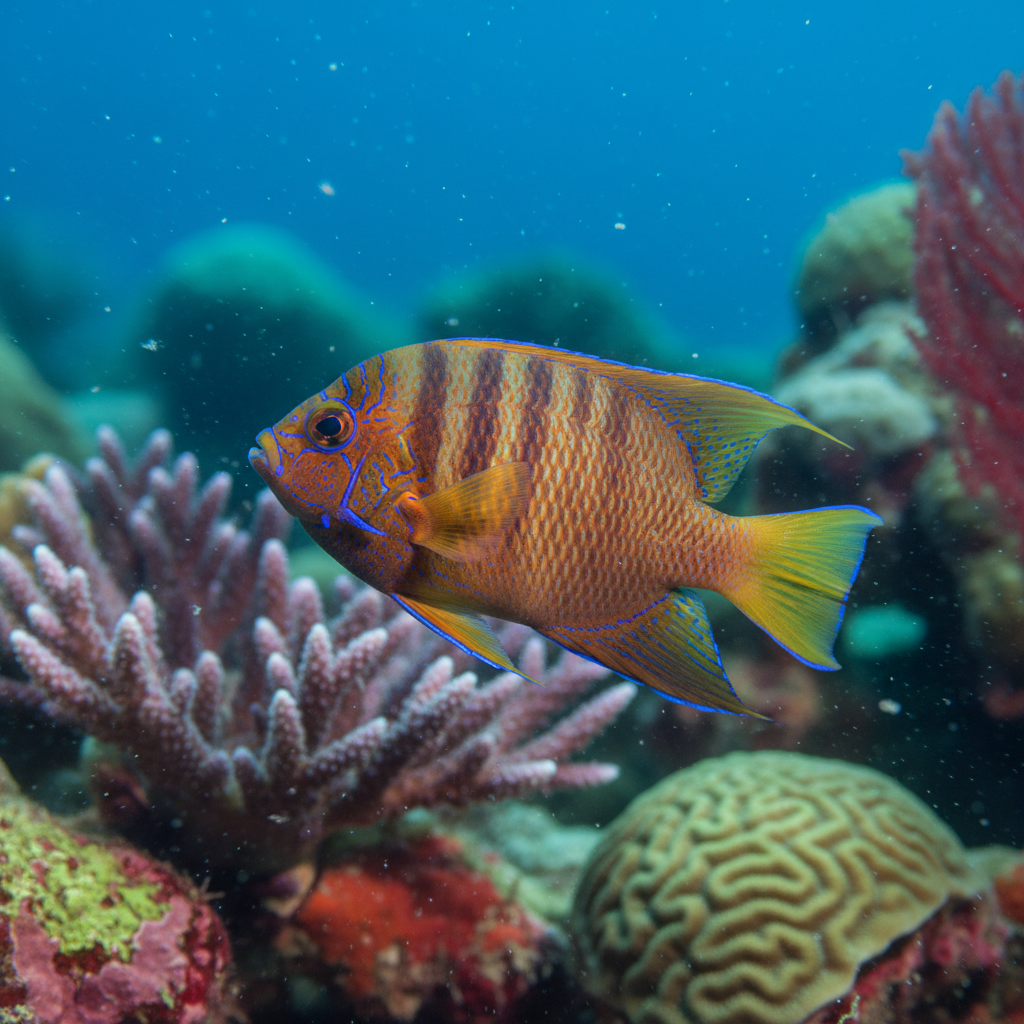
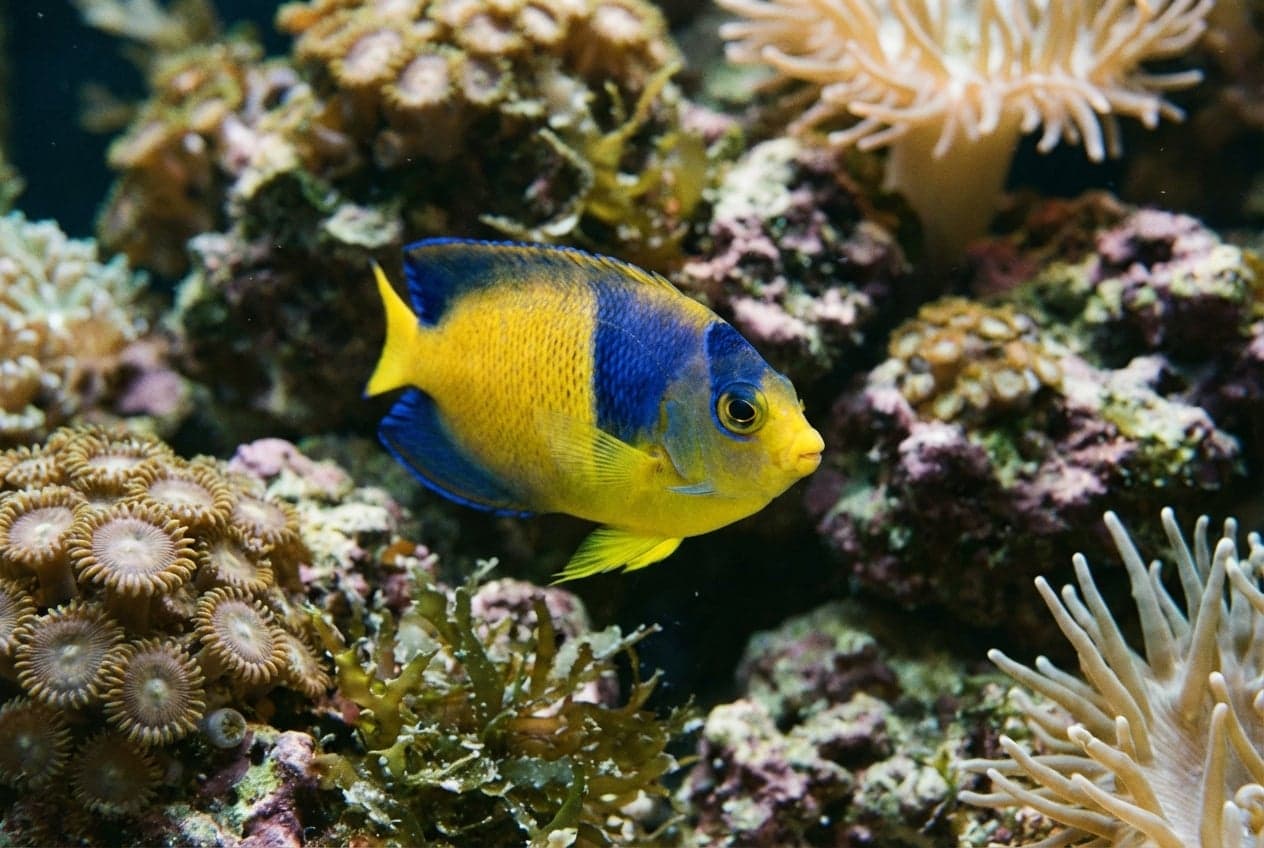
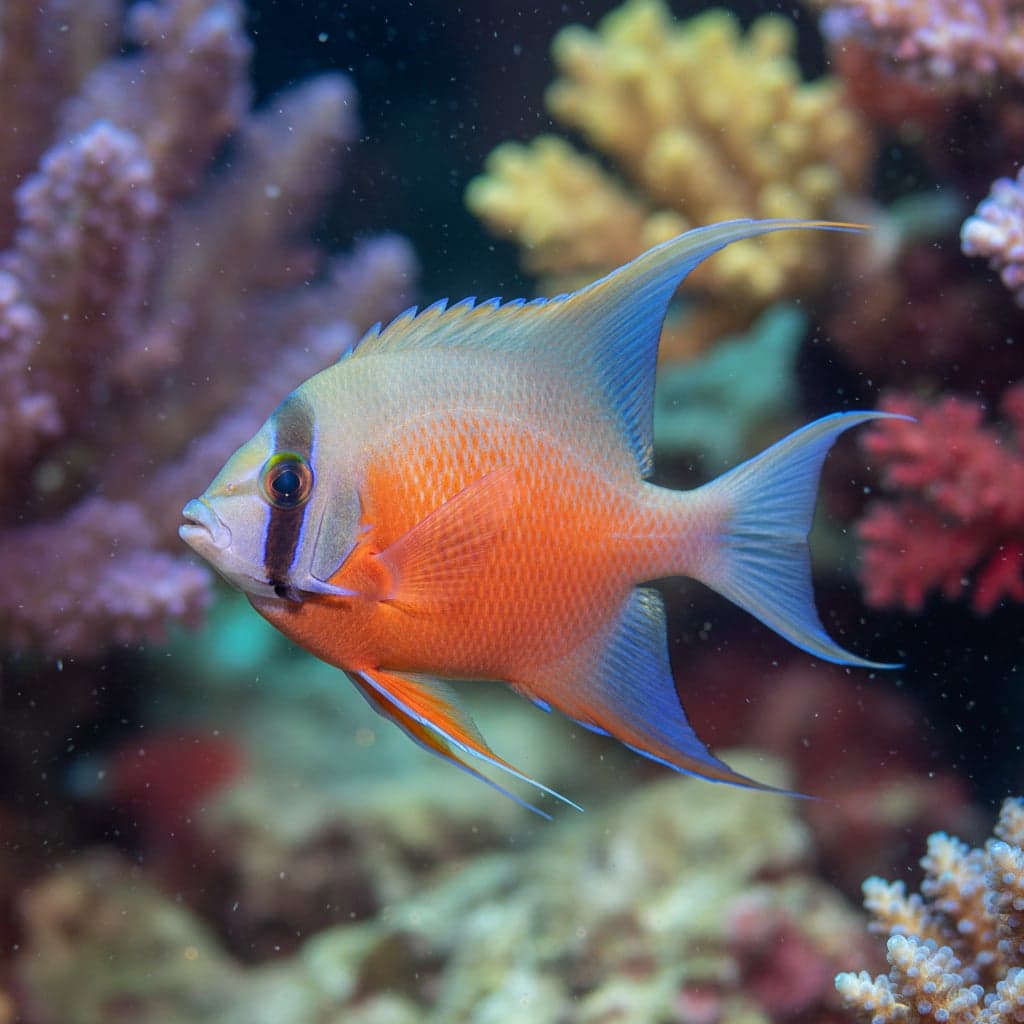
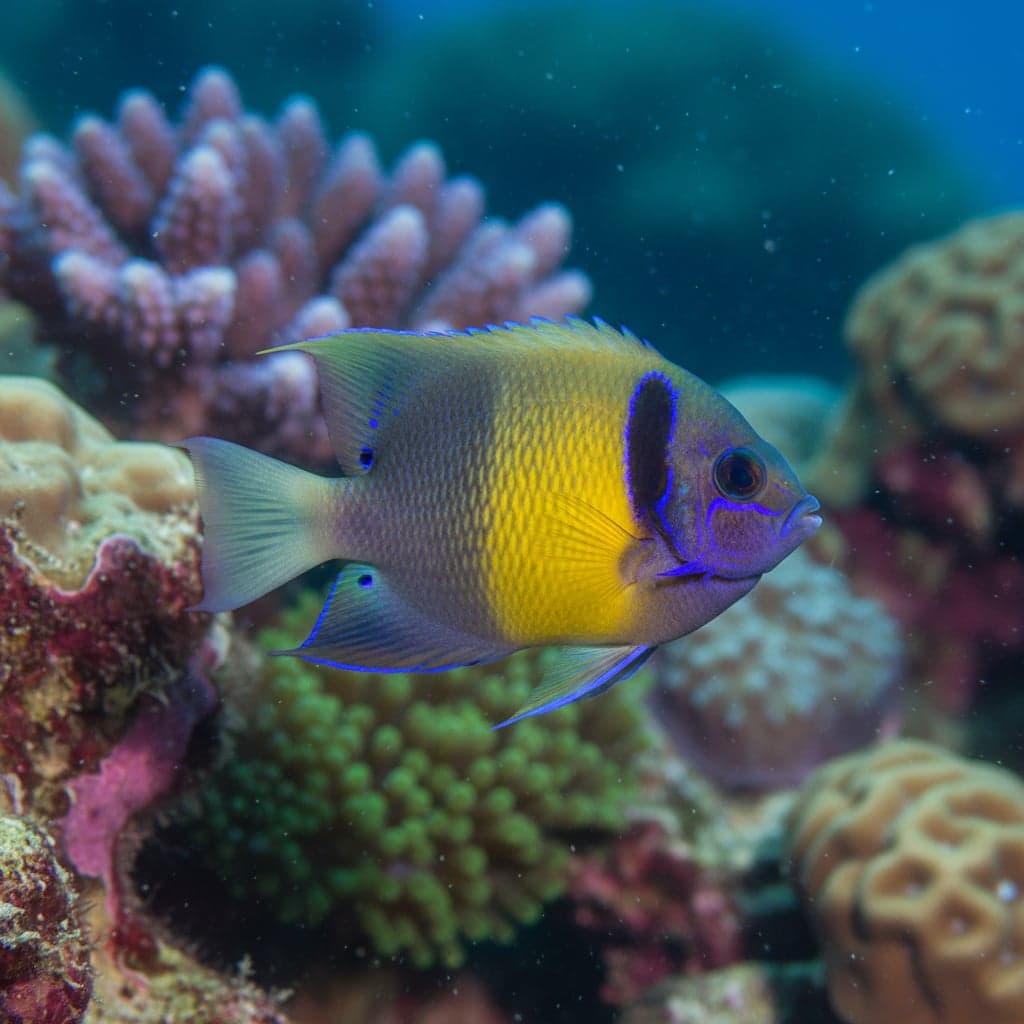
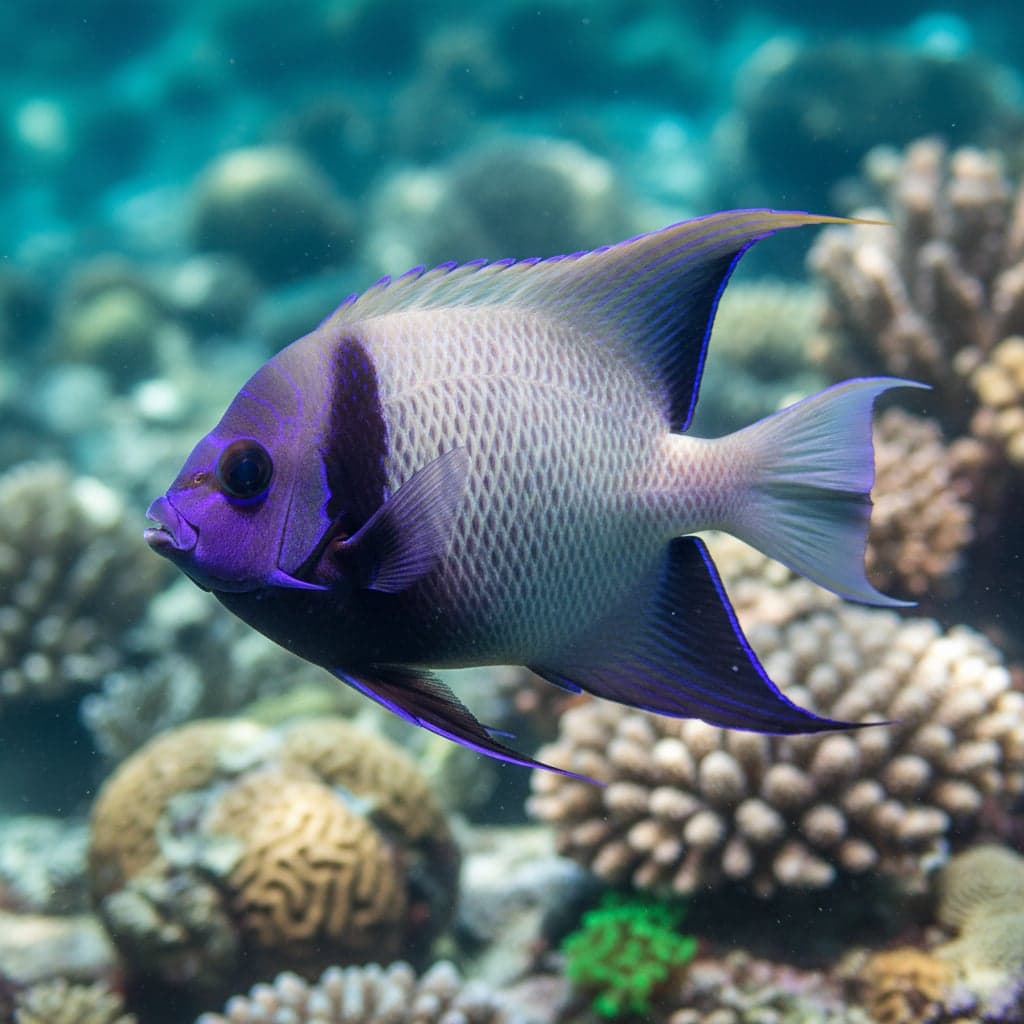
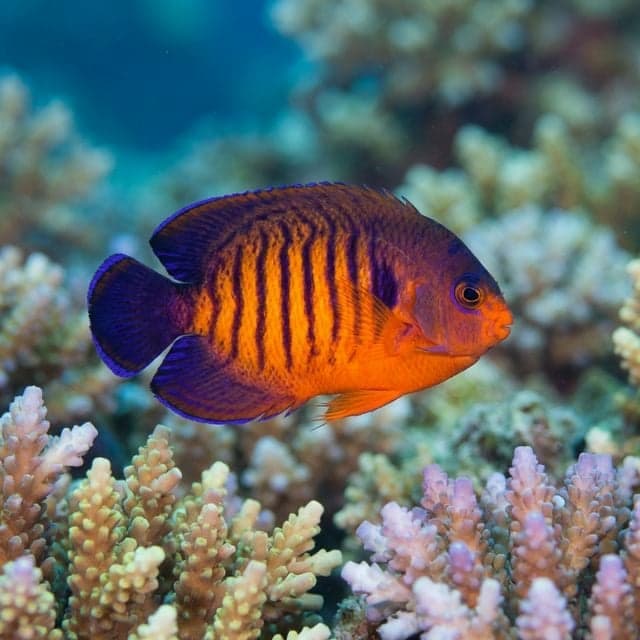
The Potter's Angelfish (Centropyge potteri) is a captivating marine species that stands out in the aquarium hobby due to its striking coloration and stunning fins. Found in a vibrant mix of hues, including shades of blue, orange, and yellow, this dwarf angelfish features a unique pattern of vertical stripes and spots that add visual depth and intrigue to any aquatic environment. Its petite size, typically reaching about 4 to 5 inches in length, makes it an ideal inhabitant for reef aquariums, where its lively movements and inquisitive personality can be fully appreciated.
In addition to its aesthetic appeal, Potter's Angelfish is significant in the aquarium trade for its role in maintaining the balance of coral reef ecosystems. As a grazer, it feeds primarily on algae and small invertebrates, which helps control algae growth and promote a healthy reef environment. Enthusiasts often cherish this species for its adaptive nature, making it a popular choice among aquarists looking to create a lively, dynamic display that mimics its natural habitat.
Natural Habitat & Origin
Potter's Angelfish is native to the warm, tropical waters of the Pacific Ocean, specifically found in the coral reefs and lagoons of places like Hawaii, Palau, and parts of Micronesia. This species typically inhabits depths ranging from 10 to 150 feet, favoring areas rich in coral growth where ample hiding spots are available. Potter's Angelfish thrives in clear, warm waters with good water circulation, allowing it to forage effectively for food.
The environmental context of their habitat is critical to their well-being; they prefer areas with stable temperatures averaging between 76°F to 82°F (24°C to 28°C) and salinity levels resembling open ocean conditions. The structure of coral reefs, consisting of various corals and sponges, provides not only food but also shelter from predators, contributing to their health and behavioral complexity.
Care Requirements
To successfully keep Potter's Angelfish in an aquarium, potential owners should strive to replicate their natural habitat closely. The minimum tank size for this species is at least 250 litres (65 gallons) — this 10cm Centropyge needs room to graze mature rock without constant territorial stress. Water parameters are crucial for maintaining their health: a pH level between 8.0 and 8.4 is ideal, with a temperature range of 76°F to 82°F (24°C to 28°C) and a hardness level of 8 to 12 dGH.
In terms of tank setup, a sandy substrate mimicking their natural ocean floor, combined with live rock and hiding places, will help reduce stress by providing security. Lighting should be moderate to bright, as it promotes the growth of algae and other microorganisms that Potter's Angelfish can graze on. Live plants can also be included, though care should be taken to select saltwater-tolerant species, as the focus should remain on creating a colorful and engaging underwater landscape.
Diet & Feeding
Potter's Angelfish is classified as an omnivore, with a diet that consists of algae, sponges, and small invertebrates found in its natural habitat. In captivity, it is essential to provide a balanced diet to ensure optimal health and coloration. High-quality marine flakes and pellets supplemented with frozen foods, such as brine shrimp and mysis shrimp, are recommended for regular feedings. Additionally, offering seaweed sheets or algae-based snacks can mimic their natural grazing behavior and support digestive health.
To promote vibrant colors and aid in growth, it is important to vary their diet. Consider incorporating vegetables such as blanched spinach or spirulina-based foods alongside high-quality marine protein sources. Feeding multiple times a day in small portions can also help in maintaining a healthy weight and overall activity level while preventing overfeeding.
Behavior & Temperament
Potter's Angelfish exhibits a social yet territorial behavior, often establishing a specific area of the tank as their domain. While they are generally peaceful towards other fish, they may become aggressive towards their own species or other dwarf angelfish. Instead of schooling, they are more solitary and often prefer to explore their environment, utilizing vertical space in the tank by swimming at various levels.
It is crucial to observe their demeanor within the tank, as compatible tank mates may need to be introduced cautiously to prevent any territorial disputes. Each individual fish has its personality; some may be more assertive, while others might adopt a more subdued role, so understanding their behavioral tendencies can aid in creating a harmonious aquarium setting.
Tank Mates
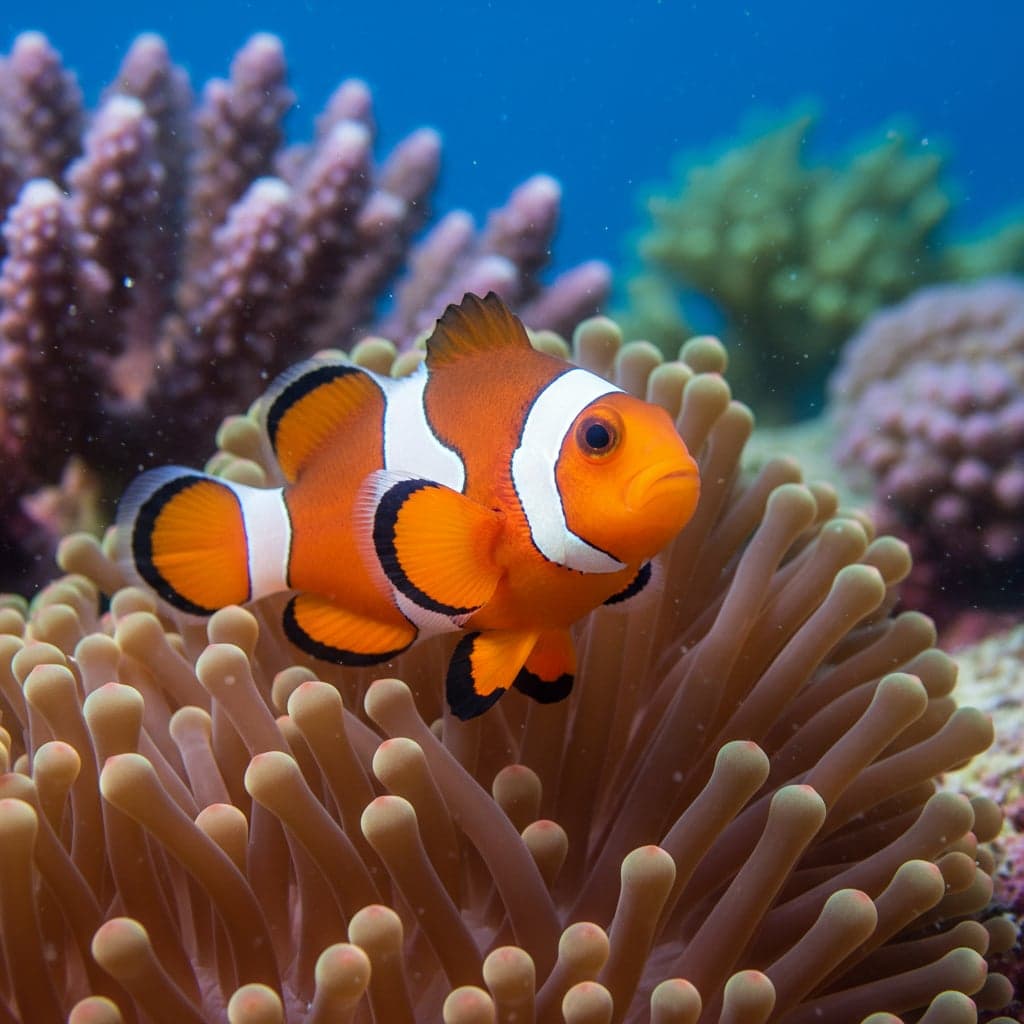
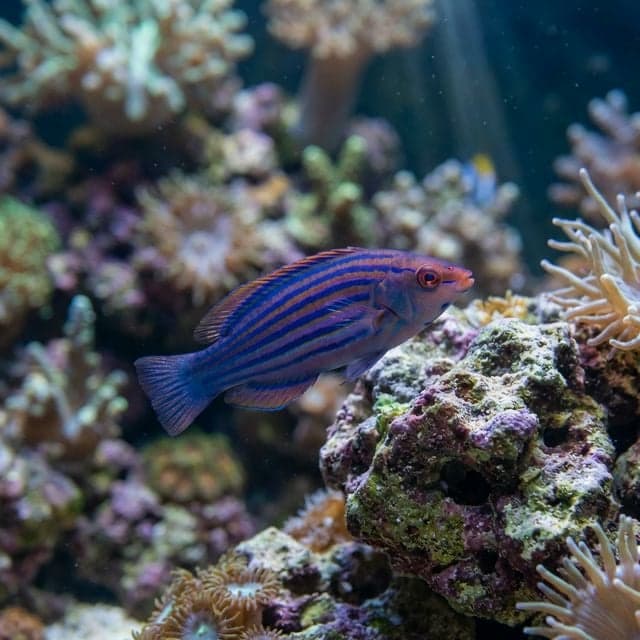
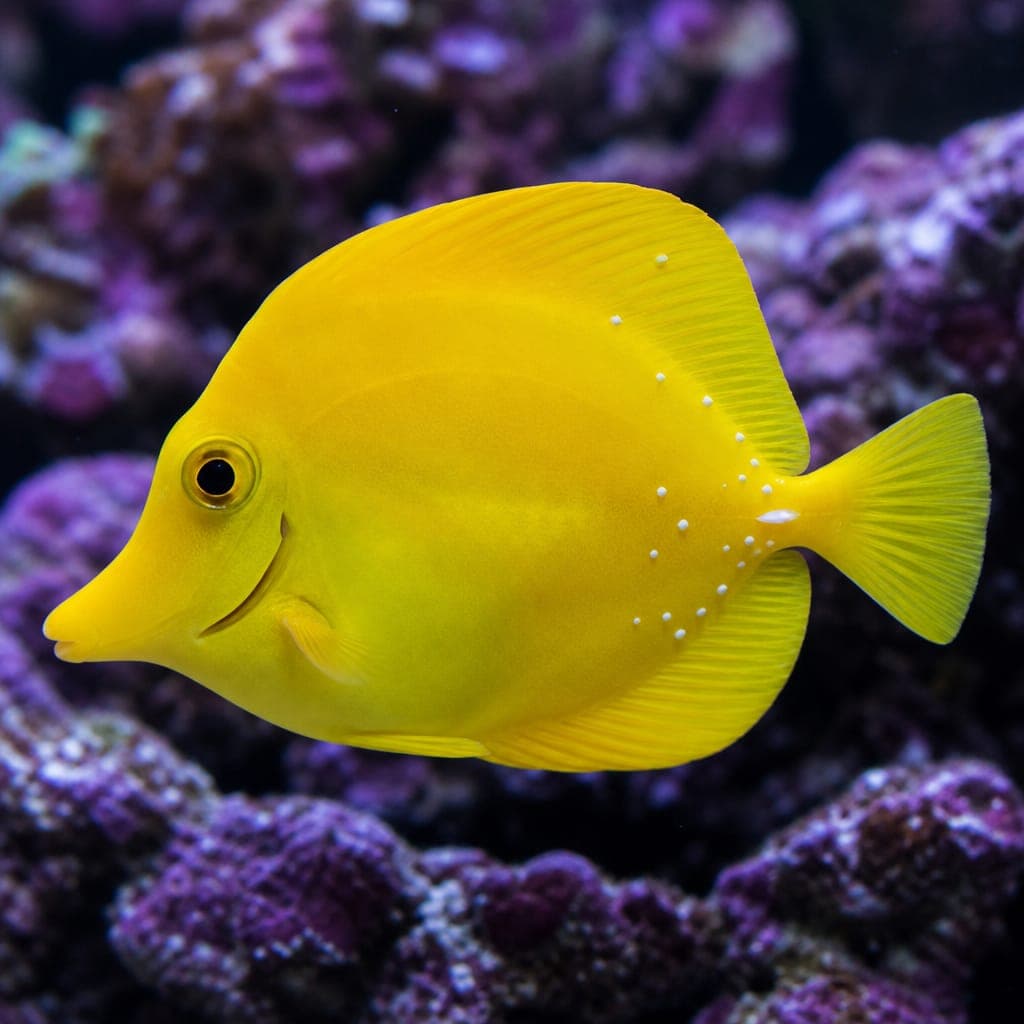
When selecting tank mates for Potter's Angelfish, it is essential to choose species that are generally non-aggressive and able to tolerate similar water conditions. Compatible species include various types of clownfish, small wrasses, gobies, and peaceful tangs. Other dwarf angelfish can lead to territorial disputes, so it is advisable to avoid keeping multiple angelfish together unless in a larger tank with ample space and hiding spots.
Species to avoid include aggressive fish like damselfish, larger predatory fish, and other territorial species that may stress the Potter's Angelfish. Keeping in mind the fish's temperament and social needs will help ensure a peaceful community tank where all species can thrive.
Breeding
Breeding Potter's Angelfish in captivity can be a challenging yet rewarding endeavor for dedicated aquarists. They are known to spawn in pairs, typically during twilight hours, and a suitable breeding setup should consist of a breeding tank with ample rock structures as spawning surfaces. Water parameters should closely mimic those found in their natural habitat, with temperatures maintained at around 78°F to 80°F (26°C to 27°C) and a pH of 8.0 to 8.4.
In successful spawning events, females lay eggs on a flat surface, where males then fertilize them. It is important to remove the parents after spawning, as Potter's Angelfish may consume their eggs. The eggs usually hatch within 24 to 48 hours, requiring specialized larval food like rotifers or liquid fry food for proper growth.
Common Health Issues
Potter's Angelfish can be susceptible to several common diseases that affect marine fish, including marine ich (Cryptocaryon irritans), velvet disease, and bacterial infections. Prevention strategies include maintaining optimal water parameters, regular water changes, and ensuring high-quality food sources. Stress reduction through appropriate tank setups and compatible tank mates also plays a crucial role in minimizing health issues.
Quarantining new fish before introducing them to the main aquarium can help prevent the spread of pathogens. Regular observation of the fish’s behavior and physical appearance can assist in the early detection of any health problems, allowing for prompt treatment if necessary.