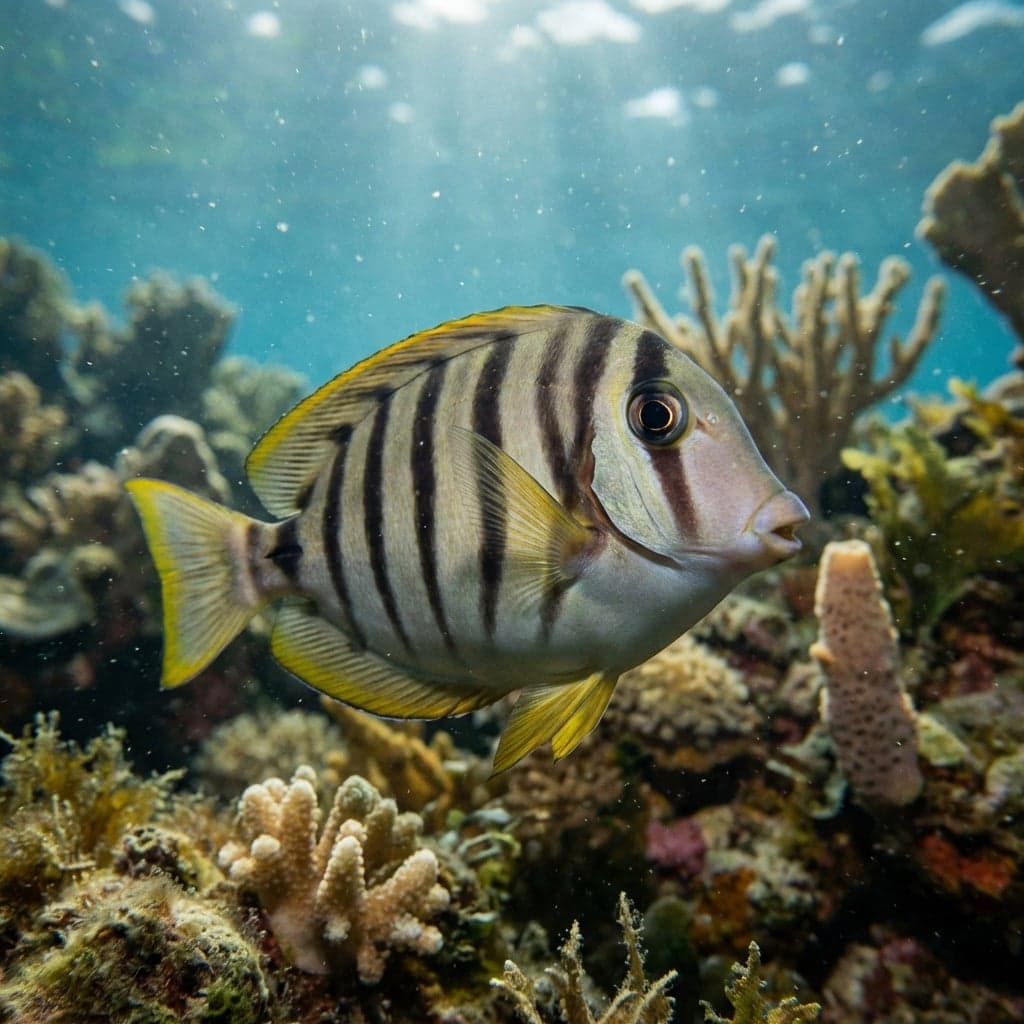
Powder Blue Tang
A 23cm tang with a serious reputation for ich and aggression. Needs 900L+, quarantine and heavy algae — not a beginner's fish despite the price.
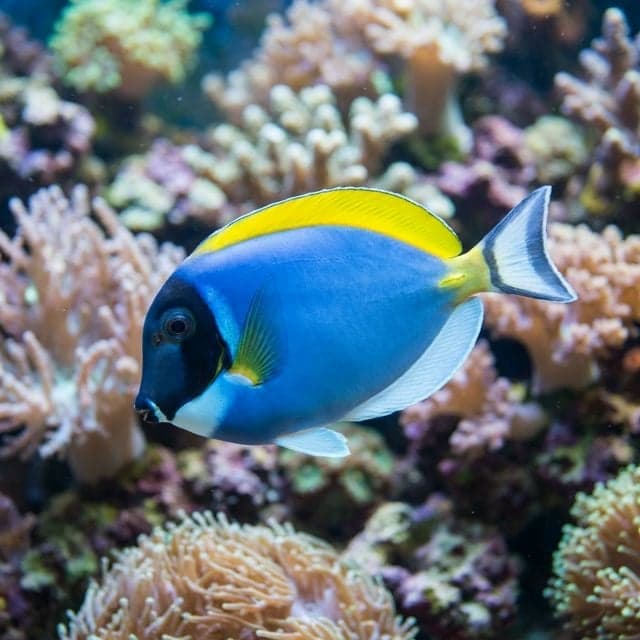
Powder Blue Tang
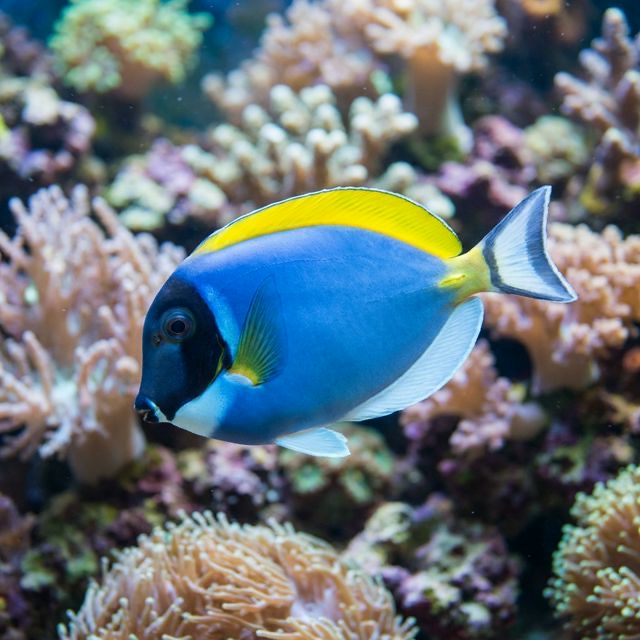
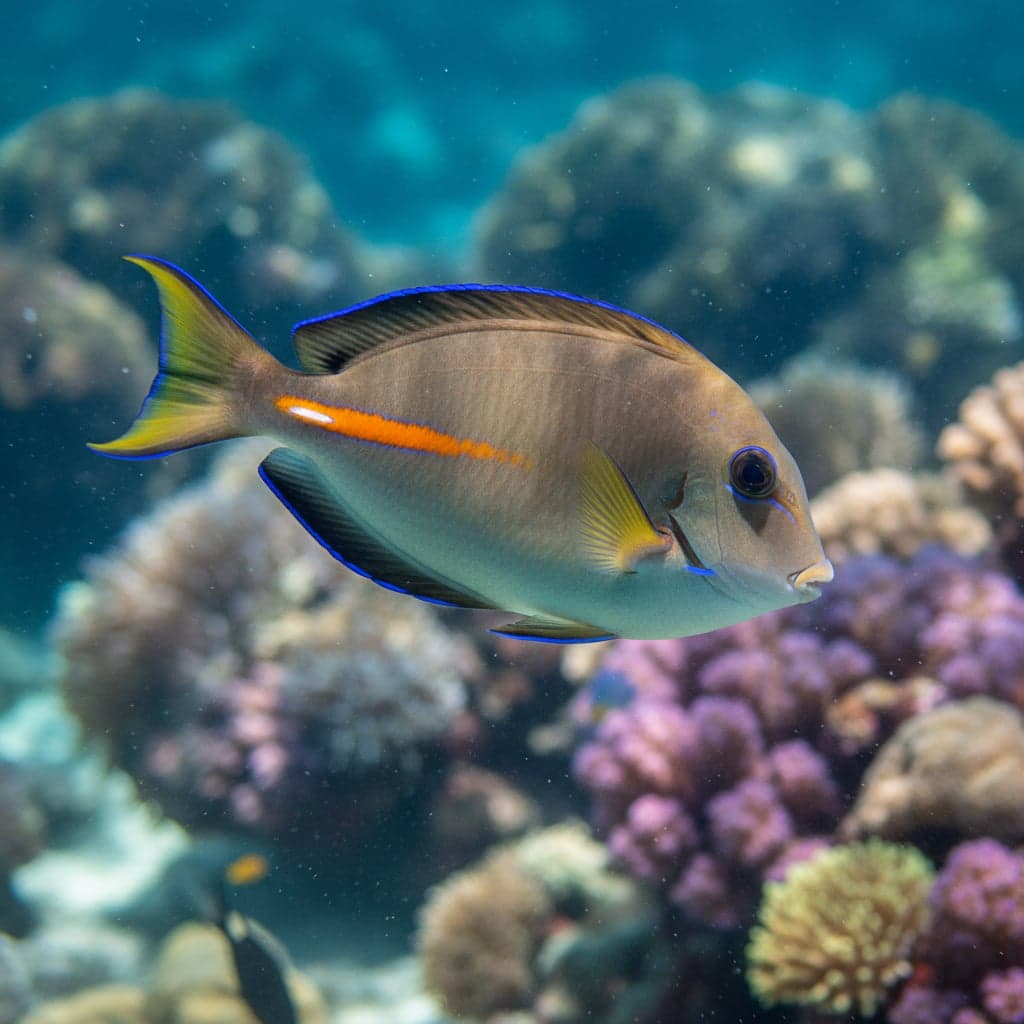
The Powder Blue Tang, scientifically known as Acanthurus leucosternon, is an iconic marine fish that captivates aquarists with its striking appearance and vibrant color. Resplendent in a brilliant blue hue, this species features a distinctive yellow tail and a unique pattern of white and black markings on its face. These visual characteristics make the Powder Blue Tang a sought-after addition to saltwater aquariums, where its dynamic colors and graceful movement can enhance the aesthetic appeal of any tank. Beyond its beauty, the Powder Blue Tang holds significant value in the aquarium hobby, often serving as both a centerpiece fish and a representative of the surgeonfish family (Acanthuridae), which is renowned for its diversity and adaptability.
In the aquarium trade, the Powder Blue Tang is celebrated not just for its stunning visuals but also for its engaging personality. This species is inherently curious and active, often displaying complex behaviors that can fascinate both novice enthusiasts and seasoned aquarists alike. However, due to its high susceptibility to stress and disease, particularly during acclimation, proper care and attention to environmental conditions are crucial to ensure its long-term health and vibrancy in captivity. Understanding the nuances of the Powder Blue Tang's needs and traits is essential for maintaining the dynamic beauty it adds to the aquarium environment.
Natural Habitat & Origin
The Powder Blue Tang is indigenous to the coral reefs of the Indo-Pacific region, with a range that spans from the Red Sea to the Hawaiian Islands. This fish thrives in warm, shallow waters, typically found at depths of up to 40 meters (approximately 130 feet) where vibrant coral formations provide both shelter and feeding opportunities. Its habitat is enriched by clear waters that allow for ample sunlight penetration, fostering a diverse ecosystem of algae and other microfauna essential for the fish's diet. The Powder Blue Tang is often seen darting through coral structures, where it can actively graze on algae while utilizing the complex environment for protection from predators.
This species favors environments that are characterized by stable water conditions, particularly in areas with strong currents that facilitate nutrient flow and oxygenation. The natural habitat of the Powder Blue Tang is crucial in understanding its care requirements in captivity, as it reflects the specific water parameters and environmental features necessary for its well-being.
Care Requirements
To ensure the health and vibrancy of the Powder Blue Tang, proper water parameters must be maintained. The ideal pH level for the tank should range from 8.1 to 8.4, with a temperature maintained between 75°F to 80°F (around 24°C to 27°C). The water hardness should typically be within 8 to 12 dGH. Maintaining stable conditions is vital, as fluctuations can lead to stress and disease susceptibility.
For tank setup, a minimum aquarium size of 900 litres (240 gallons) is recommended — this 23cm Acanthurus is ich-prone and needs serious open swimming room. The tank should include an open swimming area, perhaps with live rock structures to replicate its natural habitat and provide hiding spots. A sandy substrate is favored, as it mimics the ocean floor and allows for natural behaviors. Lighting should be moderate to bright, supporting the growth of algae for grazing. Including aquatic plants can enhance aesthetics, but ensure they are hardy and not palatable to the tang.
Diet & Feeding
The Powder Blue Tang is primarily herbivorous, but it is also considered an omnivore due to its dietary diversity in the wild. In captivity, it thrives on a varied diet that includes high-quality algae-based foods, as well as flakes, pellets, and frozen or live foods such as mysis shrimp and marine vegetables. A staple diet composed of spirulina, nori (seaweed), and algae sheets is essential for promoting healthy growth and coloration.
It is crucial to offer multiple feedings throughout the day, as this fish has a high metabolism and needs consistent nourishment. Incorporating a variety of foods will prevent boredom and ensure a balanced intake of essential nutrients, contributing to both its health and longevity in an aquarium environment.
Behavior & Temperament
The Powder Blue Tang is known for its active and inquisitive nature. This species often engages in social interactions, displaying a range of behaviors that can be both entertaining and informative for aquarists. While they can be territorial, especially when establishing dominance among tank mates, they are generally peaceful towards other fish unless they are of the same species or closely related types.
Despite their sometimes assertive behavior, Powder Blue Tangs are not typically aggressive; however, they do appreciate ample swimming space and a well-structured environment to explore. They tend to occupy mid to upper levels of the tank, often showcasing their beautiful colors as they patrol their territory.
Tank Mates
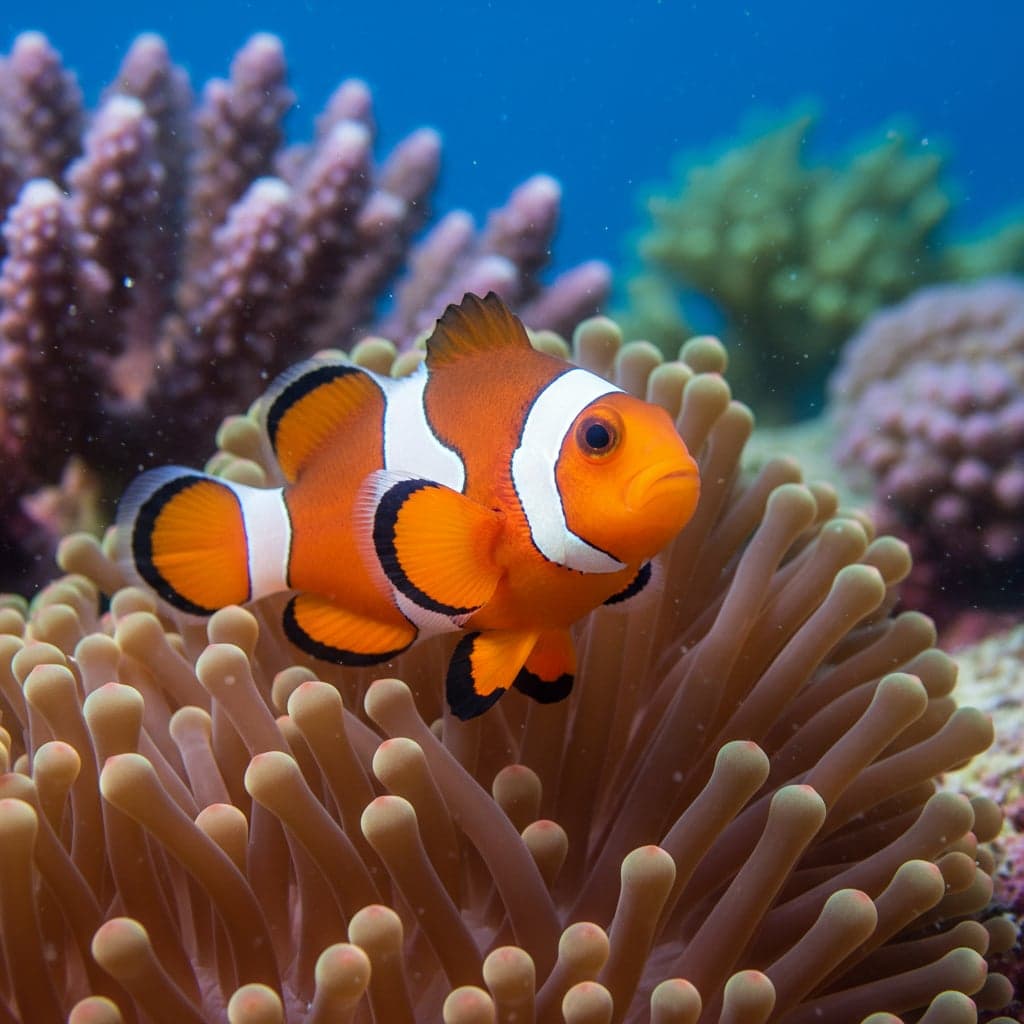
Choosing compatible tank mates for the Powder Blue Tang requires careful consideration, as this species can display territoriality, particularly with similar-looking fish. Ideal companions include various species of clownfish, wrasses, angelfish, and other tangs, provided they are introduced gradually and in a sufficiently large tank. However, it is vital to avoid keeping two Powder Blue Tangs in the same aquarium unless it is exceptionally spacious, as this can lead to stress and aggression.
Species that should be avoided include other surgeonfish like the Atlantic Blue Tang and similar-sized fish that exhibit aggressive behavior, such as certain triggers and larger cichlids. A well-planned tank community, with appropriate introductions, can lead to a harmonious aquarium environment.
Breeding
Breeding Powder Blue Tangs in captivity is a complex process due to their unique spawning behavior, which typically occurs in groups in the wild. This species requires specific water conditions similar to their natural habitat during the breeding season. Ideal conditions include stable temperature, pH, and water quality, and it is recommended to simulate these factors to encourage spawning.
To facilitate successful breeding, aquarists often create a spawning area with open space and suitable hiding spots. Powder Blue Tangs can form pairs in aquariums, and observing their courtship displays can be a rewarding experience. However, breeding these fish is challenging, requiring careful observation and appropriate environmental management to maintain a conducive spawning environment.
Common Health Issues
The Powder Blue Tang is susceptible to several health issues, particularly when stressed, which can lead to diseases such as marine ich (Cryptocaryon irritans), velvet disease (Oodinium), and bacterial infections. Preventative measures include maintaining optimal water quality, performing regular tank maintenance, and ensuring a balanced diet to strengthen its immune system.
Quarantining new fish before introducing them to a community tank can significantly reduce the risk of disease. Additionally, bringing adequate hiding spots in the aquarium can help alleviate stress, as a secured environment contributes to the overall health and well-being of the Powder Blue Tang. Regular monitoring for signs of illness and early intervention when issues arise is crucial for maintaining the health of this beautiful fish.