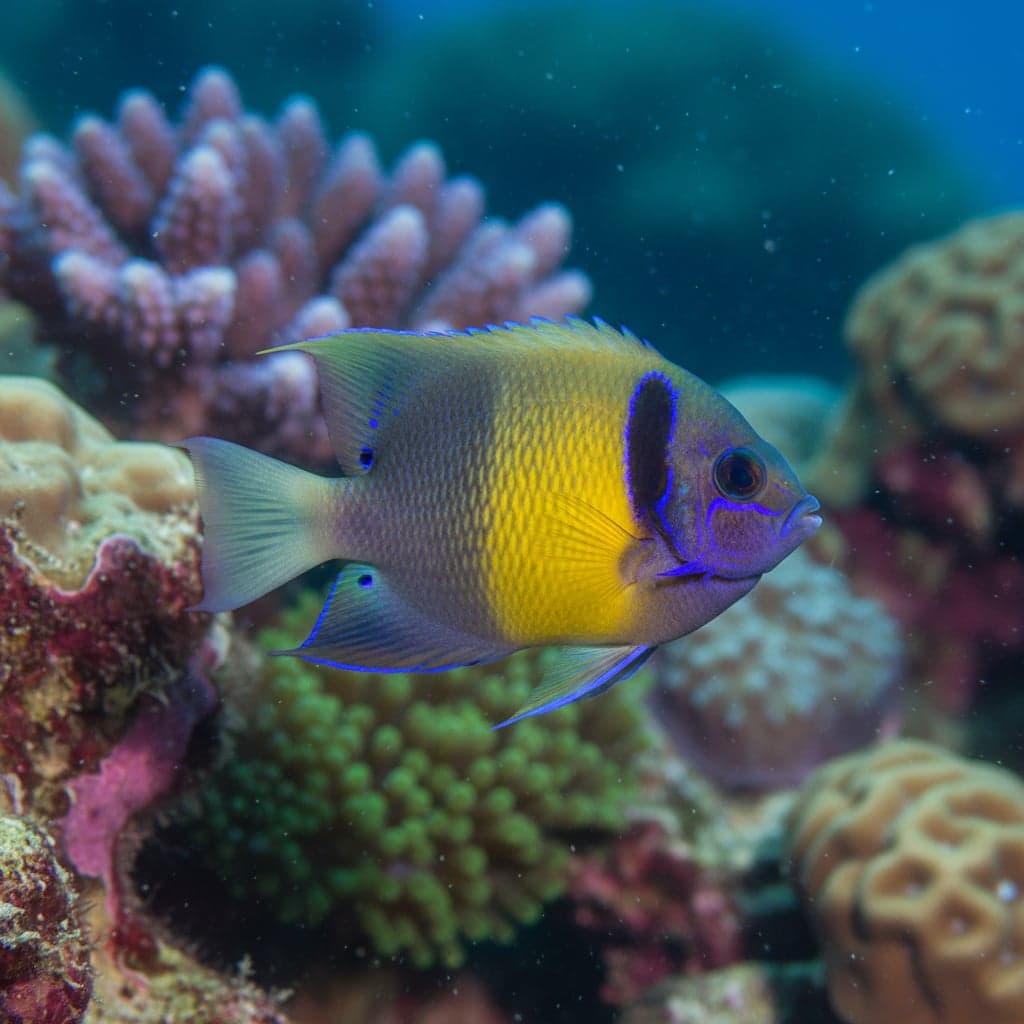
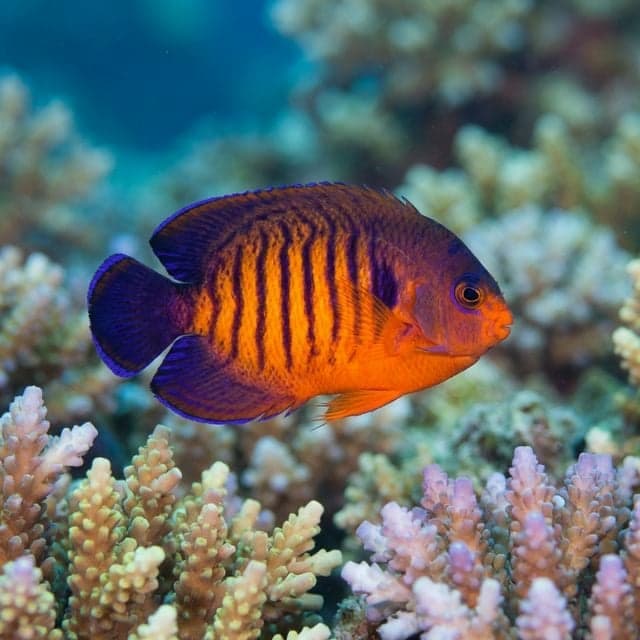
Purple Masked Angelfish
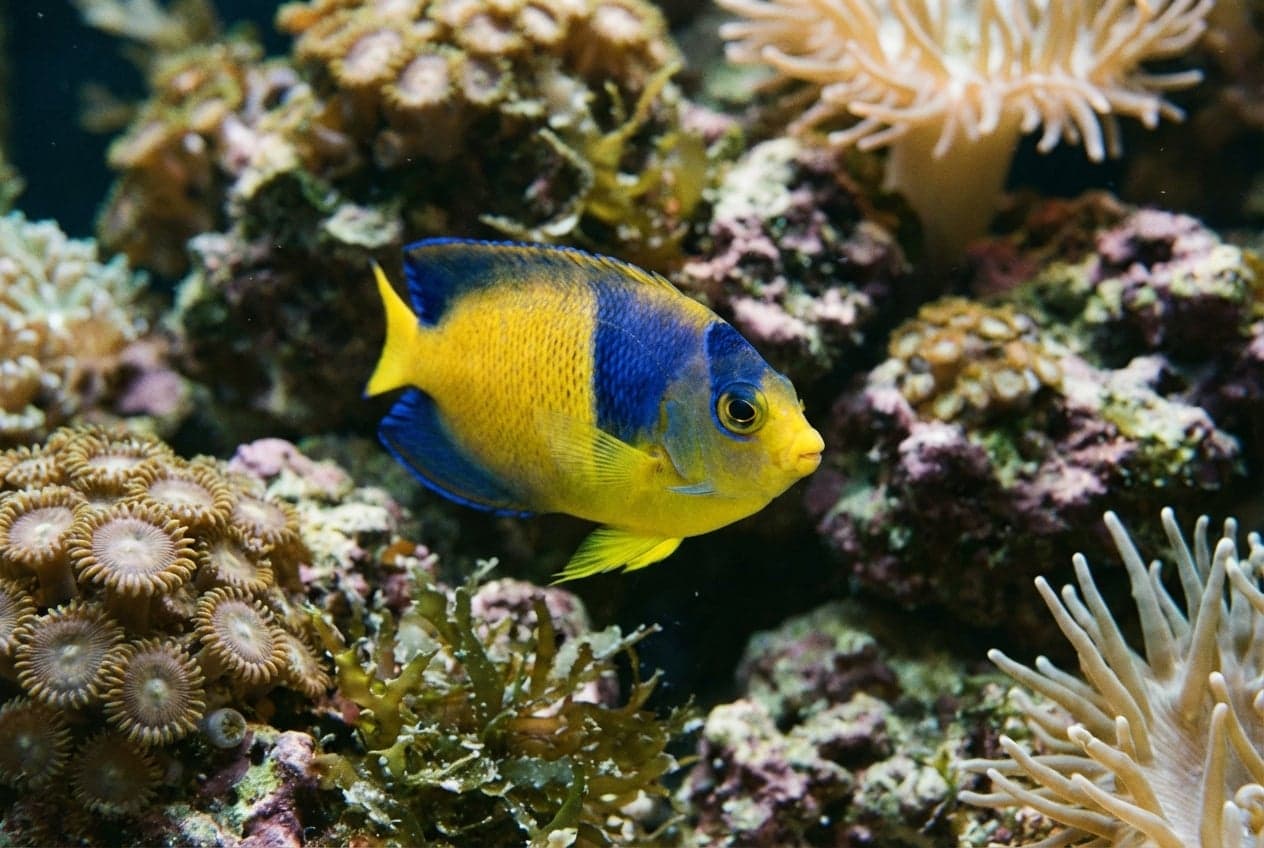
A 10cm dwarf angelfish, deep blue with a yellow mask. Rare, expensive, and it needs a mature tank with algae to graze.
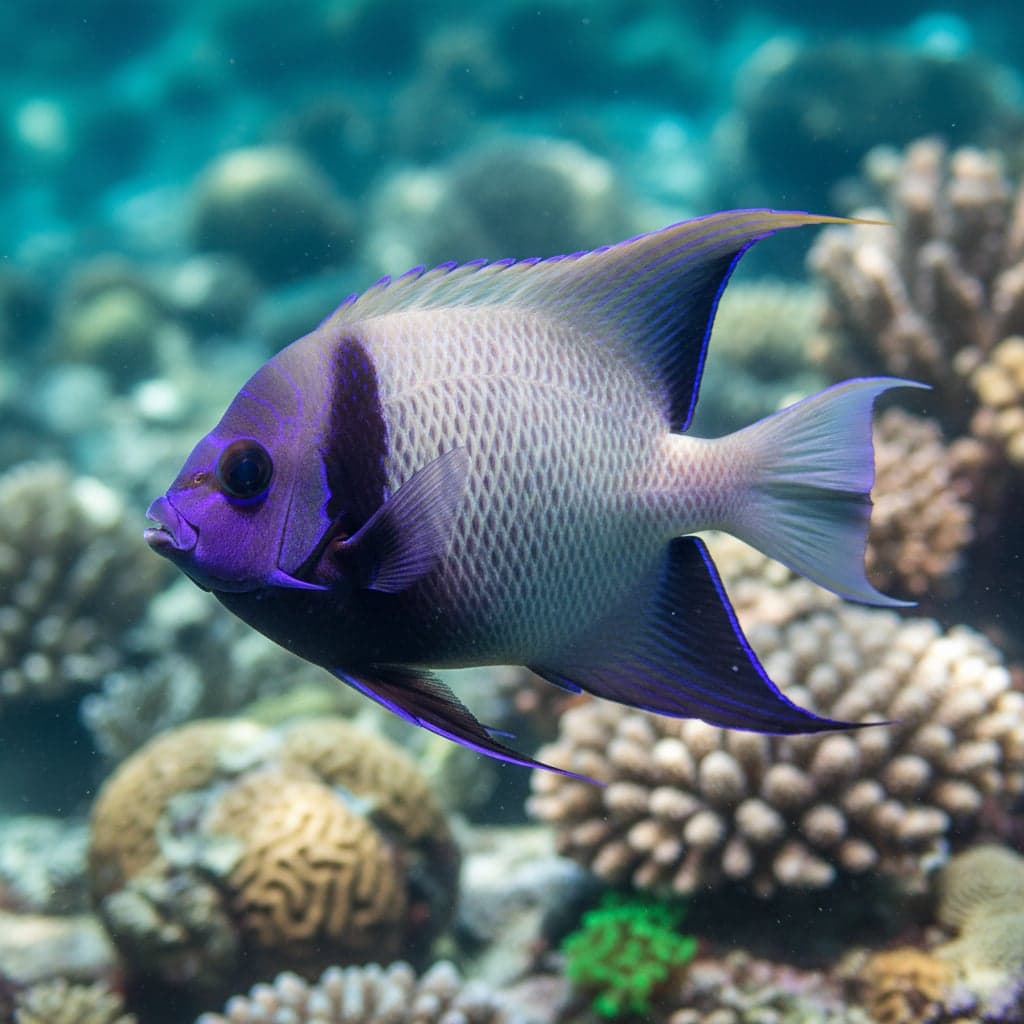
Purple Masked Angelfish
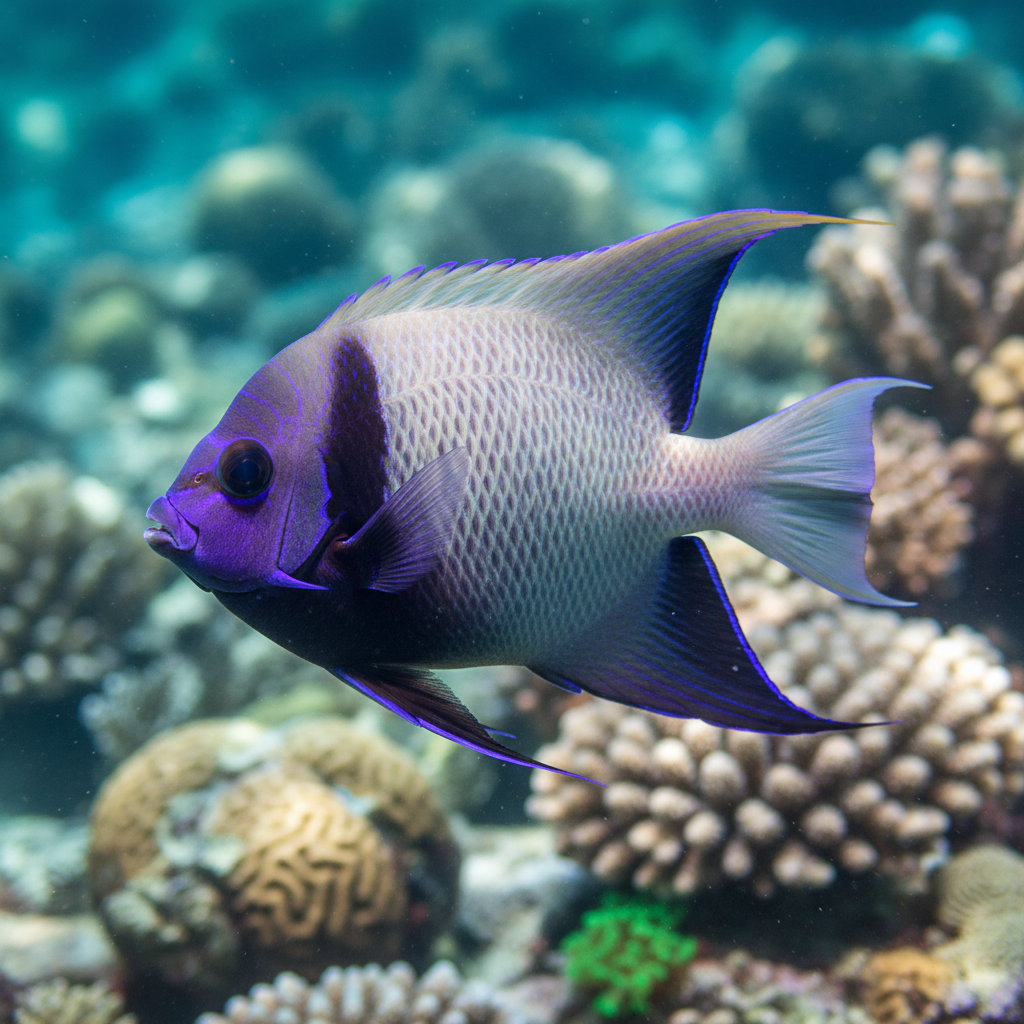
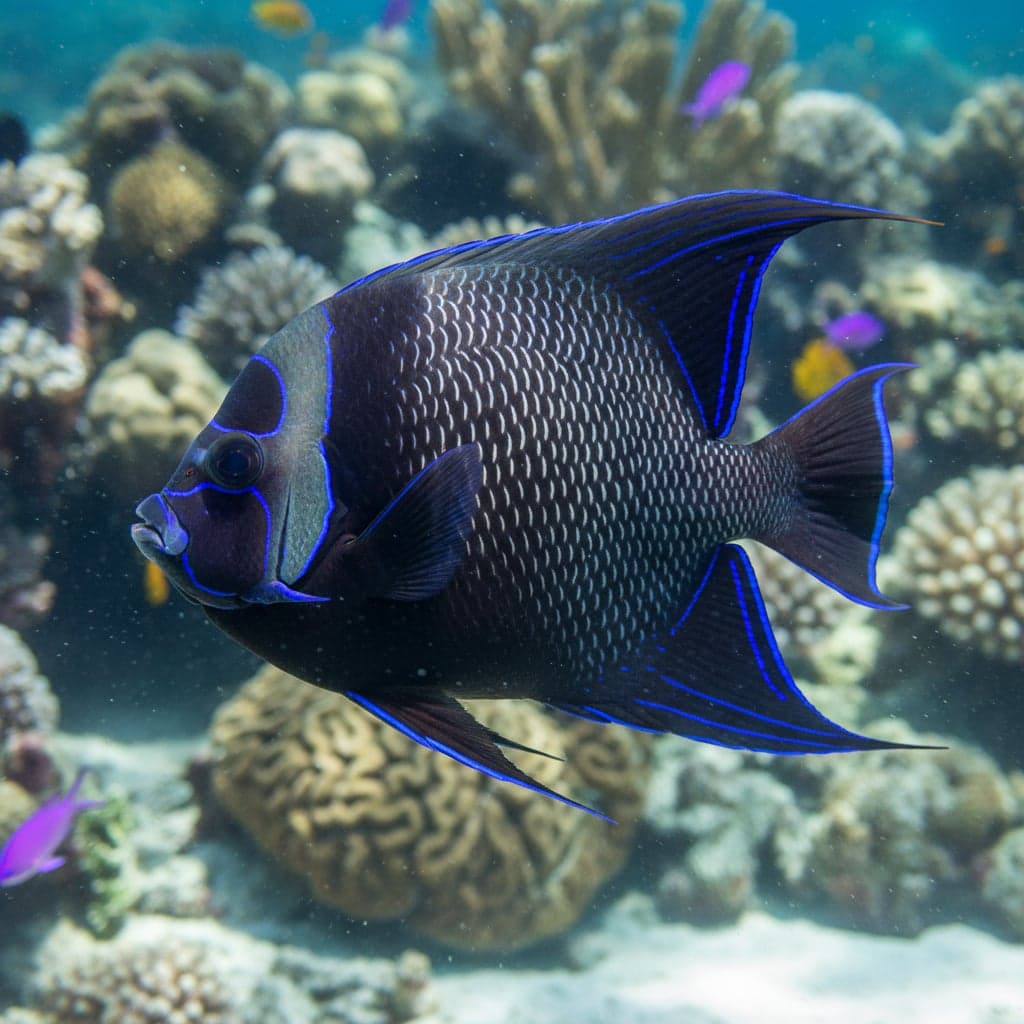
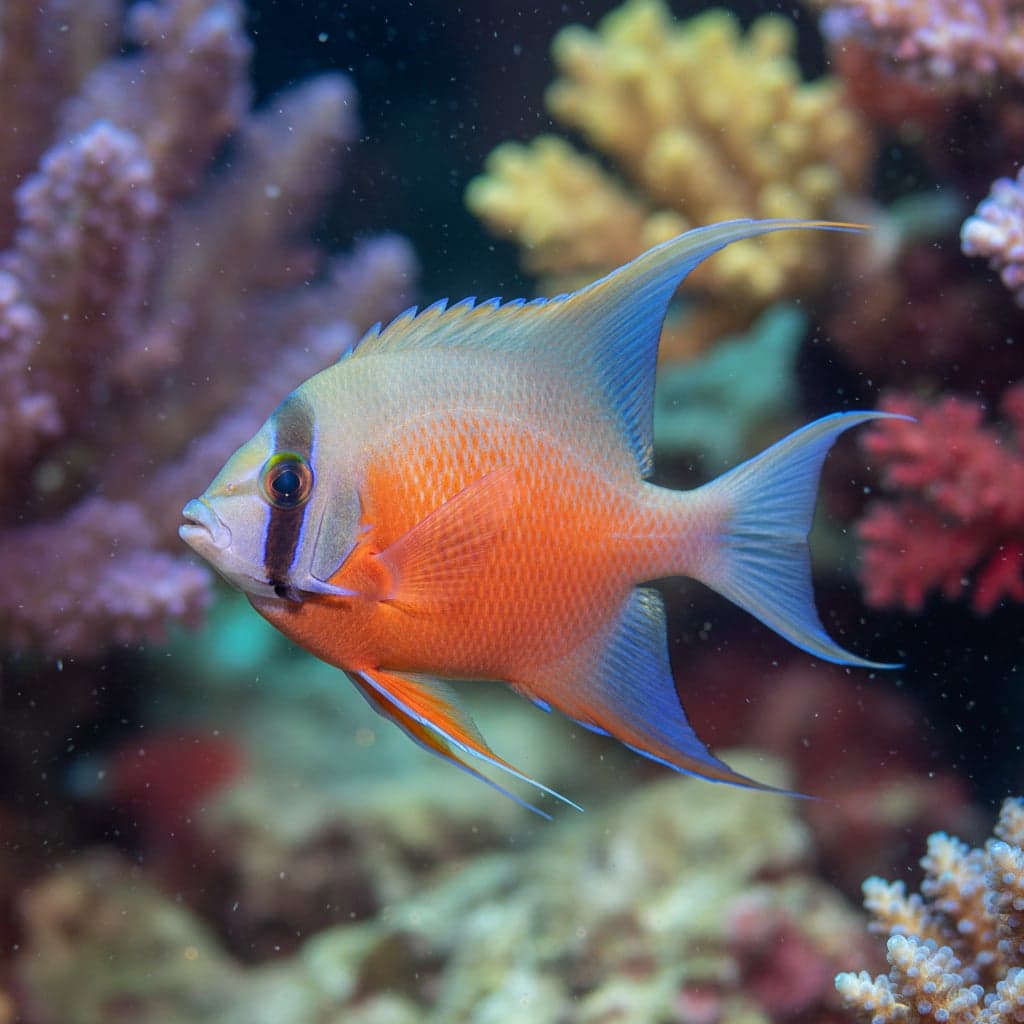
The Purple Masked Angelfish, scientifically known as Centropyge venusta, is a stunningly vibrant marine species that captivates aquarists with its striking coloration and unique patterns. This small, yet visually arresting fish is predominantly purple with bright yellow accents, particularly around the edges of its fins and on its face, resembling a beautiful mask. Such vivid coloration has made it a sought-after addition to many marine aquariums. Its small size and captivating personality add to its charm, often engaging observers with its active swimming and inquisitive nature.
In the aquarium hobby, the Purple Masked Angelfish holds significant importance not only for its aesthetic appeal but also for its relatively hardy nature, making it suitable for both beginner and experienced fish keepers alike. As a member of the Pomacanthidae family, it offers both ornamental value and a certain ecological importance in the reef life it represents. Marine enthusiasts appreciate the role this species plays in natural ecosystems, acting as grazers by consuming algae, thus helping maintain a balanced marine environment.
Natural Habitat & Origin
The Purple Masked Angelfish is native to the coral reefs of the Indian Ocean, specifically around Madagascar and the islands of the Mascarene Archipelago. These warm waters are celebrated for their biodiversity, providing the angelfish with an ideal habitat where it can thrive among colorful corals and abundant marine life. Preferably found in reef environments, it inhabits areas characterized by clear waters that facilitate healthy photosynthetic activities of the associated corals.
This species primarily resides in depths ranging from 10 to 40 meters, often hiding among crevices and under ledges to seek shelter and evade predators. The waters of its natural habitat are typically moderately warm, with specific salinity levels conducive to the various organisms that populate the coral reefs. The gentle currents and diverse microhabitats provide the necessary elements for its survival, making it essential for aquarists to mimic these conditions when keeping it in captivity.
Care Requirements
To thrive in captivity, the Purple Masked Angelfish requires specific water parameters. An ideal pH range is 8.1 to 8.4, with a temperature maintained between 75°F to 82°F (24°C to 28°C). Hardness should be kept between 8 to 12 dGH, ensuring a stable and clean environment. A minimum tank size of 150 litres (40 gallons) is advisable for this 10cm Centropyge venusta dwarf angel, giving it room to claim territory among live rock without constant stress.
For the tank setup, a sandy substrate is favored, offering a natural feel and allowing for some digging and exploration. Incorporating live rock and providing caves and overhangs are essential, as these structures serve as both hiding spots and grazing surfaces for algae. Moderate lighting replicating natural sunlight can be beneficial, while including hardy live plants, such as macroalgae, may enhance the tank's overall biotope and provide additional grazing material.
Diet & Feeding
The Purple Masked Angelfish is an omnivore, meaning it thrives on a varied diet composed of both plant and animal matter. In captivity, it’s essential to offer a well-balanced diet that includes high-quality marine flakes, pellets, and frozen foods to ensure optimal health and coloration. Spirulina-based foods are excellent sources of nutrition that cater to their herbivorous side, while meaty options like brine shrimp, mysis shrimp, and other frozen or live foods will provide the necessary proteins for growth.
Feeding should be conducted multiple times a day in small portions to mimic their natural grazing habits and ensure that uneaten food does not pollute the tank. Regularly incorporating supplements like vitamins and other nutrients will enhance their overall health and vitality, crucial for species prone to stress in captivity.
Behavior & Temperament
The Purple Masked Angelfish exhibits a somewhat territorial nature, particularly as it matures. It is a social species and can typically coexist peacefully with similarly sized, non-aggressive fish. However, males may display aggressive behaviors during breeding seasons or when establishing dominance in a confined space. They tend to occupy the middle to lower levels of the tank environment, often swimming vertically along rocks and coral structures.
Despite their engaging temperament, it's vital to monitor their interactions with tank mates to prevent stress and injuries. Their curious and active nature often leads them to explore their surroundings and engage with other species, making them a joy to observe in a community setup.
Tank Mates
When selecting compatible tank mates for the Purple Masked Angelfish, it is essential to consider the potential territorial dispositions of both species. Fish such as Clownfish, Blennies, and other small to medium-sized peaceful marine fish are excellent companions. Additionally, certain bottom-dwelling species like Gobies can coexist harmoniously, as they occupy different niches.
However, it is crucial to avoid housing them with overly aggressive or much larger fish, such as Triggerfish or Lionfish, which may pose a threat. Similarly, other members of the Centropyge genus should be avoided, as they may compete for territory and provoke aggressive confrontations.
Breeding
Breeding the Purple Masked Angelfish in captivity presents a unique set of challenges. These fish are known to be protandrous hermaphrodites, meaning they can change sex based on the social structure within the population. Establishing a bonded pair is essential for successful breeding, and it is best achieved by introducing multiple individuals into a spacious tank and allowing them to establish their hierarchy.
In optimal breeding conditions, including stable water parameters and ample hiding spots, spawning behavior typically occurs during the night when the female lays eggs on flat surfaces, often near protective structures. Post-spawning, the male fertilizes the eggs, which hatch after approximately 24 hours. It’s worth noting that rearing the larvae requires specialized care, including proper filtration and feeding of rotifers and microalgal cultures to sustain their development during the initial stages.
Common Health Issues
Like many marine species, the Purple Masked Angelfish can be prone to specific health issues owing to stress, poor water conditions, or inadequate dietary provisions. Common diseases include Marine Ich (Cryptocaryon irritans), which manifests as white spots on the fish's body, and Velvet Disease (Oodinium), characterized by a dust-like appearance.
Preventive measures should include maintaining high water quality, regulated parameters, and ensuring appropriate tank mates to reduce stress. Quarantining new arrivals and routine health checks are vital practices to prevent the introduction of disease into the main aquarium. Offering a balanced diet and managing the aquarium environment will contribute significantly to the overall health of the Purple Masked Angelfish, ensuring a thriving addition to your marine ecosystem.