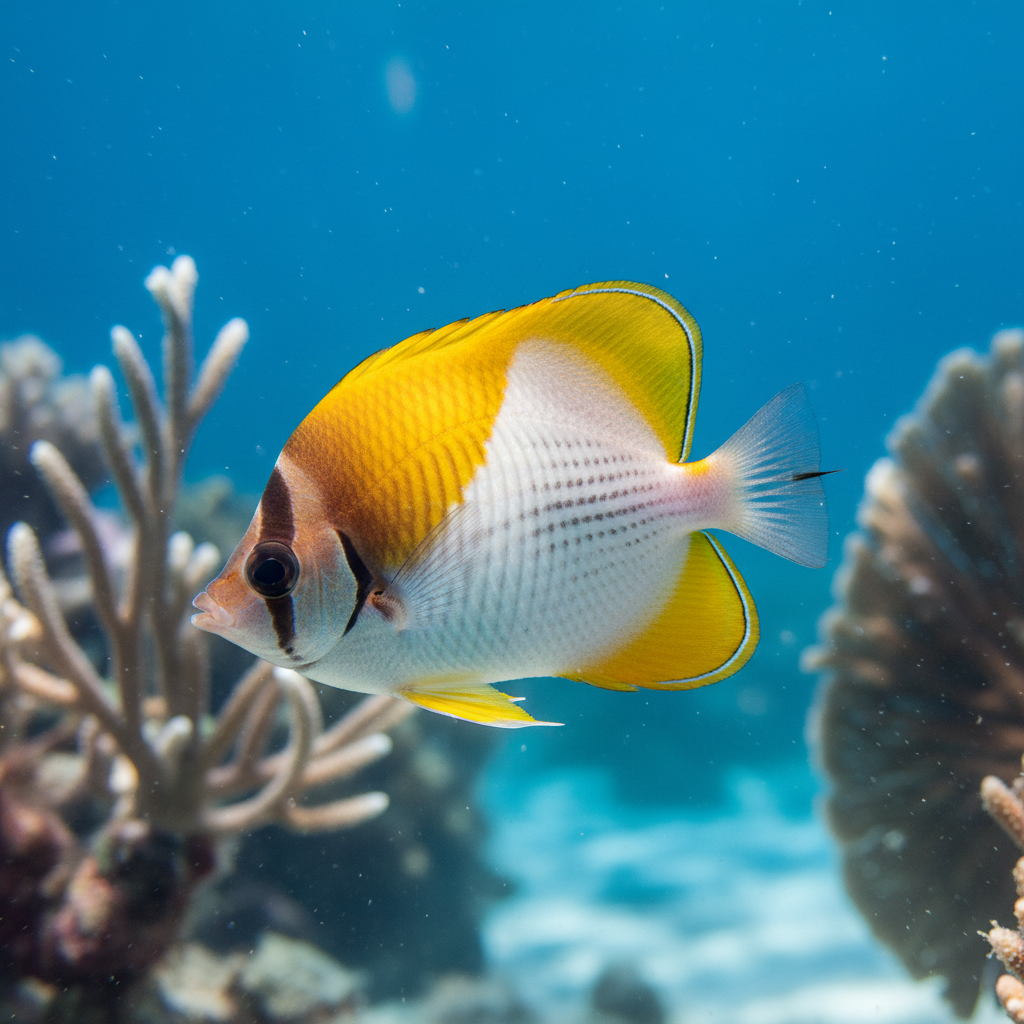
Pyramid Butterflyfish
An 18cm plankton-eating butterflyfish, which makes it one of the few reef- safe ones. Shoals, so keep three or more in 700L+.
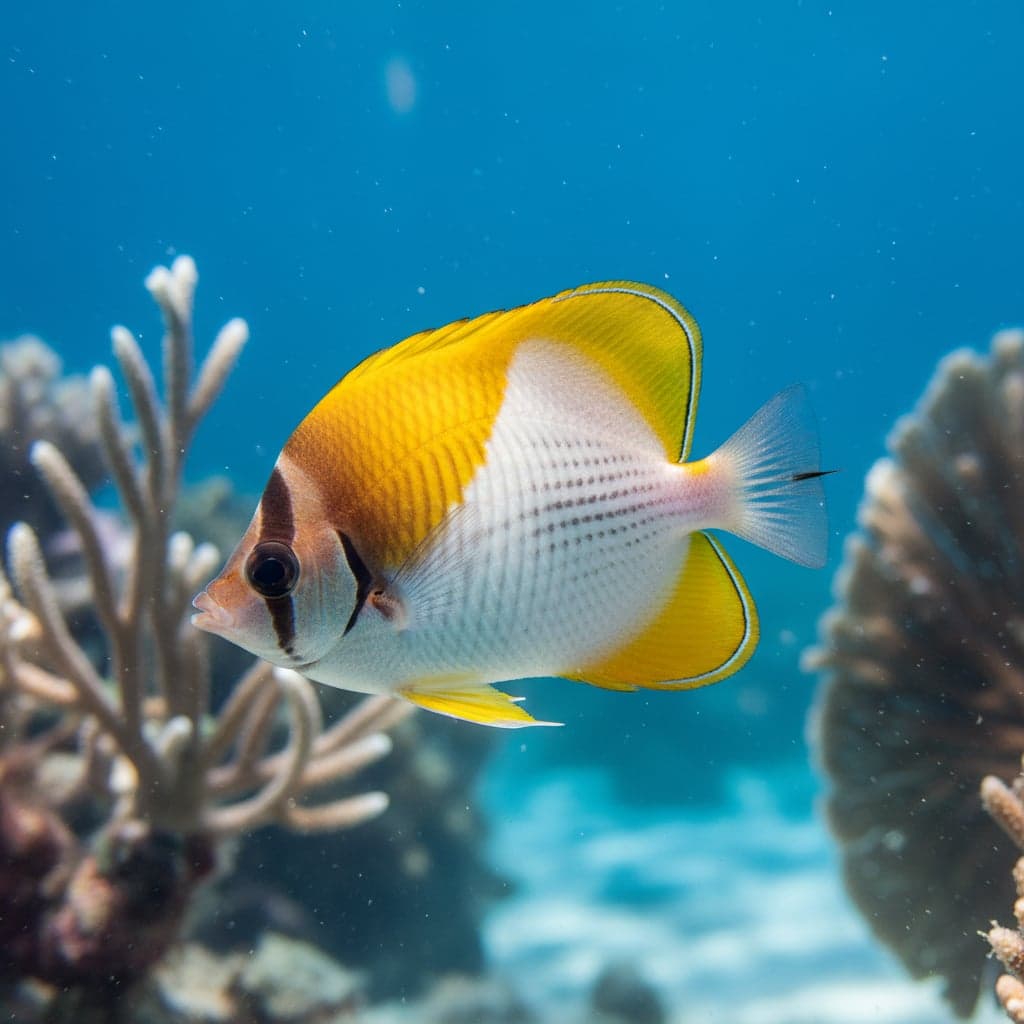
Pyramid Butterflyfish
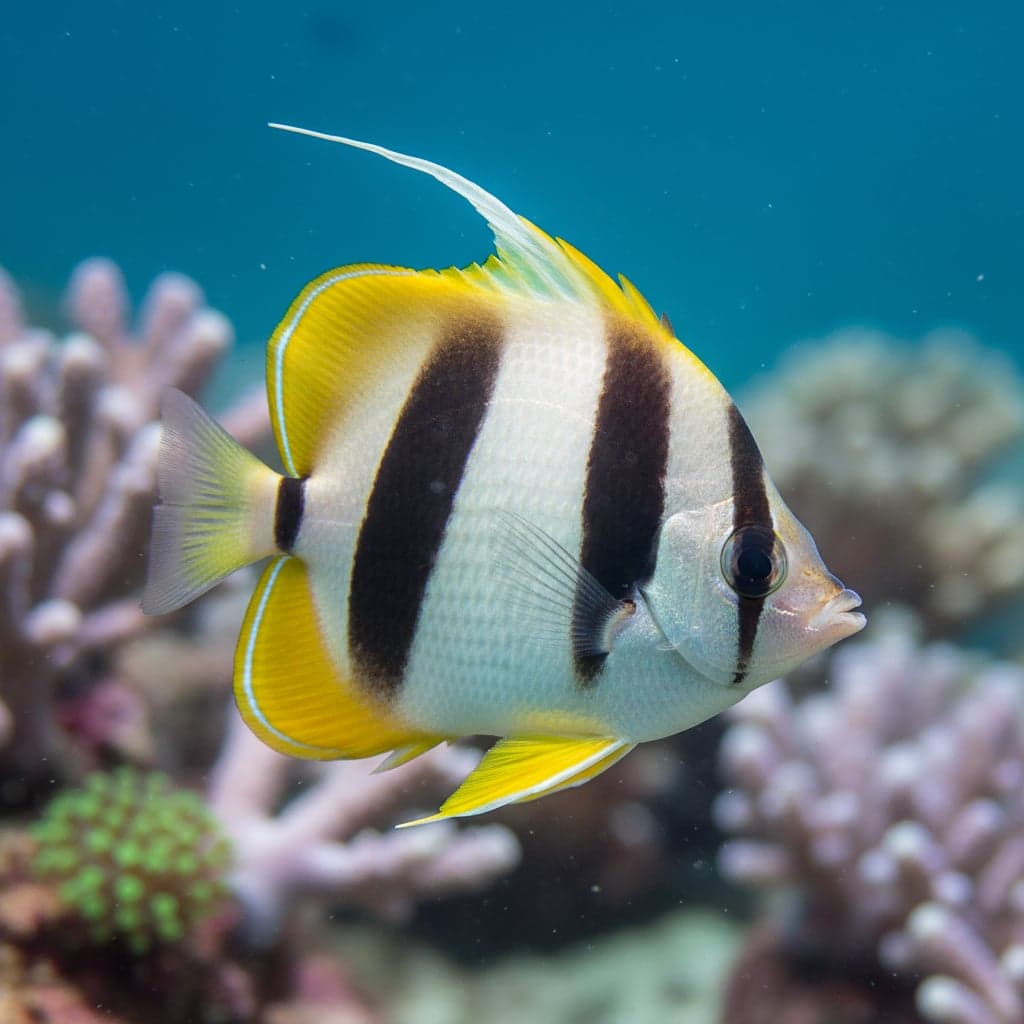
The Pyramid Butterflyfish (Hemitaurichthys polylepis) is a captivating marine species that has garnered significant admiration within the aquarium hobbyist community. Characterized by its stunning coloration, this fish showcases a unique combination of yellow, white, and black markings that resemble a beautiful geometric pattern, creating a visual spectacle that enchants both novice and experienced aquarists alike. Its elongated body and delicate fins further contribute to its aesthetic appeal. Beyond its beauty, the Pyramid Butterflyfish also plays an essential role in marine ecosystems, primarily by contributing to the control of algal populations on coral reefs and serving as a vital prey species for larger predators.
Within the aquarium setting, the Pyramid Butterflyfish is a desirable addition due to its relative hardiness and adaptability. As a member of the Chaetodontidae family, this species is known for its interesting behaviors and playful nature, making it an engaging inhabitant of any reef tank. However, the Pyramid Butterflyfish requires specific care provisions and understands the intricacies of its husbandry to thrive, highlighting the commitment needed to maintain this enchanting species in captivity.
Natural Habitat & Origin
The Pyramid Butterflyfish is native to the warm, tropical waters of the Indo-Pacific region, predominantly found around coral reefs in the Red Sea, the Great Barrier Reef, and throughout the Pacific Ocean. This species thrives in clear, well-lit waters, often residing in shallow areas at depths of 5 to 40 meters, where they can easily access their primary food sources. The environment tends to be characterized by abundant coral structures that provide shelter and hunting grounds, as well as other marine flora that contribute to the biodiversity of their habitat.
Typically inhabiting areas with high water clarity, the Pyramid Butterflyfish benefits from the rich marine diversity found in these settings. The presence of well-oxygenated waters and the availability of varied food sources are vital for their growth and overall health, reinforcing the necessity of mimicking these specific conditions within a home aquarium setup.
Care Requirements
Caring for a Pyramid Butterflyfish requires an understanding of its preferred environmental conditions to ensure a thriving life in captivity. The ideal water parameters include a pH level of 8.1 to 8.4, a temperature range of 24°C to 27°C (75°F to 80°F), and moderate to high water hardness of 8 to 12 dGH. These fish can be somewhat sensitive to fluctuations in their environment, so maintaining stable parameters is crucial.
When it comes to tank setup, a minimum tank size of 50 gallons is recommended, as these fish require ample swimming space. The substrate should consist of sandy or fine-grain materials to mimic their natural habitat, while live rocks and corals should be incorporated for aesthetic appeal and to provide hiding spots. Lighting should be moderate to high to support the growth of any live corals, and a variety of marine plants can also be included to create a more natural setting.
Diet & Feeding
The Pyramid Butterflyfish is classified as an omnivore, which means its diet consists of a mixture of plant and animal matter. In captivity, they thrive on a varied diet that includes high-quality flakes, frozen foods, and small pellets. Marine-based foods rich in protein, such as brine shrimp and cyclops, are recommended to ensure their nutritional needs are met. Live foods can also be offered occasionally to stimulate natural hunting instincts and enhance their vitality.
To maintain optimal health and coloration, it is essential to provide a balanced diet that caters to their omnivorous nature. Regular feeding of a diverse range of foods can help boost the immune system, keep the Pyramid Butterflyfish in peak condition, and promote vibrant coloration over time.
Behavior & Temperament
The Pyramid Butterflyfish displays predominantly peaceful behavior, making it an excellent choice for mixed species aquariums. They tend to be social and may be seen swimming throughout different levels of the tank but often inhabit the mid to upper strata. While they generally exhibit non-aggressive tendencies, it is advisable to avoid housing them with overly aggressive species that may stress them or compete aggressively for territory.
Though they may form loose schools in the wild, in captivity, Pyramid Butterflyfish often do best as solitary inhabitants or in small groups of their own kind. Careful observation will reveal their playful and inquisitive nature as they explore their surroundings, enhancing the enjoyment for aquarists.
Tank Mates
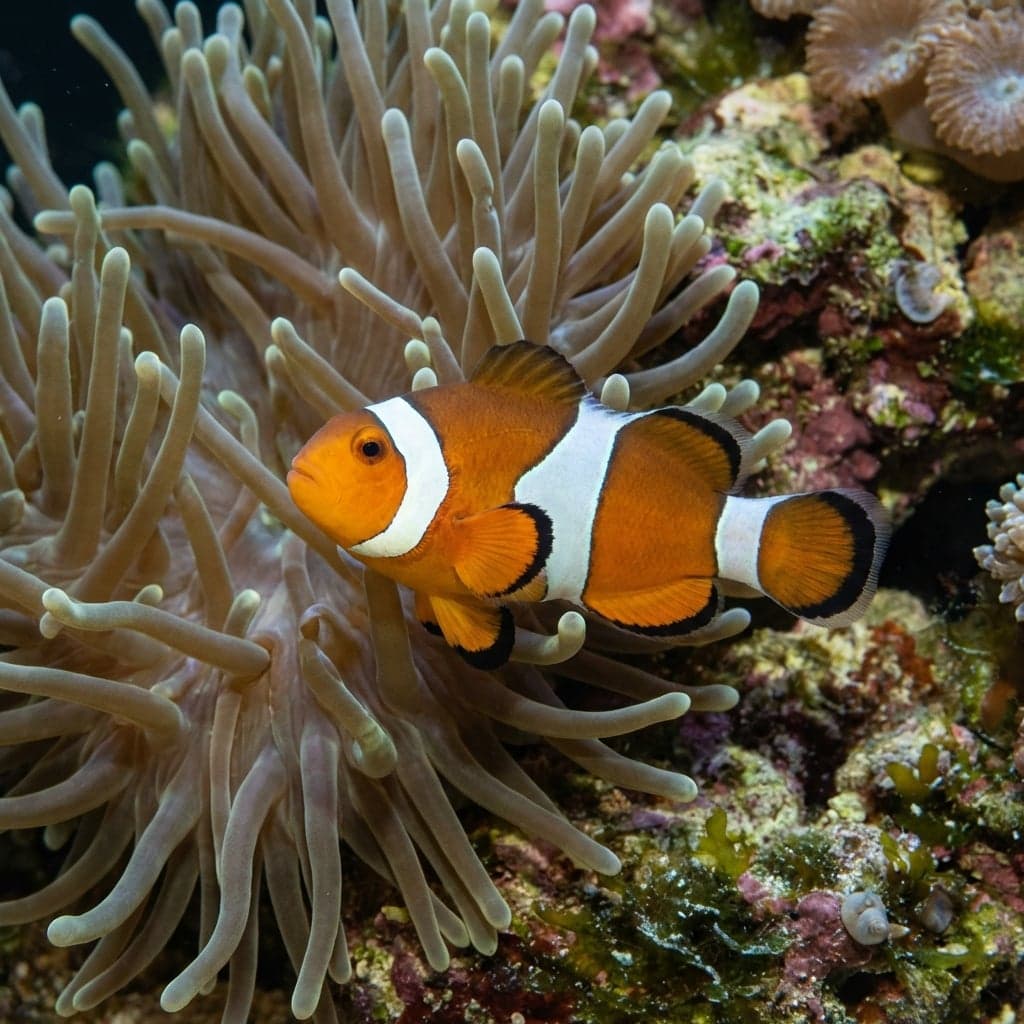
When selecting tank mates for the Pyramid Butterflyfish, it is vital to choose species that will promote a harmonious aquatic environment. Ideal companions include other peaceful fish, such as clownfish, cardinals, and wrasses, which share similar habitat preferences. Avoid housing them with aggressive species such as damselfish or certain triggers, as these may provoke stress or hostile interactions.
Additionally, fish that are prone to fin-nipping should be kept separate, as the Pyramid Butterflyfish’s delicate fins can be easily damaged. By ensuring a community of compatible species, the Pyramid Butterflyfish can thrive and contribute to a balanced and vibrant marine ecosystem within the aquarium.
Breeding
Breeding Pyramid Butterflyfish in captivity can be a challenging endeavor due to their specific spawning requirements. In the wild, they typically spawn in small groups with individuals forming temporary pairs prior to breeding. Successful breeding in captivity necessitates a well-established environment that closely mimics their natural habitat, including stable water parameters, ample hiding spots, and good water quality.
To encourage breeding behavior, maintain a single pair in a spacious tank, ideally with an external spawning surface such as flat rocks or coral. The introduction of appropriate food and supplements can further incentivize the fish to breed. It may take time to establish a breeding pair, as not all individuals will form bonds; patience and careful observation of potential mates are key when attempting to breed this captivating species in home aquariums.
Common Health Issues
While the Pyramid Butterflyfish is generally hardy, it is still susceptible to a few common health issues that can affect marine fish. They are particularly prone to marine ich (Ichthyophthirius multifiliis), a parasitic infestation that can manifest in white spots on the skin and fins. Maintaining good water quality and stable parameters is essential for preventing stress-related diseases.
Additionally, fin rot and various bacterial infections may arise due to poor water conditions or injury from aggression. Regular tank maintenance, appropriate feeding, and the introduction of high-quality veterinary practices can minimize these risks. Regular observation of the fish’s behavior and health can further aid in timely detection and treatment of any potential health issues, ensuring a long and thriving lifespan in captivity.