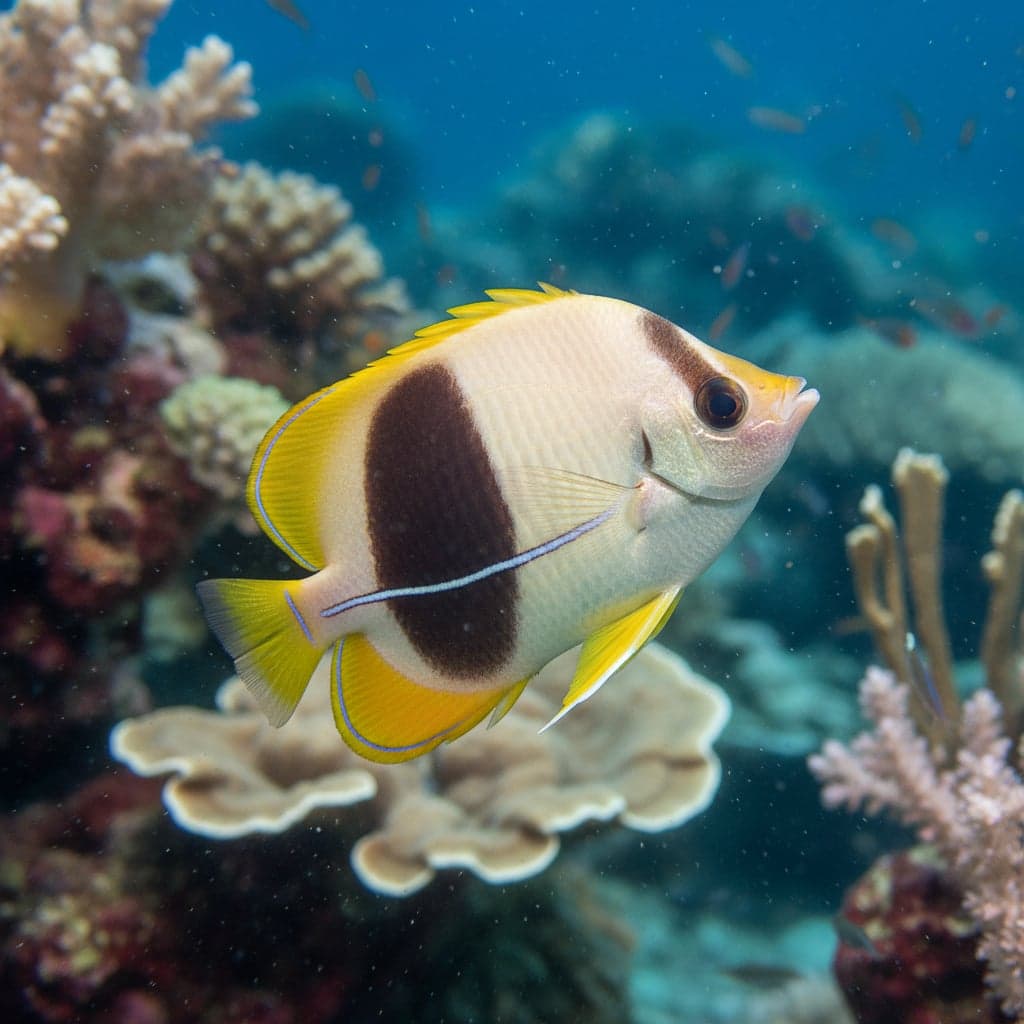
Raccoon Butterflyfish
A 20cm butterflyfish with a bandit mask, hardier than most of its family. It eats anemones and polyps, so it is not reef safe.

Raccoon Butterflyfish
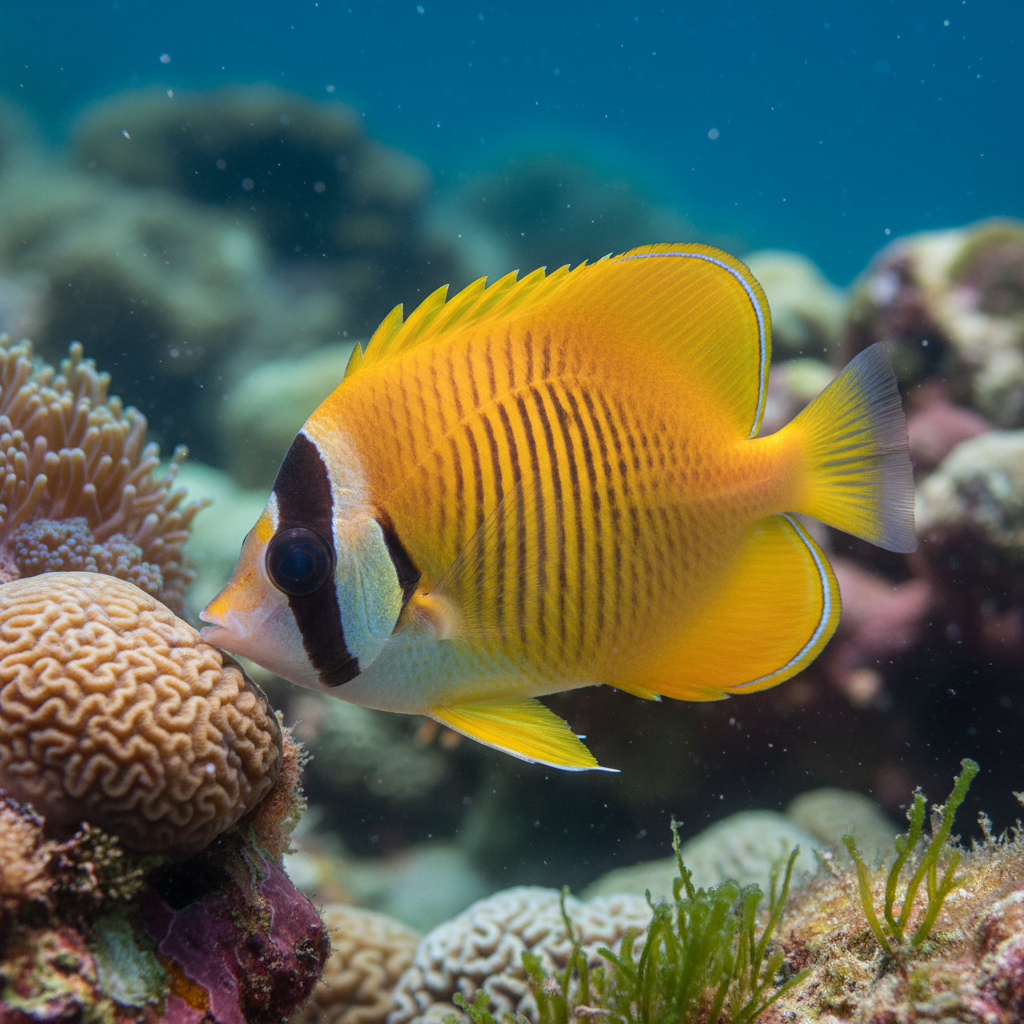
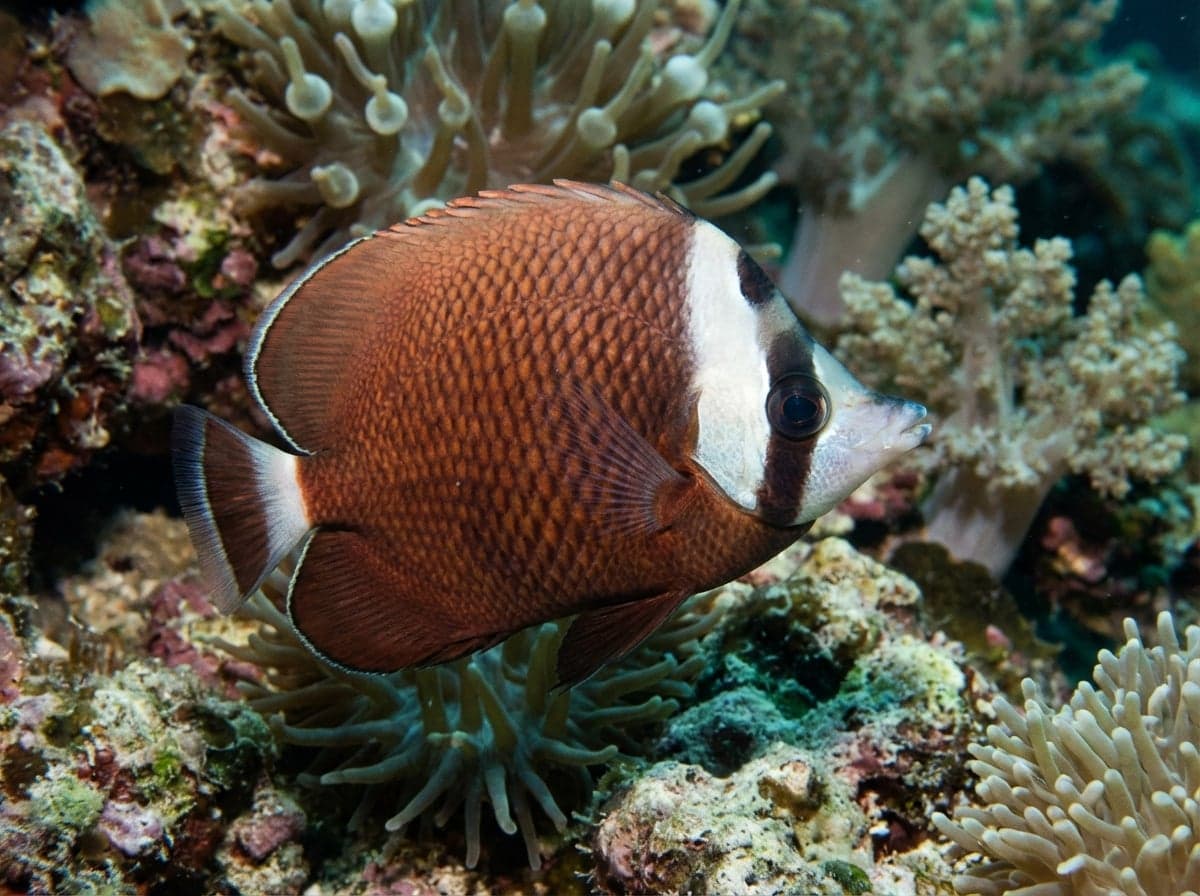
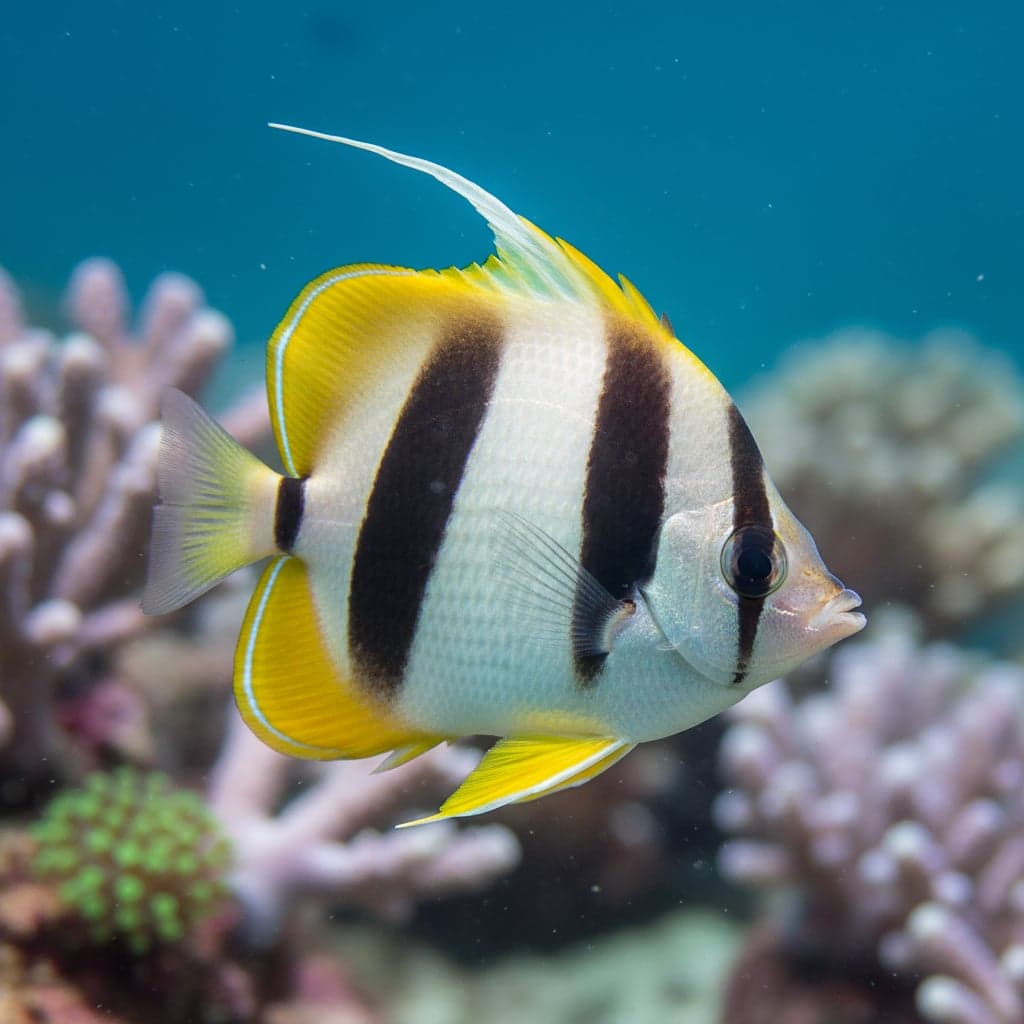
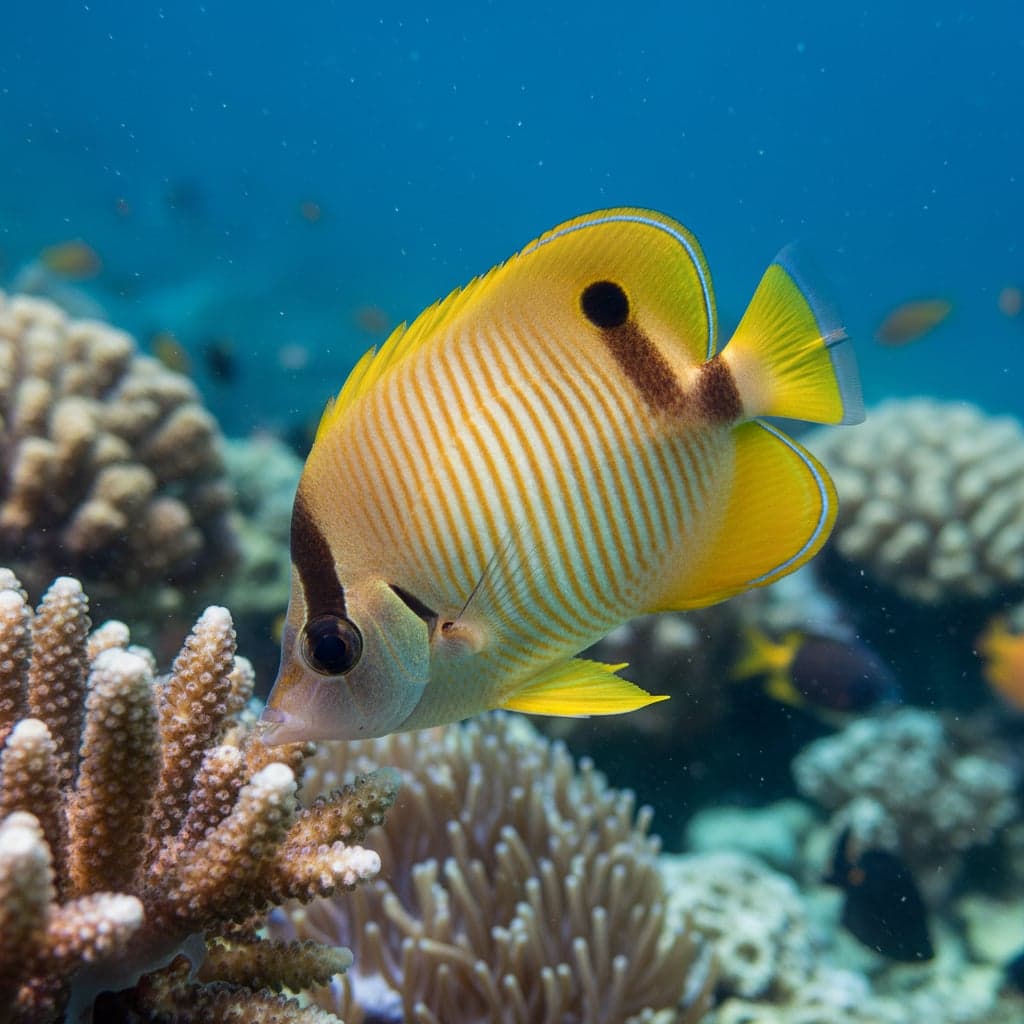
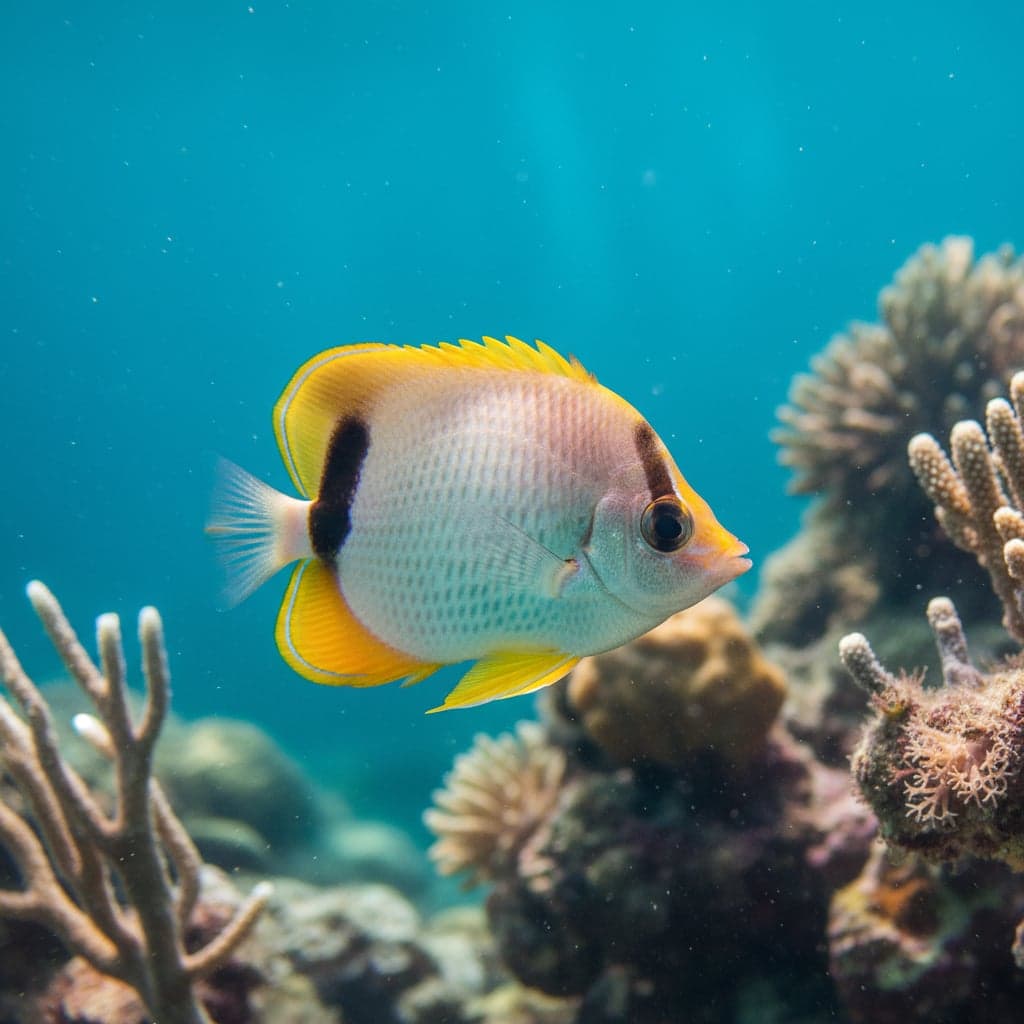
The Raccoon Butterflyfish (Chaetodon lunula) is a striking marine species that belongs to the family Chaetodontidae. Revered by aquarists, this colorful fish is easily recognized by its unique coloration patterns, which feature a vivid yellow body accented by black bands and a distinctive white “mask” akin to a raccoon’s face. This unique and visually captivating appearance makes the Raccoon Butterflyfish a highly sought after species in the aquarium hobby, drawing in both beginner and veteran aquarists. Additionally, its relatively docile nature and charming behavior enhance its appeal, as it gracefully glides through busy marine environments, contributing to the vibrant aesthetic of any reef tank.
Originating from the warm waters of the Indo-Pacific region, the Raccoon Butterflyfish is not only a beautiful addition to home aquariums but also plays an important role in its natural habitats. As a coral reef inhabitant, it aids in the balance of marine ecosystems by grazing on algae and small invertebrates, which helps maintain healthy coral growth. Many aquarists choose to keep this species to create biotope-like environments that reflect their natural surroundings while still enjoying the vivid beauty and personality of the Raccoon Butterflyfish.
Natural Habitat & Origin
The Raccoon Butterflyfish can be found across various regions of the Indo-Pacific Ocean, including the Red Sea, the islands of Polynesia, and the coasts of East Africa, specifically in habitats such as coral reefs, lagoons, and rocky outcrops. Preferring shallow waters, these fish typically inhabit depths of 1-30 meters. They thrive in warm marine environments with an abundance of coral, where they can find food and shelter. The water in their natural habitats tends to be a mix of clear, nutrient-rich waters that support the growth of coral and diverse marine life, giving them ample opportunity to forage for both algae and small invertebrates.
Care Requirements
To successfully keep a Raccoon Butterflyfish in captivity, specific water parameters must be maintained. The ideal water temperature should be between 74°F and 82°F (23°C - 28°C), with a pH level ranging from 8.1 to 8.4 and a specific gravity of 1.020-1.025. The optimal hardness level can be around 8-12 dKH. In terms of tank setup, a minimum tank size of 280 litres (75 gallons) is recommended for this 20cm Chaetodon, with an emphasis on an aquarium filled with live rock for foraging. Providing proper lighting is also essential, as it not only emphasizes the Raccoon Butterflyfish's colors but also promotes the growth of essential algae in the tank. Consider incorporating soft corals along with plenty of hiding spots using rocks and structured substrates to help mimic its natural habitat.
Diet & Feeding
Raccoon Butterflyfish are omnivorous by nature, primarily feeding on small invertebrates, coral polyps, and algae. In captivity, it’s important to provide a varied diet that meets their nutritional needs. High-quality flakes and pellets designed for marine fish can be supplemented with frozen or live foods, such as brine shrimp, mysis shrimp, and small bits of finely chopped seafood. Additionally, offering spirulina-based foods will help ensure they receive the necessary algae in their diet. Regular feedings of a balanced diet not only promote the health of the fish but also support vibrant coloration, growth, and overall vitality.
Behavior & Temperament
Behaviorally, the Raccoon Butterflyfish is considered relatively peaceful but can display territorial tendencies, particularly when kept in smaller aquariums or when housed with other butterflyfish species. Generally, they prefer to inhabit the mid to upper levels of the aquarium, often seen darting playfully around coral structures or swimming in pairs. They are known to be quite social and can be observed engaging in communal foraging; however, they should be monitored when introduced to new tank mates to minimize potential aggression. When planning a mixed-species aquarium, it’s important to ensure ample space to reduce stress and territorial disputes.
Tank Mates
When choosing tank mates for the Raccoon Butterflyfish, compatibility is crucial for maintaining a peaceful aquarium. Ideal companions include peaceful community fish such as clownfish, damselfish, and certain wrasses. Additionally, other species of butterflyfish can coexist as long as the aquarium is spacious enough to establish territories and reduce aggression. Species to avoid include more aggressive fish like triggers, large angels, and parrotfish, as well as other butterflyfish which may compete for food or territory. When selecting tank mates, always consider the temperament and space required for each species to promote a harmonious environment.
Breeding
Breeding Raccoon Butterflyfish in captivity is a rare achievement, primarily due to their specific spawning behaviors and environmental requirements. They are known to exhibit a pelagic spawning habit, releasing eggs into the open water where fertilization occurs. Conditions such as optimal water temperature between 77°F and 82°F (25°C - 28°C), stable water quality, and ample hiding spots encourage potential breeding behavior. To increase the likelihood of successful breeding, maintaining a large, well-planted aquarium with pristine water conditions is key, as is ensuring the presence of a male-female pairing that exhibits courting behaviors.
Common Health Issues
While Raccoon Butterflyfish are generally hardy, they can be susceptible to common marine diseases such as Marine Velvet (Oodinium), Ich (Cryptocaryon irritans), and Fin Rot. To prevent health issues, it’s vital to maintain high water quality through regular testing and water changes, along with proper tank hygiene. Providing a stress-free environment, minimizing overcrowding, and offering a balanced diet can significantly reduce the likelihood of disease outbreaks. In case of illness, prompt treatment with appropriate medications, quarantining infected fish, and adjusting care routines can facilitate recovery while preserving the health of the entire aquarium community.