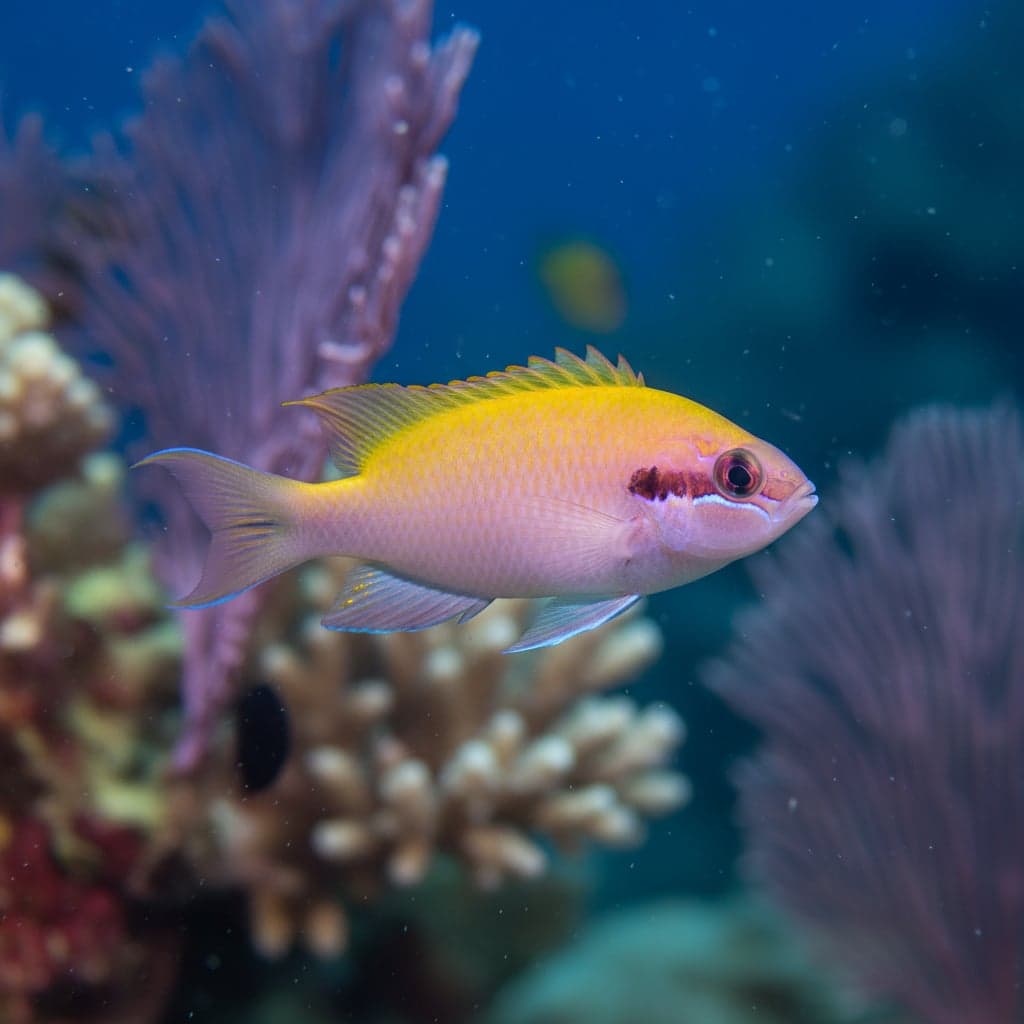
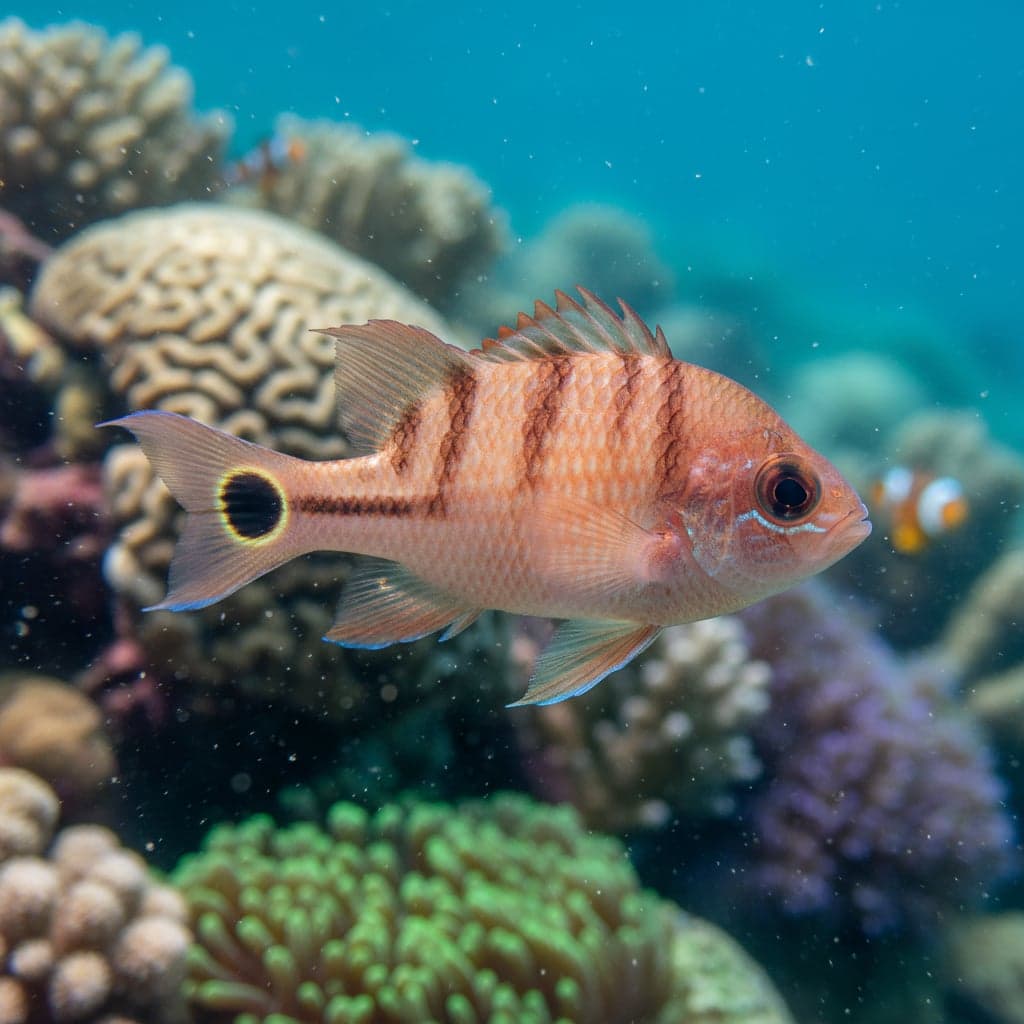
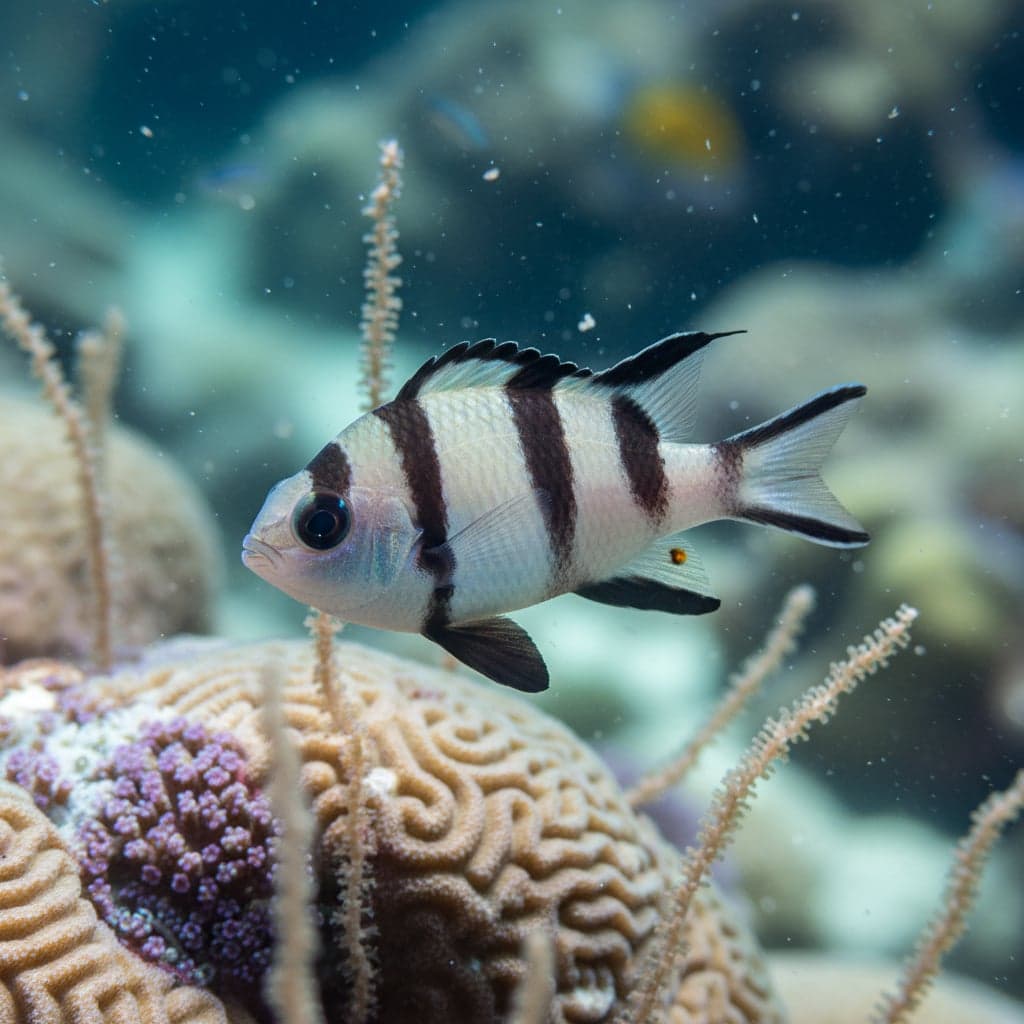
Randall's Anthias
An 8cm deepwater anthias, less demanding than most of its genus. Needs several small feeds a day and a peaceful tank with plenty of rockwork.
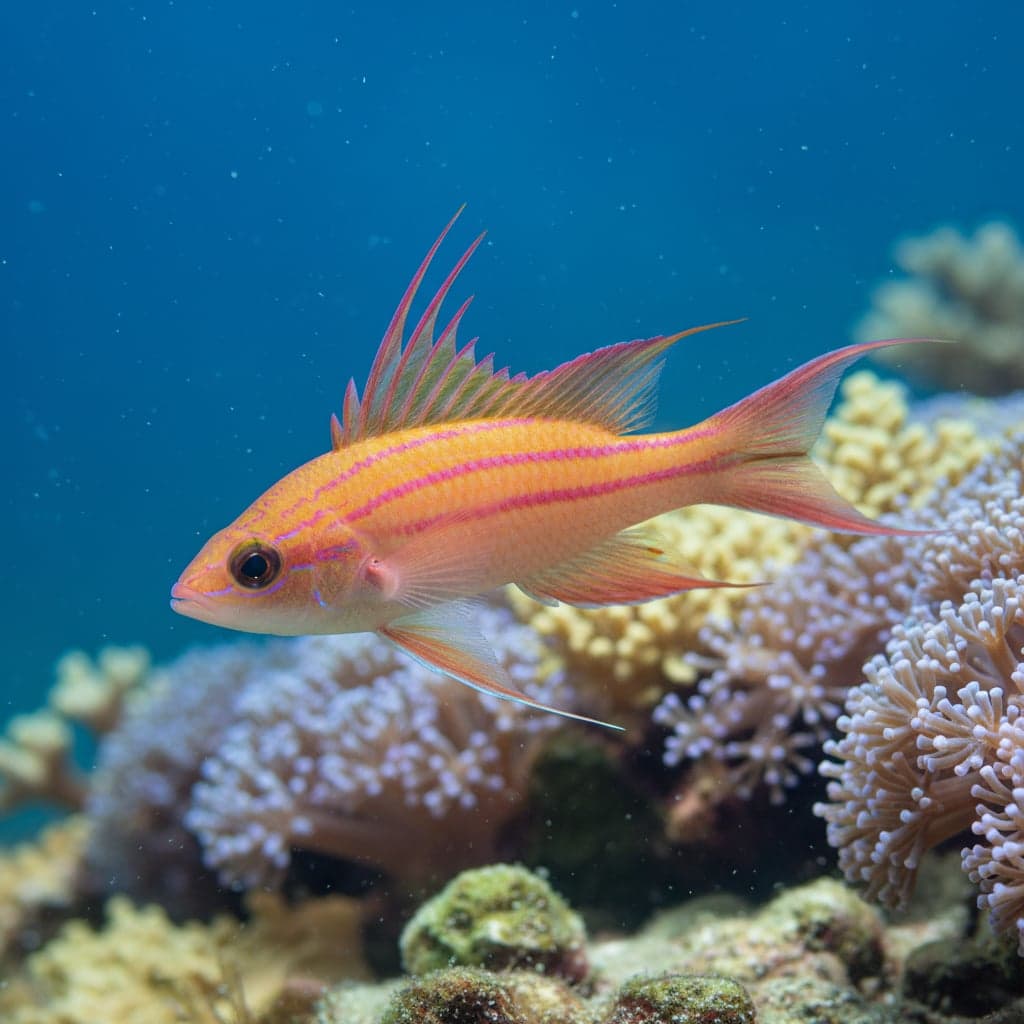
Randall's Anthias
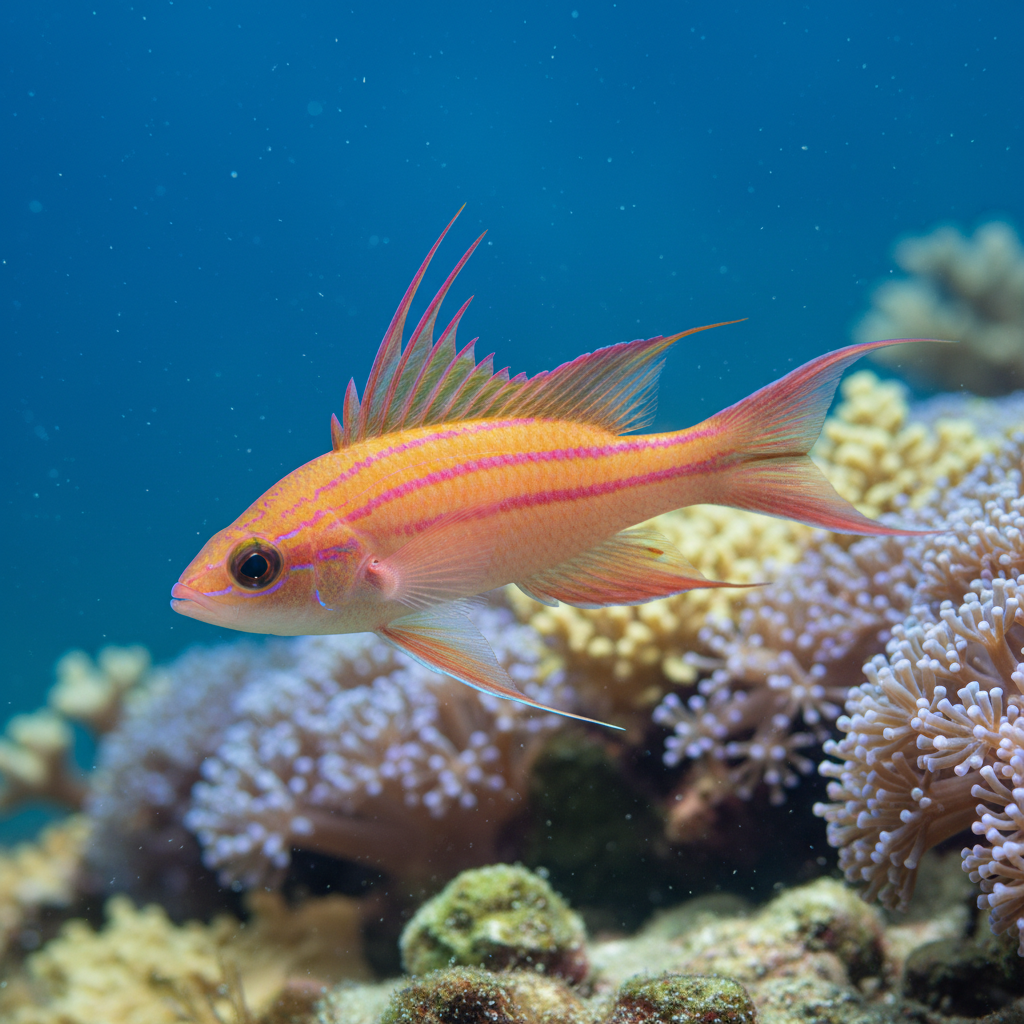
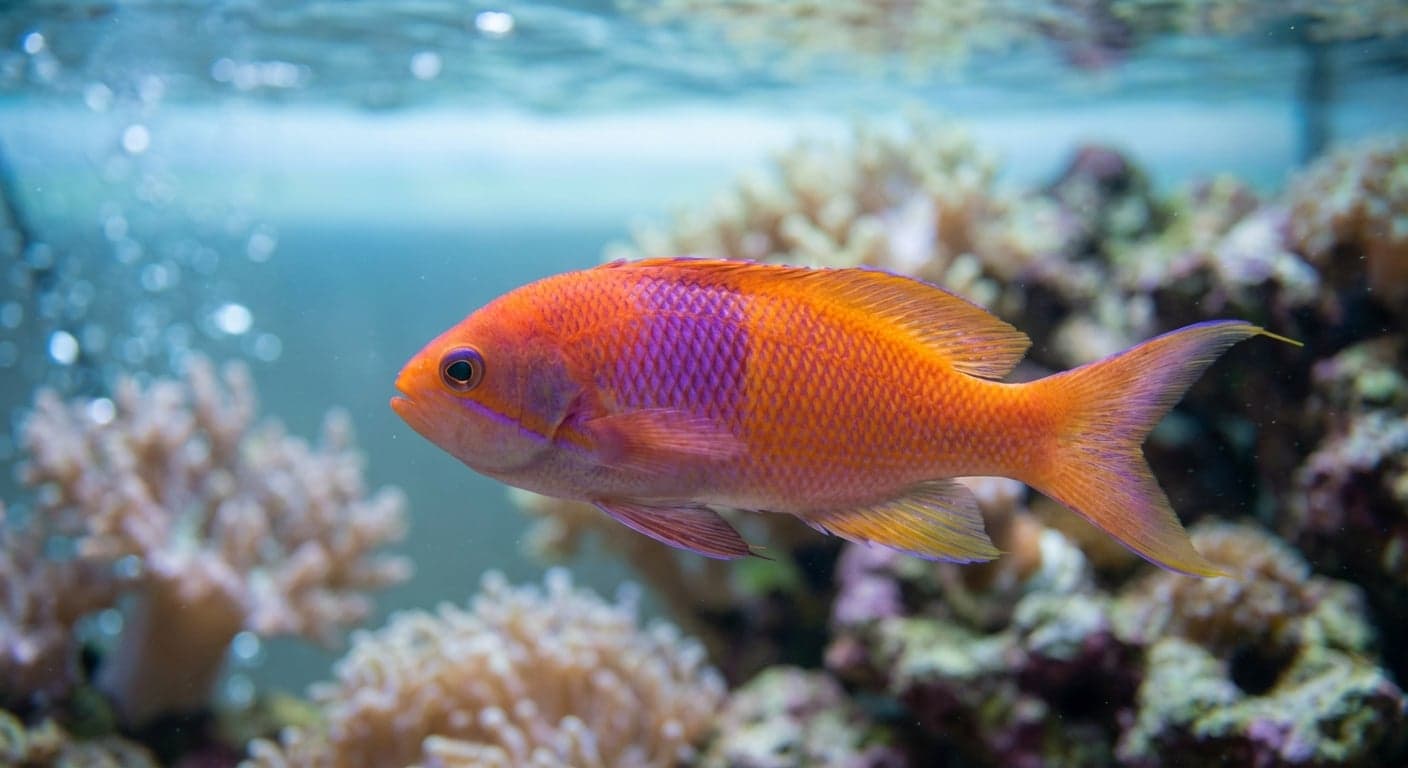
Randall's Anthias (Pseudanthias randalli) is a strikingly colorful reef fish that has captured the attention of aquarium enthusiasts around the globe. This fish exhibits a vibrant palette, predominantly showcasing shades of orange, pink, and yellow, accented with a pale lavender on its body. Males are typically more colorful and larger than females, making them a visually appealing centerpiece in marine tanks. Beyond their beauty, Randall's Anthias are significant in the aquarium hobby due to their relatively peaceful nature and the grace they convey as they flit through the water column, adding life and movement to a well-designed aquarium environment.
In the aquarium trade, Randall's Anthias is highly sought after, not only for its stunning appearance but also for its interesting behavioral patterns and adaptability. It brings a sense of diversity to marine aquariums, often captivating both novice and expert aquarists alike. The fish generally thrives in larger aquariums with adequate space to swim freely and hints of dynamic social interactions, making it perfect for displaying natural and engaging aquatic ecosystems.
Natural Habitat & Origin
Randall's Anthias is native to the coral reefs of the Western Pacific Ocean, particularly around the islands of Fiji, Tonga, and the Great Barrier Reef. Preferring clear and bright waters, these fish are typically found at depths between 20 to 60 meters in both shallow and deeper reef environments. They inhabit areas rich with coral formations, where they can find ample hiding spots and food sources. Randall's Anthias are commonly associated with sloped reef margins, where a combination of sunlight and complex structures supports a diverse marine life, fostering their natural feeding and social behaviors.
In their natural habitat, Randall's Anthias are often seen in small groups, typically composed of one dominant male and several females. This social structure is crucial for their survival, as it allows them to evade predators while maximizing their foraging opportunities. The clear water conditions mean that light penetrates deeply, fostering a rich array of photosynthesizing organisms that form the basis of their diet, thus highlighting the need for conservation efforts to protect these stunning fish and their delicate habitats.
Care Requirements
To create a suitable environment for Randall's Anthias, it's essential to maintain specific water parameters. The ideal temperature range is between 72°F to 78°F (22°C to 26°C), with a pH level maintained between 8.0 and 8.4. Hardness levels should be kept around 8 to 12 dGH. Randall's Anthias thrive best in a well-established marine aquarium of at least 50 gallons, as this provides ample swimming space and helps maintain stable water conditions, which are essential for their health.
For tank setup, choose a sandy substrate that mimics their natural sea floors. Incorporate plenty of live rock and corals to emulate their natural habitat, offering both hiding spots and grazing areas. Additionally, provide moderate to bright lighting to support any live corals and other plants in the tank. Regular water changes and the use of a quality filtration system are also key in ensuring a clean and safe environment for this vibrant fish.
Diet & Feeding
Randall's Anthias are considered opportunistic feeders, primarily consuming zooplankton and small invertebrates in the wild. In captivity, they are classified as carnivores with omnivorous tendencies, thriving on a well-balanced diet. A combination of high-quality flakes and pellets formulated for marine fish works well, but they also benefit from supplemental feeding. Providing frozen or live foods such as brine shrimp, mysis shrimp, and finely chopped marine proteins can enhance coloration and promote overall health.
Because Randall's Anthias have relatively high metabolic rates, it's important to feed them multiple small feedings throughout the day rather than one large meal. This mimics their natural foraging behavior and reduces the risk of water quality issues that can arise from uneaten food. Experimenting with various types of foods will help ensure your Randall's Anthias receive a nutritionally complete diet conducive to both their health and adaptability.
Behavior & Temperament
Randall's Anthias exhibit a generally peaceful demeanor, making them suitable for community tanks with carefully selected tank mates. They are social animals that thrive in groups and are usually seen swimming in tandem. However, it’s important to note that males can become territorial, particularly when spawning, so providing ample space and hiding spots is critical for a harmonious environment.
In terms of vertical placement, Randall's Anthias are mid-to-upper water column fish, often darting around structures and occasionally venturing closer to the surface. This proclivity for vertical swimming highlights the need for aquarists to configure their tank layout with varying heights of rock formations and swimming spaces to simulate their natural behavior.
Tank Mates
Choosing suitable tank mates for Randall's Anthias involves selecting peaceful fish with similar care needs. Ideal companions include other species of anthias, small wrasses, gobies, and certain types of damselfish. Reef-safe species such as clownfish can also coexist harmoniously as they add to the bustling dynamics of a community aquarium.
However, it is crucial to avoid more aggressive species that could stress or outcompete Randall's Anthias. Large predatory fish, such as triggers or lionfish, as well as other territorial fish, should be kept out of their tanks to prevent undue aggression and ensure the well-being of your Randall's Anthias.
Breeding
Breeding Randall's Anthias in captivity can be challenging; however, it is achievable with the right conditions. They naturally exhibit a harem breeding system, wherein one male mates with several females. To encourage spawning, maintain a male-to-female ratio of 1:3 or more in a spacious tank, ideally around 100 gallons or larger, which allows for territorial behavior and breeding rituals.
The spawning process typically occurs during feeding times or when the water temperature rises slightly. Providing a well-lit area in the tank, along with plenty of hiding spots, can help stimulate natural behaviors. Additionally, a varied diet rich in live food will improve overall health and encourage successful spawning and maturation of fry, which can be challenging to rear in a home aquarium.
Common Health Issues
Randall's Anthias, like many marine fish, can be susceptible to certain health issues. Common diseases include marine ich (Cryptocaryon irritans), flukes, and various bacterial infections. To prevent these issues, ensure optimal water quality through routine testing, stable conditions, and a well-maintained tank environment. Quarantining new arrivals for at least two weeks before introducing them to the main tank will help minimize the spread of diseases.
Regular observation of the fish's behavior and physical appearance is essential for early detection of health problems. Maintaining a stress-free environment that accounts for social dynamics will further reduce the risk of illness in your Randall's Anthias and contribute to long-term health.