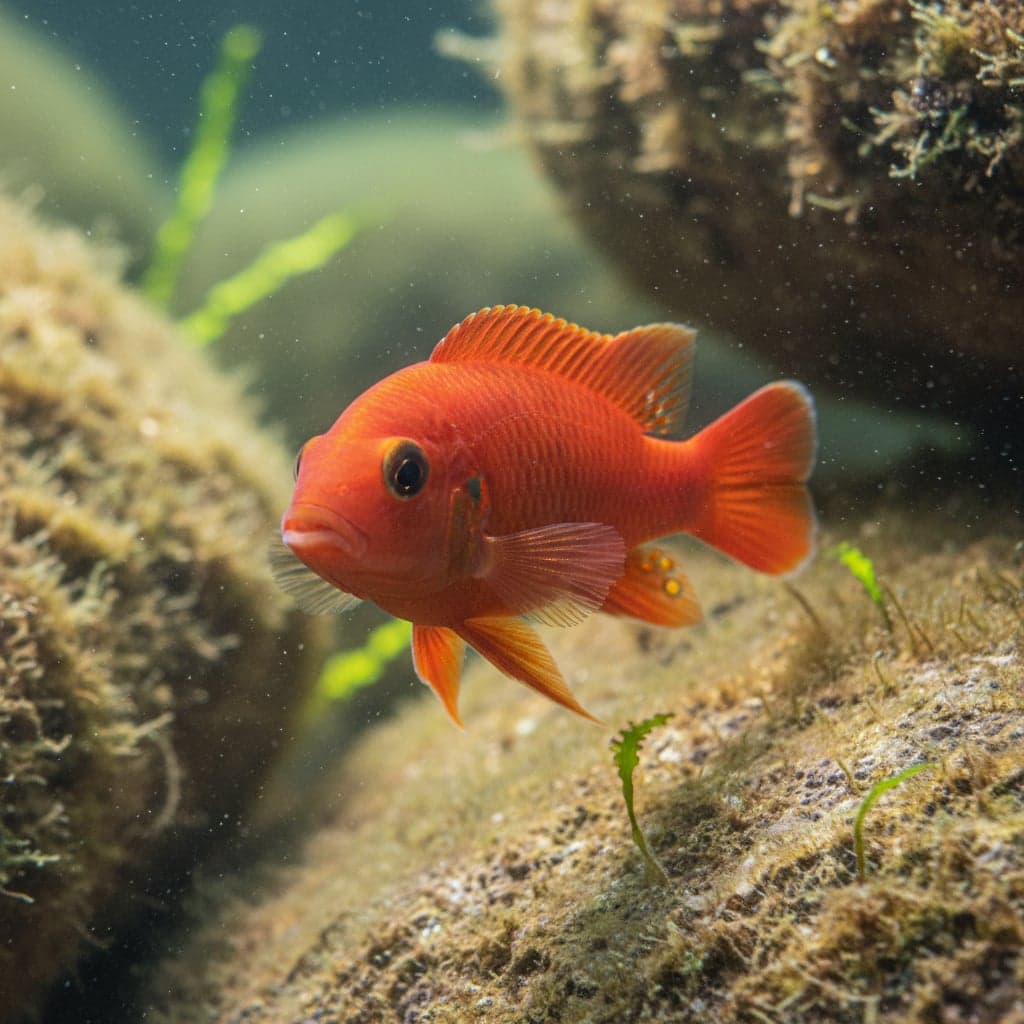
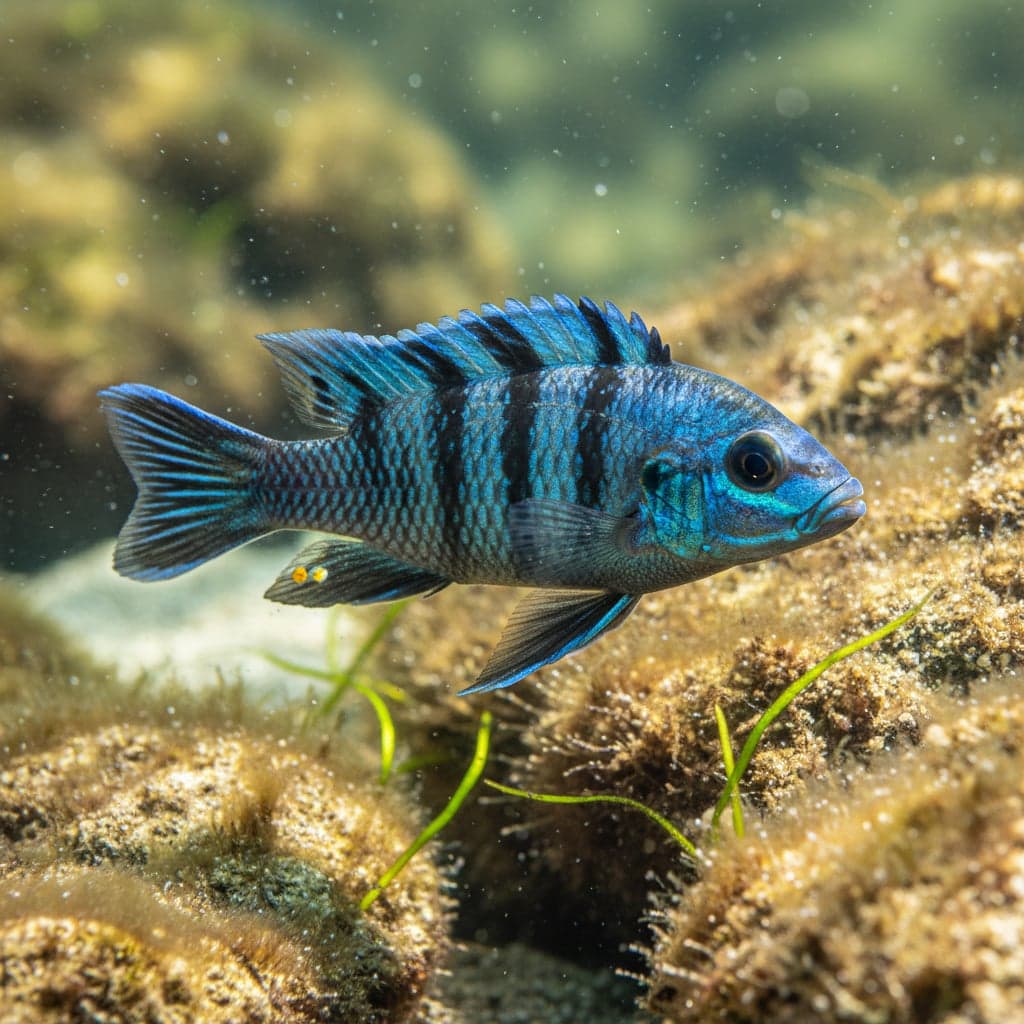
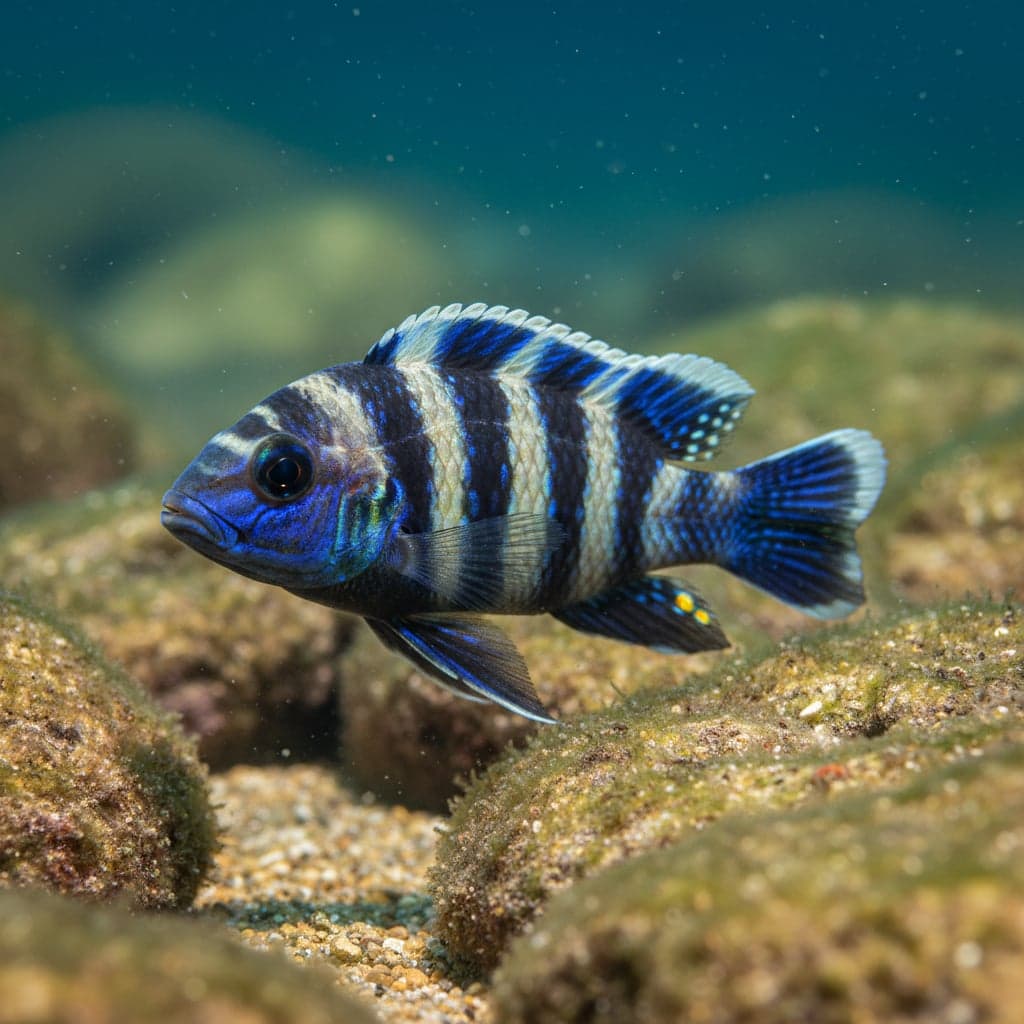
Metriaclima esterae 'Minos Reef': Red/Blue Zebra
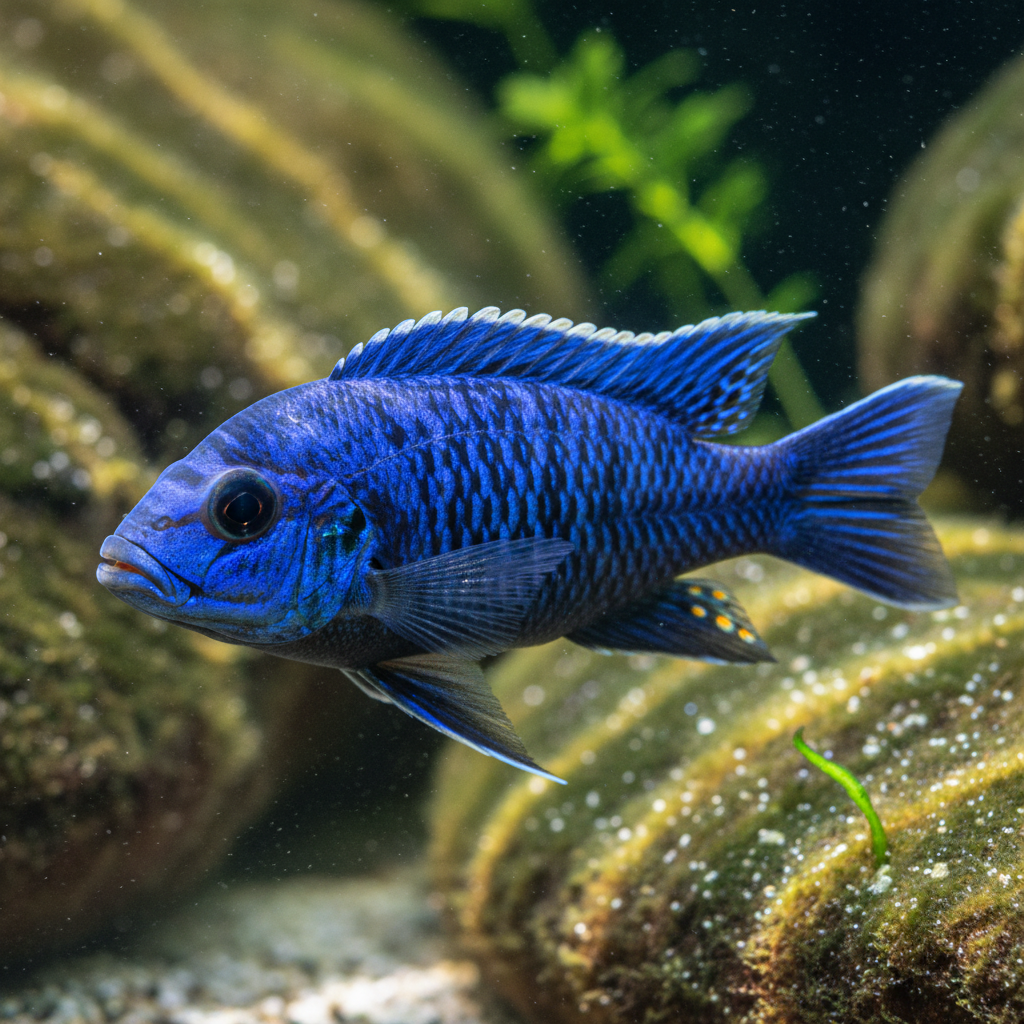
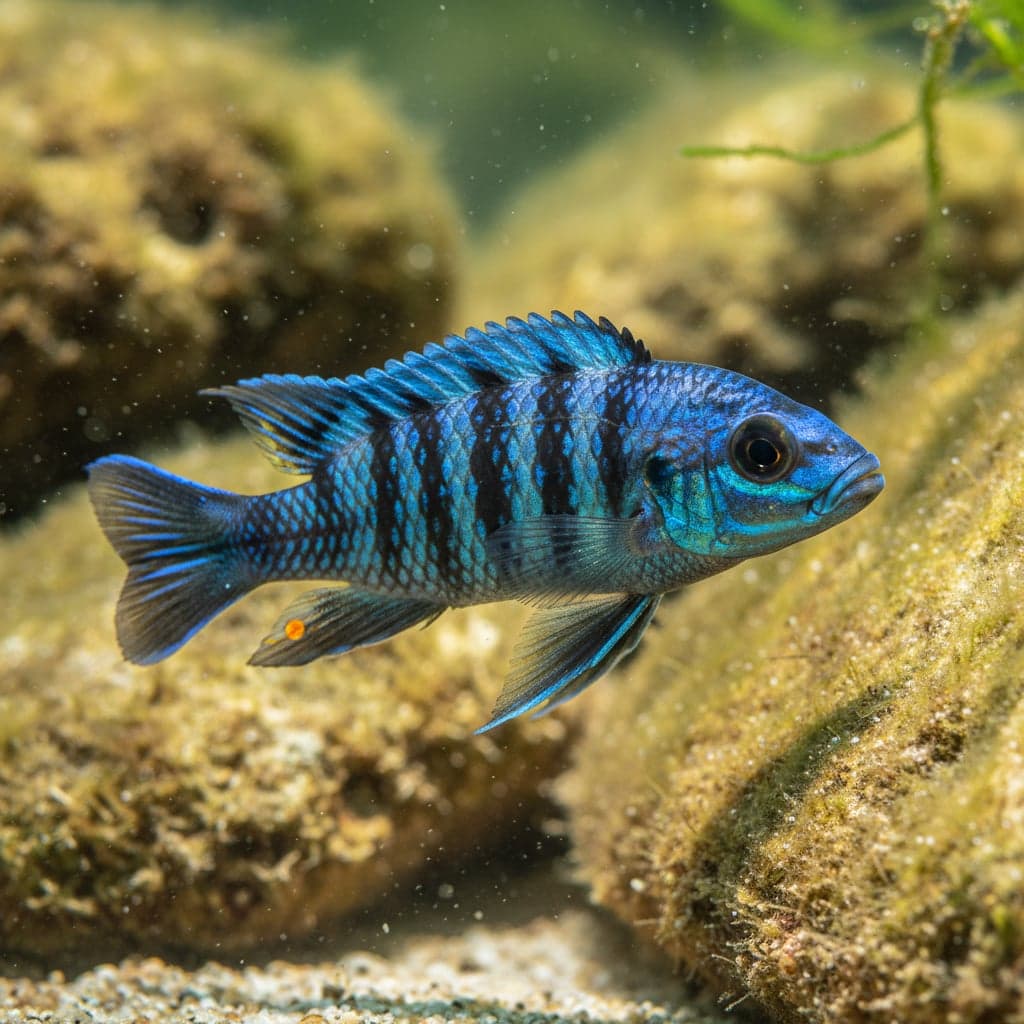
A spectacular, highly aggressive Lake Malawi cichlid where males are powder-blue and females are bright orange.
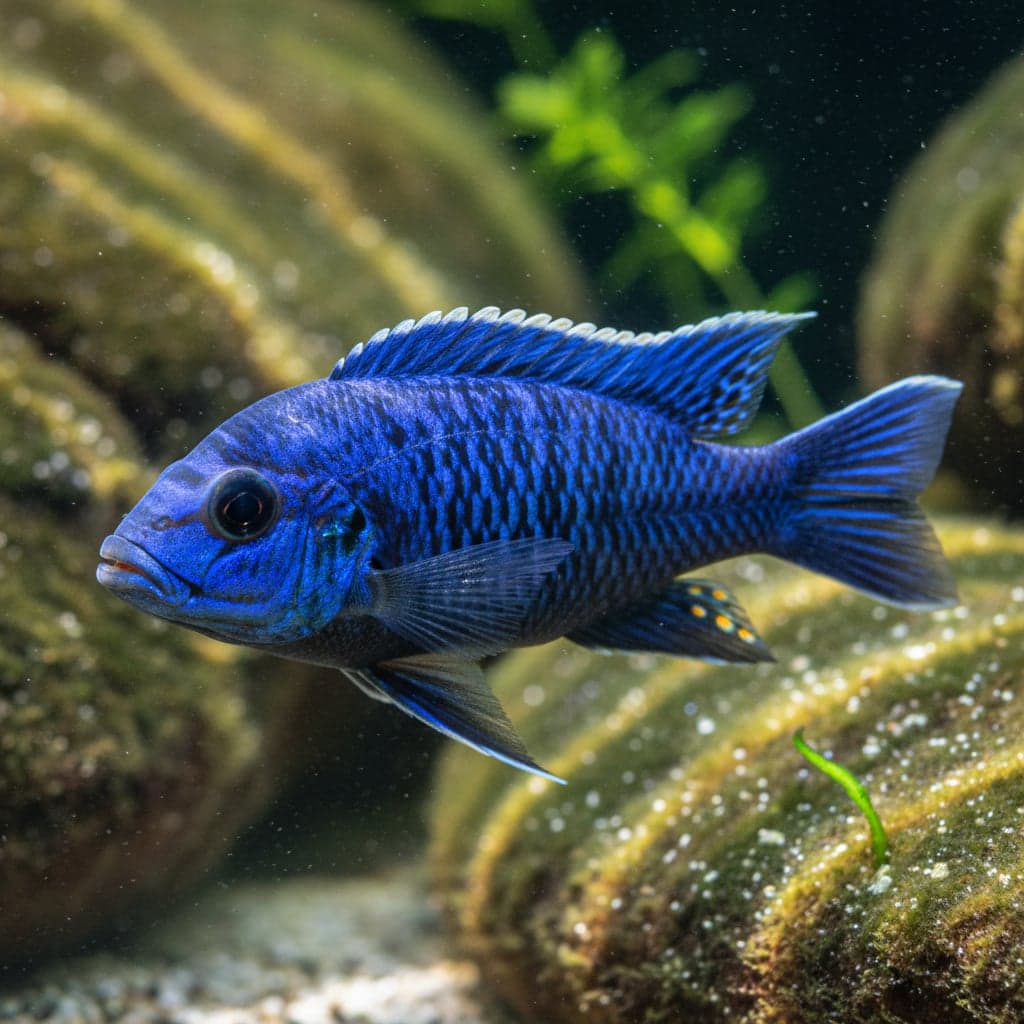
Metriaclima esterae 'Minos Reef'
The Metriaclima esterae 'Minos Reef', commonly known as the Red/Blue Zebra, is a captivating species of cichlid that hails from the stunning waters of Lake Malawi in East Africa. This fish is adored by aquarists not only for its striking coloration—a vibrant mix of red and blue—but also for its unique patterns that have made it a sought-after specimen in the aquarium hobby. With males often displaying a more vivid coloration than females, these fish add a dramatic flair to both community tanks and species-specific setups. Their beauty, combined with a relatively hardy nature, makes them an excellent choice for both novice and experienced aquarists.
Beyond their aesthetic appeal, Metriaclima esterae 'Minos Reef' holds a significant place in the cichlid enthusiast community. As part of the vast diversity of Lake Malawi cichlids, this species represents the fascinating evolutionary processes that have taken place within this ancient lake, contributing to its reputation as a biodiversity hotspot. The care and breeding of these fish can foster a deeper understanding of aquatic ecosystems and the importance of sustainable practices in both wild and captive settings. For those looking to create a stunning aquatic display, the Red/Blue Zebra offers both visual intrigue and a rich narrative connected to their native environment.
Natural Habitat & Origin
Metriaclima esterae 'Minos Reef' is native to the southeastern shores of Lake Malawi, specifically around the Minos Reef area, which provides a unique habitat rich in rocky substrates interspersed with sandy areas. This environment is characterized by clear, mineral-rich water that supports an extensive array of aquatic life. The typical water type is alkaline—indicative of many East African lakes—which means that the Red/Blue Zebra thrives in hard water conditions rich in calcium and magnesium, often leading to a pH level between 7.8 and 8.6.
In their natural habitat, these cichlids are often found in depths of 5 to 15 meters, typically around rocky outcrops. This ecological setting not only offers shelter from predators but also provides ample opportunities for feeding on various microfauna. As they forage among the rocks, the colors of the Metriaclima esterae 'Minos Reef' serve as both camouflage and a means of communication within their species. Understanding this connection to their natural habitat can help aquarists replicate suitable tank conditions for optimal health and vitality.
Care Requirements
To ensure a thriving environment for Metriaclima esterae 'Minos Reef', water parameters must be closely monitored. The ideal pH level ranges between 7.8 and 8.6, with a temperature range of 24°C to 28°C (75°F to 82°F) and a water hardness of 10-20 dGH. A minimum tank size of 75 gallons is recommended to provide adequate swimming space and avoid territorial disputes, especially in a group setting.
When setting up the aquarium, it is essential to use sandy substrates with plenty of rocky formations to mimic their natural habitat. This structure allows the fish to establish territories and provides hiding spots that reduce stress. Lighting should be moderate, as the bright light can cause anxiety in some cichlid species; thus, using floating plants or surface cover can help diffuse brightness. Live plants can be included, but it's advisable to choose robust varieties, as the Red/Blue Zebra may uproot more delicate species during their exploration.
Diet & Feeding
Metriaclima esterae 'Minos Reef' is primarily omnivorous, which means their diet in captivity should reflect this variety. High-quality cichlid pellets should form the basis of their daily feeding routine, providing essential nutrients needed for their growth and coloration. Additionally, supplements of protein-rich foods such as frozen brine shrimp, mysis shrimp, and daphnia can be offered a few times a week to ensure a balanced diet. Live foods are also encouraged as they stimulate natural hunting behaviors and enhance the fish's overall health.
While they can accept flake food, care should be taken to ensure that it is specifically designed for cichlids, as general fish flakes might not meet their dietary needs. It is essential to avoid overfeeding, as these fish have a tendency to become bloated, which can lead to serious health issues. Instead, offering small portions multiple times a day will help keep them healthy and active.
Behavior & Temperament
Metriaclima esterae 'Minos Reef' displays a complex social structure, characterized by territoriality and hierarchical behaviors. Males tend to be more aggressive, especially during breeding seasons, and will establish and defend territories within the tank. It's advisable to keep more females than males in a community setting to help diffuse aggression and create a more balanced social environment.
They are generally not schooling fish, but they do enjoy the company of their kind and can often be seen interacting with one another. The Red/Blue Zebra typically occupies the lower to mid-level of the aquarium, often hovering around rock formations. Providing ample hiding spots will enable them to feel secure and foster a more peaceful community.
Tank Mates
Choosing tank mates for Metriaclima esterae 'Minos Reef' requires careful consideration to ensure compatibility. Ideal companions include other African cichlids that share similar water parameters, such as Labidochromis, Cynotilapia, and Pseudotropheus species. It's crucial to avoid overly aggressive cichlid species, particularly those that could dominate the environment or impose stress, such as larger Mbuna cichlids.
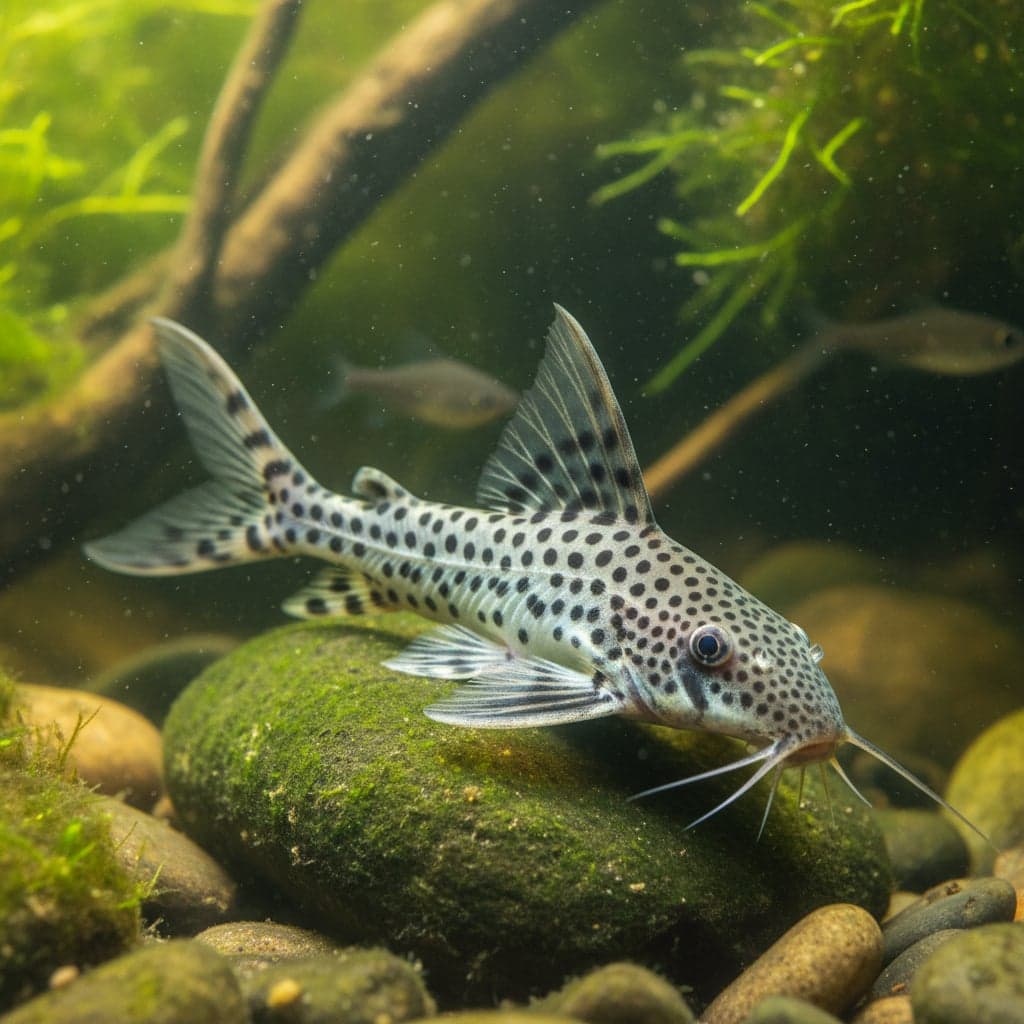
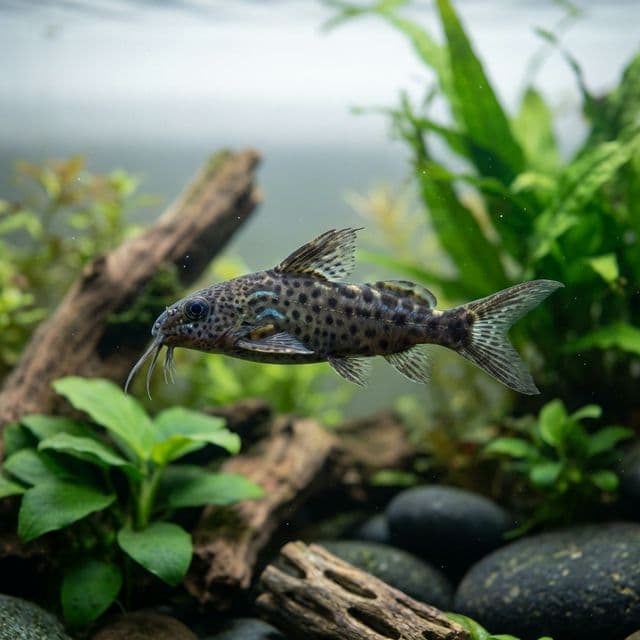
Moreover, peaceful bottom-dwelling species like catfish (e.g., Synodontis) and certain types of loaches can coexist well as long as they are large enough to avoid becoming targets of aggression. Small, delicate fish or species that occupy the same vertical space as the Red/Blue Zebra, such as tetras or rasboras, should be avoided due to the threat posed by cichlid territoriality.
Breeding
Breeding Metriaclima esterae 'Minos Reef' in captivity can be a rewarding experience, but it requires specific environmental conditions. These cichlids exhibit mouthbrooding behavior, where the female incubates fertilized eggs in her mouth until they hatch. To encourage breeding, a separate breeding tank with a sandy substrate and plenty of rocky caves is recommended to provide a suitable environment for the female to feel secure.
Conditioning the breeding pair with a varied diet high in protein will promote breeding activity. Once they spawn—typically laying around 20 to 40 eggs—the female will pick them up immediately, holding them in her mouth for about three weeks until they hatch. Maintaining stable water conditions and ensuring minimal disturbance during this period are crucial for successful breeding. After hatching, the fry can be released into a grow-out tank once they are free-swimming.
Common Health Issues
While Metriaclima esterae 'Minos Reef' is generally hardy, they are still vulnerable to several common health issues associated with cichlids. These include ich (whitespot disease), fin rot, and Malawi bloat, which can be exacerbated by stress, poor water quality, or inadequate diet. Regular water testing and maintenance should be employed to prevent such diseases.
To minimize health risks, it's important to feed a vegetable-based Malawi diet, avoid overfeeding, and maintain hard, alkaline water with strong circulation. Quarantine new fish and watch for bloat symptoms such as loss of appetite or swollen abdomens. Stable parameters and managed aggression keep Metriaclima esterae 'Minos Reef' colorful and healthy for years. High nitrates, stale food, or too little vegetable matter are common bloat triggers, so prioritize fresh spirulina-based foods and frequent small water changes.