Red Rainbowfish: Glossolepis incisus
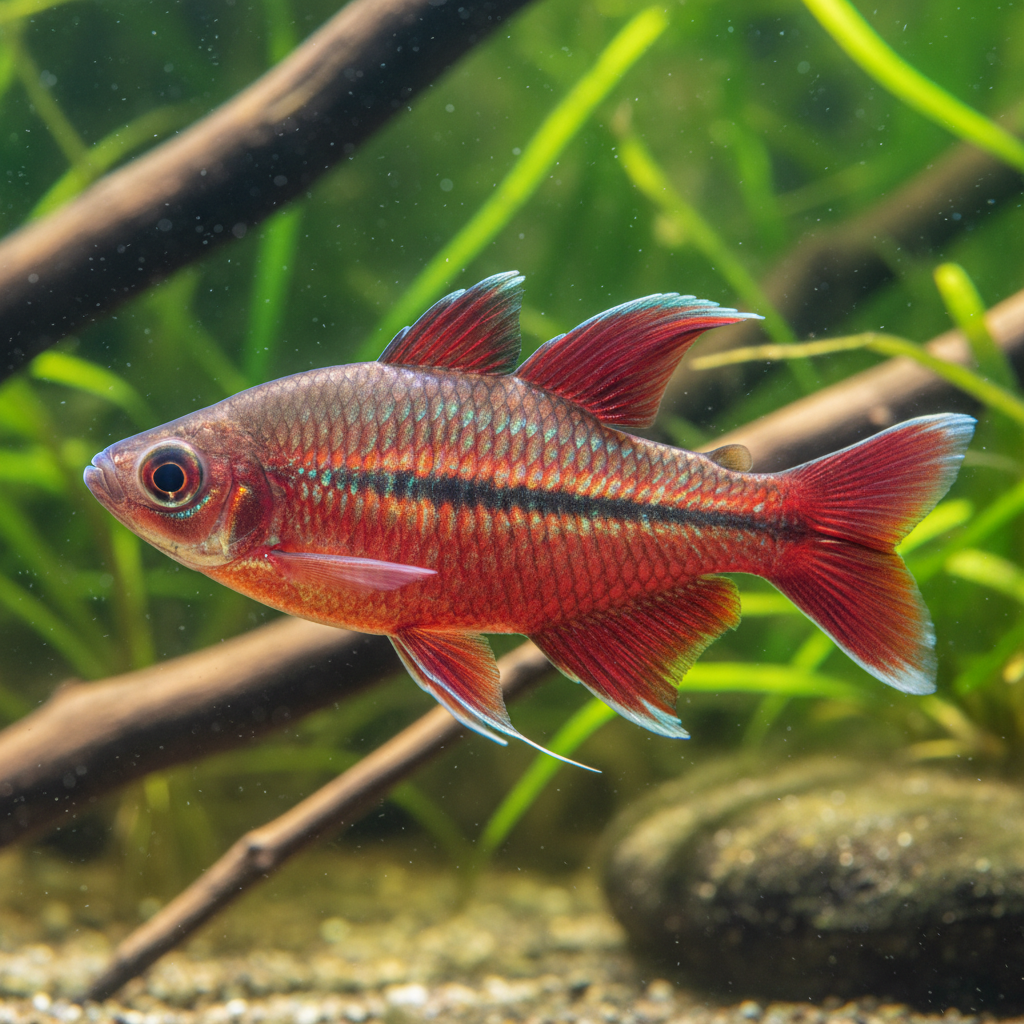
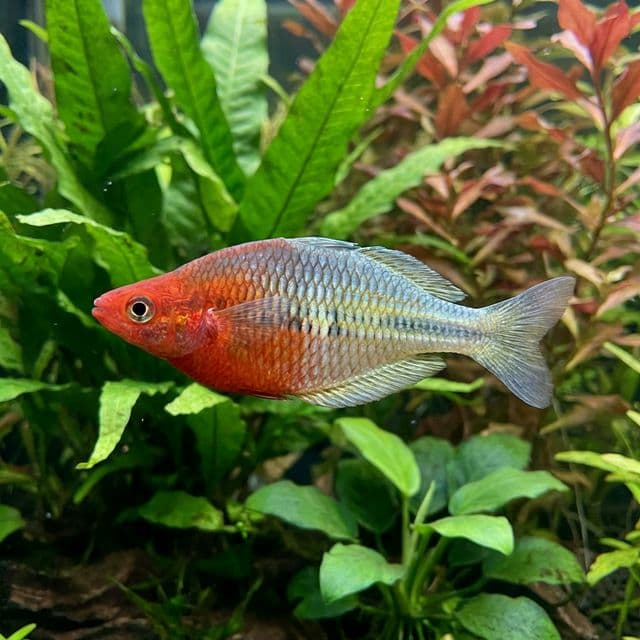
A magnificent, deep-bodied schooling fish from New Guinea where adult males turn completely solid, blood-red.
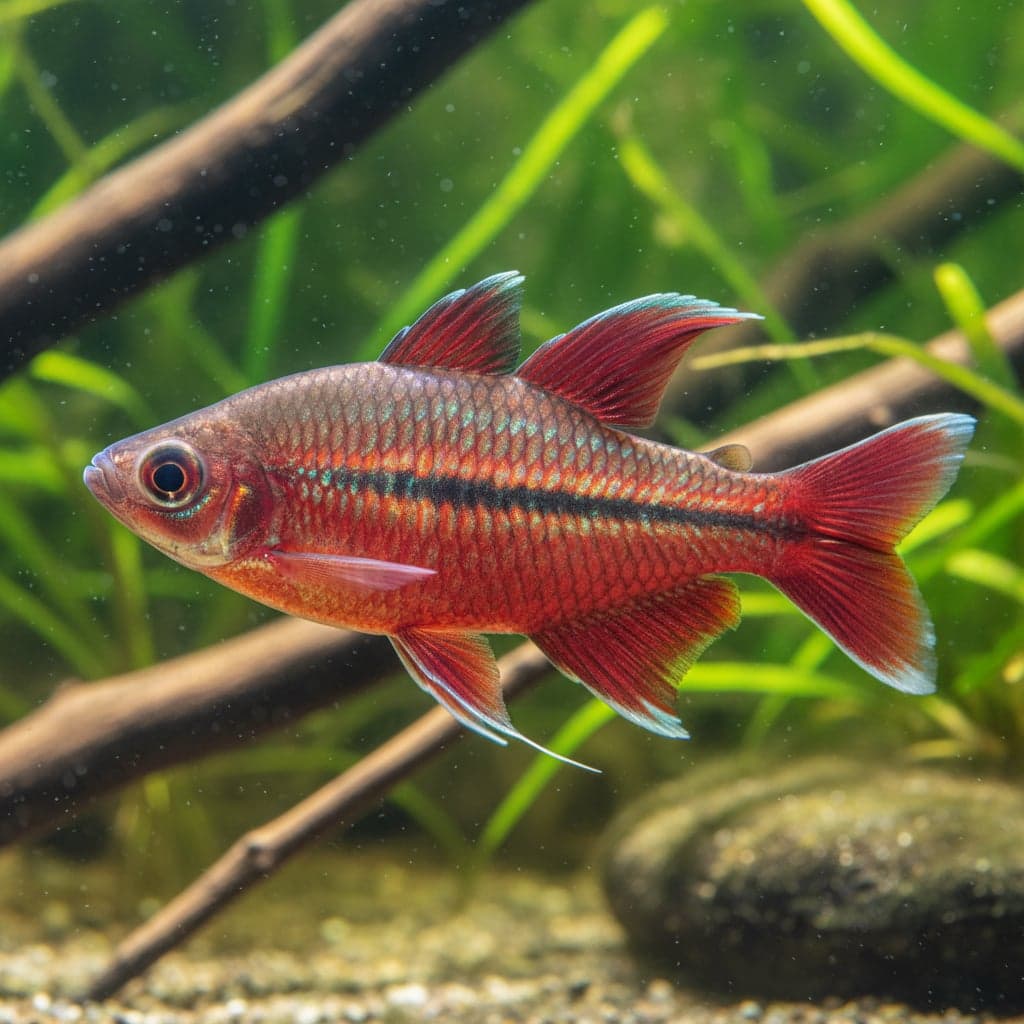
Red Rainbowfish
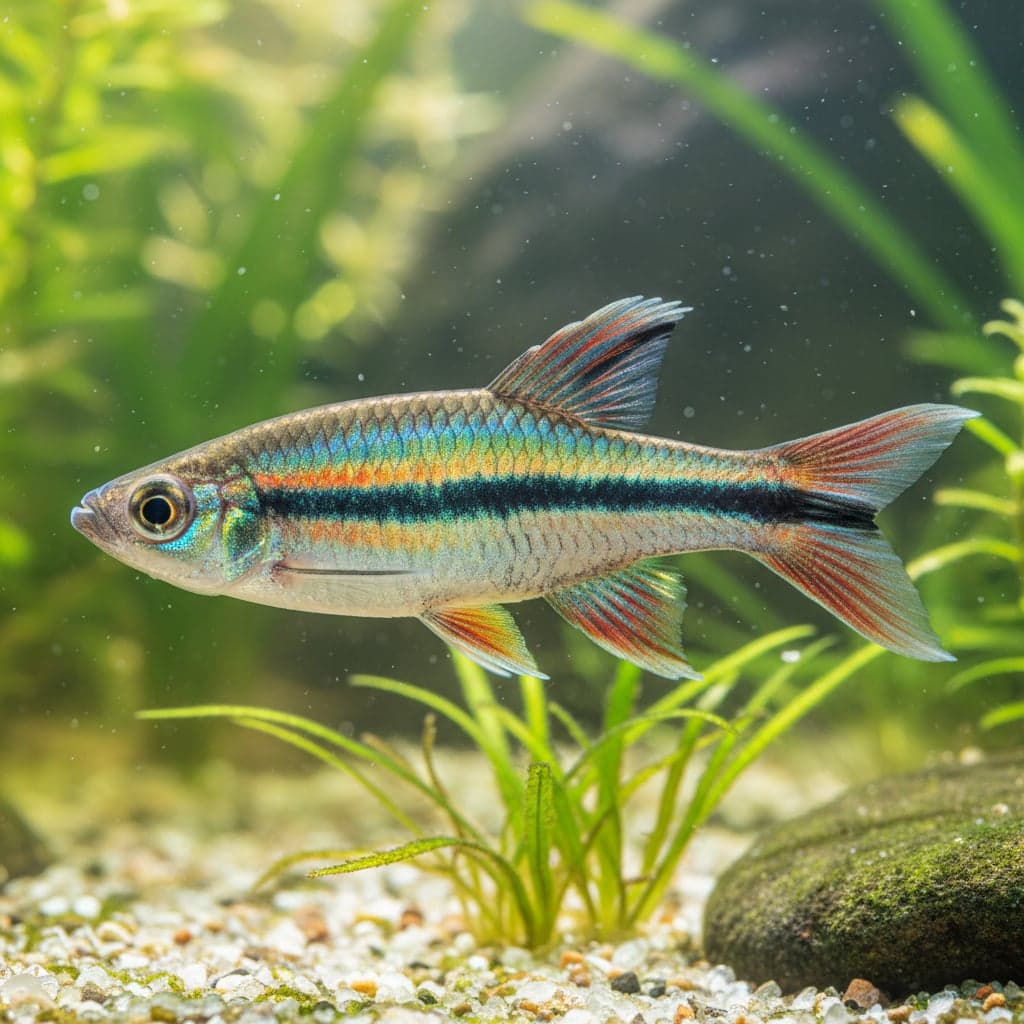
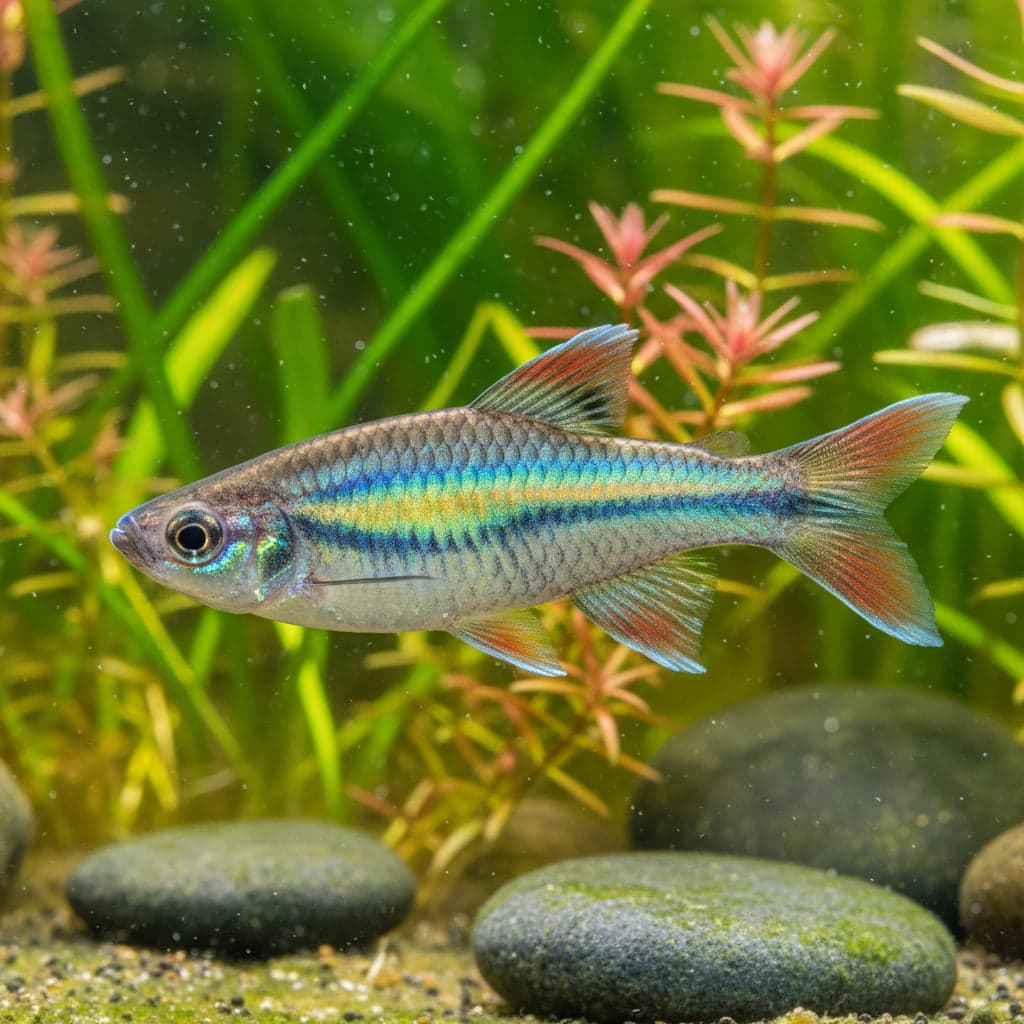
The Red Rainbowfish, scientifically known as Glossolepis incisus, is a vibrant freshwater species native to the lush waters of Papua New Guinea. Known for their striking colors, these fish exhibit a stunning array of shades ranging from brilliant reds and oranges to shimmering blues, particularly in males, which flash their colors during mating displays. The visual appeal of the Red Rainbowfish makes it a favorite among aquarists seeking to add dynamic color to their tanks. Their unique shape and lively swimming patterns further enhance their charm, captivating both novice and experienced fish keepers alike.
Beyond their aesthetic qualities, Red Rainbowfish hold significance in the aquarium hobby for their hardiness and adaptability. They are well-suited for community tanks and can thrive in various conditions, making them an excellent choice for aquarists looking to explore the vibrant world of freshwater fishkeeping. Their availability and popularity have led to responsible breeding practices both in captivity and through sustainable wild collection, ensuring that this species continues to flourish within the aquarium trade while maintaining natural populations in their native habitat.
Natural Habitat & Origin
The natural habitat of the Red Rainbowfish is primarily found in the freshwater streams and rivers of Papua New Guinea and Indonesia. These fish are commonly located in regions with clear, clean water, often amidst dense vegetation and submerged roots. The gentle currents and the presence of various plant species provide a secure environment where they thrive. The water in these habitats is typically slightly acidic to neutral, with a pH range of around 6.5 to 7.5, and can vary in temperature from approximately 22°C to 28°C (72°F to 82°F).
In addition to their geographical origin, the environmental context plays a critical role in their behavior and care. The natural waters where they are found can be low in minerals, hence modeling a similar environment in captivity with soft to moderately hard water can significantly benefit their overall health. These aspects of their habitat contribute to their vibrancy and activity levels, which are essential to consider when creating an aquarium environment that encourages natural behaviors.
Care Requirements
Caring for Red Rainbowfish requires attention to specific water parameters and tank setup. They thrive in well-filtered tanks with stable water conditions. Ideal pH levels should range from 6.5 to 7.5, with a water temperature between 24°C and 28°C (75°F to 82°F). Hardness levels should ideally be between 5 to 15 dGH. Maintaining these parameters is essential for their long-term health and vibrancy.
When setting up the tank, a minimum size of 75 liters (20 gallons) is recommended to accommodate a small school of these active swimmers. A sandy or fine gravel substrate mimics their natural environment and is ideal for anchoring plants. Lighting should be moderate to bright, promoting plant growth and enhancing their coloration. Incorporating a variety of aquatic plants, particularly those that provide hiding spots such as Vallisneria or Java Moss, alongside open swimming areas, caters to their needs and mimics their natural habitat.
Diet & Feeding
The Red Rainbowfish is an omnivorous species, enjoying a diverse diet that includes both plant and animal matter. In captivity, it is essential to provide a varied diet to maintain their health and color vibrancy. High-quality flake food can serve as a staple; however, supplementing their diet with freeze-dried or frozen foods like brine shrimp, daphnia, and bloodworms is highly beneficial. Offering blanched vegetables, such as spinach or peas, alongside spirulina-based foods encourages natural foraging behavior and enhances their overall well-being.
Feeding frequency can be two to three times a day, ensuring that only the amount they can consume in a few minutes is provided. This approach prevents water quality issues while ensuring they receive the necessary nutrients for growth and color enhancement.
Behavior & Temperament
Red Rainbowfish are known for their peaceful nature, making them suitable for community tanks. They exhibit schooling behavior, preferring to be kept in groups of six or more individuals to feel secure and display more natural behaviors. Within their social structure, males may display territoriality, especially during mating seasons, but they are generally non-aggressive towards tank mates. They tend to occupy the mid to upper levels of the aquarium, adding vertical dynamicity to the tank's movement and overall aesthetic.
Tank decorations and spatial arrangements should encourage swimming freely, but it's also essential to have adequate hiding spots to help reduce potential stress induced by over-competition or territorial displays. Observing their social interactions can offer insights into their mood and well-being, highlighting the importance of maintaining a balanced community environment.
Tank Mates
Selecting compatible tank mates for Red Rainbowfish enhances the community feel of the aquarium while reducing stress levels among all inhabitants. Ideal companions include other peaceful fish such as small tetras (e.g., Neon Tetras and Rummy-Nose Tetras), Corydoras catfish, and various types of Rasboras, as they share similar water parameters and temperaments. Larger communities of these species can create a vibrant display while ensuring adequate space and resources.
Conversely, it is advisable to avoid keeping Red Rainbowfish with aggressive or overly large species such as Cichlids or large barbs that may harass them. Fast-moving or fin-nipping fish should also be avoided to prevent stress and potential injuries among the Red Rainbowfish. Maintaining a balanced community of compatible species is pivotal for the success of a harmonious aquarium environment.
Breeding
Breeding Red Rainbowfish in captivity can be a rewarding venture, but it requires specific conditions to ensure successful spawning. To trigger breeding behavior, a separate breeding tank with a capacity of at least 40 liters (10 gallons) is recommended. This tank should be well-planted with fine-leaved plants, providing spawning sites and cover for the eggs. The water conditions should mimic their natural habitat, with a pH of around 6.5 to 7.0 and a slightly warmer temperature of 26°C to 28°C (79°F to 82°F) to encourage breeding.
Spawning typically occurs in the morning, where males will display vibrant colors to attract females. After the female lays eggs, it's prudent to remove adult fish from the breeding tank, as they may consume their offspring. The eggs will hatch within 7 to 10 days, and it is crucial to feed the fry with finely crushed flakes or specialized fry food to promote healthy growth. With patience and proper conditions, bred Red Rainbowfish can contribute to the long-term sustainability of this captivating species.
Common Health Issues
Like many fish, Red Rainbowfish may be prone to specific health issues that can affect their well-being. Common diseases include Ich (Ichthyophthirius multifiliis), a parasitic infection that causes white spots on the skin and fins; fin rot, often associated with poor water quality or stress; and velvet disease caused by a protozoan parasite. Preventive measures include maintaining stable water conditions, ensuring good tank hygiene, and practicing regular water changes.
Stress management is also vital; avoid overcrowding and ensure that tank mates are compatible to minimize aggression and competition. Regular health check-ups and observing feeding behaviors can also help identify potential issues early. Quick intervention through appropriate treatments—such as medicated foods or quarantine—is essential when health concerns arise, ensuring the vitality of your Red Rainbowfish and the overall aquarium.