The Red Zebra Cichlid: Maylandia estherae
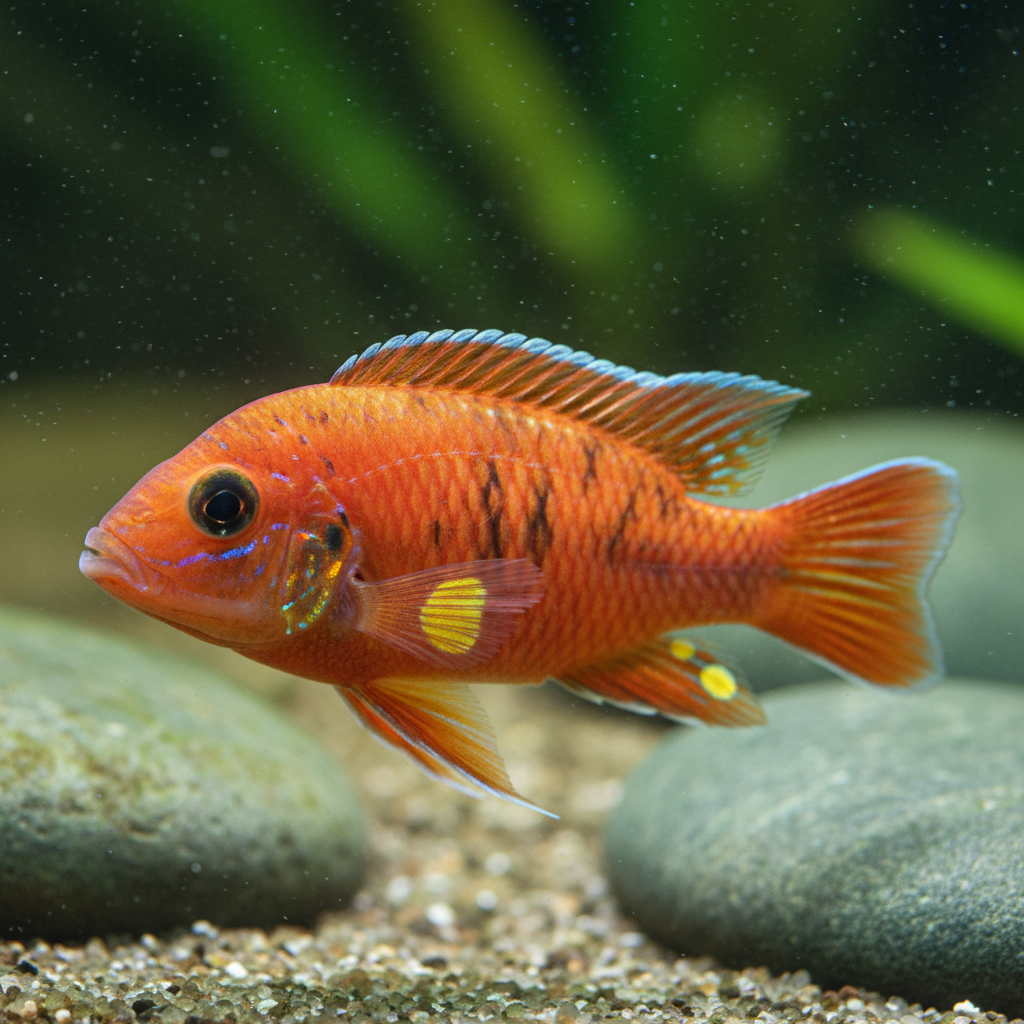
A classic Mbuna with a brilliant orange-red coloration. A robust and boisterous fish that adds a fiery pop of color to Malawi setups.

Red Zebra Cichlid
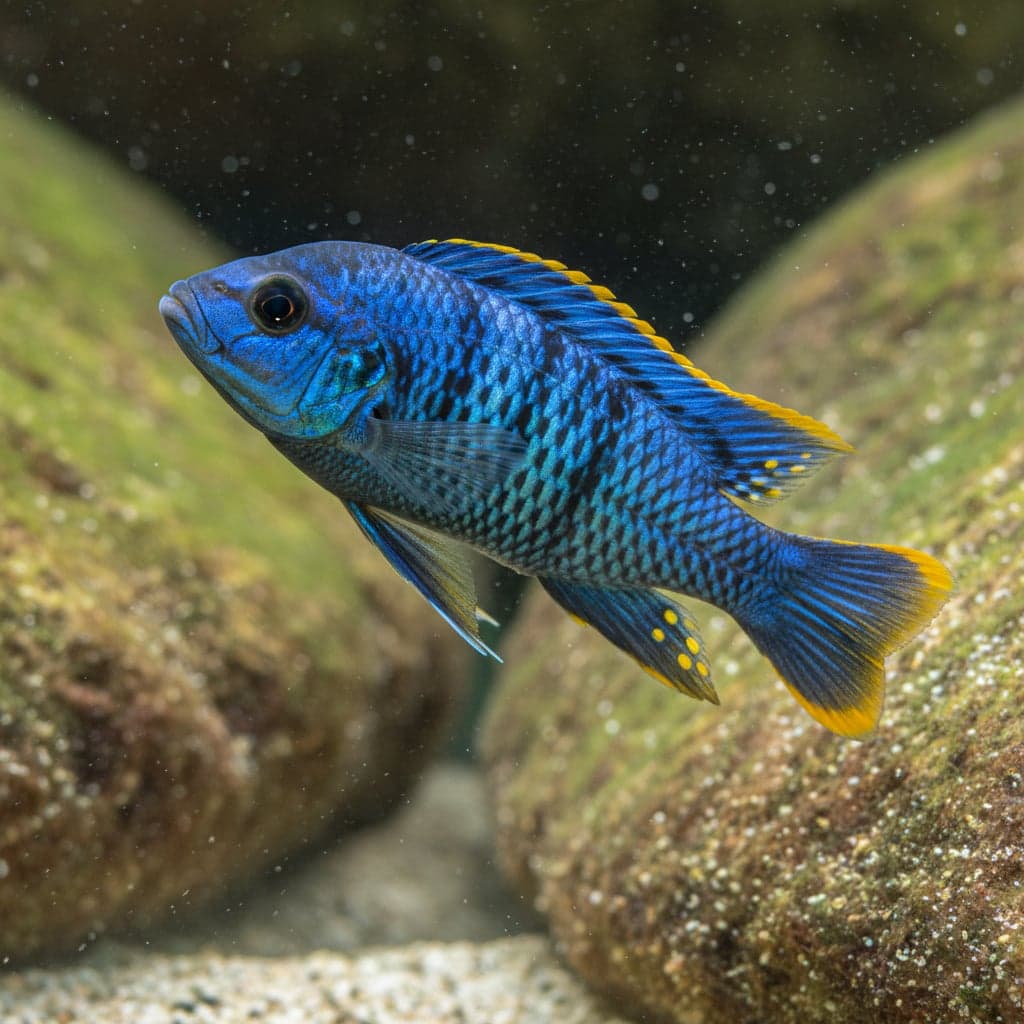
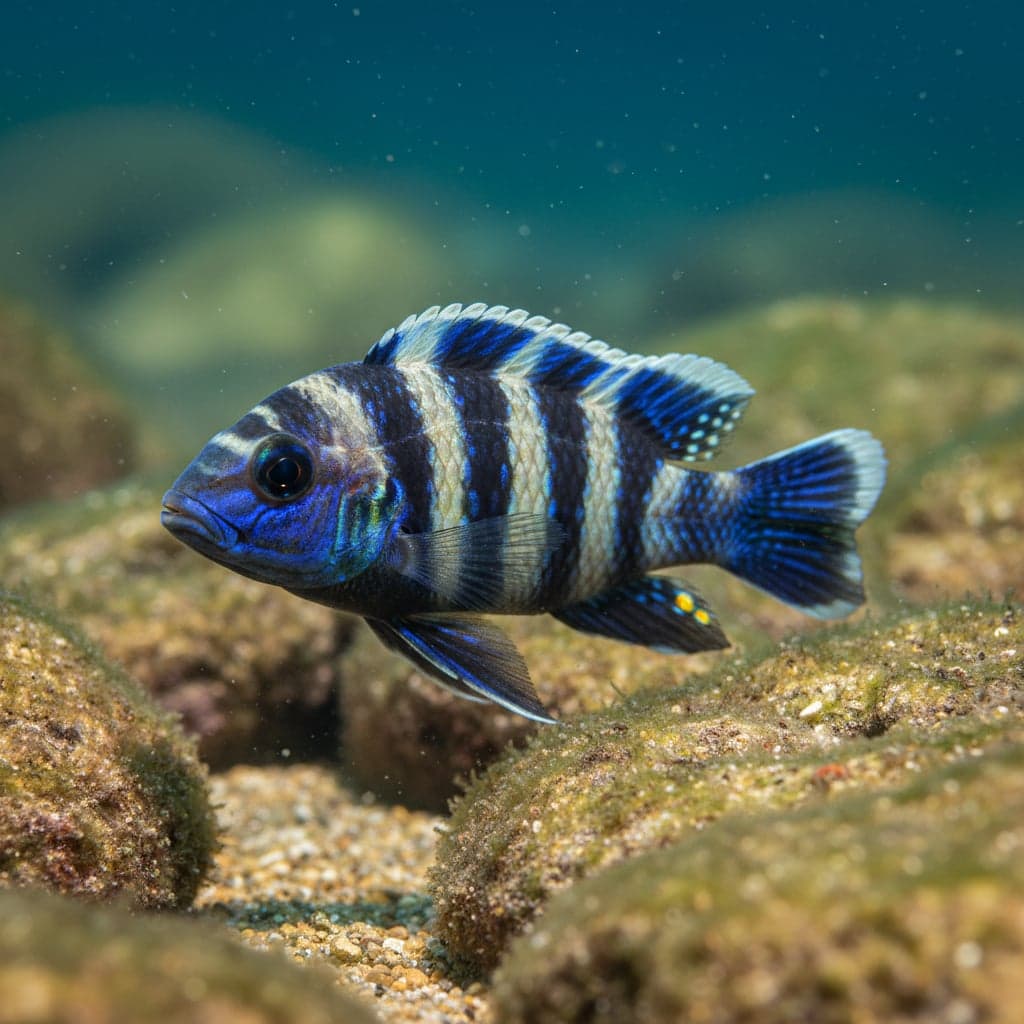
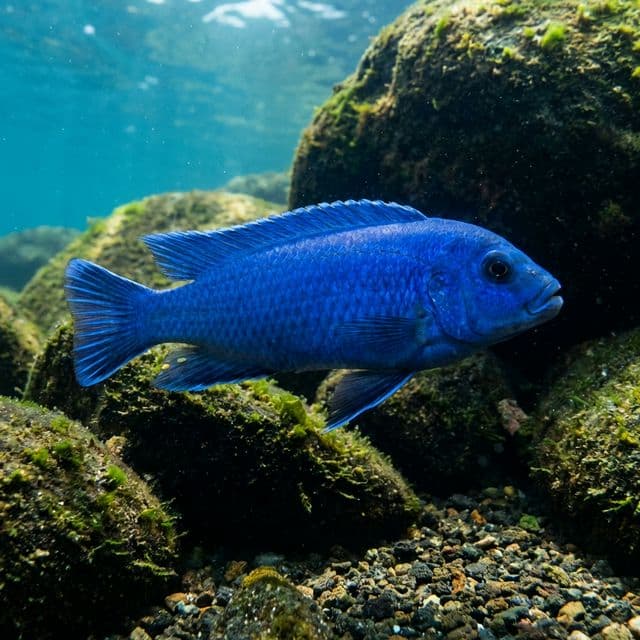
The Red Zebra Cichlid, scientifically known as Maylandia estherae, is a strikingly colorful freshwater fish that has captured the attention of aquarists around the globe. Known for its vibrant hues that range from deep red to orange, this fish displays a unique blend of beauty and personality that makes it a favorite among hobbyists. The Red Zebra Cichlid's appearance is characterized by its slender body, pronounced dorsal fin, and vertical stripes that can vary from solid coloration to banding. This visual appeal is complemented by its lively behavior, making it a centerpiece in any freshwater aquarium.
Significantly, the Red Zebra Cichlid is not just a fish of beauty, but also holds importance within the aquarium hobby due to its hardiness and captivating nature. Originating from the African Great Lakes, particularly Lake Malawi, this species embodies the dynamic aquatic life of biotopes that reside among rocky substrates. With the right care, these cichlids can thrive in captivity, allowing aquarists to appreciate firsthand the intricate social behaviors and striking appearances that make this fish such a popular choice.
Natural Habitat & Origin
The Red Zebra Cichlid is native to the rocky shores of Lake Malawi in East Africa. This lake boasts crystal-clear waters that are rich in minerals, providing a perfect environment for a myriad of fish species. The areas where Red Zebra Cichlids are found typically feature rocky substrates, which offer ample hiding places and breeding sites. The water in Lake Malawi is generally alkaline with a typical pH range of 7.5 to 8.5, moderate hardness, and temperatures that range from 23°C to 28°C (73°F to 82°F). Understanding its natural habitat is crucial for replicating conditions in a home aquarium, ensuring the health and well-being of these vibrant fish.
Care Requirements
To maintain the health of the Red Zebra Cichlid, specific water parameters must be adhered to. Ideal conditions include a pH range of 7.5 to 8.5, with a temperature set between 24°C and 28°C (75°F to 82°F) and a hardness level of 10-20 dGH. When setting up the aquarium, a minimum tank size of 30 gallons is recommended, as these fish require adequate space to establish territories. The tank should be decorated with rocky structures and caves, mimicking their natural environment, and a sandy or fine gravel substrate works well to protect their delicate fins. Additionally, moderate to bright lighting can enhance the vibrant coloring of the Red Zebra Cichlid, while live or artificial plants can be added to soften the landscape and provide hiding spots.
Diet & Feeding
The Red Zebra Cichlid is an omnivore, with a diet that balances plant and animal matter. In captivity, their diet should consist of high-quality flake foods, cichlid pellets, and the occasional frozen or live foods, including brine shrimp and bloodworms. It is essential to provide a varied diet to promote vibrant coloration and vigorous health, ensuring that the nutritional needs are met. Additionally, incorporating vegetable matter, such as spirulina and blanched zucchini, can be beneficial. Feeding them 2 to 3 times a day in smaller portions helps prevent overfeeding and maintains water quality.
Behavior & Temperament
Known for their dynamic behavior, Red Zebra Cichlids typically exhibit a semi-aggressive temperament, especially during breeding or when establishing territory. While they are not schooling fish, they do prefer to be in groups, allowing them to exhibit natural social interactions. These cichlids tend to occupy the middle and bottom layers of the aquarium, often claiming hiding spots and rocky structures as their own. Observing their social behavior can be fascinating, as they engage in displays of dominance and courtship, especially in mixed-sex groups.
Tank Mates
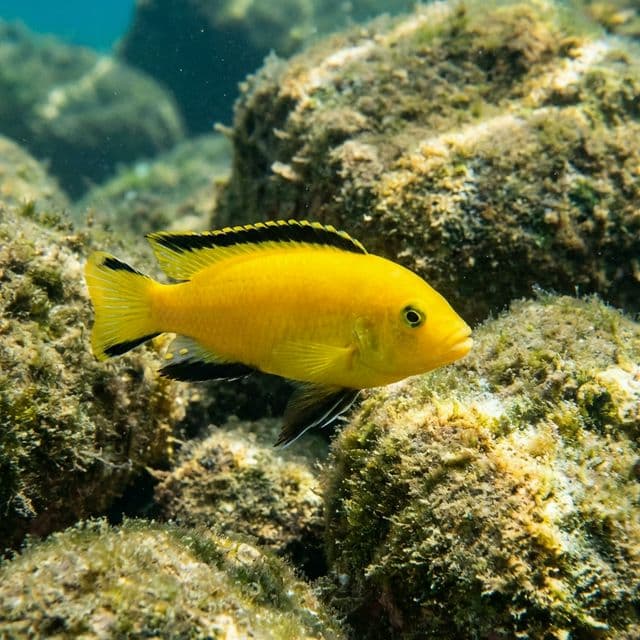
When selecting tank mates for the Red Zebra Cichlid, it's essential to choose species that can tolerate similar water parameters and exhibit compatible behavior. Suitable tank mates include other Cichlids from Lake Malawi, such as the Yellow Lab (Labidochromis caeruleus) and the Demasoni Cichlid (Pseudotropheus demasoni). Other possible companions are smaller fish like the Rainbowfish, but caution is advised. Tank mates to avoid include peaceful species like tetras and guppies, which may become targets for the cichlid's territorial aggression, as well as larger, more aggressive species that could intimidate or harm the Red Zebra.
Breeding
Breeding the Red Zebra Cichlid can be a rewarding experience for aquarists willing to replicate their natural spawning conditions. They are mouthbrooders, meaning the female will carry the fertilized eggs in her mouth until they hatch. Providing a breeding environment with plenty of hiding spots and rocky structures encourages breeding behavior. A separate breeding tank can further ensure the safety of the fry. The female usually lays up to 30-60 eggs on a flat rock, where the male fertilizes them. Once the eggs hatch, the female will continue to protect the fry in her mouth for several weeks. It's vital to provide nutritious food for both the parents and the fry, often incorporating finely crushed flakes or powdered foods.
Common Health Issues
Like many fish species, the Red Zebra Cichlid can be prone to specific health issues, particularly if water quality is not monitored closely. Common ailments include ich (whitespot disease), fin rot, and various bacterial infections. Prevention is key, focusing on maintaining optimal water parameters, performing regular water changes, and ensuring proper tank cleanliness. Additionally, ensuring a balanced diet and monitoring the social dynamics in the tank can help mitigate stress-related health problems. This vigilance will contribute to a thriving aquarium environment where Red Zebra Cichlids can flourish.