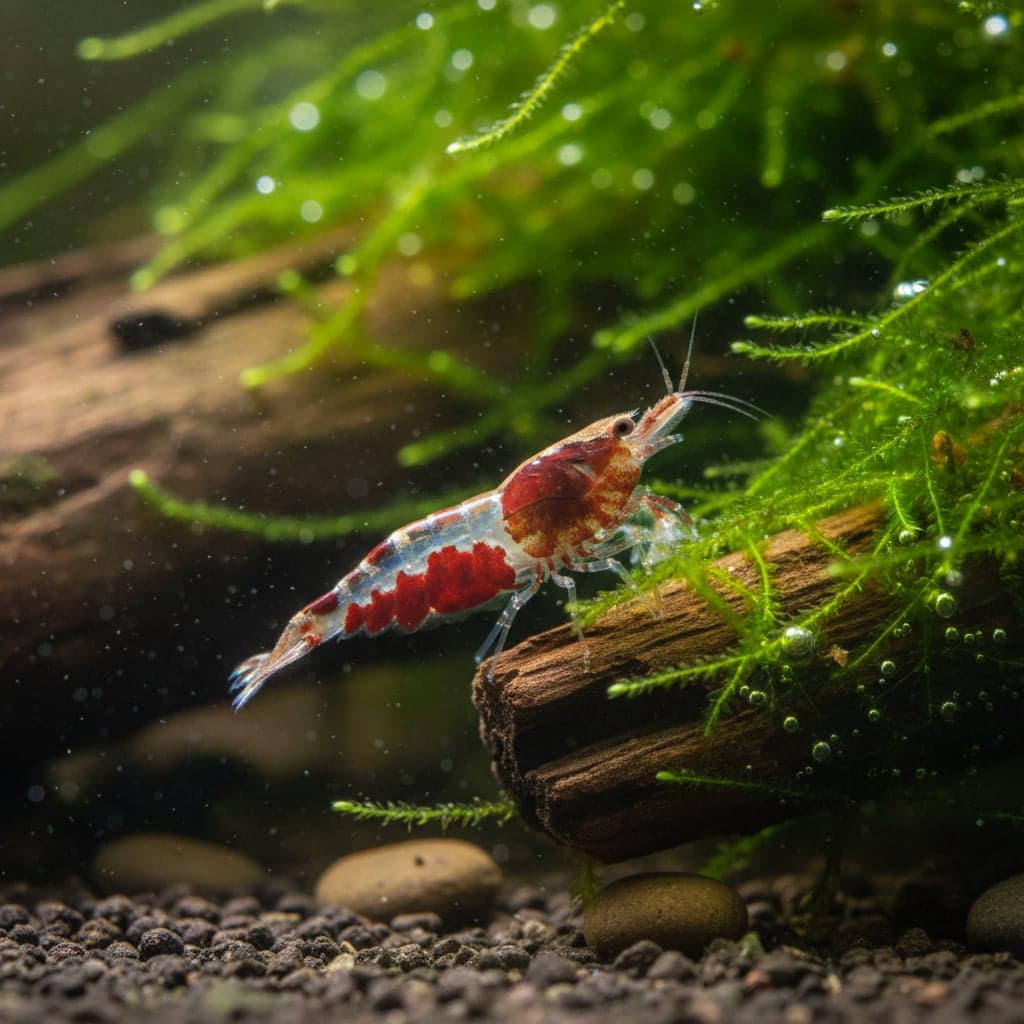
Rili Shrimp: Neocaridina davidi
A brilliantly patterned, incredibly hardy freshwater dwarf shrimp featuring totally transparent bands wrapped around solid colors.
Rili Shrimp
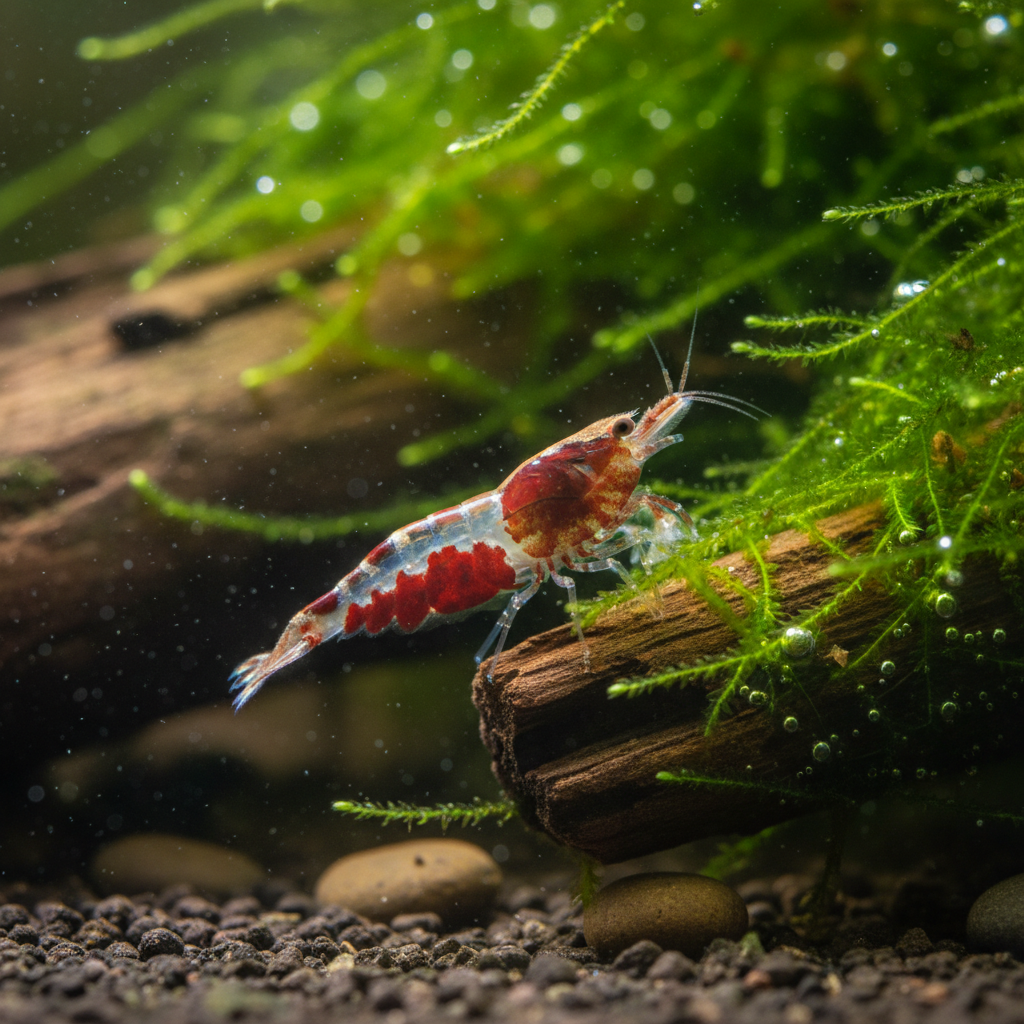
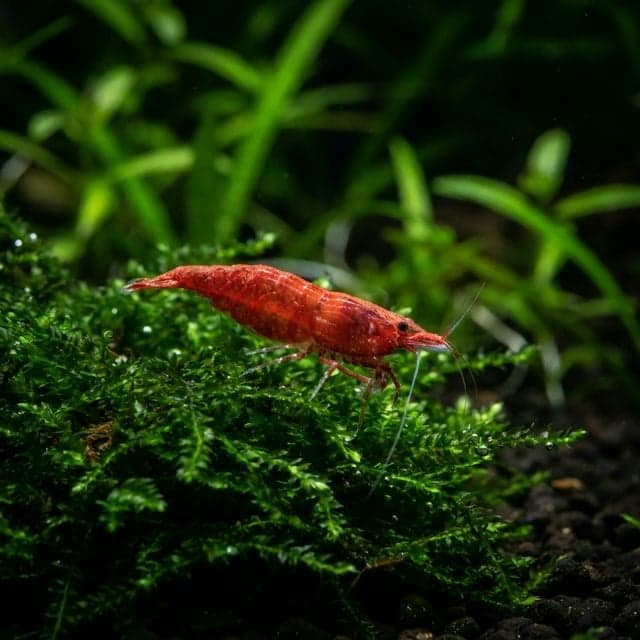
The Rili Shrimp, scientifically known as Neocaridina davidi, is a delightful freshwater dwarf shrimp that has captivated aquarists around the globe. Characterized by its stunning coloration, which often features a translucent body adorned with vivid blue or red patterns segmenting its abdomen, the Rili Shrimp brings a splash of vibrance to any aquarium setting. Their visual appeal is anchored in their unique aesthetic; the combination of striking hues against a semi-transparent body offers both contrast and elegance that enhances aquascapes. With a growing popularity, Rili Shrimps symbolize not only beauty but also the intricacies of aquaristics, making them a staple among both novice and seasoned aquarists.
In the context of the aquarium hobby, Rili Shrimp hold significant importance as they contribute to the ecological health of the tank. Beyond their aesthetic value, these shrimp are excellent scavengers, feeding on algae and detritus, thus aiding in waste management within the aquarium environment. Their relatively easy care requirements make them accessible for beginners, while their fascinating behaviors and breeding habits lure in more experienced hobbyists. Whether serving as colorful additions to community tanks or as participants in breeding projects, Rili Shrimp embody the spirit of diversity and interaction that is a hallmark of freshwater aquariums.
Natural Habitat & Origin
Rili Shrimp are native to the freshwater streams and rivers of Taiwan. In their natural habitat, these shrimp can typically be found in well-planted areas with plenty of hiding spots provided by rocks, wood, and aquatic vegetation. They thrive in environments characterized by clear waters, where the presence of plants and organic materials contributes to a thriving microcosm of life. The water conditions in these regions are generally stable, leading to a delicately-balanced ecosystem that supports both their growth and reproduction.
The typical conditions found in their natural environment include moderate temperatures ranging from 22°C to 26°C (72°F to 79°F) and slightly acidic to neutral pH levels, typically between 6.0 to 7.5. The gentle currents of their habitats provide them with well-oxygenated water, which is crucial for their health and development. Understanding these parameters allows aquarists to replicate their native conditions, ensuring that Rili Shrimp flourish in captivity.
Care Requirements
To successfully care for Rili Shrimp, certain water parameters and tank conditions must be maintained. Ideally, the water pH should be kept between 6.0 and 7.5, with a temperature range of 22°C to 26°C (72°F to 79°F). Hardness levels should be on the softer side, between 4 to 12 dGH, to mimic their natural habitat. It is essential to conduct regular water changes to maintain low levels of ammonia and nitrites, as these can be harmful to shrimp.
Regarding tank setup, a minimum tank size of 10 gallons is recommended to accommodate Rili Shrimp comfortably. A well-planted aquarium with a sandy or fine gravel substrate provides ample hiding spots for these shy creatures. Lighting should be moderate to promote plant growth without causing excessive algae accumulation. Incorporating live plants such as Java moss, Anubias, and other aquatic flora not only improves aesthetics but also offers vital shelter and grazing surfaces for the shrimp.
Diet & Feeding
Rili Shrimp are omnivorous scavengers and thrive on a varied diet. Their diet should primarily consist of high-quality shrimp pellets or flakes specifically formulated for invertebrates, which provide essential nutrients. Additionally, supplementing their diet with blanched vegetables such as zucchini, spinach, and carrots can enhance their overall health and vibrancy. Rili Shrimp also benefit from occasional offerings of protein-rich foods like frozen or live foods, including daphnia and brine shrimp, which can promote breeding and growth.
It is vital to avoid overfeeding, as uneaten food can lead to poor water quality. Providing food 2-3 times a week is sufficient, allowing them to scavenge and consume the excess organic matter in the tank. This natural foraging behavior helps maintain a balanced diet and underscores their role as effective tank cleaners.
Behavior & Temperament
Rili Shrimp are known for their peaceful nature and social behavior. They thrive in groups and are best kept in small colonies, as these shrimp exhibit social interactions that can alleviate stress and encourage natural behaviors. Generally, they are non-aggressive and can coexist peacefully with various other species, making them ideal inhabitants for community tanks. Rili Shrimp can often be observed foraging on the substrate and vegetation, enhancing the dynamism of the tank environment.
In terms of vertical placement, Rili Shrimp tend to occupy the lower levels of the aquarium, primarily clinging to plants, substrate, and decorations. They enjoy exploring their surroundings, which makes it essential to provide ample hiding spots while also ensuring sufficient open spaces for them to roam freely. Observing their interactions can offer both entertainment and insights into their well-being.
Tank Mates
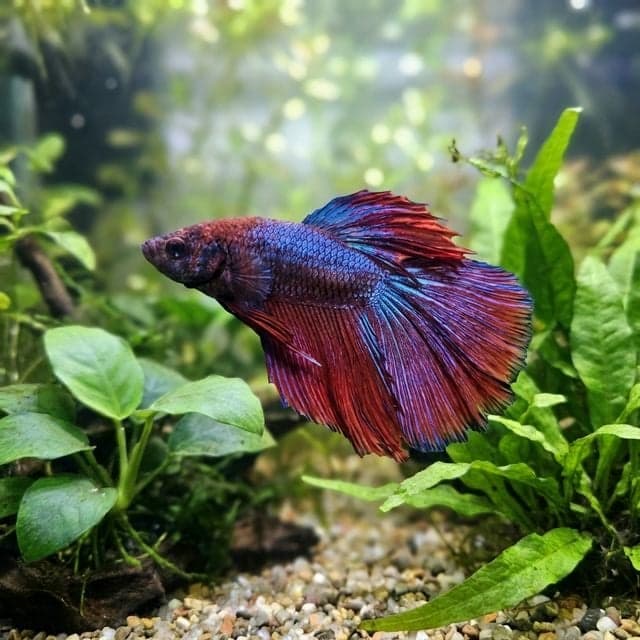
When selecting tank mates for Rili Shrimp, it is crucial to consider their peaceful temperament. Compatible tank mates include small, non-aggressive fish such as neon tetras, guppies, and bettas (specifically male bettas, as they are less likely to harass the shrimp). Other peaceful invertebrates, like African dwarf frogs and other shrimp species, can also coexist harmoniously.
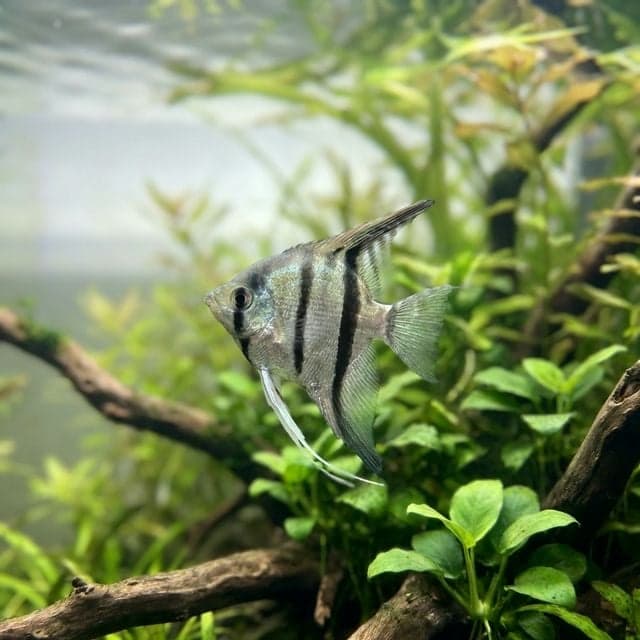
However, several species should be avoided due to their predatory nature or larger size, which may threaten Rili Shrimp. These unsuitable tank mates include larger fish like cichlids, angelfish, and fast-moving species such as certain barbs or catfish that may see shrimp as food. Careful selection of tank mates enhances the overall ecosystem and ensures a thriving community.
Breeding
Breeding Rili Shrimp in captivity is relatively straightforward, as they are prolific breeders. They reproduce through a process known as egg-carrying, wherein females carry fertilized eggs beneath their tails until they hatch. For successful breeding, providing optimal water conditions, safe hiding spots, and a nutritious diet is essential. The presence of stable water parameters, specifically temperatures around 24°C–26°C (75°F–79°F) and consistent pH levels, can substantially impact the breeding process.
After successfully mating, a female will carry her eggs for around 30 days before releasing free-swimming larvae. These larvae are miniature versions of adult shrimp and do not require brackish water to mature, making it simpler for aquarists to rear them. Ensuring that the tank environment is free from aggressive species and providing ample food sources during this period significantly increases the chances of survival for the young Rili Shrimp.
Common Health Issues
While Rili Shrimp are generally hardy, they can be susceptible to specific health issues if not adequately cared for. Common health concerns include bacterial infections, shell rot, and molting problems. Maintaining clean water conditions and avoiding fluctuations in water parameters can prevent these issues. Additionally, proper care during molting periods, when shrimp shed their exoskeletons, is crucial, as they may require additional calcium and stable environments to support healthy growth.
Regular observations of their behavior and physical appearance are important; signs of stress or illness often manifest through lethargy, discoloration, or a hesitant appetite. Prompt intervention through treatment methods or adjustments in tank conditions can often rectify such issues before they escalate into fatal molting failures or systemic infection. Provide mineral-rich water, calcium sources such as cuttlebone or mineral supplements, and avoid copper-based medications that are toxic to invertebrates. Isolate affected shrimp when possible, and remove uneaten food promptly. Watch for failed molts, white ring of death, or sudden stillness after parameter swings. With stable conditions and careful observation, Rili Shrimp remain colorful, active foragers that thrive for months to years in a well-managed planted tank.