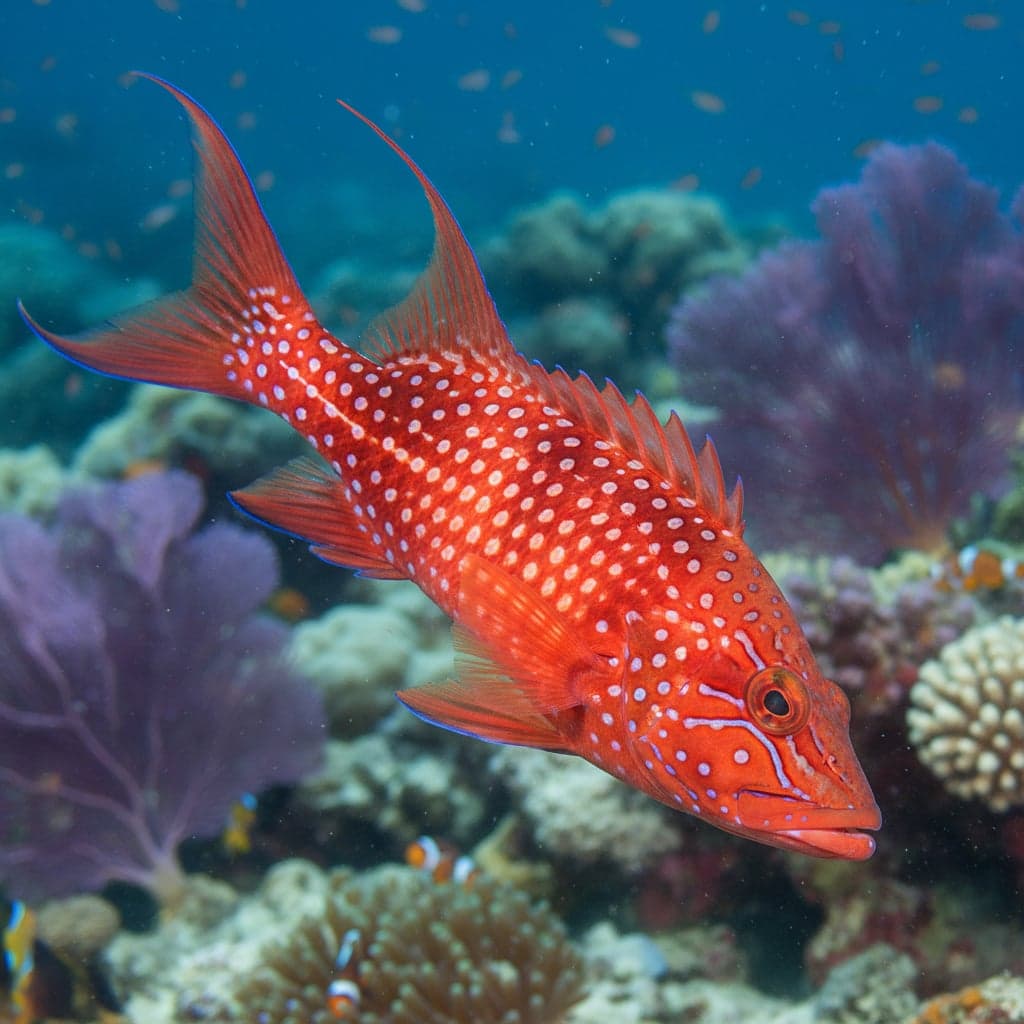
Ring Wrasse
The Ring Wrasse (Hologymnosus annulatus) is a large, fast-swimming Indo-Pacific wrasse — hardy and beautiful, but active, semi-aggressive and a predator of invertebrates.

Ring Wrasse
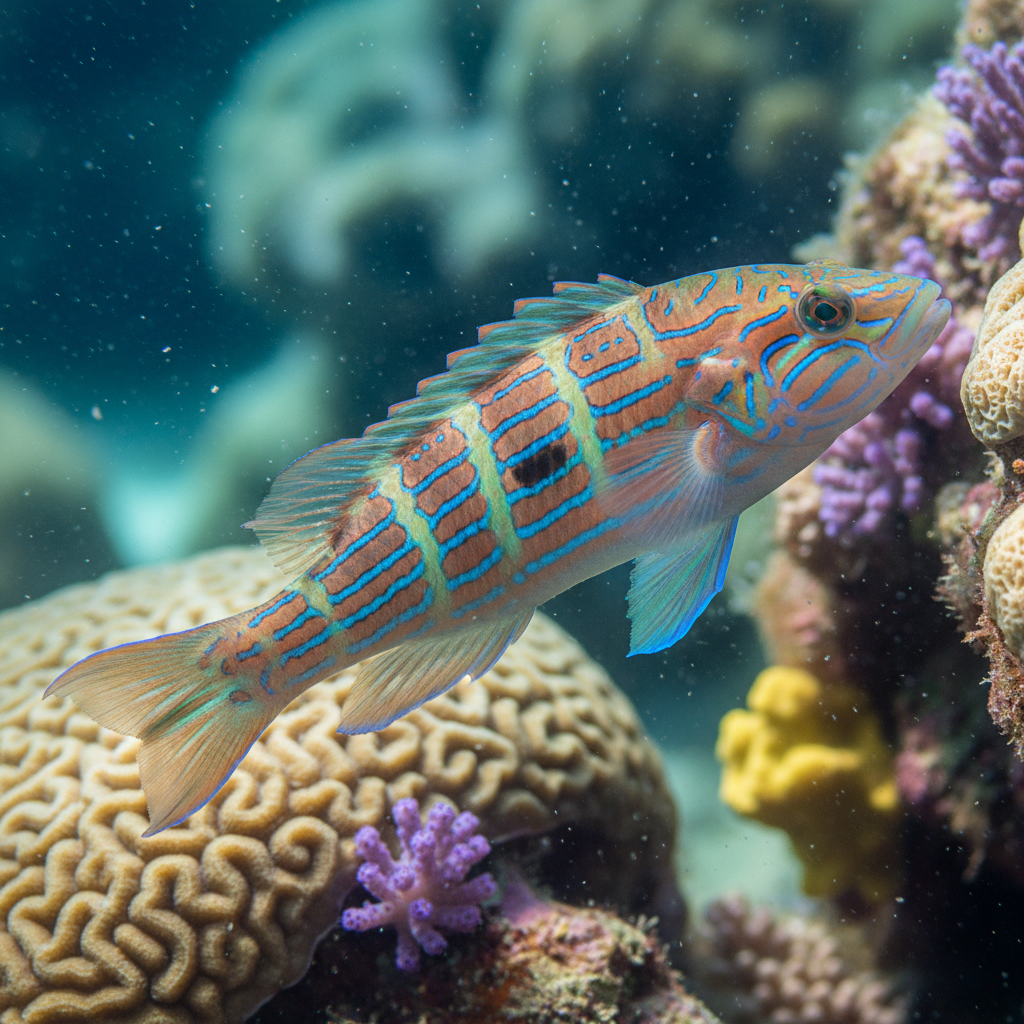
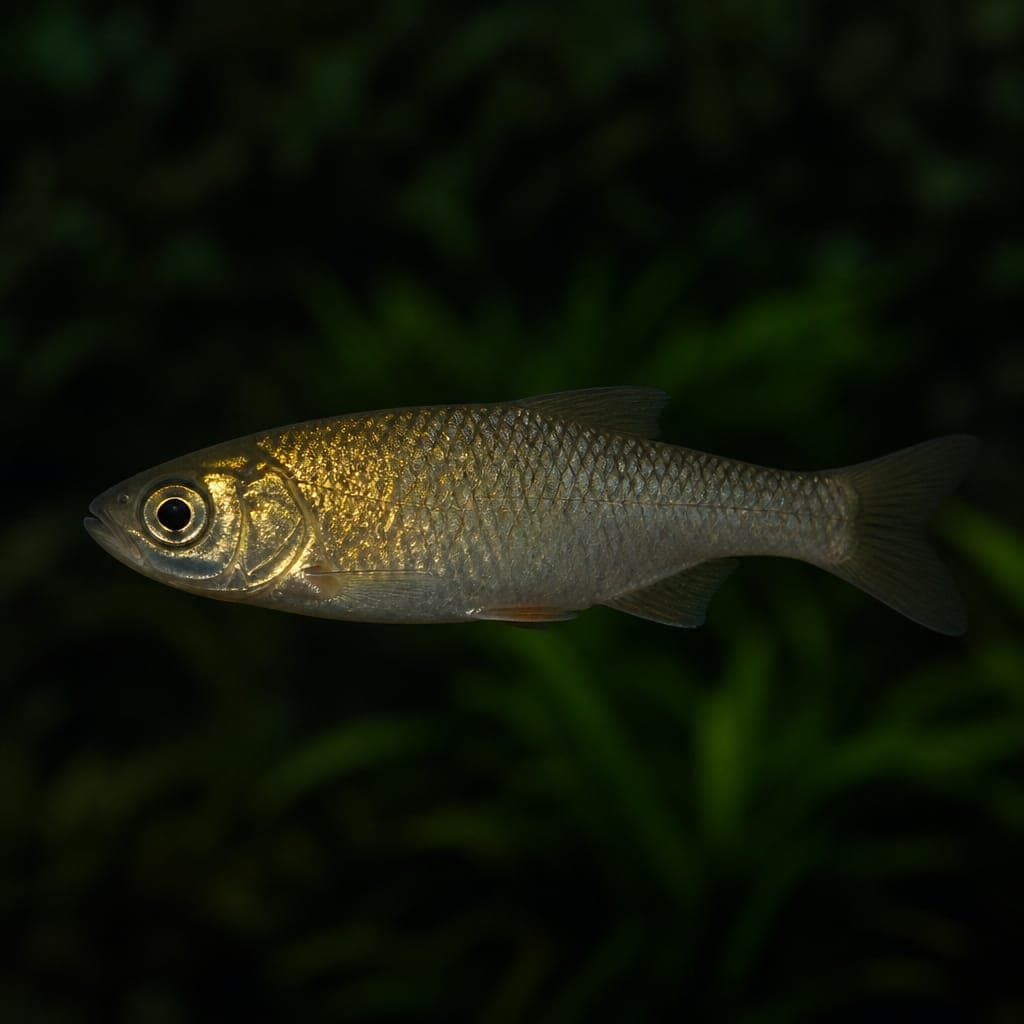
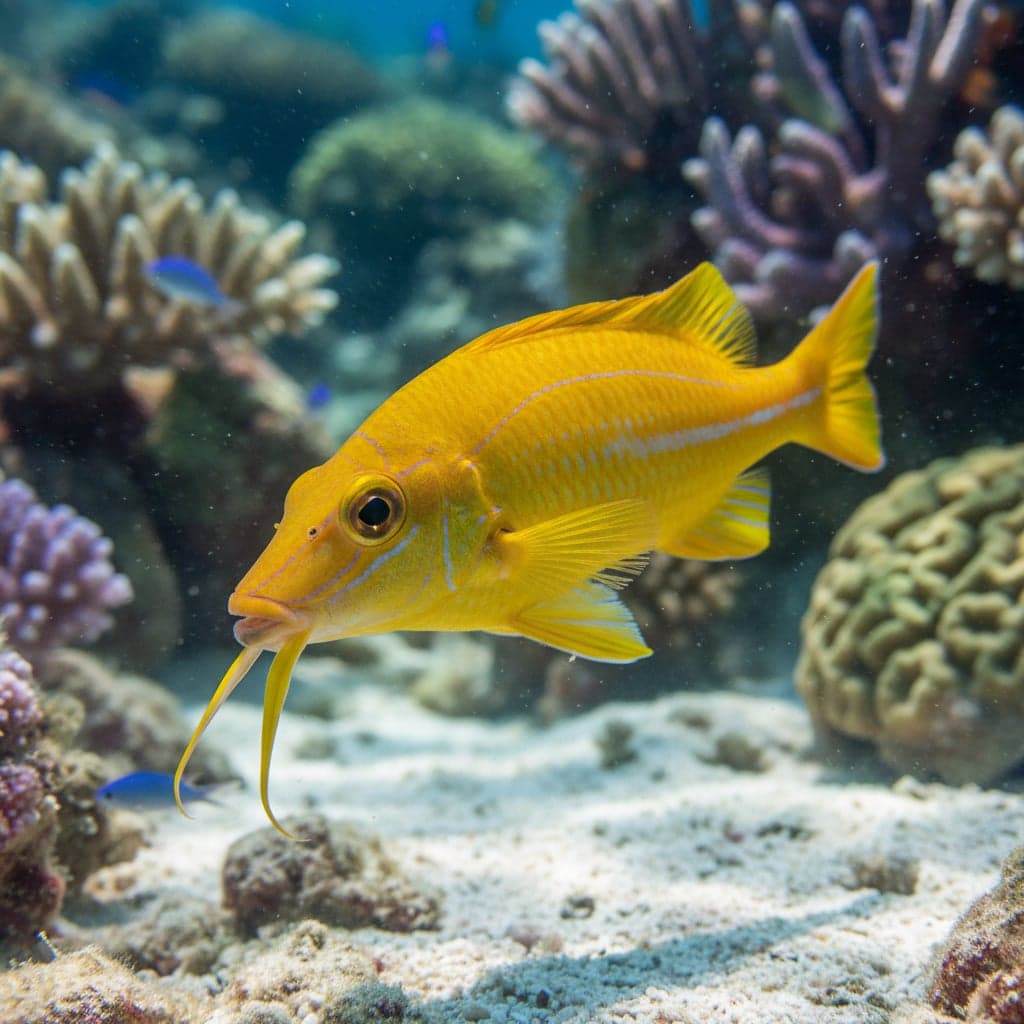
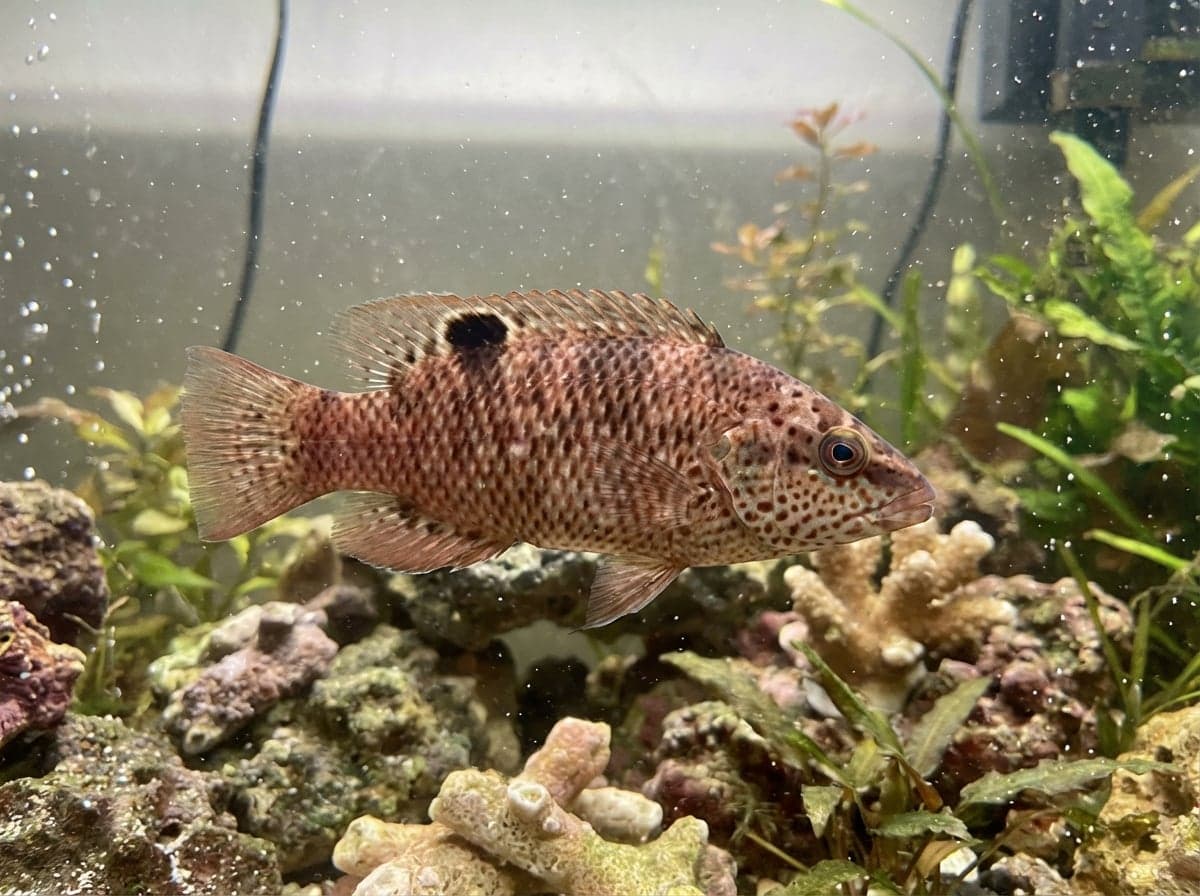
The Ring Wrasse (Hologymnosus annulatus) is a large, elongate, tireless Indo-Pacific wrasse that reinvents its look with age. Juveniles are pale with dark longitudinal striping; adult males push into deep green to blue-grey with fine vertical lining that reads as rings in the right light — hence the common name. Hardy and striking, it is an impressive fish for a large marine system, but size, pace and appetite for invertebrates put it in fish-focused tanks, not delicate mixed reefs full of shrimp.
This is not a nano wrasse that “stays small.” Frontmatter’s ~40 cm (16 inches) and 450-litre class volume are the honest price of admission. Undersize the tank and you get a paced, dominant hunter that harasses everything slower than it is.
Natural Habitat & Origin
Hologymnosus annulatus ranges widely across the Indo-Pacific, actively covering reef flats, slopes and sandy adjacent areas while hunting small invertebrates and fish. It is a day-active cruiser with serious linear speed. Like many larger wrasses in related groups, it dives into sand to sleep and to escape threat — that behaviour is obligatory husbandry, not a cute anecdote.
In the aquarium recreate open swimming water, rock with inspection crevices, and a fine sand bed deep enough to bury into. A bare-bottom show tank with no sand forces unnatural sleeping stress and often precedes jumping or glass pacing at lights-out.
Care Requirements
Stable marine parameters: salinity about 1.024–1.026, pH 8.1–8.4, temperature 24–26°C (75–79°F). Adults can approach 40 cm (16 inches) and stay in motion — around 450 litres (about 120 US gallons) or more is the practical minimum, and length matters more than height. A short, tall cube fails this fish even when the litre count looks acceptable on paper.
Provide open lanes, live rock that does not turn the tank into a maze with no straight run, and a fine sand bed for sleeping. A secure, gap-free lid is mandatory; this wrasse is an accomplished jumper when startled. Flow should be strong and well aerated — high-oxygen, high-activity fish hate warm stagnant corners.
Bioload is real. Heavy meaty feeding plus a large carnivore means robust export: skimming, water changes, and nitrate control. See ammonia and nitrite and nitrate. Log salinity and temperature in the Aquarium Tracker so slow chemistry drift does not hide behind “it still swims fast.”
Diet & Feeding
Carnivore. Wild prey includes small invertebrates and fish. In captivity it is usually a reliable, eager feeder: frozen mysis and enriched brine shrimp, chopped seafood (shrimp, clam, squid), and quality marine pellets once trained. Feed once or twice a day; it learns the schedule and will beg.
Variety prevents the paste-only trap. Include some firmer items so jaw and gut work on more than mush. It will also hunt whatever fits in the mouth on the rock and sand — that is normal predatory behaviour, not a training failure. Broader guidance sits under marine diets and feeding schedules.
A newly imported fish that refuses food needs low stress and rich frozen offerings, not constant net harassment. Once eating, hunger is rarely the problem; aggression and jumping are.
Behavior & Temperament
Semi-aggressive, and more so as it grows into adult size and colour. Toward robust, similarly paced fish it can be manageable in a large system; toward small, timid or slow species it may harass or eat them. Frontmatter lists solitary because one Ring Wrasse per tank is the default plan — this is not a shoaling wrasse and not a sixline-style community pest hunter.
Energy is constant. Expect cruising, sand dives at night, and investigation of anything that looks edible. Add it later to a community of established robust fish so it does not define the entire volume as hunting ground from week one. Sudden night panic against the glass often precedes a jump — another lid argument.
Tank Mates
House with robust marine fish that can hold their own: tangs in truly large systems, larger wrasses, angelfish, and carefully chosen triggers or other assertive FOWLR species. Avoid tiny gobies, firefish, ornamental shrimp, small crabs and anything that fits in an adult Ring Wrasse mouth.
Reef safety is not ambiguous. It is not safe with mobile invertebrates — ornamental shrimp, small crabs and similar prey are food. Coral polyps are not its staple the way they are for some angels and butterflies, but size, current and hunting pressure still make delicate mixed reefs a poor match. Best homes are fish-only or FOWLR systems, or reefs that have already accepted the loss of mobile inverts. Marketing that calls large predatory wrasses “reef-safe” because they ignore SPS misses the shrimp.
Breeding
Hologymnosus annulatus is a protogynous hermaphrodite and pelagic spawner — females can change to male as social structure requires; eggs and larvae drift in the plankton. Rearing is beyond the home aquarium. Trade specimens are wild-collected. Buy for the individual and the tank plan, not for a breeding pair fantasy in 450 litres.
Common Health Issues
Hardy does not mean parasite-proof. Marine ich (Cryptocaryon irritans) and velvet (Amyloodinium ocellatum) remain the headline risks after collection and shipping. Quarantine every fish under a quarantine protocol and treat in a hospital tank. Copper and many baths destroy invertebrates; see medications.
Jumping and undersizing kill as often as disease. Secure the lid, provide sand for sleeping, keep swimming room honest, and match tankmates to adult aggression. Bacterial issues follow scrapes and dirty water after heavy feeding — export must keep up with the appetite.
Given volume, sand, a meaty diet, robust company and no prized shrimp, the Ring Wrasse is a dependable intermediate show fish — colour-changing, fast and honest about what it eats.